Theodore H. Fleming - Böcker
Visar alla böcker från författaren Theodore H. Fleming. Handla med fri frakt och snabb leverans.
6 produkter
6 produkter
691 kr
Skickas inom 7-10 vardagar
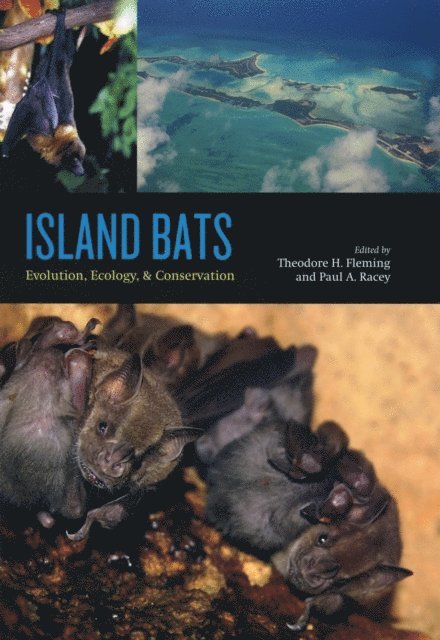
The second largest order of mammals, Chiroptera comprises more than one thousand species of bats. Because of their mobility, bats are often the only native mammals on isolated oceanic islands, where more than half of all bat species live. These island bats represent an evolutionarily distinctive and ecologically significant part of the earth's biological diversity. "Island Bats" is the first book to focus solely on the evolution, ecology, and conservation of bats living in the world's island ecosystems. Among other topics, the contributors to this volume examine how the earth's history has affected the evolution of island bats, investigate how bat populations are affected by volcanic eruptions and hurricanes, and explore the threat of extinction from human disturbance. Geographically diverse, the volume includes studies of the islands of the Caribbean, the Western Indian Ocean, Micronesia, Indonesia, the Philippines, and New Zealand. With its wealth of information from long-term studies, "Island Bats" provides timely and valuable information about how this fauna has evolved and how it can be conserved.
463 kr
Skickas inom 7-10 vardagar
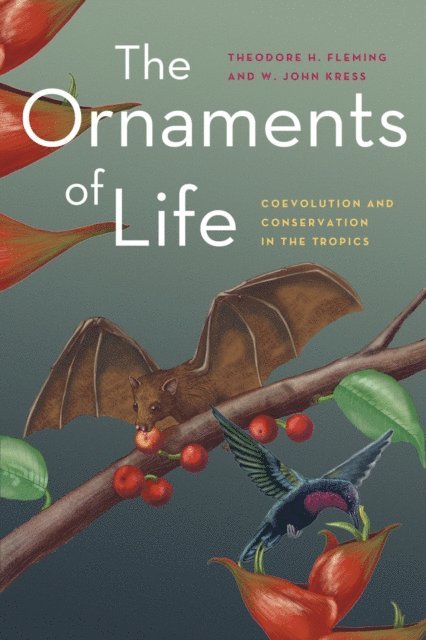
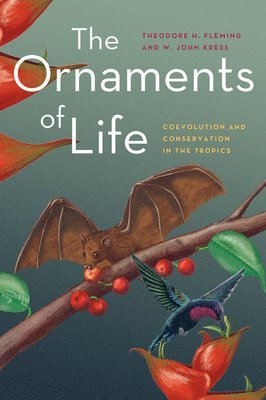
The average kilometer of tropical rainforest is teeming with life; it contains thousands of species of plants and animals. As The Ornaments of Life reveals, many of the most colorful and eye-catching rainforest inhabitants - toucans, monkeys, leaf-nosed bats, and hummingbirds, to name a few - are an important component of the infrastructure that supports life in the forest. These fruit-and-nectar eating birds and mammals pollinate the flowers and disperse the seeds of hundreds of tropical plants, and unlike temperate communities, much of this greenery relies exclusively on animals for reproduction. Synthesizing recent research by ecologists and evolutionary biologists, Theodore H. Fleming and W. John Kress demonstrate the tremendous functional and evolutionary importance of these tropical pollinators and frugivores. They shed light on how these mutually symbiotic relationships evolved and lay out the current conservation status of these essential species. In order to illustrate the striking beauty of these "ornaments" of the rainforest, the authors have included a series of breathtaking color plates and full-color graphs and diagrams.
557 kr
Skickas inom 7-10 vardagar
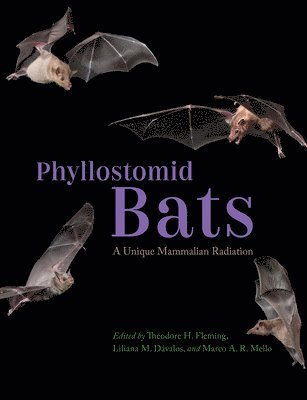
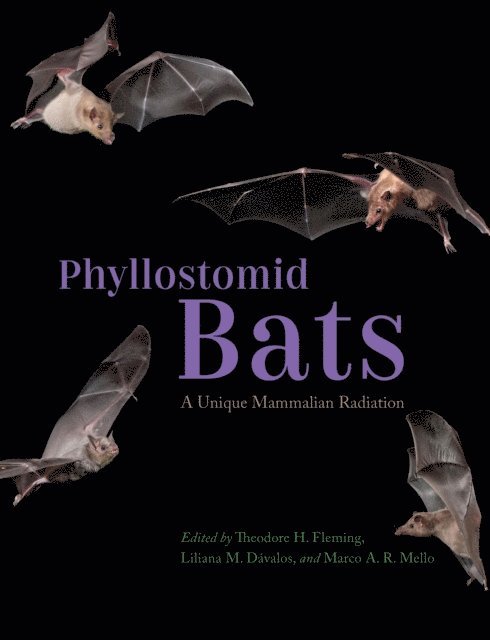
With more than two hundred species distributed across most of mainland Mexico, Central and South America, and islands in the Caribbean Sea, the Phyllostomidae bat family (American leaf-nosed bats) is one of the world's most diverse mammalian families in terms of its trophic, or feeding, diversity. From an insectivorous ancestry, extant species have evolved into several dietary classes, including blood-feeding, vertebrate carnivory, and the consumption of nectar, pollen, and fruit, in a period of about 30 million years. Phyllostomidae's plant-visiting species are responsible for pollinating more than five hundred species of neotropical shrubs, trees, vines, and epiphytes--many of which are economically and ecologically important--and they also disperse the seeds of at least another five-hundred plant species. Fruit-eating and seed-dispersing members of this family thus play a crucial role in the regeneration of neotropical forests, and the fruit eaters are among the most abundant mammals in these habitats.Coauthored by leading experts in the field and synthesizing the latest advances in molecular biology and ecological methods, Phyllostomid Bats is the first overview in more than forty years of the evolution of the many morphological, behavioral, physiological, and ecological adaptations in this family. Featuring abundant illustrations as well as details on the current conservation status of phyllostomid species, it is both a comprehensive reference for these ecologically vital creatures and a fascinating exploration of the evolutionary process of adaptive radiation.
178 kr
Skickas inom 7-10 vardagar
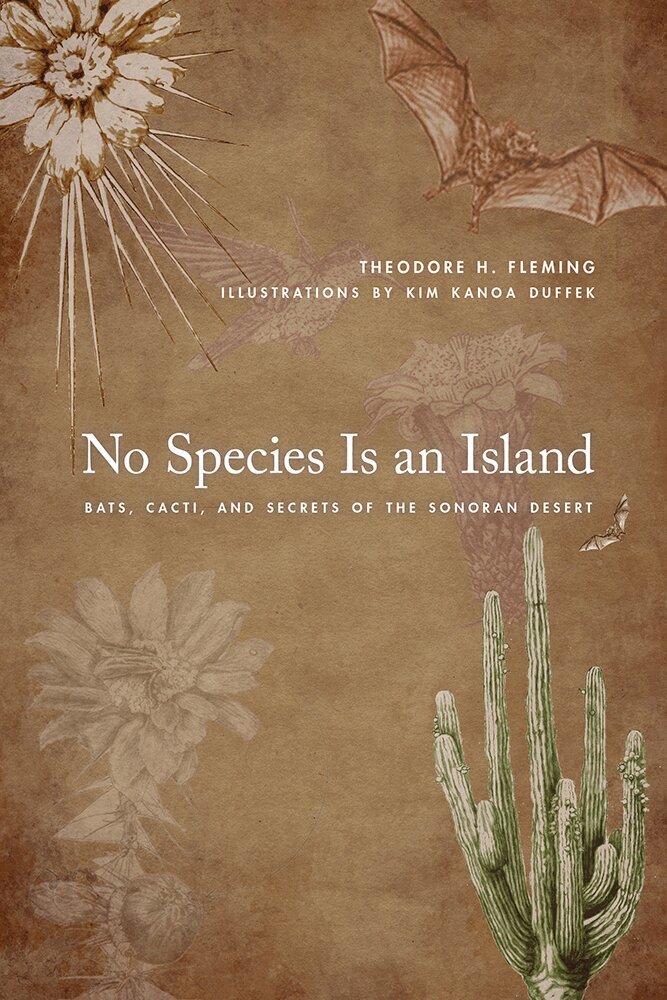
In the darkness of the star-studded desert, bats and moths feed on the nectar of night-blooming cactus flowers. By day, birds and bees do the same, taking to blooms for their sweet sustenance. In return these special creatures pollinate the equally intriguing plants in an ecological circle of sustainability.The Sonoran Desert is the most biologically diverse desert in the world. Four species of columnar cacti, including the iconic saguaro and organ pipe, are among its most conspicuous plants. No Species Is an Island describes Theodore H. Fleming’s eleven-year study of the pollination biology of these species at a site he named Tortilla Flats in Sonora, Mexico, near Kino Bay.Now Fleming shares the surprising results of his intriguing work. Among the novel findings are one of the world’s rarest plant-breeding systems in a giant cactus; the ability of the organ pipe cactus to produce fruit with another species’ pollen; the highly specialized moth-cactus pollination system of the senita cactus; and the amazing lifestyle of the lesser long-nosed bat, the major nocturnal pollinator of three of these species.These discoveries serve as a primer on how to conduct ecological research, and offer important conservation lessons for us all. Fleming highlights the preciousness of the ecological web of our planet—Tortilla Flats is a place where cacti and migratory bats and birds connect such far-flung habitats as Mexico’s tropical dry forest, the Sonoran Desert, and the temperate rain forests of southeastern Alaska. Fleming offers an insightful look at how field ecologists work, and the often big surprises that come from looking carefully at a natural world where no species stands alone.
309 kr
Skickas inom 7-10 vardagar
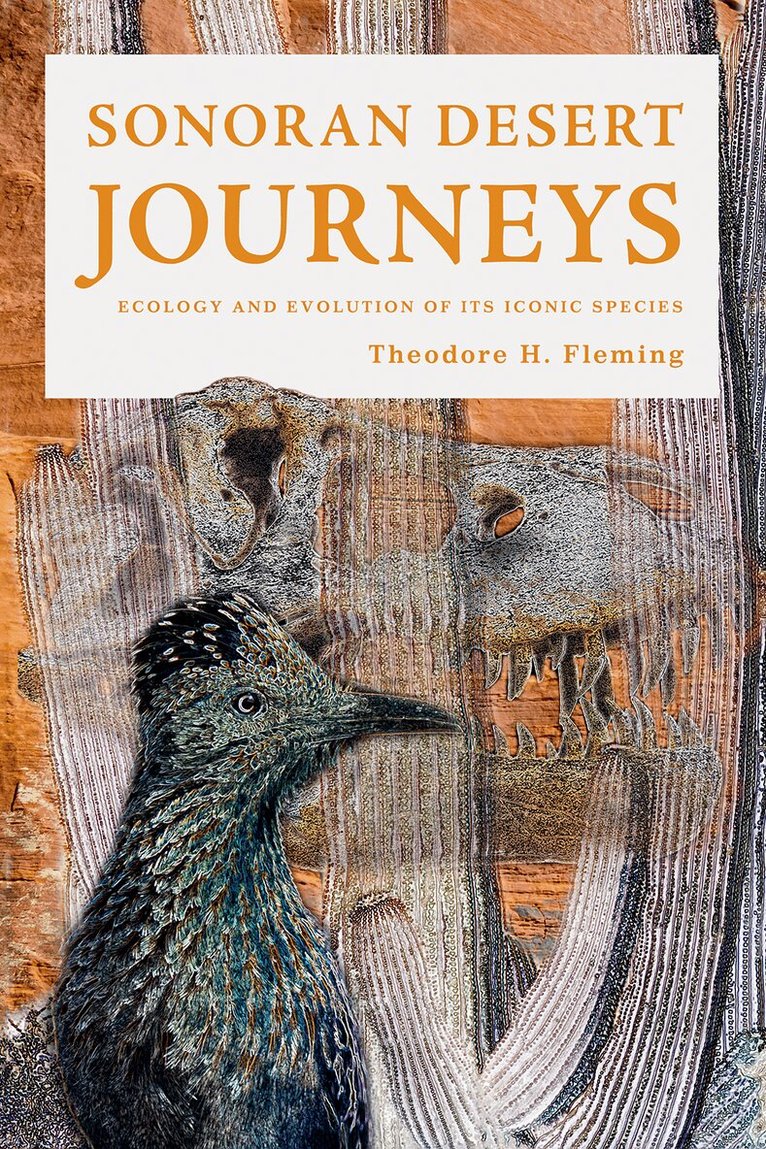
Lizards dashing rapidly between plants. Songbirds and woodpeckers flying to and from their nests. Hawks perched on saguaros. What kinds of journeys have these and many other animals and plants and their ancestors taken in space and time to arrive in the Sonoran Desert? How long have these species been living together here?In Sonoran Desert Journeys ecologist Theodore H. Fleming discusses two remarkable journeys. First, Fleming offers a brief history of our intellectual and technical journey over the past three centuries to understand the evolution of life on Earth. Next, he applies those techniques on a journey of discovery about the evolution and natural history of some of the Sonoran Desert’s most iconic animals and plants. Fleming details the daily lives of a variety of reptiles, birds, mammals, and plants, describing their basic natural and evolutionary histories and addressing intriguing issues associated with their lifestyles and how they cope with a changing climate. Finally, Fleming discusses the complexity of Sonoran Desert conservation.This book explores the evolution and natural history of iconic animals and plants of the northern Sonoran Desert through the eyes of a curious naturalist and provides a model of how we can coexist with the unique species that call this area home.
Birds, Bats, and Blooms
The Coevolution of Vertebrate Pollinators and Their Plants
Häftad, Engelska, 2024
292 kr
Skickas inom 3-6 vardagar
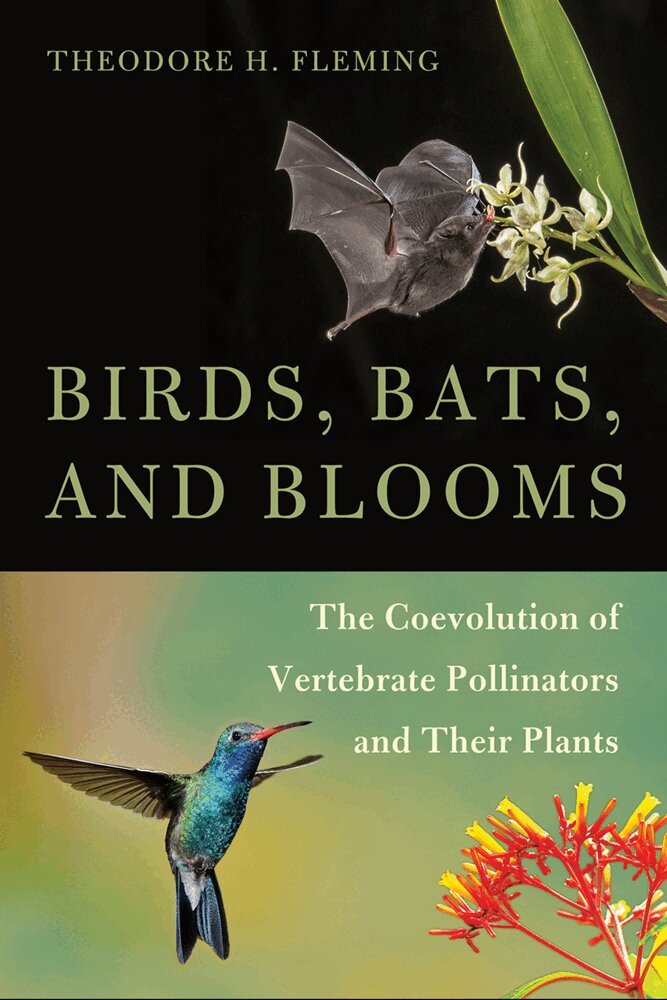
Like gems flitting through the sky, hummingbirds attract our eye. But they are more than flash: they are critical pollinators in their ecosystems. Similarly in the darkness of night, nectar-feeding bats perform the same important ecological service as their colorful avian counterparts.Vertebrate pollinators like bats and birds are keynote species of the Sonoran Desert. Biologist Theodore H. Fleming uses these species—found in the desert around his home—to address two big questions dealing with the evolution of life on Earth: How did these animals evolve, and how did they coevolve with their food plants?A deeply thoughtful and researched dive into evolutionary history, Birds, Bats, and Blooms offers an engaging trip across evolutionary trajectories as it discusses nectar-feeding birds and bats and their coevolution as pollinators with flowering plants. The primary focus is on New World birds such as hummingbirds and their chiropteran counterparts (nectar-feeding bats in the family Phyllostomidaez). It also discusses their Old World ecological counterparts, including sunbirds, honeyeaters, lorikeets, and nectar-feeding bats in the Pteropodidae. Fleming also addresses the conservation status of these beautiful animals.Through engaging prose, Fleming pulls together the most recent research in evolutionary biology and pairs it with accounts of his personal interactions with bats and birds. His account includes fourteen color photographs taken by the author during his research trips around the world.