Thomas B. Jabine – författare
Visar alla böcker från författaren Thomas B. Jabine. Handla med fri frakt och snabb leverans.
10 produkter
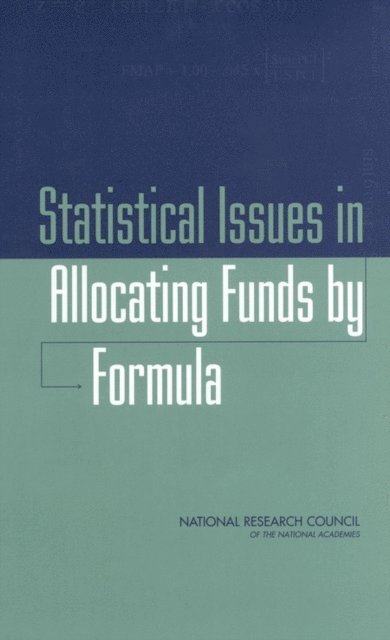
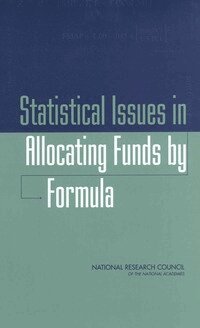
Statistical Issues in Allocating Funds by Formula
Av Panel on Formula Allocations, Committee on National Statistics m. fl.
E-bok, 2003
745 kr
Lägg i varukorg
In 2000, the federal government distributed over $260 billion of funding to state and local governments via 180 formula programs. These programs promote a wide spectrum of economic and social objectives, such as improving educational outcomes and increasing accessibility to medical care, and many …
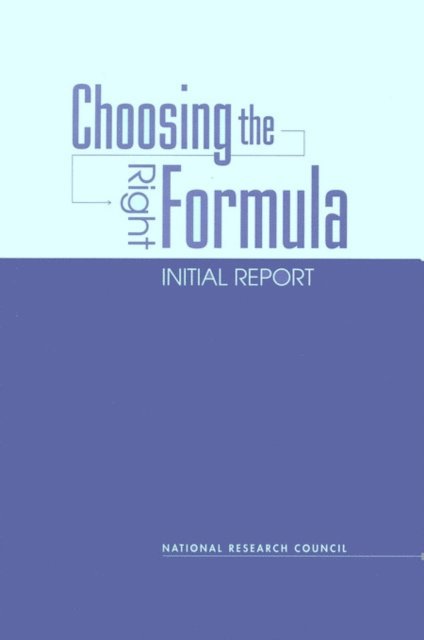
Choosing the Right Formula
Initial Report
Av Panel on Formula Allocations, Committee on National Statistics m. fl.
E-bok, 2001
537 kr
Lägg i varukorg
The workshop was a direct outgrowth of a previous study by the CNSTAT Panel on Estimates of Poverty for Small Geographic Areas. That panel, established under a 1994 act of Congress, began its work with a very specific mission: to evaluate the suitability of the U.S. Census Bureau''s small-area …
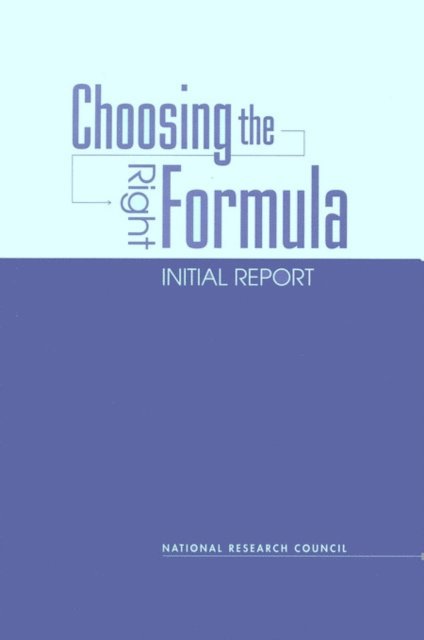
Choosing the Right Formula
Initial Report
Av Panel on Formula Allocations, Committee on National Statistics m. fl.
E-bok, 2001
373 kr
Lägg i varukorg
The workshop was a direct outgrowth of a previous study by the CNSTAT Panel on Estimates of Poverty for Small Geographic Areas. That panel, established under a 1994 act of Congress, began its work with a very specific mission: to evaluate the suitability of the U.S. Census Bureau''s small-area …
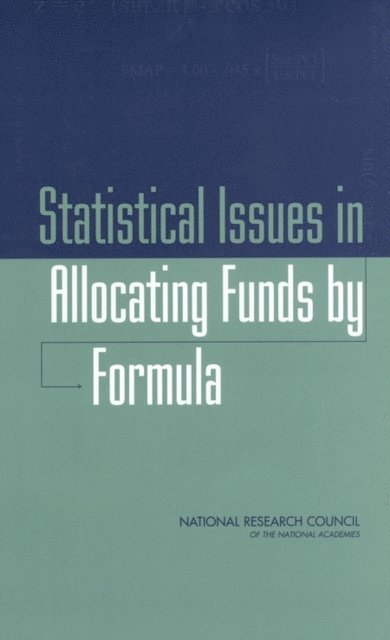
Statistical Issues in Allocating Funds by Formula
Av Panel on Formula Allocations, Committee on National Statistics m. fl.
E-bok, 2003
520 kr
Lägg i varukorg
In 2000, the federal government distributed over $260 billion of funding to state and local governments via 180 formula programs. These programs promote a wide spectrum of economic and social objectives, such as improving educational outcomes and increasing accessibility to medical care, and many …
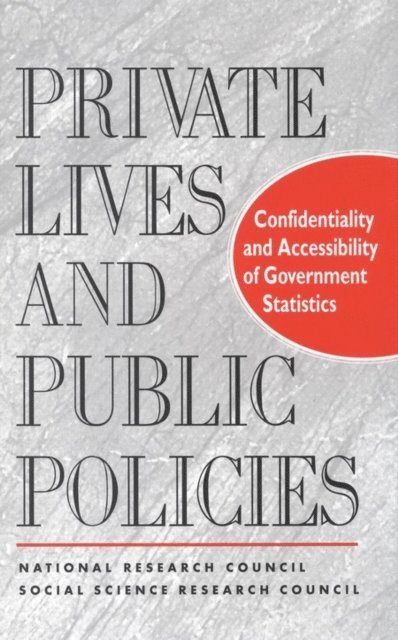
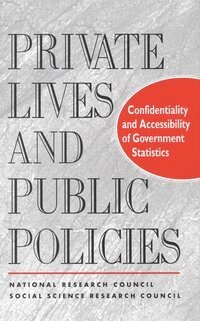
Private Lives and Public Policies
Confidentiality and Accessibility of Government Statistics
Av Panel on Confidentiality and Data Access, Commission on Behavioral and Social Sciences and Education m. fl.
E-bok, 1993
1005 kr
Lägg i varukorg
Americans are increasingly concerned about the privacy of personal data—yet we demand more and more information for public decision making. This volume explores the seeming conflicts between privacy and data access, an issue of concern to federal statistical agencies collecting the data, research …
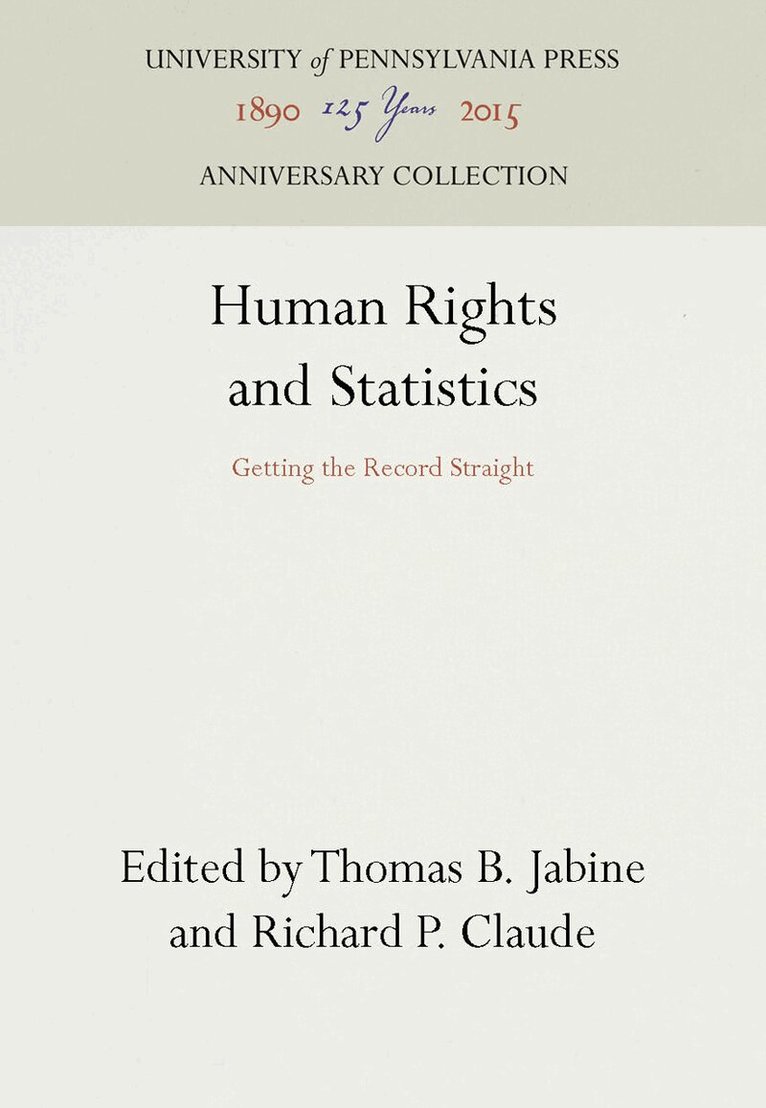
Human Rights and Statistics
Getting the Record Straight
Av Thomas B. Jabine, Richard Pierre Claude
Inbunden, 1992
1024 kr
Lägg i varukorg
Effective human rights advocacy and research require the use of statistics, carefully collected and objectively analyzed and presented, using the best techniques available. Statistics that lack credibility are of little value. Those that can be defended against critics can be effective in throwing …
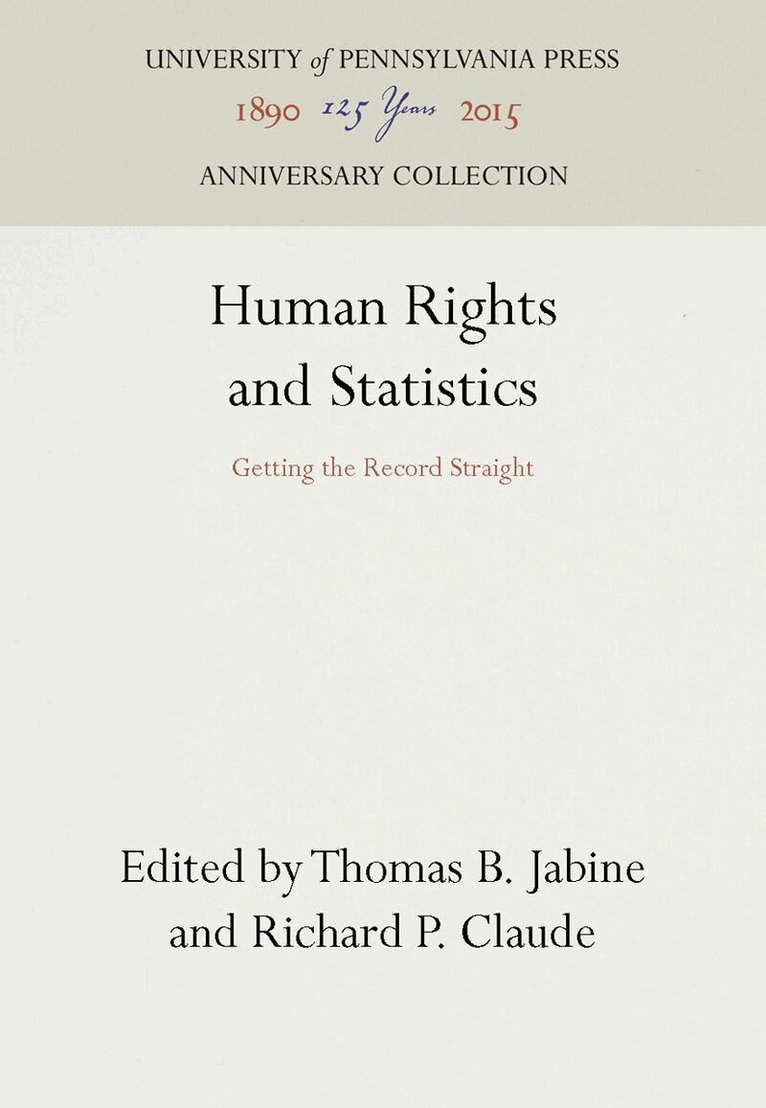
Human Rights and Statistics
Getting the Record Straight
Av Thomas B. Jabine, Richard Pierre Claude
E-bok, 2016
1206 kr
Lägg i varukorg
Effective human rights advocacy and research require the use of statistics, carefully collected and objectively analyzed and presented, using the best techniques available. Statistics that lack credibility are of little value. Those that can be defended against critics can be effective in throwing …
Choosing the Right Formula
Initial Report
Av National Research Council, Division of Behavioral and Social Sciences and Education m. fl.
Häftad, 2001
594 kr
Tillfälligt slut
The workshop was a direct outgrowth of a previous study by the CNSTAT Panel on Estimates of Poverty for Small Geographic Areas. That panel, established under a 1994 act of Congress, began its work with a very specific mission: to evaluate the suitability of the U.S. Census Bureau's small-area …
Private Lives and Public Policies
Confidentiality and Accessibility of Government Statistics
Av National Research Council, Division of Behavioral and Social Sciences and Education m. fl.
Häftad, 1993
1585 kr
Tillfälligt slut
Americans are increasingly concerned about the privacy of personal data--yet we demand more and more information for public decision making. This volume explores the seeming conflicts between privacy and data access, an issue of concern to federal statistical agencies collecting the data, research …
Statistical Issues in Allocating Funds by Formula
Av National Research Council, Division of Behavioral and Social Sciences and Education m. fl.
Häftad, 2003
713 kr
Tillfälligt slut
In 2000, the federal government distributed over $260 billion of funding to state and local governments via 180 formula programs. These programs promote a wide spectrum of economic and social objectives, such as improving educational outcomes and increasing accessibility to medical care, and many …