Thomas Heine Nielsen – författare
Visar alla böcker från författaren Thomas Heine Nielsen. Handla med fri frakt och snabb leverans.
4 produkter
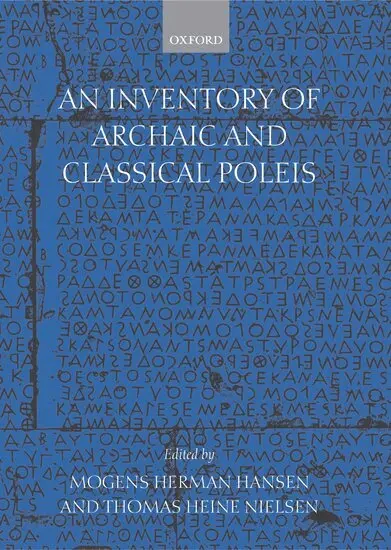
Inventory of Archaic and Classical Poleis
Av Thomas Heine Nielsen, Mogens Herman Hansen
E-bok, 2004
5286 kr
Lägg i varukorg
This is the first ever documented study of the 1,035 identifiable Greek city states (poleis) of the Archaic and Classical periods (c.650-325 BC). Previous studies of the Greek polis have focused on Athens and Sparta, and the result has been a view of Greek society dominated by Sophokles'', …
An Inventory of Archaic and Classical Poleis
Av Mogens Herman Hansen, Thomas Heine Nielsen
Inbunden, 2004
8272 kr
Lägg i varukorg
This is the first ever documented study of the 1,035 identifiable Greek city states (poleis) of the Archaic and Classical periods (c.650-325 BC). Previous studies of the Greek polis have focused on Athens and Sparta, and the result has been a view of Greek society dominated by Sophokles', Plato's, …
Use and Abuse of the Ancient Olympics by the Classical Greek City-States
Häftad, 2024
561 kr
Lägg i varukorg
Were the ancient Olympics used, or abused, by the classical Greek city-states for purposes not strictly athletic or religious? This study attempts to outline an answer to this question by focusing on the way the city-state of Elis managed its role as permanent host of the Olympic festival, as well …
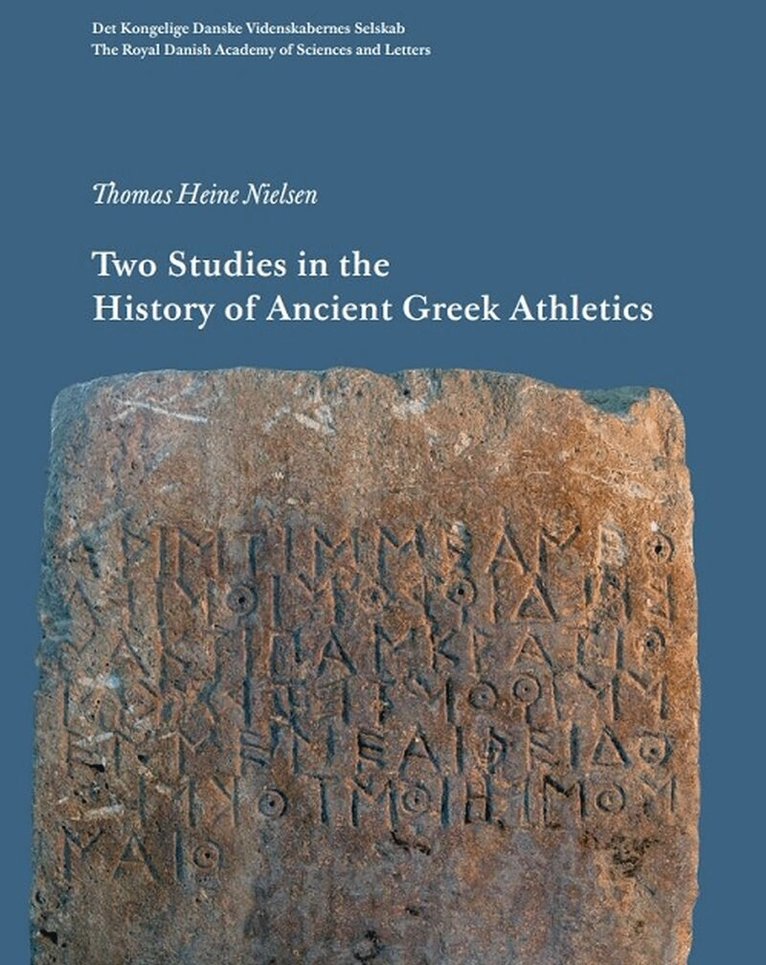
Two Studies in the History of Ancient Greek Athletics
Häftad, 2018
354 kr
Tillfälligt slut
Presents two studies in the history of ancient Greek athletics. The first study is a survey of the number of festivals with athletic and equestrian competitions which existed throughout the Greek world in the late Archaic and Classical periods. It demonstrates that athletic festivals were …