Thomas J. Sugrue - Böcker
Visar alla böcker från författaren Thomas J. Sugrue. Handla med fri frakt och snabb leverans.
14 produkter
14 produkter
285 kr
Skickas inom 7-10 vardagar
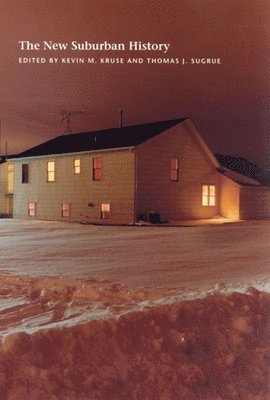
America has become a nation of suburbs. Confronting the popular image of suburbia as simply a refuge for affluent whites, "The New Suburban History" rejects the stereotypes of a conformist and conflict-free suburbia. The seemingly calm streets of suburbia were, in fact, battlegrounds over race, class, and politics. With this collection, Kevin Kruse and Thomas Sugrue argue that suburbia must be understood as a central factor in the modern American experience. Kruse and Sugrue, here, collect ten essays - augmented by their provocative introduction - that challenge our understanding of suburbia. Drawing from original research on suburbs across the country, the contributors recast important political and social issues in the context of suburbanization. Their essays reveal the role suburbs have played in the transformation of American liberalism and conservatism; the contentious politics of race, class, and ethnicity; and debates about the environment, land use, and taxation. The contributors move the history of African Americans, Latinos, Asians, and blue-collar workers from the margins to the mainstream of suburban history.From this broad perspective, these innovative historians explore the way suburbs affect - and are affected by - central cities, competing suburbs, and entire regions. The results, they show, are far-reaching: the emergence of a suburban America has reshaped national politics, fostered new social movements, and remade the American landscape. "The New Suburban History" offers nothing less than a new American history - one that claims the nation cannot be fully understood without a history of American suburbs at its very center.
1 383 kr
Kommande
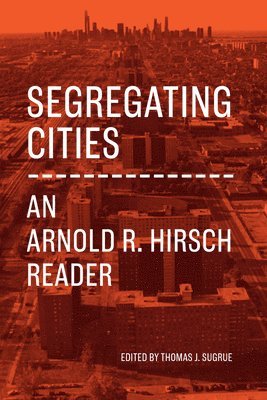
Collects critical essays by the author of Making the Second Ghetto. Arnold R. Hirsch (1949–2018) was one of the preeminent urban historians of his generation, a reputation cemented by his landmark book, Making the Second Ghetto. With compelling clarity, Hirsch demonstrated that segregation is not the inevitable result of individual choices, natural tendencies, or cultural traits—it is a structural phenomenon, reinforced on every level by state power. Segregating Cities collects the author’s key essays, some previously unpublished, to reveal a more complete picture of a remarkable scholar and his exploration of race, place, politics, and policy in the twentieth-century American city. Together, these essays can help us see segregation for what it is, so that we can then begin to truly work to overcome it.
456 kr
Kommande
Collects critical essays by the author of Making the Second Ghetto. Arnold R. Hirsch (1949–2018) was one of the preeminent urban historians of his generation, a reputation cemented by his landmark book, Making the Second Ghetto. With compelling clarity, Hirsch demonstrated that segregation is not the inevitable result of individual choices, natural tendencies, or cultural traits—it is a structural phenomenon, reinforced on every level by state power. Segregating Cities collects the author’s key essays, some previously unpublished, to reveal a more complete picture of a remarkable scholar and his exploration of race, place, politics, and policy in the twentieth-century American city. Together, these essays can help us see segregation for what it is, so that we can then begin to truly work to overcome it.
960 kr
Skickas inom 7-10 vardagar
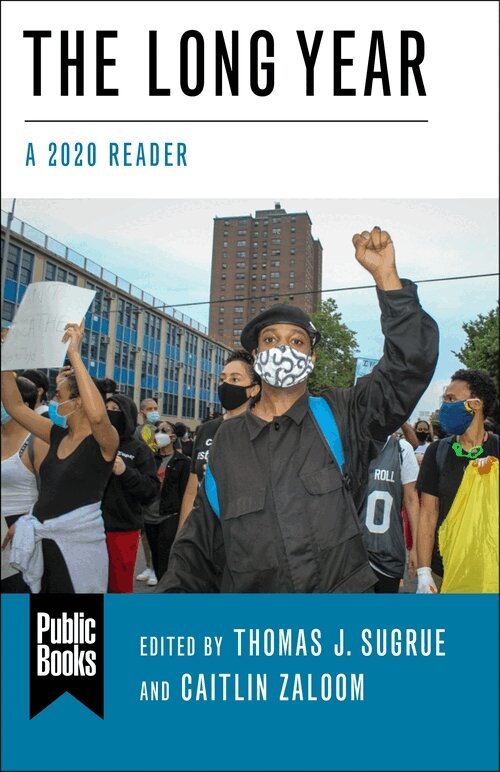
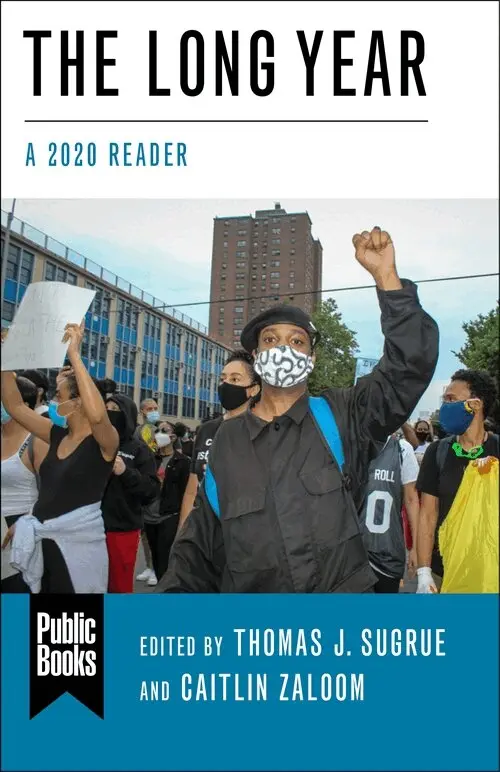
Some years—1789, 1929, 1989—change the world suddenly. Or do they? In 2020, a pandemic converged with an economic collapse, inequalities exploded, and institutions weakened. Yet these crises sprang not from new risks but from known dangers. The world—like many patients—met 2020 with a host of preexisting conditions, which together tilted the odds toward disaster. Perhaps 2020 wasn’t the year the world changed; perhaps it was simply the moment the world finally understood its deadly diagnosis.In The Long Year, some of the world’s most incisive thinkers excavate 2020’s buried crises, revealing how they must be confronted in order to achieve a more equal future. Keeanga-Yamahtta Taylor calls for the defunding of police and the refunding of communities; Keisha Blain demonstrates why the battle against racism must be global; and Adam Tooze reveals that COVID-19 hit hardest where inequality was already greatest and welfare states weakest. Yarimar Bonilla, Xiaowei Wang, Simon Balto, Marcia Chatelain, Gautam Bhan, Ananya Roy, and others offer insights from the factory farms of China to the elite resorts of France, the meatpacking plants of the Midwest to the overcrowded hospitals of India.The definitive guide to these ongoing catastrophes, The Long Year shows that only by exposing the roots and ramifications of 2020 can another such breakdown be prevented. It is made possible through institutional partnerships with Public Books and the Social Science Research Council.
245 kr
Skickas inom 7-10 vardagar
Some years—1789, 1929, 1989—change the world suddenly. Or do they? In 2020, a pandemic converged with an economic collapse, inequalities exploded, and institutions weakened. Yet these crises sprang not from new risks but from known dangers. The world—like many patients—met 2020 with a host of preexisting conditions, which together tilted the odds toward disaster. Perhaps 2020 wasn’t the year the world changed; perhaps it was simply the moment the world finally understood its deadly diagnosis.In The Long Year, some of the world’s most incisive thinkers excavate 2020’s buried crises, revealing how they must be confronted in order to achieve a more equal future. Keeanga-Yamahtta Taylor calls for the defunding of police and the refunding of communities; Keisha Blain demonstrates why the battle against racism must be global; and Adam Tooze reveals that COVID-19 hit hardest where inequality was already greatest and welfare states weakest. Yarimar Bonilla, Xiaowei Wang, Simon Balto, Marcia Chatelain, Gautam Bhan, Ananya Roy, and others offer insights from the factory farms of China to the elite resorts of France, the meatpacking plants of the Midwest to the overcrowded hospitals of India.The definitive guide to these ongoing catastrophes, The Long Year shows that only by exposing the roots and ramifications of 2020 can another such breakdown be prevented. It is made possible through institutional partnerships with Public Books and the Social Science Research Council.
927 kr
Skickas inom 7-10 vardagar
President Franklin Roosevelt told Americans in a 1936 fireside chat, “I do not look upon these United States as a finished product. We are still in the making.” These United States builds on this foundation to present a readable, accessible history of the United States throughout the twentieth century—an ongoing and inspiring story of great leaders and everyday citizens marching, fighting, voting and legislating to make the nation’s promise of democracy a reality for all Americans.
818 kr
Skickas inom 7-10 vardagar
President Franklin Roosevelt told Americans in a 1936 fireside chat, “I do not look upon these United States as a finished product. We are still in the making.” These United States builds on this foundation to present a readable, accessible history of the United States throughout the twentieth century—an ongoing and inspiring story of great leaders and everyday citizens marching, fighting, voting and legislating to make the nation’s promise of democracy a reality for all Americans.
211 kr
Skickas inom 7-10 vardagar
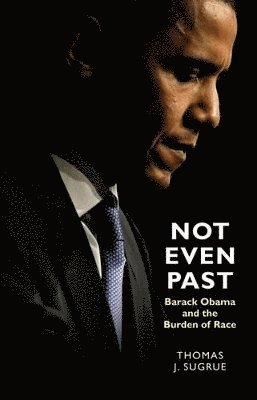
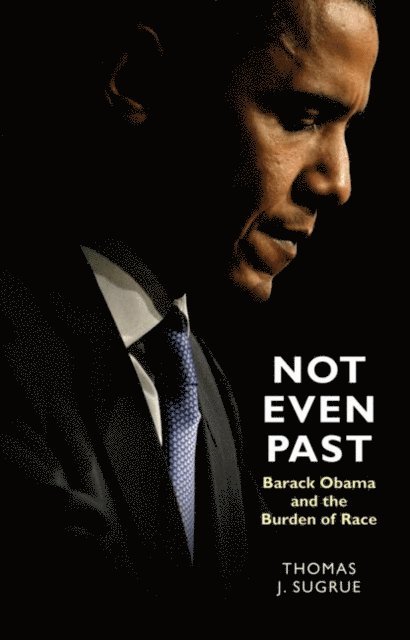
Barack Obama, in his acclaimed campaign speech discussing the troubling complexities of race in America today, quoted William Faulkner's famous remark "The past isn't dead and buried. In fact, it isn't even past." In Not Even Past, award-winning historian Thomas Sugrue examines the paradox of race in Obama's America and how President Obama intends to deal with it. Obama's journey to the White House undoubtedly marks a watershed in the history of race in America. Yet even in what is being hailed as the post-civil rights era, racial divisions--particularly between blacks and whites--remain deeply entrenched in American life. Sugrue traces Obama's evolving understanding of race and racial inequality throughout his career, from his early days as a community organizer in Chicago, to his time as an attorney and scholar, to his spectacular rise to power as a charismatic and savvy politician, to his dramatic presidential campaign. Sugrue looks at Obama's place in the contested history of the civil rights struggle; his views about the root causes of black poverty in America; and the incredible challenges confronting his historic presidency.Does Obama's presidency signal the end of race in American life? In Not Even Past, a leading historian of civil rights, race, and urban America offers a revealing and unflinchingly honest assessment of the culture and politics of race in the age of Obama, and of our prospects for a postracial America.
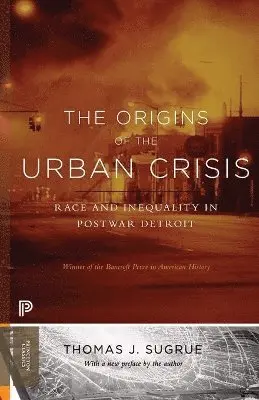
Origins of the Urban Crisis
Race and Inequality in Postwar Detroit - Updated Edition
Häftad, Engelska, 2014
251 kr
Skickas inom 7-10 vardagar
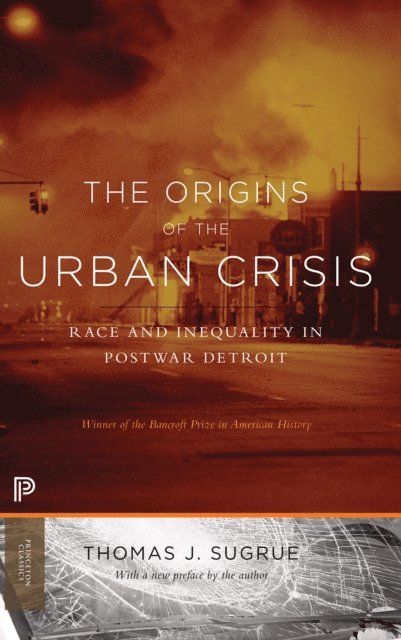
Once America's "arsenal of democracy," Detroit is now the symbol of the American urban crisis. In this reappraisal of America's racial and economic inequalities, Thomas Sugrue asks why Detroit and other industrial cities have become the sites of persistent racialized poverty. He challenges the conventional wisdom that urban decline is the product of the social programs and racial fissures of the 1960s. Weaving together the history of workplaces, unions, civil rights groups, political organizations, and real estate agencies, Sugrue finds the roots of today's urban poverty in a hidden history of racial violence, discrimination, and deindustrialization that reshaped the American urban landscape after World War II. This Princeton Classics edition includes a new preface by Sugrue, discussing the lasting impact of the postwar transformation on urban America and the chronic issues leading to Detroit's bankruptcy.
368 kr
Skickas inom 10-15 vardagar
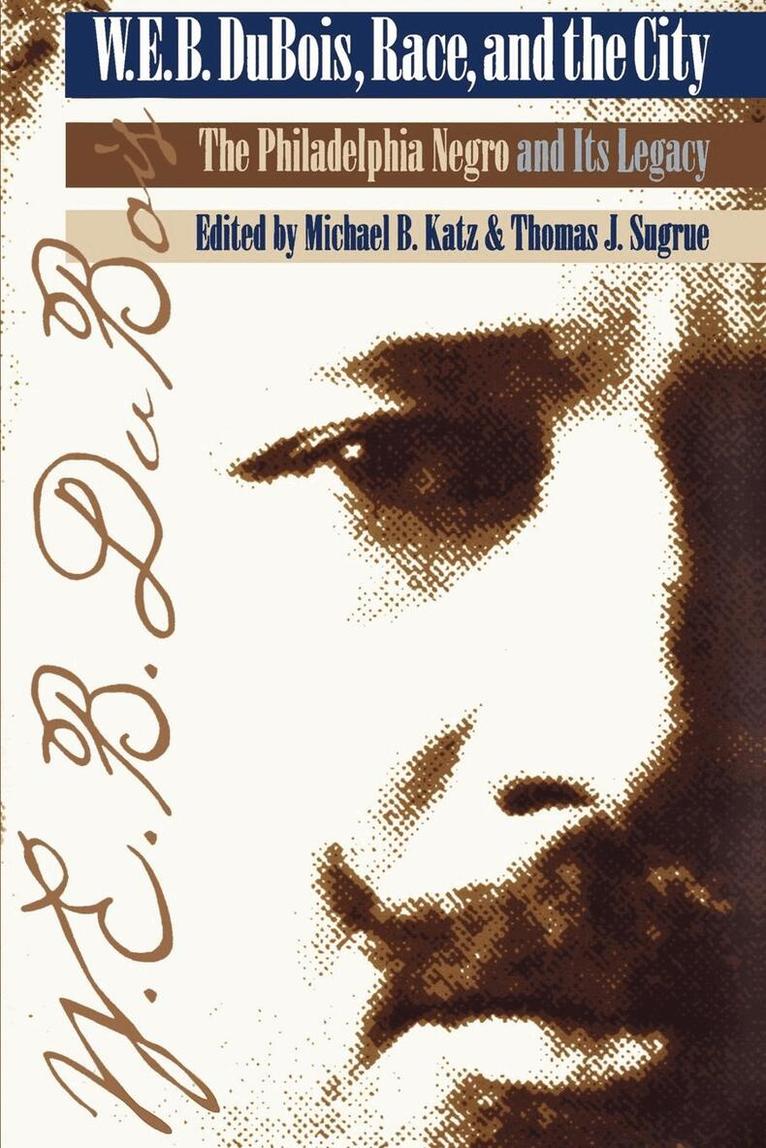
In 1896 W. E. B. Du Bois began research that resulted three years later in the publication of his great classic of urban sociology and history, The Philadelphia Negro. Today, a group of the nation's leading historians and sociologists celebrate the centenary of his project through a reappraisal of his book. Motivated by Du Bois's deeply humane vision of racial equality, the contributors draw on ethnography, intellectual and social history, and statistical analysis to situate Du Bois and his pioneering study in the intellectual milieu of the late nineteenth century, consider his contributions to the subsequent social scientific and historical studies of the city, and assess the contemporary meaning of his work. Together these essays show that The Philadelphia Negro remains as vital and relevant a book at the end of the twentieth century as it was at the start.Contributors include Elijah Anderson, Mia Bay, V. P. Franklin, Robert Gregg, Thomas C. Holt, Tera W. Hunter, Jacqueline Jones, Antonio McDaniel, and Carl Husemoller Nightingale.
648 kr
Skickas inom 10-15 vardagar
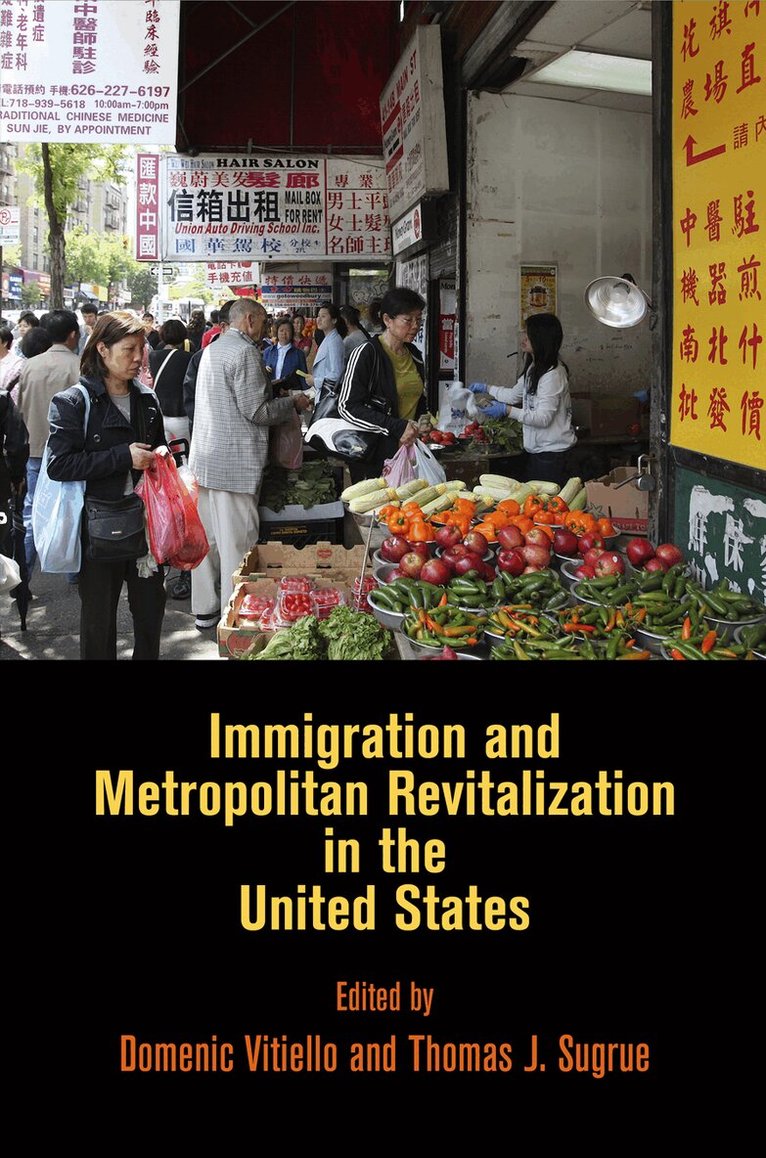
In less than a generation, the dominant image of American cities has transformed from one of crisis to revitalization. Poverty, violence, and distressed schools still make headlines, but central cities and older suburbs are attracting new residents and substantial capital investment. In most accounts, native-born empty nesters, their twentysomething children, and other educated professionals are credited as the agents of change. Yet in the past decade, policy makers and scholars across the United States have come to understand that immigrants are driving metropolitan revitalization at least as much and belong at the center of the story. Immigrants have repopulated central city neighborhoods and older suburbs, reopening shuttered storefronts and boosting housing and labor markets, in every region of the United States.Immigration and Metropolitan Revitalization in the United States is the first book to document immigrant-led revitalization, with contributions by leading scholars across the social sciences. Offering radically new perspectives on both immigration and urban revitalization and examining how immigrants have transformed big cities such as New York, Chicago, and Los Angeles, as well as newer destinations such as Nashville and the suburbs of Boston and New Jersey, the volume's contributors challenge traditional notions of revitalization, often looking at working-class communities. They explore the politics of immigration and neighborhood change, demolishing simplistic assumptions that dominate popular debates about immigration. They also show how immigrants have remade cities and regions in Latin America, Africa, and other places from which they come, linking urbanization in the United States and other parts of the world.Contributors: Kenneth Ginsburg, Marilynn S. Johnson, Michael B. Katz, Gary Painter, Robert J. Sampson, Gerardo Francisco Sandoval, A.K. Sandoval-Strausz, Thomas J. Sugrue, Rachel Van Tosh, Jacob L. Vigdor, Domenic Vitiello, Jamie Winders.
273 kr
Skickas inom 5-8 vardagar
989 kr
Skickas inom 10-15 vardagar
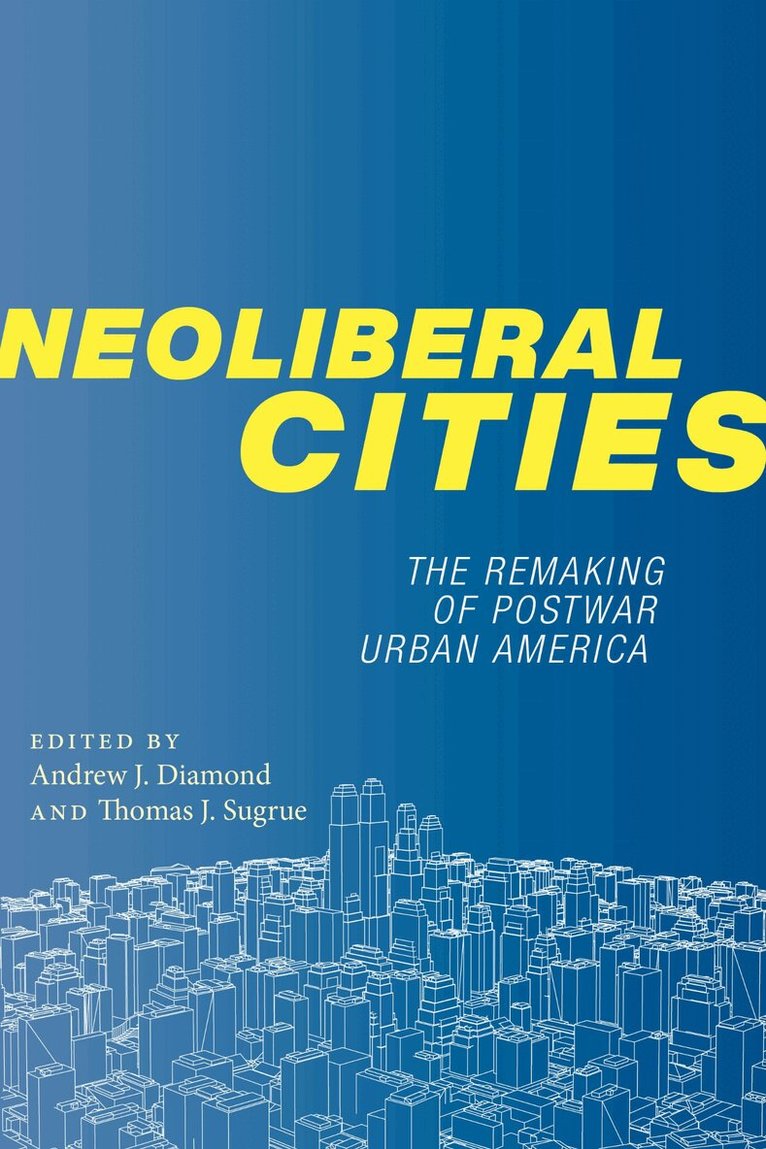
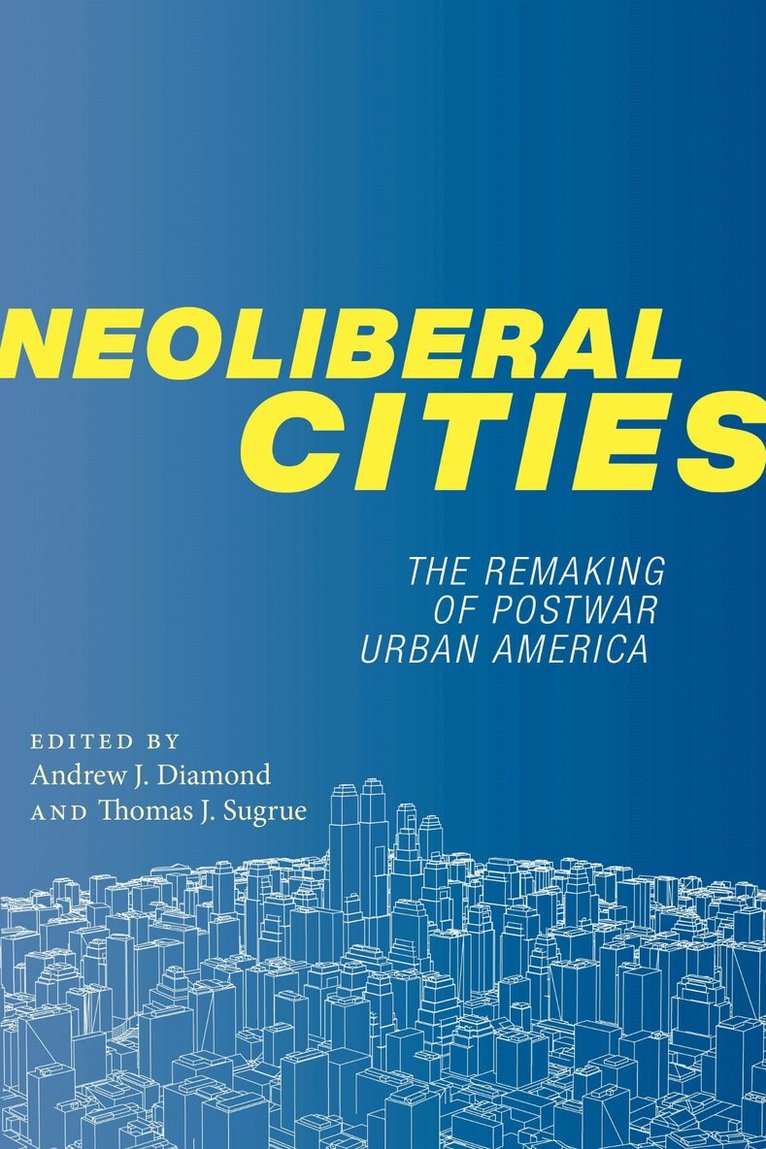
Traces decades of troubled attempts to fund private answers to public urban problemsThe American city has long been a laboratory for austerity, governmental decentralization, and market-based solutions to urgent public problems such as affordable housing, criminal justice, and education. Through richly told case studies from Boston, Chicago, Cleveland, Los Angeles, New Orleans, and New York, Neoliberal Cities provides the necessary context to understand the always intensifying racial and economic inequality in and around the city center. In this original collection of essays, urban historians and sociologists trace the role that public policies have played in reshaping cities, with particular attention to labor, the privatization of public services, the collapse of welfare, the rise of gentrification, the expansion of the carceral state, and the politics of community control. In so doing, Neoliberal Cities offers a bottom-up approach to social scientific, theoretical, and historical accounts of urban America, exploring the ways that activists and grassroots organizations, as well as ordinary citizens, came to terms with new market-oriented public policies promoted by multinational corporations, financial institutions, and political parties. Neoliberal Cities offers new scaffolding for urban and metropolitan change, with attention to the interaction between policymaking, city planning, social movements, and the market.
334 kr
Skickas inom 7-10 vardagar
Traces decades of troubled attempts to fund private answers to public urban problemsThe American city has long been a laboratory for austerity, governmental decentralization, and market-based solutions to urgent public problems such as affordable housing, criminal justice, and education. Through richly told case studies from Boston, Chicago, Cleveland, Los Angeles, New Orleans, and New York, Neoliberal Cities provides the necessary context to understand the always intensifying racial and economic inequality in and around the city center. In this original collection of essays, urban historians and sociologists trace the role that public policies have played in reshaping cities, with particular attention to labor, the privatization of public services, the collapse of welfare, the rise of gentrification, the expansion of the carceral state, and the politics of community control. In so doing, Neoliberal Cities offers a bottom-up approach to social scientific, theoretical, and historical accounts of urban America, exploring the ways that activists and grassroots organizations, as well as ordinary citizens, came to terms with new market-oriented public policies promoted by multinational corporations, financial institutions, and political parties. Neoliberal Cities offers new scaffolding for urban and metropolitan change, with attention to the interaction between policymaking, city planning, social movements, and the market.