Toby C. Rider – författare
Visar alla böcker från författaren Toby C. Rider. Handla med fri frakt och snabb leverans.
12 produkter
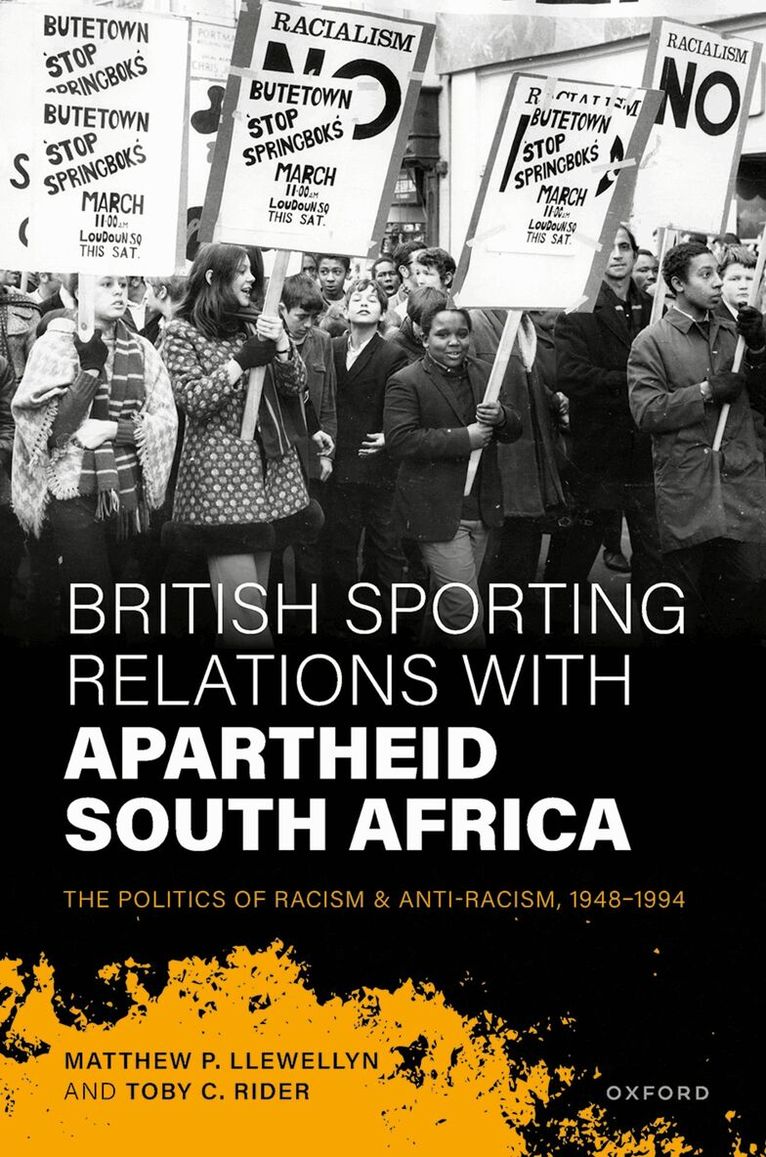
British Sporting Relations with Apartheid South Africa
The Politics of Racism and Anti-Racism, 1948–1994
Av Matthew P. Llewellyn, Toby C. Rider
Inbunden, 2024
1549 kr
Lägg i varukorg
The transnational anti-apartheid sport boycott of South Africa represented the most prominent, extended, and controversial anti-racism campaign in the history of sport. Spearheaded by prominent British religious and anti-colonial figures and exiled South Africans, emboldened by communist and Global …
British Sporting Relations with Apartheid South Africa
The Politics of Racism and Anti-Racism, 1948-1994
Av Toby C. Rider, Matthew P. Llewellyn
E-bok, 2024
1397 kr
Lägg i varukorg
The transnational anti-apartheid sport boycott of South Africa represented the most prominent, extended, and controversial anti-racism campaign in the history of sport. Spearheaded by prominent British religious and anti-colonial figures and exiled South Africans, emboldened by communist and Global …
British Sporting Relations with Apartheid South Africa
The Politics of Racism and Anti-Racism, 1948-1994
Av Toby C. Rider, Matthew P. Llewellyn
E-bok, 2024
1397 kr
Lägg i varukorg
The transnational anti-apartheid sport boycott of South Africa represented the most prominent, extended, and controversial anti-racism campaign in the history of sport. Spearheaded by prominent British religious and anti-colonial figures and exiled South Africans, emboldened by communist and Global …
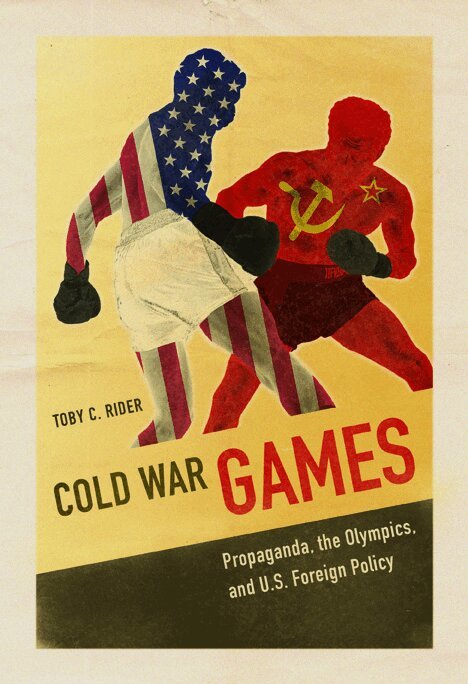
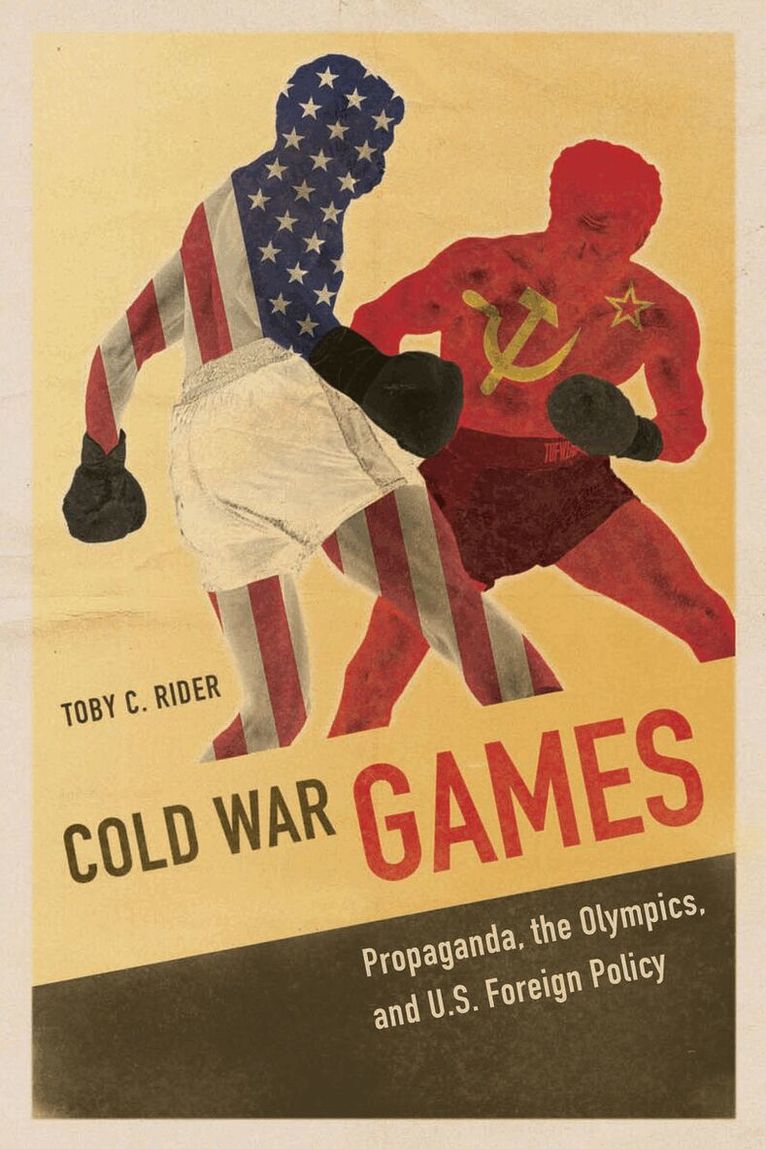
Cold War Games
Propaganda, the Olympics, and U.S. Foreign Policy
Av Toby C Rider
Häftad, 2016
321 kr
Lägg i varukorg
It is the early Cold War. The Soviet Union appears to be in irresistible ascendance and moves to exploit the Olympic Games as a vehicle for promoting international communism. In response, the United States conceives a subtle, far-reaching psychological warfare campaign to blunt the Soviet advance. …
Cold War Games
Propaganda, the Olympics, and U.S. Foreign Policy
Av Toby C Rider
E-bok, 2016
487 kr
Lägg i varukorg
It is the early Cold War. The Soviet Union appears to be in irresistible ascendance and moves to exploit the Olympic Games as a vehicle for promoting international communism. In response, the United States conceives a subtle, far-reaching psychological warfare campaign to blunt the Soviet advance. …
Sport and Apartheid South Africa
Histories of Politics, Power, and Protest
Av Matthew P. Llewellyn, Toby C. Rider m. fl.
E-bok, 2021
812 kr
Lägg i varukorg
As athletes of today grapple with how to use their public platforms to fight for activist causes, Sport and Apartheid South Africa: Histories of Politics, Power, and Protest examines a set of longer histories of sport, ‘race’, and activism. The book seeks to uncover and understand new historical …
Sport and Apartheid South Africa
Histories of Politics, Power, and Protest
Av Matthew P. Llewellyn, Toby C. Rider m. fl.
E-bok, 2021
838 kr
Lägg i varukorg
As athletes of today grapple with how to use their public platforms to fight for activist causes, Sport and Apartheid South Africa: Histories of Politics, Power, and Protest examines a set of longer histories of sport, ‘race’, and activism. The book seeks to uncover and understand new historical …
Sport and Apartheid South Africa
Histories of Politics, Power, and Protest
Av Michelle M. Sikes, Toby C. Rider m. fl.
Inbunden, 2021
2578 kr
Lägg i varukorg
As athletes of today grapple with how to use their public platforms to fight for activist causes, Sport and Apartheid South Africa: Histories of Politics, Power, and Protest examines a set of longer histories of sport, ‘race’, and activism. The book seeks to uncover and understand new historical …
Sport and Apartheid South Africa
Histories of Politics, Power, and Protest
Av Michelle M. Sikes, Toby C. Rider m. fl.
Häftad, 2023
710 kr
Lägg i varukorg
As athletes of today grapple with how to use their public platforms to fight for activist causes, Sport and Apartheid South Africa: Histories of Politics, Power, and Protest examines a set of longer histories of sport, ‘race’, and activism. The book seeks to uncover and understand new historical …
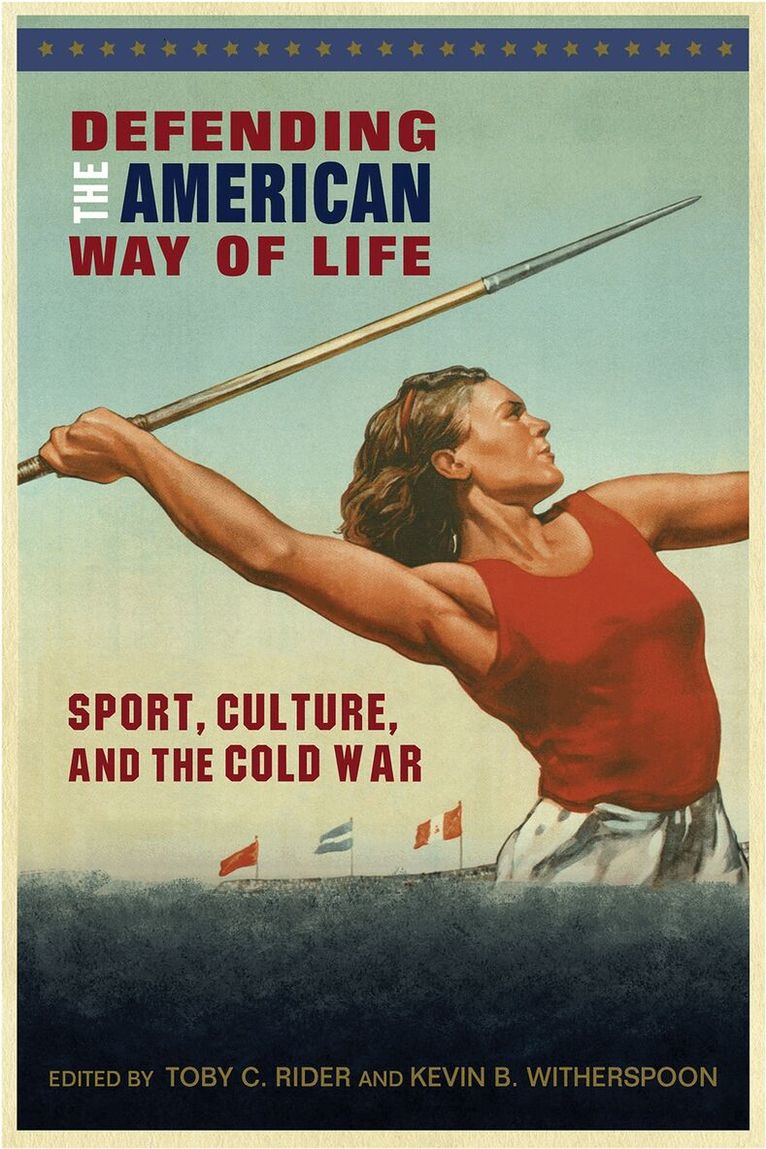
Defending the American Way of Life
Sport, Culture, and the Cold War
Av Kevin B. Witherspoon, Toby C. Rider
Häftad, 2018
532 kr
Lägg i varukorg
The Cold War was fought in every corner of society, including in the sport and entertainment industries. Recognizing the importance of culture in the battle for hearts and minds, the United States, like the Soviet Union, attempted to win the favor of citizens in nonaligned states through the soft …
Cold War Games
Propaganda, the Olympics, and U.S. Foreign Policy
Av Toby C Rider
Inbunden, 2016
1272 kr
Tillfälligt slut
It is the early Cold War. The Soviet Union appears to be in irresistible ascendance and moves to exploit the Olympic Games as a vehicle for promoting international communism. In response, the United States conceives a subtle, far-reaching psychological warfare campaign to blunt the Soviet advance. …
Defending the American Way of Life
Sport, Culture, and the Cold War
Av Kevin B. Witherspoon, Toby C. Rider
Inbunden, 2018
869 kr
Tillfälligt slut
The Cold War was fought in every corner of society, including in the sport and entertainment industries. Recognizing the importance of culture in the battle for hearts and minds, the United States, like the Soviet Union, attempted to win the favor of citizens in nonaligned states through the soft …