• Fri frakt över 249 kr
  • •
  • Snabba leveranser
  • •
  • Billiga böcker
Kundservice

Du är på sajten för privatpersoner.

Företag, bibliotek eller offentlig verksamhet?

Du handlar på classic.bokus.com, där alla dina funktioner finns intakta.
Till classic.bokus.com
Bokus logotyp. Gå till startsidan.
  • Erbjudanden
  • Nyheter
  • Student
  • Topplistor
  • Barn & ungdom
  • Bokus Play
  • E-böcker
  • Pocketböcker
  • Spel & pussel

Må bättre, för mindre! Upp till 50% rabatt på hälsoböcker

Sidfot

Mina sidor

    Hjälp

    • Kundservice
    • Vanliga frågor och svar
    • Frakt och leverans
    • Retur vid ångerrätt
    • Reklamera vara
    • Betalning
    • Köpvillkor
    • Allmänna villkor
    • Information om webbplatsens tillgänglighet

    Om Bokus

    • Om oss
    • Pressrum
    • För studenter
    • För företag
    • För bibliotek och offentlig verksamhet
    • För leverantörer
    • Hållbarhet

    Populärt

    • Aktuella erbjudanden
    • Presentkort
    • Studentlitteratur
    • Nya böcker
    • Topplistor
    • Signerade böcker
    • Engelska böcker

    Inspiration

    • Boktips
    • BookTok
    • Populära bokserier
    • Barnbokskaraktärer
    • Populära författare
    Logotyp för Bokus
    Följ oss på Facebook (extern länk)Följ oss på Instagram (extern länk)Följ oss på YouTube (extern länk)Följ oss på TikTok (extern länk)
    bokus @ CookiesAnpassa cookiesIntegritetspolicyKöpvillkor
    Till Citymail hemsida (extern länk)Till Budbee hemsida (extern länk)Till Postnord hemsida (extern länk)Till Schenker hemsida (extern länk)Till Early Bird hemsida (extern länk)Till Walleys hemsida (extern länk)
    1. Historia och arkeologi
    2. Historia
    3. Europas historia

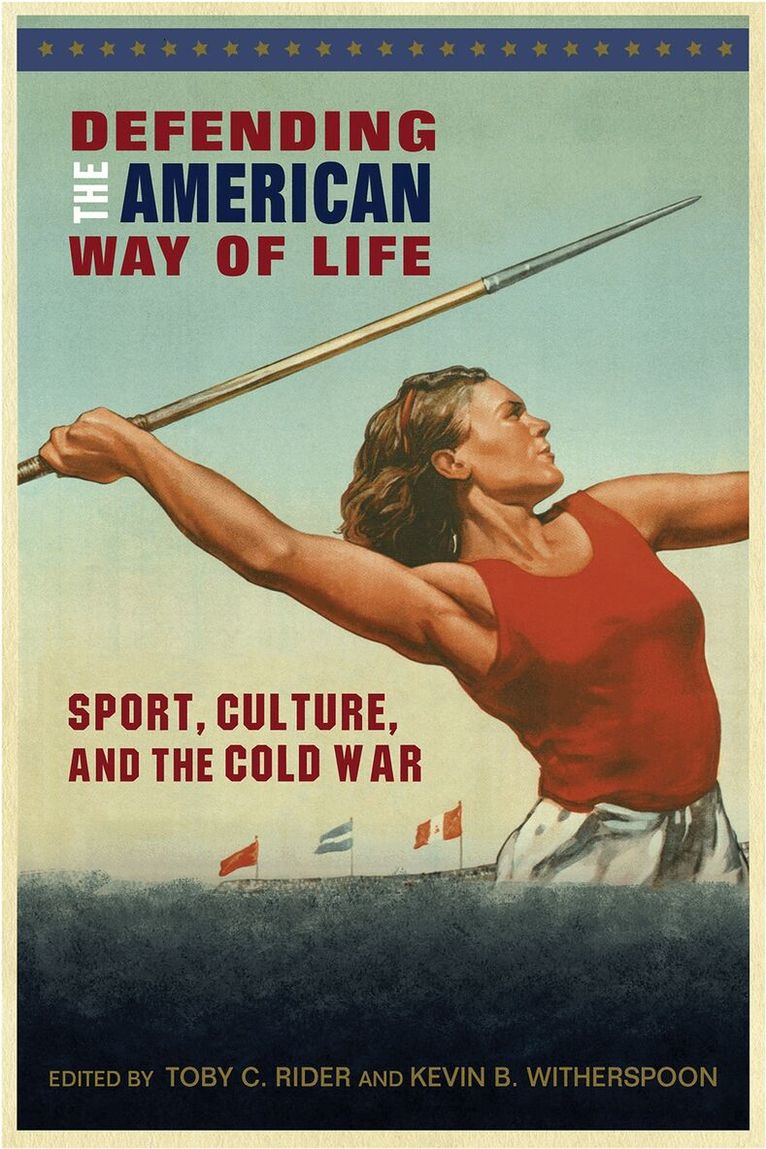
    Defending the American Way of Life

    Sport, Culture, and the Cold War

    AvKevin B. Witherspoon,Toby C. Rider

    Häftad, Engelska, 2018

    Del i serien Sport, Culture & Society

    513 kr

    Beställningsvara. Skickas inom 3-6 vardagar. Fri frakt över 249 kr.

    Beskrivning

    The Cold War was fought in every corner of society, including in the sport and entertainment industries. Recognizing the importance of culture in the battle for hearts and minds, the United States, like the Soviet Union, attempted to win the favor of citizens in nonaligned states through the soft power of sport. Athletes became de facto ambassadors of US interests, their wins and losses serving as emblems of broader efforts to shield American culture—both at home and abroad—against communism.In Defending the American Way of Life, leading sport historians present new perspectives on high-profile issues in this era of sport history alongside research drawn from previously untapped archival sources to highlight the ways that sports influenced and were influenced by Cold War politics. Surveying the significance of sports in Cold War America through lenses of race, gender, diplomacy, cultural infiltration, anti-communist hysteria, doping, state intervention, and more, this collection illustrates how this conflict remains relevant to US sporting institutions, organizations, and ideologies today.

    Produktinformation

    • Utgivningsdatum:2018-12-30
    • Mått:165 x 226 x 17 mm
    • Vikt:489 g
    • Format:Häftad
    • Språk:Engelska
    • Serie:Sport, Culture & Society
    • Antal sidor:280
    • Förlag:University of Arkansas Press
    • ISBN:9781682260760

    Utforska kategorier

    • Europas historia inom Historia och arkeologi
    • Sportböcker inom Sport, fritid och hobby
    • Amerikas historia inom Historia och arkeologi

    Mer om författaren

    Toby C. Rider is assistant professor of kinesiology at California State University, Fullerton and the author of Cold War Games: Propaganda, the Olympics, and U.S. Foreign Policy.Kevin B. Witherspoon chairs the Department of History at Lander University. He is the author of Before the Eyes of the Word: Mexico and the 1968 Olympic Games.

    Recensioner i media

    Toby Rider, Kevin Witherspoon, and their collaborators have crafted a focused, thoughtful, and illuminating set of essays that dissect sport's Cold War arena. They reveal just how intensely the US and the USSR waged the Cold War in a fifth dimension—not via military alliances, economic pacts, political doctrines, or global bodies like the IMF—but via sport. It's history at its best—explaining sport's past while showing how that past continues to affect sport today." - Rob Ruck, author of Tropic of Football: The Long and Perilous Journey of Samoans to the NFL

    Innehållsförteckning

    • Introduction1. Sport and American Cold War Culture —Toby C. Rider & Kevin WitherspoonThe War of Words: Presenting and Contesting America Through Sport2. Projecting America: Sport and Early U.S. Cold War Propaganda, 1947-1960 —Toby C. Rider3. Millard Lampell: From Football to the Blacklist —Dennis GildeaWinning the “Right” Way: High Performance, Amateurism, and the American Moral Compass4. The “Big Arms” Race: Doping and the Cold War Defense of American Exceptionalism —John T. Gleaves & Matthew P. Llewellyn5. Preserving ‘the American way’: Gerald R. Ford, the President’s Commission on Olympic Sports, and the Fight Against State-Funded Sport in America —Nevada Cooke & Robert K. BarneyMaking Men and Defining Women: Femininity, Masculinity, and the Politics of Gender6. “Wolves in Skirts?”: Sex Testing in Cold War Women’s Sport —Lindsay Parks Pieper7. America’s Team: The U.S. Women’s National Basketball Team Confronts the Soviets, 1958-1969 —Kevin B. Witherspoon8. To Win One for the Gipper: Football and the Fashioning of a Cold Warrior —Katelyn AguilarAddressing the “Achilles Heel”: Race and the Cold War at the Periphery9.“An Outstanding Representative of America”: Mal Whitfield and America’s Black Sports Ambassadors in Africa —Kevin B. Witherspoon10. “One of the greatest ambassadors that the United States has ever sent abroad”: Wilma Rudolph, American Athletic Icon for the Cold War and Civil Rights Movement —Cat Ariail11. Defying the Cultural Boycott: Arthur Ashe, the Anti-apartheid Activist —Damion L. ThomasManipulating the Five Rings: Public Diplomacy, Statecraft, and the Olympic Games12. Sport is Not so Separate from Politics: Diplomatic Manipulation of Germany’s Postwar Return to the Olympic Movement —Heather L. Dichter13. Sport and American Foreign Policy During the 1960s —Thomas M. Hunt14. In Defense of a Neoliberal America: Ronald Reagan, Domestic Policy, and the Soviet Boycott of the 1984 Los Angeles Olympic Games —Bradley J. CongelioConclusion: A Post- Cold War Perspective15. Olympic Spectacles in the Next “American Century”: Sport and Nationalism in a Post-Cold War World —Mark Dyreson