Sport, Culture & Society – serie
Visar alla böcker i serien Sport, Culture & Society. Handla med fri frakt och snabb leverans.
10 produkter
10 produkter
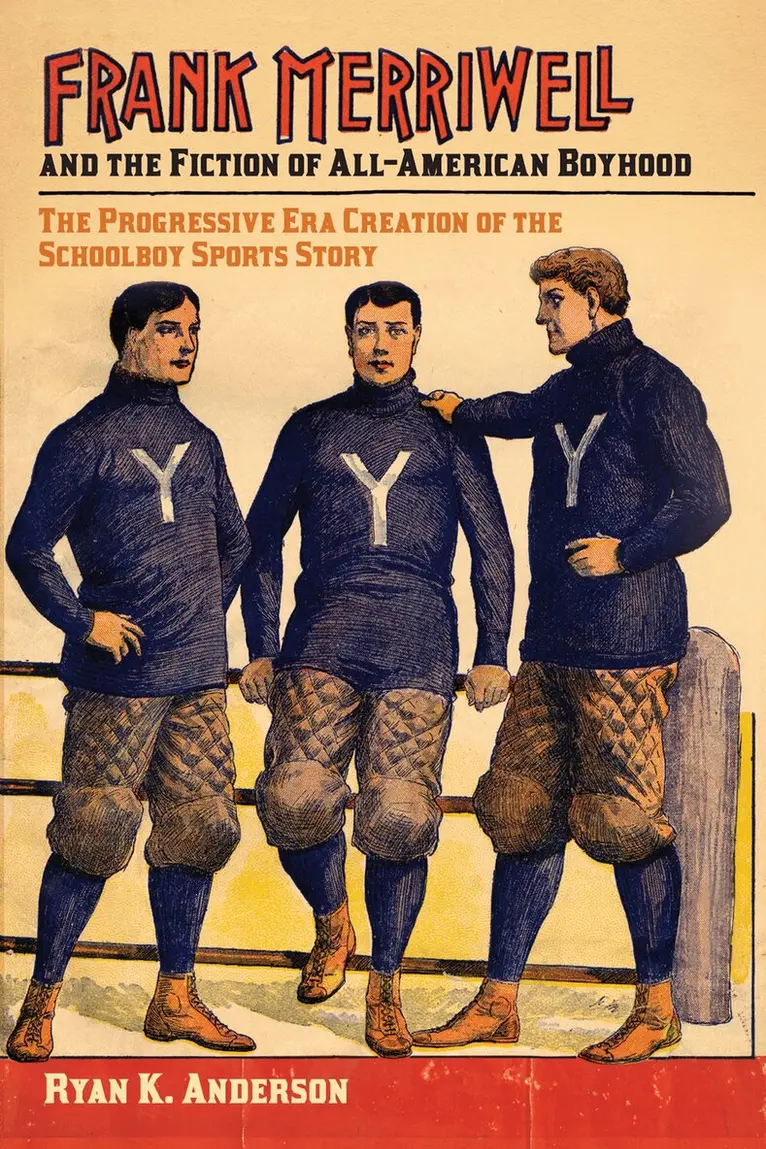
Frank Merriwell and the Fiction of All-American Boyhood
The Progressive Era Creation of the Schoolboy Sports Story
Häftad, Engelska, 2015
357 kr
Skickas inom 7-10 vardagar
Gilbert Patten, writing as Burt L. Standish, made a career of generating serialized twenty-thousand-word stories featuring his fictional creation Frank Merriwell, a student athlete at Yale University who inspired others to emulate his example of manly boyhood. Patten and his publisher, Street and Smith, initially had only a general idea about what would constitute Merriwell’s adventures and who would want to read about them when they introduced the hero in the dime novel Tip Top Weekly in1896, but over the years what took shape was a story line that capitalized on middle-class fears about the insidious influence of modern life on the nation’s boys.Merriwell came to symbolize the Progressive Era debate about how sport and school made boys into men. The saga featured the attractive Merriwell distinguishing between “good” and “bad” girls and focused on his squeaky-clean adventures in physical development and mentorship.By the serial’s conclusion, Merriwell had opened a school for “weak and wayward boys” that made him into a figure who taught readers how to approximate his example.In Frank Merriwell and the Fiction of All-American Boyhood, Andersontreats Tip Top Weekly as a historical artifact, supplementing his reading of its text, illustrations, reader letters, and advertisements with his use of editorial correspondence, memoirs, trade journals, and legal documents. Anderson blends social and cultural history, with the history of business, gender, and sport, along with a general examination of childhood and youth in this fascinating study of how a fictional character was used to promote a homogeneous “normal” American boyhood rooted in an assumed pecking order of class, race, and gender.
347 kr
Skickas inom 7-10 vardagar
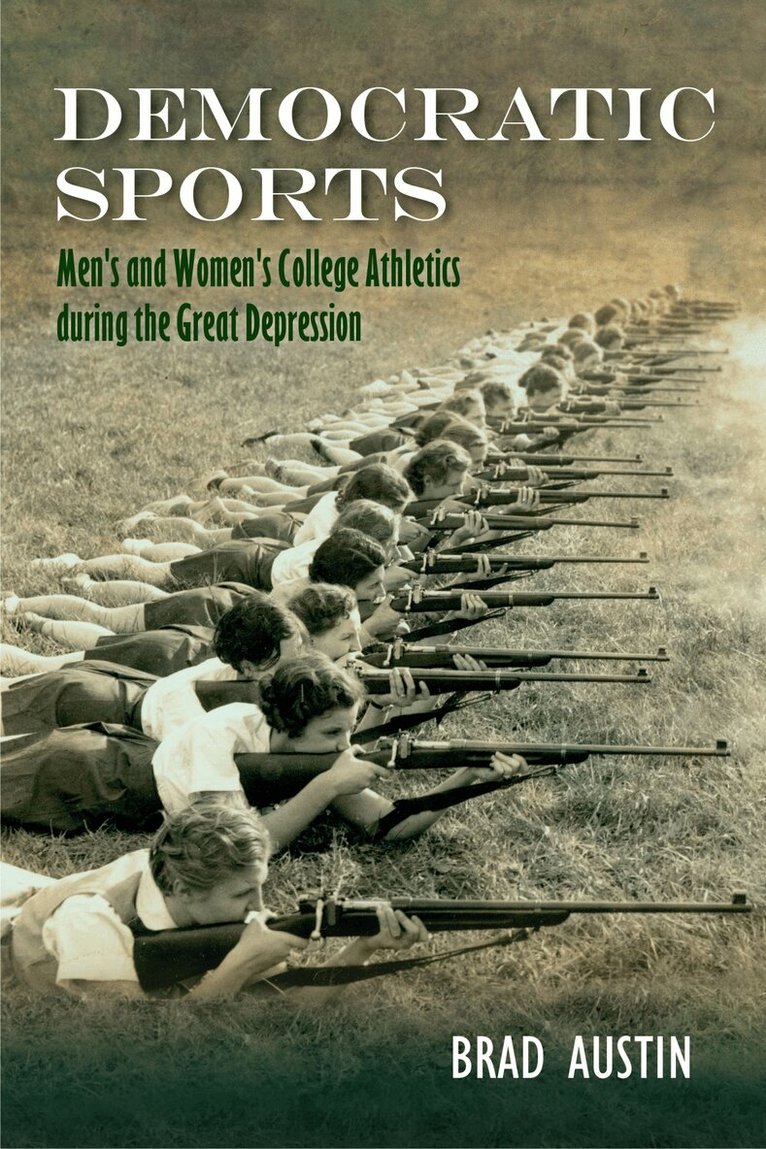
American public universities suffered tremendous funding cuts during the 1930s, yet they were also responsible for educating increasing numbers of students. The mounting financial troubles, coupled with a perceived increase in the number of “radical” student activists, contributed to a general sense of crisis on American college campuses.University leaders used their athletic programs to combat this crisis and to preserve “traditional” American values and institutions, prescribing different models for men and women. Educators emphasized the competitive nature of men’s athletics, seeking to inculcate male college athletes (and their audiences) with individualistic, masculine values in order to reinforce the existing American political and economic systems.In stark contrast, the prevailing model of women’s college athletics taught a communal form of democracy. Strongly supported by almost all female athletic leaders, this “a girl for every game, and a game for every girl” model had replaced the more competitive model that had been popular until the 1920s. The new programs denied women individual attention and high-level competition, and they promoted the development of what was considered proper femininity.Whatever larger purposes these programs were intended to serve, they could not have survived without vocal supporters. Democratic Sports tells the important story of how men’s and women’s college athletic programs survived, and even thrived, during the most challenging decade of the twentieth century.
488 kr
Skickas inom 11-20 vardagar
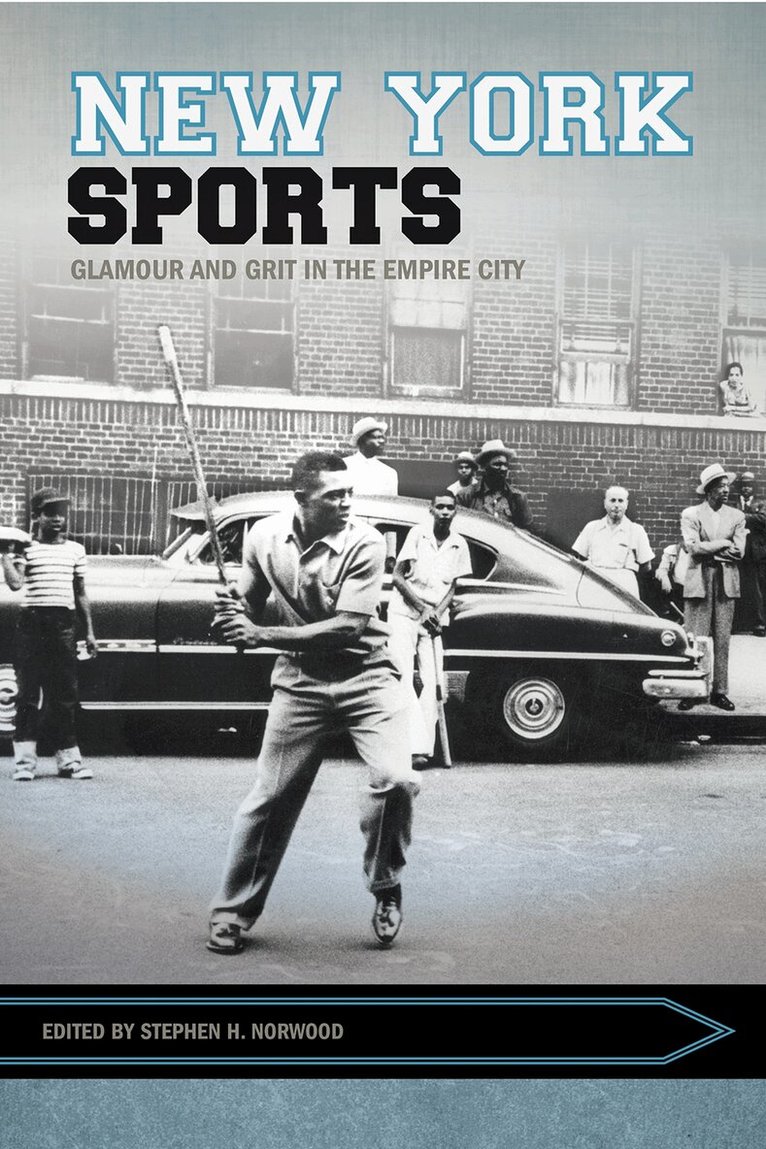
New York has long been both America’s leading cultural center and its sports capital, with far more championship teams, intracity World Series, and major prizefights than any other city. Pro football’s “Greatest Game Ever Played” took place in New York, along with what was arguably history’s most significant boxing match, the 1938 title bout between Joe Louis and Max Schmeling. As the nation’s most crowded city, basketball proved to be an ideal sport, and for many years it was the site of the sport’s most prestigious college basketball tournament. New York boasts storied stadiums, arenas, and gymnasiums and is the home of one of the world’s two leading marathons as well as the Belmont Stakes, the third event in horse racing’s Triple Crown.New York sportswriters also wield national influence and have have done much to connect sports to larger social and cultural issues, and the vitality and distinctiveness of New York’s street games, its ethnic institutions, and its sports-centered restaurants and drinking establishments all contribute to the city’s uniqueness.New York Sports collects the work of fourteen leading sport historians providing new insight into the social and cultural history of America’s leading metropolis and of the United States. These writers address the topics of changing conceptions of manhood and violence, leisure and social class, urban night life and entertainment, women and athletics, ethnicity and assimilation, and more.
511 kr
Skickas inom 3-6 vardagar
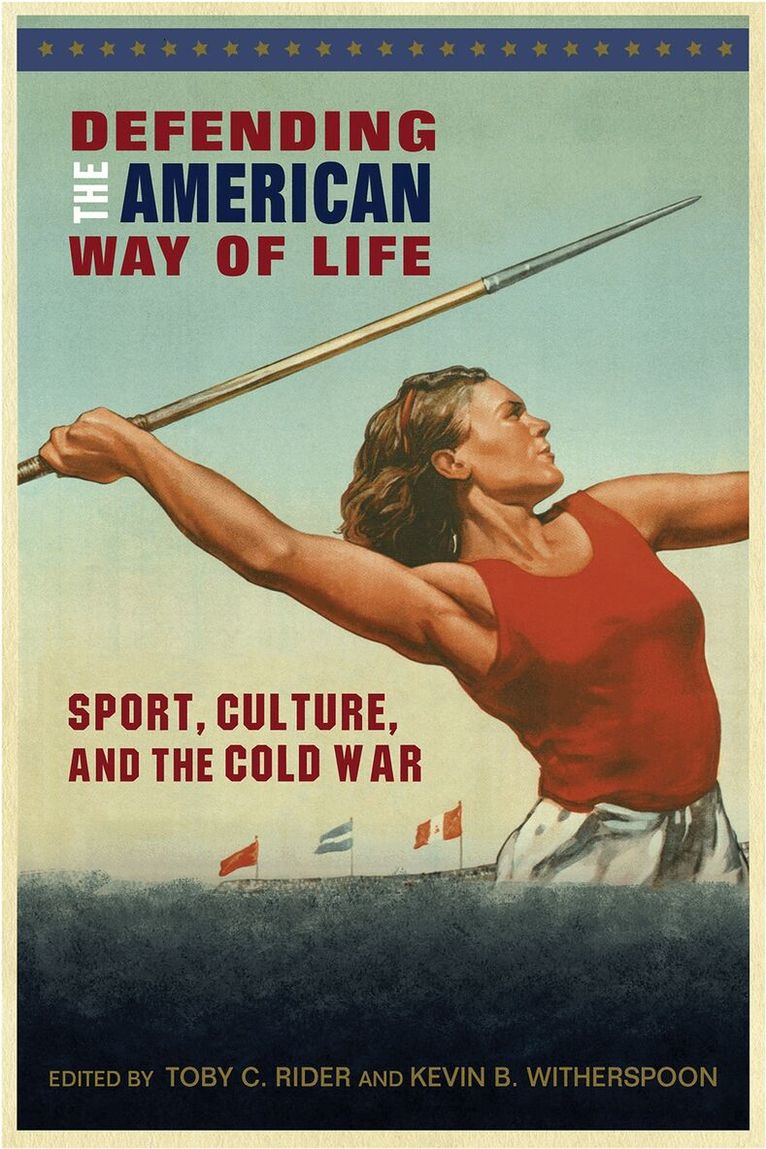
The Cold War was fought in every corner of society, including in the sport and entertainment industries. Recognizing the importance of culture in the battle for hearts and minds, the United States, like the Soviet Union, attempted to win the favor of citizens in nonaligned states through the soft power of sport. Athletes became de facto ambassadors of US interests, their wins and losses serving as emblems of broader efforts to shield American culture—both at home and abroad—against communism.In Defending the American Way of Life, leading sport historians present new perspectives on high-profile issues in this era of sport history alongside research drawn from previously untapped archival sources to highlight the ways that sports influenced and were influenced by Cold War politics. Surveying the significance of sports in Cold War America through lenses of race, gender, diplomacy, cultural infiltration, anti-communist hysteria, doping, state intervention, and more, this collection illustrates how this conflict remains relevant to US sporting institutions, organizations, and ideologies today.
330 kr
Skickas
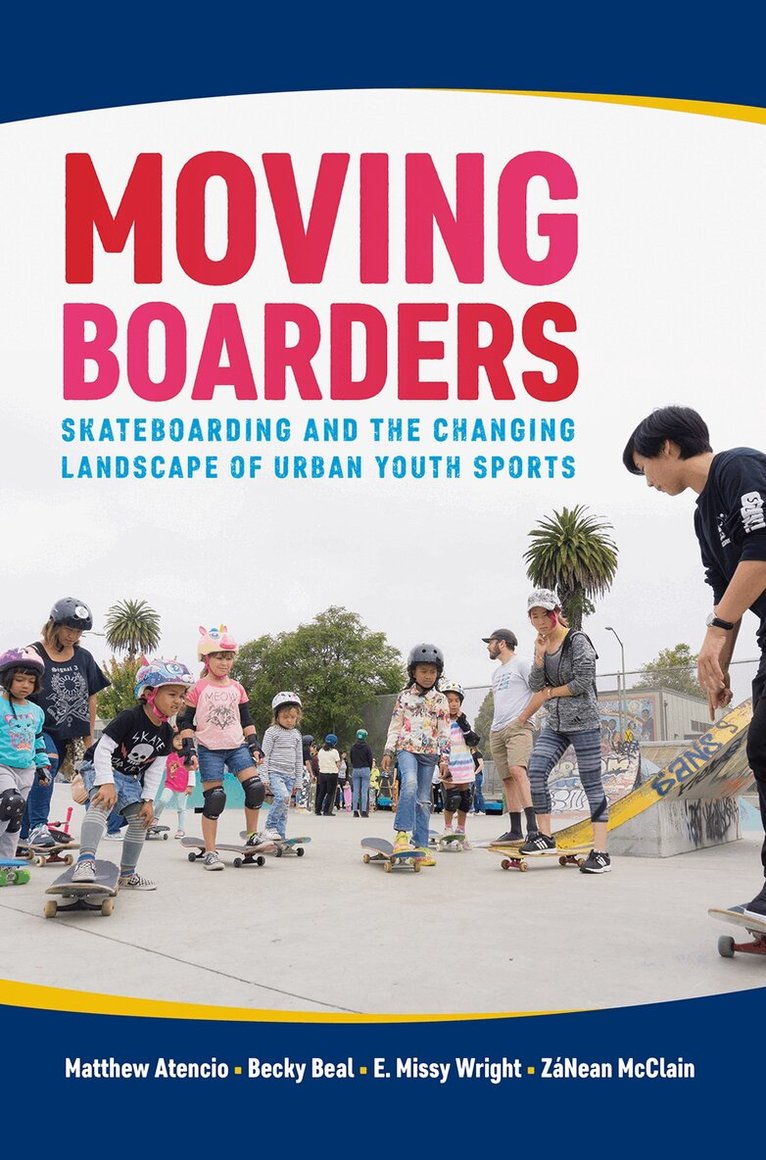
Once considered a kind of delinquent activity, skateboarding is on track to join soccer, baseball, and basketball as an approved way for American children to pass the after-school hours. With family skateboarding in the San Francisco Bay Area as its focus, Moving Boarders explores this switch in stance, integrating first-person interviews and direct observations to provide a rich portrait of youth skateboarders, their parents, and the social and market forces that drive them toward the skate park.This excellent treatise on the contemporary youth sports scene examines how modern families embrace skateboarding and the role commerce plays in this unexpected new parent culture, and highlights how private corporations, community leaders, parks and recreation departments, and nonprofits like the Tony Hawk Foundation have united to energize skate parks—like soccer fields before them—as platforms for community engagement and the creation of social and economic capital.
Olimpismo
The Olympic Movement in the Making of Latin America and the Caribbean
Häftad, Engelska, 2020
347 kr
Skickas inom 7-10 vardagar
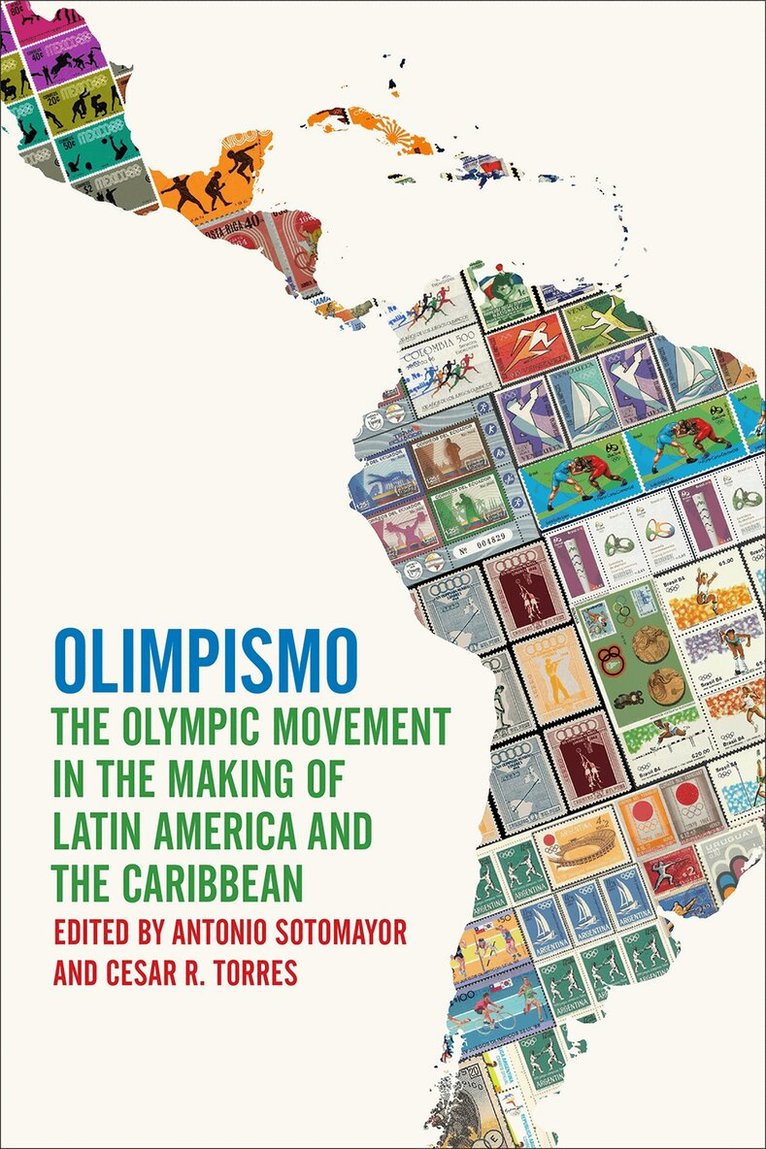
The Olympic Games are a phenomenon of unparalleled global proportions. This book examines the rich and complex involvement of Latin America and the Caribbean peoples with the Olympic Movement, serving as an effective medium to explore the making of this region. The nine essays here investigate the influence, struggles, and contributions of Latin American and Caribbean societies to the Olympic Movement. By delving into nationalist political movements, post-revolutionary diplomacy, decolonization struggles, gender and disability discourses, and more, they define how the nations of this region have shaped and been shaped by the Olympic Movement.
329 kr
Skickas inom 7-10 vardagar
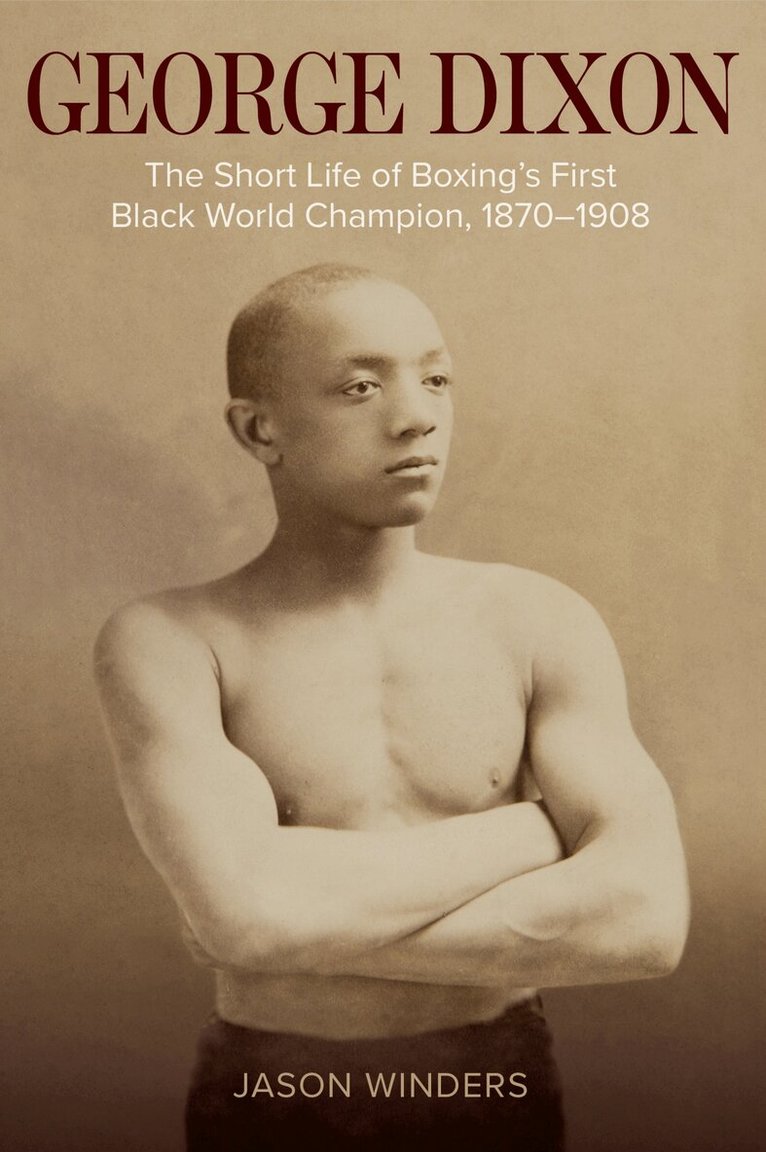
On September 6, 1892, a diminutive Black prizefighter brutally dispatched an overmatched white hope in the New Orleans Carnival of Champions boxing tournament. That victory sparked celebrations across Black communities nationwide but fostered unease among sporting fans and officials, delaying public acceptance of mixed-race fighting for half a century. This turn echoed the nation’s disintegrating relations between whites and Blacks and foreshadowed America’s embrace of racial segregation.In this work of sporting and social history we have a biography of Canadian-born, Boston-raised boxer George Dixon (1870–1908), the first Black world champion of any sport and the first Black world boxing champion in any division. George Dixon: The Short Life of Boxing’s First Black World Champion, 1870–1908 chronicles the life of the most consequential Black athlete of the nineteenth century and details for the first time his Carnival appearance, perhaps the most significant bout involving a Black fighter until Jack Johnson began his reign in 1908. Yet despite his triumphs, Dixon has been lost to history, overshadowed by Black athletes whose activism against white supremacy far exceeded his own.George Dixon reveals the story of a man trapped between the white world he served and the Black world that worshipped him. By ceding control to a manipulative white promoter, Dixon was steered through the white power structure of Gilded Age prizefighting, becoming world famous and one of North America’s richest Black men. Unable to hold on to his wealth, however, and battered by his vices, a depleted Dixon was abandoned by his white supporters just as the rising tide of Jim Crow limited both his prospects and the freedom of Blacks nationwide.
659 kr
Skickas inom 7-10 vardagar
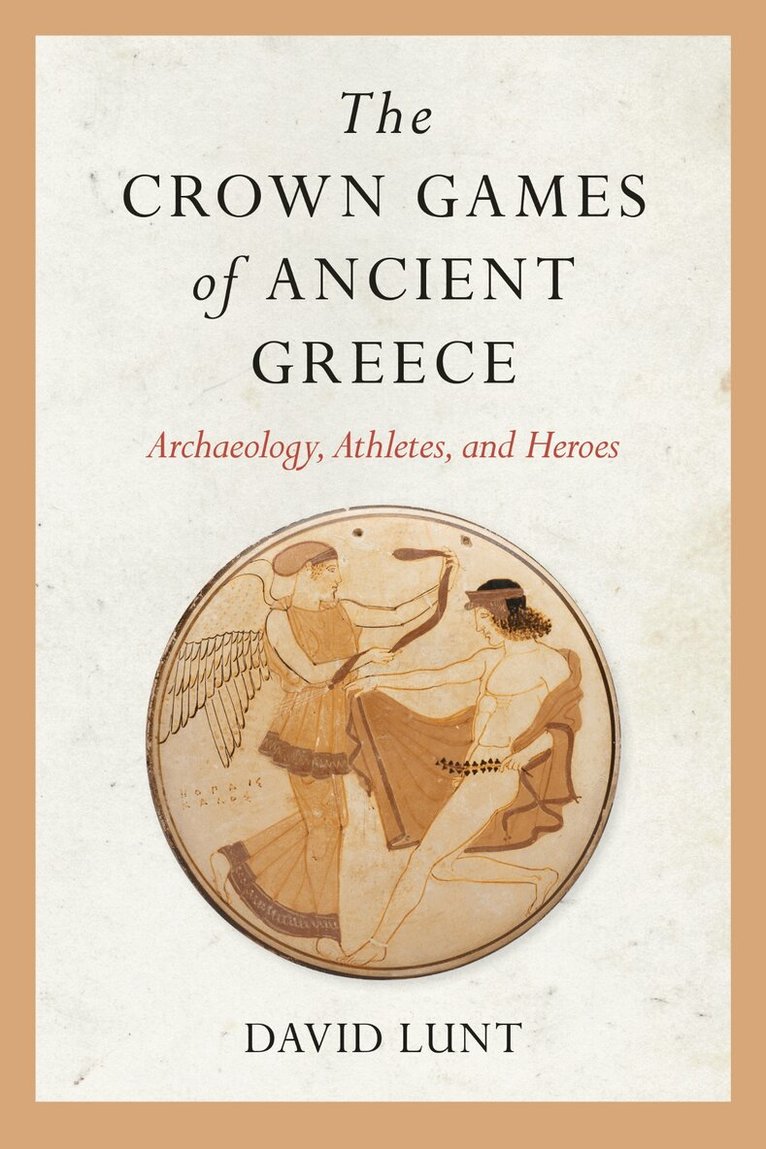
The Crown Games were the apex of competition in ancient Greece. Along with prestigious athletic contests in honor of Zeus at Olympia, they comprised the Pythian Games for Apollo at Delphi, the Isthmian Games for Poseidon, and the Neman Games, sacred to Zeus. For over nine hundred years, the Greeks celebrated these athletic and religious festivals, a rare point of cultural unity amid the fierce regional independence of the numerous Greek city-states and kingdoms.The Crown Games of Ancient Greece examines these festivals in the context of the ancient Greek world, a vast and sprawling cultural region that stretched from modern Spain to the Black Sea and North Africa. Illuminating the unique history and features of the celebrations, David Lunt delves into the development of the contest sites as sanctuaries and the Panhellenic competitions that gave them their distinctive character. While literary sources have long been the mainstay for understanding the evolution of the Crown Games and ancient Greek athletics, archaeological excavations have significantly augmented contemporary understandings of the events. Drawing on this research, Lunt brings deeper context to these gatherings, which were not only athletics competitions but also occasions for musical contests, dramatic performances, religious ceremonies, and diplomatic summits—as well as raucous partying. Taken as a circuit, the Crown Games offer a more nuanced view of ancient Greek culture than do the well-known Olympian Games on their own. With this comprehensive examination of the Crown Games, Lunt provides a new perspective on how the ancient Greeks competed and collaborated both as individuals and as city-states.
279 kr
Skickas inom 7-10 vardagar
The Crown Games were the apex of competition in ancient Greece. Along with prestigious athletic contests in honor of Zeus at Olympia, they comprised the Pythian Games for Apollo at Delphi, the Isthmian Games for Poseidon, and the Neman Games, sacred to Zeus. For over nine hundred years, the Greeks celebrated these athletic and religious festivals, a rare point of cultural unity amid the fierce regional independence of the numerous Greek city-states and kingdoms.The Crown Games of Ancient Greece examines these festivals in the context of the ancient Greek world, a vast and sprawling cultural region that stretched from modern Spain to the Black Sea and North Africa. Illuminating the unique history and features of the celebrations, David Lunt delves into the development of the contest sites as sanctuaries and the Panhellenic competitions that gave them their distinctive character. While literary sources have long been the mainstay for understanding the evolution of the Crown Games and ancient Greek athletics, archaeological excavations have significantly augmented contemporary understandings of the events. Drawing on this research, Lunt brings deeper context to these gatherings, which were not only athletics competitions but also occasions for musical contests, dramatic performances, religious ceremonies, and diplomatic summits—as well as raucous partying. Taken as a circuit, the Crown Games offer a more nuanced view of ancient Greek culture than do the well-known Olympian Games on their own. With this comprehensive examination of the Crown Games, Lunt provides a new perspective on how the ancient Greeks competed and collaborated both as individuals and as city-states.
310 kr
Skickas inom 7-10 vardagar
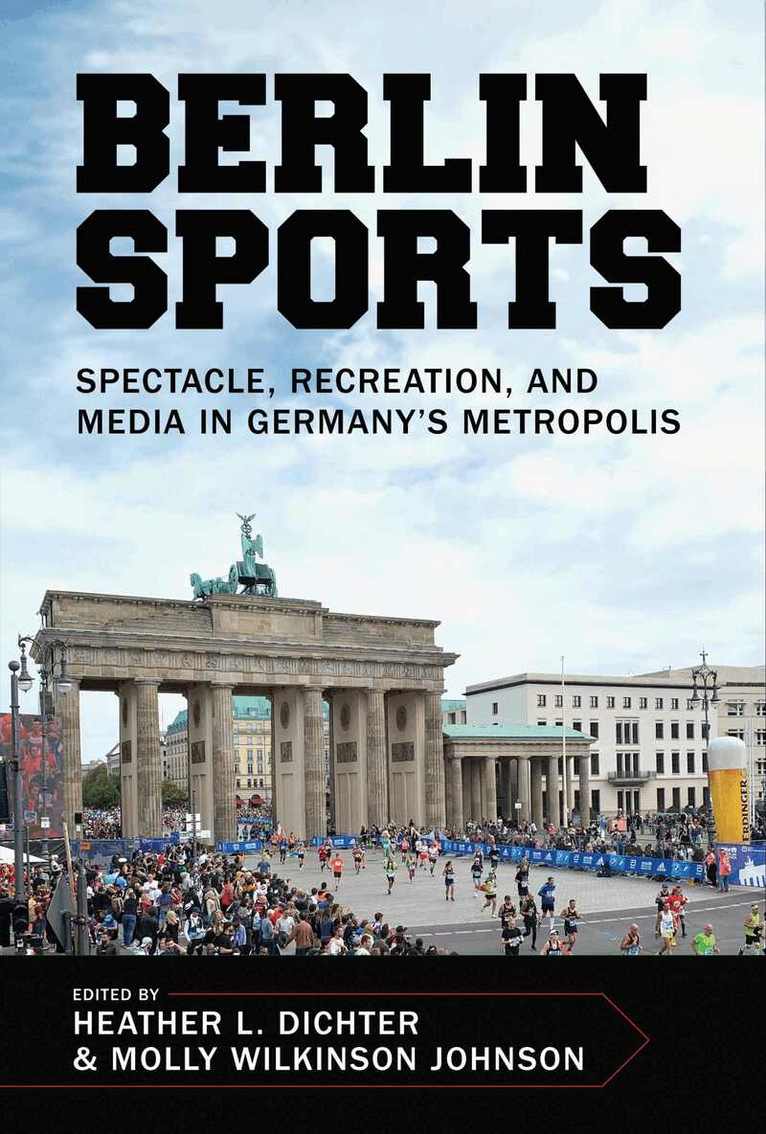
In many American cities, individual athletes, professional teams, and university sports are integral to the cities’ sporting identities. Berlin, in contrast, features no single hallmark sport, team, or annual event. Five political regimes, wartime destruction, and four decades of division instead fostered ever-changing teams, allegiances, and venues. Yet, the desire to play and watch sport continued unabated across these political watersheds. Berlin Sports: Spectacle, Recreation, and Media in Germany’s Metropolis explores the history of sport in Berlin from the late nineteenth- to the early twenty-first centuries against the backdrop of the city’s sharp political shifts, diverse populations, and status as a major metropolis with both regional and global resonance. This book begins with a long-distance equestrian race in the 1890s and continues with the role of media in spectacle, celebrity, urban life, and gender from the 1890s to the 1920s.It then turns to grassroots sport participation and spectatorship as well as sport diplomacy at the elite international level during the postwar period and the years of German division. Next, it explores recreational sport associations within the context of immigration and youth counterculture. It concludes with the 2015 European Maccabi Games, an international Jewish sports festival through which Berlin sought to grapple with the infamous 1936 Olympics and showcase Berlin as a cosmopolitan and multicultural city. Taken together, the book’s scholarly essays on all of these sporting endeavors reveal the rich and varied sporting culture in Berlin and yield fresh insights into spectacle, recreation, and media in the city.