Heather L. Dichter - Böcker
Visar alla böcker från författaren Heather L. Dichter. Handla med fri frakt och snabb leverans.
10 produkter
10 produkter
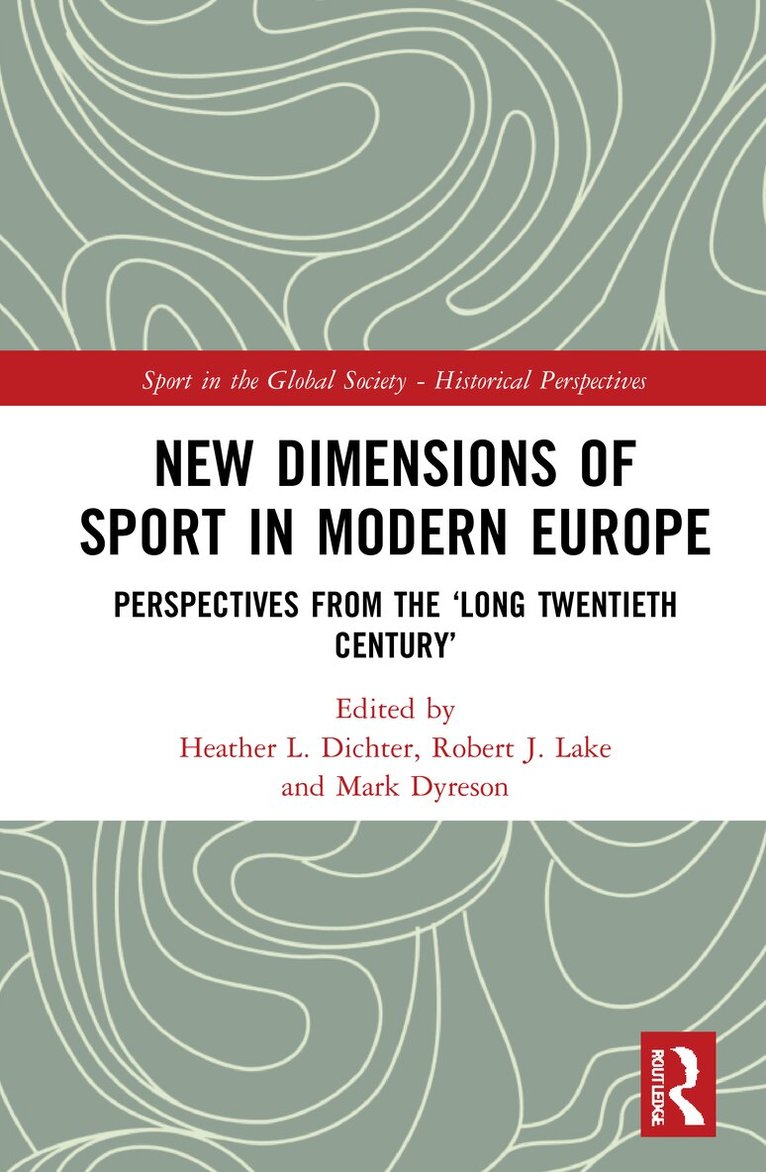
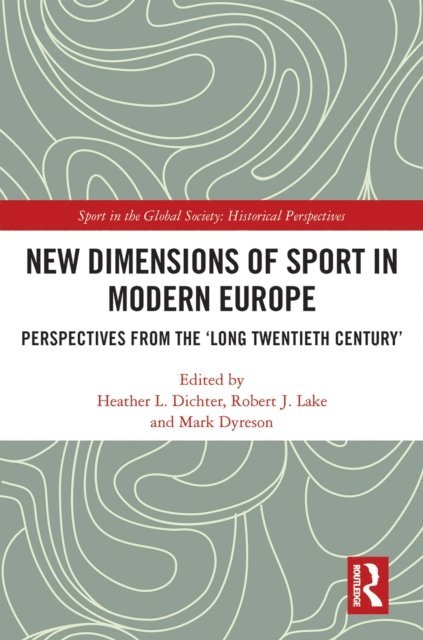
New Dimensions of Sport in Modern Europe
Perspectives from the ‘Long Twentieth Century’
Inbunden, Engelska, 2021
2 103 kr
Skickas inom 10-15 vardagar
New Dimensions of Sport in Modern Europe offers new perspectives on European sport history in the ‘long twentieth century’ designed to challenge and deconstruct what might be considered ‘traditional’ or more familiar Euro-centric conceptions and geographies of sport and leisure—especially those deriving from the leading hotbeds of European sport history. This anthology adds to the growing corpus of explorations of sport and leisure in late-modern European history from a variety of countries: France, Spain, Finland, Hungary, Bulgaria, and Slovenia. With topics covering several different sports and ranging from sport during empire to mega-events, and sport literature to women’s sport attire, the insights provided by this new body of research demonstrate a greater understanding of the connections between sport and society in Europe throughout the long twentieth century. This book was originally published as a special issue of The International Journal of the History of Sport.
New Dimensions of Sport in Modern Europe
Perspectives from the ‘Long Twentieth Century’
Häftad, Engelska, 2023
621 kr
Skickas inom 10-15 vardagar
New Dimensions of Sport in Modern Europe offers new perspectives on European sport history in the ‘long twentieth century’ designed to challenge and deconstruct what might be considered ‘traditional’ or more familiar Euro-centric conceptions and geographies of sport and leisure—especially those deriving from the leading hotbeds of European sport history. This anthology adds to the growing corpus of explorations of sport and leisure in late-modern European history from a variety of countries: France, Spain, Finland, Hungary, Bulgaria, and Slovenia. With topics covering several different sports and ranging from sport during empire to mega-events, and sport literature to women’s sport attire, the insights provided by this new body of research demonstrate a greater understanding of the connections between sport and society in Europe throughout the long twentieth century. This book was originally published as a special issue of The International Journal of the History of Sport.
1 104 kr
Skickas inom 3-6 vardagar
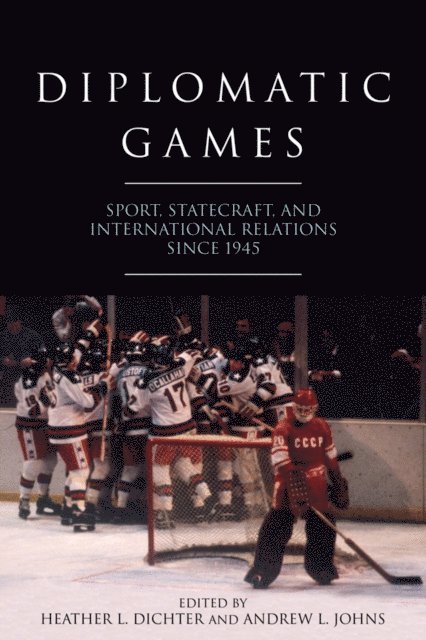
International sporting events, including the Olympic Games and the FIFA World Cup, have experienced profound growth in popularity and significance since the mid-twentieth century. Sports often facilitate diplomacy, revealing common interests across borders and uniting groups of people who are otherwise divided by history, ethnicity, or politics. In many countries, popular athletes have become diplomatic envoys. Sport is an arena in which international conflict and compromise find expression, yet the impact of sports on foreign relations has not been widely studied by scholars.In Diplomatic Games, a team of international scholars examines how the nexus of sport and foreign relations has driven political and cultural change since 1945, demonstrating how governments have used athletic competition to maintain and strengthen alliances, promote policies, and increase national prestige. The contributors investigate topics such as China's use of sports to oppose Western imperialism, the ways in which sports helped bring an end to apartheid in South Africa, and the impact of the United States' 1980 Olympic boycott on U.S.-Soviet relations. Bringing together innovative scholarship from around the globe, this groundbreaking collection makes a compelling case for the use of sport as a lens through which to view international relations.
636 kr
Skickas inom 3-6 vardagar
Although the game is known by many names around the world - football, fútbol, Fußball, voetbal - soccer is a universal language. Throughout the past century, governments have used soccer to further their diplomatic aims through a range of actions including boycotts, carefully orchestrated displays at matches, and more. In turn, soccer organizations have leveraged their power over membership and tournament decisions to play a role in international relations.In Soccer Diplomacy, an international group of experts analyzes the relationship between soccer and diplomacy. Together, they investigate topics such as the use of soccer as a tool of nation-state - based diplomacy, soccer as a non-state actor, and the relationship between soccer and diplomatic actors in subnational, national, and transnational contexts. They also examine the sport as a conduit for representation, communication, and negotiation.Drawing on a wealth of historical examples, the contributors demonstrate that governments must frequently address soccer as part of their diplomatic affairs. They argue that this single sport - more than the Olympics, other regional multisport competitions, or even any other sport - reveals much about international relations, how states attempt to influence foreign views, and regional power dynamics.
567 kr
Skickas inom 3-6 vardagar
International sporting events, including the Olympic Games and the FIFA World Cup, have experienced profound growth in popularity and significance since the mid-twentieth century. Sports often facilitate diplomacy, revealing common interests across borders and uniting groups of people who are otherwise divided by history, ethnicity, or politics. In many countries, popular athletes have become diplomatic envoys. Sport is an arena in which international conflict and compromise find expression, yet the impact of sports on foreign relations has not been widely studied by scholars.In Diplomatic Games, a team of international scholars examines how the nexus of sport and foreign relations has driven political and cultural change since 1945, demonstrating how governments have used athletic competition to maintain and strengthen alliances, promote policies, and increase national prestige. The contributors investigate topics such as China's use of sports to oppose Western imperialism, the ways in which sports helped bring an end to apartheid in South Africa, and the impact of the United States' 1980 Olympic boycott on U.S.-Soviet relations. Bringing together innovative scholarship from around the globe, this groundbreaking collection makes a compelling case for the use of sport as a lens through which to view international relations.
2 232 kr
Skickas inom 10-15 vardagar
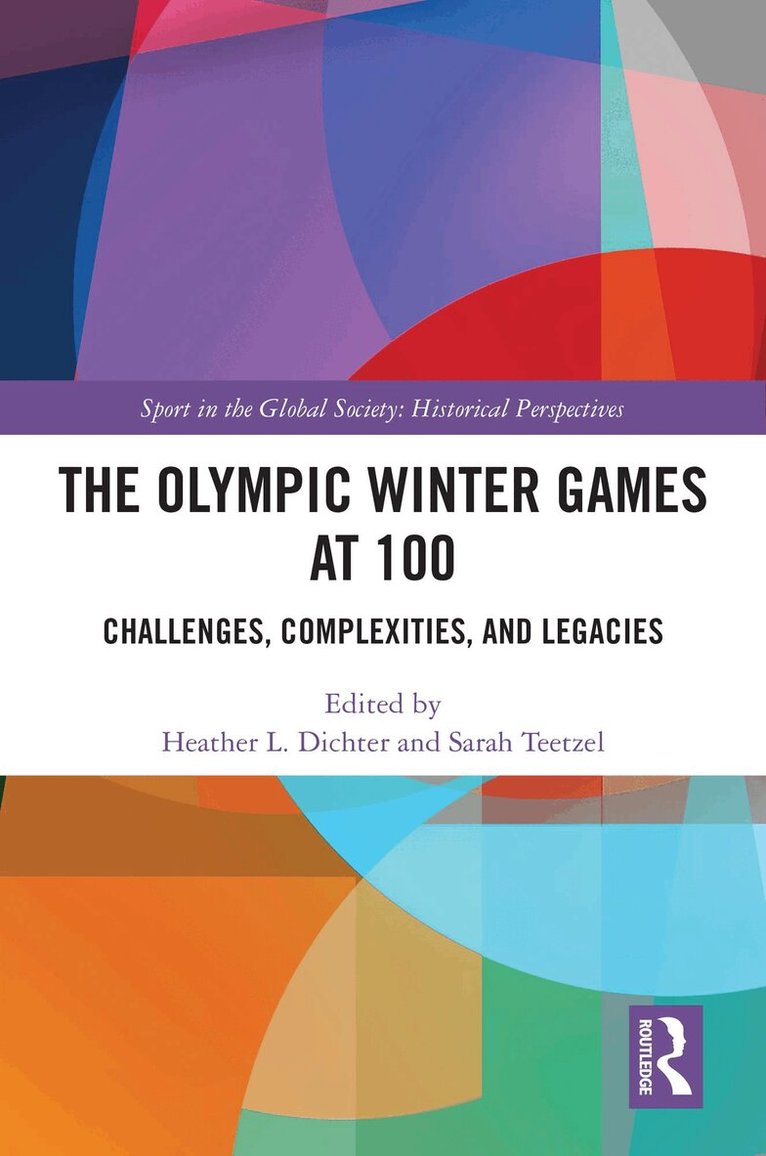
2024 marks the 100-year anniversary of the winter sports week festival celebrated in Chamonix in 1924, which is now recognized as the first Olympic Winter Games. As a globally watched quadrennial mega-event, the Winter Olympics is unique from both summer sport festivals and other winter festivals, such as the Winter X Games.This book explores the impacts, issues, and legacies of the past century of the Olympic Winter Games. Grounded in sport history, the chapters in this volume draw on the disciplines of cultural history, diplomatic history, global history, environmental history, and media history to analyze the continued allure of the Winter Olympics, a century after its origin, and in light of the sustained and significant problems facing the Olympic movement. Host cities’ efforts to create positive and lasting legacies are analyzed to highlight the challenges and complexities that have plagued the Olympic movement throughout the last century. The Olympic Winter Games at 100 is essential reading for any researcher, advanced student or scholar with an interest in Olympic Studies, sports development, sport policy and history. The chapters in this book were published as two special issues in The International Journal of the History of Sport but now with a revised introduction and conclusion.
674 kr
Skickas inom 10-15 vardagar
2024 marks the 100-year anniversary of the winter sports week festival celebrated in Chamonix in 1924, which is now recognized as the first Olympic Winter Games. As a globally watched quadrennial mega-event, the Winter Olympics is unique from both summer sport festivals and other winter festivals, such as the Winter X Games.This book explores the impacts, issues, and legacies of the past century of the Olympic Winter Games. Grounded in sport history, the chapters in this volume draw on the disciplines of cultural history, diplomatic history, global history, environmental history, and media history to analyze the continued allure of the Winter Olympics, a century after its origin, and in light of the sustained and significant problems facing the Olympic movement. Host cities’ efforts to create positive and lasting legacies are analyzed to highlight the challenges and complexities that have plagued the Olympic movement throughout the last century. The Olympic Winter Games at 100 is essential reading for any researcher, advanced student or scholar with an interest in Olympic Studies, sports development, sport policy and history. The chapters in this book were published as two special issues in The International Journal of the History of Sport but now with a revised introduction and conclusion.
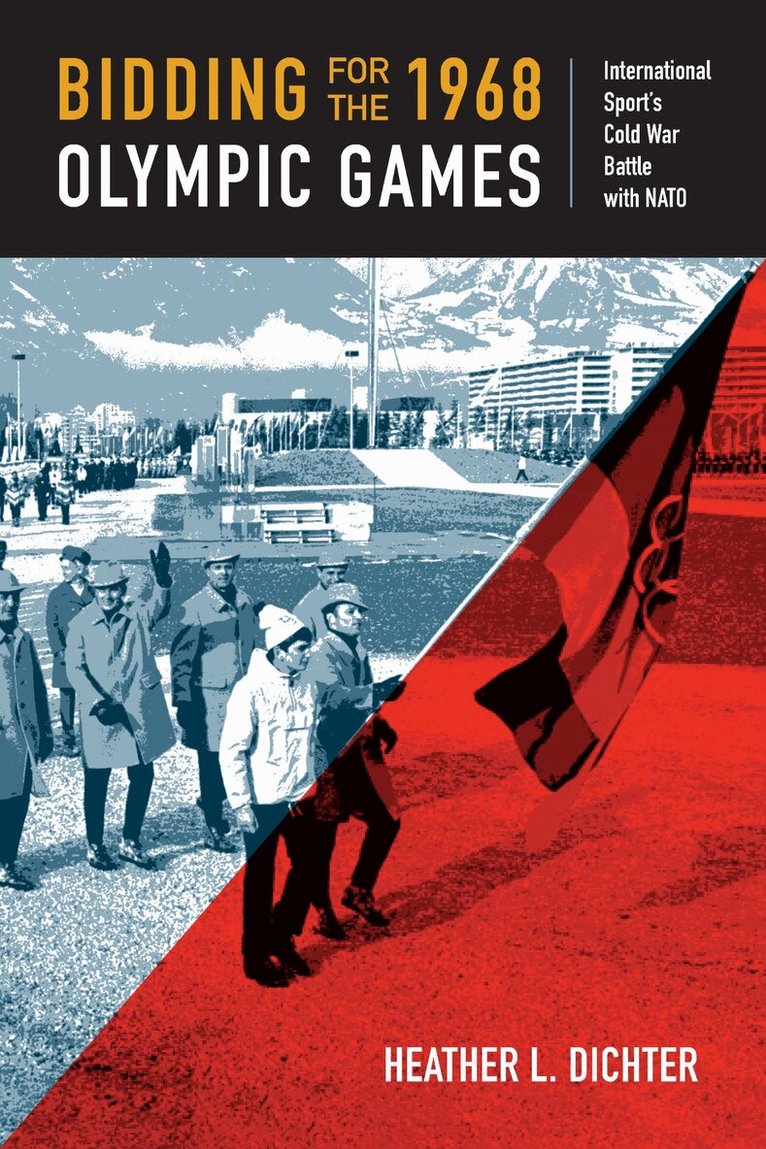
Bidding for the 1968 Olympic Games
International Sport's Cold War Battle with NATO
Inbunden, Engelska, 2021
989 kr
Skickas inom 7-10 vardagar
During the Cold War, political tensions associated with the division of Germany came to influence the world of competitive sport. In the 1950s, West Germany and its NATO allies refused to recognize the communist East German state and barred its national teams from sporting competitions. The construction of the Berlin Wall in 1961 further exacerbated these pressures, with East German teams denied travel to several world championships. These tensions would only intensify in the run-up to the 1968 Olympics.In Bidding for the 1968 Olympic Games, Heather L. Dichter considers how NATO and its member states used sport as a diplomatic arena during the height of the Cold War, and how international sport responded to political interference. Drawing on archival materials from NATO, foreign ministries, domestic and international sport functionaries, and newspapers, Dichter examines controversies surrounding the 1968 Summer and Winter Olympic Games, particularly the bidding process between countries to host the events. As she demonstrates, during the Cold War sport and politics became so intertwined that they had the power to fundamentally transform each other.
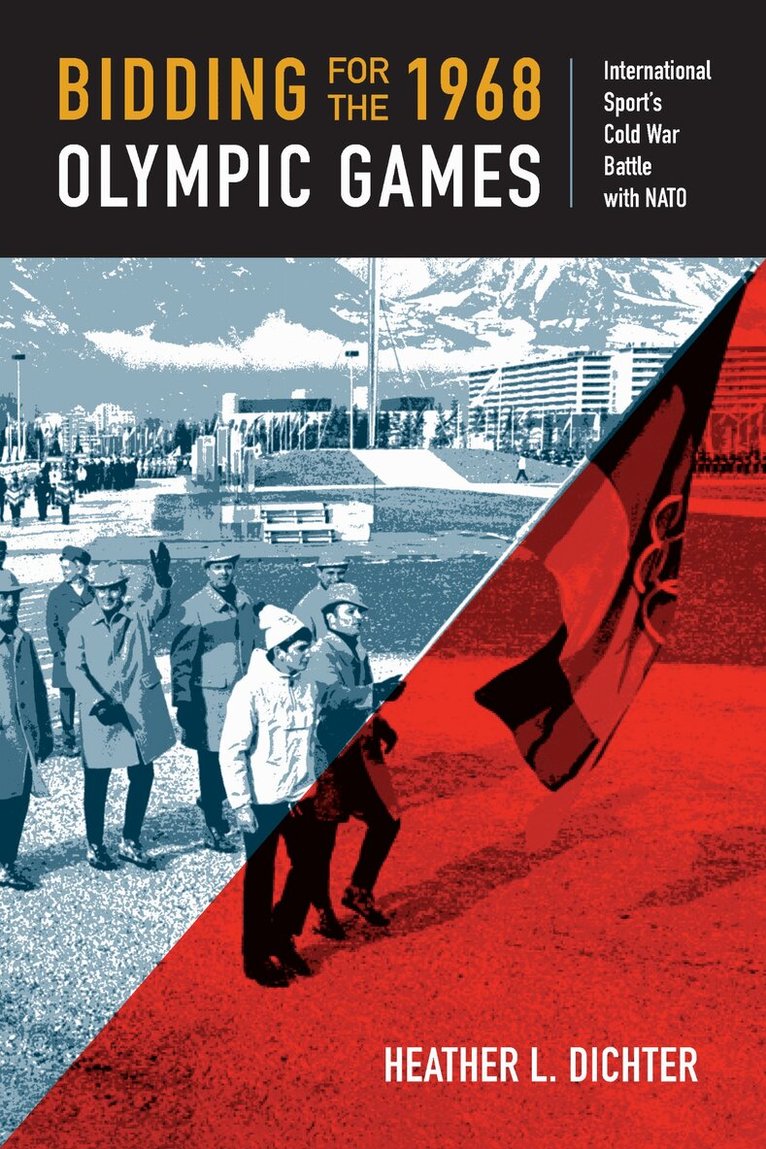
Bidding for the 1968 Olympic Games
International Sport's Cold War Battle with NATO
Häftad, Engelska, 2021
375 kr
Skickas inom 7-10 vardagar
During the Cold War, political tensions associated with the division of Germany came to influence the world of competitive sport. In the 1950s, West Germany and its NATO allies refused to recognize the communist East German state and barred its national teams from sporting competitions. The construction of the Berlin Wall in 1961 further exacerbated these pressures, with East German teams denied travel to several world championships. These tensions would only intensify in the run-up to the 1968 Olympics.In Bidding for the 1968 Olympic Games, Heather L. Dichter considers how NATO and its member states used sport as a diplomatic arena during the height of the Cold War, and how international sport responded to political interference. Drawing on archival materials from NATO, foreign ministries, domestic and international sport functionaries, and newspapers, Dichter examines controversies surrounding the 1968 Summer and Winter Olympic Games, particularly the bidding process between countries to host the events. As she demonstrates, during the Cold War sport and politics became so intertwined that they had the power to fundamentally transform each other.
312 kr
Skickas inom 7-10 vardagar
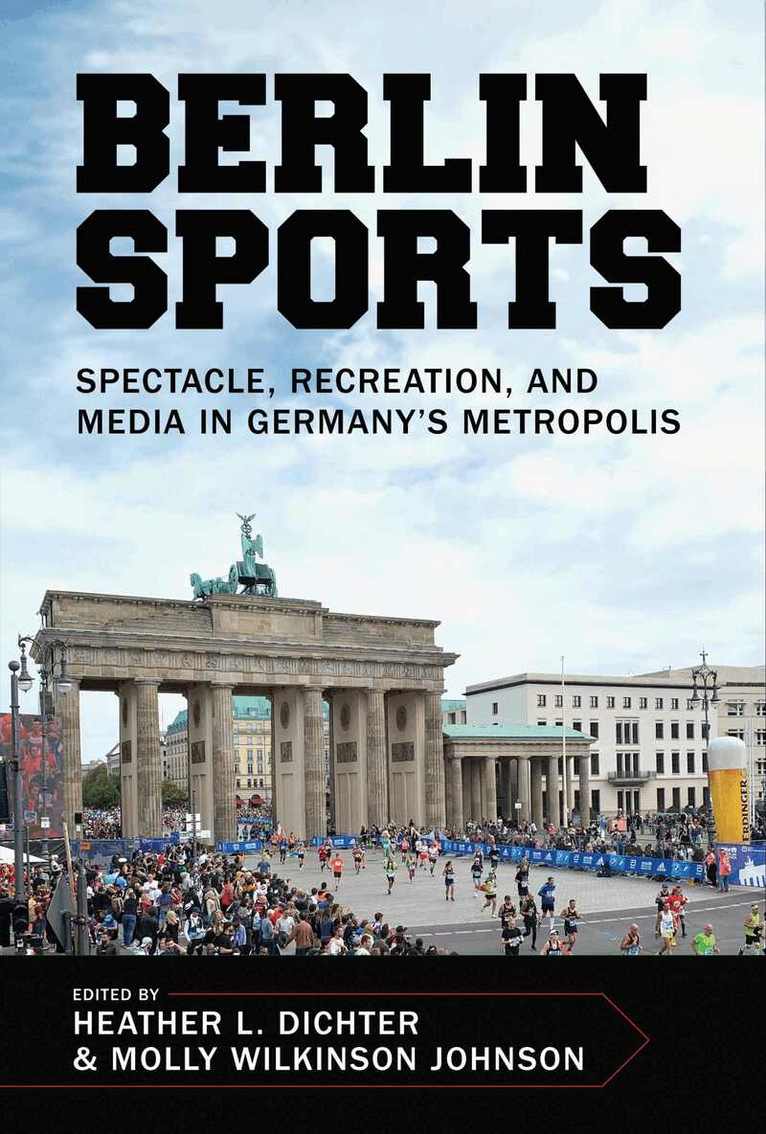
In many American cities, individual athletes, professional teams, and university sports are integral to the cities’ sporting identities. Berlin, in contrast, features no single hallmark sport, team, or annual event. Five political regimes, wartime destruction, and four decades of division instead fostered ever-changing teams, allegiances, and venues. Yet, the desire to play and watch sport continued unabated across these political watersheds. Berlin Sports: Spectacle, Recreation, and Media in Germany’s Metropolis explores the history of sport in Berlin from the late nineteenth- to the early twenty-first centuries against the backdrop of the city’s sharp political shifts, diverse populations, and status as a major metropolis with both regional and global resonance. This book begins with a long-distance equestrian race in the 1890s and continues with the role of media in spectacle, celebrity, urban life, and gender from the 1890s to the 1920s.It then turns to grassroots sport participation and spectatorship as well as sport diplomacy at the elite international level during the postwar period and the years of German division. Next, it explores recreational sport associations within the context of immigration and youth counterculture. It concludes with the 2015 European Maccabi Games, an international Jewish sports festival through which Berlin sought to grapple with the infamous 1936 Olympics and showcase Berlin as a cosmopolitan and multicultural city. Taken together, the book’s scholarly essays on all of these sporting endeavors reveal the rich and varied sporting culture in Berlin and yield fresh insights into spectacle, recreation, and media in the city.