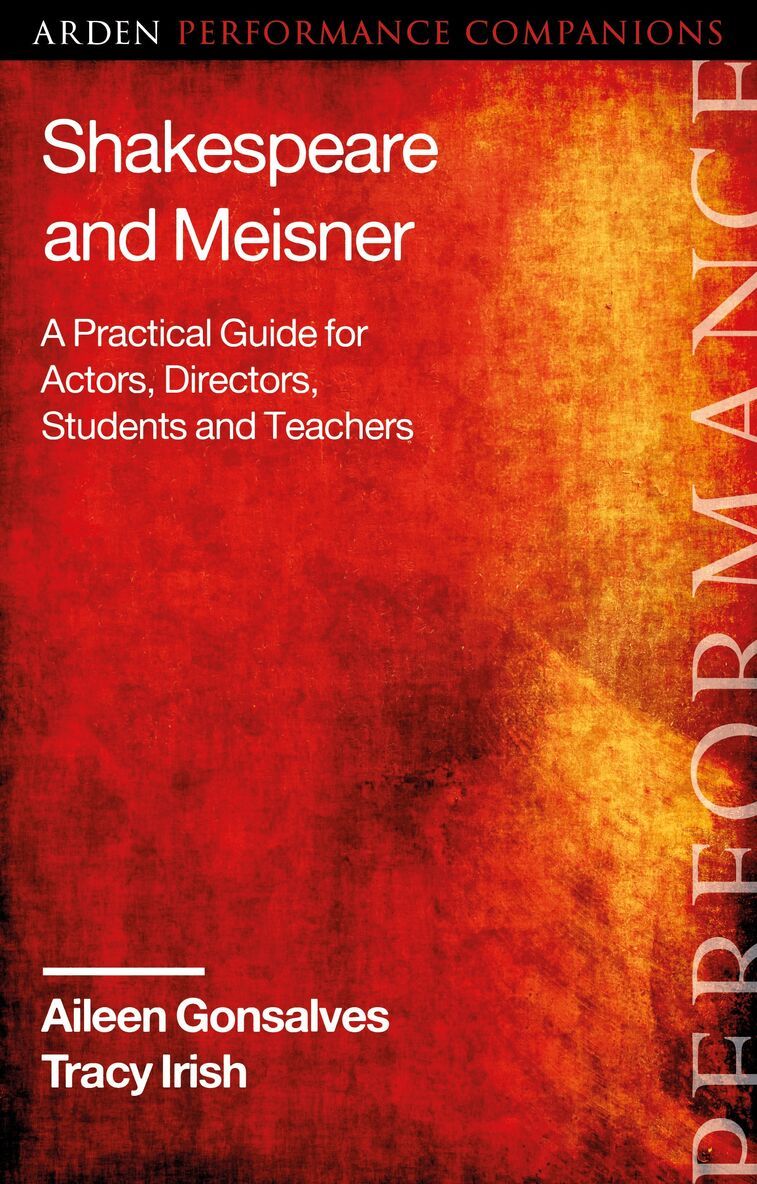
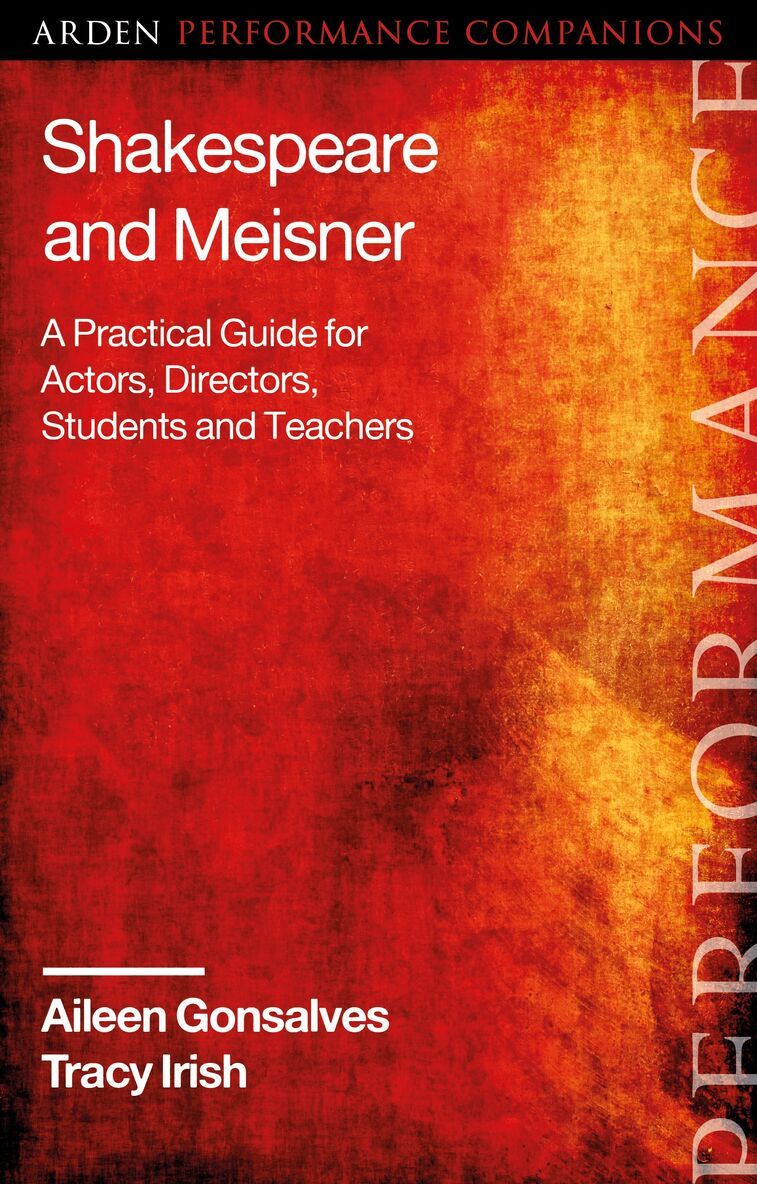
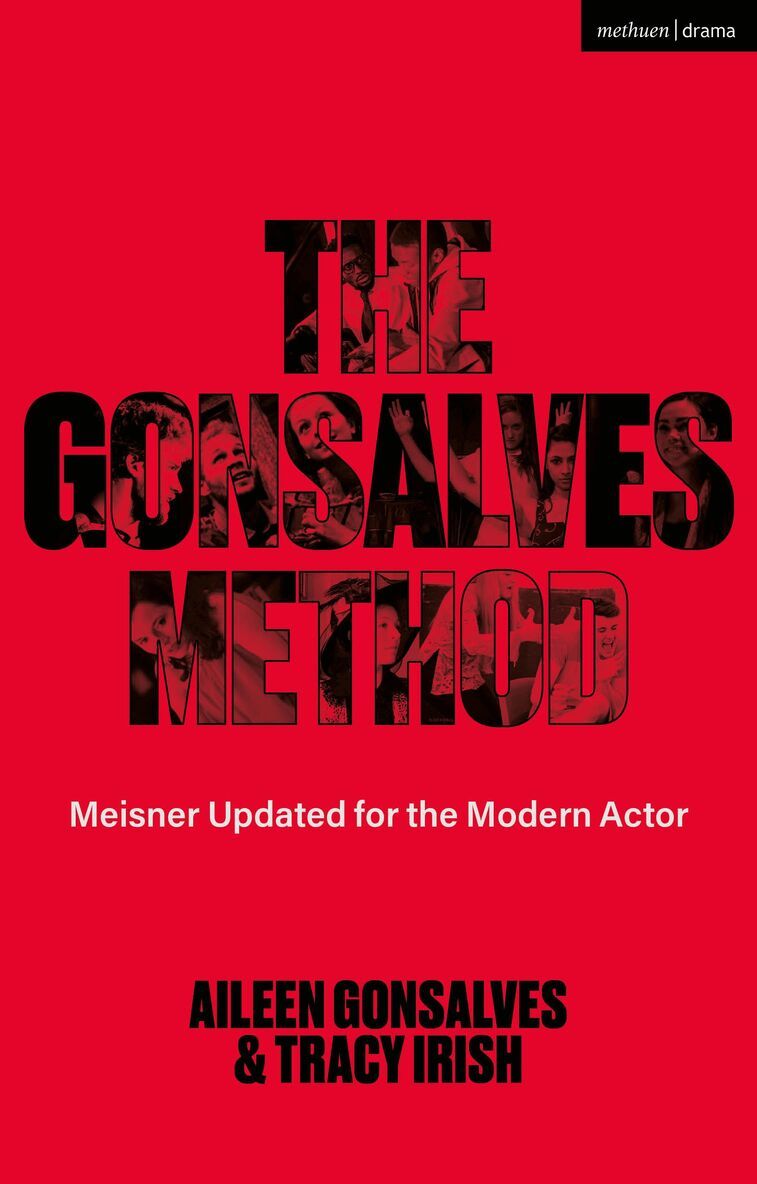
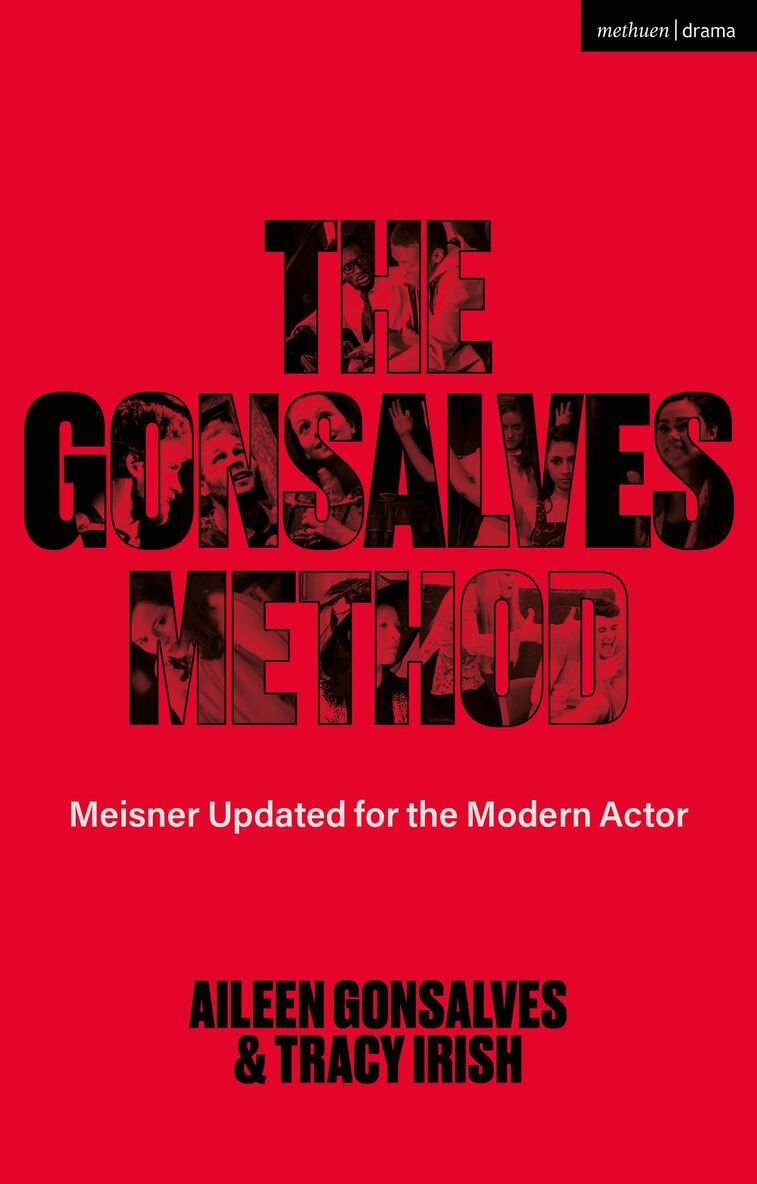
This practical handbook is invaluable for anyone performing, teaching, studying or simply wanting a new way to enjoy Shakespeare. It provides an outline of Meisner’s work and legacy, a discussion of that legacy in the light of the enduring global popularity of Shakespeare, and a wealth of practical exercises drawn from Meisner’s techniques.Shakespeare writes about the truth in human relationships and human hearts. Sanford Meisner's work unlocks truthful acting. They would seem a perfect match. Yet, following Meisner’s note to his actors that 'text is your greatest enemy’, Shakespeare and Meisner are often considered ‘strange bedfellows’. The rhetorical complexity of Shakespeare’s text can often be perceived as rules an actor must learn in order to perform Shakespeare ‘properly’. Meisner’s main rule is that 'you can’t say ouch until you’ve been pinched’: in other words, an actor must genuinely feel something in order to react in a performance which is alive to the moment. This book explores how actors can use Meisner’s tools of ‘acting is reacting’ to discover the infinite freedom within the apparent constraints of Shakespeare’s text.
This practical handbook is invaluable for anyone performing, teaching, studying or simply wanting a new way to enjoy Shakespeare. It provides an outline of Meisner''s work and legacy, a discussion of that legacy in the light of the enduring global popularity of Shakespeare, and a wealth of practical exercises drawn from Meisner''s techniques.Shakespeare writes about the truth in human relationships and human hearts. Sanford Meisner''s work unlocks truthful acting. They would seem a perfect match. Yet, following Meisner''s note to his actors that ''text is your greatest enemy'', Shakespeare and Meisner are often considered ''strange bedfellows''. The rhetorical complexity of Shakespeare''s text can often be perceived as rules an actor must learn in order to perform Shakespeare ''properly''. Meisner''s main rule is that ''you can''t say ouch until you''ve been pinched'': in other words, an actor must genuinely feel something in order to react in a performance which is alive to the moment. This book explores how actors can use Meisner''s tools of ''acting is reacting'' to discover the infinite freedom within the apparent constraints of Shakespeare''s text.
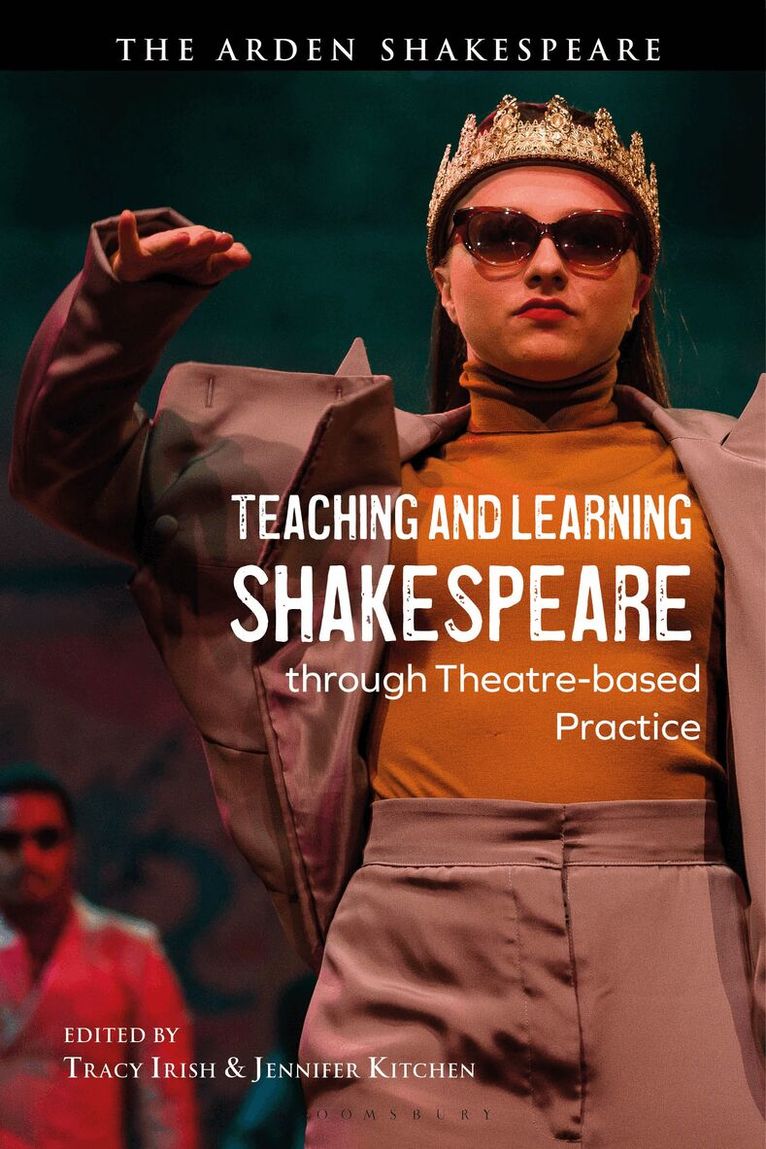
How can the study of Shakespeare contribute to equipping young people for the challenges of an uncertain future? This book argues for the necessity of a Shakespeare education that: finds meaning in the texts through inviting in the prior knowledge, experiences and ideas of students; combines intellectual, social and emotional learning; and develops a critical perspective on what a cultural inheritance is all about. It offers a comprehensive exploration of the educational principles underpinning theatre-based practice and explains how and why this practice can open up the possibilities of Shakespeare study in the classroom. It empowers Shakespeare educators working with young people aged 5-18 to interact critically, creatively and collaboratively with Shakespeare as a living artist.Drawing on the authors’ research and experience with organizations including the Royal Shakespeare Company, Shakespeare’s Globe, the Folger and Coram Shakespeare Schools Foundation, Part One consolidates recent developments in the field and engages in lively dialogue with core questions of Shakespeare’s place in the classroom. Part Two curates a series of interviews with leaders and practitioners from the above and other Shakespeare institutions, exploring their core principles and practices. Part Three presents chapters from and about classroom teachers, who share their experiences of successfully embedding theatre-based approaches to Shakespeare in their own diverse contexts.
How can the study of Shakespeare contribute to equipping young people for the challenges of an uncertain future? This book argues for the necessity of a Shakespeare education that: finds meaning in the texts through inviting in the prior knowledge, experiences and ideas of students; combines intellectual, social and emotional learning; and develops a critical perspective on what a cultural inheritance is all about. It offers a comprehensive exploration of the educational principles underpinning theatre-based practice and explains how and why this practice can open up the possibilities of Shakespeare study in the classroom. It empowers Shakespeare educators working with young people aged 5-18 to interact critically, creatively and collaboratively with Shakespeare as a living artist.Drawing on the authors'' research and experience with organizations including the Royal Shakespeare Company, Shakespeare''s Globe, the Folger and Coram Shakespeare Schools Foundation, Part One consolidates recent developments in the field and engages in lively dialogue with core questions of Shakespeare''s place in the classroom. Part Two curates a series of interviews with leaders and practitioners from the above and other Shakespeare institutions, exploring their core principles and practices. Part Three presents chapters from and about classroom teachers, who share their experiences of successfully embedding theatre-based approaches to Shakespeare in their own diverse contexts.