Vladislav Rjeoutski - Böcker
Visar alla böcker från författaren Vladislav Rjeoutski. Handla med fri frakt och snabb leverans.
8 produkter
8 produkter
1 204 kr
Skickas inom 11-20 vardagar
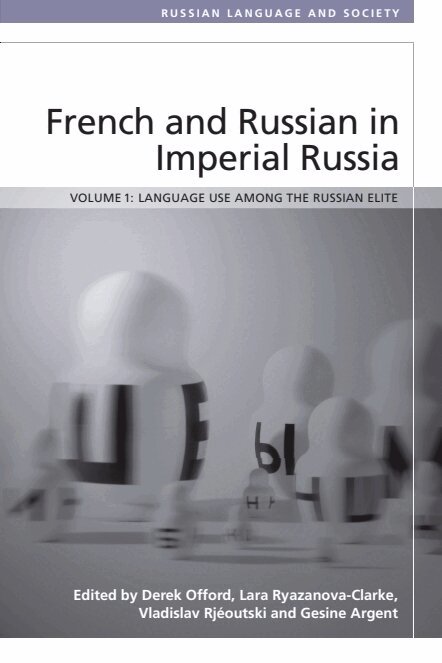
This is the first of two companion volumes which examine language use and language attitudes in eighteenth- and nineteenth-century Russia, focusing on the transitional period from the Enlightenment to the age of Pushkin. Set against the background of the rapid transformation of Russia into a major European power, the two volumes of French and Russian in Imperial Russia consider the functions of multilingualism and the use of French as a prestige language among the elite, as well as the benefits of Franco-Russian bilingualism and the anxieties to which it gave rise. This first volume, provides insight into the development of the practice of speaking and writing French at the Russian court and among the Russian nobility from the mid-eighteenth century to the mid-nineteenth century. It examines linguistic practice, the use of French in Russia in various spheres, domains and genres, as well as the interplay between the two languages. Including examples of French lexical influence on Russian, this volume takes a sociolinguistic interest in language choice, code-switching and the degree to which the language community being observed was bilingual or diglossic.A comprehensive and original contribution to the multidisciplinary study of language, the two volumes address, from a historical viewpoint, subjects of relevance to sociolinguists (especially bilingualism and multilingualism), social and cultural historians (social and national identity, linguistic and cultural borrowing), Slavists (the relationship of Russian and western culture) and students of the European Enlightenment, Neo-Classicism, Romanticism and cultural nationalism.
1 204 kr
Skickas inom 11-20 vardagar
This is the second of two companion volumes which examine language use and language attitudes in eighteenth- and nineteenth-century Russia, focusing on the transitional period from the Enlightenment to the age of Pushkin. Set against the background of the rapid transformation of Russia into a major European power, the two volumes of French and Russian in Imperial Russia consider the functions of multilingualism and the use of French as a prestige language among the elite, as well as the benefits of Franco-Russian bilingualism and the anxieties to which it gave rise. This second volume, Language Attitudes and Identity, explores the impact of French on Russian language attitudes, especially among the literary community. It examines the ways in which perceptions of Russian francophonie helped to shape social, political and cultural identity as Russia began to seek space of its own in the European cultural landscape. In the process, it investigates approaches to translation, journalistic debate about language, literary representation of devotees of French social practice and fashion, and manifestations of linguistic purism and patriotism.A comprehensive and original contribution to the multidisciplinary study of language, the two volumes address, from a historical viewpoint, subjects of relevance to sociolinguists (especially bilingualism and multilingualism), social and cultural historians (social and national identity, linguistic and cultural borrowing), Slavists (the relationship of Russian and western culture) and students of the European Enlightenment, Neo-Classicism, Romanticism and cultural nationalism.
2 150 kr
Skickas inom 10-15 vardagar
This book highlights the crucial contributions of translators in shaping early modern diplomacy, offering a unique lens through which to understand the growing complexity of international relations and communication in this era.The early modern period was a transformative time for European diplomacy, marked by the rise of resident diplomacy, the advent of peace congresses, and significant shifts in linguistic practices. As Latin, German, and Italian waned as major diplomatic languages, French emerged as the dominant pan-European medium of diplomatic communication. These changes had profound implications for translation in diplomacy, shaping its role, function, and institutionalisation. New translation departments were established, and the need for trained translators became critical, leading to the foundation of schools and the development of specialised practices. By adopting a transnational perspective, the book offers a fresh, insightful exploration of the evolution of translation and its impact on the expanding network of diplomatic contacts and correspondence.Bringing a panoramic and multidisciplinary approach to the history of translation, this book is intended for scholars and students of the early modern period, translation studies, the history of diplomacy, the history of languages and historical sociolinguistics, and European cultural history more generally.The Introduction of this book is freely available as a downloadable Open Access PDF at http://www.taylorfrancis.com under a Creative Commons Attribution-Non Commercial-No Derivatives (CC BY-NC-ND 4.0) International license.Chapter 4 of this book is freely available as a downloadable Open Access PDF at http://www.taylorfrancis.com under a Creative Commons Attribution 4.0 (CC BY 4.0) International license.
649 kr
Skickas inom 10-15 vardagar
This multinational collection of essays challenges the traditional image of a monolingual Ancient Regime in Enlightenment Europe, both East and West. Its archival research explores the important role played by selective language use in social life and in the educational provisions in the early constitution of modern society. A broad range of case studies show how language was viewed and used symbolically by social groups - ranging from the nobility to the peasantry - to develop, express, and mark their identities.
649 kr
Skickas inom 10-15 vardagar
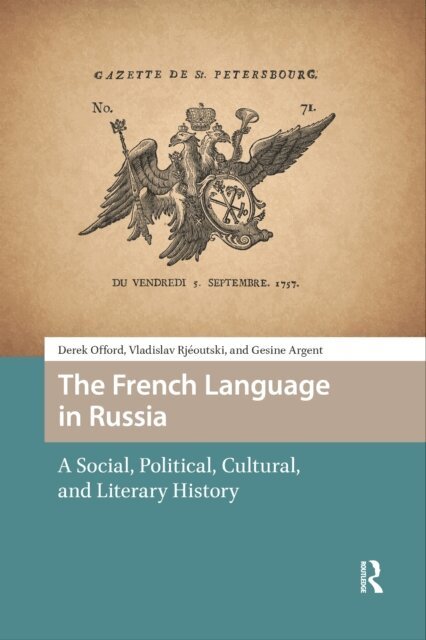
With support from the Arts and Humanities Research Council of the UK and the Deutsches Historisches Institut Moskau , The French Language in Russia provides the fullest examination and discussion to date of the adoption of the French language.
2 325 kr
Kommande
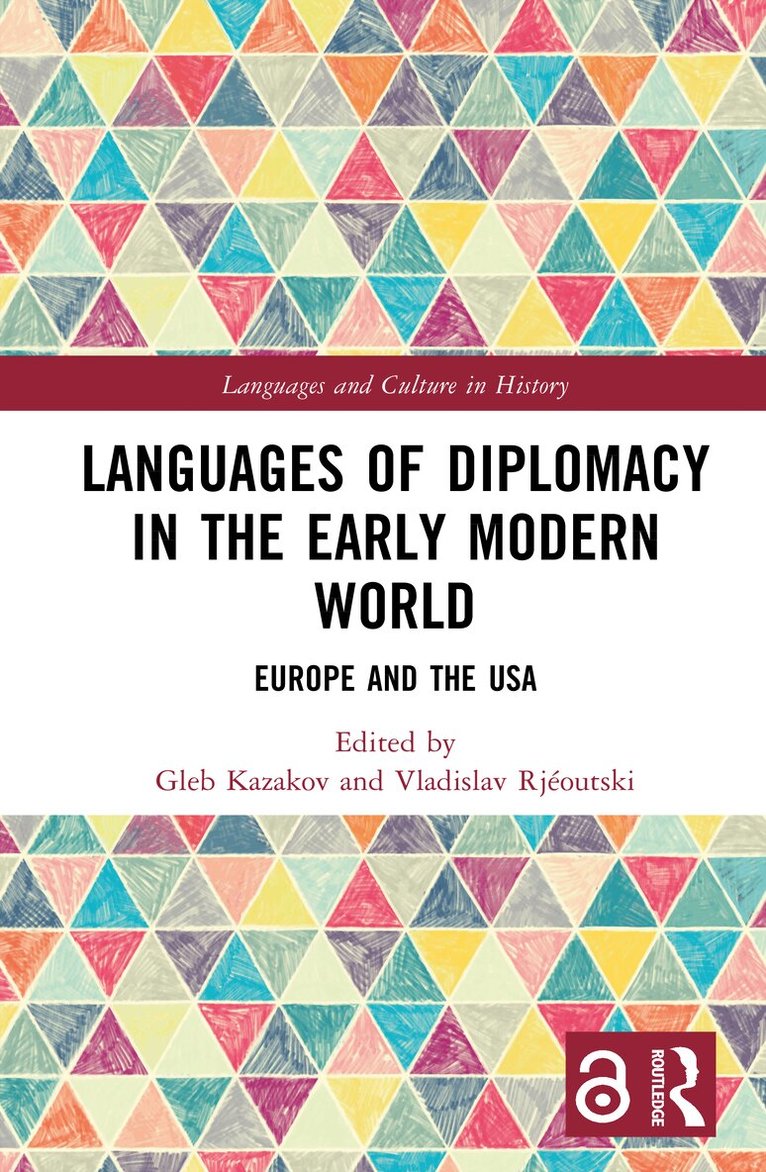
This book outlines major trends in language use by early modern diplomats, mainly in the European context, through a series of case studies and overviews of regional diplomatic traditions.During the early modern period, linguistic practices in European diplomacy changed drastically, as the decline of Latin and German as diplomatic languages paved the way for the rise of French as a pan-European medium of diplomacy. While it was no secret that French was the dominant language of European elites during the eighteenth century, surprisingly little is known about the way this cultural trend translated into a major linguistic shift in diplomacy. This volume offers a broader perspective, tracking these changes throughout the early modern period. Spanning three centuries and extending across and beyond continental Europe, the contributors map the pace, the mechanisms, the reasons and the limits for changes in the use of languages in early modern diplomacy and explore the linguistic practices of diplomats as an indicator of wider social, cultural, and political changes.A novel study of European diplomacy and linguistic interactions, this book will be of interest to historians, in particular those working on language practices in diplomacy and the social history of languages.The Open Access version of this book, available at http://www.taylorfrancis.com, has been made available under a Creative Commons Attribution-Non Commercial-No Derivatives (CC-BY-NC-ND) 4.0 licence.
French Language in Russia
A Social, Political, Cultural, and Literary History
Inbunden, Engelska, 2018
831 kr
Skickas inom 10-15 vardagar
This book provides a wide-ranging account of the social, political, cultural, and literary functions of the French language in Russia from c. 1700 to 1917.
Del 6 - Languages and Culture in History
Language Choice in Enlightenment Europe
Education, Sociability, and Governance
Inbunden, Engelska, 2018
1 735 kr
Skickas inom 10-15 vardagar
This multinational collection of essays challenges the traditional image of a monolingual Ancient Regime in Enlightenment Europe, both East and West.