Walter Nugent - Böcker
Visar alla böcker från författaren Walter Nugent. Handla med fri frakt och snabb leverans.
9 produkter
9 produkter
108 kr
Skickas inom 5-8 vardagar
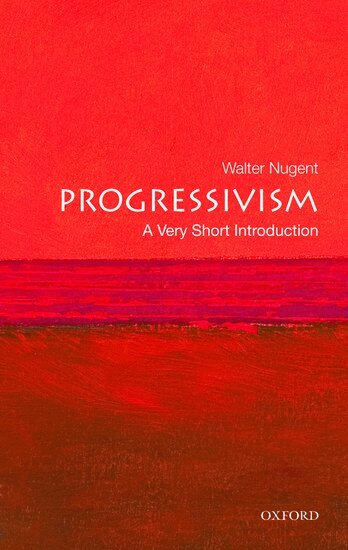
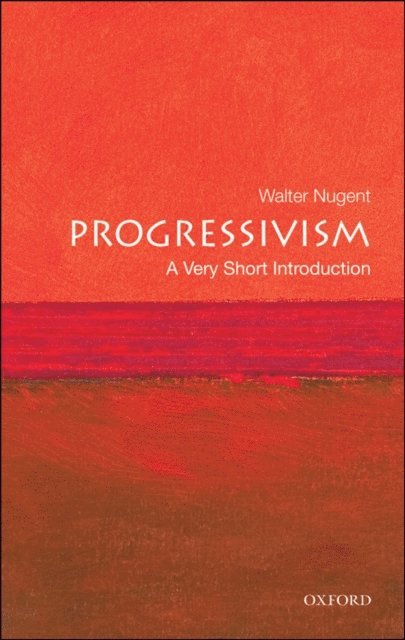
After decades of conservative dominance, the election of Barack Obama may signal the beginning of a new progressive era. But what exactly is progressivism? What role has it played in the political, social, and economic history of America? This very timely Very Short Introduction offers an engaging overview of progressivism in America--its origins, guiding principles, major leaders and major accomplishments. A many-sided reform movement that lasted from the late 1890s until the early 1920s, progressivism emerged as a response to the excesses of the Gilded Age, an era that plunged working Americans into poverty while a new class of ostentatious millionaires built huge mansions and flaunted their wealth. As capitalism ran unchecked and more and more economic power was concentrated in fewer and fewer hands, a sense of social crisis was pervasive. Progressive national leaders like William Jennings Bryan, Theodore Roosevelt, Robert M. La Follette, and Woodrow Wilson, as well as muckraking journalists like Lincoln Steffens and Ida Tarbell, and social workers like Jane Addams and Lillian Wald answered the growing call for change. They fought for worker's compensation, child labor laws, minimum wage and maximum hours legislation; they enacted anti-trust laws, improved living conditions in urban slums, instituted the graduated income tax, won women the right to vote, and laid the groundwork for Roosevelt's New Deal. Nugent shows that the progressives--with the glaring exception of race relations--shared a common conviction that society should be fair to all its members and that governments had a responsibility to see that fairness prevailed. Offering a succinct history of the broad reform movement that upset a stagnant conservative orthodoxy, this Very Short Introduction reveals many parallels, even lessons, highly appropriate to our own time. ABOUT THE SERIES: The Very Short Introductions series from Oxford University Press contains hundreds of titles in almost every subject area. These pocket-sized books are the perfect way to get ahead in a new subject quickly. Our expert authors combine facts, analysis, perspective, new ideas, and enthusiasm to make interesting and challenging topics highly readable.
259 kr
Skickas inom 7-10 vardagar
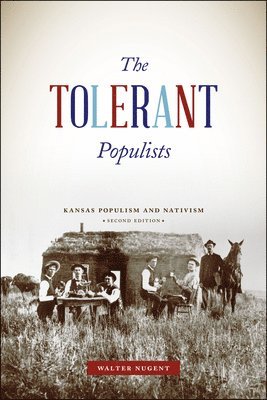
A political movement rallies against under regulated banks, widening gaps in wealth, and gridlocked governments. Sound familiar? More than a century before Occupy Wall Street, the People's Party of the 1890s was organizing for change. They were the original source of the term "populism," and a catalyst for the later Progressive Era and New Deal. Historians wrote approvingly of the Populists up into the 1950s. But with time and new voices, led by historian Richard Hofstadter, the Populists were denigrated, depicted as demagogic, conspiratorial, and even anti-Semitic. In a landmark study, Walter Nugent set out to uncover the truth of populism, focusing on the most prominent Populist state, Kansas. He focused on primary sources, looking at the small towns and farmers that were the foundation of the movement. The result, The Tolerant Populists, was the first book-length, source-based analysis of the Populists. Nugent's work sparked a movement to undo the historical revisionism and ultimately found itself at the center of a controversy that has been called "one of the bloodiest episodes in American historiography."This timely rerelease of The Tolerant Populists comes as the term finds new currency - and new scorn - in modern politics. A definitive work on populism, it serves as a vivid example of the potential that political movements and popular opinion can have to change history and affect our future.
213 kr
Skickas inom 10-15 vardagar
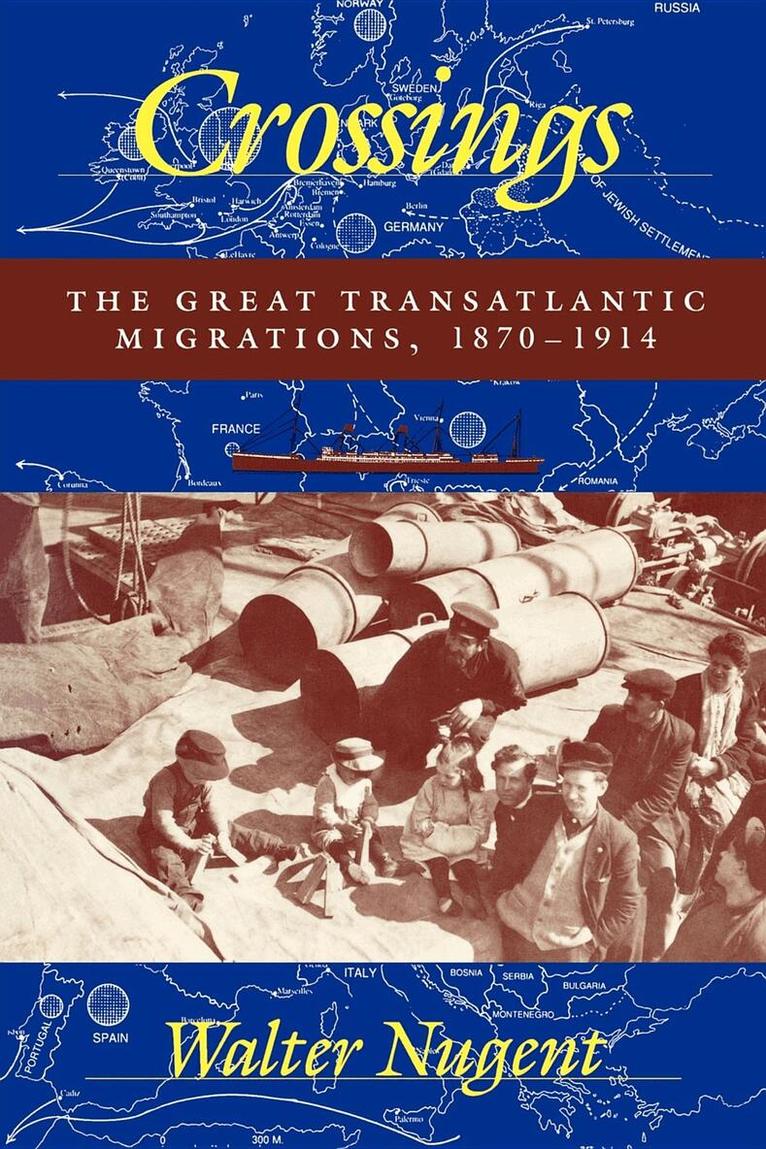
"Nugent's study, well illustrated and documented . . . will become a must for courses on migration history." —Dirk Hoerder, International Migration Review"A brilliant analysis of a critical chapter of migration history." —Ira Glazier, American Historical Review"Nugent's work is the ideal—the only—narrative companion to any quantitative analysis of late-nineteenth century population movements in the Atlantic economy." —Journal of Economic History"In terms of synthesizing existing literature and extending comparisons across boundaries, Nugent offers a shining example for both students and established scholars." —Journal of Interdisciplinary History
254 kr
Skickas inom 10-15 vardagar
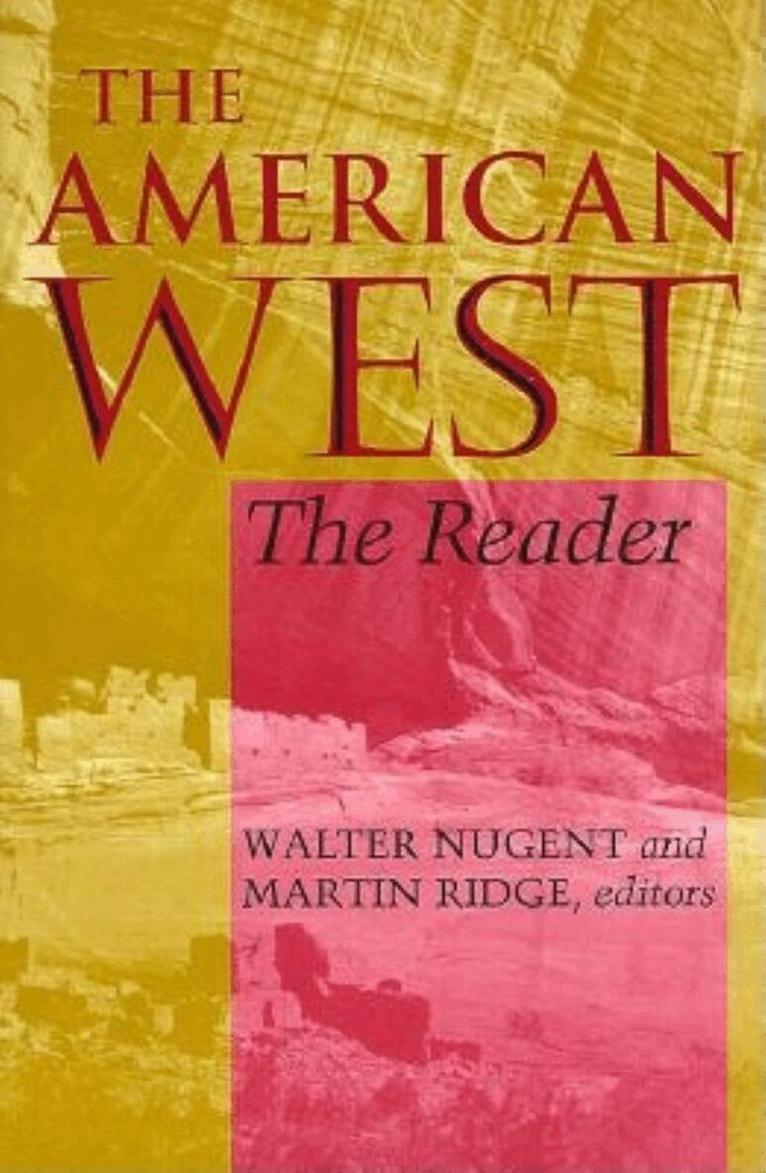
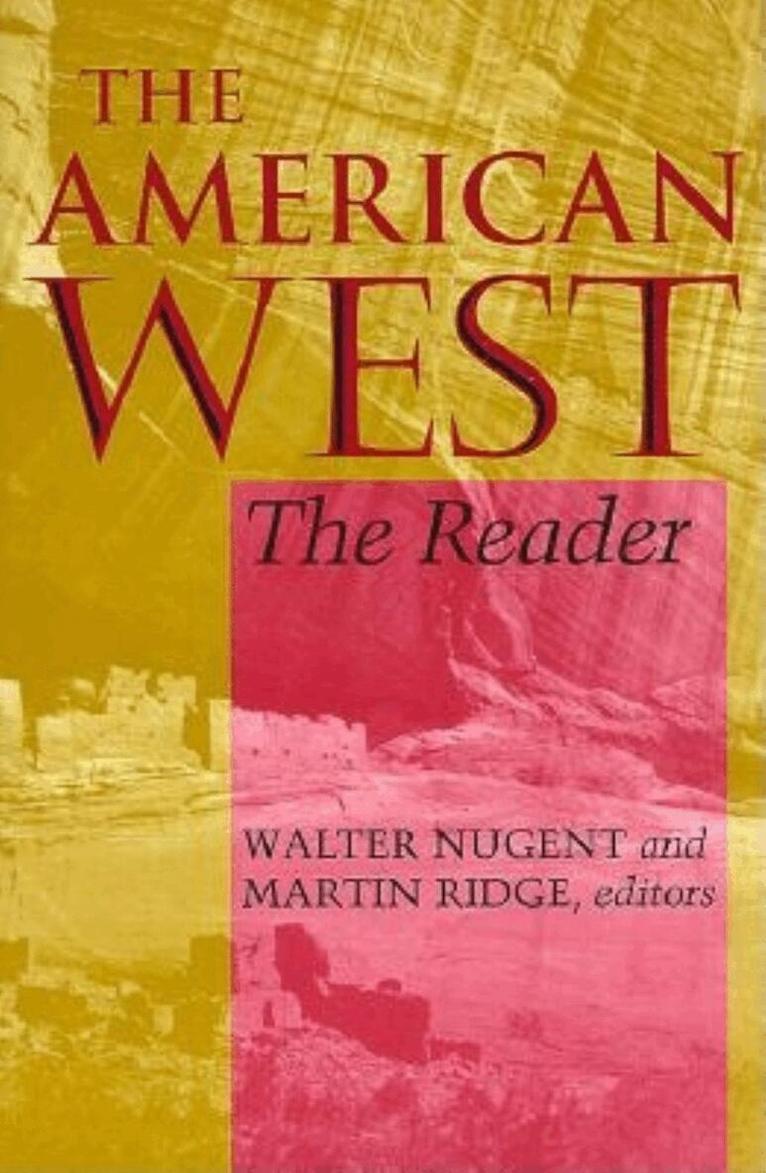
"Those who appreciate the impact of history will be impressed with the selection of articles." —Nebraska HistoryDesigned for survey courses—yet in-depth enough to support intensive discussion—these seventeen classic essays traverse the history of the American West, from women's property rights in Spanish-Mexican California to the Sand Creek Massacre of 1864, from homesteading and mining to the Great Depression and World War II. Provocative and illuminating.
281 kr
Skickas inom 10-15 vardagar
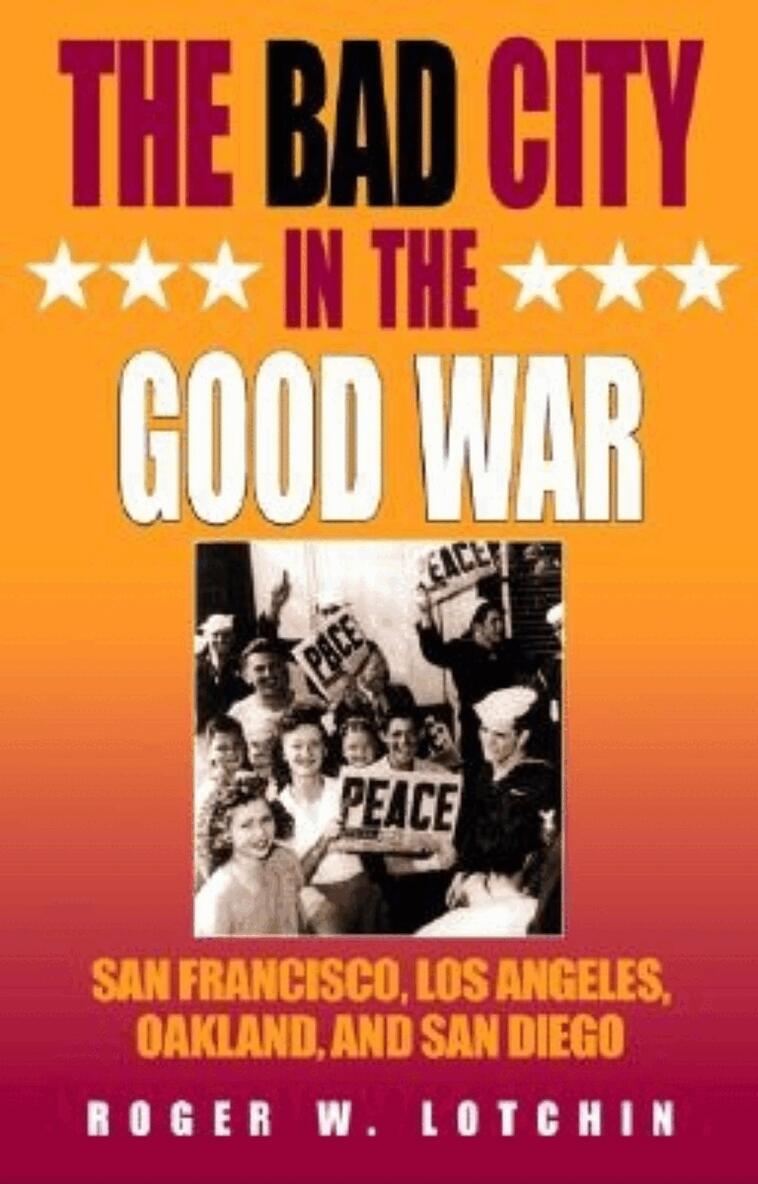
"Riders were very appropriate to a western war, but these horsemen could not have been more different. One group patrolled the oceanfront of 'The City' after dark. While the residents of the nearby Sunset District and Seacliff huddled around the radios in their living rooms, curtains pulled and blinds lowered, listening to war news or to 'One Man's Family,' other residents rode the beaches. Mounted on their own ponies, the men of the San Francisco Polo Club labored through the sands of China Beach, Baker Beach, and the Ten Mile Beach, looking for Imperial Japanese intruders." —from the bookIn the mythology of the West, the city was seen as a place of danger and corruption, but the "bad" city proved its mettle during the "Good War." In this book, Roger W. Lotchin has written the first comprehensive study of California's urban home front. United by fear of totalitarianism, the diverse population of California's cities came together to protect their homes and to aid in the war effort. Whether it involved fighting in Europe or Asia, migrating to a defense center, writing to service personnel at the front, building war machines in converted factories, giving pennies at school for war bonds, saving scrap material, or pounding a civil defense beat, urban California's participation was immediate, constant, and unflagging. Although many people worked in offices, factories, or barracks, the wartime community was also fed by a vast army of volunteers, which until now has been largely overlooked. The Bad City in the Good War is a comprehensive local history of the California home front that restores a little-known part of the story of the Second World War.
314 kr
Skickas inom 3-6 vardagar
386 kr
Skickas inom 7-10 vardagar
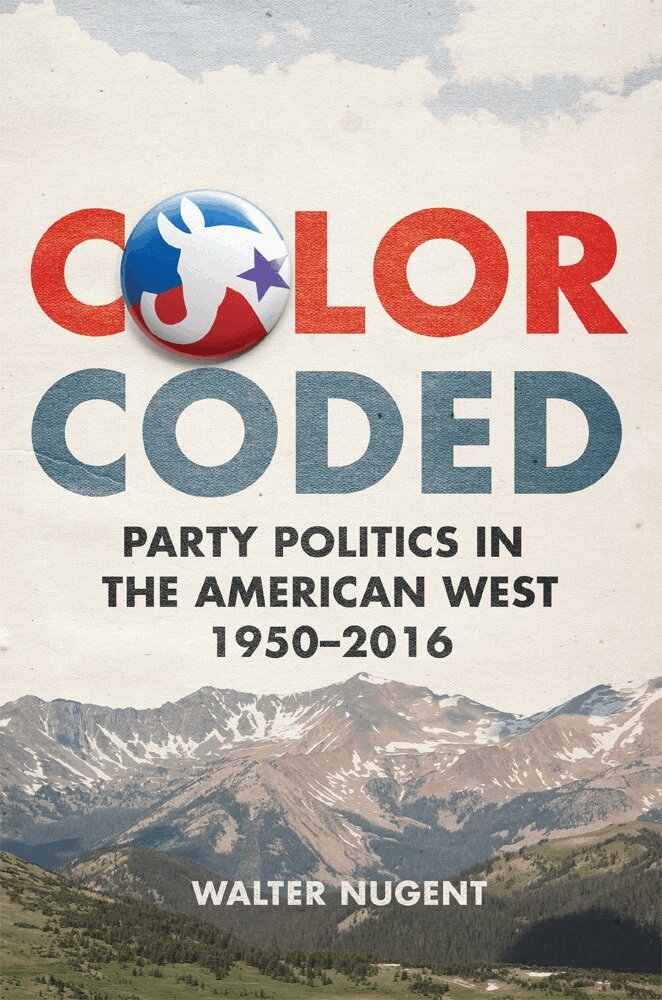
The now-staunchly red state of Texas was deep blue in 1950 and had virtually no functioning Republican Party. California, on the other hand, was reliably red. Today, both states have jumped to the opposite end of the political spectrum. Texas is one of the most conservative states, while California has become one of today's most liberal bastions. These are the most dramatic cases, but notable shifts in voting patterns have occurred throughout the western states in recent decades - shifts so varied and complex that they have, until now, eluded the attention focused on the drastic examples of the South and Northeast. Bringing clarity to the remarkably mixed yet poorly understood map of America's red, blue, and purple western half, Color Coded presents the first comprehensive history of political change and stability in the region between 1950 and 2016.The West, in Walter Nugent's analysis, includes nineteen states: the thirteen that the U.S. Census Bureau calls the Western Region - roughly from the Rocky Mountains to the Pacific, as well as off-shore Alaska and Hawaii - plus the six Great Plains states from North Dakota south to Texas. Consulting official voting results of more than 5,300 state and national elections, as well as newspaper reports, oral histories, public documents, and other sources, Nugent reveals the ever-shifting patterns that have defined western politics in modern times. Geography, culture, history, political trajectories, and the charisma of key political actors have all played their part in these changes - and will, Nugent asserts, continue to do so for the foreseeable future.A powerful, exhaustively researched study of modern political organization, party development, and shifting voter blocs in the West, Color Coded deftly charts, as well, the profound red-blue tensions that have defined modern America.Returns for the 5,300-plus elections on which the book is based, covering the nineteen western states between 1950 and 2016, are compiled in the book's appendix.
268 kr
Skickas inom 10-15 vardagar
The now - staunchly red state of Texas was deep blue in 1950 and had virtually no functioning Republican Party. California, on the other hand, was reliably red. Today, both states have jumped to the opposite end of the political spectrum. Texas is one of the most conservative states, while California has become one of today's most liberal bastions. These are the most dramatic cases, but notable shifts in voting patterns have occurred throughout the western states in recent decades - shifts so varied and complex that they have, until now, eluded the attention focused on the drastic examples of the South and Northeast. Bringing clarity to the remarkably mixed yet poorly understood map of America's red, blue, and purple western half, Color Coded presents the first comprehensive history of political change and stability in the region between 1950 and 2016. The West, in Walter Nugent's analysis, includes nineteen states: the thirteen that the U.S. Census Bureau calls the Western Region - roughly from the Rocky Mountains to the Pacific, as well as off-shore Alaska and Hawaii - plus the six Great Plains states from North Dakota south to Texas. Consulting official voting results of more than 5,300 state and national elections, as well as newspaper reports, oral histories, public documents, and other sources, Nugent reveals the ever-shifting patterns that have defined western politics in modern times. Geography, culture, history, political trajectories, and the charisma of key political actors have all played their part in these changes - and will, Nugent asserts, continue to do so for the foreseeable future. A powerful, exhaustively researched study of modern political organization, party development, and shifting voter blocs in the West, Color Coded deftly charts, as well, the profound red-blue tensions that have defined modern America. Returns for the 5,300 -plus elections on which the book is based, covering the nineteen western states between 1950 and 2016, are compiled in the book's appendix.
177 kr
Skickas inom 5-8 vardagar