Wayne Modest - Böcker
Visar alla böcker från författaren Wayne Modest. Handla med fri frakt och snabb leverans.
13 produkter
13 produkter
306 kr
Kommande
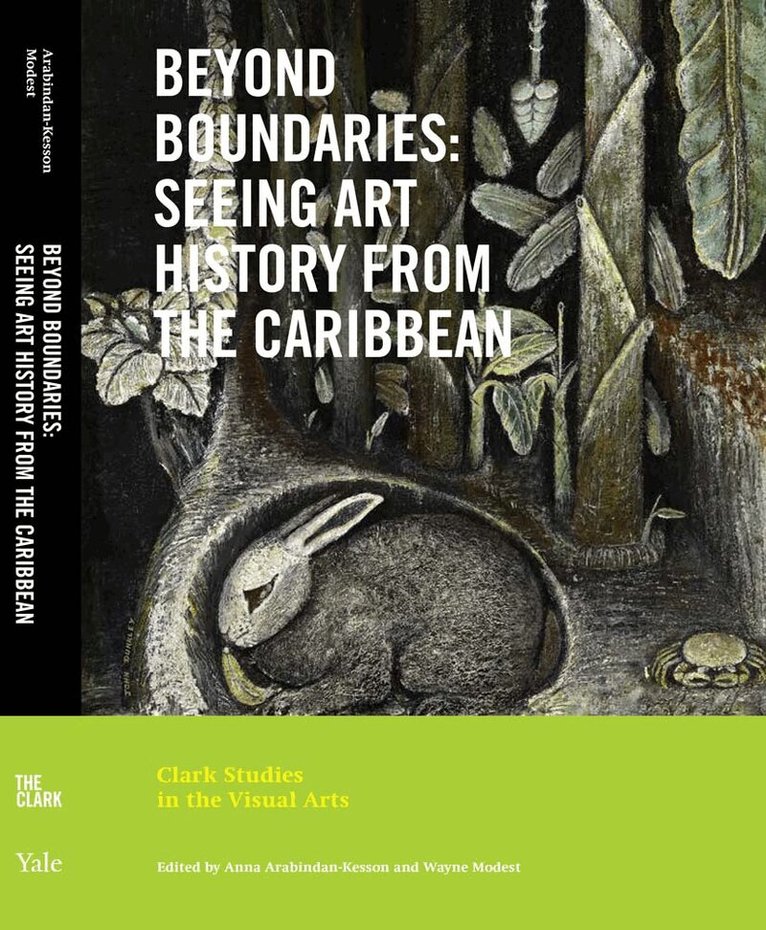
An examination of how engagement with the nuances of Caribbean intellectual thought could reshape art history Despite its rich cultural and intellectual heritage, the Caribbean region has often been excluded from art history—along with essential discussions ranging from plantation life and antislavery movements to decolonization and transculturation. Beyond Boundaries: Seeing Art History from the Caribbean explores why the field has been slow to embrace Caribbean intellectual history and advocates for an approach that acknowledges the multidisciplinary and multilingual nature of the region’s voices. By reevaluating existing interpretive methodologies, the authors show how a broader engagement with Caribbean perspectives can benefit art history, reshaping the discourse and creating a more inclusive and dynamic field. Distributed for the Clark Art Institute
2 306 kr
Skickas inom 10-15 vardagar
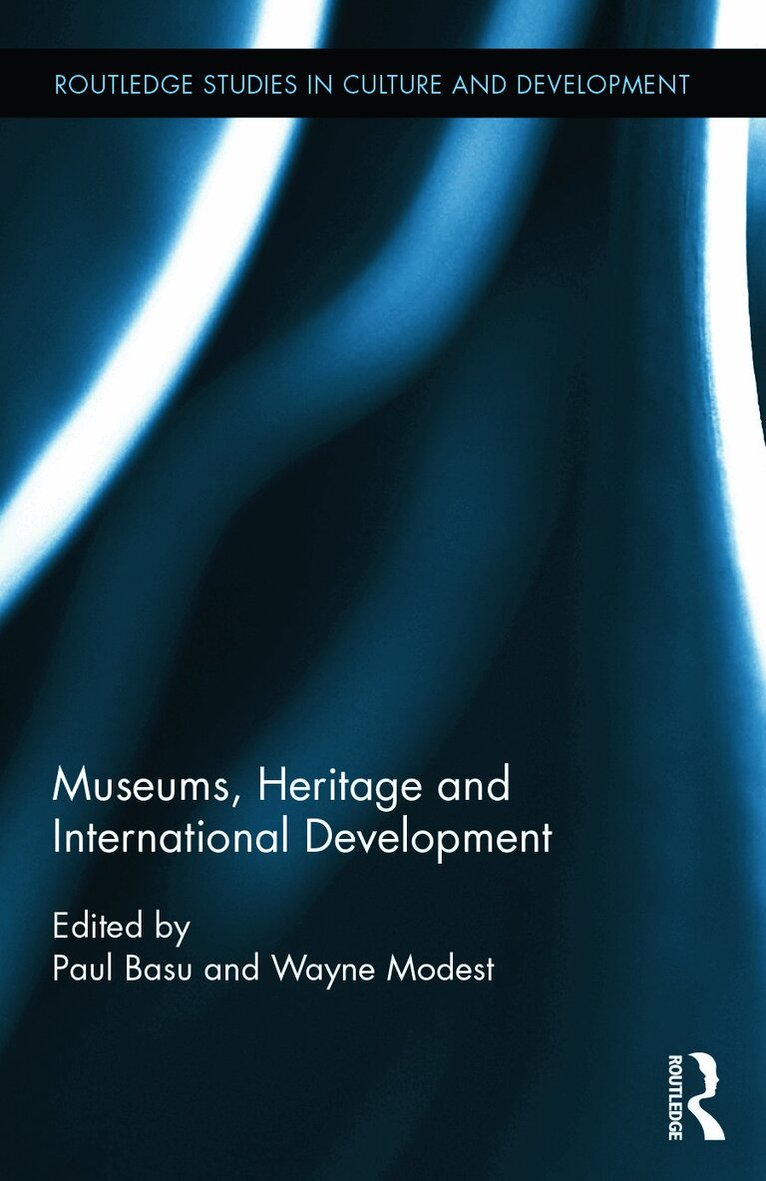
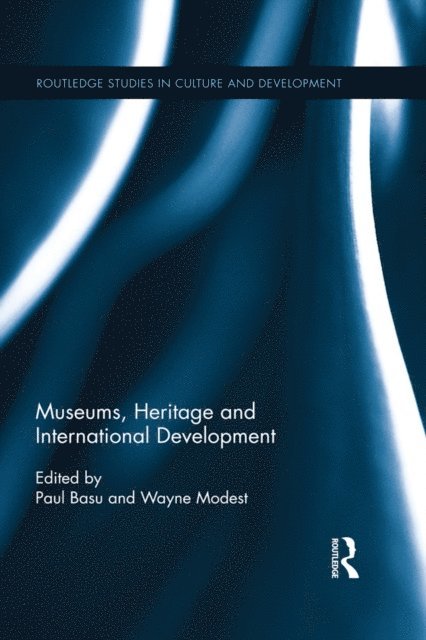
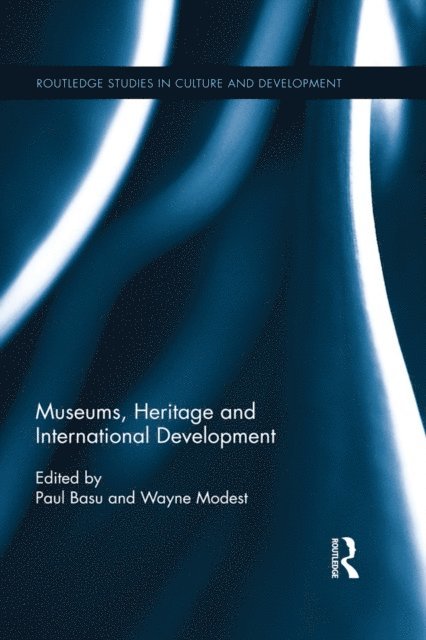
While many claims are made regarding the power of cultural heritage as a driver and enabler of sustainable development, the relationship between museums, heritage and development has received little academic scrutiny. This book stages a critical conversation between the interdisciplinary fields of museum studies, heritage studies and development studies to explore this under-researched sphere of development intervention. In an agenda-setting introduction, the editors explore the seemingly oppositional temporalities and values represented by these "past-making" and "future-making" projects, arguing that these provide a framework for mutual critique. Contributors to the volume bring insights from a wide range of academic and practitioner perspectives on a series of international case studies, which each raise challenging questions that reach beyond merely cultural concerns and fully engage with both the legacies of colonial power inequalities and the shifting geopolitical dynamics of contemporary international relations. Cultural heritage embodies different values and can be instrumentalized to serve different economic, social and political objectives within development contexts, but the past is also intrinsic to the present and is foundational to people’s aspirations for the future. Museums, Heritage and International Development explores the problematics as well as potentials, the politics as well as possibilities, in this fascinating nexus.
1 574 kr
Skickas inom 7-10 vardagar
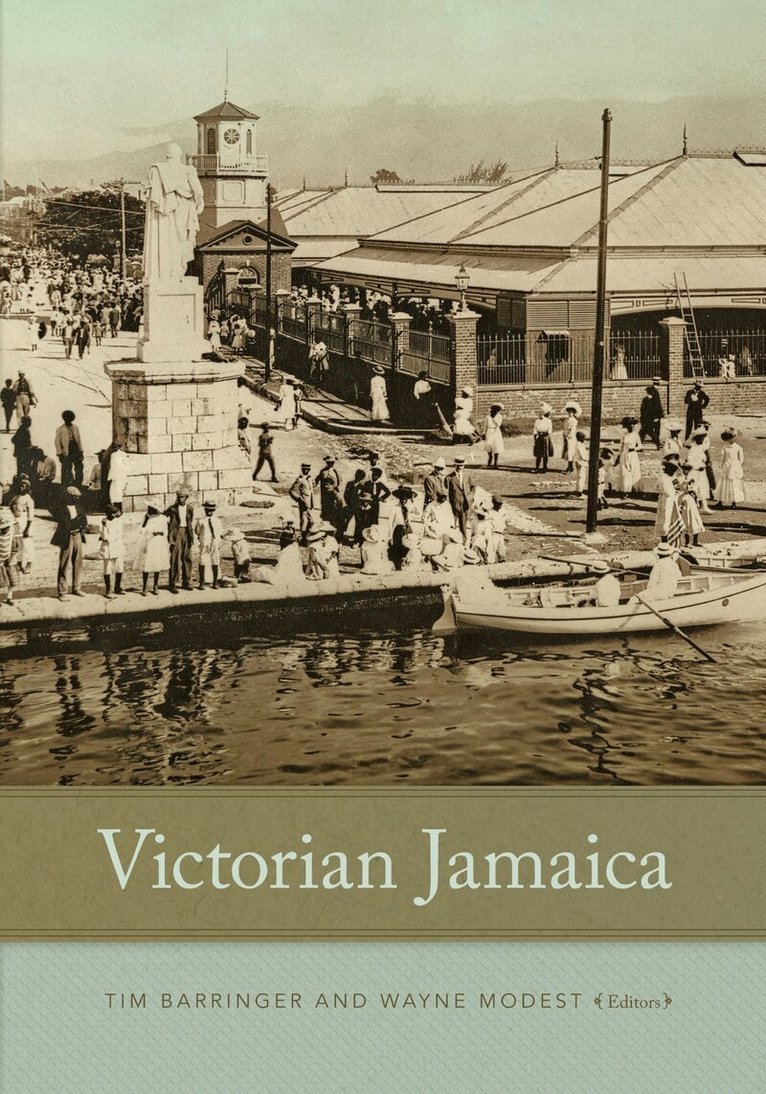
Victorian Jamaica explores the extraordinary surviving archive of visual representation and material objects to provide a comprehensive account of Jamaican society during Queen Victoria's reign over the British Empire, from 1837 to 1901. In their analyses of material ranging from photographs of plantation laborers and landscape paintings to cricket team photographs, furniture, and architecture, as well as a wide range of texts, the contributors trace the relationship between black Jamaicans and colonial institutions; contextualize race within ritual and performance; and outline how material and visual culture helped shape the complex politics of colonial society. By narrating Victorian history from a Caribbean perspective, this richly illustrated volume-featuring 270 full-color images-offers a complex and nuanced portrait of Jamaica that expands our understanding of the wider history of the British Empire and Atlantic world during this period.Contributors. Anna Arabindan-Kesson, Tim Barringer, Anthony Bogues, David Boxer, Patrick Bryan, Steeve O. Buckridge, Julian Cresser, John M. Cross, Petrina Dacres, Belinda Edmondson, Nadia Ellis, Gillian Forrester, Catherine Hall, Gad Heuman, Rivke Jaffe, O'Neil Lawrence, Erica Moiah James, Jan Marsh, Wayne Modest, Daniel T. Neely, Mark Nesbitt, Diana Paton, Elizabeth Pigou-Dennis, Veerle Poupeye, Jennifer Raab, James Robertson, Shani Roper, Faith Smith, Nicole Smythe-Johnson, Dianne M. Stewart, Krista A. Thompson
422 kr
Skickas
Victorian Jamaica explores the extraordinary surviving archive of visual representation and material objects to provide a comprehensive account of Jamaican society during Queen Victoria's reign over the British Empire, from 1837 to 1901. In their analyses of material ranging from photographs of plantation laborers and landscape paintings to cricket team photographs, furniture, and architecture, as well as a wide range of texts, the contributors trace the relationship between black Jamaicans and colonial institutions; contextualize race within ritual and performance; and outline how material and visual culture helped shape the complex politics of colonial society. By narrating Victorian history from a Caribbean perspective, this richly illustrated volume-featuring 270 full-color images-offers a complex and nuanced portrait of Jamaica that expands our understanding of the wider history of the British Empire and Atlantic world during this period.Contributors. Anna Arabindan-Kesson, Tim Barringer, Anthony Bogues, David Boxer, Patrick Bryan, Steeve O. Buckridge, Julian Cresser, John M. Cross, Petrina Dacres, Belinda Edmondson, Nadia Ellis, Gillian Forrester, Catherine Hall, Gad Heuman, Rivke Jaffe, O'Neil Lawrence, Erica Moiah James, Jan Marsh, Wayne Modest, Daniel T. Neely, Mark Nesbitt, Diana Paton, Elizabeth Pigou-Dennis, Veerle Poupeye, Jennifer Raab, James Robertson, Shani Roper, Faith Smith, Nicole Smythe-Johnson, Dianne M. Stewart, Krista A. Thompson
448 kr
Skickas inom 10-15 vardagar
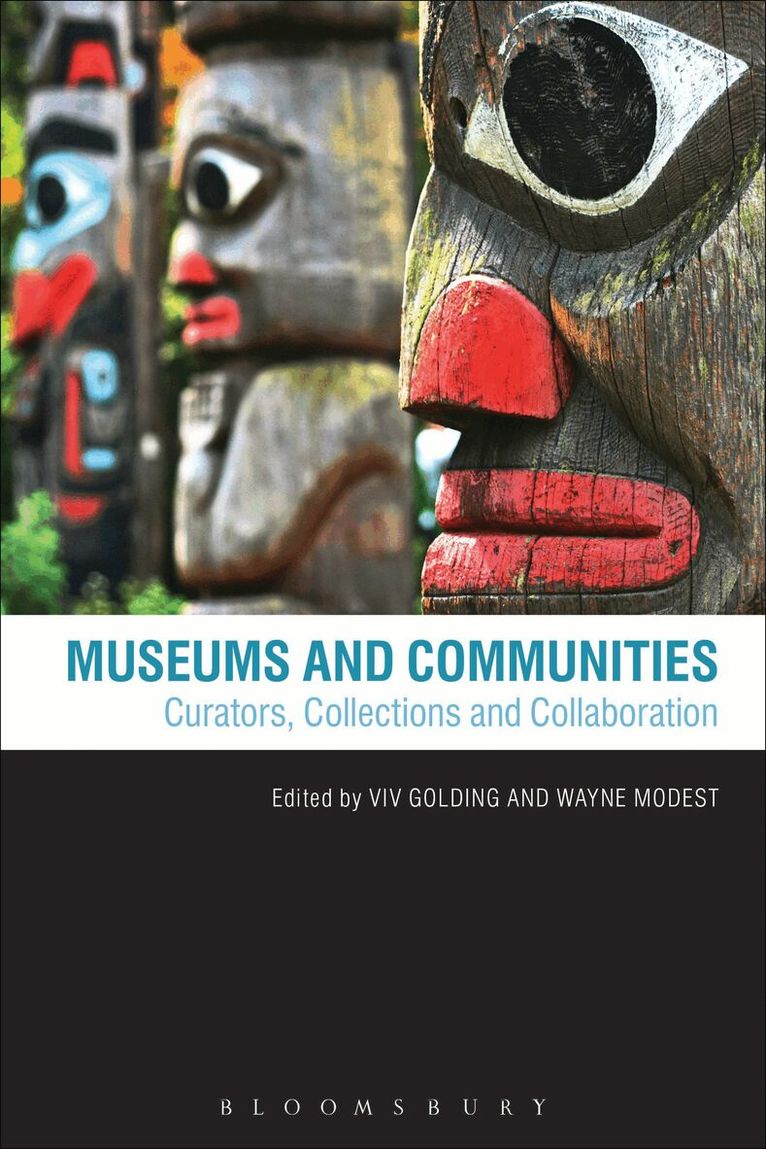
This edited volume critically engages with contemporary scholarship on museums and their engagement with the communities they purport to serve and represent. Foregrounding new curatorial strategies, it addresses a significant gap in the available literature, exploring some of the complex issues arising from recent approaches to collaboration between museums and their communities.The book unpacks taken-for-granted notions such as scholarship, community, participation and collaboration, which can gloss over the complexity of identities and lead to tokenistic claims of inclusion by museums. Over sixteen chapters, well-respected authors from the US, Australia and Europe offer a timely critique to address what happens when museums put community-minded principles into practice, challenging readers to move beyond shallow notions of political correctness that ignore vital difference in this contested field. Contributors address a wide range of key issues, asking pertinent questions such as how museums negotiate the complexities of integrating collaboration when the target community is a living, fluid, changeable mass of people with their own agendas and agency. When is engagement real as opposed to symbolic, who benefits from and who drives initiatives? What particular challenges and benefits do artist collaborations bring? Recognising the multiple perspectives of community participants is one thing, but how can museums incorporate this successfully into exhibition practice?Students of museum and cultural studies, practitioners and everyone who cares about museums around the world will find this volume essential reading.
771 kr
Skickas inom 10-15 vardagar
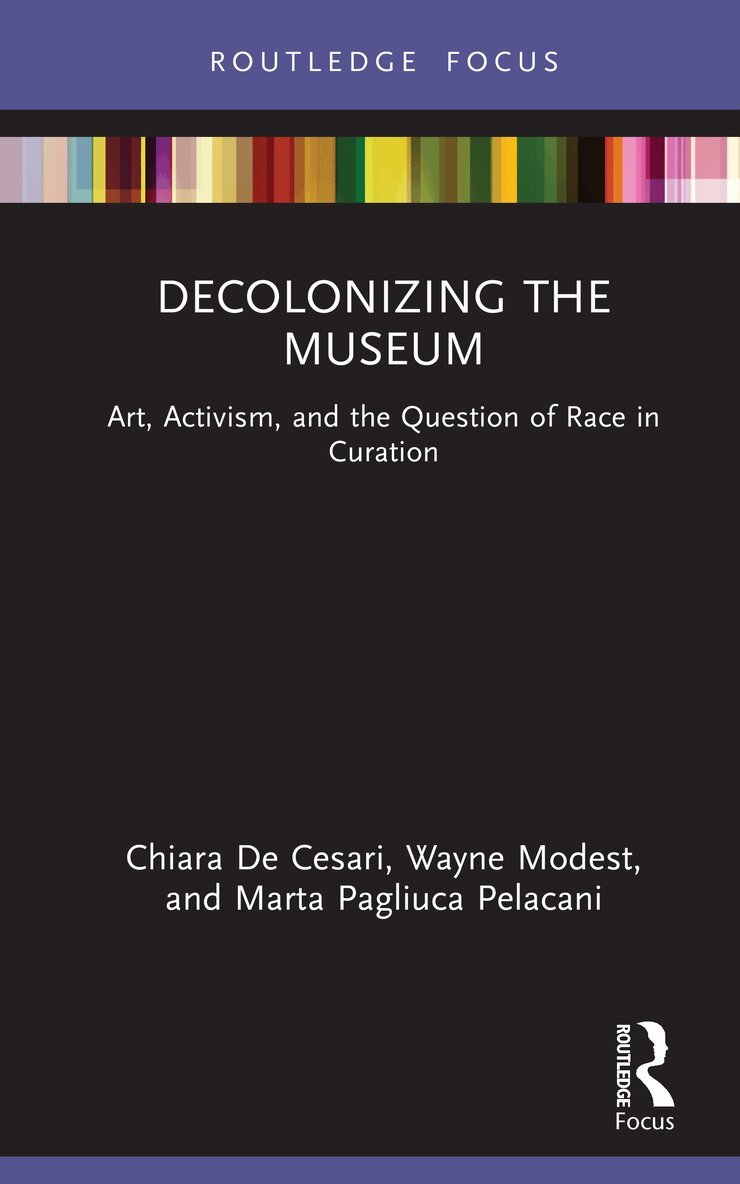
This book asks what it means to decolonize museums in theory and practice. It explores recent calls by activists and artists for social change in and through museums and how museums have responded to these calls and interventions.The point of departure for this volume is the burgeoning global debates around racism that have compelled many museums and public institutions to confront their complicity in colonialism, both past and present. Building on interviews with curators, cultural practitioners, activists, and artists, as well as the authors' ongoing involvement with movements aimed at decolonizing museums, this volume explores how anti-racist activism and artivism have transformed museums, as well as the broader social and political significance of these transformations. The book focuses on the practices, approaches, and strategies that are being adopted in efforts to decolonize museums and cultural institutions, where they succeed and fail, and the similarities and differences between these initiatives. It discusses specific exhibitions and whether they represent colonialism as a past phenomenon or as enduring racial logics forcefully shaping the present. It analyzes both mainstream European museums and grassroots, museum-like initiatives that aim to reckon with colonialism and race in different contexts. Core to the argument is the issue of how memory, heritage, and museum studies, the disciplines that explore, explain, and staff museums, have engaged or not with race.Decolonizing the Museum will be valuable for those studying or researching in the fields of museum studies, heritage, memory and art studies, decolonial theory, postcolonialism, race and racism, and cultural politics. Providing an important window into the political role of curators and the politics of race in transforming museums, it will also be beneficial to museum practitioners and activists and artists with a stake in these institutions.
654 kr
Skickas inom 10-15 vardagar
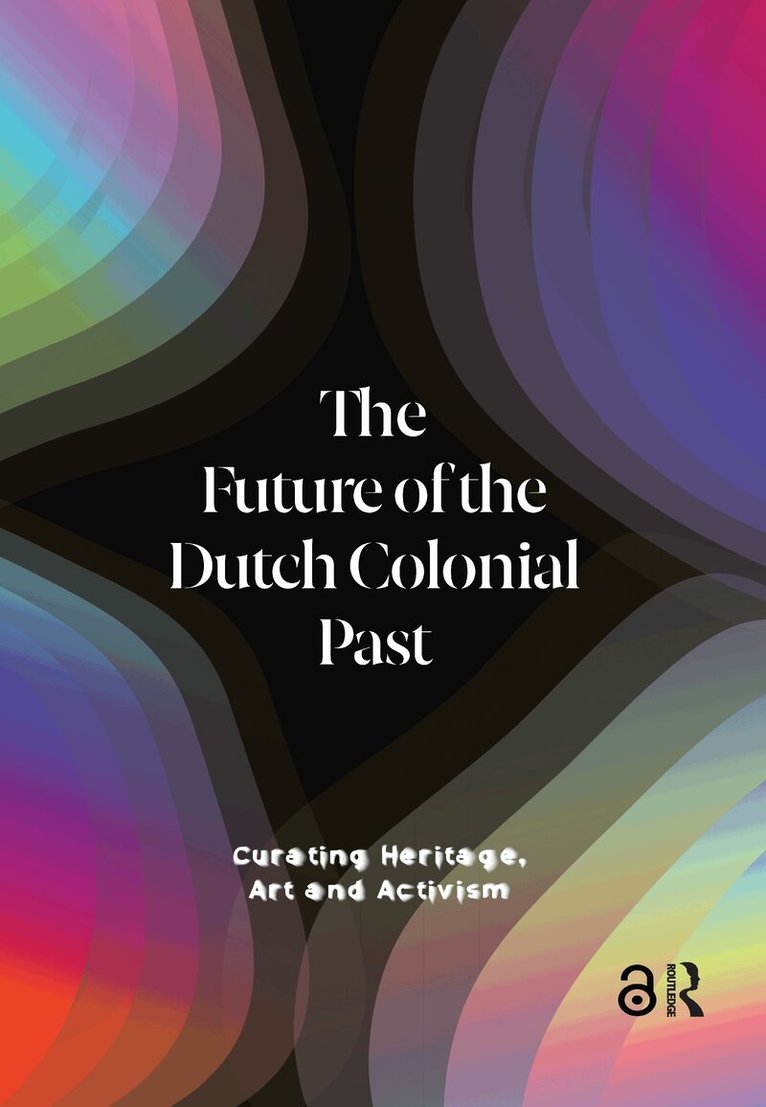
Institutions across the globe are increasingly questioned on how their foundations are rooted in colonialism and how they aim to ‘decolonize’. The Future of the Dutch Colonial Past provides an overview of critical scholarly reflections on the history of Dutch slavery and colonization, as well as how this translates into critical cultural practices. It also explores possible futures: What can heritage institutions learn from (international) best practices regarding the ‘decolonization’ of museums? And what role can contemporary artistic practices take in these processes? Through a variety of essays, interventions, interviews, and a roundtable conversation, scholars and cultural practitioners address these complex questions.
812 kr
Skickas inom 10-15 vardagar
While many claims are made regarding the power of cultural heritage as a driver and enabler of sustainable development, the relationship between museums, heritage and development has received little academic scrutiny. This book stages a critical conversation between the interdisciplinary fields of museum studies, heritage studies and development studies to explore this under-researched sphere of development intervention. In an agenda-setting introduction, the editors explore the seemingly oppositional temporalities and values represented by these "past-making" and "future-making" projects, arguing that these provide a framework for mutual critique. Contributors to the volume bring insights from a wide range of academic and practitioner perspectives on a series of international case studies, which each raise challenging questions that reach beyond merely cultural concerns and fully engage with both the legacies of colonial power inequalities and the shifting geopolitical dynamics of contemporary international relations. Cultural heritage embodies different values and can be instrumentalized to serve different economic, social and political objectives within development contexts, but the past is also intrinsic to the present and is foundational to people’s aspirations for the future. Museums, Heritage and International Development explores the problematics as well as potentials, the politics as well as possibilities, in this fascinating nexus.
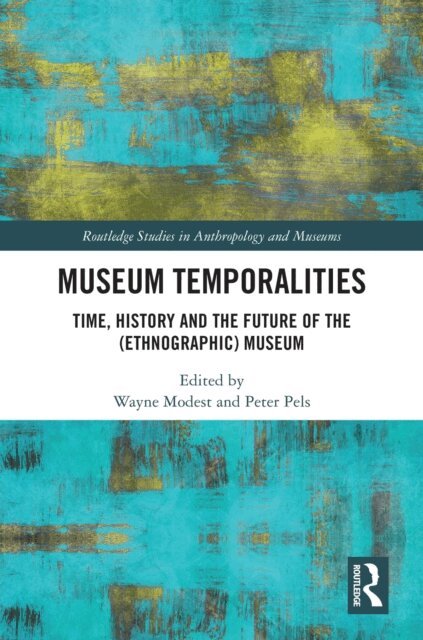
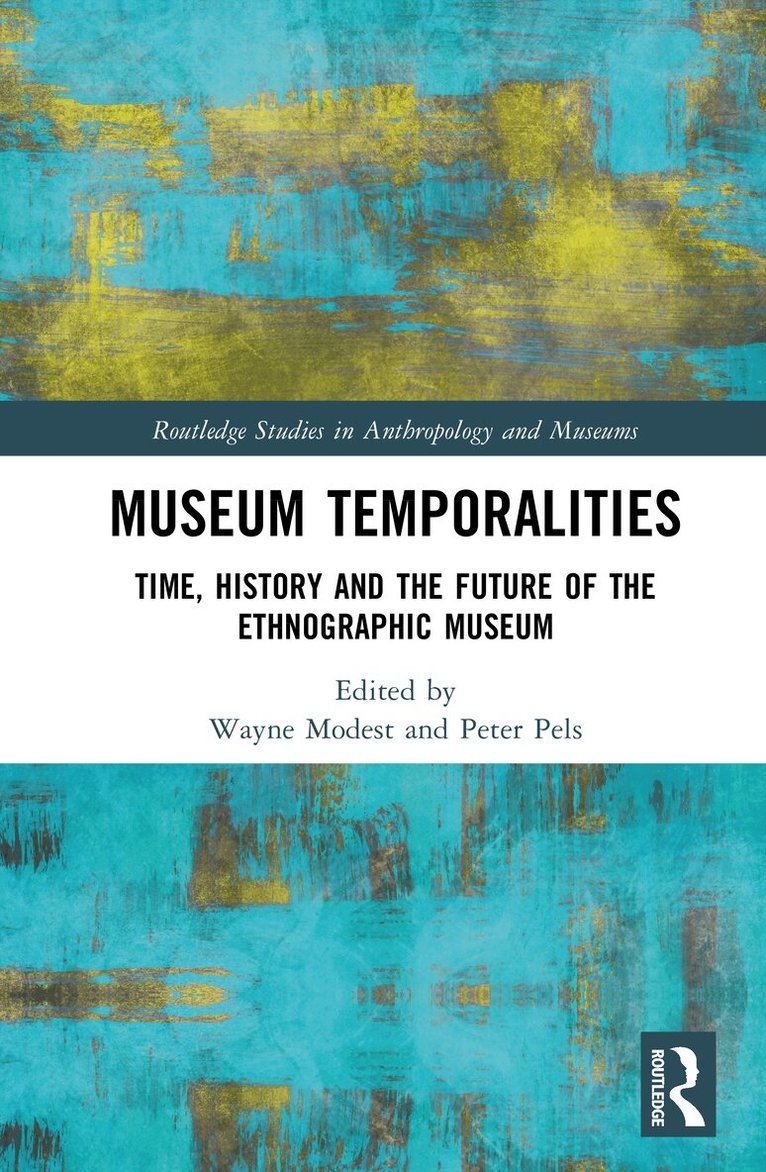
Museum Temporalities
Time, History and the Future of the (Ethnographic) Museum
Inbunden, Engelska, 2025
2 103 kr
Skickas inom 10-15 vardagar
Museum Temporalities analyzes how museums relate to time. It explores the hidden temporal assumptions and practices that define museums. How might these assumptions help us to better understand and address museums’ often problematic and painful relationship to the colonial past? Since the nineteenth century, the globalization of the museum has spread specific understandings of permanence and temporariness that inform museum display, separated the modern from the traditional, and promoted preservation and development in ways that tacitly assume a North Atlantic cultural outlook as the end point of history and the standard that determines a hierarchy of science, art, technology, craft, and natural history. Questioning linear and epochal genealogies that assume Enlightenment surveys of the classifiable universe as the origin of the museum, Modest and Pels present evidence that global exhibitionary complexes will fail to sufficiently address questions of decolonization and restitution if they do not make room for the ethnographic museum as a principal site where suggestions for the future of all museums can be generated. They show that any attempt to address the problematic and painful relationship that museums have to colonial pasts requires them to reorient their relationship to time. The chapters in this volume assembles building blocks for a theory and practice of museums that no longer assumes the need for identities, objects, and collections to be permanent; for the museum to be the end point of knowledge; and for "art" or "science" to be the universal measure to which other forms of cultural production can only aspire. This pathbreaking collection centralizes and develops current concerns in critical museology and is valuable reading for scholars and students
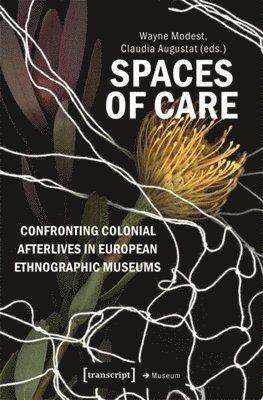
Spaces of Care - Confronting Colonial Afterlives in European Ethnographic Museums
Häftad, Engelska, 2023
760 kr
Skickas inom 3-6 vardagar
Alarming environmental shifts and disasters have raised public awareness and anxieties regarding the future of the planet. While planetary in scale, the negative effects of this global crisis are distributed unequally, affecting some of the already most fragile communities most intensely, thus contributing to rising global inequality. The pairing of environmental crises and a sense of inadequacy facing hitherto celebrated models of citizenry informs a current spirit of the times. The contributors to this volume place ethnographic or world cultures museums at the centre of these debates – these museums have been embroiled in longstanding debates about their histories, collections, and practices in relation to the colonial past.
501 kr
Skickas
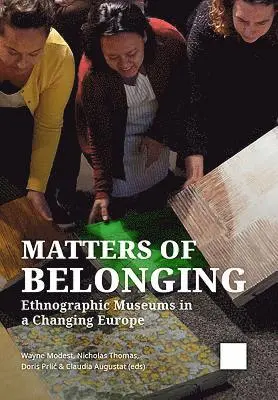
Matters of Belonging foregrounds critical practices within ethnographic museums in relation to their diverse stakeholders, with a special focus on collaboration with artists and differently constituted, self-identified communities. The book emerges from the EU-funded project SWICH (Sharing a World of Inclusion, Creativity and Heritage) that places ethnographic museums at the centre of ongoing debates about Europe’s shifting polity and questions around heritage, citizenship and belonging. Addressing diverse political climates and citizenship regimes, legal frameworks and colonial/migratory histories, the articles seek to question the role of ethnographic and world cultures museums within contemporary negotiations of how to define Europe, Europeans, and European heritage, especially mindful of the region’s colonial and migratory pasts. The book is neither celebratory nor congratulatory, and does not depict a triumphal overcoming by ethnographic museums of their troubled pasts. Its aim is to think critically about these museums’ responses, to identify both pitfalls and positive developments, and to sketch out possible futures for museums generally, and ethnographic museums specifically, as they try to locate themselves within discussions about Europe and its futures. Core to the book’s argument is that it may exactly be in their entanglement with the colonial past that these museums can become important sites for thinking about colonial entailments in the present. Facing up to this past is the beginning of addressing these larger legacies. The authors suggest that the ethnographic museum has been the site not just for trenchant questioning of colonial durabilities in contemporary Europe, but also for the development of new practices – of collaboration and authority-sharing, of recognition and belonging. The book explores these models, not as complete, but as a starting point to push forward new practices.
366 kr
Skickas
Our Colonial Inheritance explores the complex ways in which slavery and colonialism continue to shape the present, and examines the many entanglements of colonial knowledge systems and infrastructures with our everyday lives. This publication comes at a time when important conversations are happening about the role that the colonial past has played in shaping our society, and how we can engage with this past in the present. The use of the term "inheritance" in the title is a conscious choice, used to provoke what in our view is a different kind of relationship to the past. Throughout the publication, the authors interrogate what it means to inherit the (infra)structures of the colonial past, its categories, its relations and even its objects, and how we can deal with such bequests.
710 kr
Skickas inom 10-15 vardagar
This book provides an overview of critical scholarly reflections on the history of Dutch slavery and colonization, as well as how this translates into critical cultural practices.