Chiara De Cesari - Böcker
Visar alla böcker från författaren Chiara De Cesari. Handla med fri frakt och snabb leverans.
7 produkter
7 produkter
635 kr
Skickas inom 10-15 vardagar
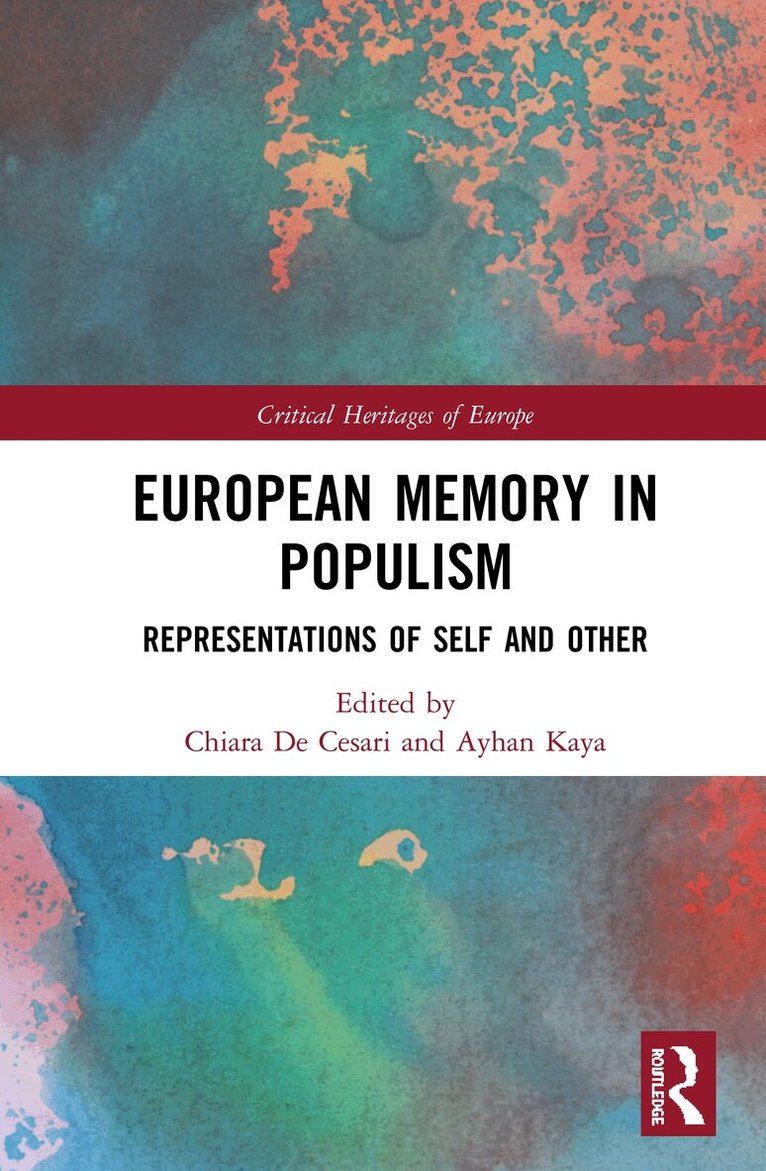
European Memory in Populism explores the links between memory and populism in contemporary Europe. Focusing on circulating ideas of memory, especially European memory, in contemporary populist discourses, the book also analyses populist ideas in sites and practices of remembrance that usually tend to go unnoticed. More broadly, the theoretical heart of the book reflects upon the similarities, differences, and slippages between memory, populism, nationalism, and cultural racism and the ways in which social memory contributes to give substance to various ideas of what constitutes the ‘people’ in populist discourse and beyond.Bringing together a group of political scientists, anthropologists, and cultural and memory studies scholars, the book illuminates the relationship between memory and populism from different angles and in different contexts. The contributors to the volume discuss dominant notions of European heritage that circulate in the public sphere and in political discourse, and consider how the politics of fear relates to such notions of European heritage and identity across and beyond Europe and the European Union. Ultimately, this volume will shed light on how notions of a shared European heritage and memory can be used not only to include and connect Europeans, but also to exclude some of them.Investigating the ways in which nationalist populist forces mobilize the idea of a shared, homogeneous European civilization, European Memory in Populism will be of interest to scholars and students in the fields of European studies, heritage and memory studies, migration studies, anthropology, political science and sociology.Chapters 1, 4, 6, and 10 of this book are freely available as a downloadable Open Access PDF under a Creative Commons Attribution-Non-Commercial-No-Derivatives 4.0 license.
766 kr
Skickas inom 10-15 vardagar
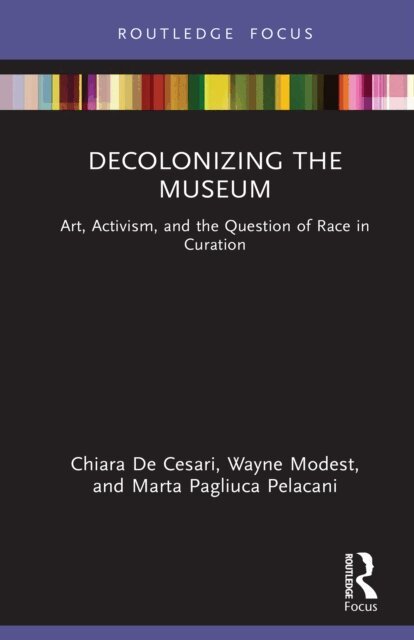
This book asks what it means to decolonize museums in theory and practice. It explores recent calls by activists and artists for social change in and through museums and how museums have responded to these calls and interventions.The point of departure for this volume is the burgeoning global debates around racism that have compelled many museums and public institutions to confront their complicity in colonialism, both past and present. Building on interviews with curators, cultural practitioners, activists, and artists, as well as the authors' ongoing involvement with movements aimed at decolonizing museums, this volume explores how anti-racist activism and artivism have transformed museums, as well as the broader social and political significance of these transformations. The book focuses on the practices, approaches, and strategies that are being adopted in efforts to decolonize museums and cultural institutions, where they succeed and fail, and the similarities and differences between these initiatives. It discusses specific exhibitions and whether they represent colonialism as a past phenomenon or as enduring racial logics forcefully shaping the present. It analyzes both mainstream European museums and grassroots, museum-like initiatives that aim to reckon with colonialism and race in different contexts. Core to the argument is the issue of how memory, heritage, and museum studies, the disciplines that explore, explain, and staff museums, have engaged or not with race.Decolonizing the Museum will be valuable for those studying or researching in the fields of museum studies, heritage, memory and art studies, decolonial theory, postcolonialism, race and racism, and cultural politics. Providing an important window into the political role of curators and the politics of race in transforming museums, it will also be beneficial to museum practitioners and activists and artists with a stake in these institutions.
2 103 kr
Skickas inom 10-15 vardagar
European Memory in Populism explores the links between memory and populism in contemporary Europe. Focusing on circulating ideas of memory, especially European memory, in contemporary populist discourses, the book also analyses populist ideas in sites and practices of remembrance that usually tend to go unnoticed. More broadly, the theoretical heart of the book reflects upon the similarities, differences, and slippages between memory, populism, nationalism, and cultural racism and the ways in which social memory contributes to give substance to various ideas of what constitutes the ‘people’ in populist discourse and beyond.Bringing together a group of political scientists, anthropologists, and cultural and memory studies scholars, the book illuminates the relationship between memory and populism from different angles and in different contexts. The contributors to the volume discuss dominant notions of European heritage that circulate in the public sphere and in political discourse, and consider how the politics of fear relates to such notions of European heritage and identity across and beyond Europe and the European Union. Ultimately, this volume will shed light on how notions of a shared European heritage and memory can be used not only to include and connect Europeans, but also to exclude some of them.Investigating the ways in which nationalist populist forces mobilize the idea of a shared, homogeneous European civilization, European Memory in Populism will be of interest to scholars and students in the fields of European studies, heritage and memory studies, migration studies, anthropology, political science and sociology.Chapters 1, 4, 6, and 10 of this book are freely available as a downloadable Open Access PDF under a Creative Commons Attribution-Non-Commercial-No-Derivatives 4.0 license.
976 kr
Skickas
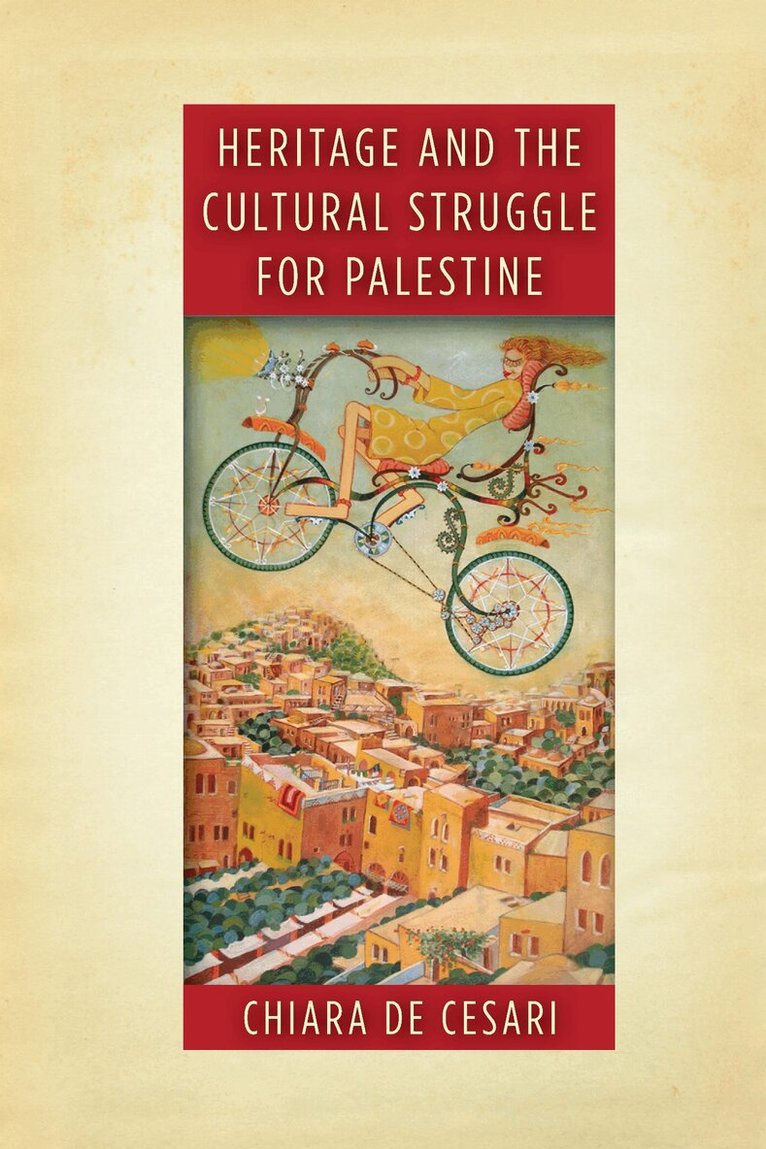
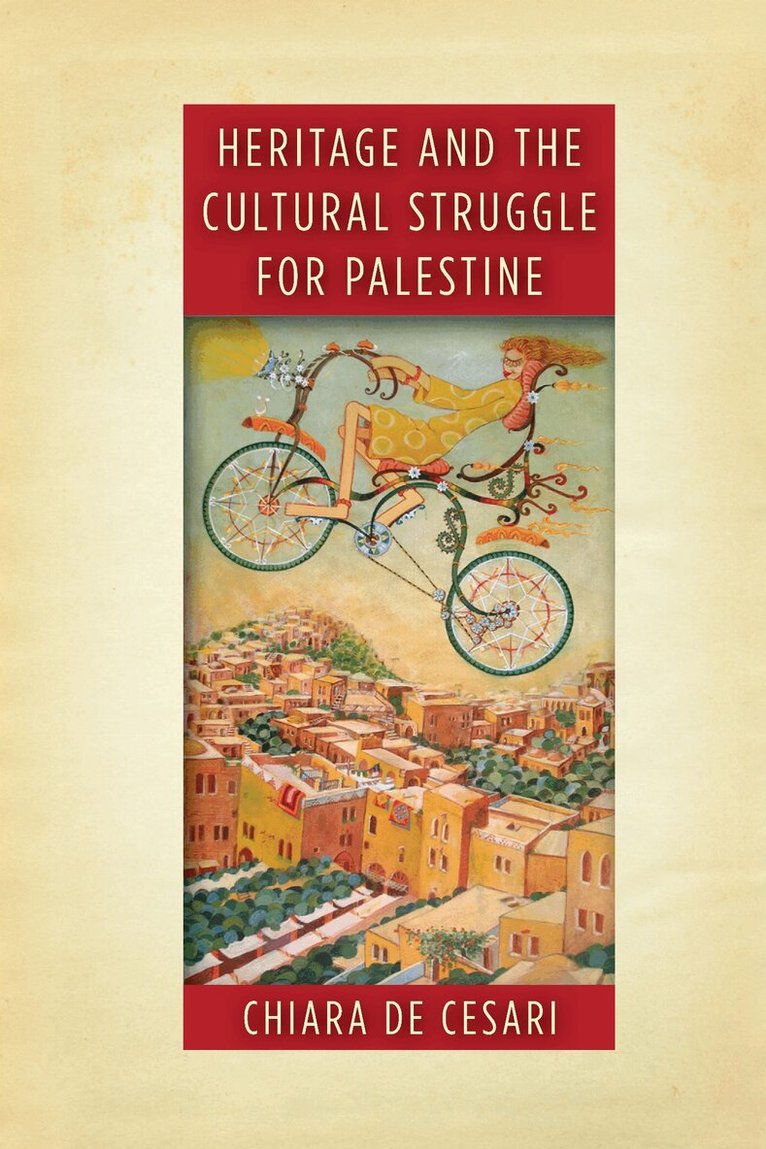
In recent decades, Palestinian heritage organizations have launched numerous urban regeneration and museum projects across the West Bank in response to the enduring Israeli occupation. These efforts to reclaim and assert Palestinian heritage differ significantly from the typical global cultural project: here it is people's cultural memory and living environment, rather than ancient history and archaeology, that take center stage. It is local civil society and NGOs, not state actors, who are "doing" heritage. In this context, Palestinian heritage has become not just a practice of resistance, but a resourceful mode of governing the Palestinian landscape.With this book, Chiara De Cesari examines these Palestinian heritage projects—notably the Hebron Rehabilitation Committee, Riwaq, and the Palestinian Museum—and the transnational actors, practices, and material sites they mobilize to create new institutions in the absence of a sovereign state. Through their rehabilitation of Palestinian heritage, these organizations have halted the expansion of Israeli settlements. They have also given Palestinians opportunities to rethink and transform state functions. Heritage and the Cultural Struggle for Palestine reveals how the West Bank is home to creative experimentation, insurgent agencies, and resourceful attempts to reverse colonial violence—and a model of how things could be.
319 kr
Skickas inom 7-10 vardagar
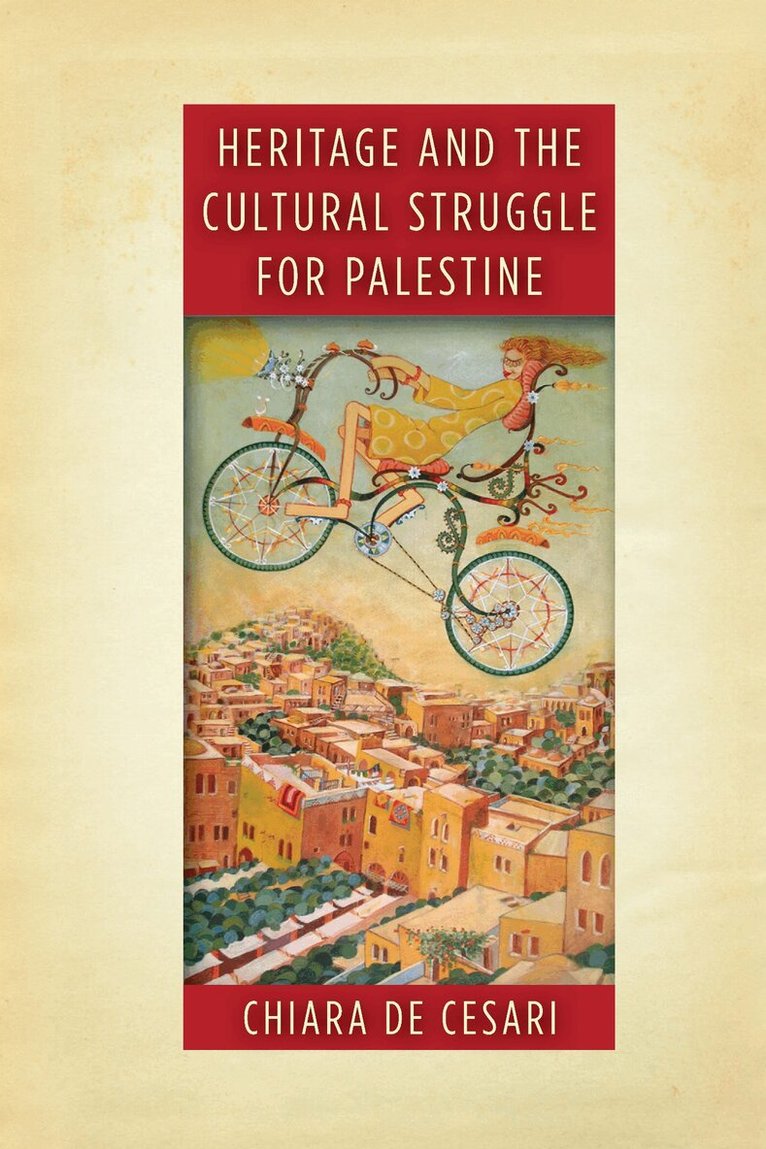
In recent decades, Palestinian heritage organizations have launched numerous urban regeneration and museum projects across the West Bank in response to the enduring Israeli occupation. These efforts to reclaim and assert Palestinian heritage differ significantly from the typical global cultural project: here it is people's cultural memory and living environment, rather than ancient history and archaeology, that take center stage. It is local civil society and NGOs, not state actors, who are "doing" heritage. In this context, Palestinian heritage has become not just a practice of resistance, but a resourceful mode of governing the Palestinian landscape.With this book, Chiara De Cesari examines these Palestinian heritage projects—notably the Hebron Rehabilitation Committee, Riwaq, and the Palestinian Museum—and the transnational actors, practices, and material sites they mobilize to create new institutions in the absence of a sovereign state. Through their rehabilitation of Palestinian heritage, these organizations have halted the expansion of Israeli settlements. They have also given Palestinians opportunities to rethink and transform state functions. Heritage and the Cultural Struggle for Palestine reveals how the West Bank is home to creative experimentation, insurgent agencies, and resourceful attempts to reverse colonial violence—and a model of how things could be.
1 865 kr
Skickas inom 5-8 vardagar
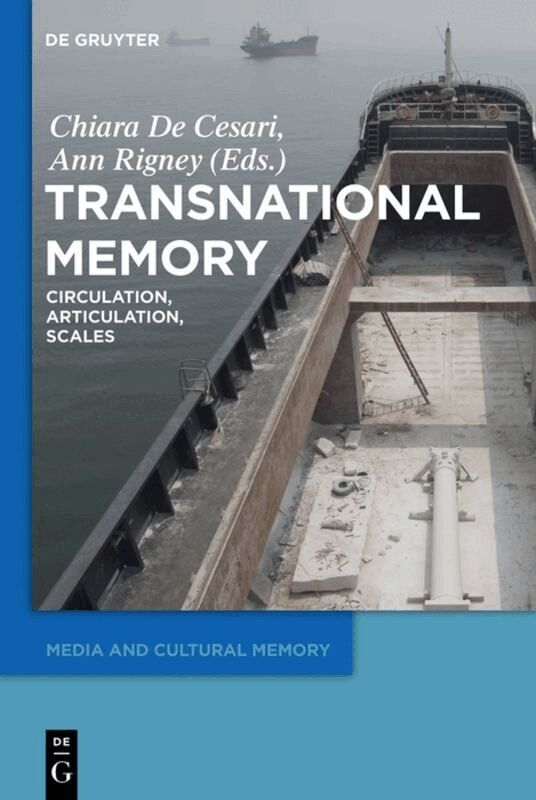
How do memories circulate transnationally and to what effect? How to understand the enduring role of national memories and their simultaneous reconfiguration under globalization? Challenging the methodological nationalism that has until recently dominated the study of memory and heritage, this book charts the rich production of memory across and beyond national borders. Arguing for the fruitfulness of a transnational as distinct from a global approach, it places the issues of circulation, articulation and the scales of remembrance at the centre of its inquiry. In the process, it sheds new light on the ways in which mediation, post-coloniality, migration and regional integration affect both the way we remember and the role of memory in contemporary societies.In this interdisciplinary collection, humanities and social science scholars examine a rich sample of cases from the nineteenth century on, stretching across the globe from Vietnam to Europe and the Middle East, to the USA and the Pacific, and involving a wide range of cultural practices from quilting to films, from photography to heritage sites and monuments. In the process, the volume develops a new theoretical framework while proposing new methodological tools and resources for studying collective remembrance beyond the nation-state.
Del 19 - Media and Cultural Memory
Transnational Memory
Circulation, Articulation, Scales
Häftad, Engelska, 2016
273 kr
Skickas inom 3-6 vardagar
How do memories circulate transnationally and to what effect? How to understand the enduring role of national memories and their simultaneous reconfiguration under globalization? Challenging the methodological nationalism that has until recently dominated the study of memory and heritage, this book charts the rich production of memory across and beyond national borders. Arguing for the fruitfulness of a transnational as distinct from a global approach, it places the issues of circulation, articulation and the scales of remembrance at the centre of its inquiry. In the process, it sheds new light on the ways in which mediation, post-coloniality, migration and regional integration affect both the way we remember and the role of memory in contemporary societies.In this interdisciplinary collection, humanities and social science scholars examine a rich sample of cases from the nineteenth century on, stretching across the globe from Vietnam to Europe and the Middle East, to the USA and the Pacific, and involving a wide range of cultural practices from quilting to films, from photography to heritage sites and monuments. In the process, the volume develops a new theoretical framework while proposing new methodological tools and resources for studying collective remembrance beyond the nation-state.