Wengcheong Lam – författare
Visar alla böcker från författaren Wengcheong Lam. Handla med fri frakt och snabb leverans.
4 produkter
4 produkter
2 176 kr
Skickas inom 10-15 vardagar
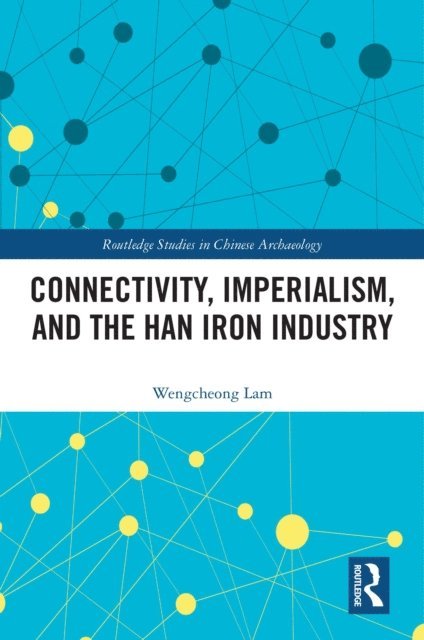
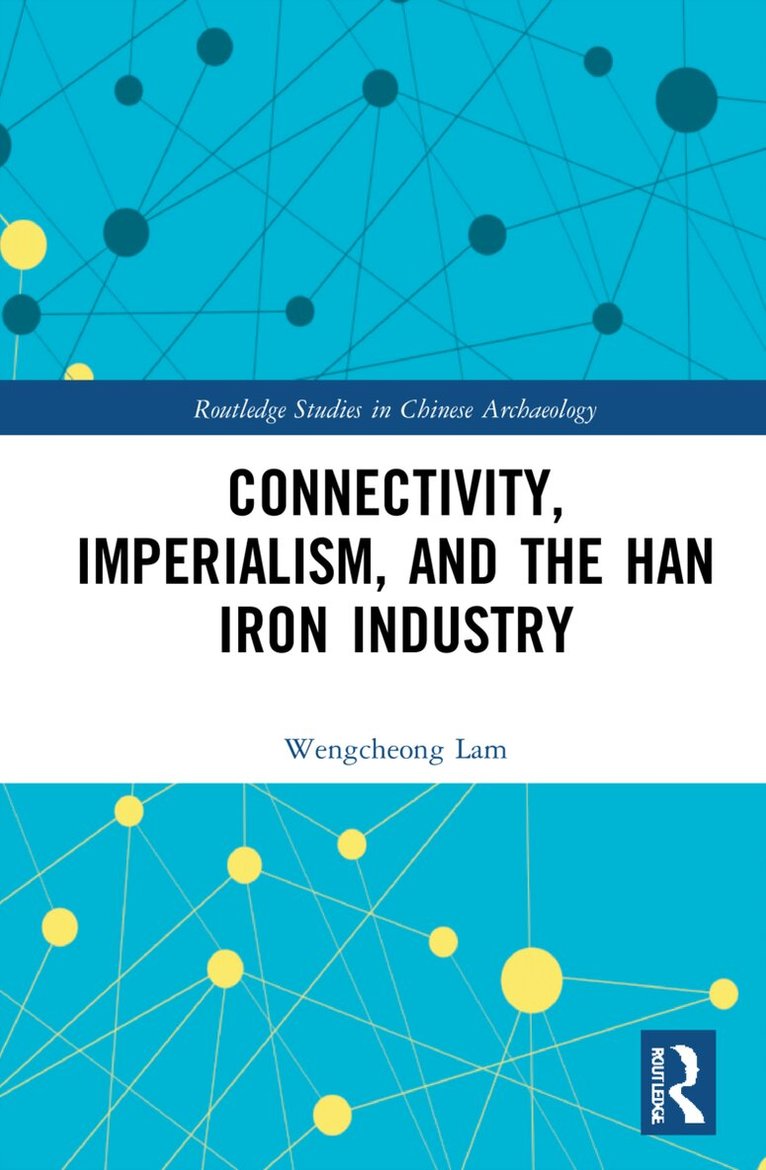
This book examines the rise of the iron industry during the Warring States and Western Han periods (ca. 400 BCE–9 CE) in ancient China, which is characterized not only by various technological innovations but also as a remarkable phenomenon, leading to the widespread distribution of iron implements and the emergence of massive ironworks that were rarely seen in later periods.With Connectivity, Imperialism, and the Han Iron Industry, Lam Wengcheong combines archaeological and historical analyses to piece together fragmentary evidence and to refocus our gaze onto the economic and political mechanism that gave birth to an iron industry unique in the ancient world. Guiding readers through the macroscopic social settings of the iron industry and distribution patterns of iron implements to the microscopic organization of workplace and workers’ foodways, Lam explores how iron production and transportation processes intersected with the transformation of the Han capital region in the Guanzhong basin. Using various lines of evidence of iron production in Guanzhong and its connection with other production centers, this book shows how the production and transportation of iron at various scales played a significant role in generating the "connectivity" between various parts of the Western Han empire, and casts new light on the workings of the economic system in imperial China.Connectivity, Imperialism, and the Han Iron Industry will appeal to anyone interested in Chinese archaeology, the history of the Han empire, and the history of science and engineering in ancient China, as well as to scholars working on the comparative study of ancient imperialism, market exchange, and economic history.
595 kr
Skickas inom 10-15 vardagar
This book examines the rise of the iron industry during the Warring States and Western Han periods (ca. 400 BCE–9 CE) in ancient China, which is characterized not only by various technological innovations but also as a remarkable phenomenon, leading to the widespread distribution of iron implements and the emergence of massive ironworks that were rarely seen in later periods.With Connectivity, Imperialism, and the Han Iron Industry, Lam Wengcheong combines archaeological and historical analyses to piece together fragmentary evidence and to refocus our gaze onto the economic and political mechanism that gave birth to an iron industry unique in the ancient world. Guiding readers through the macroscopic social settings of the iron industry and distribution patterns of iron implements to the microscopic organization of workplace and workers’ foodways, Lam explores how iron production and transportation processes intersected with the transformation of the Han capital region in the Guanzhong basin. Using various lines of evidence of iron production in Guanzhong and its connection with other production centers, this book shows how the production and transportation of iron at various scales played a significant role in generating the "connectivity" between various parts of the Western Han empire, and casts new light on the workings of the economic system in imperial China.Connectivity, Imperialism, and the Han Iron Industry will appeal to anyone interested in Chinese archaeology, the history of the Han empire, and the history of science and engineering in ancient China, as well as to scholars working on the comparative study of ancient imperialism, market exchange, and economic history.
1 160 kr
Skickas inom 7-10 vardagar
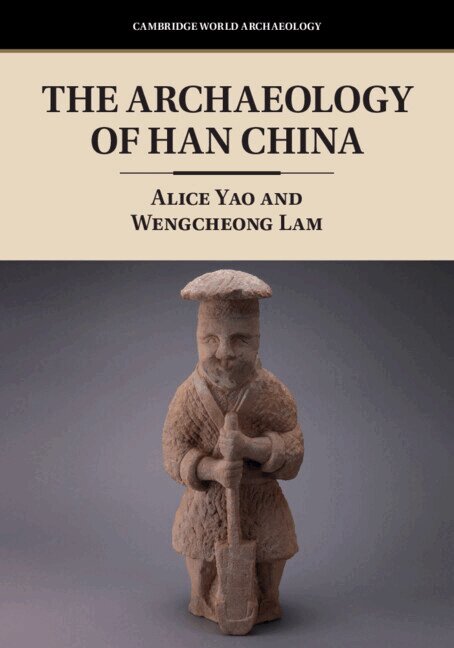
The Han Dynasty, which ruled from 202 BCE to 212 CE, is often taken as a reference point and model for Chinese identity and tradition. Covering a geographical expanse comparable to that of the People's Republic of China, it is foundational to understanding Chinese culture and politics, past and present. This volume offers an up-to-date overview of the archaeology of the Han Empire. Alice Yao and Wengcheong Lam study the period via an interdisciplinary approach that combines textual and archaeological evidence. Exploring the dynamics of empire building in East Asia, Yao and Lam draw on recent archaeological discoveries to recast Western Han imperialism as a series of contingent material projects, including the organization of spatial orders, foodways, and the expansion of communication and ritual activities. They also demonstrate how the archaeology of everyday life offers insights into the impact of social change, and how people negotiated their identities and cultural affiliations as individuals and imperial subordinates.
383 kr
Skickas inom 7-10 vardagar
The Han Dynasty, which ruled from 202 BCE to 212 CE, is often taken as a reference point and model for Chinese identity and tradition. Covering a geographical expanse comparable to that of the People's Republic of China, it is foundational to understanding Chinese culture and politics, past and present. This volume offers an up-to-date overview of the archaeology of the Han Empire. Alice Yao and Wengcheong Lam study the period via an interdisciplinary approach that combines textual and archaeological evidence. Exploring the dynamics of empire building in East Asia, Yao and Lam draw on recent archaeological discoveries to recast Western Han imperialism as a series of contingent material projects, including the organization of spatial orders, foodways, and the expansion of communication and ritual activities. They also demonstrate how the archaeology of everyday life offers insights into the impact of social change, and how people negotiated their identities and cultural affiliations as individuals and imperial subordinates.