William T. Horner – författare
Visar alla böcker från författaren William T. Horner. Handla med fri frakt och snabb leverans.
7 produkter
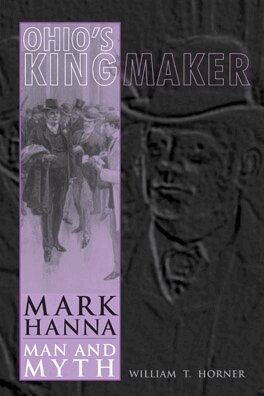
Ohio's Kingmaker
Mark Hanna, Man and Myth
Inbunden, 2010
703 kr
Lägg i varukorg
For a decade straddling the turn of the twentieth century, Mark Hanna was one of the most famous men in America. Portrayed as the puppet master controlling the weak-willed William McKinley, Hanna was loved by most Republicans and reviled by Democrats, in large part because of the way he was …
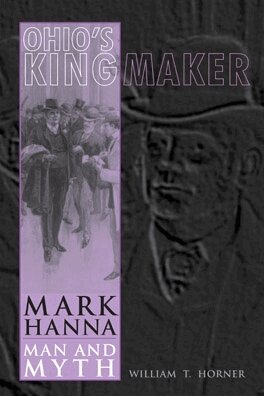
Ohio's Kingmaker
Mark Hanna, Man and Myth
Häftad, 2010
338 kr
Lägg i varukorg
For a decade straddling the turn of the twentieth century, Mark Hanna was one of the most famous men in America. Portrayed as the puppet master controlling the weak-willed William McKinley, Hanna was loved by most Republicans and reviled by Democrats, in large part because of the way he was …
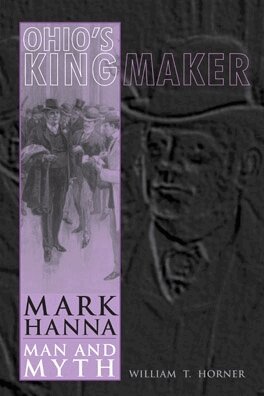
Ohio's Kingmaker
Mark Hanna, Man and Myth
E-bok, 2010
552 kr
Lägg i varukorg
For a decade straddling the turn of the twentieth century, Mark Hanna was one of the most famous men in America. Portrayed as the puppet master controlling the weak-willed William McKinley, Hanna was loved by most Republicans and reviled by Democrats, in large part because of the way he was …
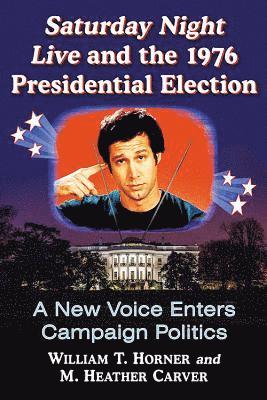
Saturday Night Live and the 1976 Presidential Election
A New Voice Enters Campaign Politics
Av William T. Horner, M. Heather Carver
Häftad, 2018
374 kr
Lägg i varukorg
The debut of Saturday Night Live and the 1976 presidential election between Gerald Ford and Jimmy Carter had enduring effects on American culture. With its mix of sketch comedy and music, SNL grabbed huge ratings and several Emmys in its first season. President Ford's press secretary, Ron Nessen, …
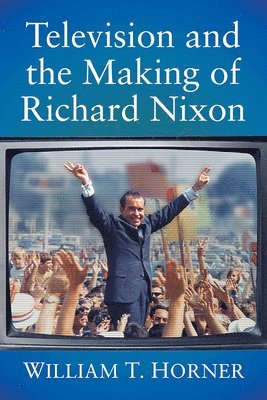
Television and the Making of Richard Nixon
Häftad, 2022
502 kr
Lägg i varukorg
While Richard Nixon's accomplishments and shortcomings are well-documented, one often ignored aspect of his career is his influence on the media conduct of politicians. Nixon pioneered the use of visual media in politics, beginning in the 1940s during his Congressional service. His historic …
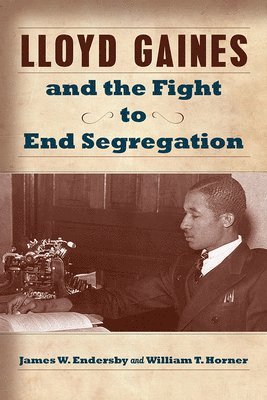
Lloyd Gaines and the Fight to End Segregation
Av James W. Endersby, William T. Horner
Inbunden, 2016
321 kr
Tillfälligt slut
80 years ago, Lloyd Gaines’s application to the University of Missouri law school was denied based on his race. Gaines and the NAACP challenged the university’s deci- sion. Missouri ex rel. Gaines v. Canada (1938) was the rst in a long line of decisions by the U.S. Supreme Court regarding race, …
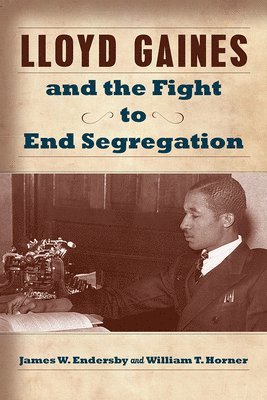
Lloyd Gaines and the Fight to End Segregation
Av James W. Endersby, William T. Horner
Häftad, 2021
245 kr
Tillfälligt slut
Winner, 2017 Missouri Conference on History Book AwardIn 1936, Lloyd Gaines's application to the University of Missouri law school was denied based on his race. Gaines and the NAACP challenged the university's decision. Missouri ex rel. Gaines v. Canada (1938) was the first in a long line of …