Zachary Lesser - Böcker
Visar alla böcker från författaren Zachary Lesser. Handla med fri frakt och snabb leverans.
17 produkter
17 produkter
1 838 kr
Skickas inom 7-10 vardagar
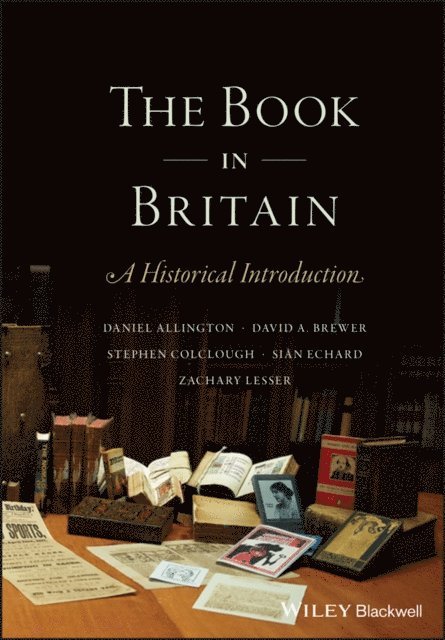
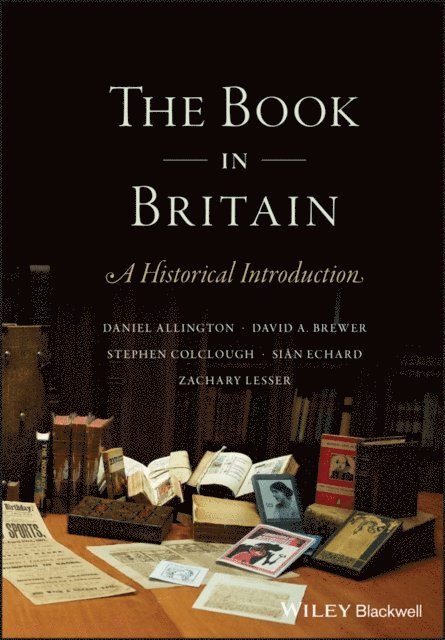
Introduces readers to the history of books in Britain—their significance, influence, and current and future status Presented as a comprehensive, up-to-date narrative, The Book in Britain: A Historical Introduction explores the impact of books, manuscripts, and other kinds of material texts on the cultures and societies of the British Isles. The text clearly explains the technicalities of printing and publishing and discusses the formal elements of books and manuscripts, which are necessary to facilitate an understanding of that impact. This collaboratively authored narrative history combines the knowledge and expertise of five scholars who seek to answer questions such as: How does the material form of a text affect its meaning? How do books shape political and religious movements? How have the economics of the book trade and copyright shaped the literary canon? Who has been included in and excluded from the world of books, and why?The Book in Britain: A Historical Introduction will appeal to all scholars, students, and historians interested in the written word and its continued production and presentation.
Renaissance Drama and the Politics of Publication
Readings in the English Book Trade
Häftad, Engelska, 2007
644 kr
Skickas inom 7-10 vardagar
Shifting our focus from author to publisher and from first performance to first edition, Zachary Lesser offers a vantage point on the drama of Shakespeare, Marlowe, Webster, and their contemporaries. Renaissance Drama and the Politics of Publication reimagines the reception and meaning of plays by reading them through the eyes of their earliest publishers. Since success in the book trade required specialization, locating a play within its publisher's output allows us to see how the publisher read it and speculated that customers would read it. Their readings often differ radically from our own and so revise our views of the drama's engagement with early modern culture. By reading the 1633 Jew of Malta as a part of Nicholas Vavasour's Laudian specialty, for example, or the 1622 Othello in the context of Thomas Walkley's trade in parliamentary news, Lesser's study reveals the politics of these publications - for early modern readers and for us.
Renaissance Drama and the Politics of Publication
Readings in the English Book Trade
Inbunden, Engelska, 2004
1 431 kr
Skickas inom 7-10 vardagar
Shifting our focus from author to publisher and from first performance to first edition, Zachary Lesser offers a vantage point on the drama of Shakespeare, Marlowe, Webster, and their contemporaries. Renaissance Drama and the Politics of Publication reimagines the reception and meaning of plays by reading them through the eyes of their earliest publishers. Since success in the book trade required specialization, locating a play within its publisher's output allows us to see how the publisher read it and speculated that customers would read it. Their readings often differ radically from our own and so revise our views of the drama's engagement with early modern culture. By reading the 1633 Jew of Malta as a part of Nicholas Vavasour's Laudian specialty, for example, or the 1622 Othello in the context of Thomas Walkley's trade in parliamentary news, Lesser's study reveals the politics of these publications - for early modern readers and for us.
2 401 kr
Skickas inom 10-15 vardagar
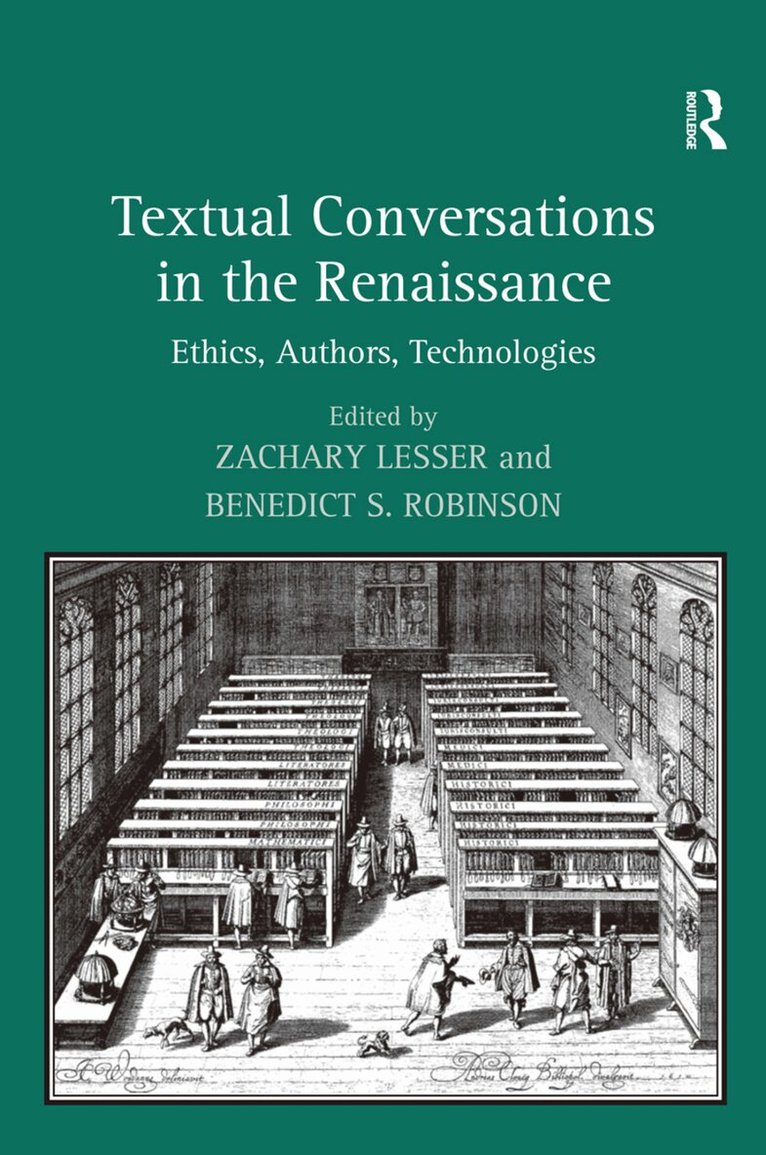
'Conversation is the beginning and end of knowledge', wrote Stephano Guazzo in his Civil Conversation. Like Guazzo's, this is a book dedicated to the Renaissance concept of conversation, a concept that functioned simultaneously as a privileged literary and rhetorical form (the dialogue), an intellectual and artistic program (the humanists' interactions with ancient texts), and a political possibility (the king's council, or the republican concept of mixed government). In its varieties of knowledge production, the Renaissance was centrally concerned with debate and dialogue, not only among scholars, but also, and perhaps more importantly, among and with texts. Renaissance reading practices were active and engaged: such conversations with texts were meant to prepare the mind for political and civic life, and the political itself was conceived as fundamentally conversational. The humanist idea of conversation thus theorized the relationships among literature, politics, and history; it was one of the first modern attempts to locate cultural production within a specific historical and political context. The essays in this collection investigate the varied ways in which the Renaissance incorporated textual conversation and dialogue into its literary, political, juridical, religious, and social practices. They focus on the importance of conversation to early modern understandings of ethics; on literary history itself as an ongoing authorial conversation; and on the material and textual technologies that enabled early modern conversations.
416 kr
Skickas inom 7-10 vardagar
In 1823, Sir Henry Bunbury discovered a badly bound volume of twelve Shakespeare plays in a closet of his manor house. Nearly all of the plays were first editions, but one stood out as extraordinary: a previously unknown text of Hamlet that predated all other versions. Suddenly, the world had to grapple with a radically new-or rather, old-Hamlet in which the characters, plot, and poetry of Shakespeare's most famous play were profoundly and strangely transformed.Q1, as the text is known, has been declared a rough draft, a shorthand piracy, a memorial reconstruction, and a pre-Shakespearean "ur-Hamlet," among other things. Flickering between two historical moments-its publication in Shakespeare's early seventeenth century and its rediscovery in Bunbury's early nineteenth-Q1 is both the first and last Hamlet. Because this text became widely known only after the familiar version of the play had reached the pinnacle of English literature, its reception has entirely depended on this uncanny temporal oscillation; so too has its ongoing influence on twentieth- and twenty-first-century ideas of the play.Zachary Lesser examines how the improbable discovery of Q1 has forced readers to reconsider accepted truths about Shakespeare as an author and about the nature of Shakespeare's texts. In telling the story of this mysterious quarto and tracing the debates in newspapers, London theaters, and scholarly journals that followed its discovery, Lesser offers brilliant new insights on what we think we mean when we talk about Hamlet.
Ghosts, Holes, Rips and Scrapes
Shakespeare in 1619, Bibliography in the Longue Durée
Inbunden, Engelska, 2021
710 kr
Skickas
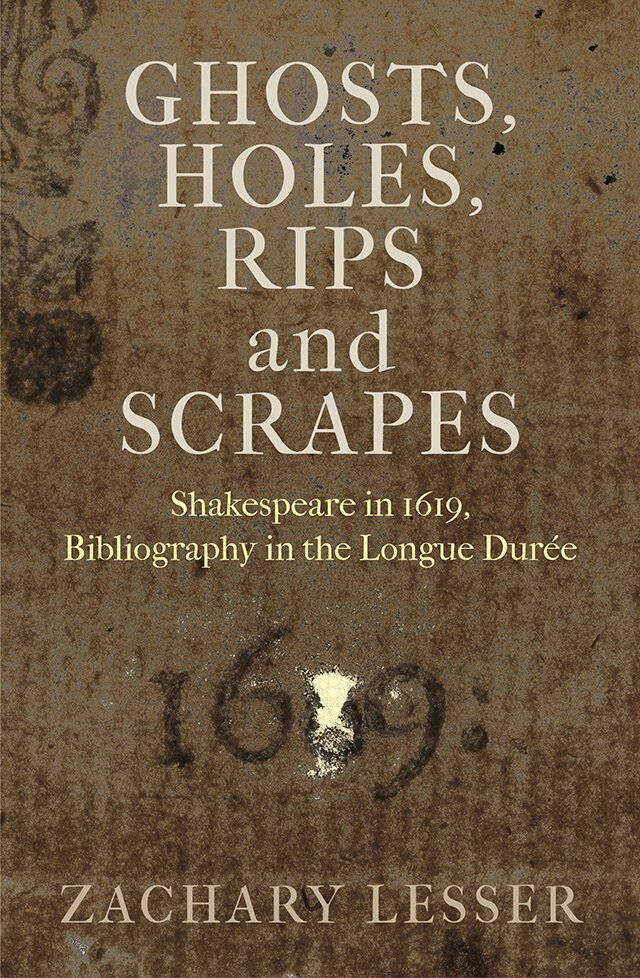
Four years before the publication of the First Folio, a group of London printers and booksellers attempted to produce a "collected works" of William Shakespeare, not in an imposingly large format but as a series of more humble quarto pamphlets. For mysterious reasons, perhaps involving Shakespeare's playing company, the King's Men, the project ran into trouble. In an attempt to salvage it, information on the title pages of some of the playbooks was falsified, making them resemble leftover copies of earlier editions. The deception worked for nearly three hundred years, until it was unmasked by scholars in the early twentieth century. The discovery of these "Pavier Quartos," as they became known, was a landmark success for the New Bibliography and played an important role in establishing the validity and authority of that method of analysis. While more recent scholars have reassessed the traditional narrative that the New Bibliographers wrote, no one has gone back to look at the primary evidence: the quartos themselves.In Ghosts, Holes, Rips and Scrapes Zachary Lesser undertakes a completely fresh study of these playbooks. Through an intensive bibliographical analysis of over three hundred surviving quartos, Lesser reveals evidence that has gone entirely unseen before: "ghosts" (faint, oily impressions produced when one book is bound next to another); "holes" (the tiny remains of the first simple stitching that held pamphlets together); and "rips and scrapes" (post-production alterations of title pages). This new evidence-much of it visible only with the aid of enhanced photographic methods-suggests that the "Pavier Quartos" are far more mysterious, with far more consequential ramifications for book history and Shakespeare scholarship than we have thought.
1 311 kr
Kommande
King Richard III provides a portrait of Shakespeare’s most enduring arch-villain, a man who plots against his brothers, nephews, friends and the powerful women in his life, including Lady Anne, Queen Margaret and Queen Elizabeth. This influential history play almost displaces the original historical figure it represents as it traces Richard’s rise to the throne in 15th century England. Disability and masculine villainy characterise nearly all performances of Richard III, spotlighting early modern and contemporary prejudice about their equivalence. This edition challenges the centrality of Richard as absolute villain who casts all others in his shadow, making space for the formidable women who oppose him.Exploring overlooked sources of influence, from Tacitus to St Paul, witchcraft to racialisation, and the possibility of Queen Elizabeth I watching a courtly performance of Richard III, this edition highlights what endures and what transforms in a play about the ruthlessness of narcissistic despotism.The Arden Shakespeare Fourth Series King Richard III provides:- A critical introduction to the play's textual, cultural and performance history- An edition that reassesses the complex textual history of the Quarto and Folio texts- Detailed on-the-page notes explaining language, character and performance- A clear page layout with an easy-to-read font and single-column notes- Images of relevant productions, paintings and textsThe Arden Shakespeare Fourth Series includes a new edition of every Shakespeare play, the poems and sonnets. Each volume is edited afresh by a leading scholar specialising in cutting-edge research on performance, gender, sexuality and race. These editions cover everything you need to know as a student, teacher, researcher, theatre-maker and performer of Shakespeare’s works today.
153 kr
Kommande
King Richard III provides a portrait of Shakespeare’s most enduring arch-villain, a man who plots against his brothers, nephews, friends and the powerful women in his life, including Lady Anne, Queen Margaret and Queen Elizabeth. This influential history play almost displaces the original historical figure it represents as it traces Richard’s rise to the throne in 15th century England. Disability and masculine villainy characterise nearly all performances of Richard III, spotlighting early modern and contemporary prejudice about their equivalence. This edition challenges the centrality of Richard as absolute villain who casts all others in his shadow, making space for the formidable women who oppose him.Exploring overlooked sources of influence, from Tacitus to St Paul, witchcraft to racialisation, and the possibility of Queen Elizabeth I watching a courtly performance of Richard III, this edition highlights what endures and what transforms in a play about the ruthlessness of narcissistic despotism.The Arden Shakespeare Fourth Series King Richard III provides:- A critical introduction to the play's textual, cultural and performance history- An edition that reassesses the complex textual history of the Quarto and Folio texts- Detailed on-the-page notes explaining language, character and performance- A clear page layout with an easy-to-read font and single-column notes- Images of relevant productions, paintings and textsThe Arden Shakespeare Fourth Series includes a new edition of every Shakespeare play, the poems and sonnets. Each volume is edited afresh by a leading scholar specialising in cutting-edge research on performance, gender, sexuality and race. These editions cover everything you need to know as a student, teacher, researcher, theatre-maker and performer of Shakespeare’s works today.
1 311 kr
Kommande
Shifting ideas of gender, sexuality and class status are explored in this romantic comedy which de-centres the heteronormative couple from its central dramatic plot as it pursues the solution of multiple marriages.In Illyria daughters grieve for their fathers and siblings, whilst Viola and Sebastian fear the worst in a shipwreck that tears them apart. Duke Orsino sends his new servant, Cesario, to woo the unwilling Olivia on his behalf, setting off a chain of mistaken identities and confused desires. This edition foregrounds the queer potentialities of Twelfth Night whilst exploring male friendship, madness, mourning and migration across the play’s different plots and afterlives.The Arden Shakespeare Fourth Series Twelfth Night provides:- A critical introduction to the play's textual, cultural and performance history- An edition rooted in the Folio text and the earliest known Middle Temple performance of Twelfth Night- Detailed on-the-page notes explaining language, character and performance- A clear page layout with an easy-to-read font and single-column notes- Images of relevant productions, paintings and texts
162 kr
Kommande
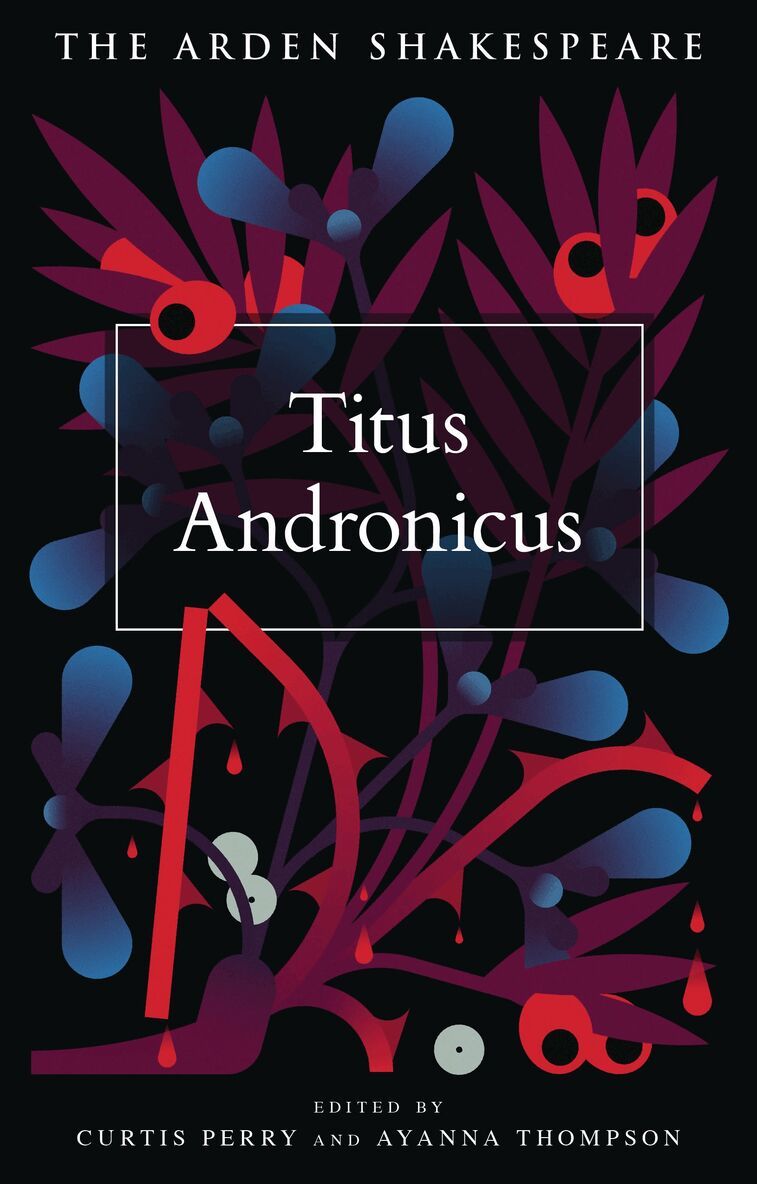
The bloodiest and brashest of Shakespeare’s plays, this revenge tragedy begins with war and ends in mutilation and cannibalism. Acts of war and sexual violence across borders and within families highlight the importance of empire, Blackness and gender, alongside the familial and literal blood which characterise early modern and contemporary performance.The Arden Shakespeare Fourth Series Titus Andronicus provides:- A critical introduction to the textual, cultural and performance history- An edition that is rooted in a Jacobean revival performance of the play- Detailed on-the-page notes explaining language, character and performance- A clear page layout with an easy-to-read font and single-column notes - Images of relevant productions, paintings and textsThe Arden Shakespeare Fourth Series includes a new edition of every Shakespeare play, the poems and sonnets. Each volume is edited afresh by a leading scholar specialising in cutting-edge research on performance, gender, sexuality and race. These editions cover everything you need to know as a student, teacher, researcher, theatre-maker or performer of Shakespeare’s works today.
1 311 kr
Kommande
The bloodiest and brashest of Shakespeare’s plays, this revenge tragedy begins with war and ends in mutilation and cannibalism. Acts of war and sexual violence across borders and within families highlight the importance of empire, Blackness and gender, alongside the familial and literal blood which characterise early modern and contemporary performance.The Arden Shakespeare Fourth Series Titus Andronicus provides:- A critical introduction to the textual, cultural and performance history- An edition that is rooted in a Jacobean revival performance of the play- Detailed on-the-page notes explaining language, character and performance- A clear page layout with an easy-to-read font and single-column notes - Images of relevant productions, paintings and textsThe Arden Shakespeare Fourth Series includes a new edition of every Shakespeare play, the poems and sonnets. Each volume is edited afresh by a leading scholar specialising in cutting-edge research on performance, gender, sexuality and race. These editions cover everything you need to know as a student, teacher, researcher, theatre-maker or performer of Shakespeare’s works today.
1 266 kr
Kommande
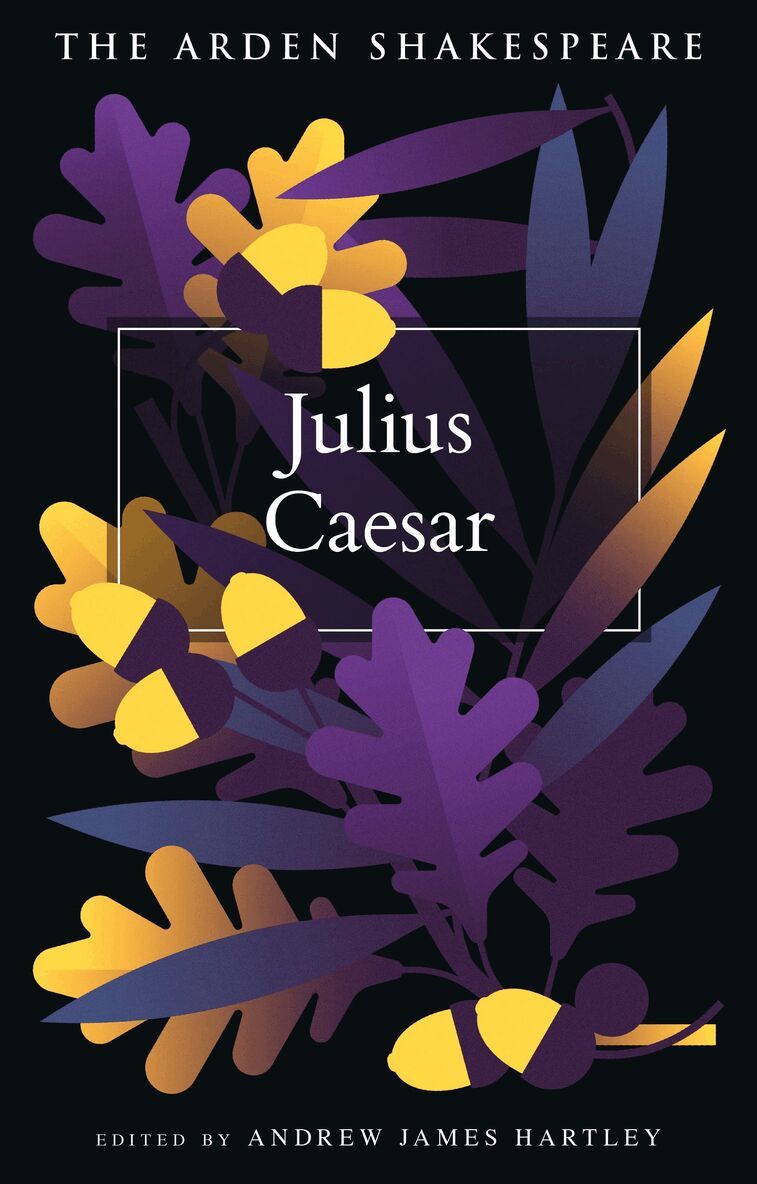
Tyranny, imperialism and political authority define Shakespeare’s enduring dramatic depiction of ruling power and regime change in ancient Rome. A touchpoint for characterising tyrannical leaders throughout the world, Julius Caesar has told a cautionary tale of the uneasy relationship between political leaders and citizens from the time it was first performed up to the 21st century.The Arden Shakespeare Fourth Series Julius Caesar provides:- A critical introduction to the play's textual, cultural and performance history - An edition that is rooted in the first known performance of the play in London, 1599- Detailed on-the-page notes explaining language, character and performance - A clear page layout with an easy-to-read font and single-column notes - Images of relevant productions, paintings and textsThe Arden Shakespeare Fourth Series includes a new edition of every Shakespeare play, the poems and sonnets. Each volume is edited afresh by a leading scholar specialising in cutting-edge research on performance, gender, sexuality and race. These editions cover everything you need to know as a student, teacher, researcher, theatre-maker and performer of Shakespeare’s works today.
414 kr
Kommande
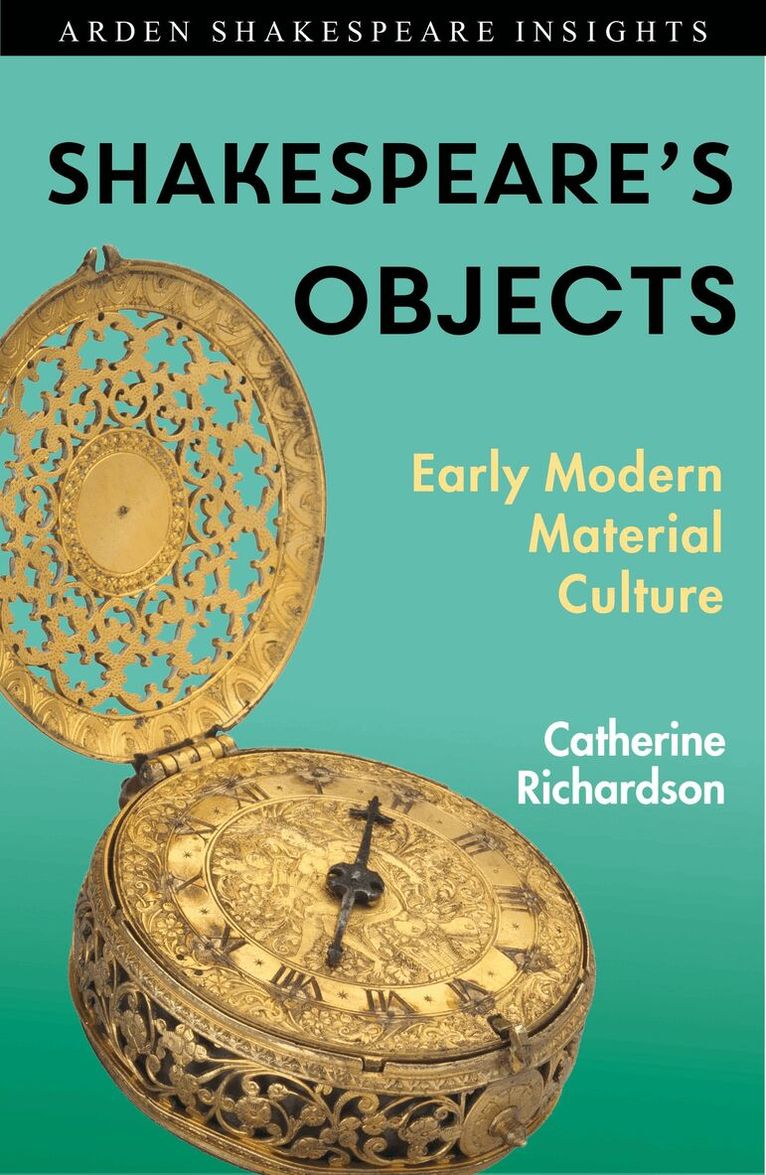
The world in which Shakespeare lived and wrote was a material one before it was a textual one – made up of people’s interactions with a wide variety of things. Shakespeare’s plays were first experienced as a rich mixture of objects, language, spaces and actors’ bodies. This accessible and fascinating book delves into the lives of 33 significant things through full-colour images and an easy-to-read analysis of their significance.Objects include beds and perfumes, doublets and torches, lutes, spurs, clocks and handkerchiefs, all explored in relation to social status, gender, race, economics and manufacture. Individually and together, they reveal the rich cultural and physical geography within which the playwright, his characters and audiences lived their lives. Shakespeare’s Objects asks who owned these things and how were they used? It considers the diverse reality of trade, exchange and conquest which meant some individuals in early modern England could encounter carpets from Turkey and China, dyes from the Americas and paper from Venice, alongside woods and fabrics from their local communities.Whether you are an actor thinking about how to use props, a student wanting to understand early modern drama, a theatrical designer considering a period setting, a museum professional wanting to understand the significance of objects in your care, or someone curious about objects from the past which are unfamiliar, you will find something useful in this essential guide to early modern things.
1 295 kr
Kommande
The world in which Shakespeare lived and wrote was a material one before it was a textual one – made up of people’s interactions with a wide variety of things. Shakespeare’s plays were first experienced as a rich mixture of objects, language, spaces and actors’ bodies. This accessible and fascinating book delves into the lives of 33 significant things through full-colour images and an easy-to-read analysis of their significance.Objects include beds and perfumes, doublets and torches, lutes, spurs, clocks and handkerchiefs, all explored in relation to social status, gender, race, economics and manufacture. Individually and together, they reveal the rich cultural and physical geography within which the playwright, his characters and audiences lived their lives. Shakespeare’s Objects asks who owned these things and how were they used? It considers the diverse reality of trade, exchange and conquest which meant some individuals in early modern England could encounter carpets from Turkey and China, dyes from the Americas and paper from Venice, alongside woods and fabrics from their local communities.Whether you are an actor thinking about how to use props, a student wanting to understand early modern drama, a theatrical designer considering a period setting, a museum professional wanting to understand the significance of objects in your care, or someone curious about objects from the past which are unfamiliar, you will find something useful in this essential guide to early modern things.
1 266 kr
Kommande
Shakespeare’s popular pastoral romance, As You Like It, features disguised lovers, exiled brothers, multiple marriage plots, a wrestling bout and the famous Forest of Arden. Friendships are formed and lovers are reunited in a play that explores the intersection of love, ‘play’ and deception. Rosalind’s unique performance of gender, both as herself and in disguise as Ganymede, provides the pivot on which the play turns, leading us into the magic of the forest where music, dancing and masques showcase the talents of the King’s Men company who performed As You Like It in the late Elizabethan period. From the lovers, Rosalind and Orlando, to Jaques, the melancholy cynic, and Touchstone, the sly jester, this joyous comedy contains well-loved characters who take on new resonances in a contemporary edition which explores the play’s rich global afterlives. The Arden Shakespeare Fourth Series As You Like It provides:- A critical introduction to the play's textual, cultural and performance history- An edition attuned to the late Elizabethan culture which produced the play- Detailed on-the-page notes explaining language, character and performance- A clear page layout with an easy-to-read font and single-column notes- Images of relevant productions, paintings and textsThe Arden Shakespeare Fourth Series includes a new edition of every Shakespeare play, the poems and sonnets. Each volume is edited afresh by a leading scholar specialising in cutting-edge research on performance, gender, sexuality and race. These editions cover everything you need to know as a student, teacher, researcher, theatre-maker and performer of Shakespeare’s works today.
234 kr
Skickas inom 10-15 vardagar
This engaging and fresh biography begins by examining how Shakespeare’s life turns into myth so comfortably as to seduce even the most sceptical scholar. The early departure, the late return. Public success, private loss. A twilight of plays about family reunions, a death at home in the biggest house in town, the one he walked by as a schoolboy and eyed with envy, or at least ambition. Shakespeare led an orbital life, everything returned to where it began. He even had the dramatic good sense to die on his birthday.One of the appealing dynamics of the Shakespeare myth is the contrast of his humble beginnings and his lofty achievements, persuading us that genius might blossom anywhere. William Shakespeare: A Brief Life honours these myths, but also explores some of the mysteries: why Shakespeare left Stratford, who he ran with in London, why he put down his pen and at last came home again. Ultimately, the book explores the compelling contrast between the mere fifty two years Shakespeare lived, with the prolonged after lives of his work and his story, which show no sign of ending.
Ghosts, Holes, Rips and Scrapes
Shakespeare in 1619, Bibliography in the Longue Durée
Häftad, Engelska, 2024
356 kr
Skickas inom 7-10 vardagar
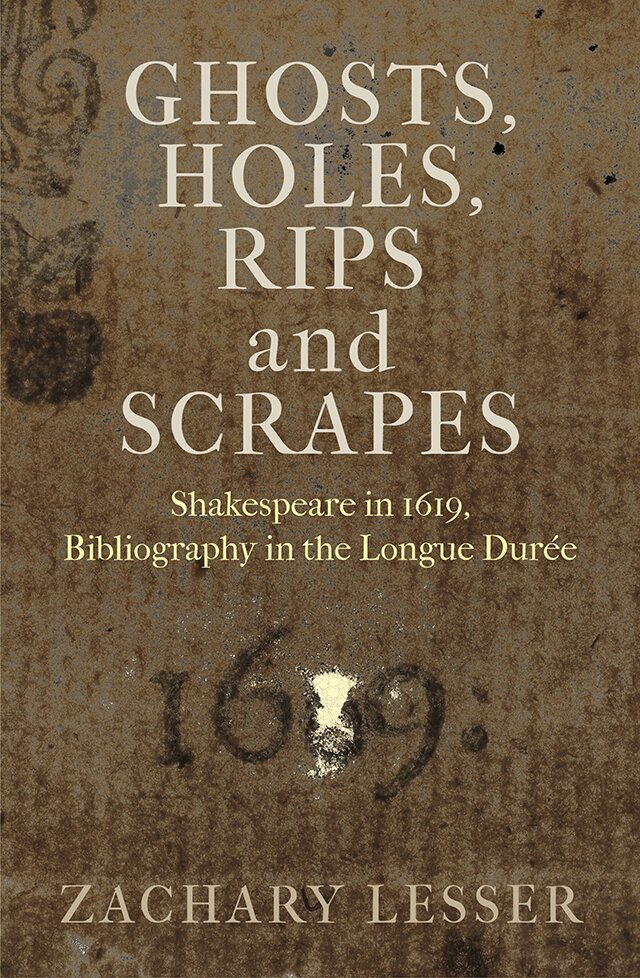
Four years before the publication of the First Folio, a group of London printers and booksellers attempted to produce a "collected works" of William Shakespeare, not in an imposingly large format but as a series of more humble quarto pamphlets. For mysterious reasons, perhaps involving Shakespeare's playing company, the King's Men, the project ran into trouble. In an attempt to salvage it, information on the title pages of some of the playbooks was falsified, making them resemble leftover copies of earlier editions. The deception worked for nearly three hundred years, until it was unmasked by scholars in the early twentieth century. The discovery of these "Pavier Quartos," as they became known, was a landmark success for the New Bibliography and played an important role in establishing the validity and authority of that method of analysis. While more recent scholars have reassessed the traditional narrative that the New Bibliographers wrote, no one has gone back to look at the primary evidence: the quartos themselves.In Ghosts, Holes, Rips and Scrapes Zachary Lesser undertakes a completely fresh study of these playbooks. Through an intensive bibliographical analysis of over three hundred surviving quartos, Lesser reveals evidence that has gone entirely unseen before: "ghosts" (faint, oily impressions produced when one book is bound next to another); "holes" (the tiny remains of the first simple stitching that held pamphlets together); and "rips and scrapes" (post-production alterations of title pages). This new evidence-much of it visible only with the aid of enhanced photographic methods-suggests that the "Pavier Quartos" are far more mysterious, with far more consequential ramifications for book history and Shakespeare scholarship than we have thought.