Gender and Culture in the Romantic Era, 1780–1830 – serie
Visar alla böcker i serien Gender and Culture in the Romantic Era, 1780–1830. Handla med fri frakt och snabb leverans.
4 produkter
4 produkter
Del 1 - Gender and Culture in the Romantic Era, 1780–1830
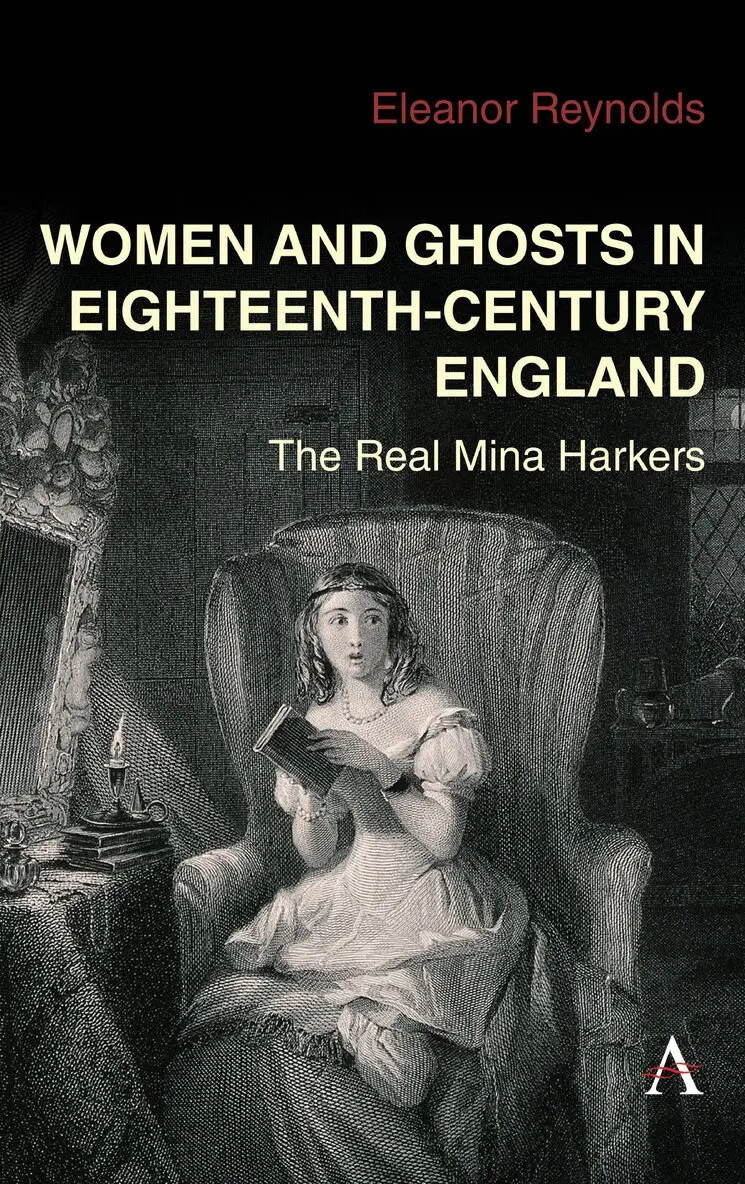
Women and Ghosts in Eighteenth-Century England
The Real Mina Harkers
Inbunden, Engelska, 2026
1 707 kr
Kommande
The investigation of haunted houses was a serious, scientific practice long before the Victorian era, and the methodologies of night-time vigils and record keeping, which psychical researchers employed in the nineteenth century, were established in the long-eighteenth century. The witnessing, story-telling and recording of paranormal experiences have created a scientific working space for women when other areas of science have, historically, been barred to them. And, because many of the resources available to us today have been written by women, they provide researchers with insight at variance with other areas of historical science which have been recorded by men. Just as Mina Harker’s diary adds empathetic depth to the novel Dracula (1897), the female ghost hunters of a hundred years before help us to understand the emotional impact of ghostly experiences on a society more inclined to believe in the paranormal than today.
1 371 kr
Skickas inom 5-8 vardagar
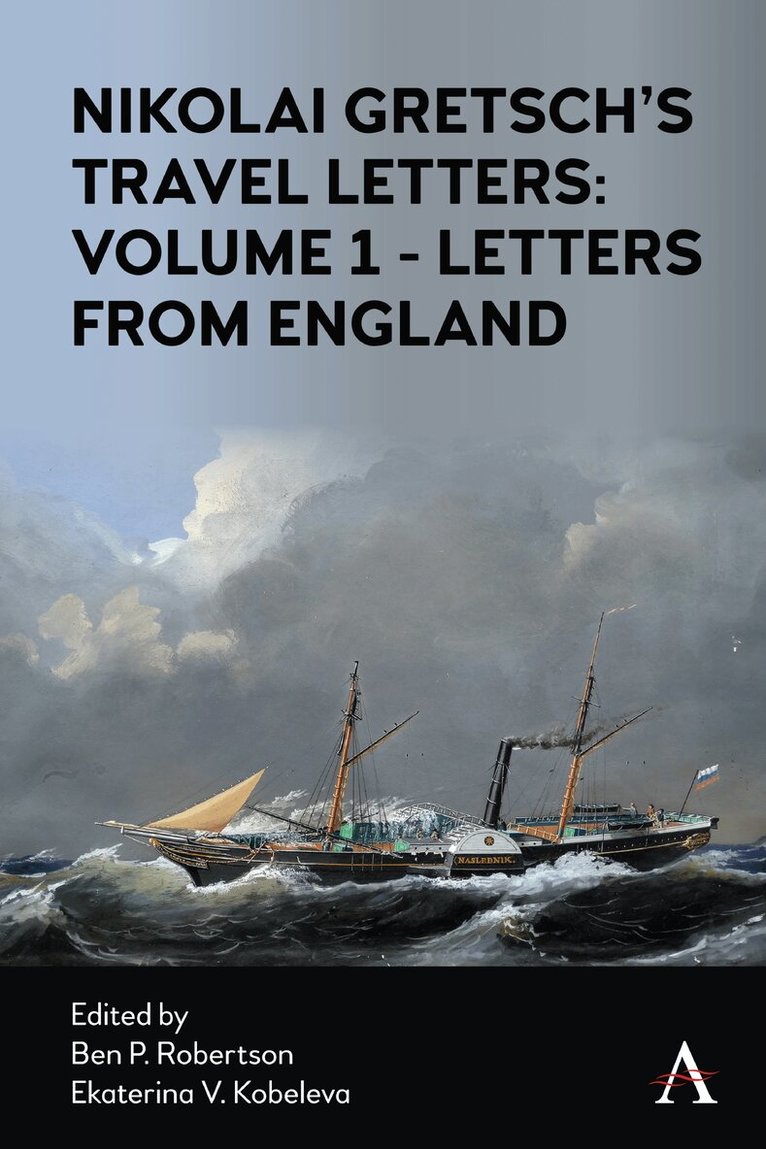
Nikolai Gretsch's Travel Letters is a fully translated English edition of a three-volume account published by Nikolai Gretsch (1787–1867) in St. Petersburg in 1839. In the original Russian, Gretsch describes his travels in post-Napoleonic England, France, and Germany in 1837 at the behest of the Russian Empire. His official task was to examine educational systems, but as he travelled, he also noticed the cultural norms in his surroundings, the history of each country, and the personal experiences of the people he met. On his return home, Gretsch assembled his entertaining and often humorous personal observations into the edition that forms the basis for the present translation. His astute observations provide a rich contemporary resource for information about the countries he visited, especially given his status as an outsider. Additionally, as a result of his government position, Gretsch was able to move in social circles that would have been closed to many other people. In England, he once found himself in the same room with Princess (the future Queen) Victoria, and in France, he dined with Victor Hugo. Gretsch’s observations offer a treasure-trove of contextual information that will be valuable to anyone interested in cultural interactions during the nineteenth century.
1 371 kr
Skickas inom 5-8 vardagar
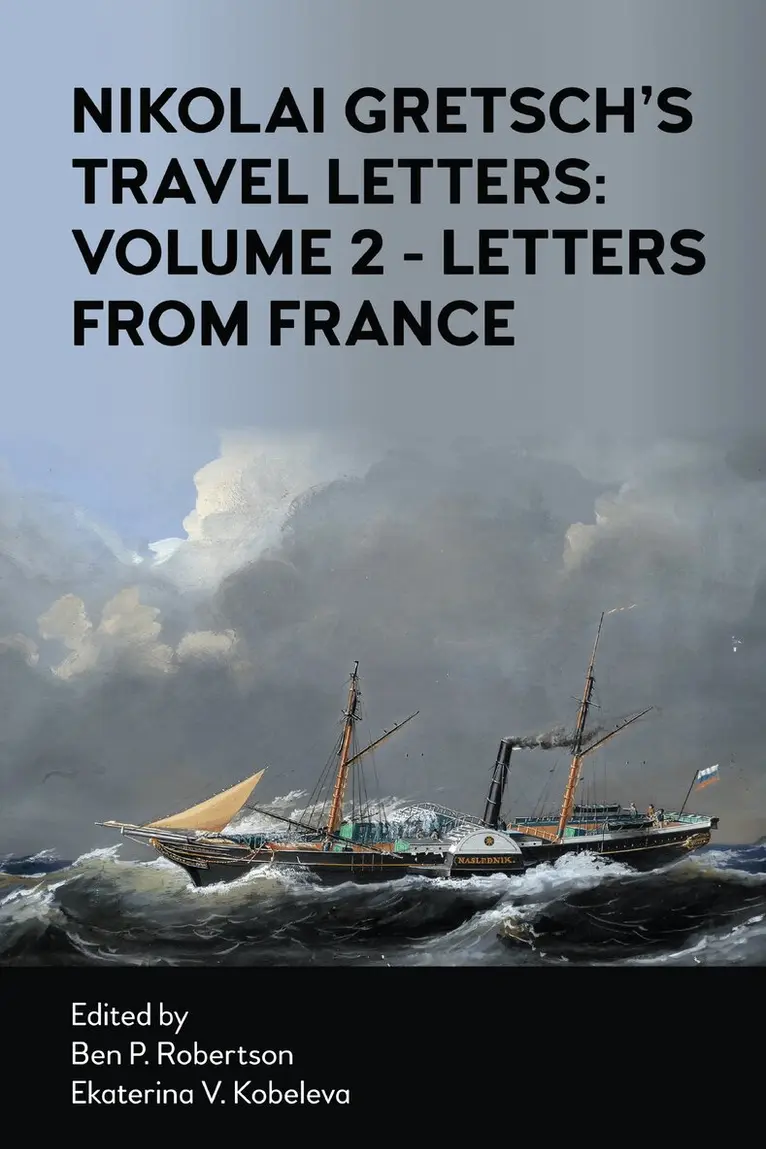
Nikolai Gretsch's Travel Letters is a fully translated English edition of a three-volume account published by Nikolai Gretsch (1787–1867) in St. Petersburg in 1839. In the original Russian, Gretsch describes his travels in post-Napoleonic England, France, and Germany in 1837 at the behest of the Russian Empire. His official task was to examine educational systems, but as he travelled, he also noticed the cultural norms in his surroundings, the history of each country, and the personal experiences of the people he met. On his return home, Gretsch assembled his entertaining and often humorous personal observations into the edition that forms the basis for the present translation. His astute observations provide a rich contemporary resource for information about the countries he visited, especially given his status as an outsider. Additionally, as a result of his government position, Gretsch was able to move in social circles that would have been closed to many other people. In England, he once found himself in the same room with Princess (the future Queen) Victoria, and in France, he dined with Victor Hugo. Gretsch’s observations offer a treasure-trove of contextual information that will be valuable to anyone interested in cultural interactions during the nineteenth century.
1 371 kr
Skickas inom 5-8 vardagar
Nikolai Gretsch's Travel Letters is a fully translated English edition of a three-volume account published by Nikolai Gretsch (1787–1867) in St. Petersburg in 1839. In the original Russian, Gretsch describes his travels in post-Napoleonic England, France, and Germany in 1837 at the behest of the Russian Empire. His official task was to examine educational systems, but as he travelled, he also noticed the cultural norms in his surroundings, the history of each country, and the personal experiences of the people he met. On his return home, Gretsch assembled his entertaining and often humorous personal observations into the edition that forms the basis for the present translation. His astute observations provide a rich contemporary resource for information about the countries he visited, especially given his status as an outsider. Additionally, as a result of his government position, Gretsch was able to move in social circles that would have been closed to many other people. In England, he once found himself in the same room with Princess (the future Queen) Victoria, and in France, he dined with Victor Hugo. Gretsch’s observations offer a treasure-trove of contextual information that will be valuable to anyone interested in cultural interactions during the nineteenth century.