Abolition: Emancipation from the Carceral - Böcker
Visar alla böcker i serien Abolition: Emancipation from the Carceral. Handla med fri frakt och snabb leverans.
4 produkter
4 produkter
1 739 kr
Skickas inom 3-6 vardagar
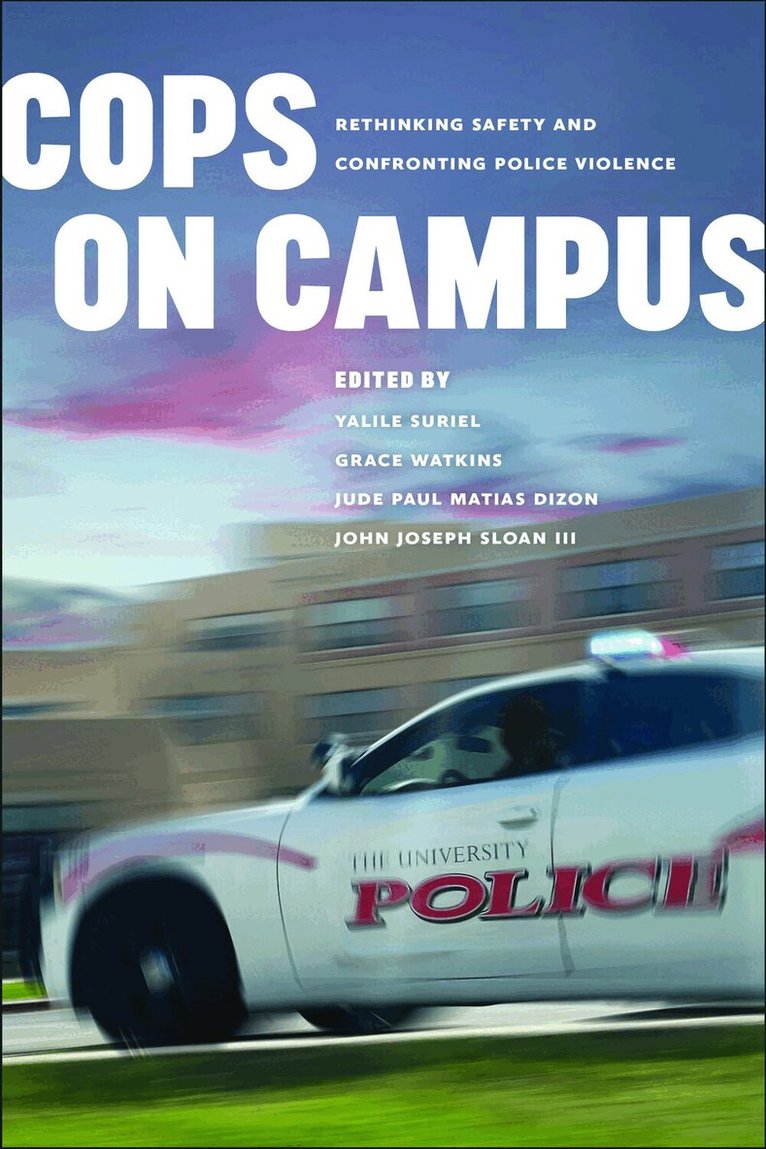
Interrogates the relationship between higher education and the carceral stateOver the last five years, headlines have thrust campus police departments from relative obscurity into the national spotlight. Campus constituents have called for campus police, as a tangible manifestation of the War on Crime within the sphere of higher education, to be disarmed, defunded, and abolished. Using a multidisciplinary approach that draws from the fields of history, American studies, ethnic studies, criminology, higher education, and sociology, Cops on Campus provides critical perspectives on the organization and social consequences of campus policing. Chapters uncover details of the structure and culture of university police—some of the best-funded and largest private police forces in the nation—and examine the institution in relation to racialized and gendered violence, racial profiling, and the surveillance of marginalized communities on and off campus. The volume also features interviews with students, staff, and faculty activists to showcase efforts to redefine and reimagine campus safety and explore alternatives for the future.
442 kr
Skickas inom 7-10 vardagar
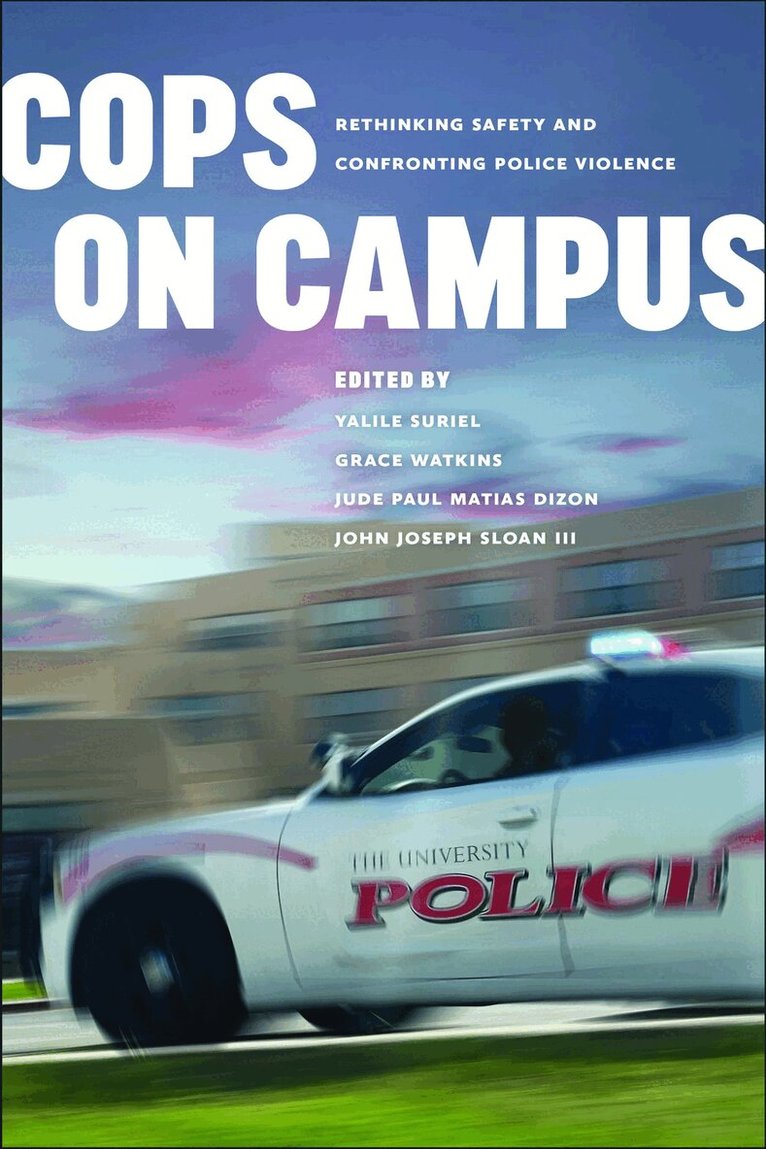
Interrogates the relationship between higher education and the carceral stateOver the last five years, headlines have thrust campus police departments from relative obscurity into the national spotlight. Campus constituents have called for campus police, as a tangible manifestation of the War on Crime within the sphere of higher education, to be disarmed, defunded, and abolished. Using a multidisciplinary approach that draws from the fields of history, American studies, ethnic studies, criminology, higher education, and sociology, Cops on Campus provides critical perspectives on the organization and social consequences of campus policing. Chapters uncover details of the structure and culture of university police—some of the best-funded and largest private police forces in the nation—and examine the institution in relation to racialized and gendered violence, racial profiling, and the surveillance of marginalized communities on and off campus. The volume also features interviews with students, staff, and faculty activists to showcase efforts to redefine and reimagine campus safety and explore alternatives for the future.
1 739 kr
Kommande
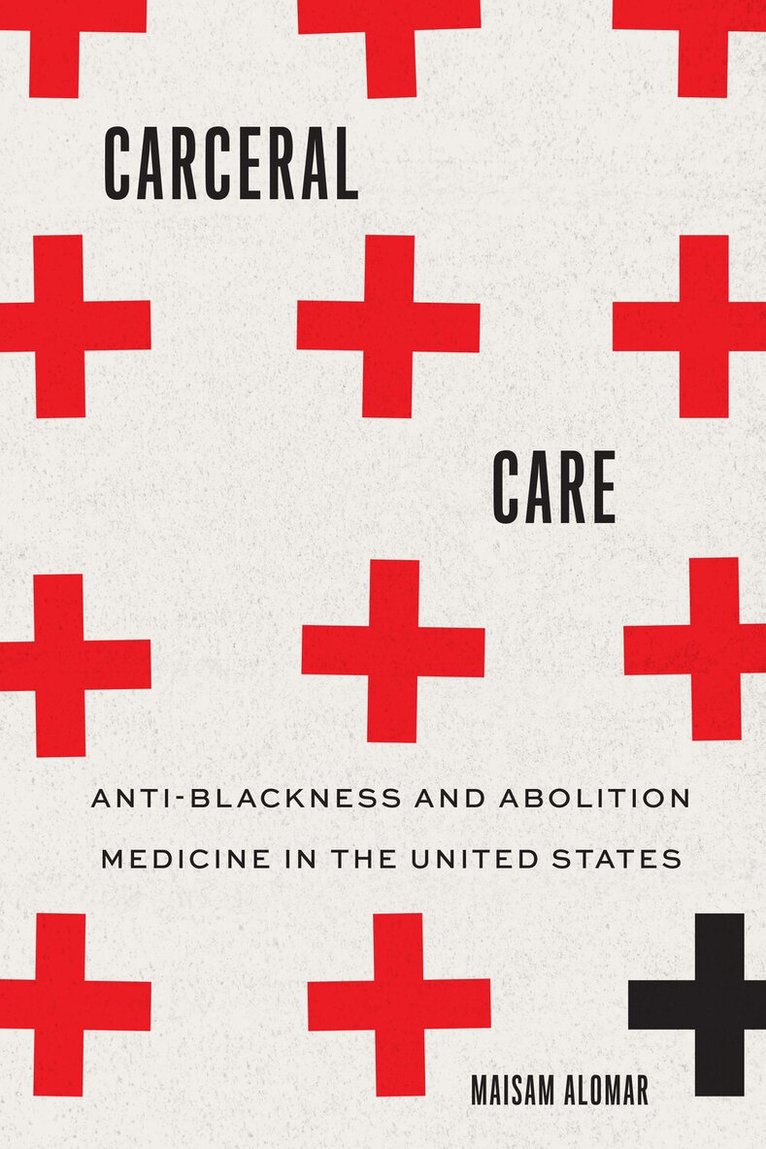
How care and criminalization became entangled—and why abolition medicine matters Medicine likes to tell an altruistic story. Maisam Alomar shows how that story masks an enduring partnership with racism and punishment. Beginning with the postwar “rehabilitative turn,” this incisive book tracks the carceral logics—assumptions about normalcy, deviance, and the bodies deemed fixable or discardable—that migrated beyond the prison into clinics, labs, and public health programs. Across four flashpoints—the Tuskegee Syphilis Study; Nixon’s sickle cell politics and the racial scripting of “deviance” during the War on Drugs; the consequences of psychiatric deinstitutionalization for care work and incarceration; and today’s entwining of emergency medicine and policing through projects such as Atlanta’s proposed Cop City—Alomar reveals how health institutions in the United States have enforced racial hierarchies while calling it care. The result is not an aberration but a system: surveillance masquerading as screening, eugenic counseling in the name of equity, pain criminalized as “drug seeking,” and hospital-police infrastructures that expand each other’s reach. This bracing, necessary intellectual intervention exposes how rehabilitation became a rationale for containment. Drawing on disability studies, ethnic and gender studies, and abolitionist praxis, Alomar advances the emerging framework of abolition medicine—not as a slogan, but as a rigorous rethinking of what health requires once state violence is named as a health determinant. Bold, lucid, and grounded in history, Carceral Care is an urgent contribution for scholars and organizers seeking to move beyond “disparities” toward a medicine that refuses carcerality at its root.
485 kr
Kommande
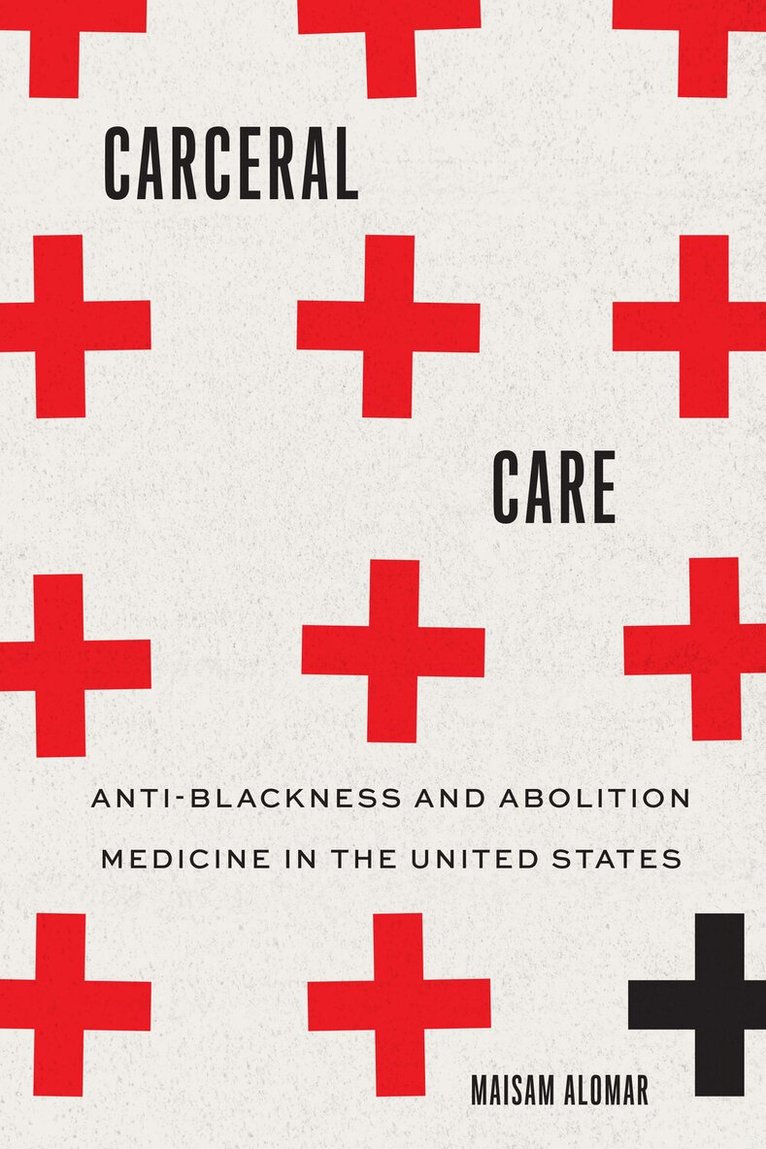
How care and criminalization became entangled—and why abolition medicine matters Medicine likes to tell an altruistic story. Maisam Alomar shows how that story masks an enduring partnership with racism and punishment. Beginning with the postwar “rehabilitative turn,” this incisive book tracks the carceral logics—assumptions about normalcy, deviance, and the bodies deemed fixable or discardable—that migrated beyond the prison into clinics, labs, and public health programs. Across four flashpoints—the Tuskegee Syphilis Study; Nixon’s sickle cell politics and the racial scripting of “deviance” during the War on Drugs; the consequences of psychiatric deinstitutionalization for care work and incarceration; and today’s entwining of emergency medicine and policing through projects such as Atlanta’s proposed Cop City—Alomar reveals how health institutions in the United States have enforced racial hierarchies while calling it care. The result is not an aberration but a system: surveillance masquerading as screening, eugenic counseling in the name of equity, pain criminalized as “drug seeking,” and hospital-police infrastructures that expand each other’s reach. This bracing, necessary intellectual intervention exposes how rehabilitation became a rationale for containment. Drawing on disability studies, ethnic and gender studies, and abolitionist praxis, Alomar advances the emerging framework of abolition medicine—not as a slogan, but as a rigorous rethinking of what health requires once state violence is named as a health determinant. Bold, lucid, and grounded in history, Carceral Care is an urgent contribution for scholars and organizers seeking to move beyond “disparities” toward a medicine that refuses carcerality at its root.