Advances in Archaeological and Museum Science - Böcker
Visar alla böcker i serien Advances in Archaeological and Museum Science. Handla med fri frakt och snabb leverans.
10 produkter
10 produkter
1 963 kr
Skickas inom 10-15 vardagar
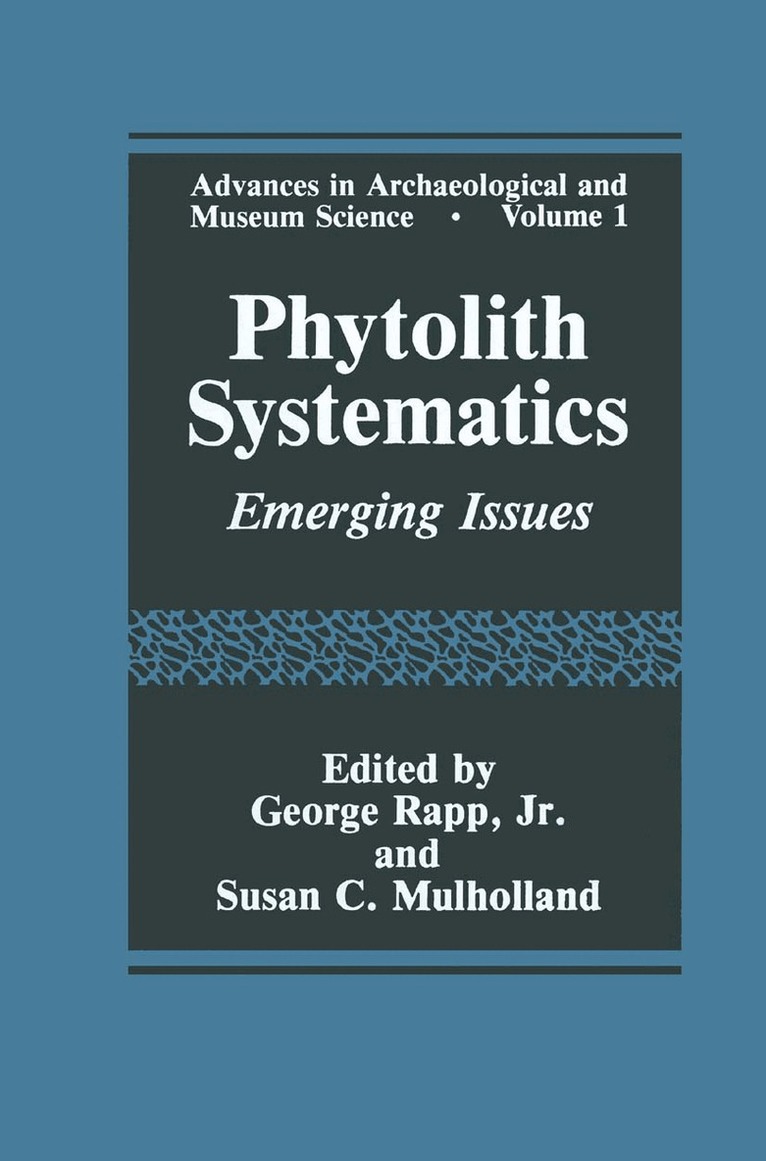
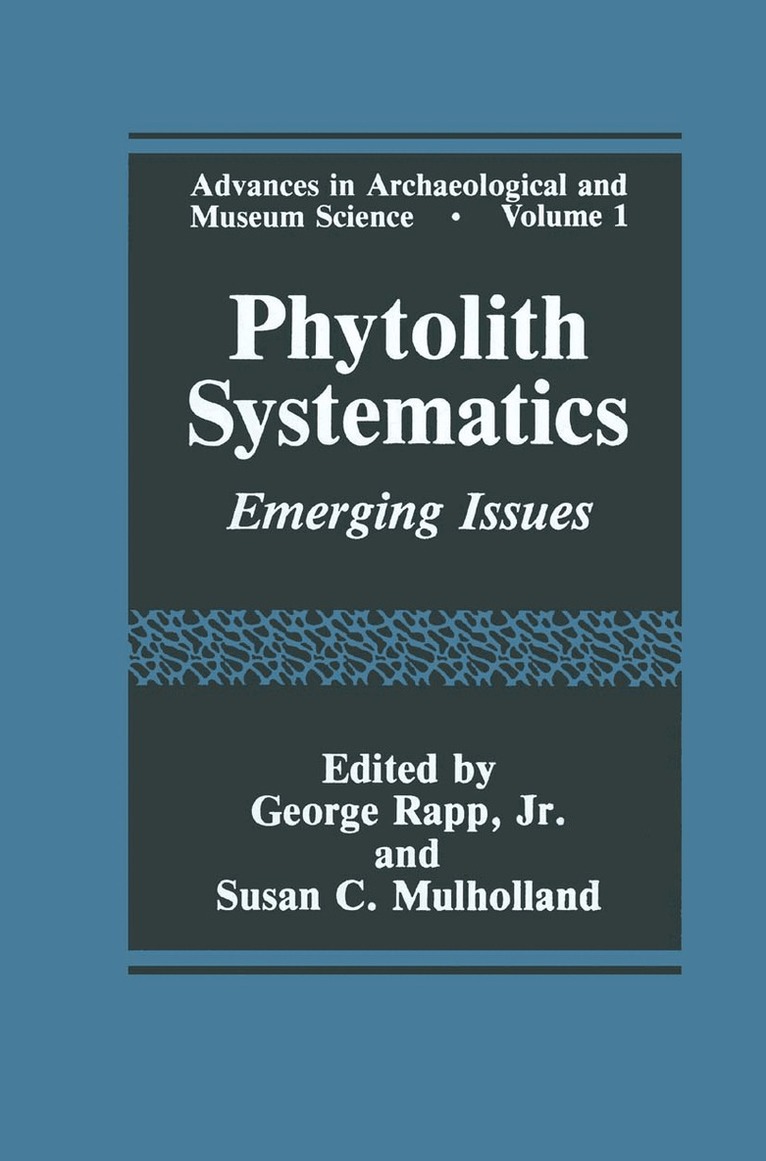
This volume is the first in theAdvances in Archaeological and Museum Science series sponsored by the Society for Archaeological Sciences. The purpose of this biennial series is to provide summaries of advances in closely defined topics in archaeometry, archaeological science, environmental archaeology, preservation technology and museum conservation. The Society for Archaeological Sciences (SAS) exists to encourage interdisci plinary collaboration between archaeologists and colleagues in the natural and physical sciences. SAS members are drawn from many disciplinary fields. However, they all share a common belief that physical science techniques and methods constitute an essential component of archaeological field and laboratory studies. The General Editors wish to express their appreciation to Renee S. Kra and Frances D. Moskovitz of Radiocarbon for their special expertise and assistance in the production of this volume. We also appreciate the contribution of the two reviewers for their excellent comments and suggestions. The General Editor responsible for undertaking the development of this volume was R. E. Taylor.
1 637 kr
Skickas inom 10-15 vardagar
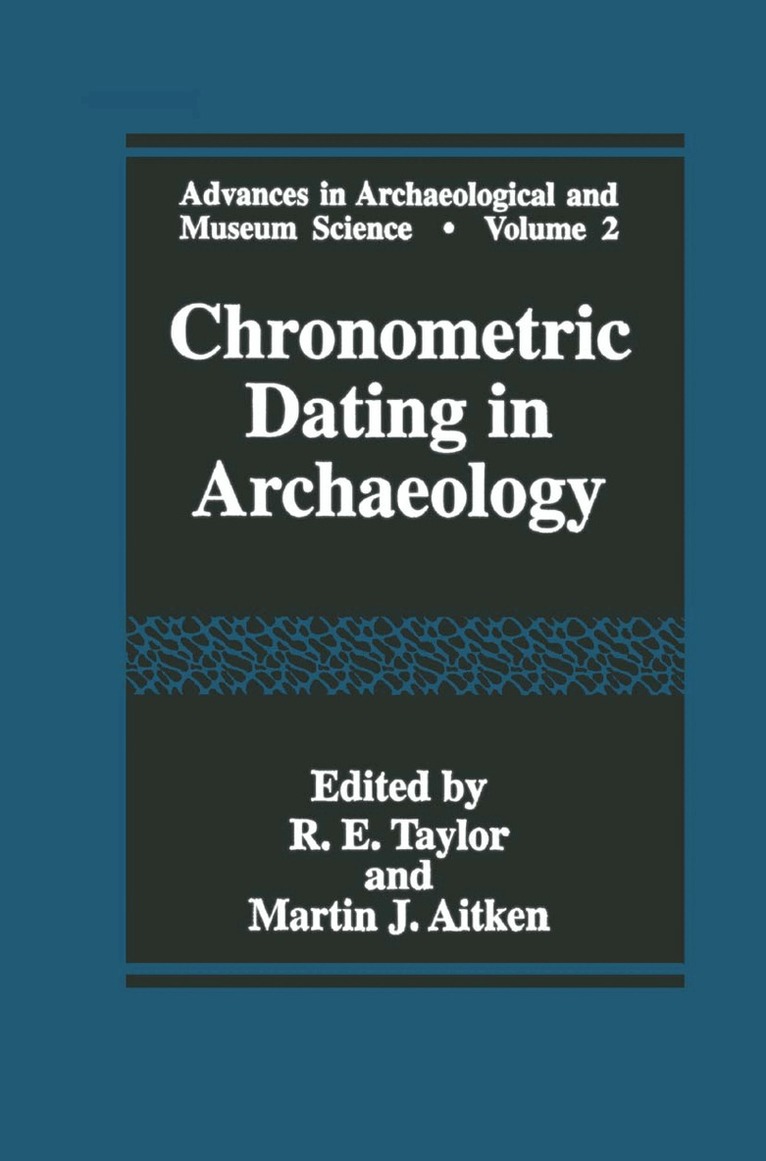
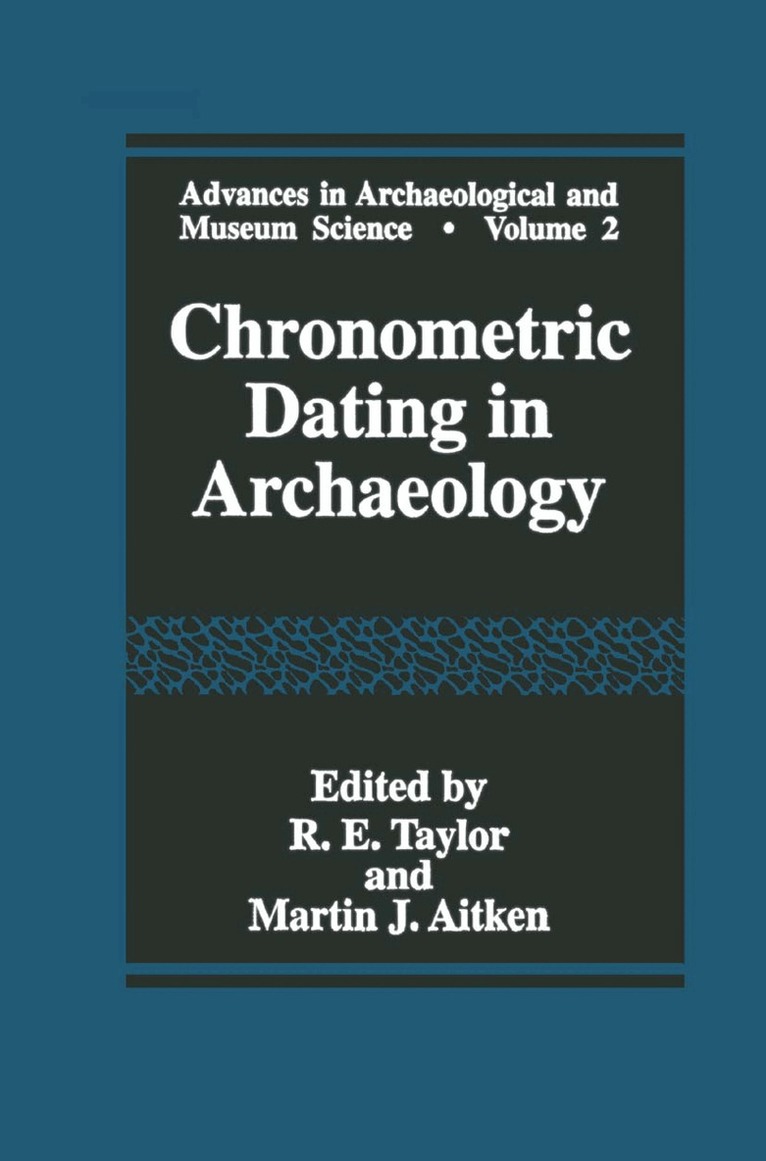
Since World War II, there has been tremendous success in the development of new methods for dating artifacts; the so-called `radiocarbon revolution' was only the first such discovery. The increasing accuracy of the various new techniques has brought about major changes in archaeological research strategies. This important new text compiles the work of some of today's most innovative archaeologists who summarize progress in their respective techniques over the last 30 years -- with an emphasis on developments of the last five -- and the status of current research.
Del 3 - Advances in Archaeological and Museum Science
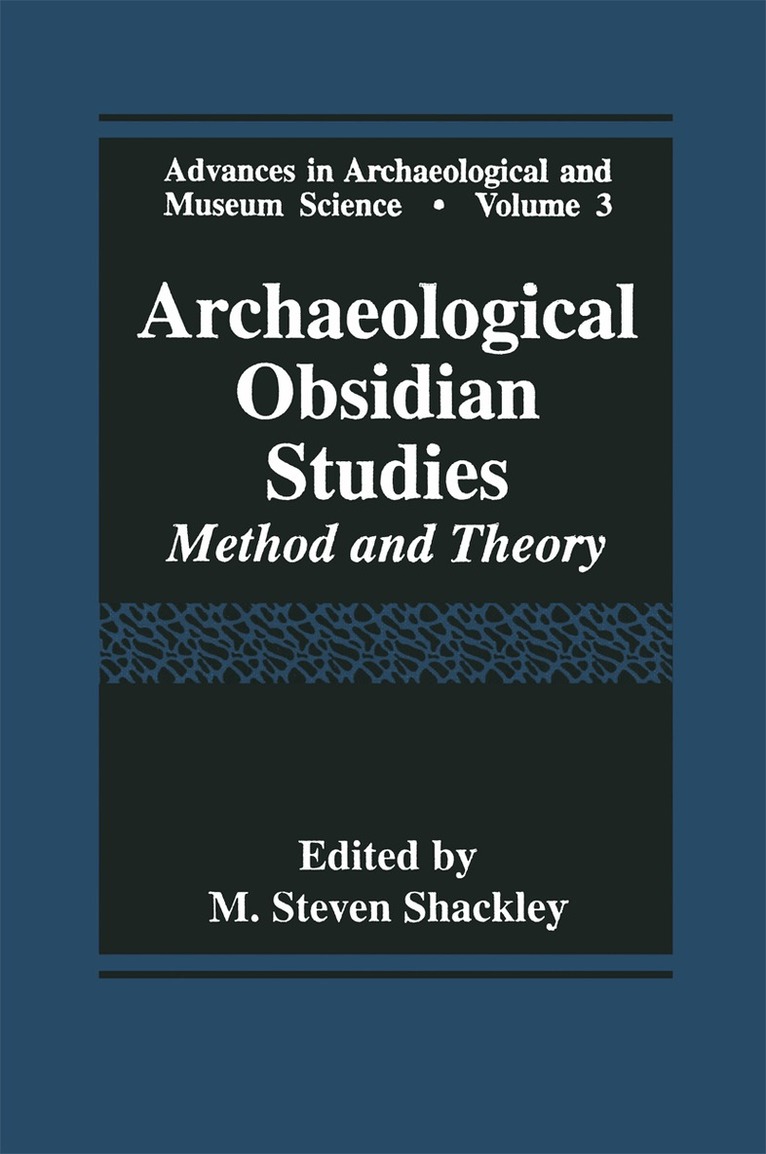
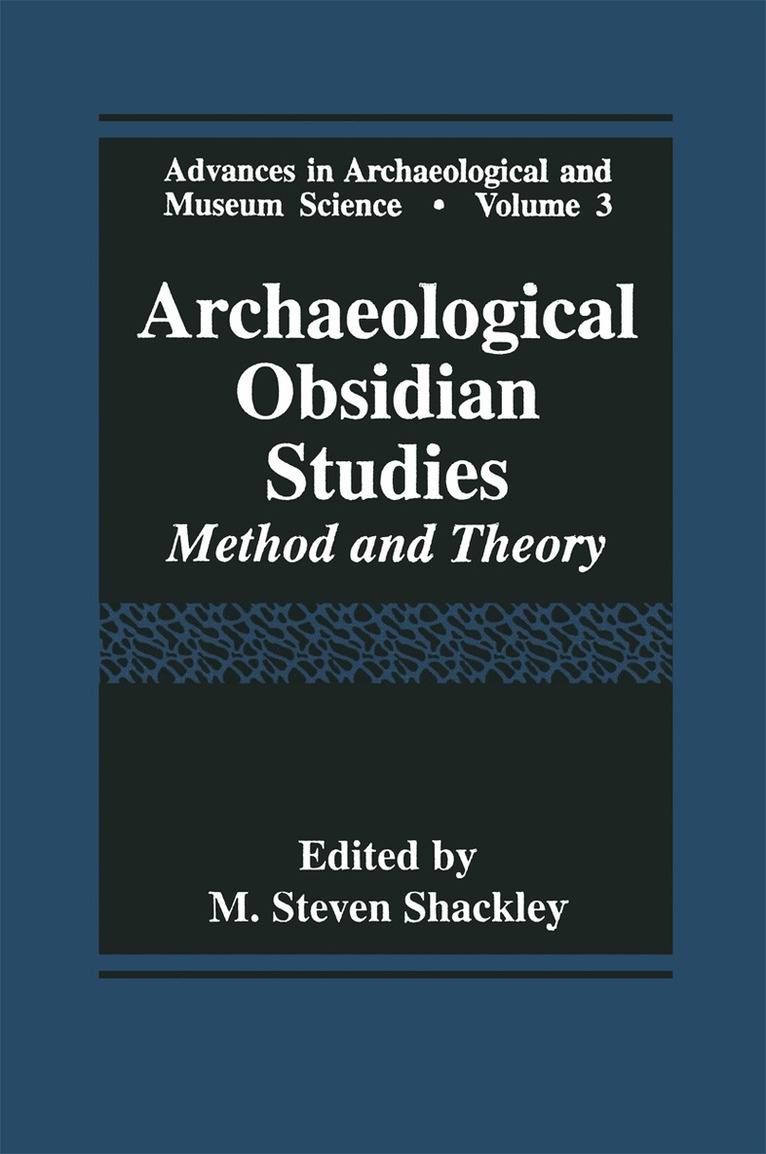
Archaeological Obsidian Studies
Method and Theory
Inbunden, Engelska, 1998
1 094 kr
Skickas inom 10-15 vardagar
This volume is the third in the Advances in Archaeological and Museum Science series sponsored by the Society for Archaeological Sciences (SAS). The purpose of this series is to provide summaries of advances in various topics in ar chaeometry, archaeological science, environmental archaeology, preservation technology, and museum conservation. The SAS exists to encourage interdisciplinary collaboration between archaeologists and colleagues in the natural and physical sciences. SAS mem bers are drawn from many disciplinary fields. However, they all share a common belief that physical science techniques and methods constitute an essential component of contemporary archaeological field and laboratory studies. The series editors wish to thank the reviewers of each of the chapters in this volume for their excellent comments and suggestions. We also wish to thank Chriss jones for her invaluable assistance in the preparation of the texts for submission to the publisher. xi Preface As noted in the introductory chapter, this volume is the second major review of research progress in the study of archaeological obsidian. An earlier book, Advances in Obsidian Glass Studies: Archaeological and Geochemical Perspectives, appeared in 1976. A comparison of the treatment of topics reflected in this earlier work and that contained in this volume not only highlights important advances in the quality and depth of research on archaeological obsidian over more than a quarter of a century but also illustrates more generally some characteristics of developments in the archaeological science field in general.
1 094 kr
Skickas inom 10-15 vardagar
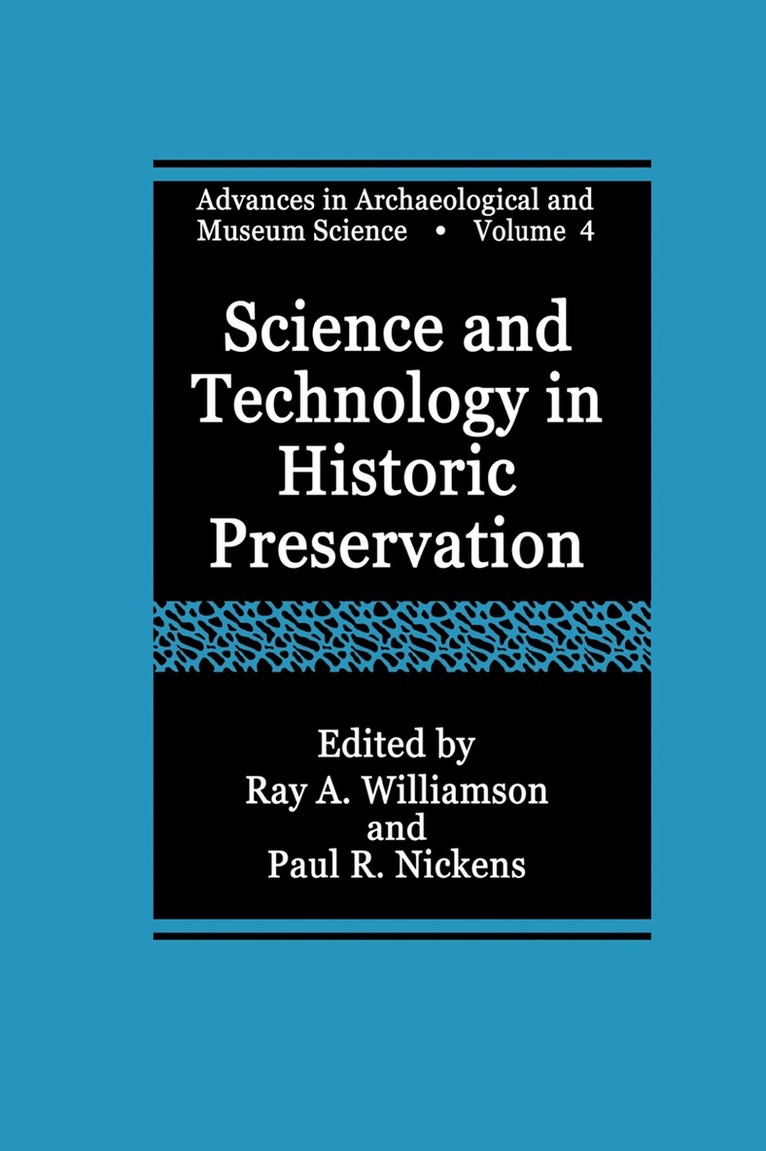
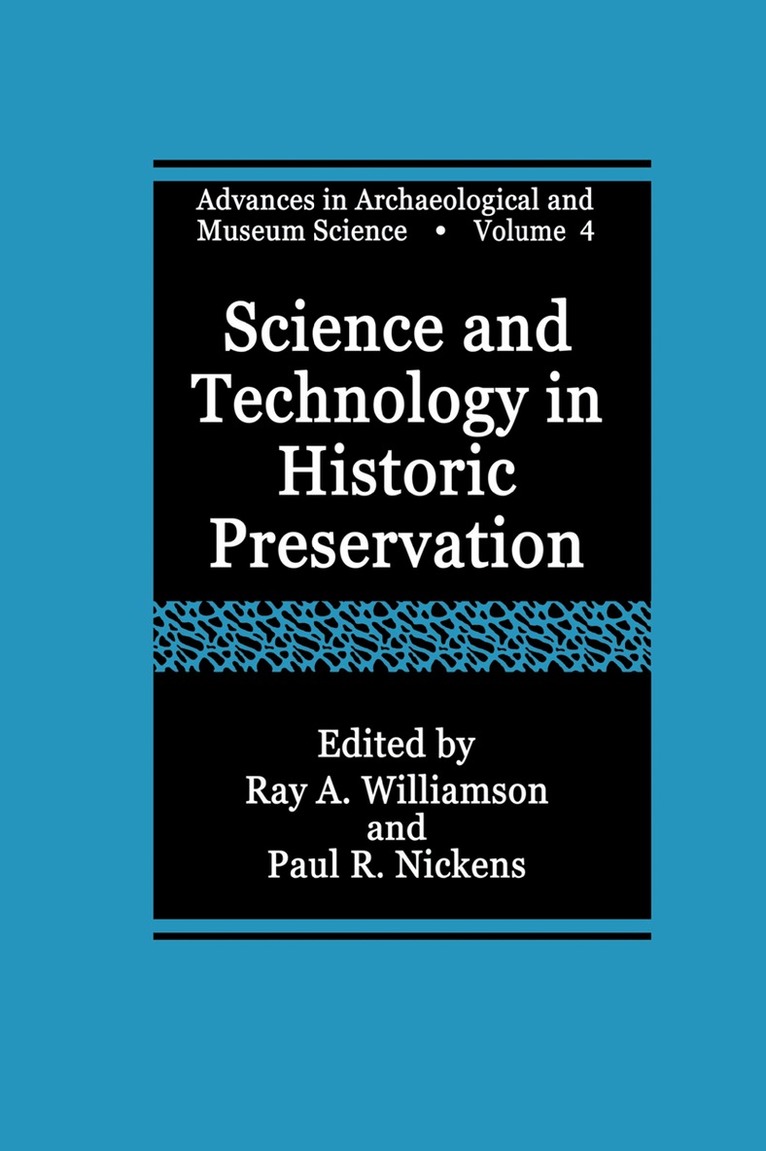
Technology transfer has played an increasingly important role in historic preservation during the latter half of the twentieth century, a situation attested to by the undertaking of an important congressional study in 1986 that assessed the role of federal agencies in the field. In this book leading researchers update the earlier findings and contribute reviews and evaluations of technological progress in their areas of expertise.
1 094 kr
Skickas inom 10-15 vardagar
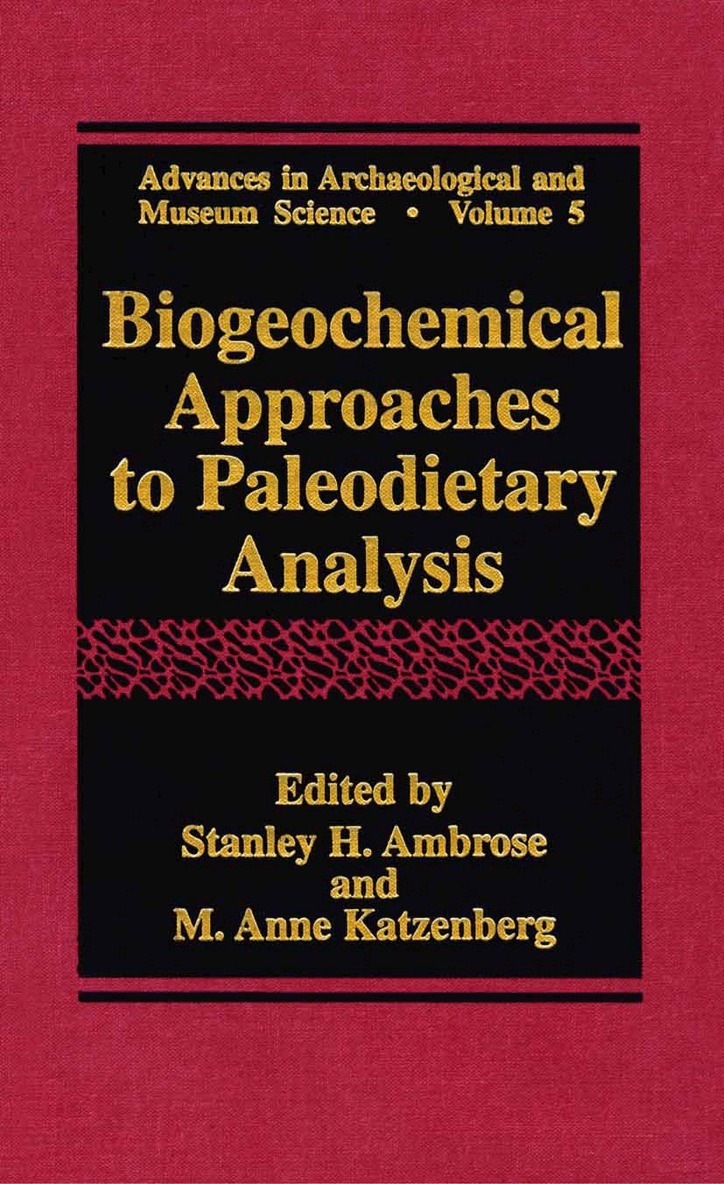
Thisvolume is the fifthi n the Advances in Archaeological and Museum Science series by the Society for Archaeological Sciences (SAS). The purpose of this series is top rovide summaries of advances in various topics in archaeometry, archaeological science, environmental archaeology, preservation technology, and museumconservation. The SAS exists to encourage interdisciplinary collaboration between archaeologistsand colleaguesi n the natural sciences. SAS members are drawn from manydisciplinary fields. However, theya ll share a common belief that natural science techniques andmethods constitutea n essential component of archaeological field and laboratory studies. xi Preface The study of human diet brings togetherr esearchers from diverse back grounds, ranging from modern human nutrition and biochemistry to the geo chemistry of fossilized bones and teeth. Human paleodiet research, as studied through the chemical composition of bones and teeth, has been advanced sig nificantlyi n the last 25 years, since the publication ofearly work on trace ele ments (Brown 1973) ando n stable carbon isotopes (Vogel andv and er Merwe 1977, vand er Merwe and Vogel 1978).An important forum forsuch p rogress has been the series of Advanced Se minars on Pa leodiet, held every threey ears since 1986. The contributions in this volume a rose from the Fourth Advanced Seminar on Paleodiet, which washeld in Banff, Alb erta in September of 1994. The Advanced Seminars bring togethera small international group of researchers interested in improving and expanding techniques fors tudying past diet through bone chemistry.
1 094 kr
Skickas inom 10-15 vardagar
Thisvolume is the fifthi n the Advances in Archaeological and Museum Science series by the Society for Archaeological Sciences (SAS). The purpose of this series is top rovide summaries of advances in various topics in archaeometry, archaeological science, environmental archaeology, preservation technology, and museumconservation. The SAS exists to encourage interdisciplinary collaboration between archaeologistsand colleaguesi n the natural sciences. SAS members are drawn from manydisciplinary fields. However, theya ll share a common belief that natural science techniques andmethods constitutea n essential component of archaeological field and laboratory studies. xi Preface The study of human diet brings togetherr esearchers from diverse back grounds, ranging from modern human nutrition and biochemistry to the geo chemistry of fossilized bones and teeth. Human paleodiet research, as studied through the chemical composition of bones and teeth, has been advanced sig nificantlyi n the last 25 years, since the publication ofearly work on trace ele ments (Brown 1973) ando n stable carbon isotopes (Vogel andv and er Merwe 1977, vand er Merwe and Vogel 1978).An important forum forsuch p rogress has been the series of Advanced Se minars on Pa leodiet, held every threey ears since 1986. The contributions in this volume a rose from the Fourth Advanced Seminar on Paleodiet, which washeld in Banff, Alb erta in September of 1994. The Advanced Seminars bring togethera small international group of researchers interested in improving and expanding techniques fors tudying past diet through bone chemistry.
1 094 kr
Skickas inom 10-15 vardagar
Technology transfer has played an increasingly important role in historic preservation during the latter half of the twentieth century, a situation attested to by the undertaking of an important congressional study in 1986 that assessed the role of federal agencies in the field.
1 094 kr
Skickas inom 10-15 vardagar
This volume is the third in the Advances in Archaeological and Museum Science series sponsored by the Society for Archaeological Sciences (SAS). The purpose of this series is to provide summaries of advances in various topics in ar chaeometry, archaeological science, environmental archaeology, preservation technology, and museum conservation. The SAS exists to encourage interdisciplinary collaboration between archaeologists and colleagues in the natural and physical sciences. SAS mem bers are drawn from many disciplinary fields. However, they all share a common belief that physical science techniques and methods constitute an essential component of contemporary archaeological field and laboratory studies. The series editors wish to thank the reviewers of each of the chapters in this volume for their excellent comments and suggestions. We also wish to thank Chriss jones for her invaluable assistance in the preparation of the texts for submission to the publisher. xi Preface As noted in the introductory chapter, this volume is the second major review of research progress in the study of archaeological obsidian. An earlier book, Advances in Obsidian Glass Studies: Archaeological and Geochemical Perspectives, appeared in 1976. A comparison of the treatment of topics reflected in this earlier work and that contained in this volume not only highlights important advances in the quality and depth of research on archaeological obsidian over more than a quarter of a century but also illustrates more generally some characteristics of developments in the archaeological science field in general.
1 637 kr
Skickas inom 10-15 vardagar
This important new text compiles the work of some of today's most innovative archaeologists who summarize progress in their respective techniques over the last 30 years - with an emphasis on developments of the last five - and the status of current research.
1 963 kr
Skickas inom 10-15 vardagar
This volume is the first in theAdvances in Archaeological and Museum Science series sponsored by the Society for Archaeological Sciences. The purpose of this biennial series is to provide summaries of advances in closely defined topics in archaeometry, archaeological science, environmental archaeology, preservation technology and museum conservation. The Society for Archaeological Sciences (SAS) exists to encourage interdisci plinary collaboration between archaeologists and colleagues in the natural and physical sciences. SAS members are drawn from many disciplinary fields. However, they all share a common belief that physical science techniques and methods constitute an essential component of archaeological field and laboratory studies. The General Editors wish to express their appreciation to Renee S. Kra and Frances D. Moskovitz of Radiocarbon for their special expertise and assistance in the production of this volume. We also appreciate the contribution of the two reviewers for their excellent comments and suggestions. The General Editor responsible for undertaking the development of this volume was R. E. Taylor.