American Studies Series - Böcker
Visar alla böcker i serien American Studies Series. Handla med fri frakt och snabb leverans.
10 produkter
10 produkter
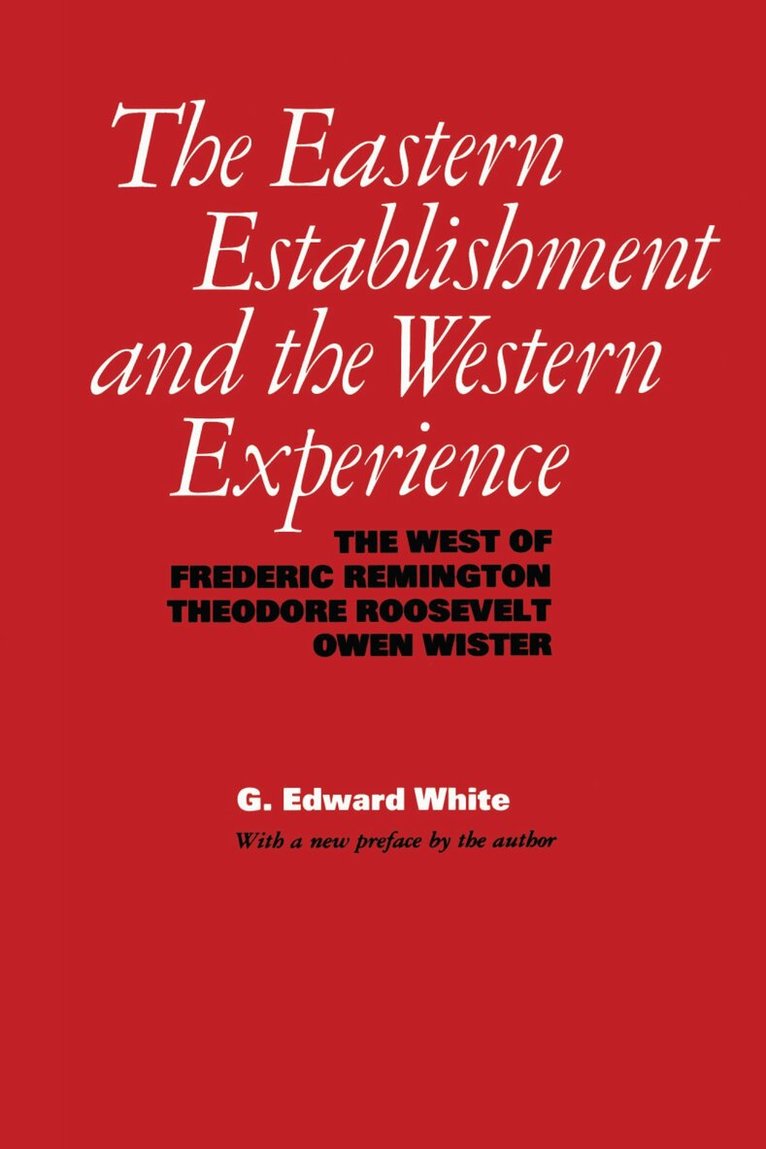
Eastern Establishment and the Western Experience
The West of Frederic Remington, Theodore Roosevelt, and Owen Wister
Häftad, Engelska, 1989
268 kr
Skickas inom 10-15 vardagar
First published in 1968, The Eastern Establishment and the Western Experience has become a classic in the field of American studies.G. Edward White traces the origins of “the West of the imagination” to the adolescent experiences of Frederic Remington, Theodore Roosevelt, and Owen Wister-three Easterners from upper-class backgrounds who went West in the 1880s in search of an alternative way of life.Each of the three men came to identify with a somewhat idealized “Wild West” that embodied the virtues of individualism, self-reliance, and rugged masculinity. When they returned East, they popularized this image of the West through art, literature, politics, and even their public personae. Moreover, these Western virtues soon became and have remained American virtues-a patriotic ideal that links Easterners with Westerners.With a multidisciplinary blend of history, biography, sociology, psychology, and literary criticism, The Eastern Establishment and the Western Experience will appeal to a wide audience. The author has written a new preface, offering additional perspectives on the mythology of the West and its effect on the American character.
276 kr
Skickas inom 10-15 vardagar
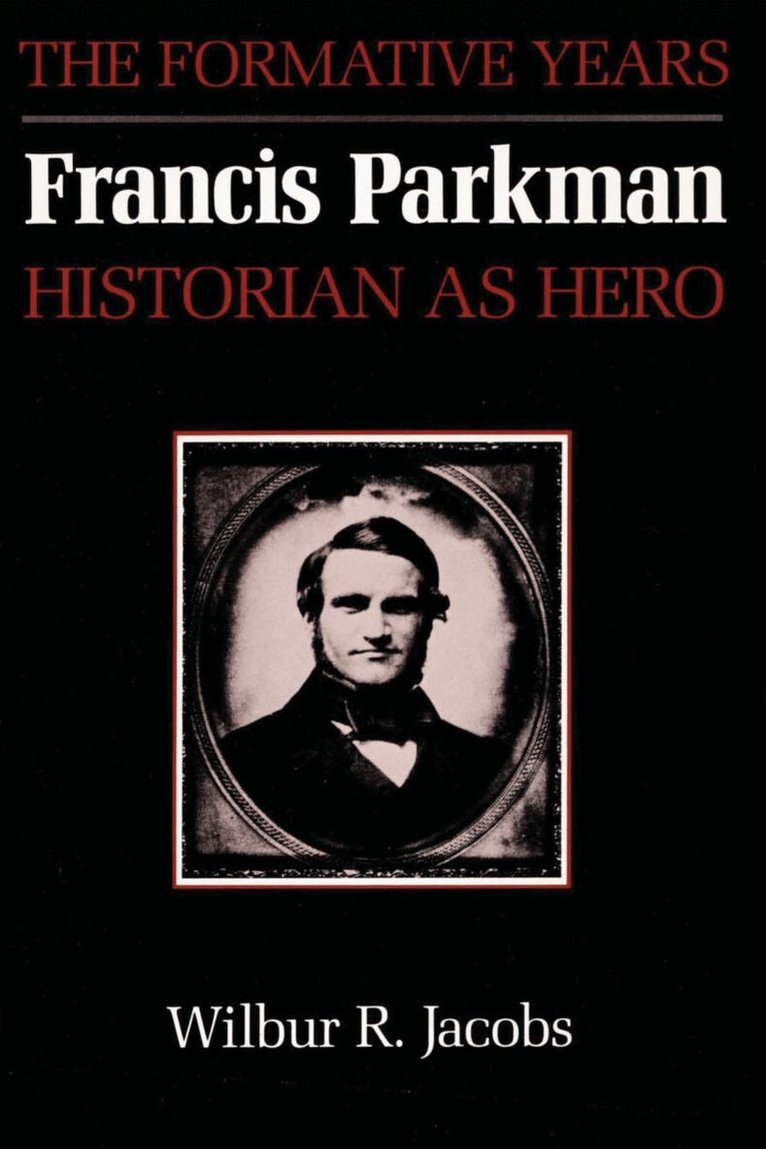
A historian who lived the kind of history he wrote, Francis Parkman is a major-and controversial-figure in American historiography. His narrative style, while popular with readers wanting a "good story," has raised many questions with professional historians. Was Parkman writing history or historical fiction? Did he color historical figures with his own heroic self-image? Was his objectivity compromised by his "unbending, conservative, Brahmin" values? These are some of the many issues that Wilbur Jacobs treats in this thought-provoking study.Jacobs carefully considers the "apprenticeship" of Francis Parkman, first spent in facing the rigors of the Oregon Trail and later in struggling to write his histories despite a mysterious, frequently incapacitating illness. He shows how these events allowed Parkman to create a heroic self-image, which impelled his desire for fame as a historian and influenced his treatment of both the "noble" and the "savage" characters of his histories.In addition to assessing the influence of Parkman's development and personality on his histories, Jacobs comments on Parkman's relationship to basic social and cultural issues of the nineteenth century. These include the slavery question, Native American issues, expansion of the suffrage to new groups, including women, and anti-Catholicism.
350 kr
Skickas inom 10-15 vardagar
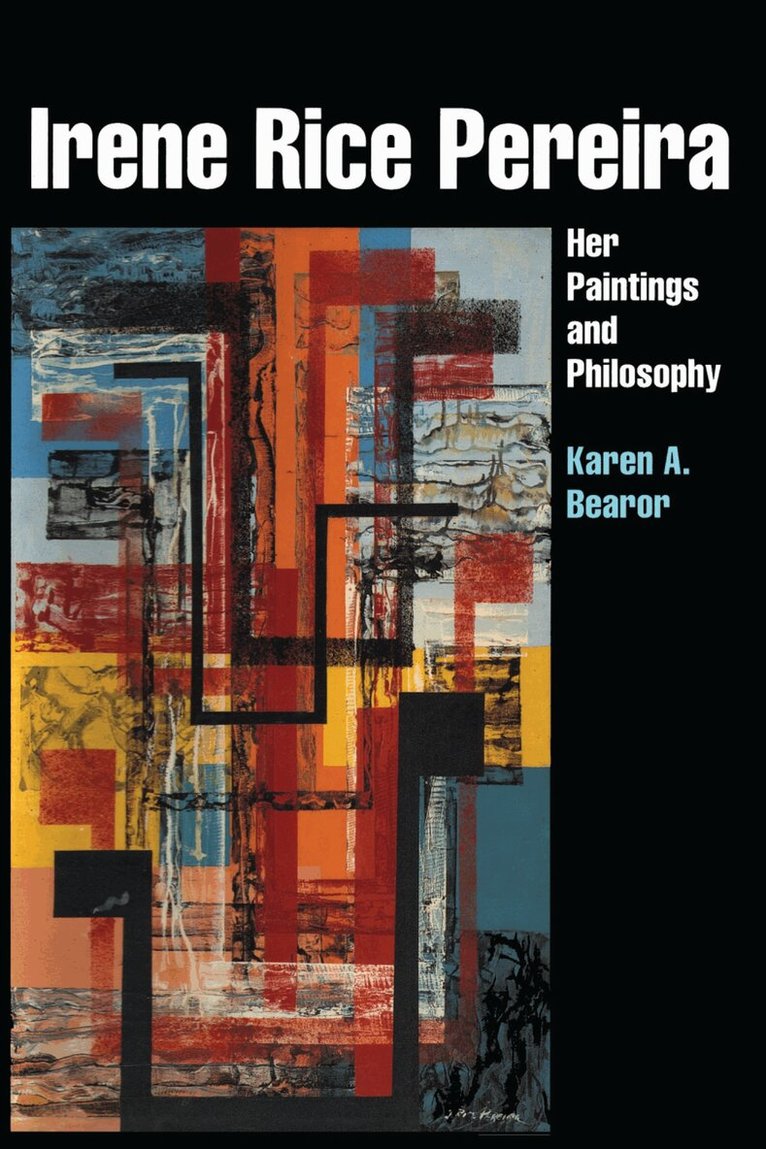
Artist Irene Rice Pereira was a significant figure in the New York art world of the 1930s and 1940s, who shared an interest in Jungianism with the better-known Abstract Expressionists and with various women artists and writers seeking "archetypal" imagery. Yet her artistic philosophy and innovative imagery elude easy classification with her artistic contemporaries. In consequence, her work is rarely included in studies of the period and is almost unknown to the general public. This first intellectual history of the artist and her work seeks to change that.Karen A. Bearor thoroughly re-creates the artistic and philosophical milieu that nourished Pereira’s work. She examines the options available to Pereira as a woman artist in the first half of the twentieth century and explores how she used those options to contribute to the development of modernism in the United States. Bearor traces Pereira’s interest in the ideas of major thinkers of the period-among them, Spengler, Jung, Einstein, Cassirer, and Dewey-and shows how Pereira incorporated their ideas into her art. And she demonstrates how Pereira’s quest to understand something of the nature of ultimate reality led her from an early utopianism to a later interest in spiritualism and the occult.This lively intellectual history amplifies our knowledge of a time of creative ferment in American art and society. It will appeal to a wide range of readers interested in the modernist period.
299 kr
Skickas inom 10-15 vardagar
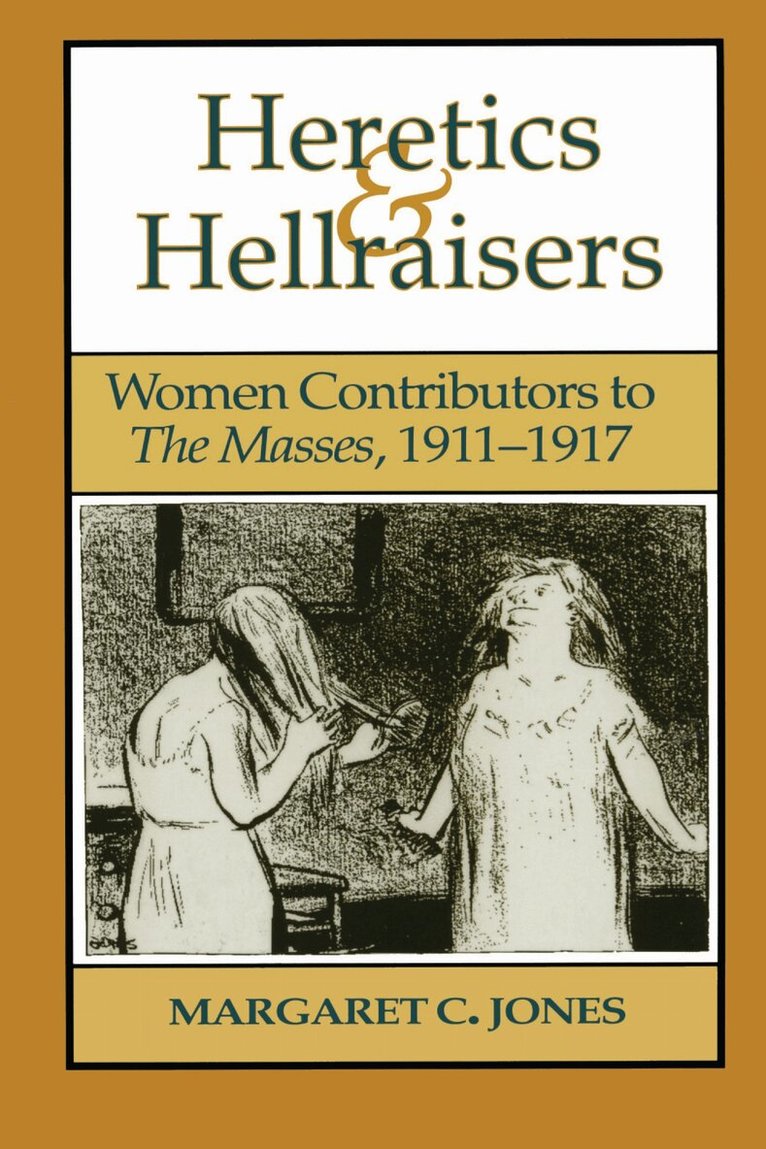
The Masses was the most dynamic and influential left-wing magazine of the early twentieth century, a touchstone for understanding radical thought and social movements in the United States during that era. As a magazine that supported feminist issues, it played a crucial role in shaping public discourse about women's concerns. Women editors, fiction writers, poets, and activists like Mary Heaton Vorse, Louise Bryant, Adriana Spadoni, Elsie Clews Parsons, Inez Haynes Gillmore, and Helen Hull contributed as significantly to the magazine as better-known male figures.In this major revisionist work, Margaret C. Jones calls for reexamination of the relevance of Masses feminism to that of the 1990s. She explores women contributors' perspectives on crucial issues: patriarchy, birth control, the labor movement, woman suffrage, pacifism, and ethnicity. The book includes numerous examples of the writings and visual art of Masses women and a series of biographical/bibliographical sketches designed to aid other researchers.
417 kr
Skickas inom 10-15 vardagar
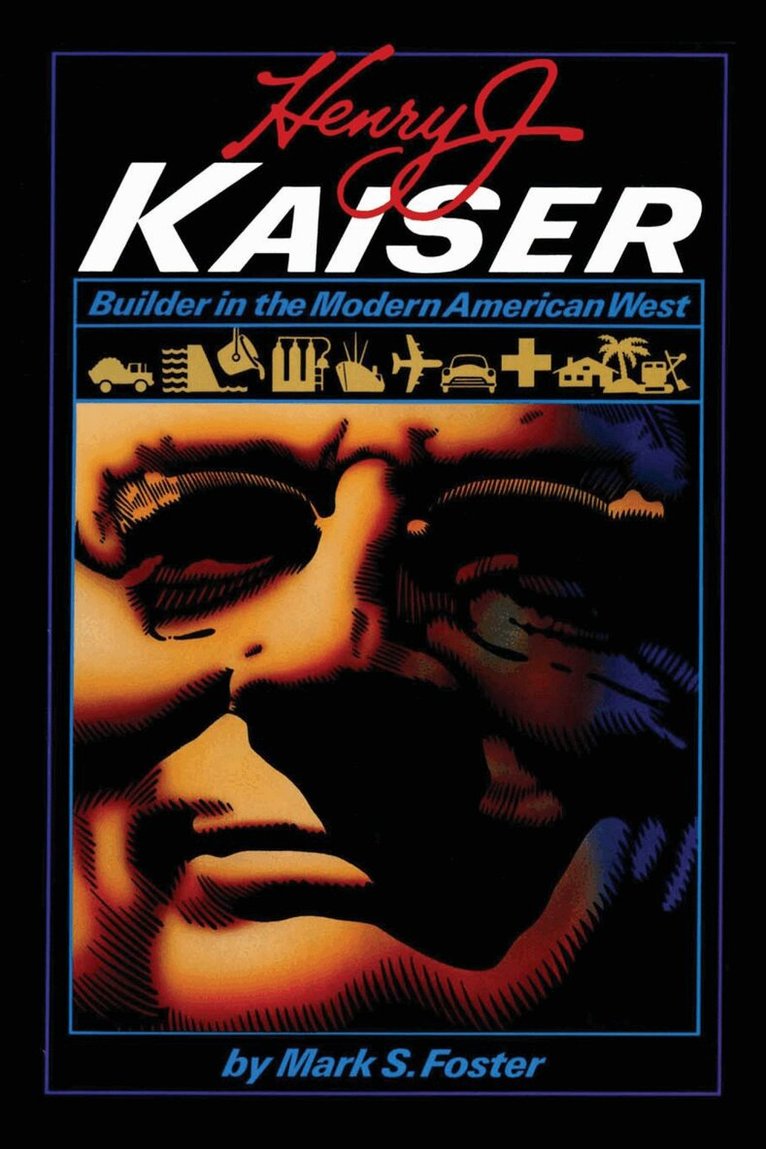
In the 1940s Henry J. Kaiser was a household name, as familiar then as Warren Buffett and Donald Trump are now. Like a Horatio Alger hero, Kaiser rose from lower-middle-class origins to become an enormously wealthy entrepreneur, building roads, bridges, dams, and housing. He established giant businesses in cement, aluminum, chemicals, steel, health care, and tourism. During World War II, his companies built cargo planes and Liberty ships. After the war, he manufactured the Kaiser-Frazer automobile. Along the way, he also became a major force in the development of the western United States, including Hawaii.Henry J. Kaiser: Builder in the Modern American West is the first biography of this remarkable man. Drawing on a wealth of archival material never before utilized, Mark Foster paints an evenhanded portrait of a man of driving ambition and integrity, perhaps the ultimate "can-do" capitalist. He covers Kaiser's entire life (1882–1967), emphasizing many business ventures. He demonstrates that Kaiser was the prototypical "frontier" entrepreneur who often used government and union support to tame the "wilderness."Though today the Kaiser industries are no longer under family management, the Kaiser legacy remains great. Kaiser played a major role in building the Hoover, Bonneville, Grand Coulee, and Shasta dams. The Kaiser-Permanente Medical Care Program still provides comprehensive health care for millions of subscribers. Kaiser-planned communities remain in Los Angeles; San Francisco; Portland, Oregon; and Boulder City, Nevada. Kaiser Engineers was actively engaged in hundreds of huge construction jobs across the nation and around the world.U.S. and business historians, scholars of the modern West, and general readers will all find much to absorb them in this well-written biography.
474 kr
Skickas inom 10-15 vardagar
Poet, anthropologist, feminist—Ruth Fulton Benedict was all of these and much more. Born into the last years of the Victorian era, she came of age during the Progressive years and participated in inaugurating the modern era of American life. Ruth Benedict: Stranger in This Land provides an intellectual and cultural history of the first half of the twentieth century through the life of an important and remarkable woman.As a Lyricist poet, Ruth Benedict helped define Modernism. As an anthropologist, she wrote the classic Patterns of Culture and at one point was considered the foremost anthropologist in the United States—the first woman ever to attain such status. She was an intellectual and an artist living in a time when women were not encouraged to be either. In this fascinating study, Margaret Caffrey attempts to place Benedict in the cultural matrix of her time and successfully shows the way in which Benedict was a product of and reacted to the era in which she lived.Caffrey goes far beyond providing simple biographical material in this well-written interdisciplinary study. Based on exhaustive research, including access for the first time to the papers of Margaret Mead, Benedict's student and friend, Caffrey is able to put Benedict's life clearly in perspective. By identifying the family and educational influences that so sharply influenced Benedict's psychological makeup, the author also closely analyzes the currents of thought that were strong when Victorianism paralleled the Modernism that figured in Benedict's life work. The result is a richly detailed study of a gifted woman.This important work will be of interest to students of Modernism, poetry, and women's studies, as well as to anthropologists.
Structures in the Stream
Water, Science, and the Rise of the U.S. Army Corps of Engineers
Häftad, Engelska, 2013
309 kr
Skickas inom 10-15 vardagar
As the Mississippi and other midwestern rivers inundated town after town during the summer of 1993, concerned and angry citizens questioned whether the very technologies and structures intended to "tame" the rivers did not, in fact, increase the severity of the floods. Much of the controversy swirled around the apparent culpability of the U.S. Army Corps of Engineers, the builder of many of the flood control systems that failed.In this book, Todd Shallat examines the turbulent first century of the dam and canal building Corps and follows the agency's rise from European antecedents through the boom years of river development after the American Civil War. Combining extensive research with a lively style, Shallat tells the story of monumental construction and engineering fiascoes, public service and public corruption, and the rise of science and the army expert as agents of the state.More than an institutional history, Structures in the Stream offers significant insights into American society, which has alternately supported the public works projects that are a legacy of our French heritage and opposed them based on the democratic, individualist tradition inherited from Britain. It will be important reading for a wide audience in environmental, military, and scientific history, policy studies, and American cultural history.
264 kr
Skickas inom 7-10 vardagar
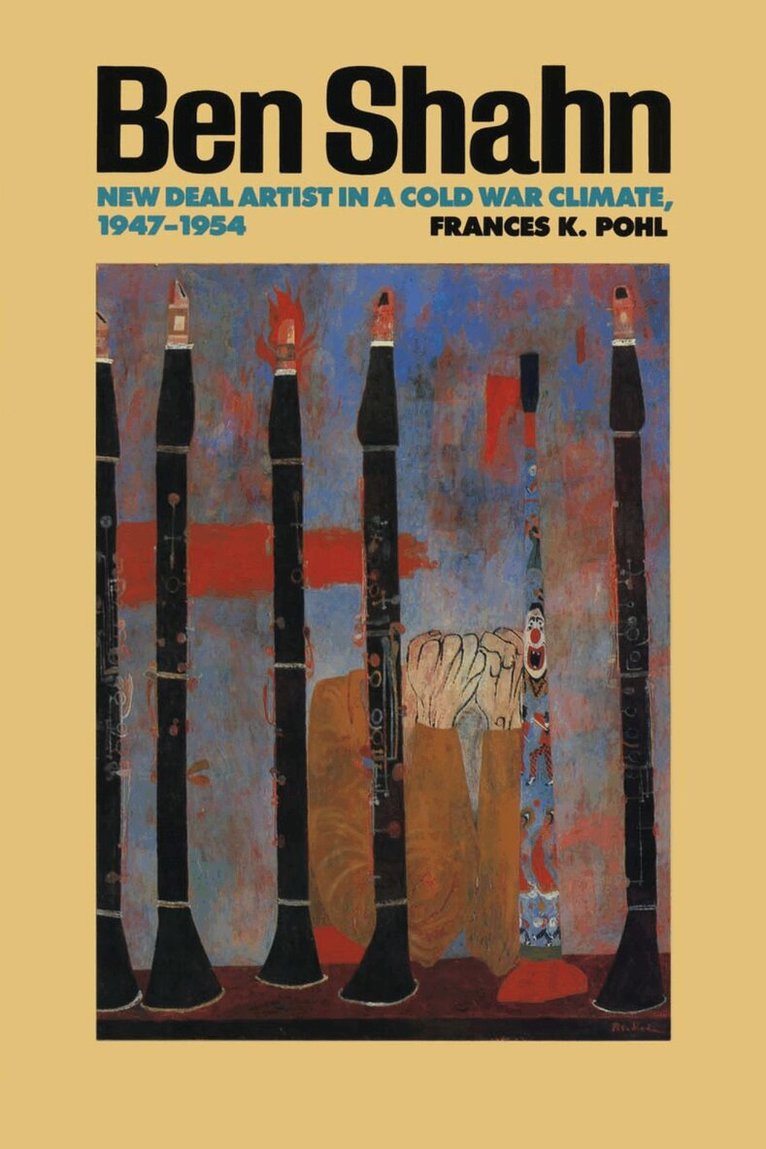
In the first, most intense years of the Cold War (1947–1954), New Deal liberals often found themselves in great disfavor. Ben Shahn's experience presents something of a paradox, however, since his paintings appealed in different ways to both liberals and conservatives. Blacklisted by CBS during the McCarthy era and yet, ironically, incorporated into presidential "campaigns of truth" aimed at improving the U.S. image abroad, Ben Shahn is a pivotal figure, revealing the complexities and contradictions inherent in this highly polarized moment in American history.In this pathbreaking study, Frances Pohl traces the political and artistic struggles Ben Shahn became embroiled in as he tried to remain a socially concerned artist during the early Cold War period. She shows how he rejected the argument, voiced by many Abstract Expressionists, that art and politics should not mix, yet at the same time searched for a way to depict, in universal and allegorical terms, the broad human condition rather than simply specific instances of injustice. Perhaps most important, she makes critical connections between U.S. social and political history and the art it provoked, thus illuminating both the later career of Ben Shahn and the Cold War era in American cultural history.
322 kr
Skickas inom 10-15 vardagar
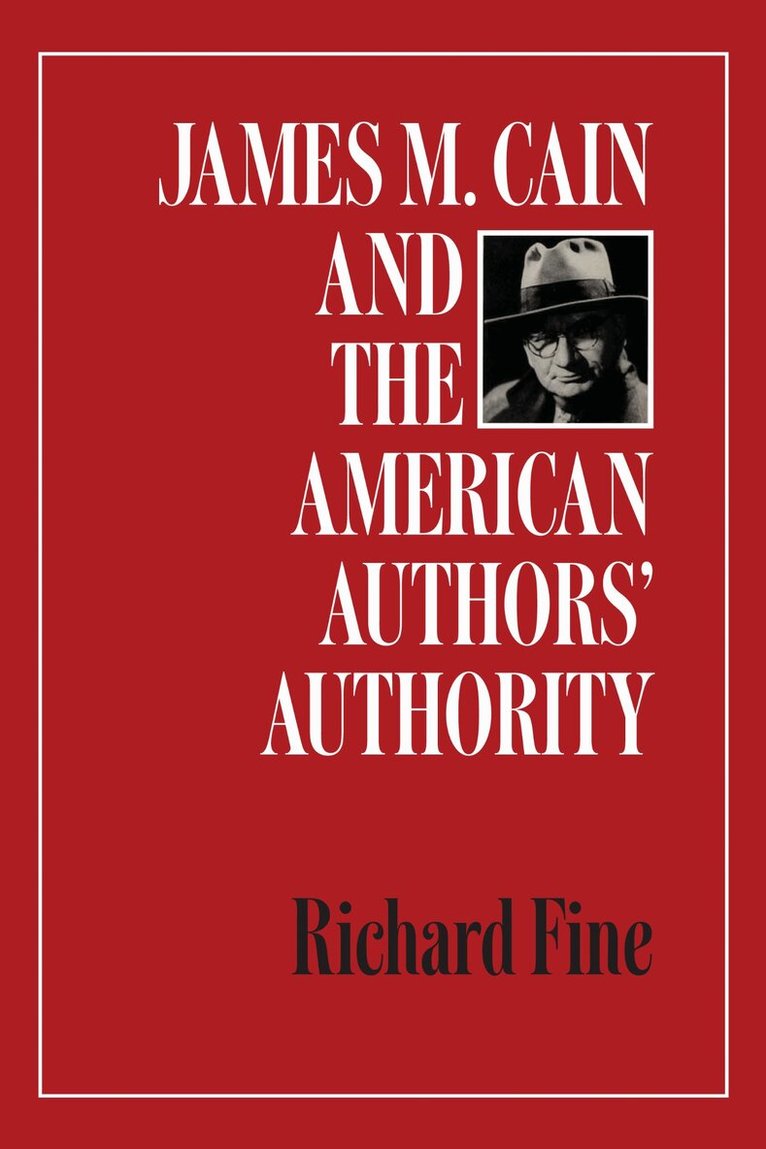
The 1940s offered ever-increasing outlets for writers in book publishing, magazines, radio, film, and the nascent television industry, but the standard rights arrangements often prevented writers from collecting a fair share of the profits made from their work. To remedy this situation, novelist and screenwriter James M. Cain (The Postman Always Rings Twice,Double Indemnity, Mildred Pierce) proposed that all professional writers, including novelists, playwrights, poets, and screenwriters, should organize into a single cartel that would secure a fairer return on their work from publishers and producers. This organization, conceived and rejected within one turbulent year (1946), was the American Authors' Authority (AAA).In this groundbreaking work, Richard Fine traces the history of the AAA within the cultural context of the 1940s. After discussing the profession of authorship as it had developed in England and the United States, Fine describes how the AAA, which was to be a central copyright repository, was designed to improve the bargaining position of writers in the literary marketplace, keep track of all rights and royalty arrangements, protect writers' interests in the courts, and lobby for more favorable copyright and tax legislation.Although simple enough in its design, the AAA proposal ignited a firestorm of controversy, and a major part of Fine's study explores its impact in literary and political circles. Among writers, the AAA exacerbated a split between East and West Coast writers, who disagreed over whether writing should be treated as a money-making business or as an artistic (and poorly paid) calling. Among politicians, a move to unite all writers into a single organization smacked of communism and sowed seeds of distrust that later flowered in the Hollywood blacklists of the McCarthy era.Drawing insights from the fields of American studies, literature, and Cold War history, Fine's book offers a comprehensive picture of the development of the modern American literary marketplace from the professional writer's perspective. It uncovers the effect of national politics on the affairs of writers, thus illuminating the cultural context in which literature is produced and the institutional forces that affect its production.
295 kr
Skickas inom 10-15 vardagar
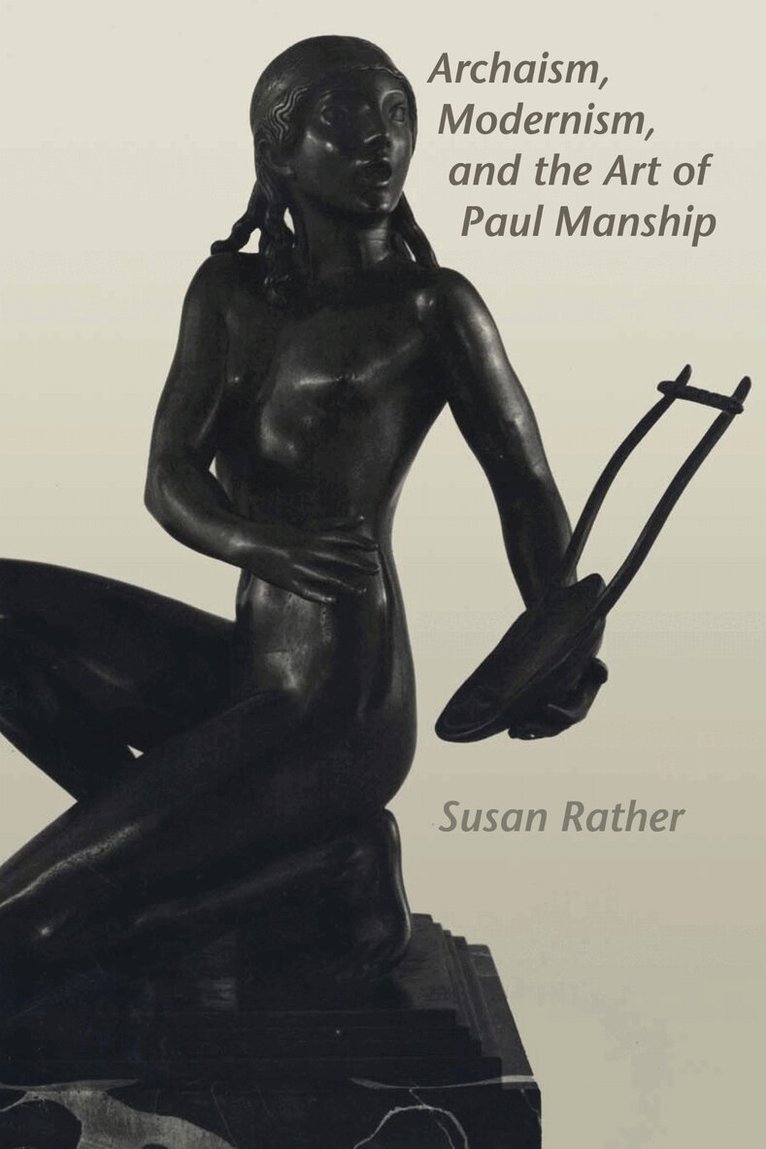
Archaism, an international artistic phenomenon from early in the twentieth century through the 1930s, receives its first sustained analysis in this book. The distinctive formal and technical conventions of archaic art, especially Greek art, particularly affected sculptors-some frankly modernist, others staunchly conservative, and a few who, like American Paul Manship, negotiated the distance between tradition and modernity. Susan Rather considers the theory, practice, and criticism of early twentieth-century sculpture in order to reveal the changing meaning and significance of the archaic in the modern world. To this end-and against the background of Manship’s career-she explores such topics as the archaeological resources for archaism, the classification of the non-Western art of India as archaic, the interest of sculptors in modem dance (Isadora Duncan and Ruth St. Denis), and the changing critical perception of archaism.Rather rejects the prevailing conception of archaism as a sterile and superficial academic style to argue its initial importance as a modernist mode of expression. The early practitioners of archaism-including Aristide Maillol, AndrÉ Derain, and Constantin Brancusi-renounced the rhetorical excess, overrefined naturalism, and indirect techniques of late nineteenth-century sculpture in favor of nonnarrative, stylized and directly carved works, for which archaic Greek art offered an important example. Their position found implicit support in the contemporaneous theoretical writings of Emmanuel LÖwy, Wilhelm Worringer, and Adolf von Hildebrand.The perceived relationship between archaic art and tradition ultimately compromised the modernist authority of archaism and made possible its absorption by academic and reactionary forces during the 1910s. By the 1920s, Paul Manship was identified with archaism, which had become an important element in the aesthetic of public sculpture of both democratic and totalitarian societies. Sculptors often employed archaizing stylizations as ends in themselves and with the intent of evoking the foundations of a classical art diminished in potency by its ubiquity and obsolescence. Such stylistic archaism was not an empty formal exercise but an urgent affirmation of traditional values under siege. Concurrently, archaism entered the mainstream of fashionable modernity as an ingredient in the popular and commercial style known as Art Deco. Both developments fueled the condemnation of archaism-and of Manship, its most visible exemplar-by the avant-garde. Rather’s exploration of the critical debate over archaism, finally, illuminates the uncertain relationship to modernism on the part of many critics and highlights the problematic positions of sculpture in the modernist discourse.