Americas in the World Series - Böcker
Visar alla böcker i serien Americas in the World Series. Handla med fri frakt och snabb leverans.
6 produkter
6 produkter
1 513 kr
Skickas inom 3-6 vardagar
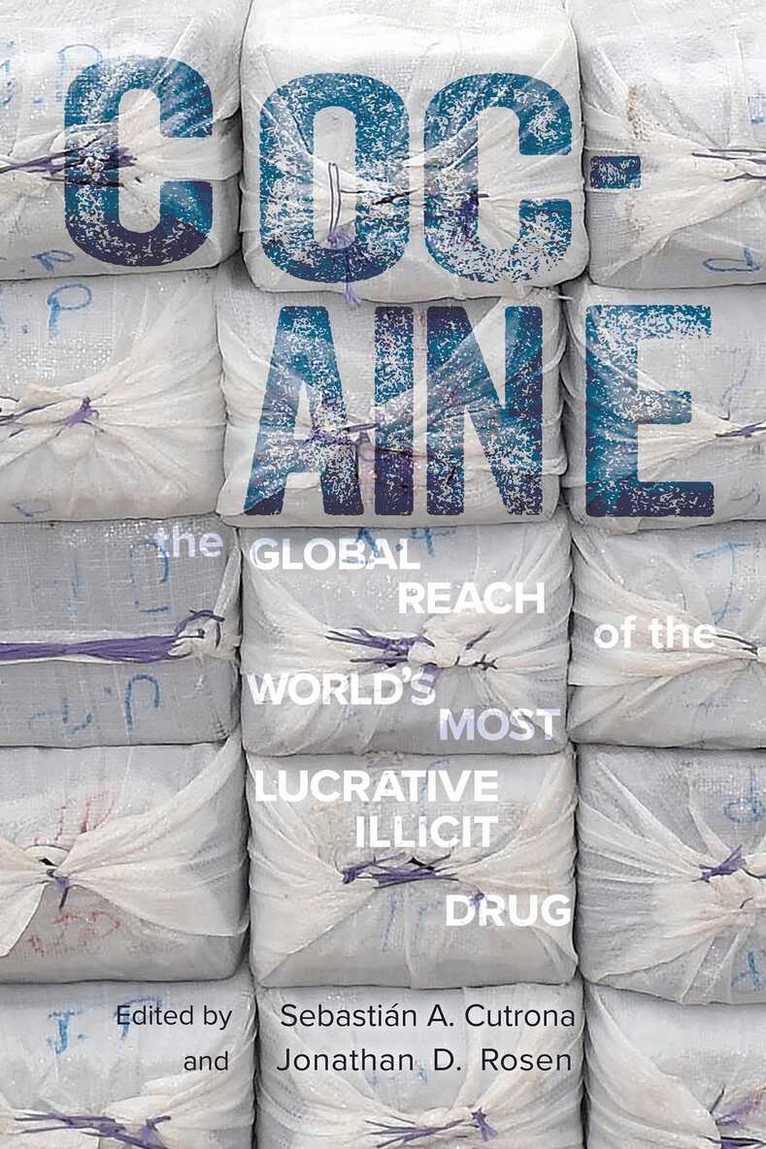
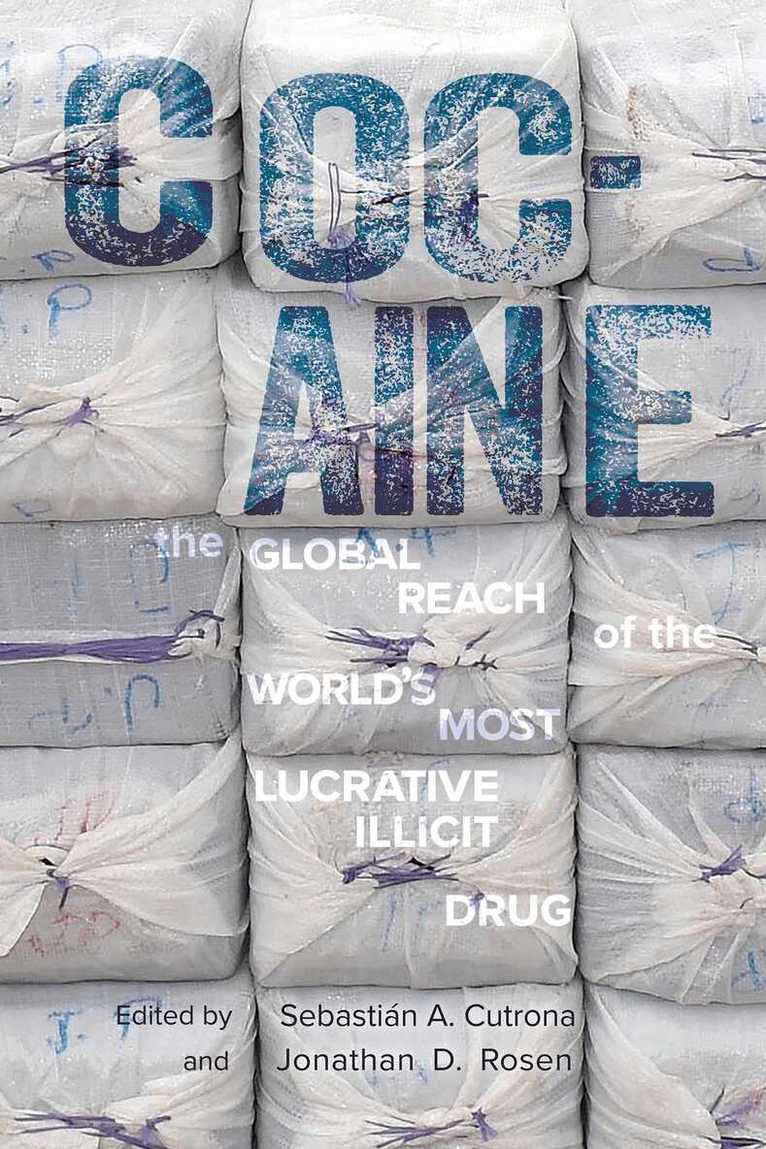
This superbly edited volume provides scholars and general readers with an in depth view of the evolution, nature, dynamics, and consequences of the global cocaine industry. Cocaine: The Global Reach of the World’s Most Lucrative Illicit Drug offers an unprecedented global analysis of the cocaine trade, revealing how the world’s most lucrative illicit market operates today. Unlike previous works that focus on individual countries or regions, this volume takes a global view of the cocaine supply chain, tracking the drug’s journey from coca fields in the Andes to consumers in New York, Lagos, Rotterdam, Sydney, and beyond. With contributions from leading scholars in criminology, sociology, and political science, it sheds light on the expanding networks of criminal organizations that connect producer countries in Latin America to consumer markets worldwide. The book explores the profound transformation of the cocaine market, which has shifted from being dominated by a few powerful cartels to a fragmented and highly competitive underworld. Colombian, Mexican, and Brazilian organizations have traditionally controlled the market, but new actors, including Nigerian and Albanian syndicates, have emerged as key players. From the rise of transshipment hubs in West Africa to nontraditional trafficking routes in Asia, this volume demonstrates how criminal organizations adapt to evolving market demands and law enforcement crackdowns. Just as multinational corporations streamline production, cocaine traffickers around the world manage logistics, transportation, and financial flows across continents. Yet unlike legal industries, the cocaine market thrives on secrecy, violence, and corruption, making it one of the most resilient global enterprises. By bridging theoretical frameworks from different disciplines, this volume deepens our understanding of how the global illicit economy functions. From the campesinos harvesting coca to the street dealers in Europe and the United States, the book emphasizes the interconnectedness of all actors in this lucrative, dangerous market. Furthermore, it critiques the failures of international counter-drug efforts, revealing how institutional corruption and state fragility perpetuate the trade. This book is an essential resource for policymakers, scholars, and anyone seeking to understand the complexities of the global cocaine economy.
420 kr
Skickas inom 3-6 vardagar
This superbly edited volume provides scholars and general readers with an in depth view of the evolution, nature, dynamics, and consequences of the global cocaine industry. Cocaine: The Global Reach of the World’s Most Lucrative Illicit Drug offers an unprecedented global analysis of the cocaine trade, revealing how the world’s most lucrative illicit market operates today. Unlike previous works that focus on individual countries or regions, this volume takes a global view of the cocaine supply chain, tracking the drug’s journey from coca fields in the Andes to consumers in New York, Lagos, Rotterdam, Sydney, and beyond. With contributions from leading scholars in criminology, sociology, and political science, it sheds light on the expanding networks of criminal organizations that connect producer countries in Latin America to consumer markets worldwide.The book explores the profound transformation of the cocaine market, which has shifted from being dominated by a few powerful cartels to a fragmented and highly competitive underworld. Colombian, Mexican, and Brazilian organizations have traditionally controlled the market, but new actors, including Nigerian and Albanian syndicates, have emerged as key players. From the rise of transshipment hubs in West Africa to nontraditional trafficking routes in Asia, this volume demonstrates how criminal organizations adapt to evolving market demands and law enforcement crackdowns.Just as multinational corporations streamline production, cocaine traffickers around the world manage logistics, transportation, and financial flows across continents. Yet unlike legal industries, the cocaine market thrives on secrecy, violence, and corruption, making it one of the most resilient global enterprises.By bridging theoretical frameworks from different disciplines, this volume deepens our understanding of how the global illicit economy functions. From the campesinos harvesting coca to the street dealers in Europe and the United States, the book emphasizes the interconnectedness of all actors in this lucrative, dangerous market. Furthermore, it critiques the failures of international counter-drug efforts, revealing how institutional corruption and state fragility perpetuate the trade. This book is an essential resource for policymakers, scholars, and anyone seeking to understand the complexities of the global cocaine economy.
Transnational Humans and Transnationalisms in the Humanities
Crossing Boundaries in the Americas
Inbunden, Engelska, 2026
1 469 kr
Skickas inom 3-6 vardagar
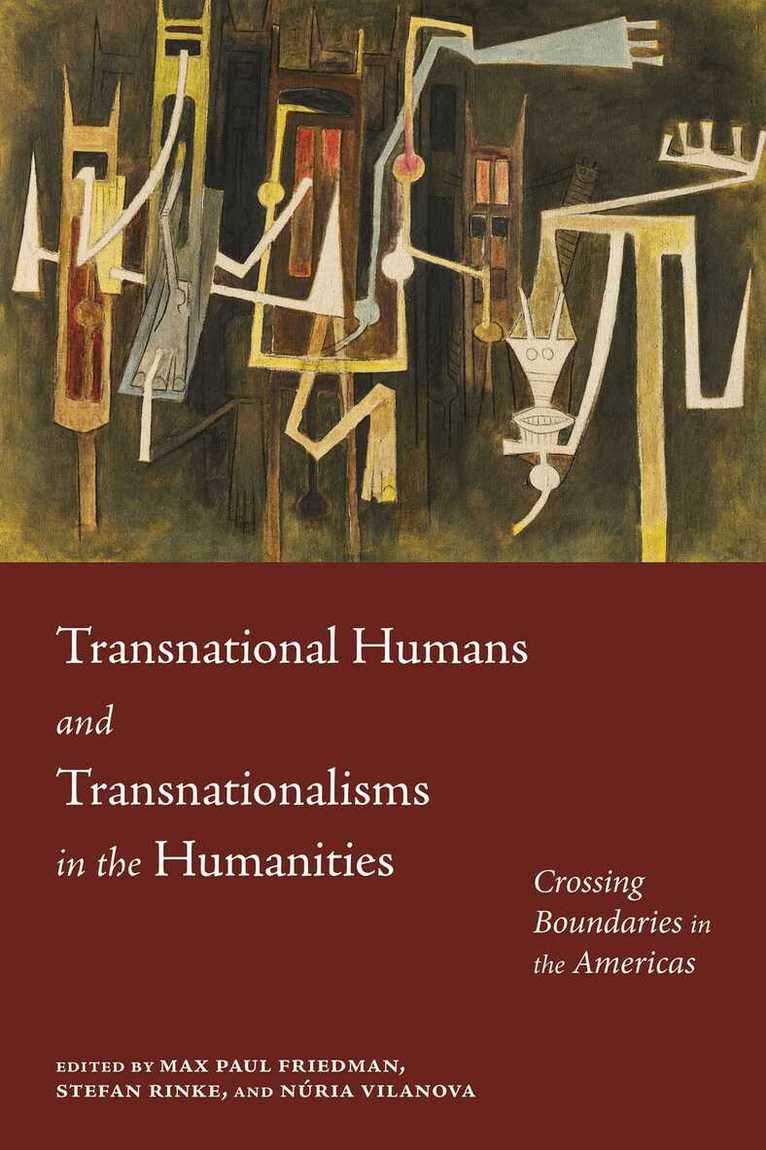
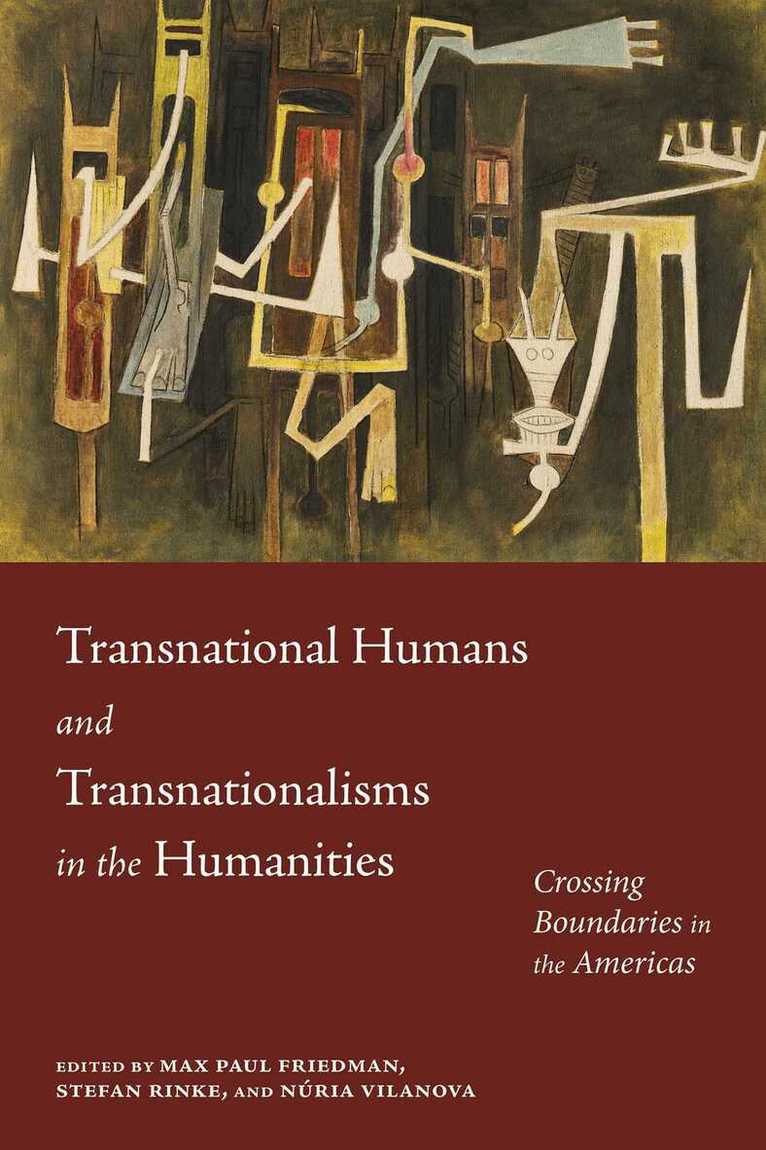
This unique anthology from scholars across the humanities and allied fields presents a vivid picture of the state of scholarship on transnationalism today.Are we living in a transnational world? The 900 percent rise in the use of “transnationalism” in publications since 1995 testifies to a defining phenomenon. International migration has increased two-thirds since 1980, and the global circulation of capital, media, and culture has intensified, provoking nationalist political backlash worldwide.This collection of studies on exile, social science, indigeneity, gender activism, music and dance, gangs, sex work, narcofiction, and cinema examines how transnational forces influence racial difference, national identity, immigrant exclusion, state power, and cultural expression in the Americas. It explores how the physical and symbolic movement of humans and their artifacts shapes ideas and challenges accepted notions of national and conceptual boundaries among them. By addressing the impact of digital technologies on spatialization, by challenging emerging conventions on transnationalism, and by fostering interdisciplinary exchange, the book enriches our understanding of transnational lives and provides tools for exploring the transnational turn.
Transnational Humans and Transnationalisms in the Humanities
Crossing Boundaries in the Americas
Häftad, Engelska, 2026
738 kr
Skickas inom 3-6 vardagar
This unique anthology from scholars across the humanities and allied fields presents a vivid picture of the state of scholarship on transnationalism today.Are we living in a transnational world? The 900 percent rise in the use of “transnationalism” in publications since 1995 testifies to a defining phenomenon. International migration has increased two-thirds since 1980, and the global circulation of capital, media, and culture has intensified, provoking nationalist political backlash worldwide.This collection of studies on exile, social science, indigeneity, gender activism, music and dance, gangs, sex work, narcofiction, and cinema examines how transnational forces influence racial difference, national identity, immigrant exclusion, state power, and cultural expression in the Americas. It explores how the physical and symbolic movement of humans and their artifacts shapes ideas and challenges accepted notions of national and conceptual boundaries among them. By addressing the impact of digital technologies on spatialization, by challenging emerging conventions on transnationalism, and by fostering interdisciplinary exchange, the book enriches our understanding of transnational lives and provides tools for exploring the transnational turn.
Battle for Brazil
Resistance, Renewal, and the War Against the Dutch, 1580–1654
Inbunden, Engelska, 2026
1 513 kr
Skickas inom 3-6 vardagar
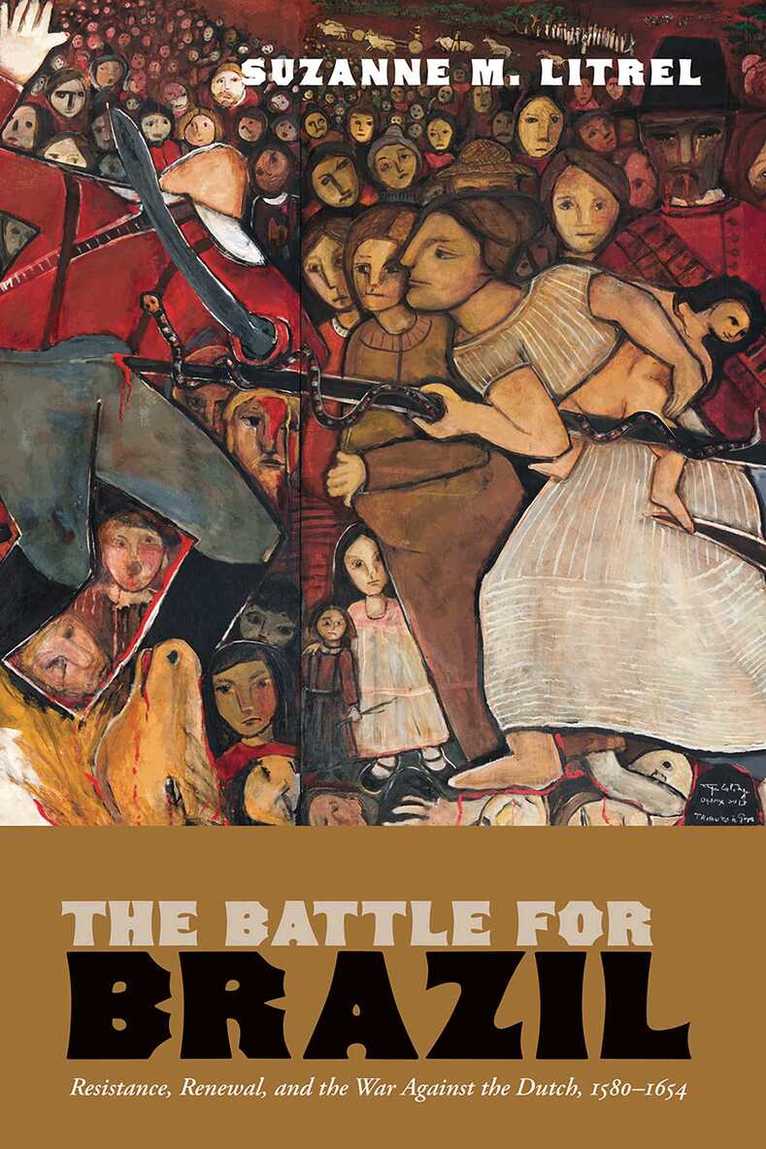
This book examines a crucial turning point in the colonial history of Brazil and especially the enduring consequences of local and trans-Atlantic resistance to Dutch colonialism. From a desert death march in North Africa to the war-torn beaches of Bahia, The Battle for Brazil: Resistance, Renewal, and the War Against the Dutch, 1580–1654 integrates Portuguese prophecy, myth, and tradition with on-the-ground action. A remarkable moment in an enduring global contest, the Dutch challenge for Brazil was sparked by the 1580 Spanish claim of the Portuguese throne. The Netherlanders, already locked in battle against Habsburg Spain, turned on their old trading partners, and Portuguese trading posts fell to the Dutch East India Company’s relentless assaults. Then the Dutch turned west—to Brazil. In 1624, Portuguese soldiers, priests, and their indigenous allies pinned invading Dutch West India Company troops to the town of Salvador, Bahia. The following year, a joint Luso-Spanish armada helped oust the Dutch—a short-lived interlude in the battle for Brazil (1630–1654). As town by town fell to the enemy, and as the West India Company expanded control over the Brazilian northeast, it seemed that the contested colony would go Dutch. By the end of 1640, the restoration of an independent Portugal ended sixty years of Spanish rule, but this did not end the kingdom’s trials. With Dom João IV of Braganza on the throne, the kingdom of Portugal now faced a two-front challenge—at home, from Spain, and abroad, from the Dutch. Within five years, lackluster support from Lisbon prompted a new phase of local resistance against the Dutch in Brazil. This defiance manifested in what would become known as the “Divine War of Liberation”—and with it, an emergent Luso-Brazilian identity. On the ground, cross-class and transatlantic alliance and coordination, formed in the first Dutch assault, only strengthened during the next nine years. The Battle for Brazil highlights the actions of once-marginalized men and women of European, African, Indigenous, and mixed descent who helped force final Dutch surrender by 1654. On both sides of the Atlantic, the battle for Brazil proved a spiritual venture and a reckoning, shaping a new world to come.
Battle for Brazil
Resistance, Renewal, and the War Against the Dutch, 1580–1654
Häftad, Engelska, 2026
609 kr
Skickas inom 3-6 vardagar
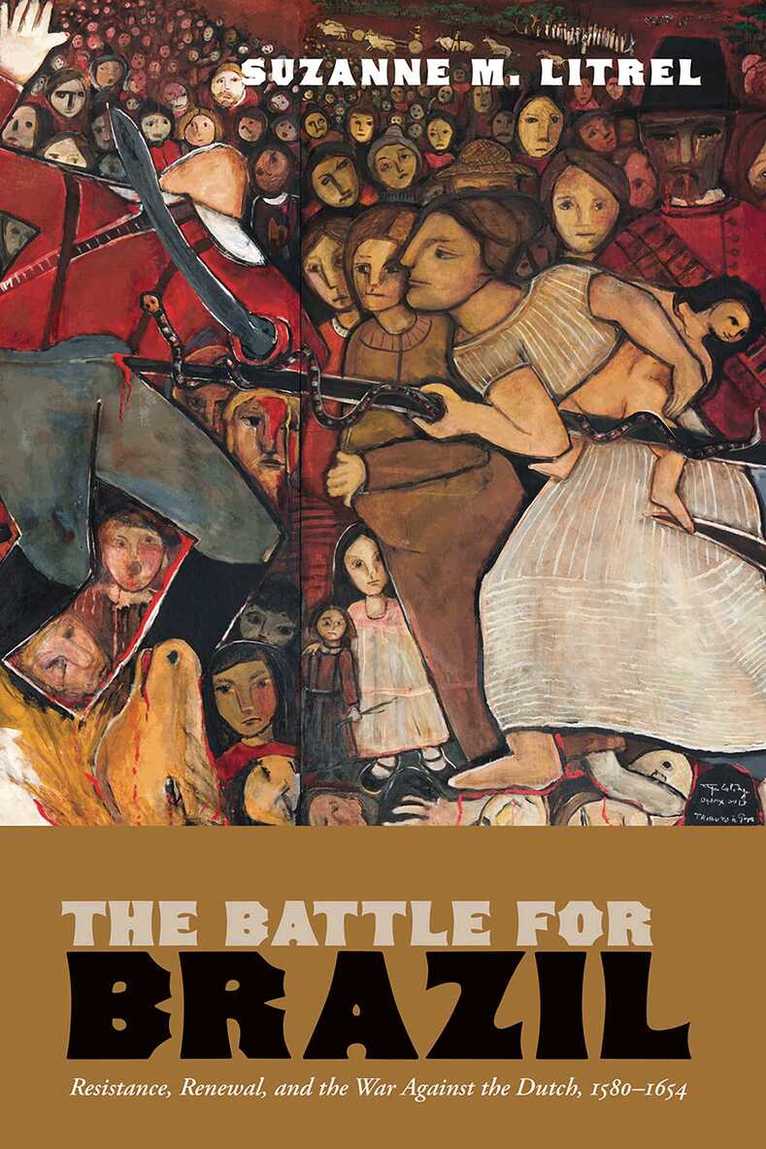
This book examines a crucial turning point in the colonial history of Brazil and especially the enduring consequences of local and trans-Atlantic resistance to Dutch colonialism. From a desert death march in North Africa to the war-torn beaches of Bahia, The Battle for Brazil: Resistance, Renewal, and the War Against the Dutch, 1580–1654 integrates Portuguese prophecy, myth, and tradition with on-the-ground action. A remarkable moment in an enduring global contest, the Dutch challenge for Brazil was sparked by the 1580 Spanish claim of the Portuguese throne. The Netherlanders, already locked in battle against Habsburg Spain, turned on their old trading partners, and Portuguese trading posts fell to the Dutch East India Company’s relentless assaults. Then the Dutch turned west—to Brazil. In 1624, Portuguese soldiers, priests, and their indigenous allies pinned invading Dutch West India Company troops to the town of Salvador, Bahia. The following year, a joint Luso-Spanish armada helped oust the Dutch—a short-lived interlude in the battle for Brazil (1630–1654). As town by town fell to the enemy, and as the West India Company expanded control over the Brazilian northeast, it seemed that the contested colony would go Dutch. By the end of 1640, the restoration of an independent Portugal ended sixty years of Spanish rule, but this did not end the kingdom’s trials. With Dom João IV of Braganza on the throne, the kingdom of Portugal now faced a two-front challenge—at home, from Spain, and abroad, from the Dutch. Within five years, lackluster support from Lisbon prompted a new phase of local resistance against the Dutch in Brazil. This defiance manifested in what would become known as the “Divine War of Liberation”—and with it, an emergent Luso-Brazilian identity. On the ground, cross-class and transatlantic alliance and coordination, formed in the first Dutch assault, only strengthened during the next nine years. The Battle for Brazil highlights the actions of once-marginalized men and women of European, African, Indigenous, and mixed descent who helped force final Dutch surrender by 1654. On both sides of the Atlantic, the battle for Brazil proved a spiritual venture and a reckoning, shaping a new world to come.