Global Studies in Medicine, Science, Race, and Colonialism – Serie
Visar alla böcker i serien Global Studies in Medicine, Science, Race, and Colonialism. Handla med fri frakt och snabb leverans.
5 produkter
5 produkter
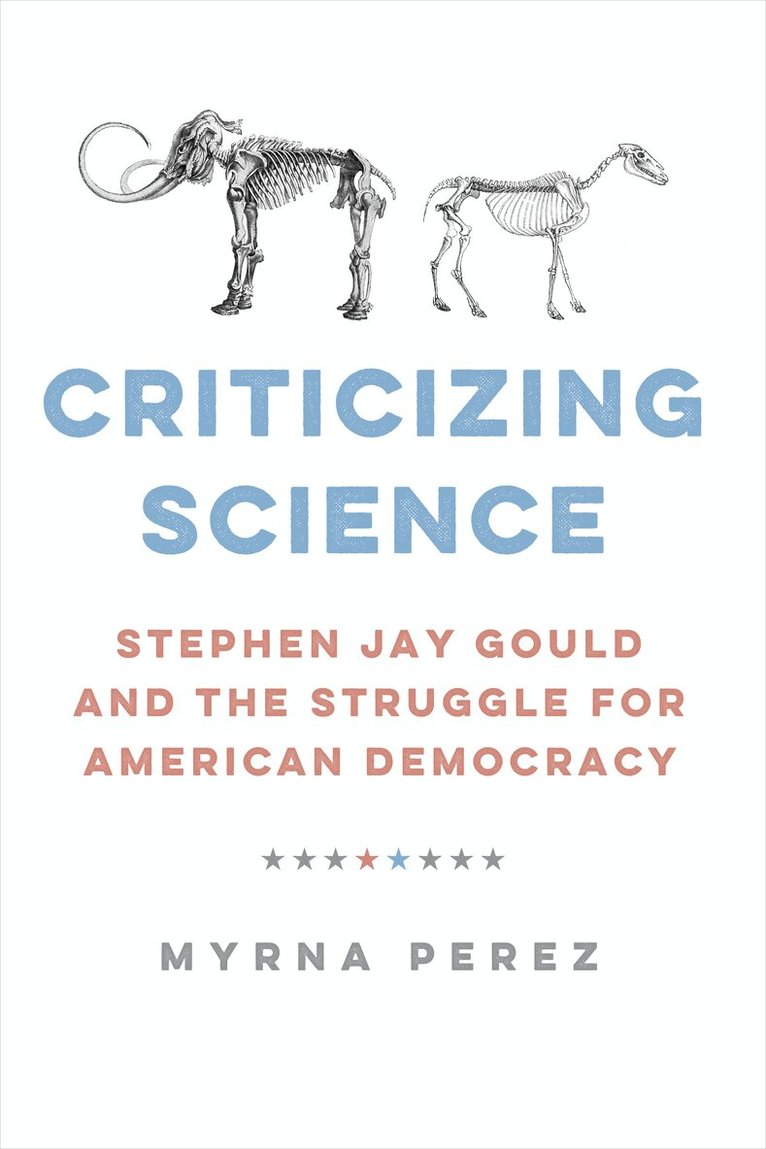
Criticizing Science
Stephen Jay Gould and the Struggle for American Democracy
Inbunden, Engelska, 2024
604 kr
Skickas inom 7-10 vardagar
How Stephen Jay Gould's career illustrates that criticizing science is important for American democracy.The question of public trust in science feels newly urgent, but today is not the first time that opposing ends of the American political spectrum have critiqued modern science. This dynamic has historical roots in the early 1970s, when critiques of science emerged simultaneously out of Civil Rights, feminist, and decolonization movements on the left, as well as within the creationism of the Christian Right. In Criticizing Science, Myrna Perez follows the public career of evolutionary biologist, political leftist, and anti-creationist Stephen Jay Gould during the final decades of the American twentieth century. Gould believed that denaturalizing scientific objectivity could be part of the greater work of racial and gender justice in the United States. Perez shows the promises and limitations of Gould's view—most famously expressed in his 1981 book The Mismeasure of Man—that the collective self-reflection on the history of scientific bias would lead to a better, less oppressive science. She argues that we must instead contend with the radical possibilities that are opened by working for a resolutely democratic science. By centering Gould, Perez clarifies divides among left, liberal, and right-wing movements over evolutionary science during the rise of the Christian Right and the expansion of academic feminism. These divides continue to shape contemporary debates over climate change, vaccines, abortion policy, and the nature of gender in present-day American politics.
441 kr
Skickas inom 7-10 vardagar
Offers reflections, provocative questions, and practical strategies for ethical, responsible approaches to health history.In Do Less Harm, editors Courtney E. Thompson and Kylie M. Smith bring together a group of leading historians and scholars to confront one of the most pressing questions in health history: How can we ethically approach stories of medicine and health without perpetuating harm? This thought-provoking collection invites readers into a crucial conversation about the responsibilities of historians when documenting the past. Through carefully curated essays, the contributors explore the ethical dilemmas that arise in researching, teaching, and writing about the history of health care. From patient privacy to the politics of archives, the essays cover how health histories have often overlooked, misunderstood, or misrepresented the people and communities most affected by medical practices. The contributors challenge the assumptions of the field, offering a more thoughtful approach to historical research—one that emphasizes empathy, accountability, and inclusivity. The book raises provocative questions and proposes practical strategies for historians and scholars to do less harm in their work and is organized around key themes such as research, teaching, writing, and public engagement, making it an indispensable resource for anyone working in the history of health care, ethics, or the health humanities. With its engaging style and accessible insights, Do Less Harm offers a fresh and timely perspective for academics, students, and readers interested in the ethical challenges of representing the past.
713 kr
Skickas inom 7-10 vardagar
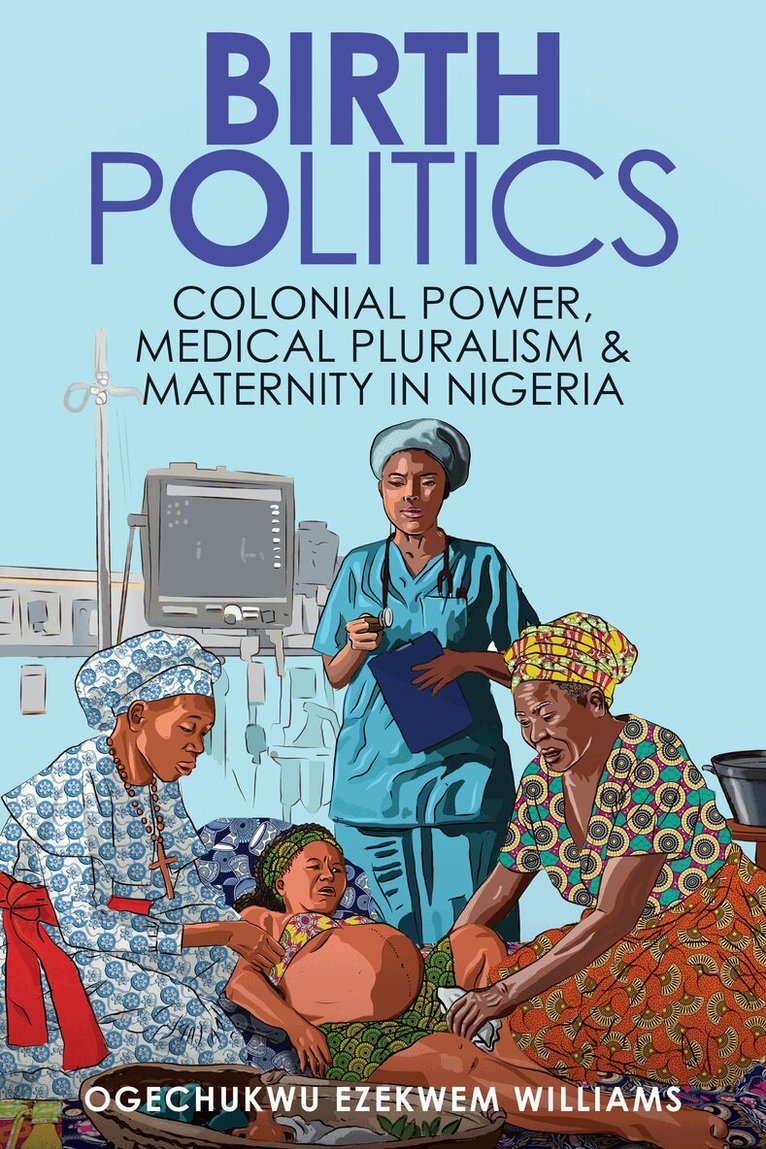
An exploration of the cultural, political, religious, and gender dynamics of Nigeria's maternal health care landscape.In Birth Politics, Ogechukwu E. Williams examines the cultural, political, and medical connections that have shaped childbirth in Nigeria from the colonial era to the present. Offering a unique perspective on competing frameworks and their influence on Nigerian maternal health care, this book calls attention to the complex relationships between traditional midwives, biomedical maternities, and faith-based birthing homes. With a focus on Nigeria's colonial and post-colonial history, Williams explores how childbirth became a battleground for control, legitimacy, and societal transformation. Through critical examination, the work reveals how international organizations and local actors—ranging from traditional healers to missionary nurses and Aladura faith leaders—negotiated their roles within an evolving health care landscape. By underscoring the intersections that emerged among these players, it also addresses the urgent relevance of medical pluralism in tackling contemporary health inequities and Nigeria's ongoing challenges with maternal mortality. Highlighting the influences of international organizations, colonial administrators, and indigenous practitioners, Williams provides a comprehensive and nuanced history that redefines our understanding of reproductive health care and its deeply rooted connections to state power, gender dynamics, religious sentiments, and cultural identity.
713 kr
Skickas inom 7-10 vardagar
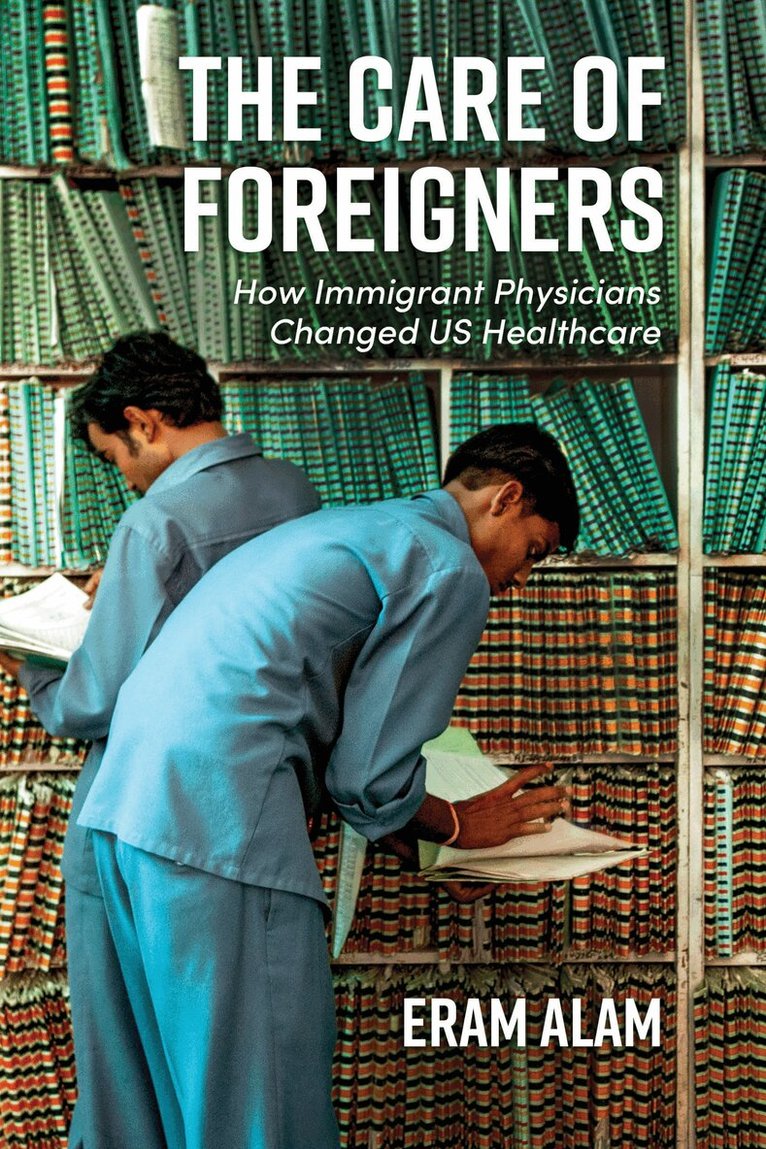
Why did South Asian physicians become essential to US health care starting in 1965?For more than 60 years, the United States has trained fewer physicians than it needs, relying instead on the economically expedient option of soliciting immigrant physicians trained at the expense of other countries. In The Care of Foreigners, Eram Alam examines this migratory dynamic that began during the Cold War.The passage of the Hart–Celler Immigration and Nationality Act of 1965 expedited the entry of foreign medical graduates (FMGs) from postcolonial South Asia and sent them to provide care in shortage areas throughout the United States. Although this arrangement was conceived as temporary, over the decades it has become a permanent fixture of the medical system, with FMGs comprising at least a quarter of the physician labor force since the act became law. This cohort of practitioners has not been extensively studied, rendering the impacts of immigration and foreign policy on the everyday mechanics of US health care obscure. Alam foregrounds global dynamics embedded in the medical system to ask how and why Asian physicians—and especially practitioners from South Asia—have become integral to US medical practice and ubiquitous in the US public imaginary.Drawing on transcripts of congressional hearings; medical, scientific, and social scientific literature; ethnographies; oral histories; and popular media, Alam explores the enduring consequences of postcolonial physician migration. Combining theoretical and methodological insights from a range of disciplines, this book analyzes both the care provided by immigrant physicians as well as the care extended to them as foreigners.
713 kr
Skickas inom 7-10 vardagar
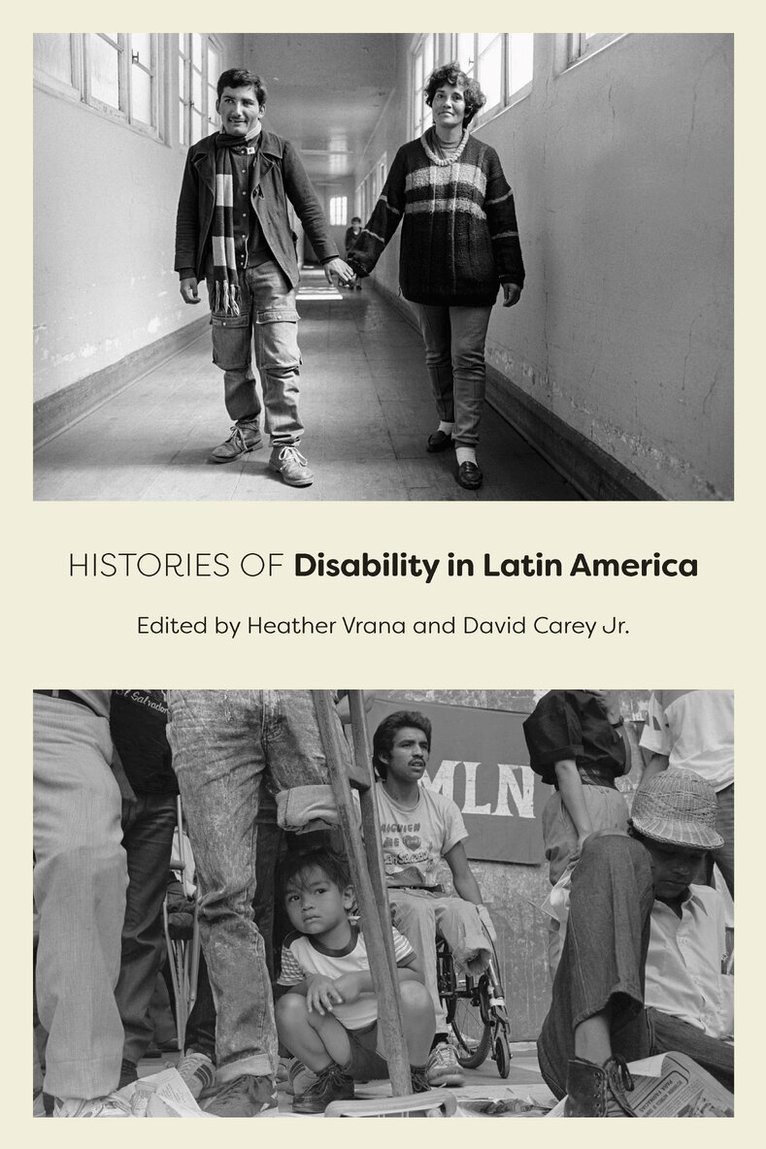
Reframing disability, power, and identity in Latin America's complex histories.Histories of Disability in Latin America offers a sweeping reexamination of disability's place in the region's past, bringing together original scholarship by historians and anthropologists to illuminate how bodies, minds, and the concept of difference have been understood across centuries of Latin American history. Edited by Heather Vrana and David Carey Jr., this volume foregrounds the lived experiences, agency, and social meanings of disability in a region too often marginalized in global disability studies. With contributions and case studies based on archival and ethnographic research, the book illustrates how colonialism, slavery, war, industrialization, imperialism, and revolution have generated both disability and distinctive conceptions of disability. Rather than applying rigid Western frameworks, contributors examine Indigenous and Afro–Latin American terminologies and epistemologies to explore how societies have made sense of bodily difference, care, and capacity. In doing so, they critically engage medicalized and deficit-based interpretations that have long dominated historical and scholarly narratives. This collection shifts the center of inquiry to Latin America, interrogates presentist assumptions, and reconsiders the historical emergence of disability through the prisms of race, class, gender, and power. Histories of Disability in Latin America engages and expands key debates in both disability studies and Latin American historiography. This book invites readers to rethink what disability has meant—and continues to mean—across time and place. It is essential reading for those interested in the entanglements of embodiment, identity, and the historical forces that have shaped life in the Americas.