Ethnic Conflict: Studies in Nationality, Race, and Culture – serie
Visar alla böcker i serien Ethnic Conflict: Studies in Nationality, Race, and Culture. Handla med fri frakt och snabb leverans.
10 produkter
10 produkter
430 kr
Skickas inom 7-10 vardagar
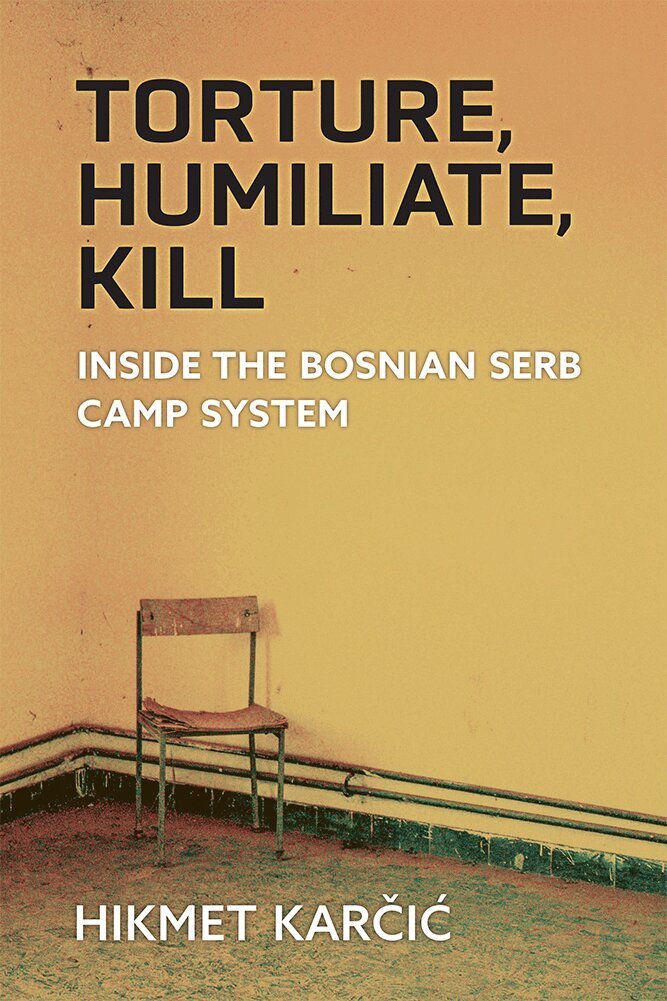
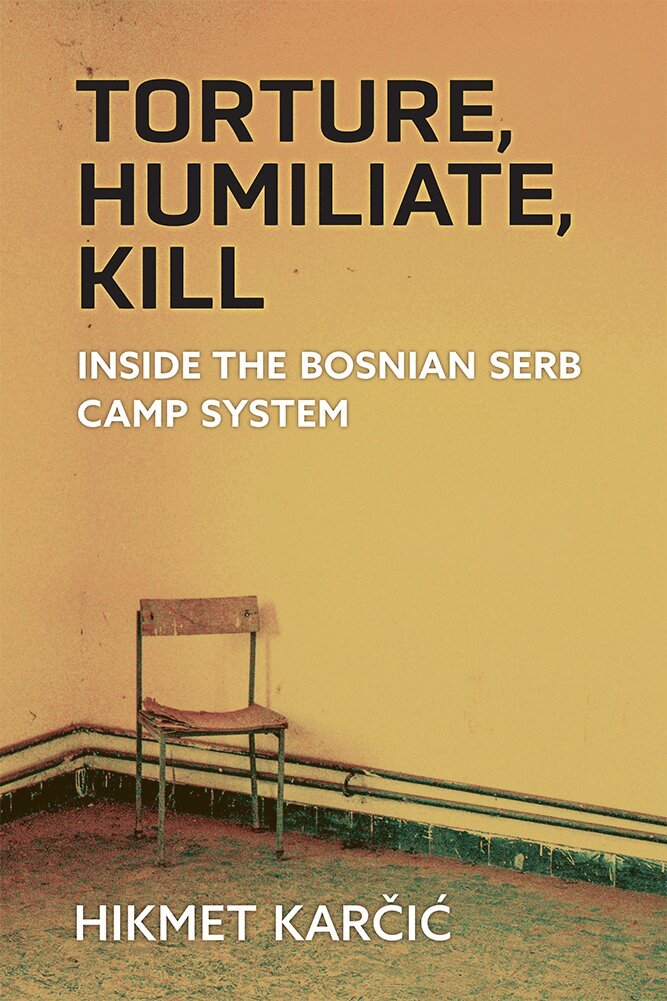
Half a century after the Holocaust, on European soil, Bosnian Serbs orchestrated a system of concentration camps where they subjected their Bosniak Muslim and Bosnian Croat neighbors to torture, abuse, and killing. Foreign journalists exposed the horrors of the camps in the summer of 1992, sparking worldwide outrage. This exposure, however, did not stop the mass atrocities. Hikmet Karčić shows that the use of camps and detention facilities has been a ubiquitous practice in countless wars and genocides in order to achieve the wartime objectives of perpetrators. Although camps have been used for different strategic purposes, their essential functions are always the same: to inflict torture and lasting trauma on the victims.Torture, Humiliate, Kill develops the author’s collective traumatization theory, which contends that the concentration camps set up by the Bosnian Serb authorities had the primary purpose of inflicting collective trauma on the non-Serb population of Bosnia and Herzegovina. This collective traumatization consisted of excessive use of torture, sexual abuse, humiliation, and killing. The physical and psychological suffering imposed by these methods were seen as a quick and efficient means to establish the Serb “living space.” Karčić argues that this trauma was deliberately intended to deter non-Serbs from ever returning to their pre-war homes. The book centers on multiple examples of experiences at concentration camps in four towns operated by Bosnian Serbs during the war: Prijedor, Bijeljina, Višegrad, and Bileća. Chosen according to their political and geographical position, Karčić demonstrates that these camps were used as tools for the ethno-religious genocidal campaign against non-Serbs. Torture, Humiliate, Kill is a thorough and definitive resource for understanding the function and operation of camps during the Bosnian genocide.
532 kr
Skickas inom 7-10 vardagar
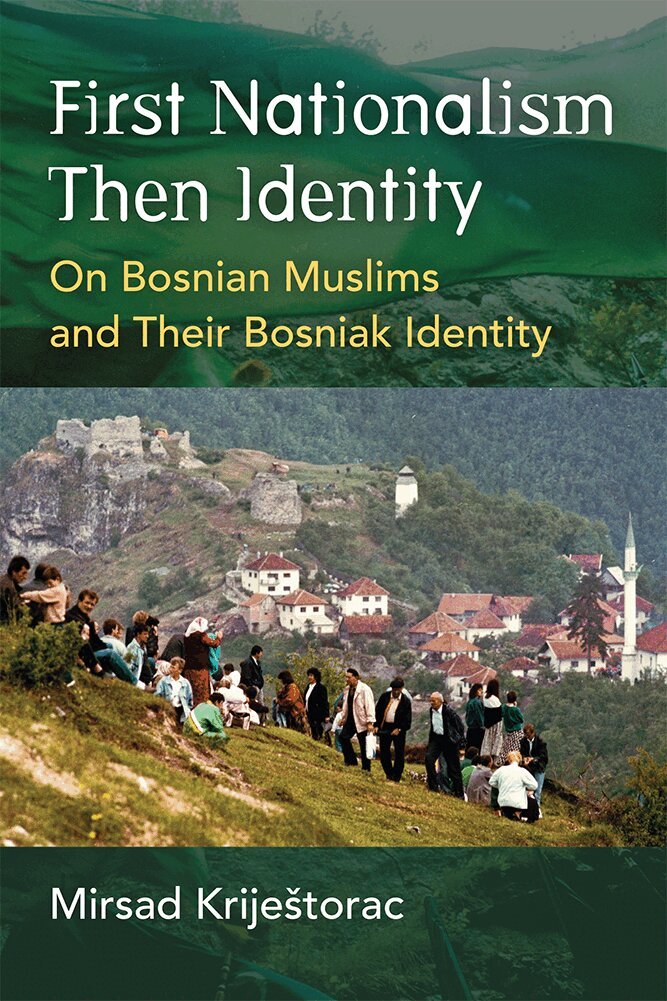
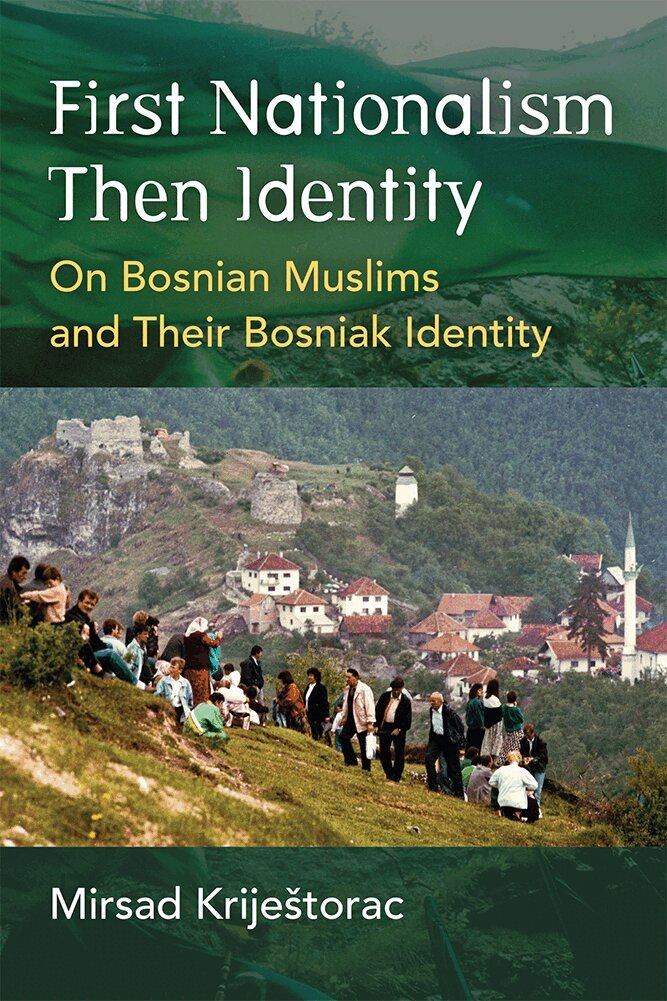
First Nationalism Then Identity focuses on the case of Bosnian Muslims, a rare historic instance of a new nation emerging. Although for Bosnian Muslims the process of national emergence and the assertion of a new salient identity have been going on for over two decades, Mirsad Kriještorac is the first to explain the significance of the whole process and how the adoption of their new Bosniak identity occurred. He provides a historical overview of Yugoslav and Bosnian Slavic Muslims’ transformation into a full-fledged distinct and independent national group as well as addresses the important question in the field of nationalism studies about the relationship between and workings of nationalism and identity. While this book is noteworthy for ordinary readers interested in the case of Bosnian Muslims, it is an important contribution to the scholarly debate on the role of nationalism in the political life of a group and adds an interdisciplinary perspective to comparative politics scholarship by drawing from anthropology, history, geography, and sociology.
437 kr
Skickas inom 7-10 vardagar
Book of the Disappeared confronts worldwide human rights violations of enforced disappearance and genocide and explores the global quest for justice with forceful, outstanding contributions by respected scholars, expert practitioners, and provocative contemporary artists. This profoundly humane book spotlights our historic inhumanity while offering insights for survival and transformation.
Minority Memory, Identity, and Reconciliation
The Turkish Muslim Minority of Greece and the Greek Orthodox Minority of Türkiye
Häftad, Engelska, 2025
361 kr
Skickas inom 7-10 vardagar
Migration and minority rights are increasingly at the forefront of global discourse. Minority Memory, Identity, and Reconciliation explores the lives of two often overlooked minority communities: the Greek Orthodox minority in Istanbul, Türkiye, and the Turkish Muslim minority in Western Thrace, Greece. As empires dissolved, the leaders and political elites of new, smaller nations that emerged embarked on population exchanges to increase the ethnic and religious homogeneity of their nation-states. Although these two minority communities differ in religious, ethnic, and socioeconomic terms, they both offer unique perspectives on what happens to people who live on what is perceived as the wrong side of an arbitrarily drawn border. Drawing from the personal stories of members of these two minority communities regarding their struggle with displacement, discrimination, and cultural assimilation, as well as comprehensive historical analysis, this book examines how historical traumas, national policies, and sociopolitical dynamics have influenced contemporary minority memory and identity formation. By incorporating interviews with community leaders, civil society representatives, and state officials, this book offers a rich, multifaceted perspective on the processes of memory and identity formation that underscores the broader implications of these processes for international relations in the region and minority rights. Gül M. Gür pulls together theories of nationalism, collective memory, and narrative practice to highlight the unique process of minority memory work and its role in sustaining minority identity and their advocacy efforts.
547 kr
Skickas inom 7-10 vardagar
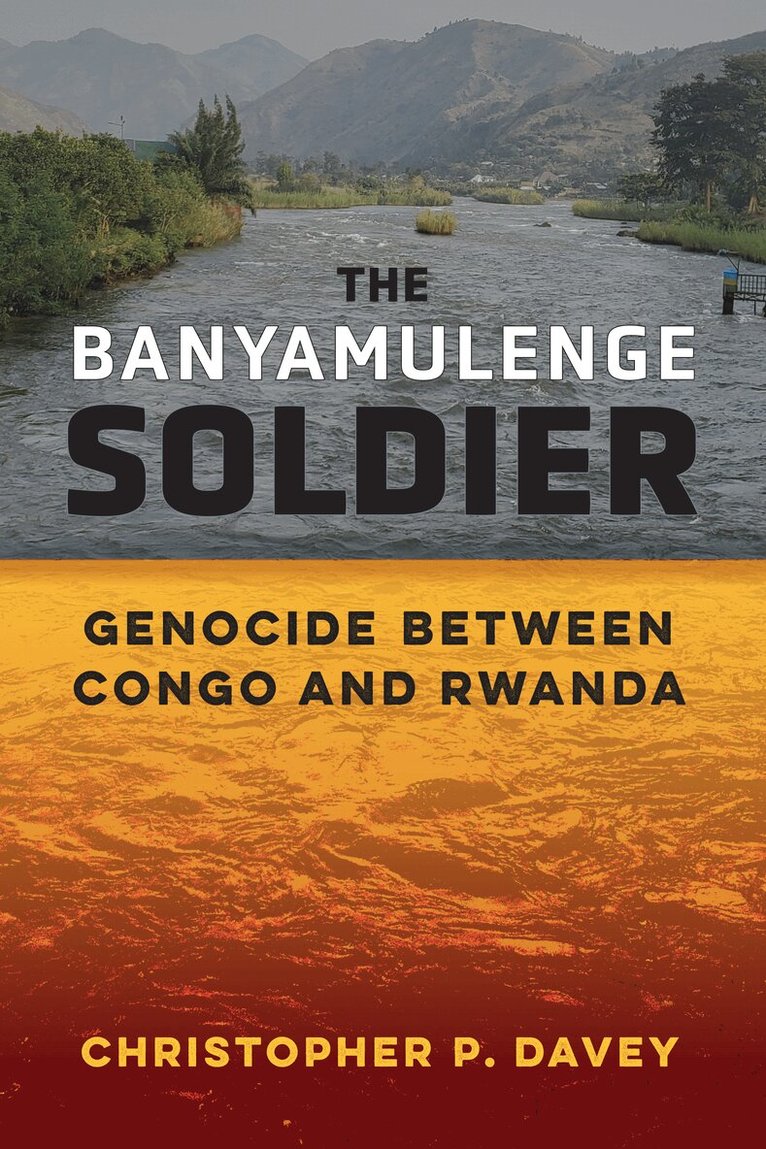
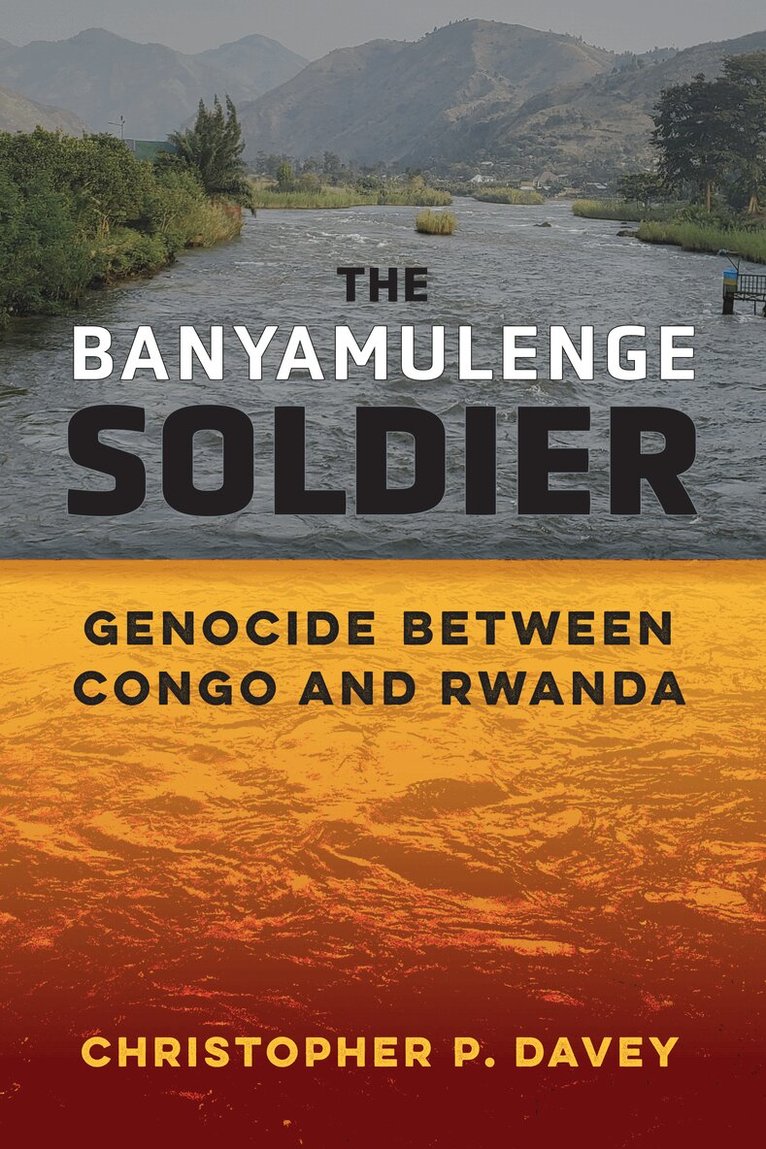
The Banyamulenge Soldier offers a critical analysis of combatant experiences from within the Rwandan Patriotic Front (RPF) and subsequent armed groups through the interpretation of Banyamulenge soldier narratives. Banyamulenge young men joined the RPF and acted as foot soldiers in the RPF’s fight against the genocidaire in 1994 and later conflicts, becoming active agents of conflict in the region up to the present. In examining the highly political discourse and stories around the Rwandan conflict and Congo wars, this book examines RPF memory, the evolution of its uses of violence, and how these memories have shaped Banyamulenge combatants. Challenging the preconceived perpetrator and victim categories with a forward-thinking approach using the concept of genocide narrative identity—meaning a narrative identity shaped by experiences of social destruction or uses of genocide as a concept—Christopher P. Davey reveals how the stories we tell about ourselves shapes who we are. He shows that Banyamulenge experiences of genocide between Congo and Rwanda are layered around agencies of victimhood and perpetration of genocide. Using soldier and other community narratives, Davey examines the subjective nature of genocide in perception of an event, strategic deployment of the label, and in the (re)shaping of social worlds inhabited by this community and therefore impacting others in Congo and Rwanda. The Banyamulenge Soldier offers an insider view of the historical dynamics of current conflicts in South Kivu while adding to our understanding of relational genocide theory.
First Nationalism Then Identity
On Bosnian Muslims and Their Bosniak Identity
Inbunden, Engelska, 2022
1 126 kr
Skickas inom 7-10 vardagar
First Nationalism Then Identity focuses on the case of Bosnian Muslims, a rare historic instance of a new nation emerging. Although for Bosnian Muslims the process of national emergence and the assertion of a new salient identity have been going on for over two decades, Mirsad Kriještorac is the first to explain the significance of the whole process and how the adoption of their new Bosniak identity occurred. He provides a historical overview of Yugoslav and Bosnian Slavic Muslims’ transformation into a full-fledged distinct and independent national group as well as addresses the important question in the field of nationalism studies about the relationship between and workings of nationalism and identity. While this book is noteworthy for ordinary readers interested in the case of Bosnian Muslims, it is an important contribution to the scholarly debate on the role of nationalism in the political life of a group and adds an interdisciplinary perspective to comparative politics scholarship by drawing from anthropology, history, geography, and sociology.
1 036 kr
Skickas inom 7-10 vardagar
Book of the Disappeared confronts worldwide human rights violations of enforced disappearance and genocide and explores the global quest for justice with forceful, outstanding contributions by respected scholars, expert practitioners, and provocative contemporary artists. This profoundly humane book spotlights our historic inhumanity while offering insights for survival and transformation.
Minority Memory, Identity, and Reconciliation
The Turkish Muslim Minority of Greece and the Greek Orthodox Minority of Türkiye
Inbunden, Engelska, 2025
996 kr
Skickas inom 7-10 vardagar
Migration and minority rights are increasingly at the forefront of global discourse. Minority Memory, Identity, and Reconciliation explores the lives of two often overlooked minority communities: the Greek Orthodox minority in Istanbul, Türkiye, and the Turkish Muslim minority in Western Thrace, Greece. As empires dissolved, the leaders and political elites of new, smaller nations that emerged embarked on population exchanges to increase the ethnic and religious homogeneity of their nation-states. Although these two minority communities differ in religious, ethnic, and socioeconomic terms, they both offer unique perspectives on what happens to people who live on what is perceived as the wrong side of an arbitrarily drawn border. Drawing from the personal stories of members of these two minority communities regarding their struggle with displacement, discrimination, and cultural assimilation, as well as comprehensive historical analysis, this book examines how historical traumas, national policies, and sociopolitical dynamics have influenced contemporary minority memory and identity formation. By incorporating interviews with community leaders, civil society representatives, and state officials, this book offers a rich, multifaceted perspective on the processes of memory and identity formation that underscores the broader implications of these processes for international relations in the region and minority rights. Gül M. Gür pulls together theories of nationalism, collective memory, and narrative practice to highlight the unique process of minority memory work and its role in sustaining minority identity and their advocacy efforts.
1 761 kr
Skickas inom 7-10 vardagar
The Banyamulenge Soldier offers a critical analysis of combatant experiences from within the Rwandan Patriotic Front (RPF) and subsequent armed groups through the interpretation of Banyamulenge soldier narratives. Banyamulenge young men joined the RPF and acted as foot soldiers in the RPF’s fight against the genocidaire in 1994 and later conflicts, becoming active agents of conflict in the region up to the present. In examining the highly political discourse and stories around the Rwandan conflict and Congo wars, this book examines RPF memory, the evolution of its uses of violence, and how these memories have shaped Banyamulenge combatants. Challenging the preconceived perpetrator and victim categories with a forward-thinking approach using the concept of genocide narrative identity—meaning a narrative identity shaped by experiences of social destruction or uses of genocide as a concept—Christopher P. Davey reveals how the stories we tell about ourselves shapes who we are. He shows that Banyamulenge experiences of genocide between Congo and Rwanda are layered around agencies of victimhood and perpetration of genocide. Using soldier and other community narratives, Davey examines the subjective nature of genocide in perception of an event, strategic deployment of the label, and in the (re)shaping of social worlds inhabited by this community and therefore impacting others in Congo and Rwanda. The Banyamulenge Soldier offers an insider view of the historical dynamics of current conflicts in South Kivu while adding to our understanding of relational genocide theory.
1 159 kr
Skickas inom 7-10 vardagar
Half a century after the Holocaust, on European soil, Bosnian Serbs orchestrated a system of concentration camps where they subjected their Bosniak Muslim and Bosnian Croat neighbors to torture, abuse, and killing. Foreign journalists exposed the horrors of the camps in the summer of 1992, sparking worldwide outrage. This exposure, however, did not stop the mass atrocities. Hikmet Karčić shows that the use of camps and detention facilities has been a ubiquitous practice in countless wars and genocides in order to achieve the wartime objectives of perpetrators. Although camps have been used for different strategic purposes, their essential functions are always the same: to inflict torture and lasting trauma on the victims.Torture, Humiliate, Kill develops the author’s collective traumatization theory, which contends that the concentration camps set up by the Bosnian Serb authorities had the primary purpose of inflicting collective trauma on the non-Serb population of Bosnia and Herzegovina. This collective traumatization consisted of excessive use of torture, sexual abuse, humiliation, and killing. The physical and psychological suffering imposed by these methods were seen as a quick and efficient means to establish the Serb “living space.” Karčić argues that this trauma was deliberately intended to deter non-Serbs from ever returning to their pre-war homes. The book centers on multiple examples of experiences at concentration camps in four towns operated by Bosnian Serbs during the war: Prijedor, Bijeljina, Višegrad, and Bileća. Chosen according to their political and geographical position, Karčić demonstrates that these camps were used as tools for the ethno-religious genocidal campaign against non-Serbs. Torture, Humiliate, Kill is a thorough and definitive resource for understanding the function and operation of camps during the Bosnian genocide.