Health, Society, and Inequality - Böcker
Visar alla böcker i serien Health, Society, and Inequality. Handla med fri frakt och snabb leverans.
14 produkter
14 produkter
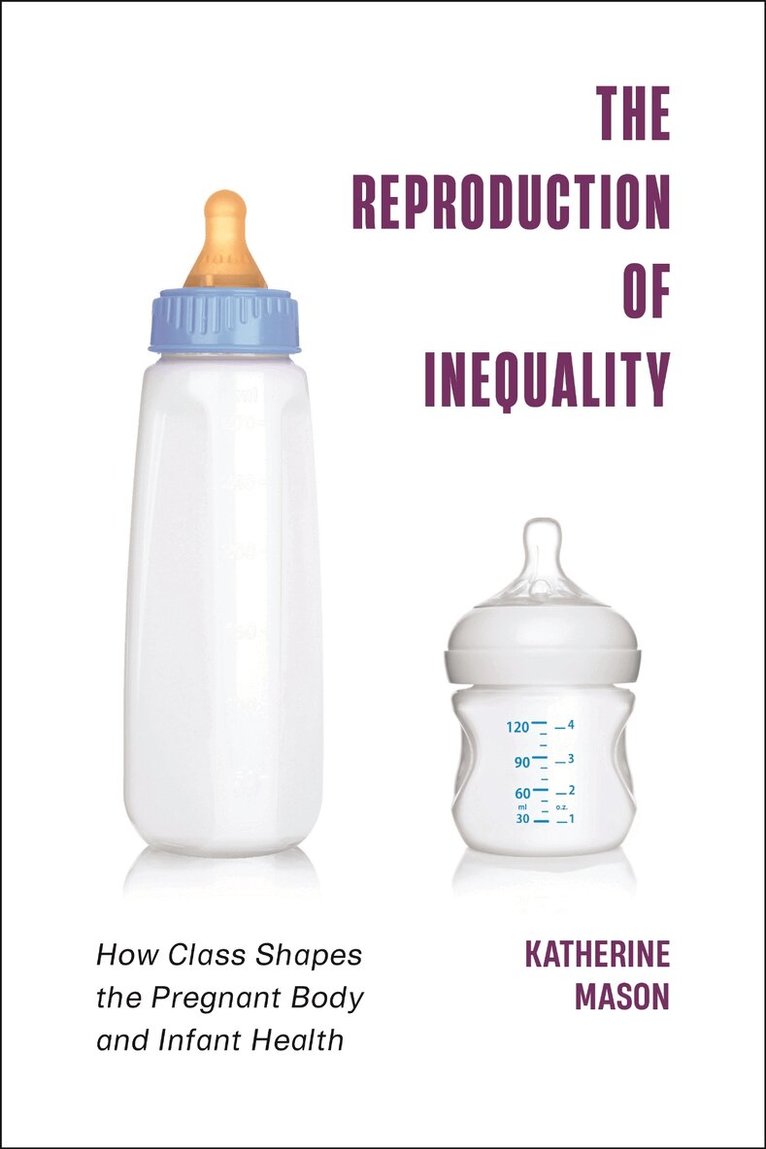
Reproduction of Inequality
How Class Shapes the Pregnant Body and Infant Health
Häftad, Engelska, 2023
319 kr
Skickas inom 7-10 vardagar
An important analysis of the difference class makes in reproductive health choicesCan you run a marathon, drink coffee, eat fish, or fly on a plane while pregnant? Such questions are just the tip of the iceberg for how most pregnant women's bodies are managed, surveilled, and scrutinized during pregnancy. The Reproduction of Inequality examines the intense social pressure that expectant and new mothers face when it comes to their health and body-care choices.Drawing on interviews with dozens of pregnant women and new mothers from poor, middle-class, and mixed-class backgrounds, Katherine Mason paints a vivid picture of the immense weight of expectation that comes with the early stages of motherhood. The women in Mason's study universally sought to give their children a healthy start in life; however, their chosen approaches varied based on their socio-economic class. Whereas middle-class mothers attempted a complete lifestyle change and absolute devotion to the achievement and maintenance of "the healthy pregnant body," poorer women made strategic choices about which health goals to prioritize on a limited budget, lacking the economic and cultural capital required to speak and perfectly adhere to the language of "good health." The unfortunate result is that middle-class mothers are more likely to be seen by others and by themselves as "good" parents, whereas the efforts of working-class mothers are often misread as displaying inadequate concern about their health and that of their child. This in turn contributes to longstanding stereotypes about poor families and communities, and limits their children's chances for upward mobility. The Reproduction of Inequality is a compelling analysis of the impact of class on new mothers' approaches to health and wellness, and a sobering examination of how inequality shapes mothers' efforts to maximize their own health and that of their children.
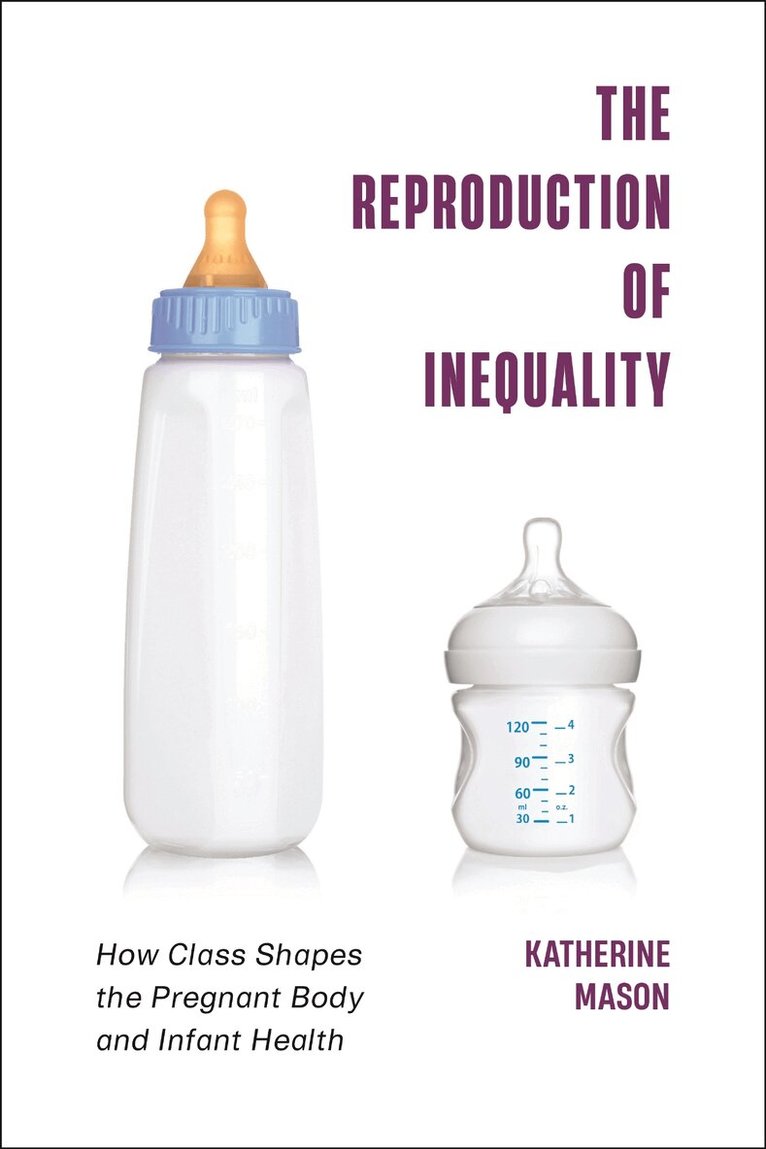
Reproduction of Inequality
How Class Shapes the Pregnant Body and Infant Health
Inbunden, Engelska, 2023
1 040 kr
Skickas inom 10-15 vardagar
An important analysis of the difference class makes in reproductive health choicesCan you run a marathon, drink coffee, eat fish, or fly on a plane while pregnant? Such questions are just the tip of the iceberg for how most pregnant women's bodies are managed, surveilled, and scrutinized during pregnancy. The Reproduction of Inequality examines the intense social pressure that expectant and new mothers face when it comes to their health and body-care choices.Drawing on interviews with dozens of pregnant women and new mothers from poor, middle-class, and mixed-class backgrounds, Katherine Mason paints a vivid picture of the immense weight of expectation that comes with the early stages of motherhood. The women in Mason's study universally sought to give their children a healthy start in life; however, their chosen approaches varied based on their socio-economic class. Whereas middle-class mothers attempted a complete lifestyle change and absolute devotion to the achievement and maintenance of "the healthy pregnant body," poorer women made strategic choices about which health goals to prioritize on a limited budget, lacking the economic and cultural capital required to speak and perfectly adhere to the language of "good health." The unfortunate result is that middle-class mothers are more likely to be seen by others and by themselves as "good" parents, whereas the efforts of working-class mothers are often misread as displaying inadequate concern about their health and that of their child. This in turn contributes to longstanding stereotypes about poor families and communities, and limits their children's chances for upward mobility. The Reproduction of Inequality is a compelling analysis of the impact of class on new mothers' approaches to health and wellness, and a sobering examination of how inequality shapes mothers' efforts to maximize their own health and that of their children.
704 kr
Skickas
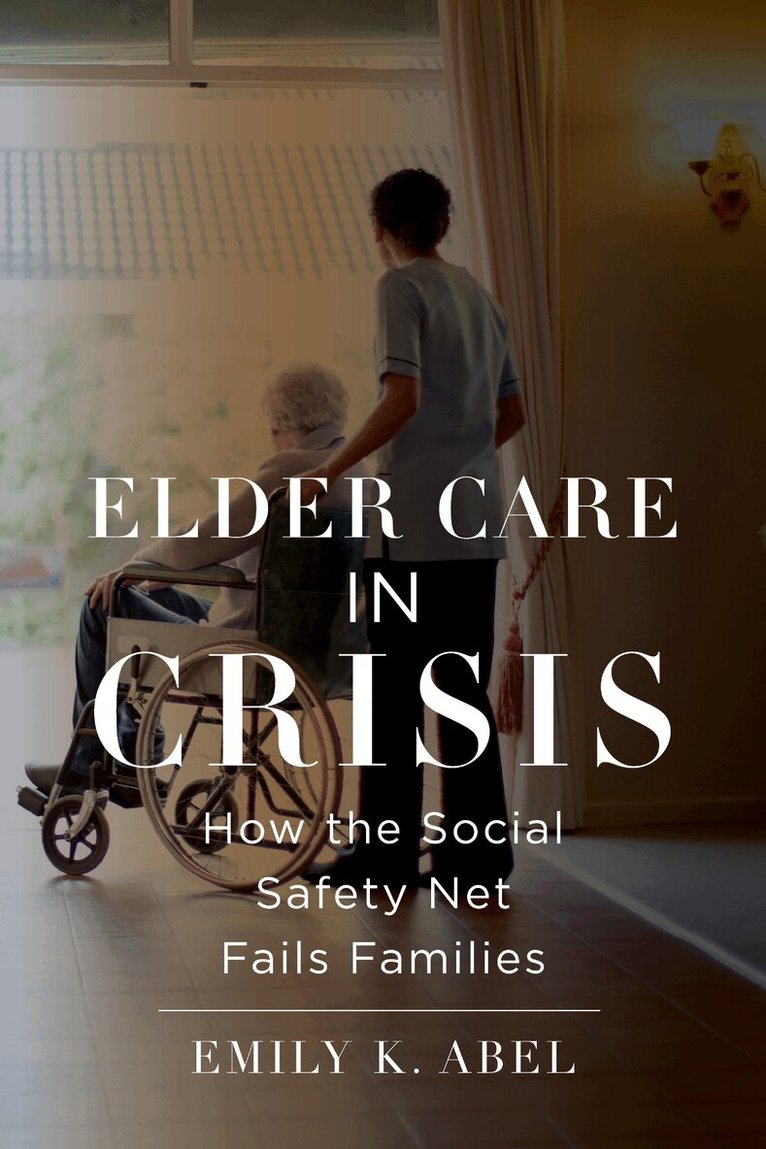
Explains why there is a crisis in caring for elderly people and how the COVID-19 pandemic exacerbated itBecause government policies are based on an ethic of family responsibility, repeated calls to support family members caring for the burgeoning elderly population have gone unanswered. Without publicly funded long-term care services, many family caregivers cannot find relief from obligations that threaten to overwhelm them. The crisis also stems from the plight of direct care workers (nursing home assistants and home health aides), most of whom are women from racially marginalized groups who receive little respect, remuneration, or job security. Drawing on an online support group for people caring for spouses and partners with dementia, Elder Care in Crisis examines the availability and quality of respite care (which provides temporary relief from the burdens of care), the long, tortuous process through which family members decide whether to move spouses and partners to institutions, and the likelihood that caregivers will engage in political action to demand greater public support. When the pandemic began, caregivers watched in horror as nursing homes turned into deathtraps and then locked their doors to visitors. Terrified by the possibility of loved ones in nursing homes contracting the disease or suffering from loneliness, some caregivers brought them home. Others endured the pain of leaving relatives with severe cognitive impairments at the hospital door and the difficulties of sheltering in place with people with dementia who could not understand safety regulations or describe their symptoms. Direct care workers were compelled to accept unsafe conditions or leave the labor force. At the same time, however, the disaster provided an impetus for change and helped activists and scholars develop a vision of a future in which care is central to social life.Elder Care in Crisis exposes the harrowing state of growing old in America, offering concrete solutions and illustrating why they are necessary.
234 kr
Skickas
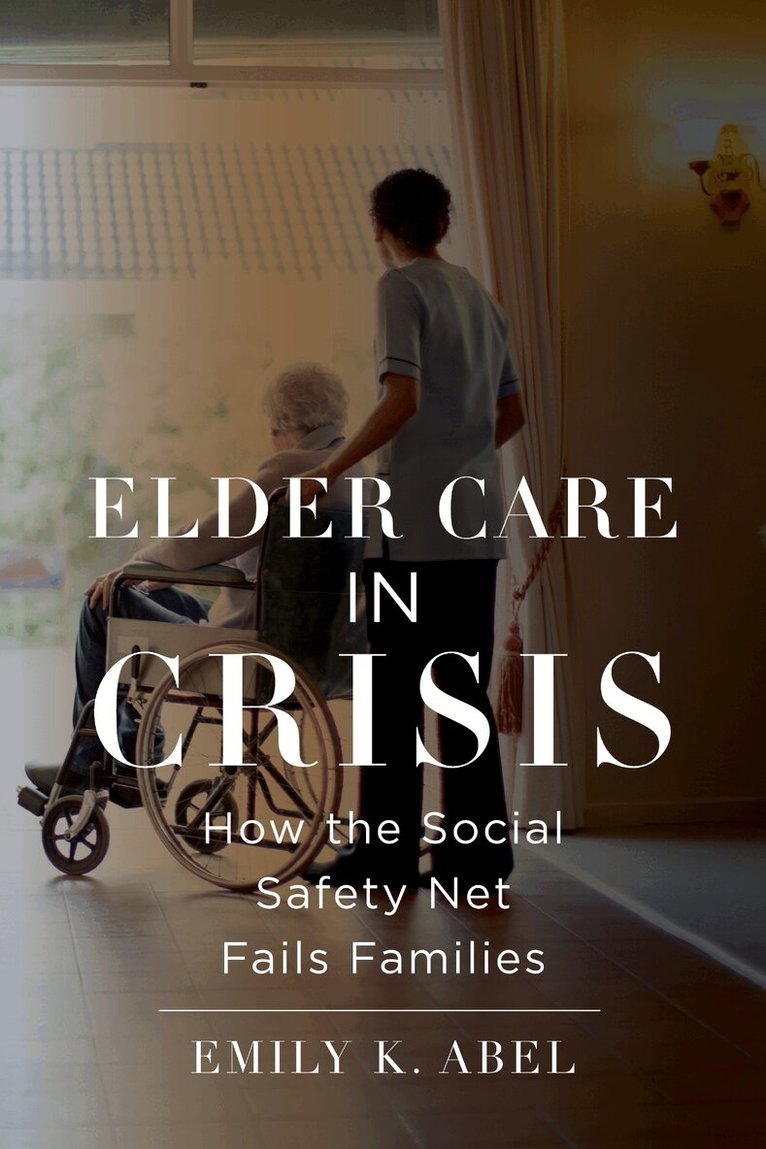
Explains why there is a crisis in caring for elderly people and how the COVID-19 pandemic exacerbated itBecause government policies are based on an ethic of family responsibility, repeated calls to support family members caring for the burgeoning elderly population have gone unanswered. Without publicly funded long-term care services, many family caregivers cannot find relief from obligations that threaten to overwhelm them. The crisis also stems from the plight of direct care workers (nursing home assistants and home health aides), most of whom are women from racially marginalized groups who receive little respect, remuneration, or job security. Drawing on an online support group for people caring for spouses and partners with dementia, Elder Care in Crisis examines the availability and quality of respite care (which provides temporary relief from the burdens of care), the long, tortuous process through which family members decide whether to move spouses and partners to institutions, and the likelihood that caregivers will engage in political action to demand greater public support. When the pandemic began, caregivers watched in horror as nursing homes turned into deathtraps and then locked their doors to visitors. Terrified by the possibility of loved ones in nursing homes contracting the disease or suffering from loneliness, some caregivers brought them home. Others endured the pain of leaving relatives with severe cognitive impairments at the hospital door and the difficulties of sheltering in place with people with dementia who could not understand safety regulations or describe their symptoms. Direct care workers were compelled to accept unsafe conditions or leave the labor force. At the same time, however, the disaster provided an impetus for change and helped activists and scholars develop a vision of a future in which care is central to social life.Elder Care in Crisis exposes the harrowing state of growing old in America, offering concrete solutions and illustrating why they are necessary.
985 kr
Skickas inom 10-15 vardagar
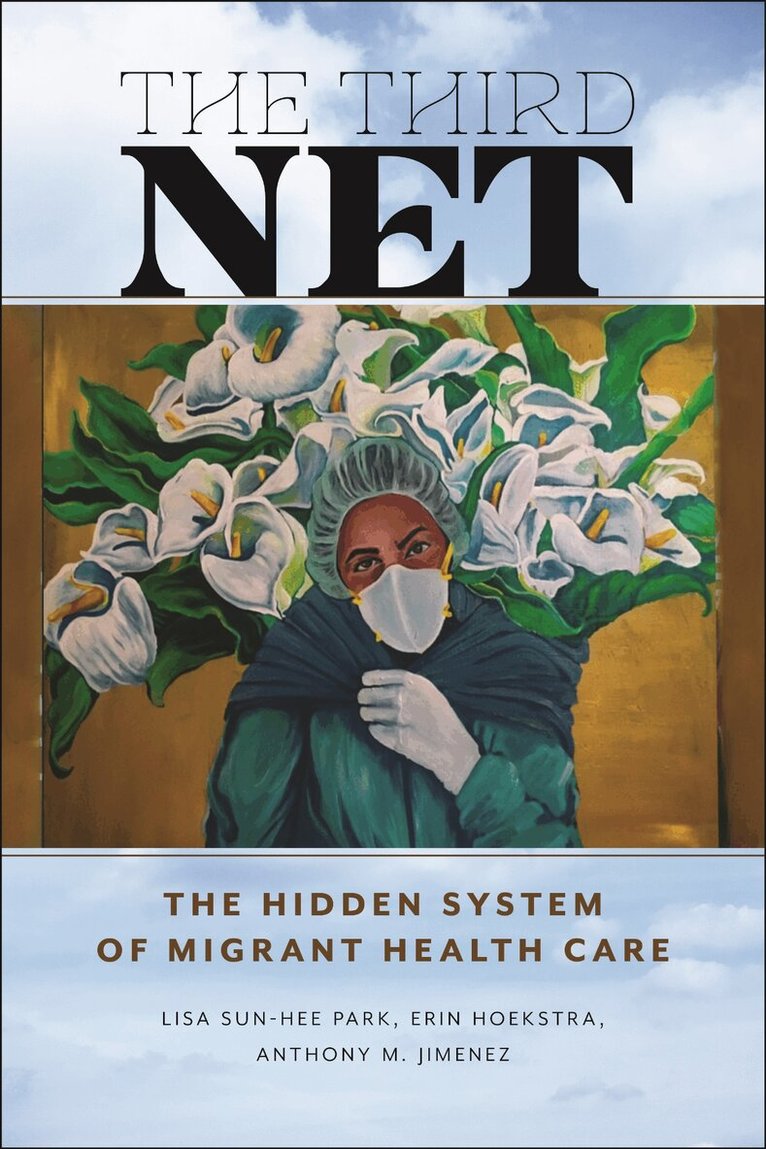
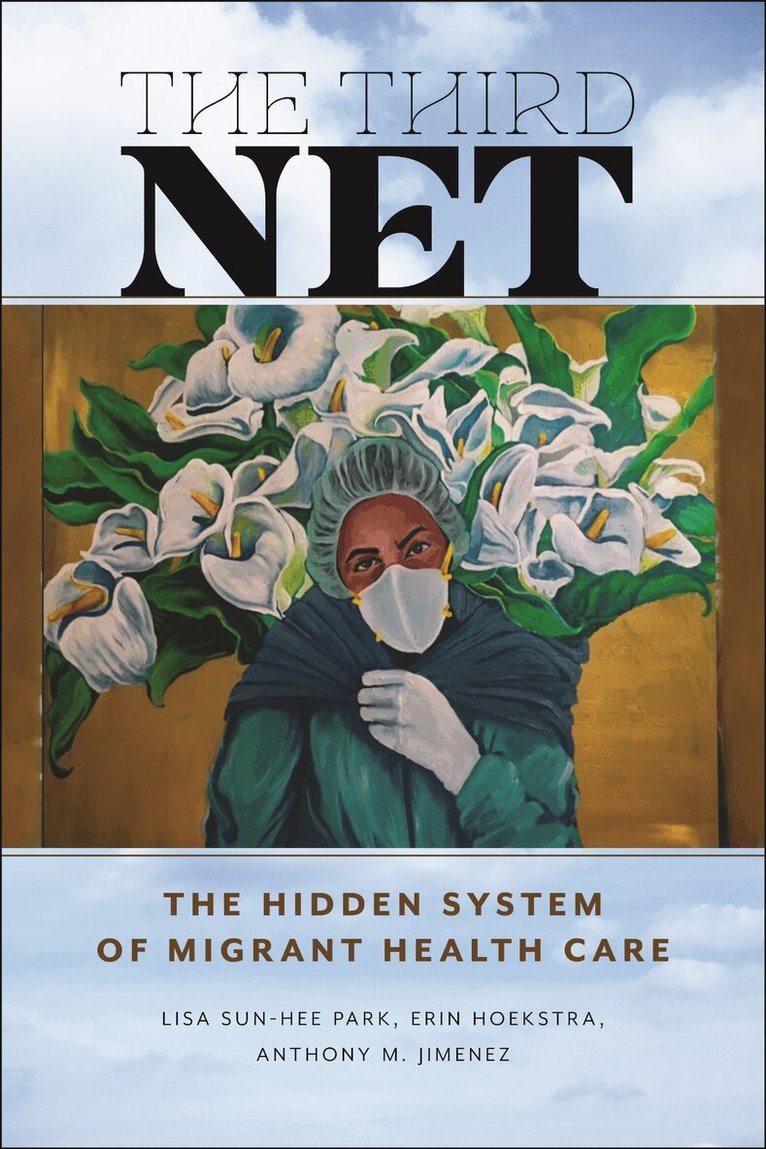
Reveals the presence of an informal system of valuable support and care for marginalized migrantsThe United States' health care system not only consists of a formal safety net, but also an informal and disjointed network of organizations that offer basic care to millions of migrants. This "Third Net" provides free or low-cost health care for the undocumented, low-income, and uninsured migrants who are excluded from the formal system. This groundbreaking study sheds light on the existence of the Third Net and its implications for the overall inequalities in the US health care system.The Third Net is made up of diverse providers with varying levels of service, organizational culture, and mission. These providers operate in unconventional settings, such as mobile clinics on wheels; pop-up clinics in repurposed spaces; and unlicensed, makeshift clinics run by health activists. Despite their unassuming appearances, these clinics are vital resources for marginalized populations that often go unnoticed by the general public, revealing the shortcomings of our formal health care system.By examining these alternative health care spaces, the authors expose the inequities entrenched in the broader health care system and urge a reevaluation of it entirely in order to address these injustices.
324 kr
Skickas inom 10-15 vardagar
Reveals the presence of an informal system of valuable support and care for marginalized migrantsThe United States' health care system not only consists of a formal safety net, but also an informal and disjointed network of organizations that offer basic care to millions of migrants. This "Third Net" provides free or low-cost health care for the undocumented, low-income, and uninsured migrants who are excluded from the formal system. This groundbreaking study sheds light on the existence of the Third Net and its implications for the overall inequalities in the US health care system.The Third Net is made up of diverse providers with varying levels of service, organizational culture, and mission. These providers operate in unconventional settings, such as mobile clinics on wheels; pop-up clinics in repurposed spaces; and unlicensed, makeshift clinics run by health activists. Despite their unassuming appearances, these clinics are vital resources for marginalized populations that often go unnoticed by the general public, revealing the shortcomings of our formal health care system.By examining these alternative health care spaces, the authors expose the inequities entrenched in the broader health care system and urge a reevaluation of it entirely in order to address these injustices.
956 kr
Skickas inom 10-15 vardagar
An examination of hysterectomy and the struggle for bodily and reproductive autonomyAt least one hysterectomy is performed every minute of the year, making it the most common gynecological surgery worldwide. By the age of sixty-five, one out of five people born with a uterus will have it removed. So, why do we seldom talk about this surgery? Highly performed yet overlooked, examining the paradox of hysterectomy begins to unravel the various problems with how we medically treat uteruses and the people who have them.Get It Out weaves centuries of medical history with rich qualitative data from 100 women, trans men, and nonbinary people who had, want, or are considering hysterectomy. In compelling detail, Andréa Becker reveals how America's healthcare system routinely deprives people of the ability to control their own bodies along race and gender lines. When people ask for a hysterectomy, they are often met with pushback: Are you sick enough? Old enough? Have you had enough babies? Will you regret this? How will your future husband feel about this? Yet this pushback is not equally experienced. While some people are barred access, others are ushered toward a hysterectomy. These contradictory recommendations reveal the persistent biases entrenched within healthcare.Get It Out interrogates how little choice people with uteruses ultimately have over their reproductive health, and explores what these "choices" signify amid interlocking systems of inequality.
284 kr
Skickas inom 7-10 vardagar
An examination of hysterectomy and the struggle for bodily and reproductive autonomyAt least one hysterectomy is performed every minute of the year, making it the most common gynecological surgery worldwide. By the age of sixty-five, one out of five people born with a uterus will have it removed. So, why do we seldom talk about this surgery? Highly performed yet overlooked, examining the paradox of hysterectomy begins to unravel the various problems with how we medically treat uteruses and the people who have them.Get It Out weaves centuries of medical history with rich qualitative data from 100 women, trans men, and nonbinary people who had, want, or are considering hysterectomy. In compelling detail, Andréa Becker reveals how America's healthcare system routinely deprives people of the ability to control their own bodies along race and gender lines. When people ask for a hysterectomy, they are often met with pushback: Are you sick enough? Old enough? Have you had enough babies? Will you regret this? How will your future husband feel about this? Yet this pushback is not equally experienced. While some people are barred access, others are ushered toward a hysterectomy. These contradictory recommendations reveal the persistent biases entrenched within healthcare.Get It Out interrogates how little choice people with uteruses ultimately have over their reproductive health, and explores what these "choices" signify amid interlocking systems of inequality.
956 kr
Skickas inom 10-15 vardagar
A call to place disability at the center of climate and disaster responsesEvery disaster is a disability disaster, argues Angela Frederick. Disabled Power tells the stories of Texans with disabilities who endured the 2021 Texas power crisis, which forced millions of Texas residents to endure a dayslong winter storm without heat or water. Based on 58 in-depth interviews with disabled Texans and parents of disabled children, Frederick highlights how disabled people and those with chronic health conditions are uniquely harmed when basic infrastructure such as power and water systems fail. She argues that the vulnerability people with disabilities experienced during this disaster was not an inevitable consequence of individual disabled bodies. Rather, disability vulnerability was "produced" by policies that "disabled" vital infrastructure.Frederick also emphasizes another meaning of the phrase "disabled power:" the individual and collective resilience and creativity Texans with disabilities exercised to survive the disaster. Despite common perceptions of people with disabilities as passive victims, Frederick shows how many found strategies to survive and to provide and receive care within their communities. Ultimately, the implications of this disaster extend far beyond Texas and underscore our increased vulnerability to infrastructural failures as extreme weather events become more common. Disabled Power offers a blueprint for reimagining vulnerability and resilience to center people with disabilities in disaster research and emergency response.
310 kr
Skickas inom 7-10 vardagar
A call to place disability at the center of climate and disaster responsesEvery disaster is a disability disaster, argues Angela Frederick. Disabled Power tells the stories of Texans with disabilities who endured the 2021 Texas power crisis, which forced millions of Texas residents to endure a dayslong winter storm without heat or water. Based on 58 in-depth interviews with disabled Texans and parents of disabled children, Frederick highlights how disabled people and those with chronic health conditions are uniquely harmed when basic infrastructure such as power and water systems fail. She argues that the vulnerability people with disabilities experienced during this disaster was not an inevitable consequence of individual disabled bodies. Rather, disability vulnerability was "produced" by policies that "disabled" vital infrastructure.Frederick also emphasizes another meaning of the phrase "disabled power:" the individual and collective resilience and creativity Texans with disabilities exercised to survive the disaster. Despite common perceptions of people with disabilities as passive victims, Frederick shows how many found strategies to survive and to provide and receive care within their communities. Ultimately, the implications of this disaster extend far beyond Texas and underscore our increased vulnerability to infrastructural failures as extreme weather events become more common. Disabled Power offers a blueprint for reimagining vulnerability and resilience to center people with disabilities in disaster research and emergency response.
Toxic Sexual Politics
Toxicology, Environmental Poisons, and Queer Feminist Futures
Inbunden, Engelska, 2025
1 095 kr
Skickas inom 10-15 vardagar
A bold exposé of how the very foundation of toxicology has been contaminated by sexist and racist ideologiesThe first critical understanding of the field of toxicology from a feminist and antiracist perspective, Toxic Sexual Politics asserts that the science of toxicants must be held accountable for the uneven distribution of toxic pollution along racial and sexual lines. Drawing upon in-depth interviews and extensive ethnographic and archival research, including participant observations in toxicology classrooms, conferences, and laboratories, Melina Packer urges environmental health advocates to place toxicant science within its masculinist, militarist, and eugenicist history.Toxic Sexual Politics shows how the founding fathers of U.S. toxicology were ideologically aligned with the chemical industry, inventing a science that could "make chemicals safe," as opposed to one that could adequately protect planetary health from toxicants' hazards. While many toxicologists today are critical of the chemical industry, they continue to rely on the highly limited tools of toxicology as accurate measures of toxicity, as do government regulators, the courts, and environmental advocates.Unlike most critiques of the chemical industry and narratives of environmental health movements, Toxic Sexual Politics refuses to take the science at face value. By focusing on the sexist, racist, and ableist biases reinforced by toxicology, Packer powerfully argues that this scientific discipline reproduces the very same white supremacist and heterosexist logics that generated environmental injustices in the first place. The field of toxicology can explicitly confront chemical corporate power by building from queer, feminist, anti-ableist, and antiracist movements for environmental and reproductive justice.
Toxic Sexual Politics
Toxicology, Environmental Poisons, and Queer Feminist Futures
Häftad, Engelska, 2025
374 kr
Skickas inom 7-10 vardagar
A bold exposé of how the very foundation of toxicology has been contaminated by sexist and racist ideologiesThe first critical understanding of the field of toxicology from a feminist and antiracist perspective, Toxic Sexual Politics asserts that the science of toxicants must be held accountable for the uneven distribution of toxic pollution along racial and sexual lines. Drawing upon in-depth interviews and extensive ethnographic and archival research, including participant observations in toxicology classrooms, conferences, and laboratories, Melina Packer urges environmental health advocates to place toxicant science within its masculinist, militarist, and eugenicist history.Toxic Sexual Politics shows how the founding fathers of U.S. toxicology were ideologically aligned with the chemical industry, inventing a science that could "make chemicals safe," as opposed to one that could adequately protect planetary health from toxicants' hazards. While many toxicologists today are critical of the chemical industry, they continue to rely on the highly limited tools of toxicology as accurate measures of toxicity, as do government regulators, the courts, and environmental advocates.Unlike most critiques of the chemical industry and narratives of environmental health movements, Toxic Sexual Politics refuses to take the science at face value. By focusing on the sexist, racist, and ableist biases reinforced by toxicology, Packer powerfully argues that this scientific discipline reproduces the very same white supremacist and heterosexist logics that generated environmental injustices in the first place. The field of toxicology can explicitly confront chemical corporate power by building from queer, feminist, anti-ableist, and antiracist movements for environmental and reproductive justice.
956 kr
Skickas inom 10-15 vardagar
The complexities and controversies at the nexus of sperm, health, and politicsIn Seminal, experts from across the social sciences, humanities, law, and medicine offer a kaleidoscopic view of the relationship between sperm, health, and the intersecting politics of gender, race, and reproduction. Always insightful and often provocative, the essays in this unprecedented collection cover a broad range of issues related to male reproductive and sexual health—including the latest technological developments for creating sperm; the specter of eugenics in contemporary medical markets; emerging approaches to male contraceptive methods, male infertility, and trans healthcare; controversies surrounding sperm donors and sperm banking; disparities in sexual health education for teens—all the while attending to the enormous variation in how individuals and societies understand, embody, and experience sperm.At a time when the most basic rights of reproductive autonomy are under severe threat, contributors to this volume argue this is precisely the moment to rethink and reimagine sperm from a variety of medical, political, and cultural perspectives. Ultimately, this volume aims to contribute to a more reproductively just society and broaden conversations around bodies, health and equity in the United States.
322 kr
Skickas
The complexities and controversies at the nexus of sperm, health, and politicsIn Seminal, experts from across the social sciences, humanities, law, and medicine offer a kaleidoscopic view of the relationship between sperm, health, and the intersecting politics of gender, race, and reproduction. Always insightful and often provocative, the essays in this unprecedented collection cover a broad range of issues related to male reproductive and sexual health—including the latest technological developments for creating sperm; the specter of eugenics in contemporary medical markets; emerging approaches to male contraceptive methods, male infertility, and trans healthcare; controversies surrounding sperm donors and sperm banking; disparities in sexual health education for teens—all the while attending to the enormous variation in how individuals and societies understand, embody, and experience sperm.At a time when the most basic rights of reproductive autonomy are under severe threat, contributors to this volume argue this is precisely the moment to rethink and reimagine sperm from a variety of medical, political, and cultural perspectives. Ultimately, this volume aims to contribute to a more reproductively just society and broaden conversations around bodies, health and equity in the United States.