Brandeis Series in American Jewish History, Culture, and Life – serie
Visar alla böcker i serien Brandeis Series in American Jewish History, Culture, and Life. Handla med fri frakt och snabb leverans.
8 produkter
Eddie Cantor Story
A Jewish Life in Performance and Politics
Inbunden, 2017
277 kr
Lägg i varukorg
This absorbing biography chronicles the life and work of one of the most important entertainers of the twentieth century. Eddie Cantor (1892–1964) starred in theater, film, radio, and television. His immense popularity across a variety of media, his pride in his Jewish heritage, and his engagement …
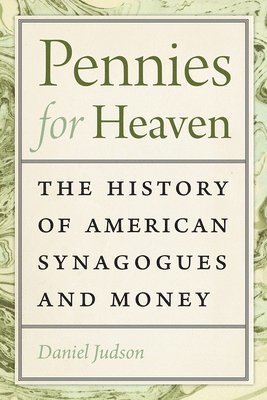
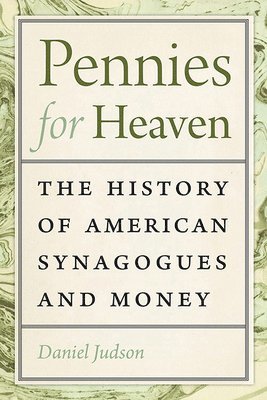
Pennies for Heaven
The History of American Synagogues and Money
Häftad, 2018
313 kr
Lägg i varukorg
In the annals of American Jewish history, synagogue financial records have been largely overlooked. But as Daniel Judson shows in his examination of synagogue ledgers from 1728 to the present, these records provide an array of new insights into the development of American synagogues and the values …
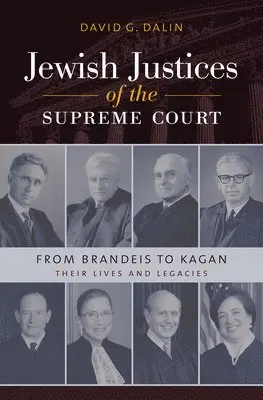
Jewish Justices of the Supreme Court
From Brandeis to Kagan
Inbunden, 2017
318 kr
Lägg i varukorg
Jewish Justices of the Supreme Court examines the lives, legal careers, and legacies of the eight Jews who have served or who currently serve as justices of the U.S. Supreme Court: Louis D. Brandeis, Benjamin Cardozo, Felix Frankfurter, Arthur Goldberg, Abe Fortas, Ruth Bader Ginsburg, Stephen G. …
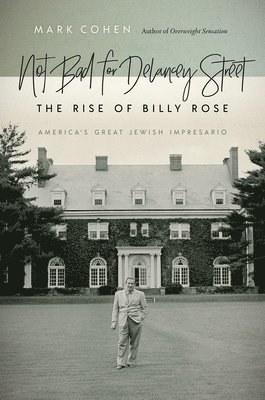
Not Bad for Delancey Street
The Rise of Billy Rose
Av Mark Cohen
Inbunden, 2018
278 kr
Lägg i varukorg
If you’ve ever seen the movie Funny Lady or read about the fantastic extravagance of the 1939 New York World’s Fair, ever visited Jerusalem, sung along to “It’s Only a Paper Moon,” or strolled through Times Square, then you have most likely heard about the tiny titan Billy Rose. Showman, …
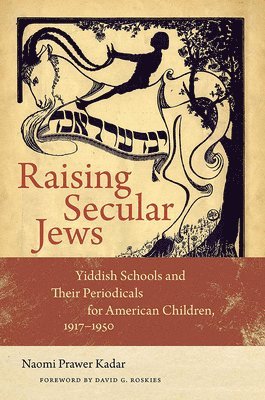
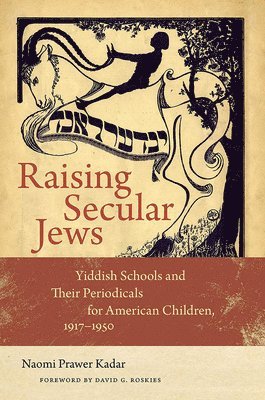
Raising Secular Jews
Yiddish Schools and Their Periodicals for American Children, 1917–1950
Av Naomi Prawer Kadar, David G. Roskies
Häftad, 2016
304 kr
Lägg i varukorg
This unique literary study of Yiddish children’s periodicals casts new light on secular Yiddish schools in America in the first half of the twentieth century. Rejecting the traditional religious education of the Talmud Torahs and congregational schools, these Yiddish schools chose Yiddish itself as …
Pennies for Heaven
The History of American Synagogues and Money
Inbunden, 2018
838 kr
Tillfälligt slut
In the annals of American Jewish history, synagogue financial records have been largely overlooked. But as Daniel Judson shows in his examination of synagogue ledgers from 1728 to the present, these records provide an array of new insights into the development of American synagogues and the values …
Louis Bamberger
Department Store Innovator and Philanthropist
Inbunden, 2016
278 kr
Tillfälligt slut
Louis Bamberger (1855–1944) was the epitome of the merchant prince as public benefactor. Born in Baltimore, this son of German immigrants built his business—the great, glamorous L. Bamberger & Co. department store in Newark, N.J.—into the sixth-largest department store in the country. A …
Raising Secular Jews
Yiddish Schools and Their Periodicals for American Children, 1917–1950
Av Naomi Prawer Kadar, David G. Roskies
Inbunden, 2016
729 kr
Tillfälligt slut
This unique literary study of Yiddish children’s periodicals casts new light on secular Yiddish schools in America in the first half of the twentieth century. Rejecting the traditional religious education of the Talmud Torahs and congregational schools, these Yiddish schools chose Yiddish itself as …