Children, Youth, and War - Böcker
Visar alla böcker i serien Children, Youth, and War. Handla med fri frakt och snabb leverans.
5 produkter
5 produkter
1 738 kr
Skickas inom 3-6 vardagar
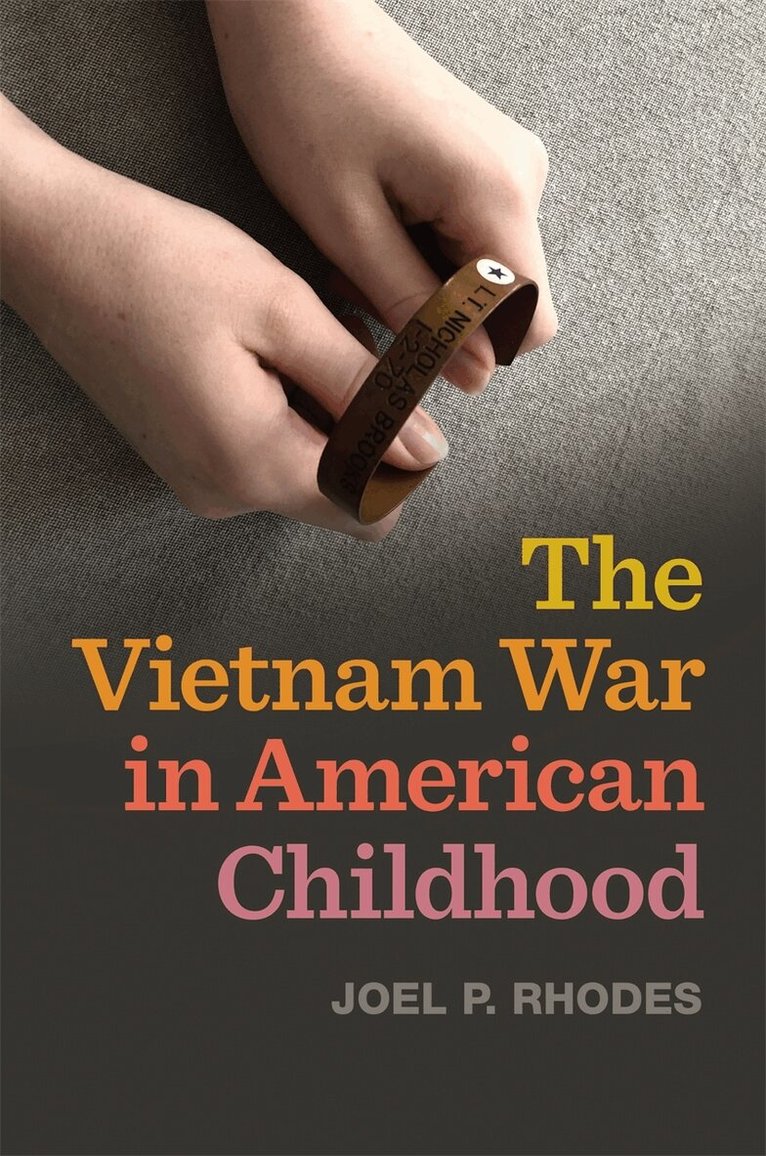
For American children raised exclusively in wartime—that is, a Cold War containing monolithic communism turned hot in the jungles of Southeast Asia—and the first to grow up with televised combat, Vietnam was predominately a mediated experience. Walter Cronkite was the voice of the conflict, and grim, nightly statistics the most recognizable feature. But as involvement grew, Vietnam affected numerous changes in child life, comparable to the childhood impact of previous conflicts—chiefly the Civil War and World War II—whose intensity and duration also dominated American culture. In this protracted struggle that took on the look of permanence from a child’s perspective, adult lives were increasingly militarized, leaving few preadolescents totally insulated. Over the years 1965 to 1973, the vast majority of American children integrated at least some elements of the war into their own routines. Parents, in turn, shaped their children’s perspectives on Vietnam, while the more politicized mothers and fathers exposed them to the bitter polarization the war engendered. The fighting only became truly real insomuch as service in Vietnam called away older community members or was driven home literally when families shared hardships surrounding separation from cousins, brothers, and fathers.In seeing the Vietnam War through the eyes of preadolescent Americans, Joel P. Rhodes suggests broader developmental implications from being socialized to the political and ethical ambiguity of Vietnam. Youth during World War II retained with clarity into adulthood many of the proscriptive patriotic messages about U.S. rightness, why we fight, heroism, or sacrifice. In contrast, Vietnam tended to breed childhood ambivalence, but not necessarily of the hawk and dove kind. This unique perspective on Vietnam continues to complicate adult notions of militarism and warfare, while generally lowering expectations of American leadership and the presidency.
2 040 kr
Skickas inom 3-6 vardagar
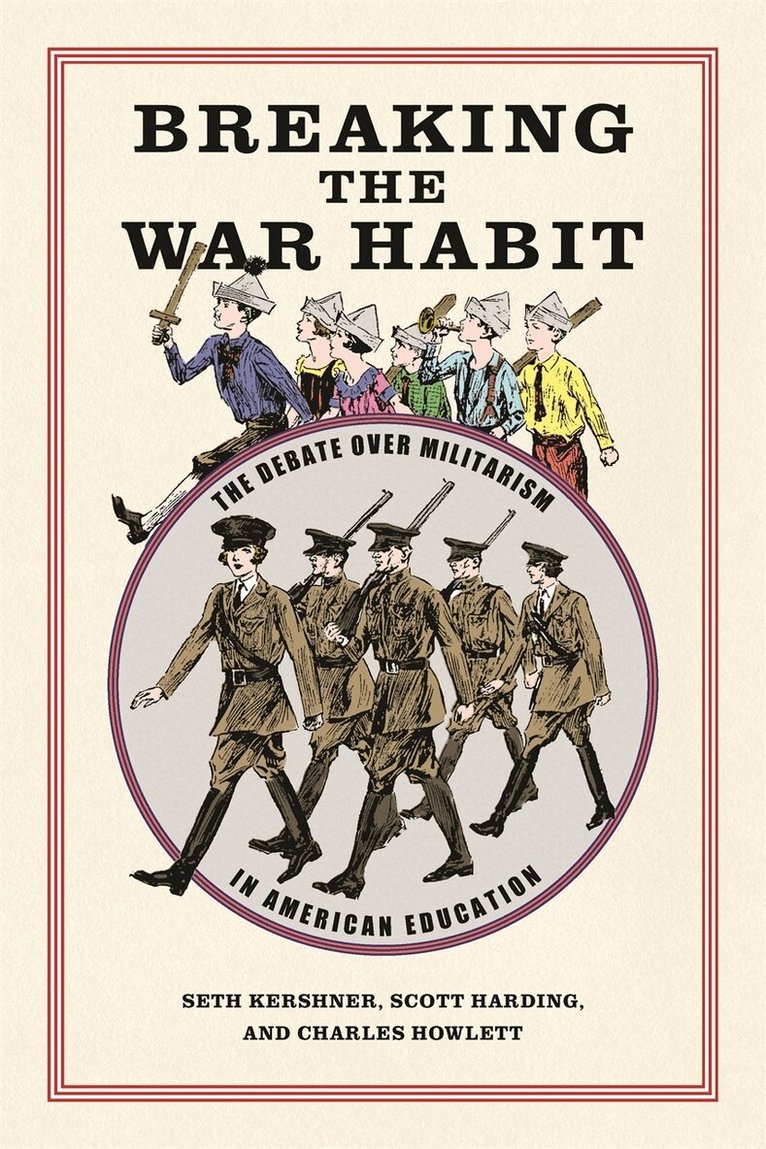
The Pentagon currently spends around $1.4 billion per year on recruiting and hundreds of millions annually on other marketing initiatives intended to convince the public to enlist—costly efforts to ensure a steady stream of new soldiers. The most important part of this effort is the Pentagon’s decades-long drive to win over the teenage mind by establishing a beachhead in American high schools and colleges. Breaking the War Habit provides an original consideration of the militarization of schools in the United States and explores the prolonged battle to prevent the military from infiltrating and influencing public education. Focused on the Junior Reserve Officer Training Corps (JROTC) in high schools and the Reserve Officer Training Corps (ROTC) in higher education, the authors expose the pervasive influence and economic leverage bestowed on the military as it recruits children and youth.Breaking the War Habit highlights those who have resisted the privileged status of the military and successfully challenged its position on campuses across the country. A “scrappy band of activists,” the Committee on Militarism in Education (CME) initiated this work following World War I, publicizing the rise of school militarism and its implications. For two decades, CME’s activism shaped public debate over the meaning of militarism in U.S. society and education settings, resulting in numerous victories against ROTC and JROTC programs. The authors also explore how, since the mid-1970s, military “counter-recruiters” have contested military recruiters’ largely unchecked access to high school students, raising awareness of a “school-to-military pipeline” that concentrates recruitment in urban (predominantly Black and low-income) regions.
448 kr
Skickas inom 3-6 vardagar
The Pentagon currently spends around $1.4 billion per year on recruiting and hundreds of millions annually on other marketing initiatives intended to convince the public to enlist—costly efforts to ensure a steady stream of new soldiers. The most important part of this effort is the Pentagon’s decades-long drive to win over the teenage mind by establishing a beachhead in American high schools and colleges. Breaking the War Habit provides an original consideration of the militarization of schools in the United States and explores the prolonged battle to prevent the military from infiltrating and influencing public education. Focused on the Junior Reserve Officer Training Corps (JROTC) in high schools and the Reserve Officer Training Corps (ROTC) in higher education, the authors expose the pervasive influence and economic leverage bestowed on the military as it recruits children and youth.Breaking the War Habit highlights those who have resisted the privileged status of the military and successfully challenged its position on campuses across the country. A “scrappy band of activists,” the Committee on Militarism in Education (CME) initiated this work following World War I, publicizing the rise of school militarism and its implications. For two decades, CME’s activism shaped public debate over the meaning of militarism in U.S. society and education settings, resulting in numerous victories against ROTC and JROTC programs. The authors also explore how, since the mid-1970s, military “counter-recruiters” have contested military recruiters’ largely unchecked access to high school students, raising awareness of a “school-to-military pipeline” that concentrates recruitment in urban (predominantly Black and low-income) regions.
1 814 kr
Skickas inom 3-6 vardagar
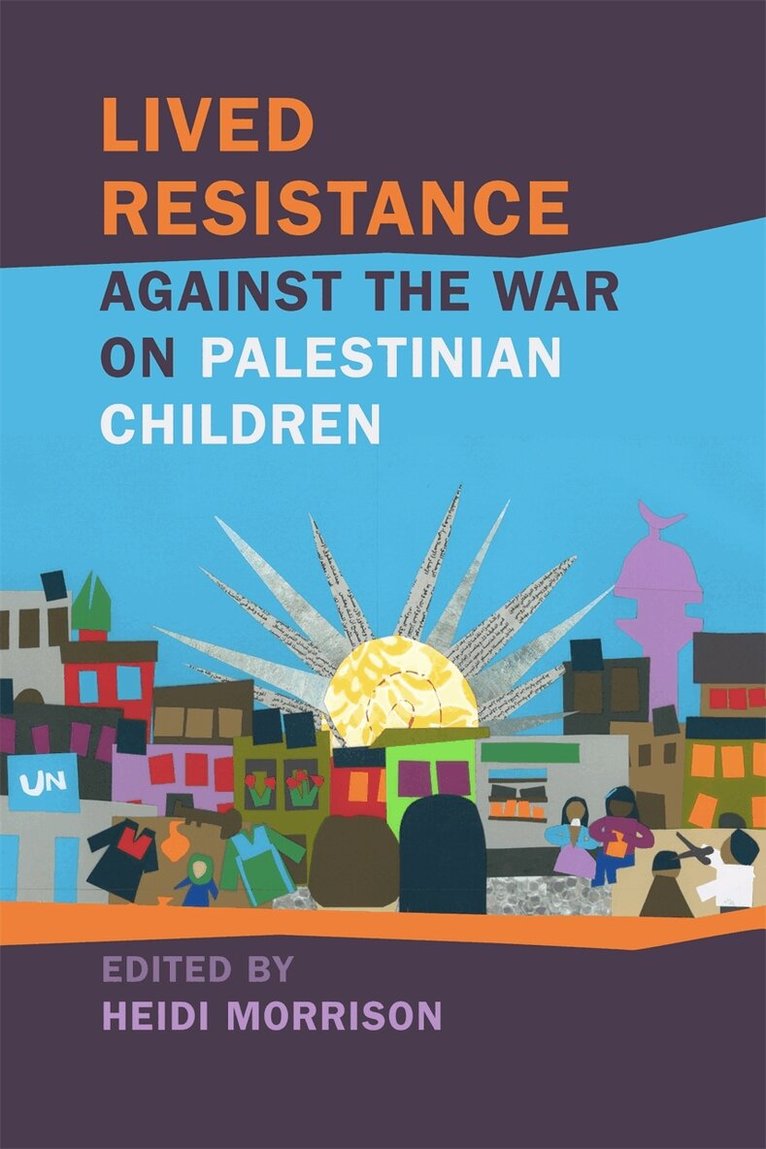
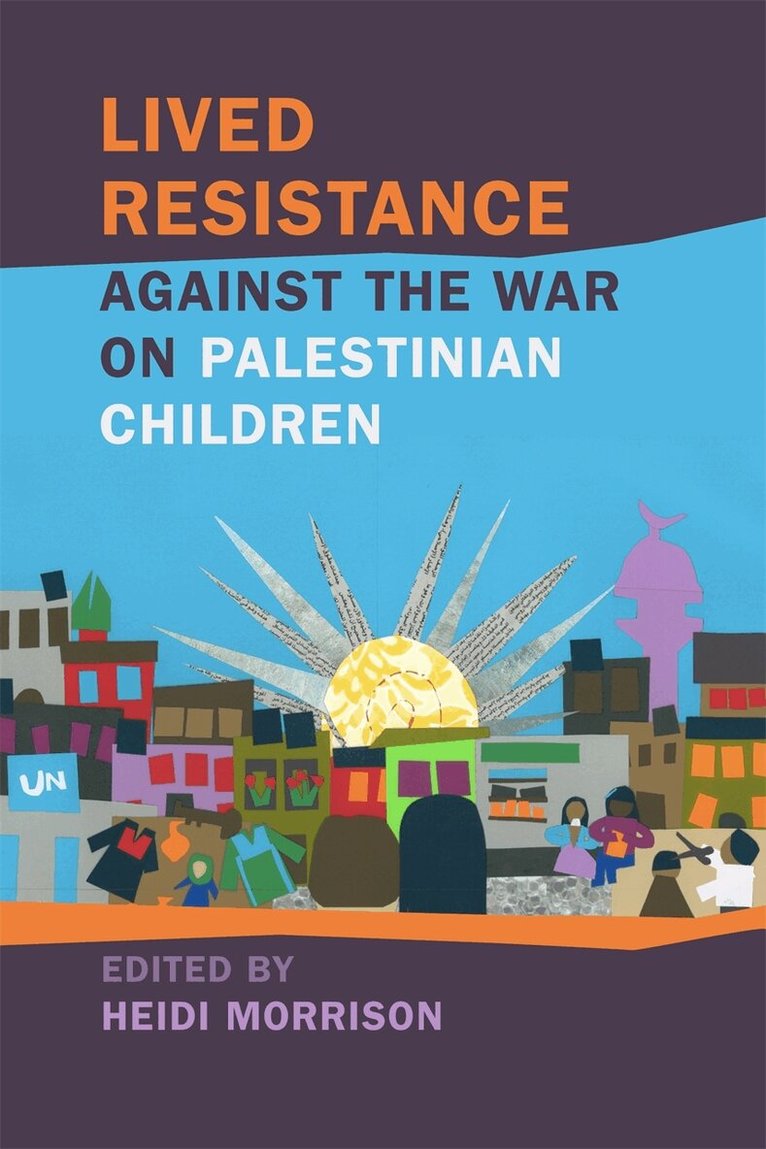
Despite the increasing volume of scholarship that shows children as political actors, prior to this book, a cohesive framework was lacking that would more fully examine and express children’s relationship with political power. Rather than simply hitching children’s resistance to standard theories of resistance, Heidi Morrison seeks to meet children on their own terms. Through the case study of Palestinian children, contributors theorize children’s resistance as an embodied experience called lived resistance. A critical aspect of the study of lived resistance is not just documenting what children do but specifically how scholars approach the topic of children’s resistance. With Lived Resistance against the War on Palestinian Children, the authors account for the vessel (i.e., the body in flesh and mind) through which such resistance generates and operates. The diverse group of chapter authors examine Palestinian children’s art and media, imprisonment, parenting experiences, bereavement, neoliberalism, refugee camps, and protest movements as aspects of their collective and individual political power. Through these outlets, the book shows consistencies and contends that these children’s relationship to political power operates from an inclusive model of citizenship and is social justice oriented, symbolically oriented, and contingently based.
630 kr
Skickas inom 7-10 vardagar
Despite the increasing volume of scholarship that shows children as political actors, prior to this book, a cohesive framework was lacking that would more fully examine and express children’s relationship with political power. Rather than simply hitching children’s resistance to standard theories of resistance, Heidi Morrison seeks to meet children on their own terms. Through the case study of Palestinian children, contributors theorize children’s resistance as an embodied experience called lived resistance. A critical aspect of the study of lived resistance is not just documenting what children do but specifically how scholars approach the topic of children’s resistance. With Lived Resistance against the War on Palestinian Children, the authors account for the vessel (i.e., the body in flesh and mind) through which such resistance generates and operates. The diverse group of chapter authors examine Palestinian children’s art and media, imprisonment, parenting experiences, bereavement, neoliberalism, refugee camps, and protest movements as aspects of their collective and individual political power. Through these outlets, the book shows consistencies and contends that these children’s relationship to political power operates from an inclusive model of citizenship and is social justice oriented, symbolically oriented, and contingently based.