Animal Turn - Böcker
Visar alla böcker i serien Animal Turn. Handla med fri frakt och snabb leverans.
11 produkter
11 produkter
530 kr
Skickas inom 7-10 vardagar
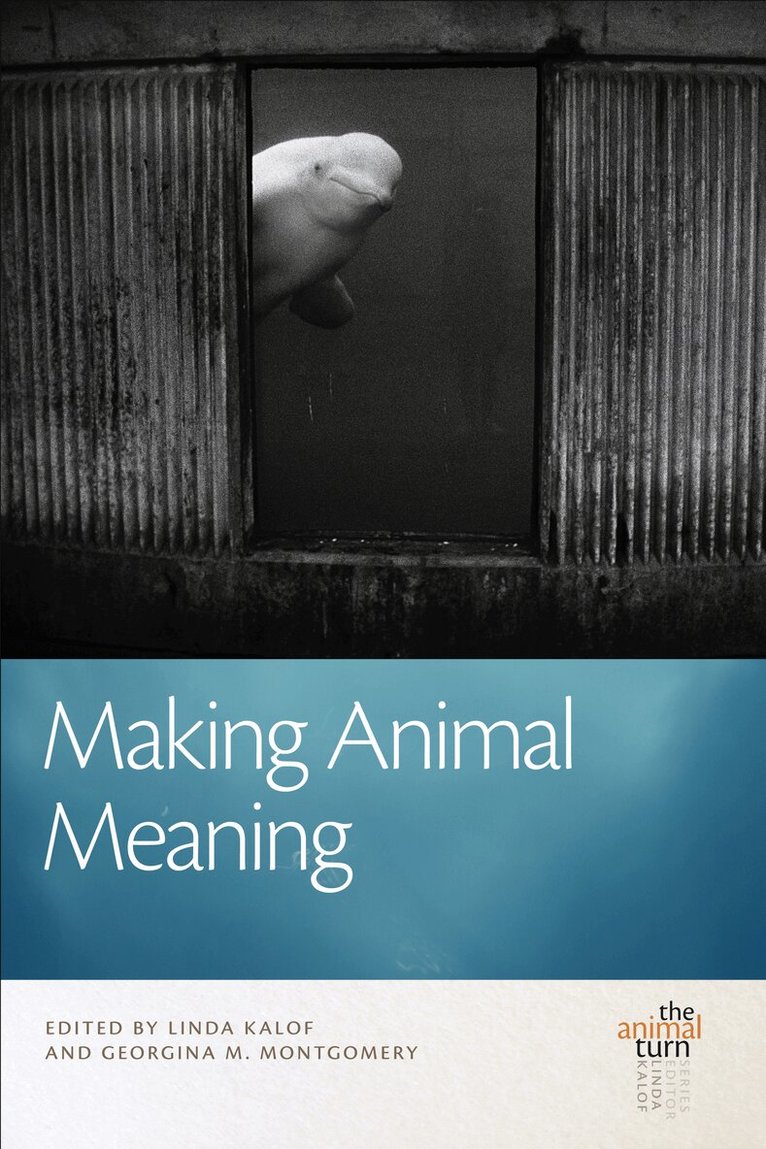
An elucidating collection of ten original essays, Making Animal Meaning reconceptualizes methods for researching animal histories and rethinks the contingency of the human-animal relationship. The vibrant and diverse field of animal studies is detailed in these interdisciplinary discussions, which include voices from a broad range of scholars and have an extensive chronological and geographical reach. These exciting discourses capture the most compelling theoretical underpinnings of animal significance while exploring meaning-making through the study of specific spaces, species, and human-animal relations. A deeply thoughtful collection — vital to understanding central questions of agency, kinship, and animal consumption — these essays tackle the history and philosophy of constructing animal meaning.
815 kr
Skickas inom 7-10 vardagar
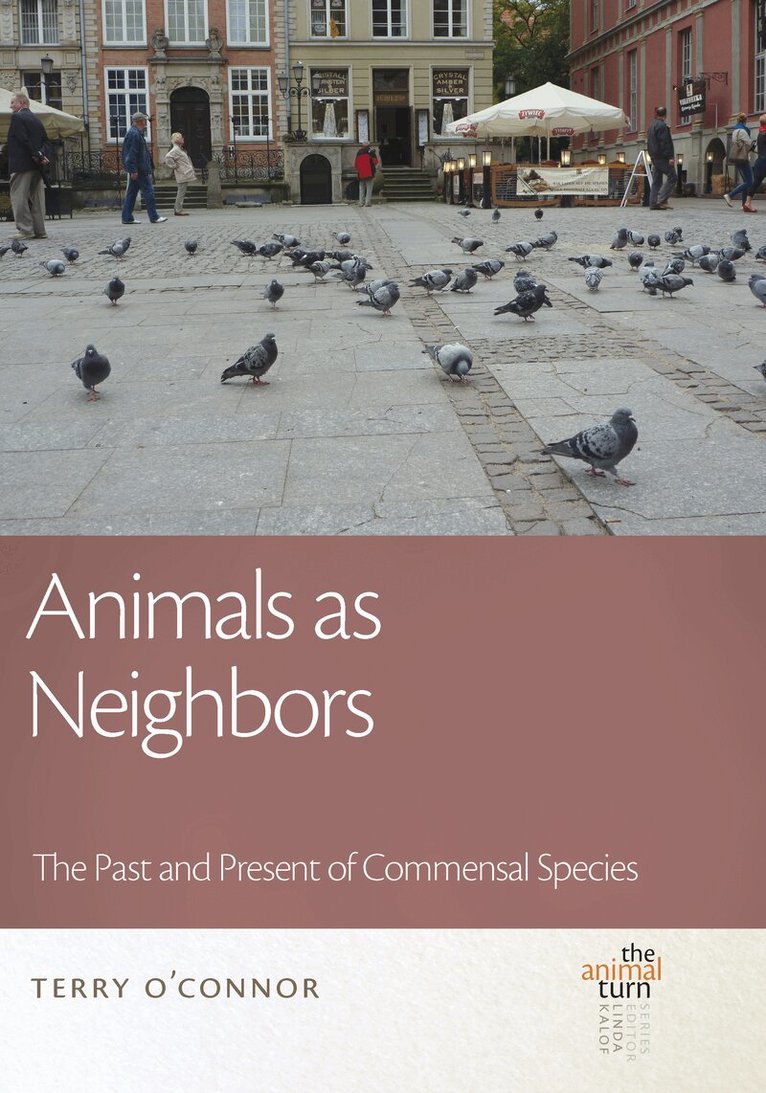
In this fascinating book, Terry O’Connor explores a distinction that is deeply ingrained in much of the language that we use in zoology, human-animal studies, and archaeology—the difference between wild and domestic. For thousands of years, humans have categorized animals in simple terms, often according to the degree of control that we have over them, and have tended to see the long story of human-animal relations as one of increasing control and management for human benefit. And yet, around the world, species have adapted to our homes, our towns, and our artificial landscapes, finding ways to gain benefit from our activities and so becoming an important part of our everyday lives. These commensal animals remind us that other species are not passive elements in the world around us but intelligent and adaptable creatures. Animals as Neighbors shows how a blend of adaptation and opportunism has enabled many species to benefit from our often destructive footprint on the world. O’Connor investigates the history of this relationship, working back through archaeological records. By requiring us to take a multifaceted view of human-animal relations, commensal animals encourage a more nuanced understanding of those relations, both today and throughout the prehistory of our species.
815 kr
Skickas inom 7-10 vardagar
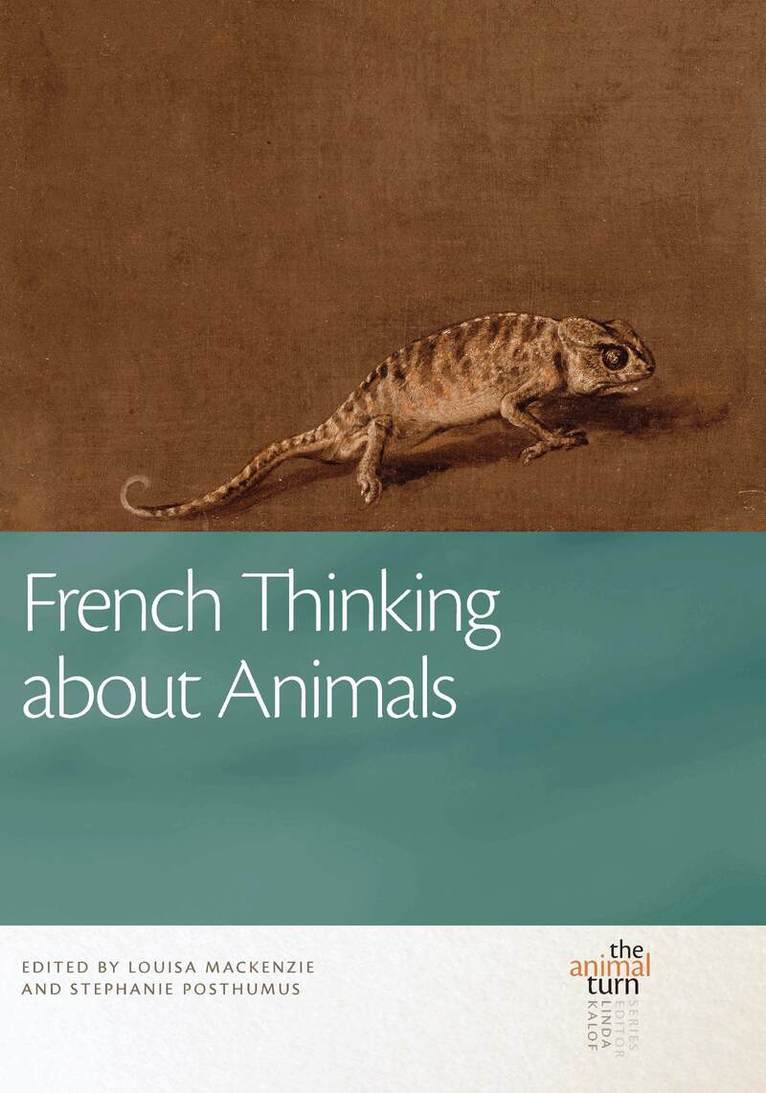
Bringing together leading scholars from Belgium, Canada, France, and the United States, French Thinking about Animals makes available for the first time to an Anglophone readership a rich variety of interdisciplinary approaches to the animal question in France. While the work of French thinkers such as Jacques Derrida, Gilles Deleuze, and Felix Guattari has been available in English for many years, French Thinking about Animals opens up a much broader cross-cultural dialogue within animal studies. These original essays, many of which have been translated especially for this volume, draw on anthropology, ethology, geography, history, legal studies, phenomenology, and philosophy to interrogate human-animal relationships. They explore the many ways in which animals signify in French history, society, and intellectual history, illustrating the exciting new perspectives being developed about the animal question in the French-speaking world today. Built on the strength and diversity of these contributions, French Thinking about Animals demonstrates the interdisciplinary and internationalism that are needed if we hope to transform the interactions of humans and nonhuman animals in contemporary society.
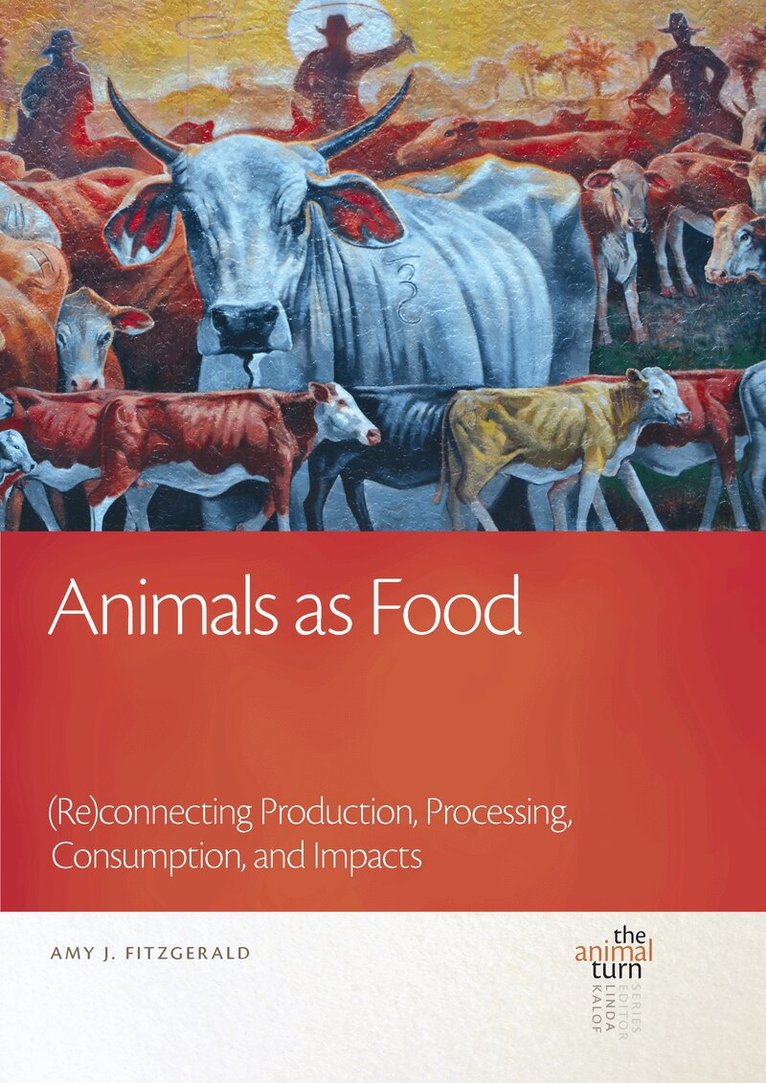
Animals as Food
(Re)connecting Production, Processing, Consumption, and Impacts
Inbunden, Engelska, 2015
815 kr
Skickas inom 7-10 vardagar
Every day, millions of people around the world sit down to a meal that includes meat. This book explores several questions as it examines the use of animals as food: How did the domestication and production of livestock animals emerge and why? How did current modes of raising and slaughtering animals for human consumption develop, and what are their consequences? What can be done to mitigate and even reverse the impacts of animal production? With insight into the historical, cultural, political, legal, and economic processes that shape our use of animals as food, Fitzgerald provides a holistic picture and explicates the connections in the supply chain that are obscured in the current mode of food production. Bridging the distance in animal agriculture between production, processing, consumption, and their associated impacts, this analysis envisions ways of redressing the negative effects of the use of animals as food. It details how consumption levels and practices have changed as the relationship between production, processing, and consumption has shifted. Due to the wide-ranging questions addressed in this book, the author draws on many fields of inquiry, including sociology, (critical) animal studies, history, economics, law, political science, anthropology, criminology, environmental science, geography, philosophy, and animal science.
815 kr
Skickas inom 7-10 vardagar
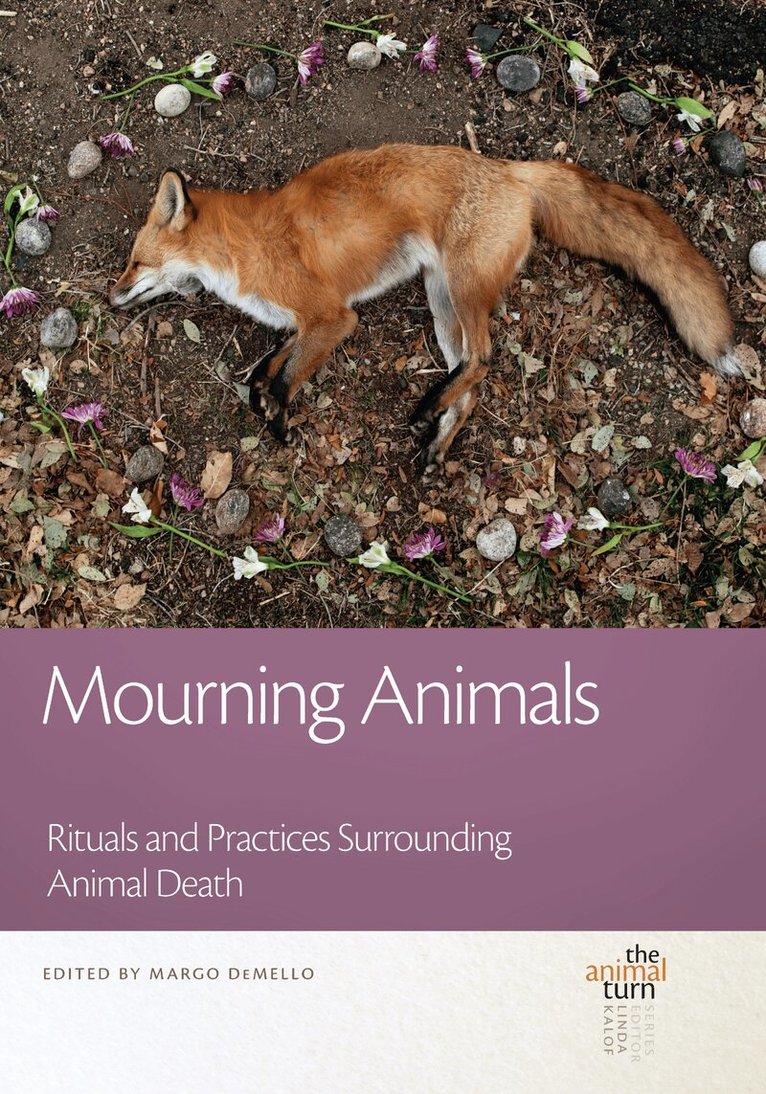
We live more intimately with nonhuman animals than ever before in history. The change in the way we cohabitate with animals can be seen in the way we treat them when they die. There is an almost infinite variety of ways to help us cope with the loss of our nonhuman friends—from burial, cremation, and taxidermy; to wearing or displaying the remains (ashes, fur, or other parts) of our deceased animals in jewelry, tattoos, or other artwork; to counselors who specialize in helping people mourn pets; to classes for veterinarians; to tips to help the surviving animals who are grieving their animal friends; to pet psychics and memorial websites. But the reality is that these practices, and related beliefs about animal souls or animal afterlife, generally only extend, with very few exceptions, to certain kinds of animals—pets. Most animals, in most cultures, are not mourned, and the question of an animal afterlife is not contemplated at all. Mourning Animals investigates how we mourn animal deaths, which animals are grievable, and what the implications are for all animals.
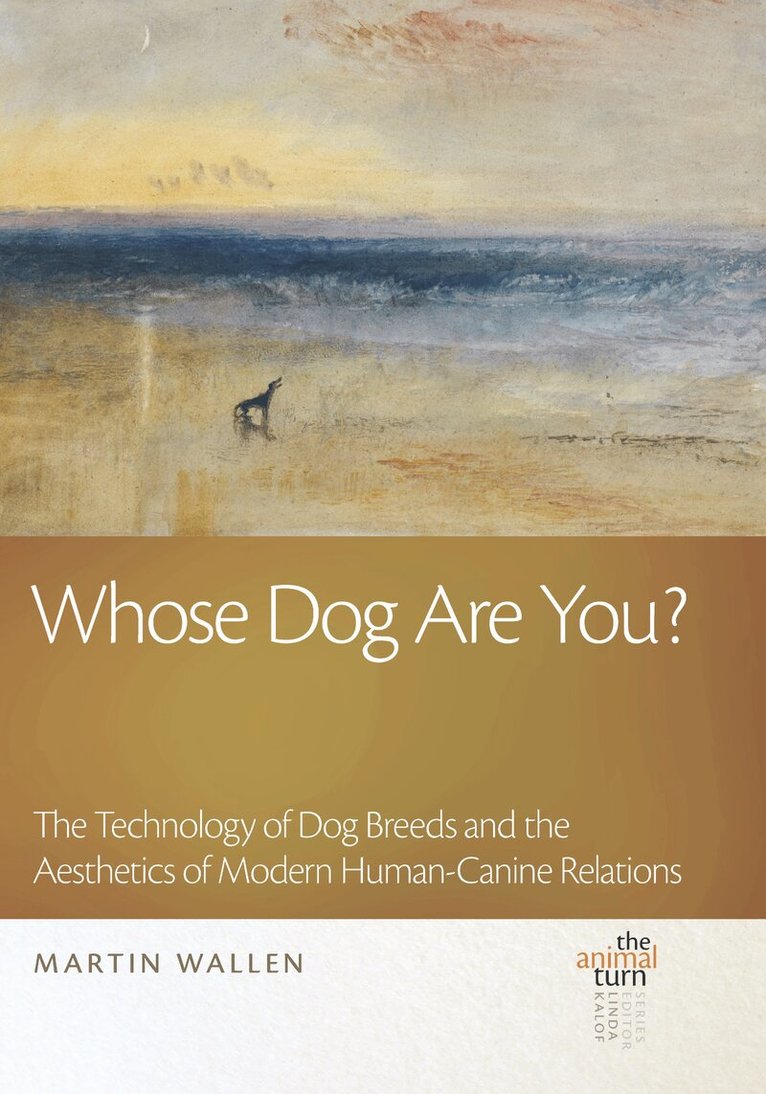
Whose Dog Are You?
The Technology of Dog Breeds and The Aesthetics of Modern Human-Canine Relations
Inbunden, Engelska, 2017
951 kr
Skickas inom 7-10 vardagar
The intriguing question in the title comes from an inscription on the collar of a dog Alexander Pope gave to the Prince of Wales. When Pope wrote the famous couplet “I am his Highness’ Dog at Kew, / Pray tell me Sir, whose Dog are You?” the question was received as an expression of loyalty. That was an era before there were dog breeds and, not coincidentally, before people were generally believed to develop affectionate bonds with dogs. This interdisciplinary study focuses on the development of dog breeds in the eighteenth and nineteenth centuries. Beginning with the Foxhound—the first modern breed—it examines the aesthetic, political, and technological forces that generate modern human-canine relations. These forces have colluded over the past two hundred years to impose narrow descriptions of human-canine relations and to shape the dogs physically into acceptable and recognizable breeds. The largest question in animal studies today—how alterity affects human-animal relations—cannot fully be considered until the two approaches to this question are understood as complements of one another: one beginning from aesthetics, the other from technology. Most of all, the book asks if we can engage with dogs in ways that allow them to remain dogs.
840 kr
Skickas inom 7-10 vardagar
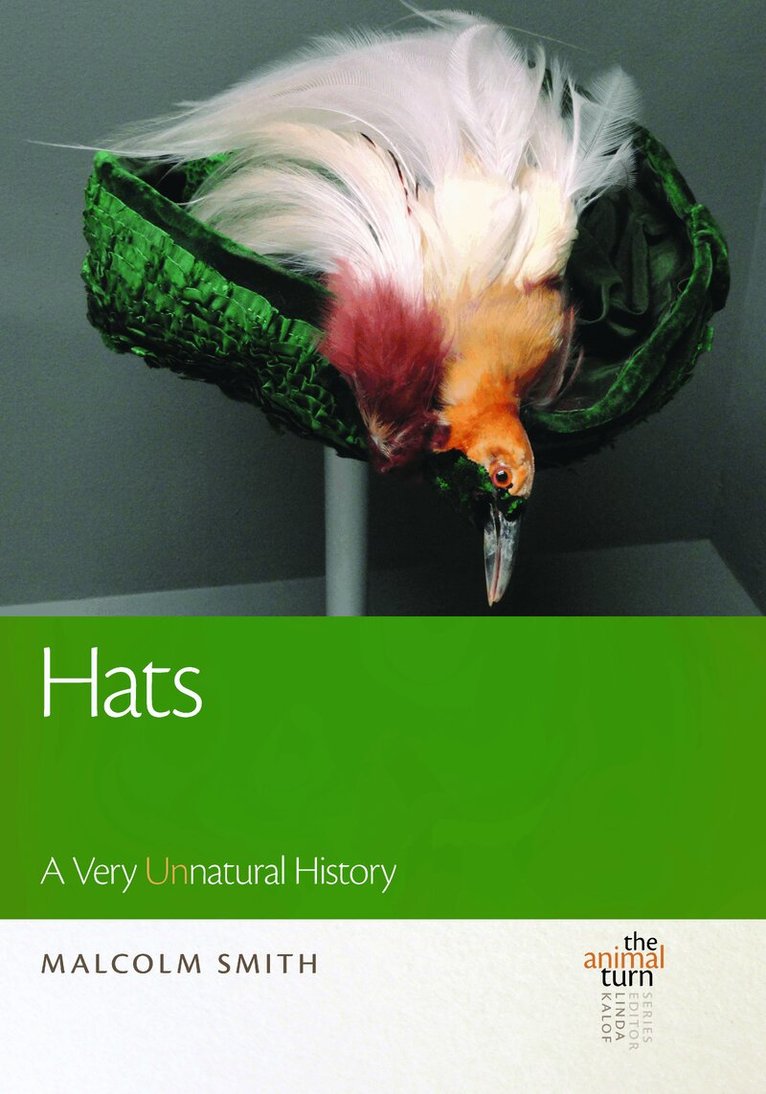
For such simple garments, hats have had a devastating impact on wildlife throughout their long history. Made of wild-caught mammal furs, decorated with feathers or whole stuffed birds, historically they have driven many species to near extinction. By the turn of the twentieth century, egrets, shot for their exuberant white neck plumes, had been decimated; the wild ostrich, killed for its feathers until the early 1900s, was all but extirpated; and vast numbers of birds of paradise from New Guinea and hummingbirds from the Americas were just some of the other birds killed to decorate ladies’ hats. At its peak, the hat trade was estimated to be killing 200 million birds a year. At the end of the nineteenth century, it was a trade valued at £20 million (over $25 million) a year at the London feather auctions. Weight for weight, exotic feathers were more valuable than gold. Today, while no wild birds are captured for feather decoration, some wild animals are still trapped and killed for hatmaking. A fascinating read, Hats will have you questioning the history of your headwear.
923 kr
Skickas inom 7-10 vardagar
Traditional cultural practices involving animals are being seriously questioned, heavily regulated, and, in some cases, even abolished in Spain. This essential and timely text brings together prominent scholars working in the ever-expanding field of animal studies in Spain, drawing from a variety of disciplines within the humanities and social sciences to provide an interdisciplinary look at the animal question. In choosing an angle to approach the study of ethical, aesthetic considerations, and cultural representations of animals, this collection moves away from the ideology of human exceptionalism that is still predominant but progressively losing force in the field of animal ethics in Spain. It instead includes contributions by scholars who have chosen to look at animals, to a lesser or greater degree, through an antispeciesist lens, displaying the committed attention to and respect for animal life that characterizes critical animal studies.
840 kr
Skickas inom 7-10 vardagar
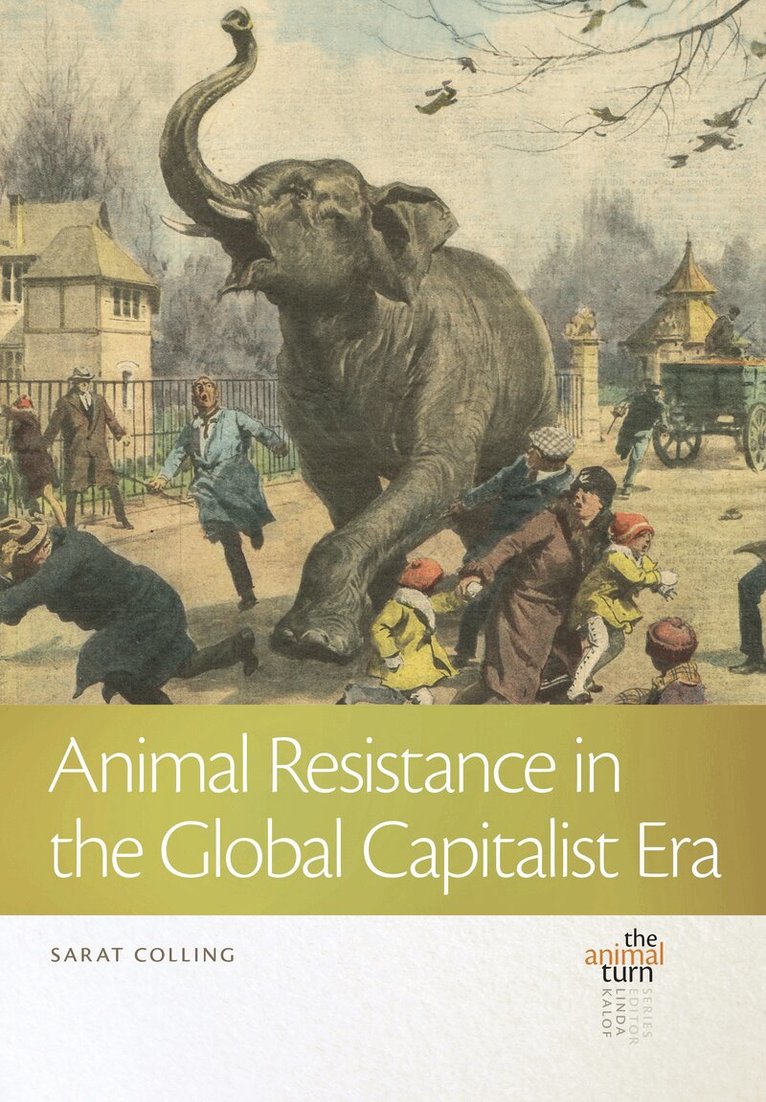
The concept of animal resistance is now reaching a wide audience across the social media landscape. Animal Resistance in the Global Capitalist Era offers an overview of how animals resist human orderings in the context of capitalism, domestication, and colonization. Exploring this understudied phenomenon, this book is attentive to both the standpoints of animal resisters and the ways they are represented in human society. Together, these lenses provide insight into how animals’ resistance disrupts the dominant paradigm of human exceptionalism and the distancing strategies of enterprises that exploit animals for profit. Animals have been relegated to the margins by human spatial and ideological orderings, but they are also the subjects of their own struggle, located at the center of their liberation movement. Well-researched and accessible, with over fifty images that aid in understanding both the experiences of and responses to animals who resist, Animal Resistance in the Global Capitalist Era is an important contribution to scholarship on animals and society. The text will appeal to a broad audience interested in the relationships between humans and the other animals with whom we share this planet.
629 kr
Skickas inom 7-10 vardagar
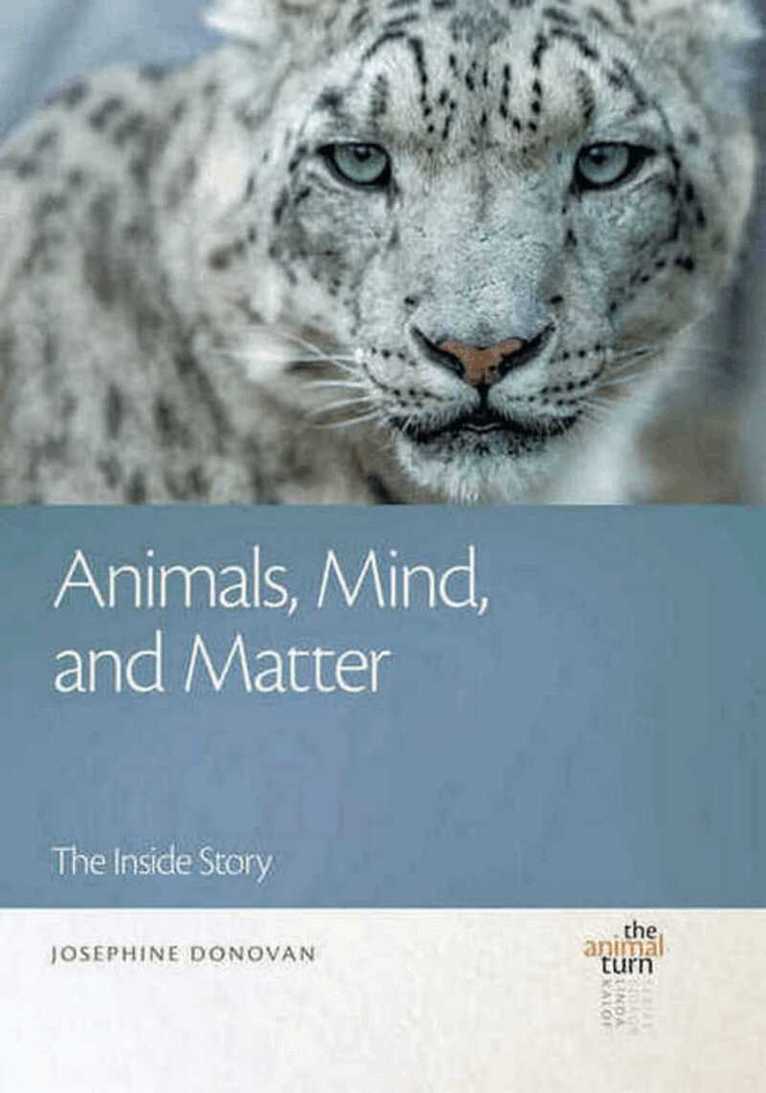
It’s no secret that animals are considered objects in the fields of law, commerce, and science, characterized as property and commodities. Animals, Mind, and Matter: The Inside Story challenges this ascription and establishes that animals are living subjects, who have minds and opinions of their own and care about what happens to them. Donovan contends that animals’ voices or standpoints should be part of any human decisions concerning their ethical treatment. Elaborating on feminist care theory and critical animal standpoint theory, the author provides compelling evidence for animal subjectivity, exploring in the process the nature of subjectivity and consciousness while drawing from recent developments in quantum and emergence theories that point away from the dominant ontology of Cartesian objectivism. Through these explorations, Donovan proposes that a new narrative is emerging in the arts and sciences—an inside story that re-subjectifies natural life and leaves behind the deadening Midas touch of Cartesian objectivism.
629 kr
Skickas inom 7-10 vardagar
The intersection of race and species has a long and problematic history. Western thinking specifically has demonstrated a societal need to try to conceive of race as a purely biological fact rather than a social construct. This book is an academic-activist challenge to that instinct, prioritizing anti-racism in its observation of the animal–race intersection. Too often, as Bénédicte Boisseron has indicated, this intersection typically appears in the form of animal activists instrumentalizing racial discrimination as a vehicle to approach animal rights. But why does this intersection exist, and, perhaps more importantly, how can we challenge it moving forward? This volume examines those two critical questions, taking an interdisciplinary approach in moving across subjects including art history, film studies, American history, and digital media analysis. Our interpretation of animals has, for centuries, been fundamental in the development of Western race thinking. This collection of essays looks at how this perspective contributes to the construction of racial discrimination, prioritizing ways to read the animal in our culture as a means for working to dismantle this conception.