Terry O'Connor – författare
Visar alla böcker från författaren Terry O'Connor. Handla med fri frakt och snabb leverans.
8 produkter
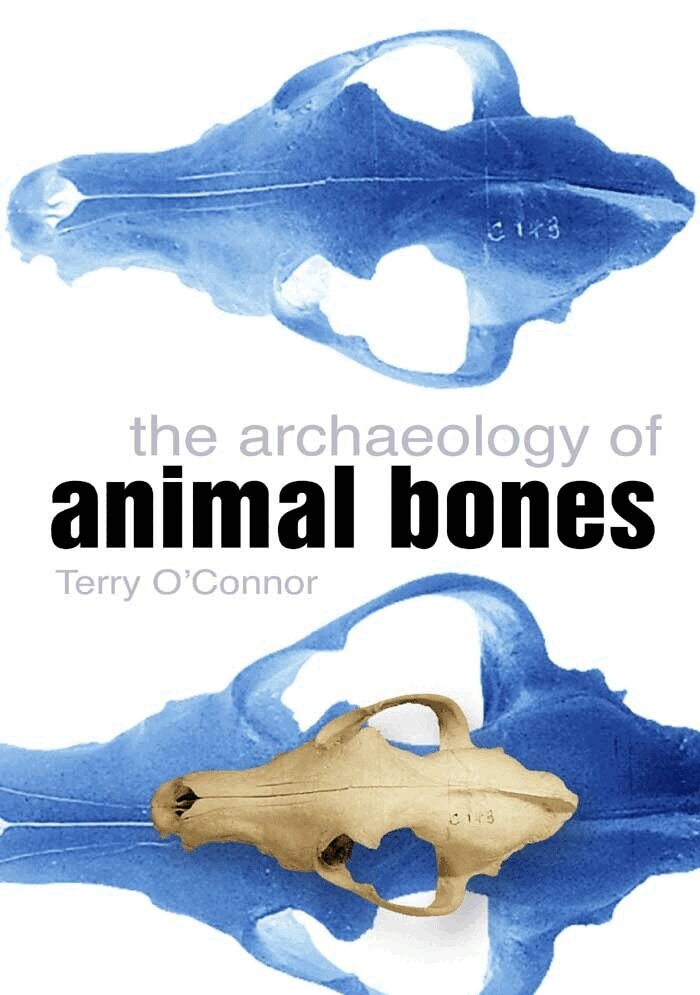
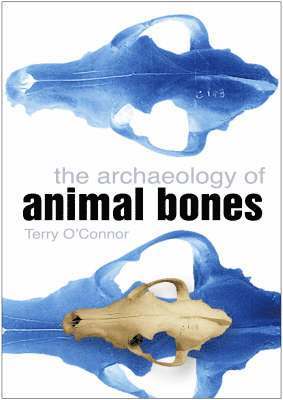
Archaeology of Animal Bones
Häftad, 2004
225 kr
Lägg i varukorg
Animal bones are one of the most abundant types of evidence found in archaeological sites dating from pre-historic times to the Middle Ages, and they can reveal a startling amount about the economy and way of life of people in the past.This is a fascinating introduction for anyone seeking to …
Experiencing God
E-bok, 2011
104 kr
Lägg i varukorg
Too many people today suffer silently. They bear up under and carry the weight of hurt, shame, and guilt. Constantly remembering what happened. Always thinking the best has passed them by. Hopelessness, worry, and the struggle with self-worth consume their days. Their farthest thought is that their …
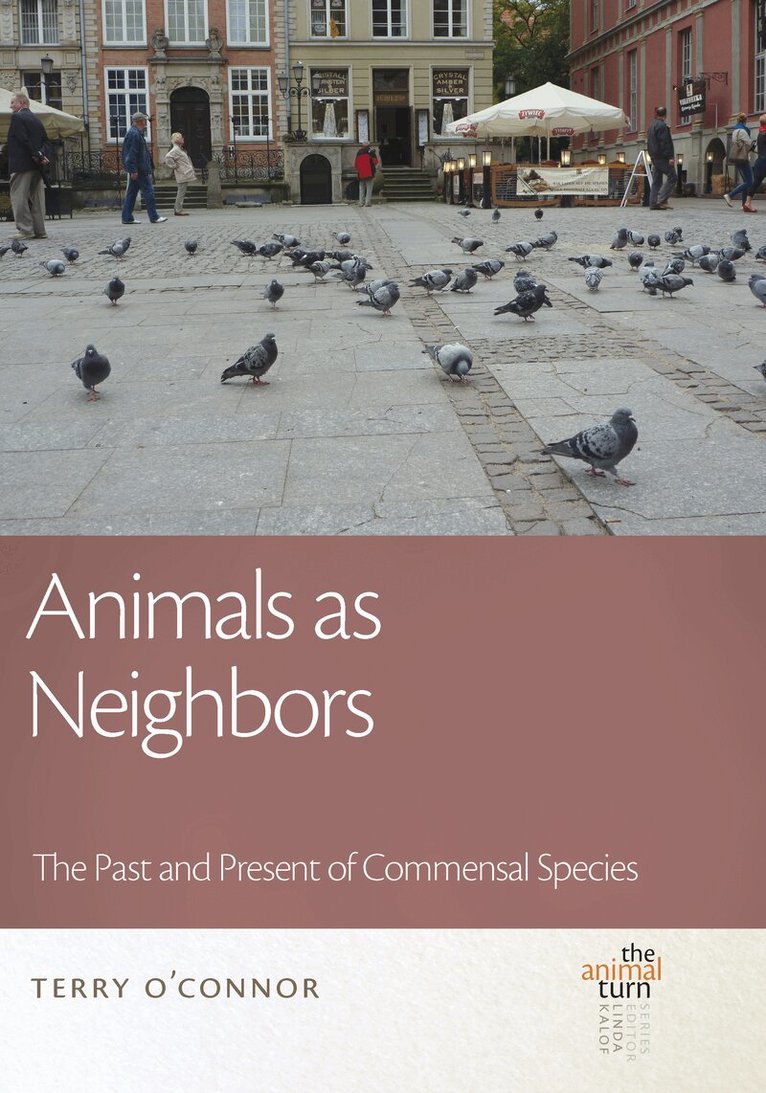
Animals as Neighbors
The Past and Present of Commensal Animals
Inbunden, 2013
1303 kr
Lägg i varukorg
In this fascinating book, Terry O’Connor explores a distinction that is deeply ingrained in much of the language that we use in zoology, human-animal studies, and archaeology—the difference between wild and domestic. For thousands of years, humans have categorized animals in simple terms, often …
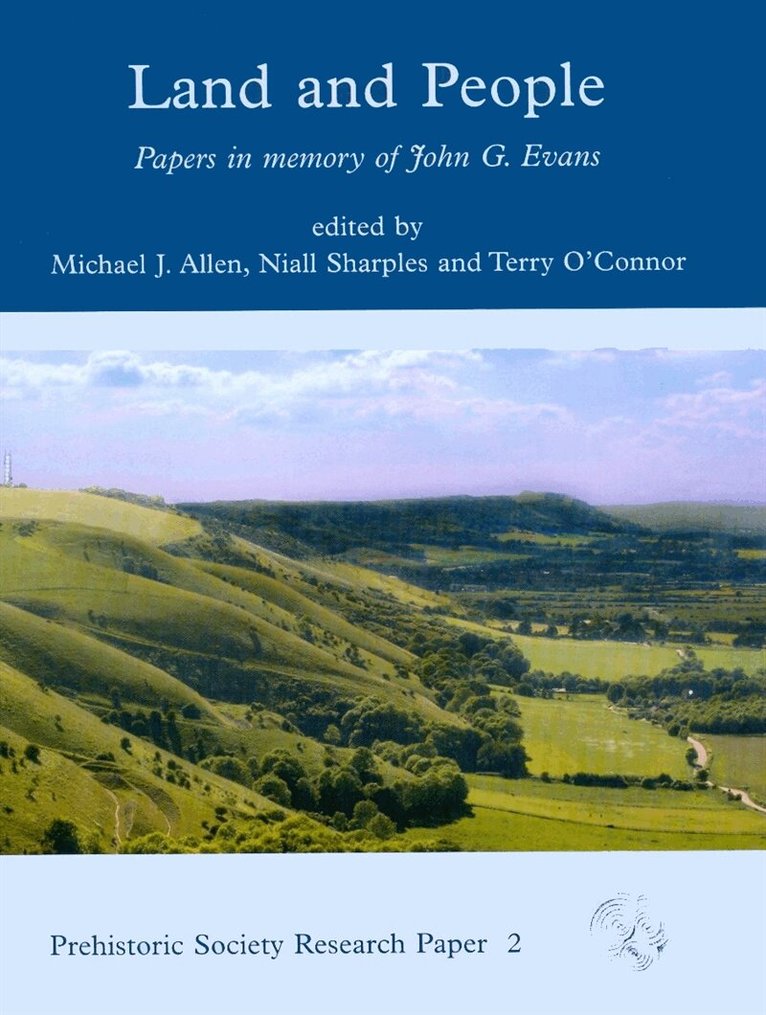
Land and People
Papers in Memory of John G. Evans
Av Terry O'Connor, Michael J. Allen m. fl.
E-bok, 2021
127 kr
Lägg i varukorg
This volume is derived, in concept, from a conference held in honour of John Evans by the School of History and Archaeology and The Prehistoric Society at Cardiff University in March 2006. It brings together papers that address themes and landscapes on a variety of levels. They cover geographical, …
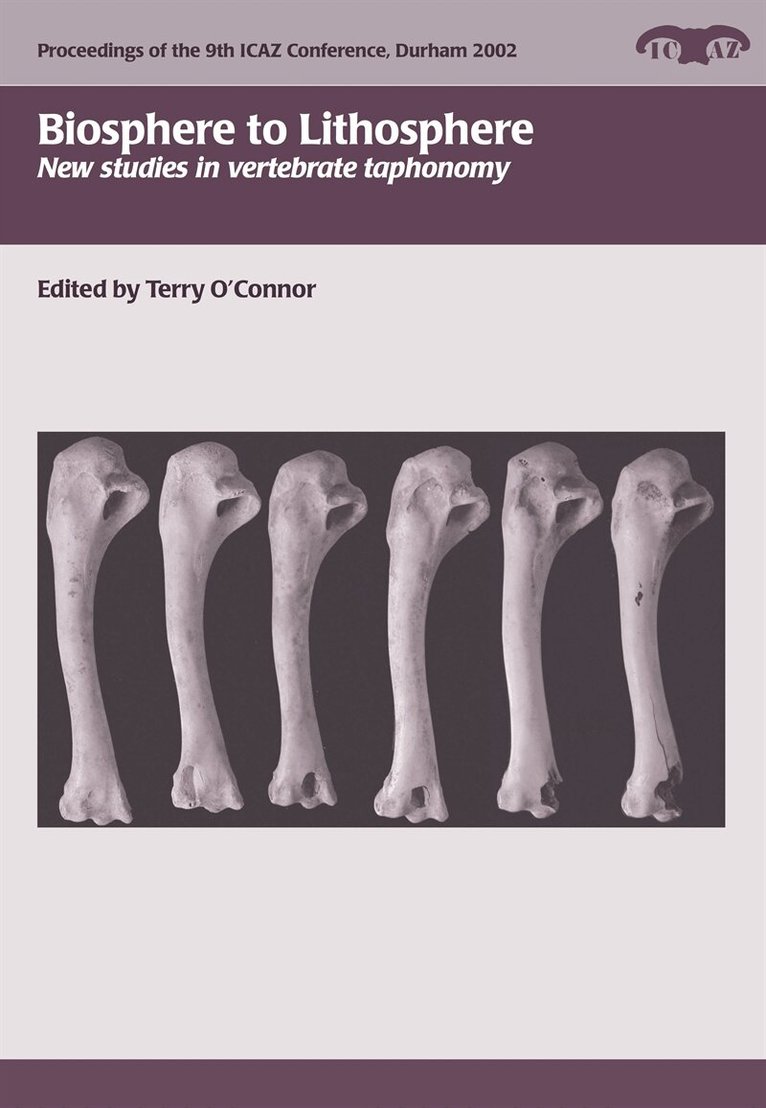
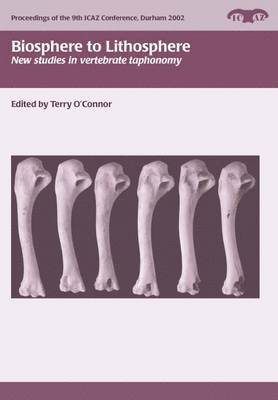
Biosphere to Lithosphere
new studies in vertebrate taphonomy
E-bok, 2021
127 kr
Lägg i varukorg
Taphonomic studies are a major methodological advance, the effects of which have been felt throughout archaeology. Zooarchaeologists and archaeobotanists were the first to realise how vital it was to study the entire process of how food enters the archaeological record, and taphonomy brought to a …
Biosphere to Lithosphere
new studies in vertebrate taphonomy
Häftad, 2016
655 kr
Lägg i varukorg
Taphonomic studies are a major methodological advance, the effects of which have been felt throughout archaeology. Zooarchaeologists and archaeobotanists were the first to realise how vital it was to study the entire process of how food enters the archaeological record, and taphonomy brought to a …
Archaeology of Animal Bones
Häftad, 2007
178 kr
Tillfälligt slut
Written by one of the most respected experts in the field, "The Archaeology of Animal Bones" is already recognised as one of the most important texts in the field. This fully revised and updated edition will only enhance the reputation of the book.