Archaeologies of Restorative Justice - Böcker
Visar alla böcker i serien . Handla med fri frakt och snabb leverans.
6 produkter
6 produkter
Bending Archaeology Toward Social Justice
Transformational Action for Positive Peace
Inbunden, Engelska, 2023
1 310 kr
Skickas inom 7-10 vardagar
In this time of Black Lives Matter, the demands of NAGPRA, and climate crises, the field of American archaeology needs a radical transformation. It has been largely a white, male, privileged domain that replicates an entrenched patriarchal, colonial, and capitalist system. In Bending Archaeology toward Social Justice, Barbara J. Little explores the concepts and actions required for such a change, looking to peace studies, anthropology, sociology, social justice activism, and the achievements of community-based archaeology for helpful approaches in keeping with the UN Sustainable Development Goals. She introduces an analytic model that uses the strengths of archaeology to destabilize violence and build peace.As Little explains, the Diachronic Transformational Action model and the peace/violence triad of interconnected personal, cultural, and structural domains of power can help disrupt the injustice of all forms of violence. Diachronic connects the past to the present to understand how power worked in the past and works now. Transformational influences power now by disrupting the stability of the violence triad. Action refers to collaborative work to diagnose power relations and transform toward social justice.Using this framework, Little confronts the country’s founding and myth of liberty and justice for all, as well as the American Dream. She also examines whiteness, antiracism, privilege, and intergenerational trauma, and offers white archaeologists concepts to grapple with their own racialized identities and to consider how to relinquish white supremacy. Archaeological case studies examine cultural violence and violent direct actions against women, Indigenous peoples, African Americans, and Japanese Americans, while archaeologies of poverty, precarity, and labor are used to show how archaeologists have helped expose the roots of these injustices. Because climate justice is integral to social justice, Little showcases insights that archaeology can bring to bear on the climate crisis and how lessons from the past can inform direct actions today. Finally, Little invites archaeologists to embrace inquiry and imagination so that they can both imagine and achieve the positive peace of social justice.
1 202 kr
Skickas inom 7-10 vardagar
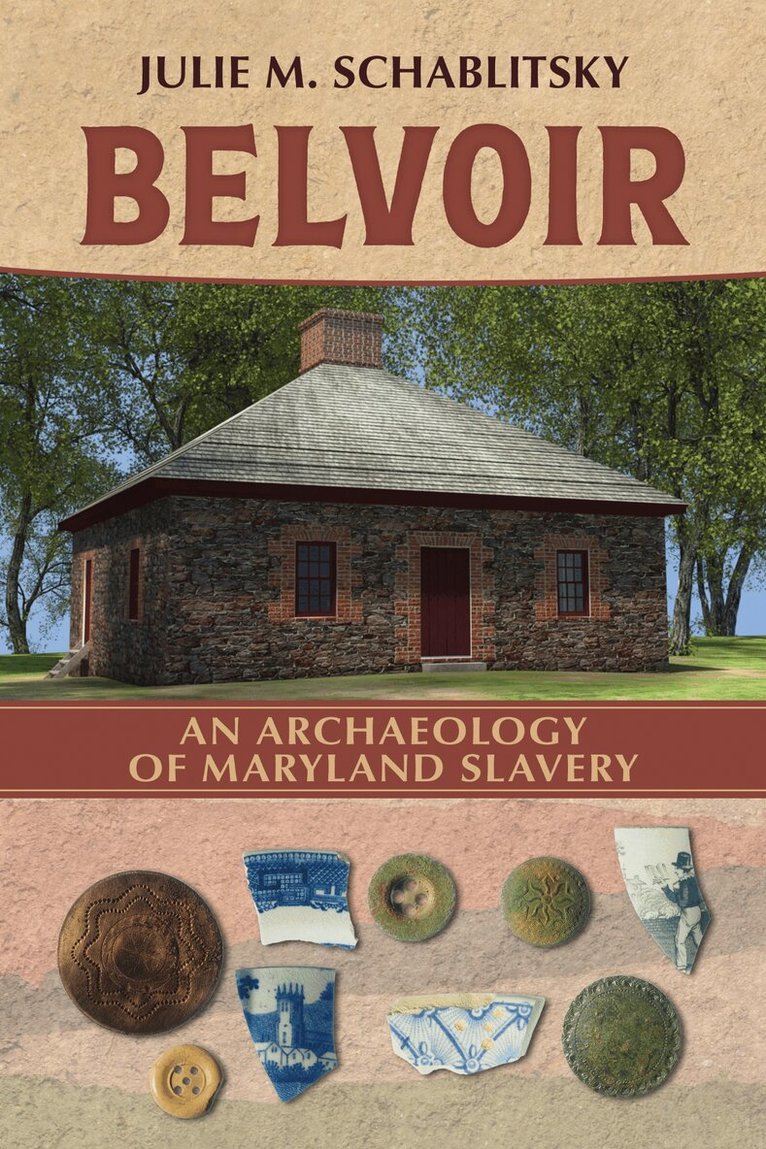
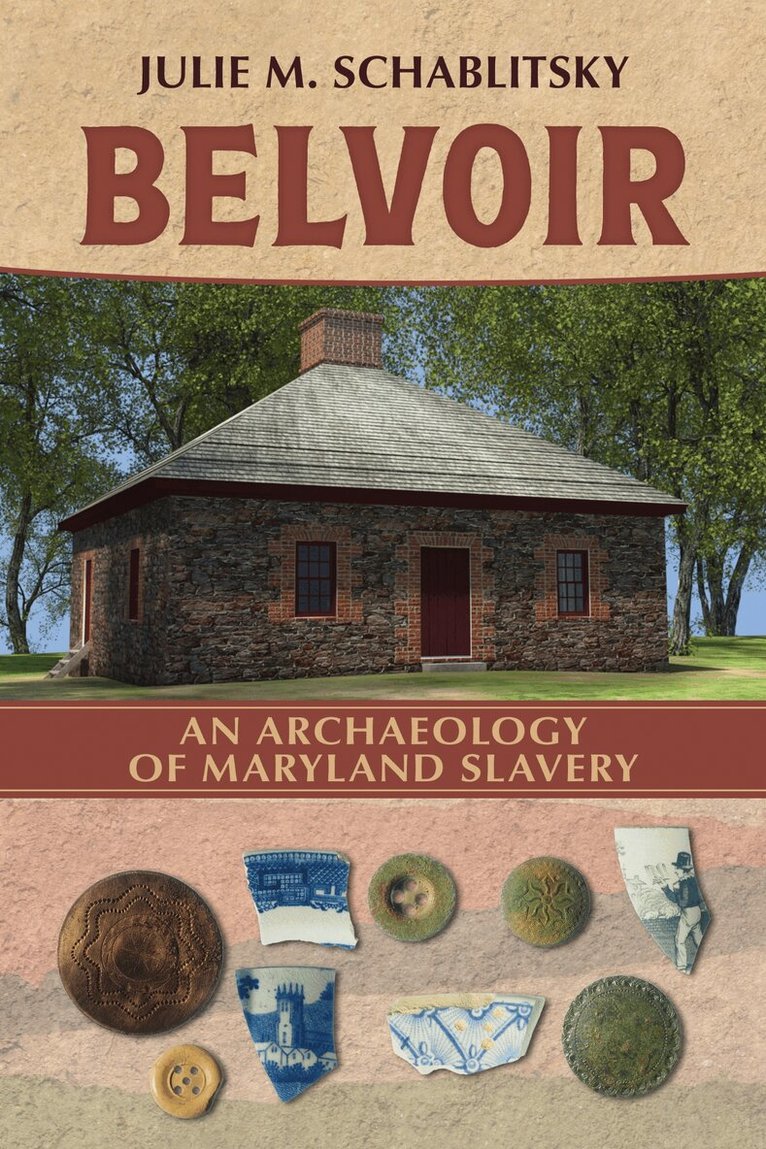
Belvoir: An Archaeology of Maryland Slavery offers a fascinating account of the Belvoir Quarter for enslaved workers at Belvoir, a 1730's Maryland manor and plantation owned by descendants of Francis Scott Key. Julie M. Schablitsky excavated the brick and stone Belvoir Quarter and found architectural features with layers of artifacts spanning more than eighty years of habitation. Belvoir takes the discovery of the quarter along with its material culture, such as sherds, buttons, tobacco pipe stems, food remains, and spiritual items, and discusses the finds in the context of other similar sites of enslavement.
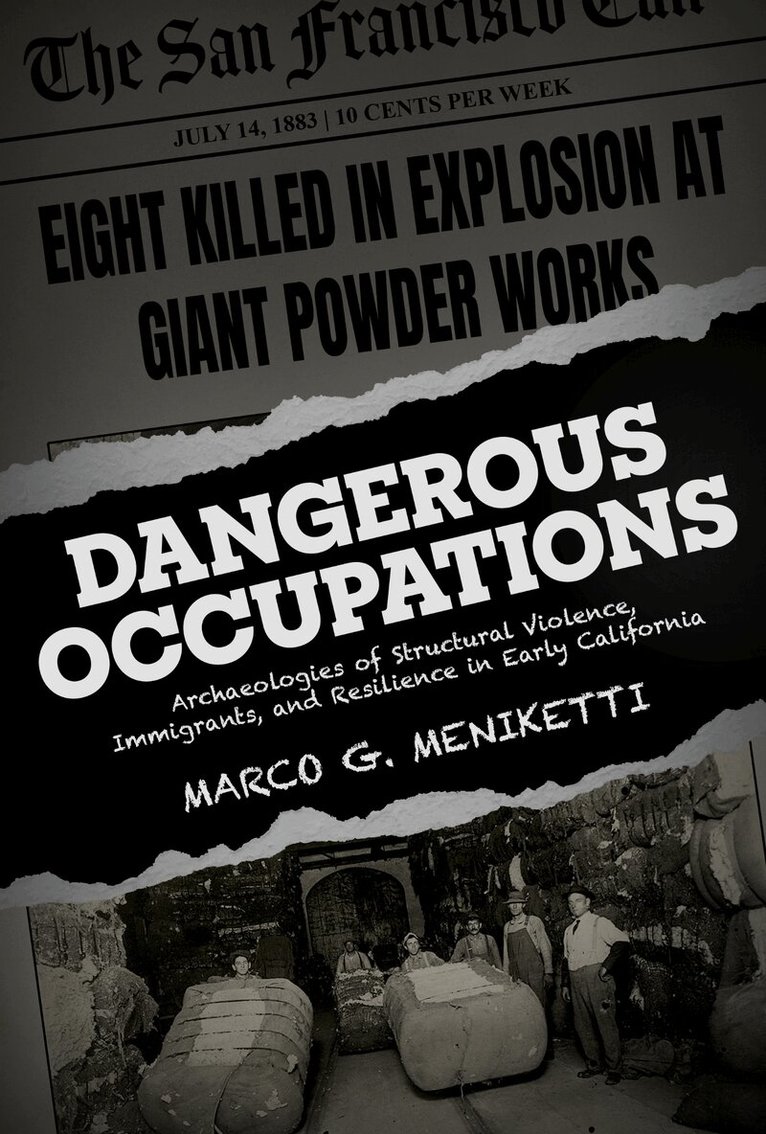
Dangerous Occupations
Archaeologies of Structural Violence, Immigrants, and Resilience in Early California
Inbunden, Engelska, 2026
1 303 kr
Kommande
Bending Archaeology Toward Social Justice
Transformational Action for Positive Peace
Häftad, Engelska, 2023
319 kr
Skickas inom 7-10 vardagar
In this time of Black Lives Matter, the demands of NAGPRA, and climate crises, the field of American archaeology needs a radical transformation. It has been largely a white, male, privileged domain that replicates an entrenched patriarchal, colonial, and capitalist system. In Bending Archaeology toward Social Justice, Barbara J. Little explores the concepts and actions required for such a change, looking to peace studies, anthropology, sociology, social justice activism, and the achievements of community-based archaeology for helpful approaches in keeping with the UN Sustainable Development Goals. She introduces an analytic model that uses the strengths of archaeology to destabilize violence and build peace.As Little explains, the Diachronic Transformational Action model and the peace/violence triad of interconnected personal, cultural, and structural domains of power can help disrupt the injustice of all forms of violence. Diachronic connects the past to the present to understand how power worked in the past and works now. Transformational influences power now by disrupting the stability of the violence triad. Action refers to collaborative work to diagnose power relations and transform toward social justice.Using this framework, Little confronts the country’s founding and myth of liberty and justice for all, as well as the American Dream. She also examines whiteness, antiracism, privilege, and intergenerational trauma, and offers white archaeologists concepts to grapple with their own racialized identities and to consider how to relinquish white supremacy. Archaeological case studies examine cultural violence and violent direct actions against women, Indigenous peoples, African Americans, and Japanese Americans, while archaeologies of poverty, precarity, and labor are used to show how archaeologists have helped expose the roots of these injustices. Because climate justice is integral to social justice, Little showcases insights that archaeology can bring to bear on the climate crisis and how lessons from the past can inform direct actions today. Finally, Little invites archaeologists to embrace inquiry and imagination so that they can both imagine and achieve the positive peace of social justice.
374 kr
Skickas inom 7-10 vardagar
Belvoir: An Archaeology of Maryland Slavery offers a fascinating account of the Belvoir Quarter for enslaved workers at Belvoir, a 1730's Maryland manor and plantation owned by descendants of Francis Scott Key. Julie M. Schablitsky excavated the brick and stone Belvoir Quarter and found architectural features with layers of artifacts spanning more than eighty years of habitation. Belvoir takes the discovery of the quarter along with its material culture, such as sherds, buttons, tobacco pipe stems, food remains, and spiritual items, and discusses the finds in the context of other similar sites of enslavement.
Dangerous Occupations
Archaeologies of Structural Violence, Immigrants, and Resilience in Early California
Häftad, Engelska, 2026
557 kr
Kommande