Asia Insights - Böcker
Visar alla böcker i serien Asia Insights. Handla med fri frakt och snabb leverans.
7 produkter
7 produkter
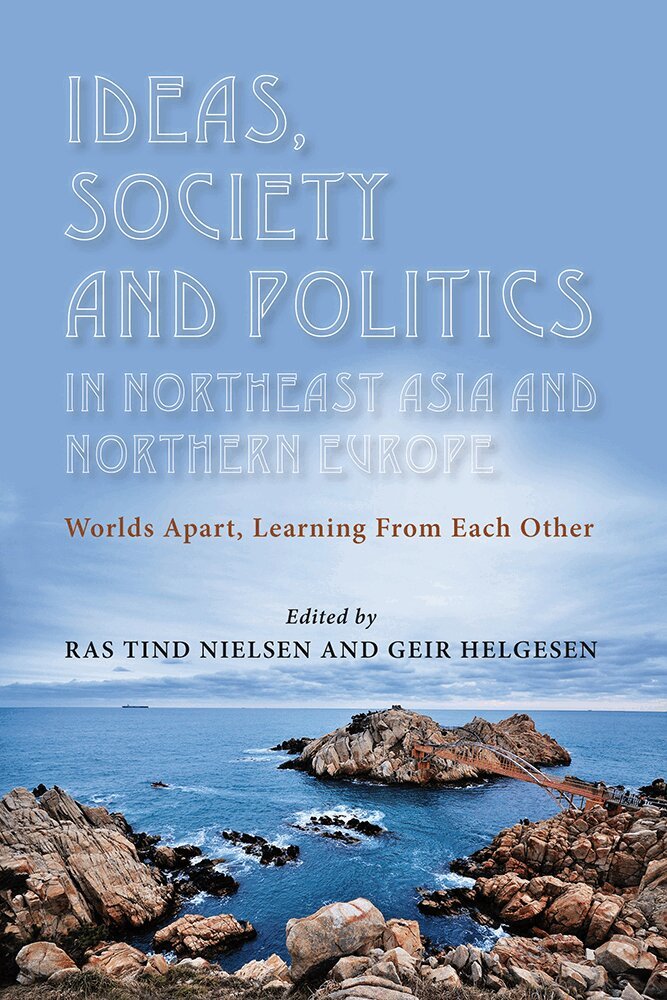
Ideas, Society and Politics in Northeast Asia and Northern Europe
Worlds Apart, Learning from Each Other
Häftad, Engelska, 2012
295 kr
Skickas inom 7-10 vardagar
Western scholars have long studied China, Japan and Korea (among other Asian countries). However, in recent years we have seen the study of western societies launched at certain Asian universities while an interesting new development is the establishment of Nordic studies in China, Japan and South Korea. Why is this? What possible interest could the low-tax, entrepreneurial countries of East Asia have in the high-tax, social welfare-oriented Nordic region on the opposite edge of Eurasia?In the past few decades, all three Asian countries have experienced rapid economic development and as a result their societies are becoming more complex to govern. Several issues related to public welfare - for instance, the need to deal with an ageing population, income redistribution and provision of social security - were not considered important even 25 years ago. Today, their resolution is seen as essential to the countries' continued, sustainable development. Such issues have long been in focus in the Nordic region and important lessons can be learnt from how they have been addressed. On the other hand, the Nordic countries are at risk of stagnation and have much to learn from the dynamism and flexibility found in East Asia. Meanwhile cultural and political differences between East and West pose challenges to mutual understanding and learning. However, the two regions are not uniformly distinct from each other; there are in fact distinct differences within the regions and interesting parallels between them. In short, this pattern of convergence and diversity makes a challenging point of reference for scholars and policy-makers from both regions.The exploration of how both regions have much to learn from each other is the focus of this intriguing volume of essays by both Eastern and Western scholars.
360 kr
Skickas inom 7-10 vardagar
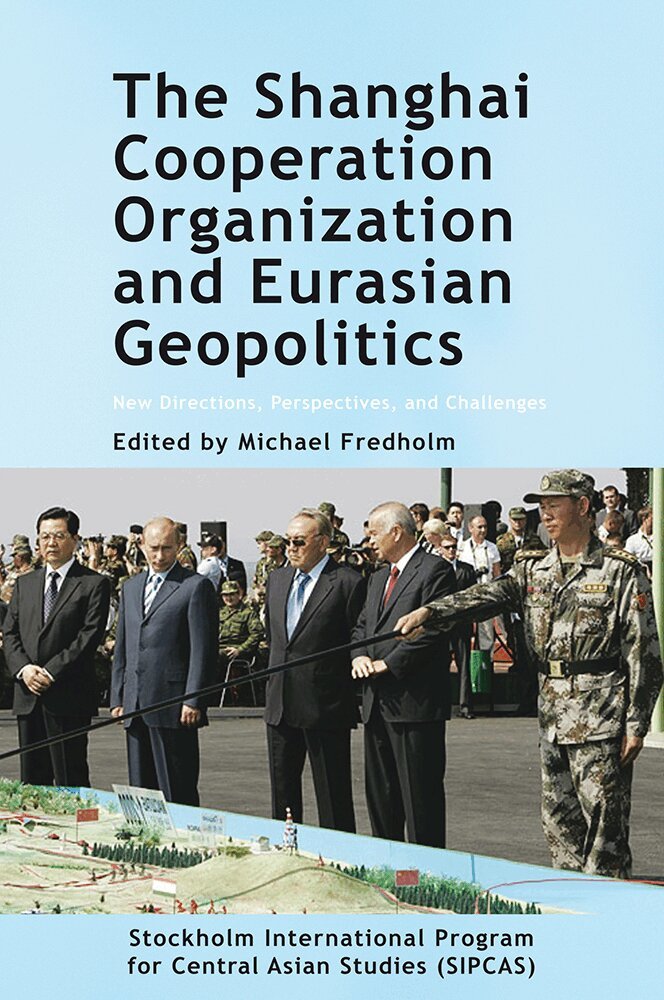
In its first decade of existence, the Shanghai Cooperation Organization (SCO) has developed into a key regional security group in Asia. Alarmists believe that the SCO is making itself into a NATO of the East, thus posing a long-term threat to the West, while others point to a "looseness" in the SCO that prevents it from becoming a cohesive group like NATO. Indeed, Sino-Russian rivalry is said to be a major obstacle for the SCO's long-term sustainability. Even so, the key importance of several SCO member states in the fields of economic development and energy production means that political developments within the SCO can soon no longer be ignored by the global market.Despite these factors - and even though its member states could be said to represent no less than "half of humanity" - the organization has long been disregarded by political leaders in the West and is seldom reported in Western media or analysed in academic works. As such, this ground-breaking volume with contributors from across the region and beyond will be a key reference for many specialists and academics working on Asian affairs.Aimed at political scientists and area specialists with an interest in Asian affairs, this volume is also intended to be of use in courses on contemporary geopolitics, security and foreign policy in Central Asia, Russia and China as well as offering unique perspectives to students in both political science and area studies. Certain chapters may also be helpful for scholars and students within the field of economics and energy studies.This volume is the result of a series of seminars and workshops on the SCO conducted within the framework of the Stockholm International Program for Central Asian Studies (SIPCAS). The initiator and leader of this book project was Professor Birgit Schlyter, Head of SIPCAS and presently Director of the Swedish Research Institute in Istanbul.
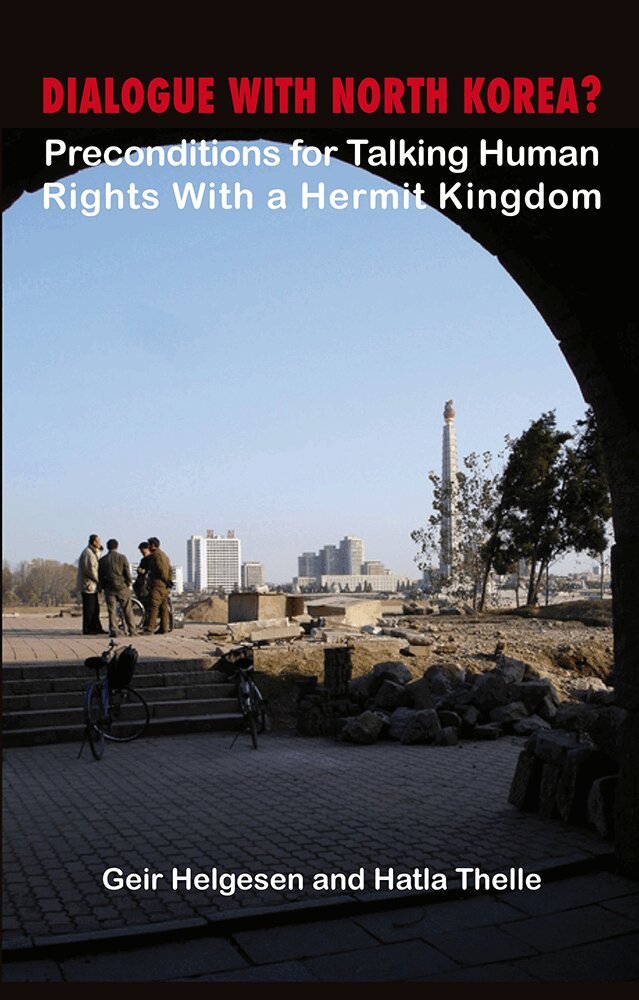
Dialogue with North Korea?
Preconditions for Talking Human Rights with the Hermit Kingdom
Häftad, Engelska, 2013
203 kr
Skickas inom 7-10 vardagar
There is hardly another country as isolated and with such a bleak image as North Korea. It is portrayed in the Western media as a Hermit Kingdom ruled by an outdated, communist dictatorship whose clandestine nuclear programmes alarm its neighbours and which uses dreadful labour camps to control a population wracked by famine.The regime's poor track record on human rights is stressed time and again by both Western governments and international organizations. Prospects look bleak for any improvement in relations let alone the start of a dialogue on human rights.Offering a rare, nuanced analysis of the North Korean situation, this short study argues that not only is a constructive and fruitful dialogue on human rights possible but also it is desirable for both parties. New perspectives are provided on what is generally perceived about North Korea, its relationship to the international human rights regime, the rationales that underpin decision-making in international relations, and the perceptions and expectations of people occupying official positions in the DPRK bureaucracy.The authors also draw from concrete experiences to give some suggestions to how a dialogue could be established and in what specific areas it is realistic. Here they point to valuable lessons to be learned from the dialogue so far between North Korea and the UN Human Rights regime as well as from the experiences of the already established EU-China human rights dialogue.
263 kr
Skickas inom 7-10 vardagar
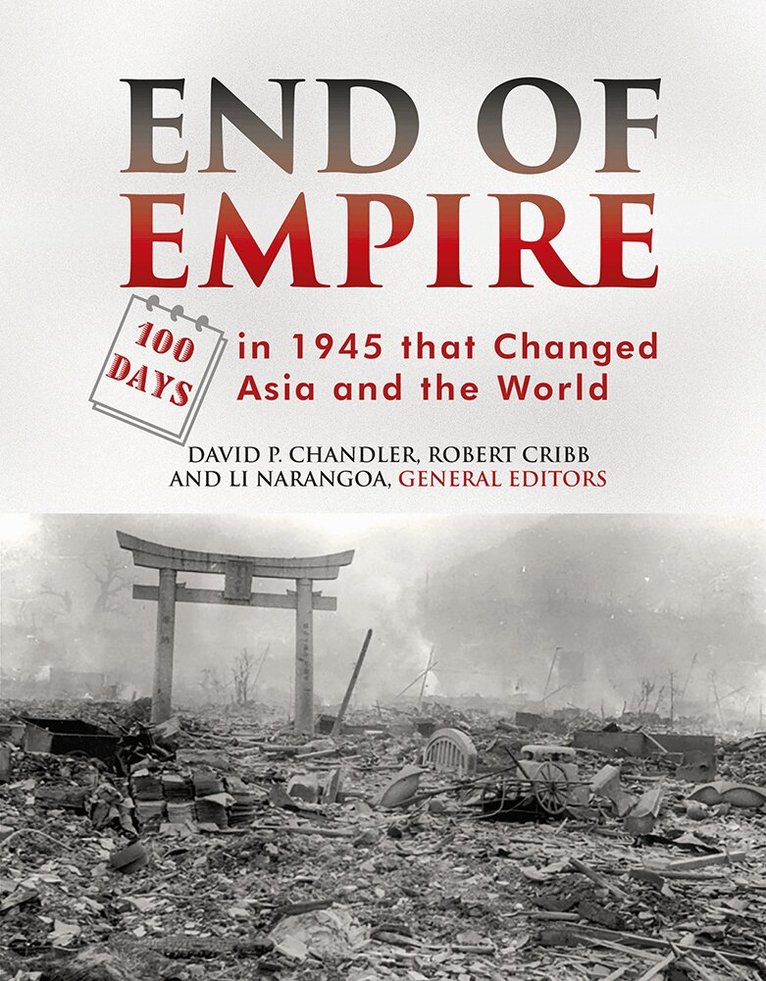
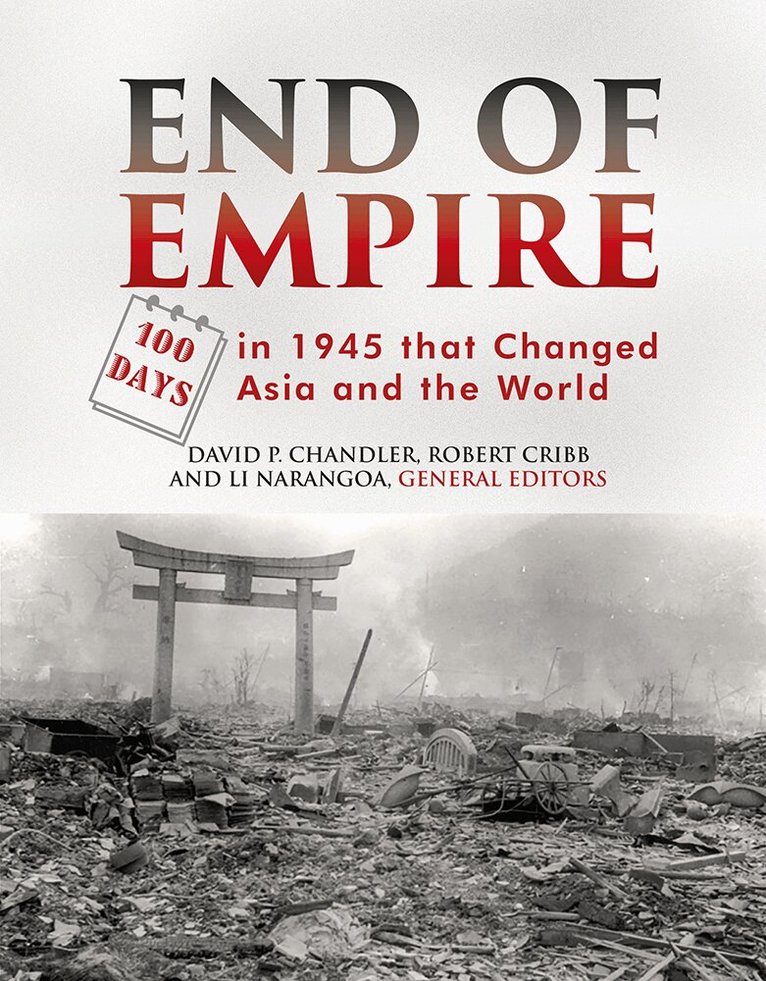
Almost nowhere in eastern Asia did the end of World War II bring peace. Within days, the fragile wartime truce between Nationalists and Communists in China began to fray. Even before Japan's formal surrender, nationalist revolutions were sweeping through much of the region, most notably in Vietnam and Indonesia, seeking to forestall the return of the old colonial order. And for a brief moment, Koreans stood united and on the verge of independence. At the same time in Japan, there was shock and despair at the ruination of empire.The results were momentous. In the short, 100-day period between the incineration of Hiroshima on 6 August 1945 and the following November when the first frosts of the Cold War began to be felt, important political and military foundations were laid not least the rise of Communist China, the division of Korea, the end of European colonial power, the birth of new, independent nation-states, and the emergence of a new democratic order in Japan. These developments have profoundly influenced the history not just of Asia but also the world. Imparting some of the chaotic uncertainty of the period, this innovative study presents a kaleidoscope of over 300 events, illuminated with expert commentary, photographs, maps and personal accounts.
236 kr
Skickas inom 7-10 vardagar
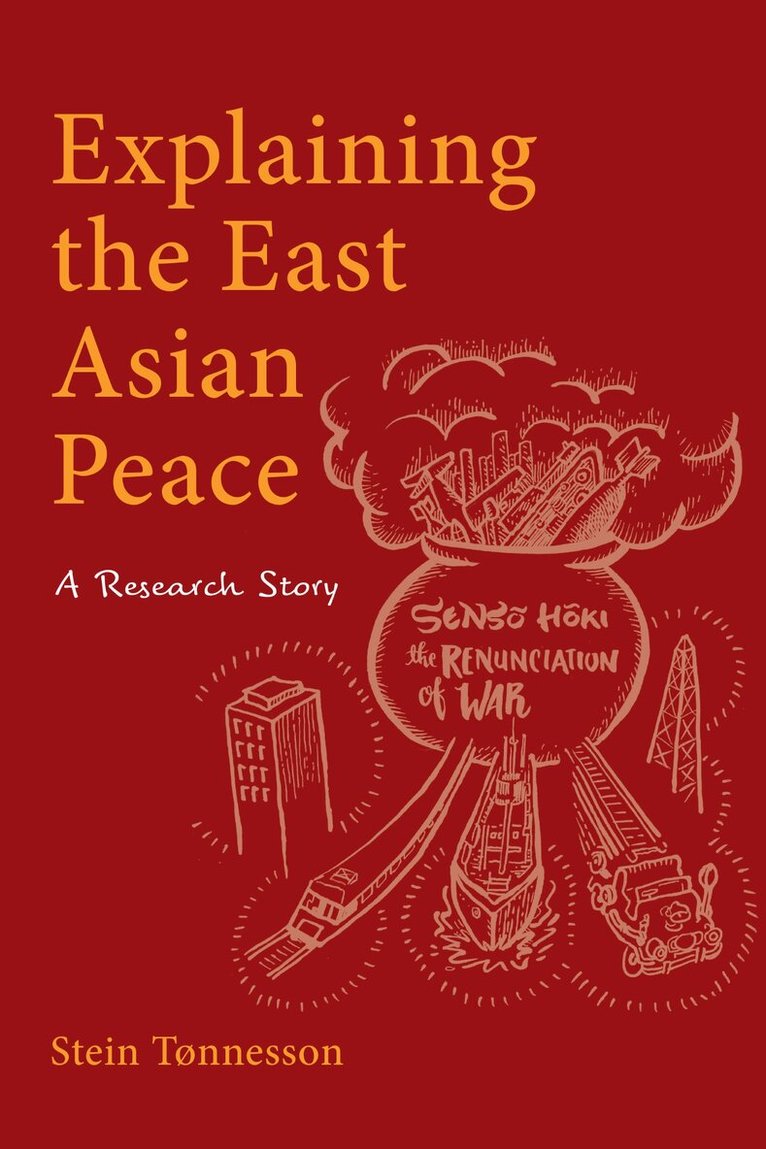
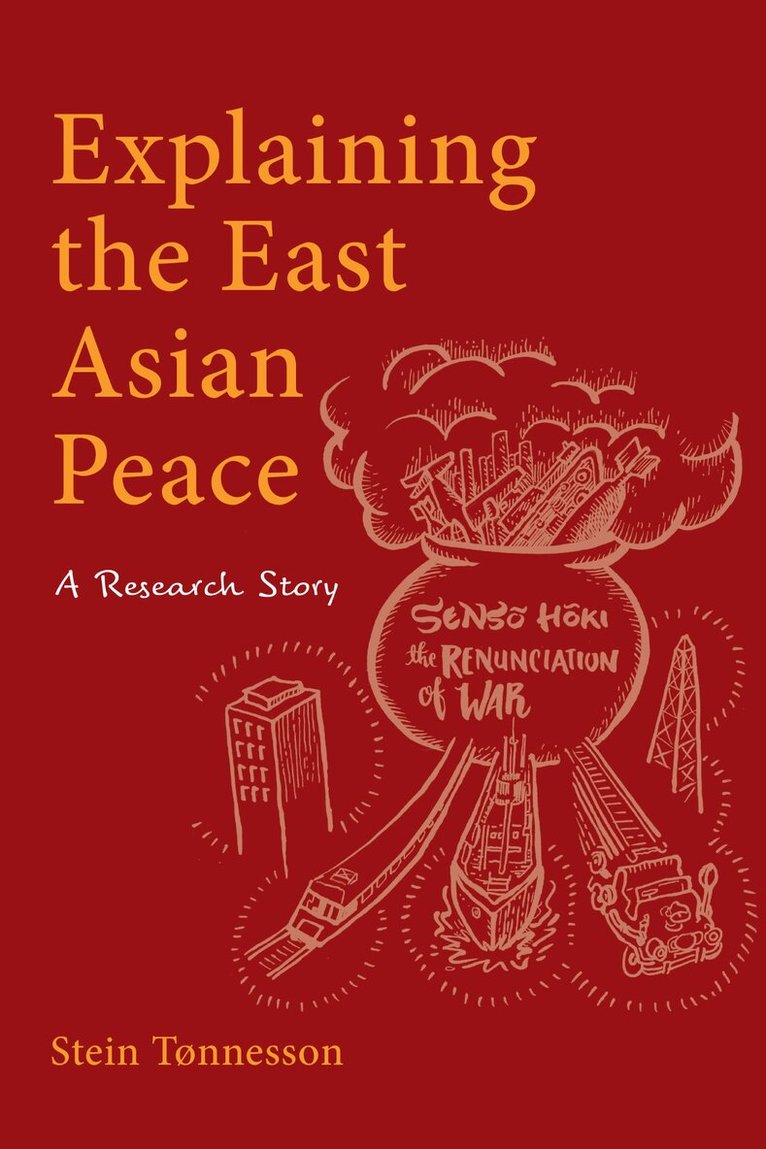
The fascinating and controversial (but also personal) story of a 6-year research program based at Uppsala University that, instead of explaining conflict, has sought to explain peace, and to gauge its quality and sustainability. Specifically, the program has sought to understand the dramatic drop in battle deaths in East Asia (including Southeast Asia) from the 1980s, just as warfare worsened in the rest of the world. The book recounts heated discussions to explain this ‘East Asian Peace’. Was it due to a changing power balance? The ASEAN Way? China’s ‘peaceful development’ doctrine? Growing economic interdependence? Or, as the author contends, a series of national priority shifts by powerful Asian leaders who prioritized economic growth and thus needed external and internal stability? The book also deals with civil as well as international conflict, and discusses why Thailand, Myanmar and the Philippines have not yet achieved internal peace. The author recounts his debates with colleagues who find it difficult to accept that a region with unresolved disputes, rising arms expenditure, massive human rights violations, and high domestic violence can be called ‘peaceful’. East Asia, they say, has just a ‘negative peace’ or relative absence of war. Though he holds that a ‘negative peace’ has tremendous positive value, Tønnesson does ponder its future. For instance, can China keep peace with its neighbors? A rare combination of detached analysis and personal narrative, the book examines developments in the world’s most important region while also telling the story of how researchers with different assumptions develop rival theories and predictions. A companion volume to the main output of the Uppsala peace research program, Debating the East Asian Peace, this study will be of especial interest to not only scholars and students but also policy-makers, NGOs, businesses, journalists and many others engaged with the peace, stability and prosperity of the East Asian region.
Del 10 - Asia Insights
Thai Politics in Translation
Monarchy, Democracy and the Supra-constitution
Inbunden, Engelska, 2020
792 kr
Skickas inom 7-10 vardagar
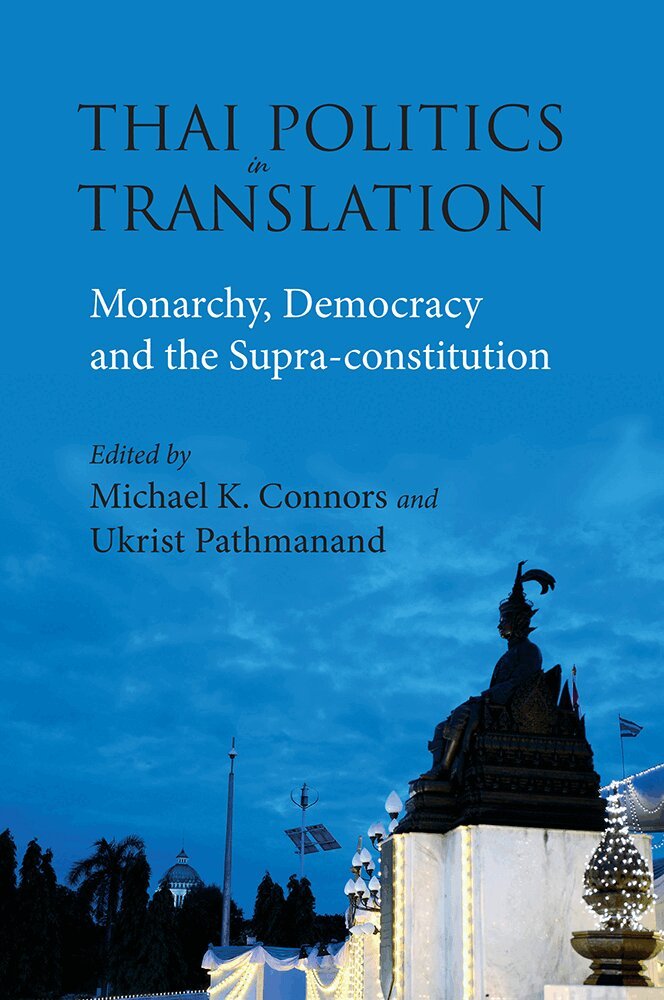
Since Thailand's prolonged political crisis began with royalist mobilization against prime minister Thaksin Shinawatra in 2005, international observers have been treated to easy cliches about reactionary Thai elites. The chapters in this book invite readers to hold back quick judgement and instead engage with the conservative norms of sections of the middle class, the military, intellectuals and state ideologues. The opening chapter by the editors provides a historical overview of relevant themes and introduces the translated pieces. It also argues that the concept of a supra-constitution - first introduced by legal scholar Somchai Preechasilpakul in a brilliant lecture to the Pridi Banomyong Institute in 2007 - is a powerful frame for interpreting conservative Thai politics. Somchai's lecture, now translated here, explains that an unwritten supra-constitution sits above the many failed constitutions that litter Thai history. Like a guiding spirit it contains evolving norms on military and monarchical power which circumscribe democratic political contest. Other translations include chapters from Nakharin Metrairat's seminal Thoughts, Knowledge and Political Power in the Siamese Revolution (1990) and the unsurpassed Political Thought of the Thai Military (1990) by Chalermkiat Phi-nuan. Nakarin's account of vibrant traditionalist thought and Chalermkiat's interrogation of the cosmological underpinnings of military thought offer profound insights unavailable in English-language scholarship. On royalism, the translation of Kramol Thongthammachat's "National Ideology" illuminates how an important state ideologue co-developed a cross-class royalist ideology that emerged as a powerful force after the polarized 1970s. The Thai politician Pramuan Rajunaseri's sensational book Royal Powers, in part translated here, helped in 2005 to mobilize royalist sentiment against Thaksin. Work by Saichon Sattayanurak and Pasuk Phongpaichit, both national award-winning scholars, complete the collection. Pasuk's prescient contribution, originally written in English, warned about new forms of bureaucratic-political patronage emerging during the 1990s that limited civil society activism. Relatedly, Saichon explores how Sino-Thai middle-class dependency on royal power and the judiciary emerges from its historical experience of political insecurity.This is a must-have reference, one that enables a better understanding of the forces that have shaped Thailand's democracy struggles.
Del 10 - Asia Insights
Thai Politics in Translation
Monarchy, Democracy and the Supra-constitution
Häftad, Engelska, 2021
246 kr
Skickas inom 11-20 vardagar
Since Thailand's prolonged political crisis began with royalist mobilization against prime minister Thaksin Shinawatra in 2005, international observers have been treated to easy cliches about reactionary Thai elites. The chapters in this book invite readers to hold back quick judgement and instead engage with the conservative norms of sections of the middle class, the military, intellectuals and state ideologues. The opening chapter by the editors provides a historical overview of relevant themes and introduces the translated pieces. It also argues that the concept of a supra-constitution - first introduced by legal scholar Somchai Preechasilpakul in a brilliant lecture to the Pridi Banomyong Institute in 2007 - is a powerful frame for interpreting conservative Thai politics. Somchai's lecture, now translated here, explains that an unwritten supra-constitution sits above the many failed constitutions that litter Thai history. Like a guiding spirit it contains evolving norms on military and monarchical power which circumscribe democratic political contest. Other translations include chapters from Nakharin Metrairat's seminal Thoughts, Knowledge and Political Power in the Siamese Revolution (1990) and the unsurpassed Political Thought of the Thai Military (1990) by Chalermkiat Phi-nuan. Nakarin's account of vibrant traditionalist thought and Chalermkiat's interrogation of the cosmological underpinnings of military thought offer profound insights unavailable in English-language scholarship. On royalism, the translation of Kramol Thongthammachat's "National Ideology" illuminates how an important state ideologue co-developed a cross-class royalist ideology that emerged as a powerful force after the polarized 1970s. The Thai politician Pramuan Rajunaseri's sensational book Royal Powers, in part translated here, helped in 2005 to mobilize royalist sentiment against Thaksin. Work by Saichon Sattayanurak and Pasuk Phongpaichit, both national award-winning scholars, complete the collection. Pasuk's prescient contribution, originally written in English, warned about new forms of bureaucratic-political patronage emerging during the 1990s that limited civil society activism. Relatedly, Saichon explores how Sino-Thai middle-class dependency on royal power and the judiciary emerges from its historical experience of political insecurity. This is a must-have reference, one that enables a better understanding of the forces that have shaped Thailand's democracy struggles.