Beginning and the Beyond of Politics – Serie
Visar alla böcker i serien Beginning and the Beyond of Politics. Handla med fri frakt och snabb leverans.
16 produkter
16 produkter
1 384 kr
Skickas inom 10-15 vardagar
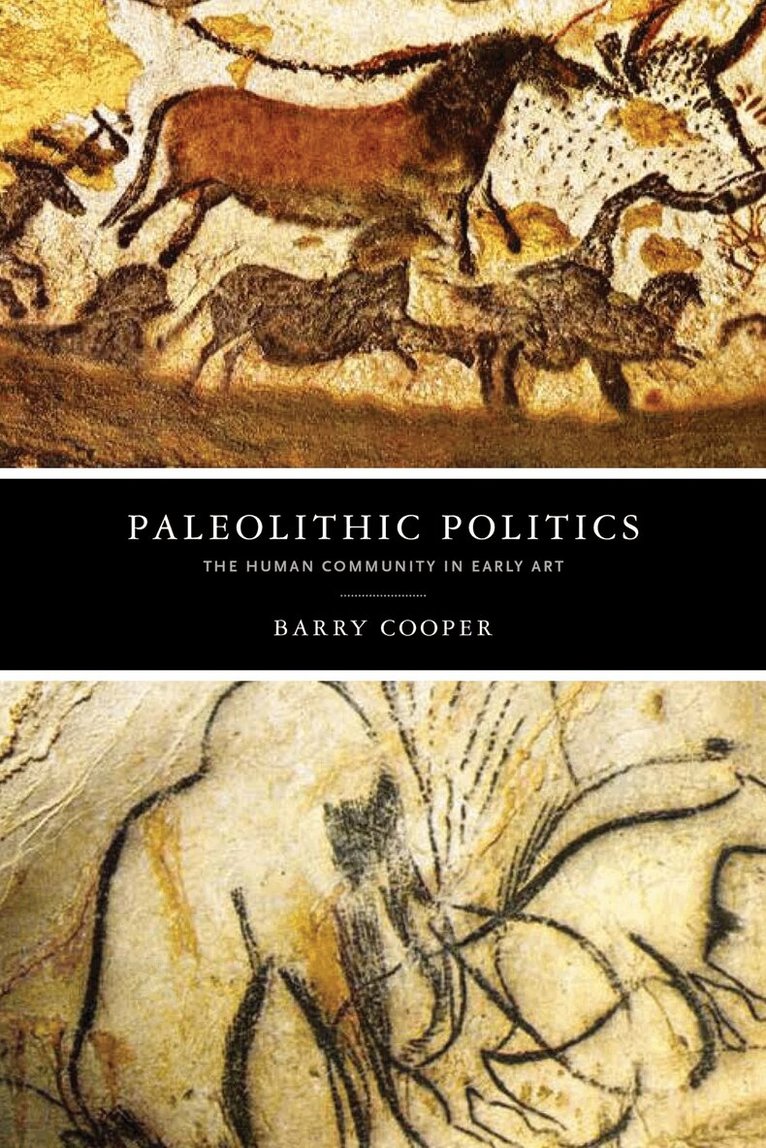
Using his background in political theory and philosophical anthropology, Barry Cooper is the first political scientist to propose new interpretations of some of the most famous extant Paleolithic art and artifacts in Paleolithic Politics. This book is inspired by Eric Voegelin, one of the major political scientists of the last century, who developed an interest in the very early symbolism associated with the caves and rock shelters of the Upper Paleolithic, but never finished his analysis. Cooper, who has written extensively on Voegelin's theories, takes up the enterprise of applying Voegelin's approach to an analysis of portable and cave art. He specifically applies Voegelin's philosophy of consciousness, his concept of the compactness and differentiation of consciousness, his argument regarding the experience and symbolizations of reality, and his notion of the primary experience of the cosmos to images previously regarded as pedestrian. Cooper demonstrates the political significance of the earliest expressions of human existence and is among the first to argue that political life began not with the Greeks, but 25,000 years before them. Archaeologists, prehistorians, and political scientists will all benefit from this original and provocative work.
489 kr
Skickas inom 10-15 vardagar
Using his background in political theory and philosophical anthropology, Barry Cooper is the first political scientist to propose new interpretations of some of the most famous extant Paleolithic art and artifacts in Paleolithic Politics. This book is inspired by Eric Voegelin, one of the major political scientists of the last century, who developed an interest in the very early symbolism associated with the caves and rock shelters of the Upper Paleolithic, but never finished his analysis. Cooper, who has written extensively on Voegelin's theories, takes up the enterprise of applying Voegelin's approach to an analysis of portable and cave art. He specifically applies Voegelin's philosophy of consciousness, his concept of the compactness and differentiation of consciousness, his argument regarding the experience and symbolizations of reality, and his notion of the primary experience of the cosmos to images previously regarded as pedestrian. Cooper demonstrates the political significance of the earliest expressions of human existence and is among the first to argue that political life began not with the Greeks, but 25,000 years before them. Archaeologists, prehistorians, and political scientists will all benefit from this original and provocative work.
1 344 kr
Skickas inom 10-15 vardagar
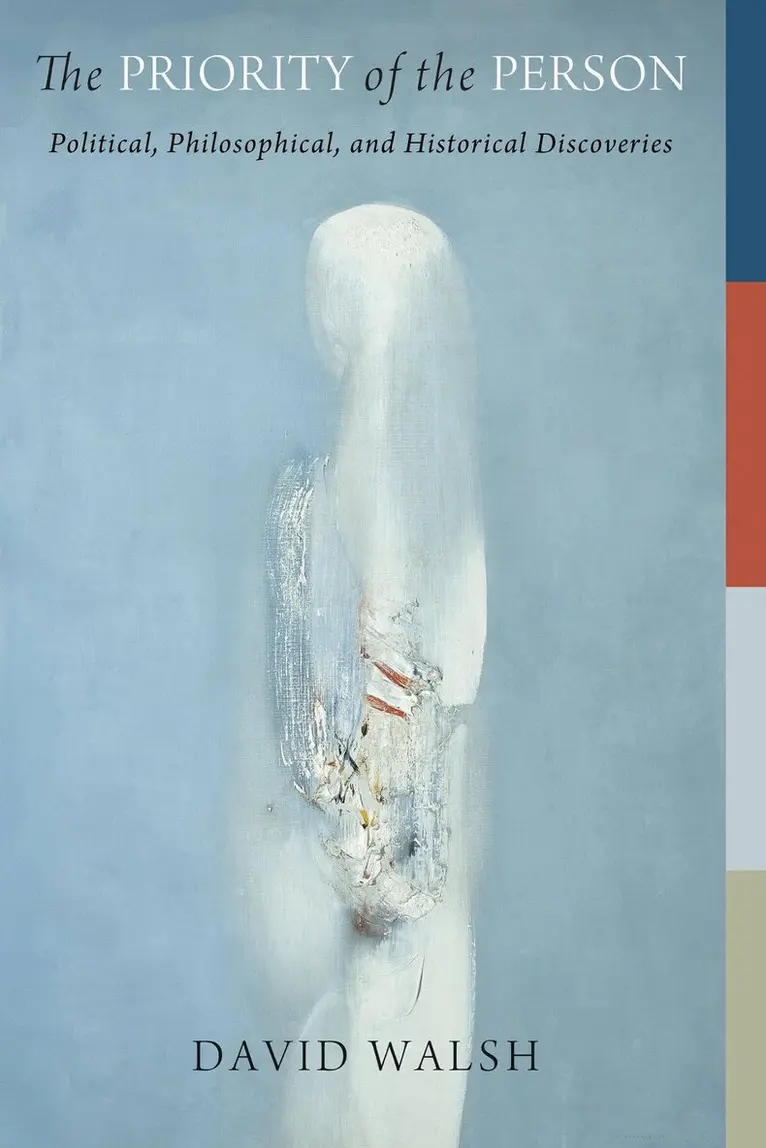
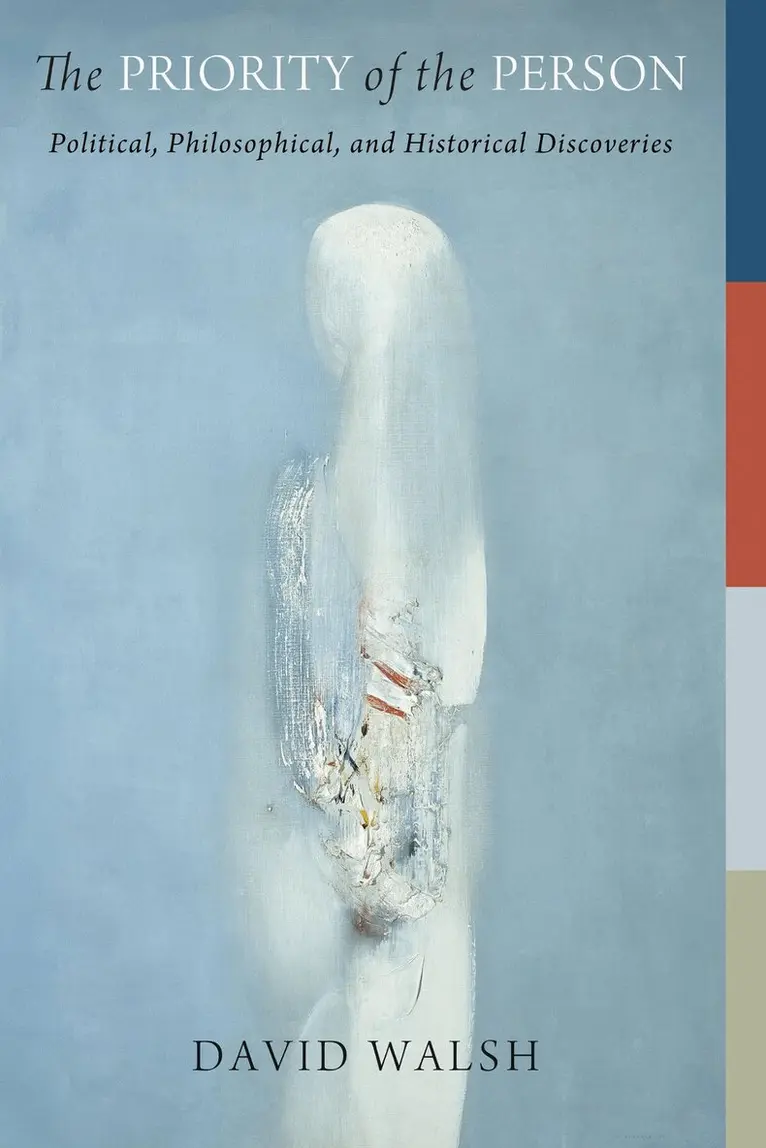
In The Priority of the Person, world-class philosopher David Walsh advances the argument set forth in his highly original philosophic meditation Politics of the Person as the Politics of Being (2015), that "person" is the central category of modern political thought and philosophy. The present volume is divided into three main parts. It begins with the political discovery of the inexhaustibility of persons, explores the philosophic differentiation of the idea of the "person," and finally traces the historical emergence of the concept through art, science, and faith. Walsh argues that, although the roots of the idea of "person" are found in the Greek concept of the mind and in the Christian conception of the soul, this notion is ultimately a distinctly modern achievement, because it is only the modern turn toward interiority that illuminated the unique nature of persons as each being a world unto him- or herself. As Walsh shows, it is precisely this feature of persons that makes it possible for us to know and communicate with others, for we can only give and receive one another as persons. In this way alone can we become friends and, in friendship, build community.By showing how the person is modernity's central preoccupation, David Walsh's The Priority of the Person makes an important contribution to current discussions in both political theory and philosophy. It will also appeal to students and scholars of theology and literature, and any groups interested in the person and personalism.
408 kr
Skickas inom 10-15 vardagar
In The Priority of the Person, world-class philosopher David Walsh advances the argument set forth in his highly original philosophic meditation Politics of the Person as the Politics of Being (2015), that "person" is the central category of modern political thought and philosophy. The present volume is divided into three main parts. It begins with the political discovery of the inexhaustibility of persons, explores the philosophic differentiation of the idea of the "person," and finally traces the historical emergence of the concept through art, science, and faith. Walsh argues that, although the roots of the idea of "person" are found in the Greek concept of the mind and in the Christian conception of the soul, this notion is ultimately a distinctly modern achievement, because it is only the modern turn toward interiority that illuminated the unique nature of persons as each being a world unto him- or herself. As Walsh shows, it is precisely this feature of persons that makes it possible for us to know and communicate with others, for we can only give and receive one another as persons. In this way alone can we become friends and, in friendship, build community.By showing how the person is modernity's central preoccupation, David Walsh's The Priority of the Person makes an important contribution to current discussions in both political theory and philosophy. It will also appeal to students and scholars of theology and literature, and any groups interested in the person and personalism.
1 344 kr
Skickas inom 10-15 vardagar
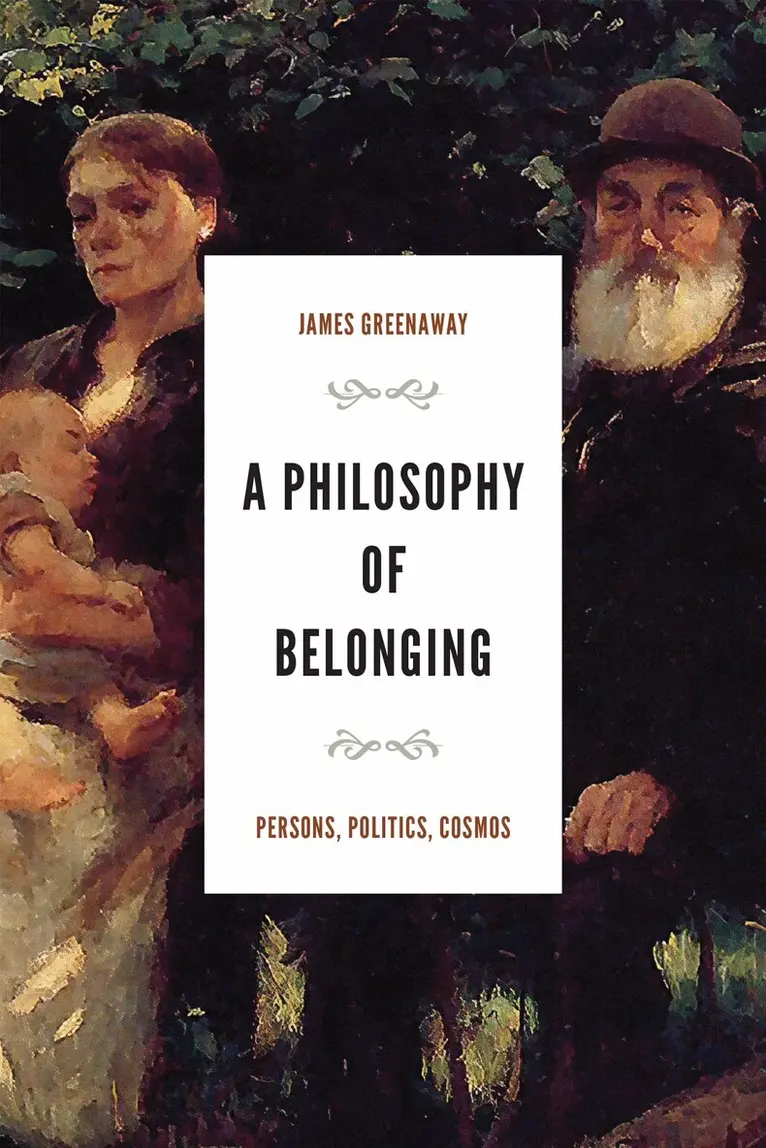
James Greenaway offers a philosophical guide to understanding, affirming, and valuing the significance of belonging across personal, political, and historical dimensions of existence.A sense of belonging is one of the most meaningful experiences of anyone's life. Inversely, the discovery that one does not belong can be one of the most upsetting experiences. In A Philosophy of Belonging, Greenaway treats the notion of belonging as an intrinsically philosophical one. After all, belonging raises intense questions of personal self-understanding, identity, mortality, and longing; it confronts interpersonal, sociopolitical, and historical problems; and it probes our relationship with both the knowable world and transcendent mystery. Experiences of alienation, exclusion, and despair become conspicuous only because we are already moved by a primordial desire to belong.Greenaway presents a hermeneutical framework that brings the intelligibility of belonging into focus and discusses the works of various representative thinkers in light of this hermeneutic. The study is divided into two main parts, "Presence" and "Communion." In the first, Greenaway considers the abiding presence of the cosmos as the context of personhood and the world, followed by the presence of persons to themselves and others by way of consciousness and embodiment, culminating in a discussion of the unrestricted horizon of meaning that love makes present in persons. In the second part, belonging in community is explored as a crucial type of communion that is both politically and historically structured. Moreover, communion has direction and a quality of sacredness that offers itself for consideration. Greenaway concludes with a discussion of the consequences of refusing presence and communion, and what is involved in the repudiation of belonging.
485 kr
Skickas
James Greenaway offers a philosophical guide to understanding, affirming, and valuing the significance of belonging across personal, political, and historical dimensions of existence.A sense of belonging is one of the most meaningful experiences of anyone's life. Inversely, the discovery that one does not belong can be one of the most upsetting experiences. In A Philosophy of Belonging, Greenaway treats the notion of belonging as an intrinsically philosophical one. After all, belonging raises intense questions of personal self-understanding, identity, mortality, and longing; it confronts interpersonal, sociopolitical, and historical problems; and it probes our relationship with both the knowable world and transcendent mystery. Experiences of alienation, exclusion, and despair become conspicuous only because we are already moved by a primordial desire to belong.Greenaway presents a hermeneutical framework that brings the intelligibility of belonging into focus and discusses the works of various representative thinkers in light of this hermeneutic. The study is divided into two main parts, "Presence" and "Communion." In the first, Greenaway considers the abiding presence of the cosmos as the context of personhood and the world, followed by the presence of persons to themselves and others by way of consciousness and embodiment, culminating in a discussion of the unrestricted horizon of meaning that love makes present in persons. In the second part, belonging in community is explored as a crucial type of communion that is both politically and historically structured. Moreover, communion has direction and a quality of sacredness that offers itself for consideration. Greenaway concludes with a discussion of the consequences of refusing presence and communion, and what is involved in the repudiation of belonging.
1 077 kr
Skickas inom 10-15 vardagar
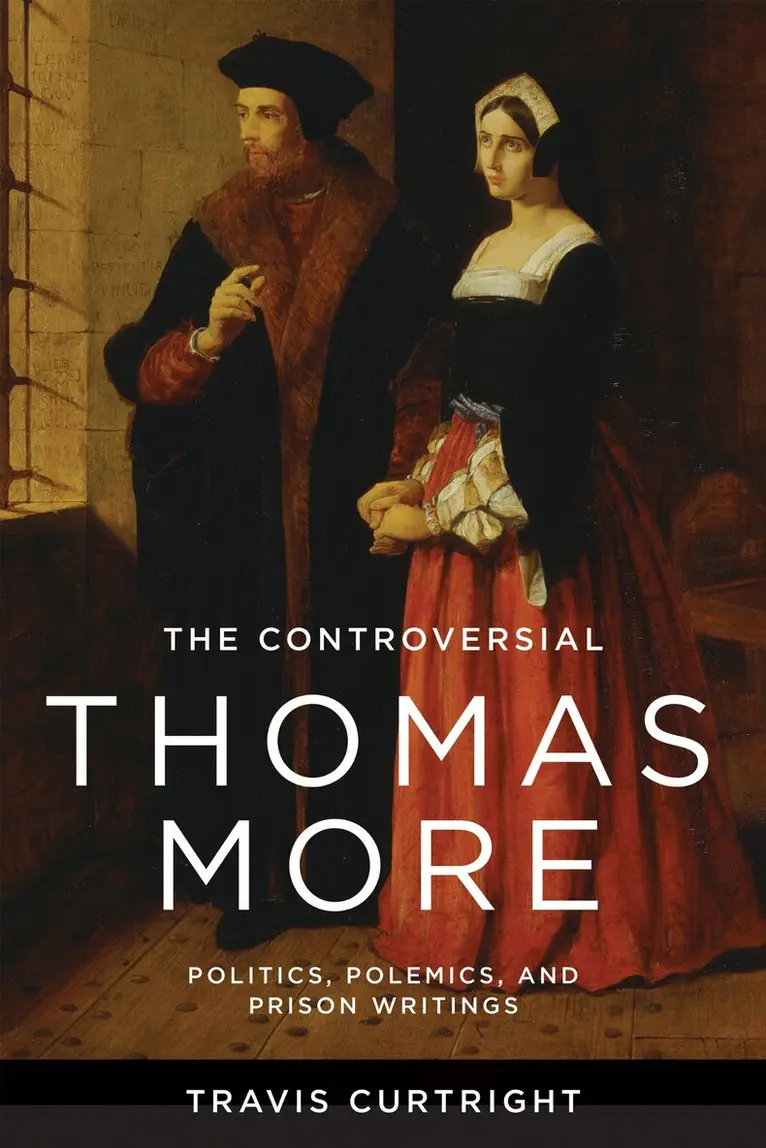
The Controversial Thomas More offers an original and critical intervention on the writings of Thomas More and his opposition to King Henry VIII.Thomas More is known for refusing the oath of succession and remaining silent about his reasons for doing so. His prison literature, however, tells a different story. Under the threat of execution, More waged an astonishingly prolific and often coded writing campaign in rebuke of King Henry VIII's claim to be supreme head of the Church in England. Travis Curtright's groundbreaking book shows how William Rastell, More's nephew and printer, fashioned a historically inaccurate depiction of More, one that persists to this day. Rastell's edition of More's works gave the false impression that More stopped writing polemical literature in 1533 and, instead, turned his mind exclusively toward heaven and away from politics. In contrast, Curtright proves that More's prison writings are not just devotional literature but also a powerful defense of a united Church under the pope, reestablishing More as a key political and religious thinker, defiant of King Henry VIII.Most scholars restrict More's political thought to his Utopia, but The Controversial Thomas More shows how his prison writings best reveal his ideas of political unity and authority, and is a reconsideration of More's legacy and place in the history of the Henrician Reformation.
385 kr
Skickas
The Controversial Thomas More offers an original and critical intervention on the writings of Thomas More and his opposition to King Henry VIII.Thomas More is known for refusing the oath of succession and remaining silent about his reasons for doing so. His prison literature, however, tells a different story. Under the threat of execution, More waged an astonishingly prolific and often coded writing campaign in rebuke of King Henry VIII's claim to be supreme head of the Church in England. Travis Curtright's groundbreaking book shows how William Rastell, More's nephew and printer, fashioned a historically inaccurate depiction of More, one that persists to this day. Rastell's edition of More's works gave the false impression that More stopped writing polemical literature in 1533 and, instead, turned his mind exclusively toward heaven and away from politics. In contrast, Curtright proves that More's prison writings are not just devotional literature but also a powerful defense of a united Church under the pope, reestablishing More as a key political and religious thinker, defiant of King Henry VIII.Most scholars restrict More's political thought to his Utopia, but The Controversial Thomas More shows how his prison writings best reveal his ideas of political unity and authority, and is a reconsideration of More's legacy and place in the history of the Henrician Reformation.
1 077 kr
Skickas inom 10-15 vardagar
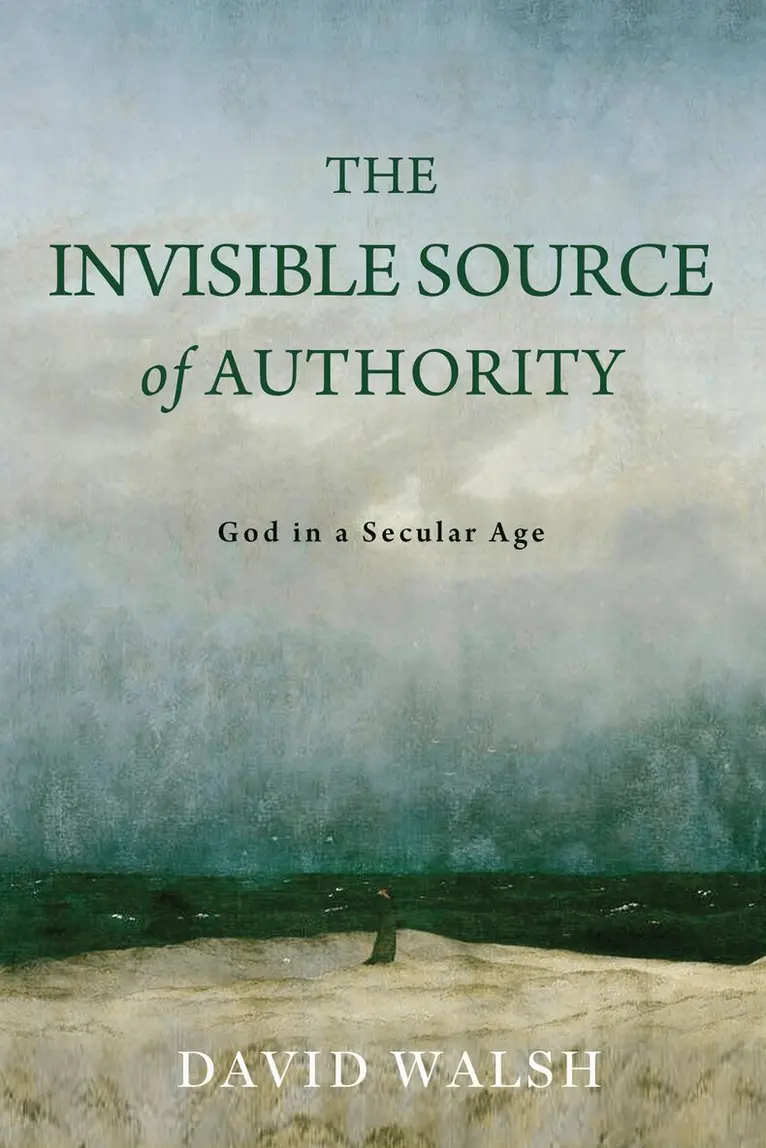
The Invisible Source of Authority is a philosophical meditation on the secular age and challenges the notion that the secular can be understood without reference to God.How does one reject God while denying belief? This is the central paradox of our secular age, where efforts to erase God only affirm his presence. In The Invisible Source of Authority, David Walsh examines this paradox and argues that a secular world actually reveals God more clearly, rather than bringing about what has been called the death of God. Unlike many critics of modernity, Walsh argues that secularism is not inhospitable to authentic religious faith and cannot be understood without reference to God.Drawing on the writings of early modern thinkers like Montaigne, Descartes, and Grotius, Walsh asserts that God's absence from the secular world is testimony to God's transcendence. Because the secular is always that which has withdrawn from serving God, Walsh suggests that this presupposition proves that God remains indispensable to the self-understanding of secular society. The Invisible Source of Authority seeks to remind us that, despite his seeming absence, the transcendent God remains an essential presence.
395 kr
Skickas inom 10-15 vardagar
The Invisible Source of Authority is a philosophical meditation on the secular age and challenges the notion that the secular can be understood without reference to God.How does one reject God while denying belief? This is the central paradox of our secular age, where efforts to erase God only affirm his presence. In The Invisible Source of Authority, David Walsh examines this paradox and argues that a secular world actually reveals God more clearly, rather than bringing about what has been called the death of God. Unlike many critics of modernity, Walsh argues that secularism is not inhospitable to authentic religious faith and cannot be understood without reference to God.Drawing on the writings of early modern thinkers like Montaigne, Descartes, and Grotius, Walsh asserts that God's absence from the secular world is testimony to God's transcendence. Because the secular is always that which has withdrawn from serving God, Walsh suggests that this presupposition proves that God remains indispensable to the self-understanding of secular society. The Invisible Source of Authority seeks to remind us that, despite his seeming absence, the transcendent God remains an essential presence.
334 kr
Skickas
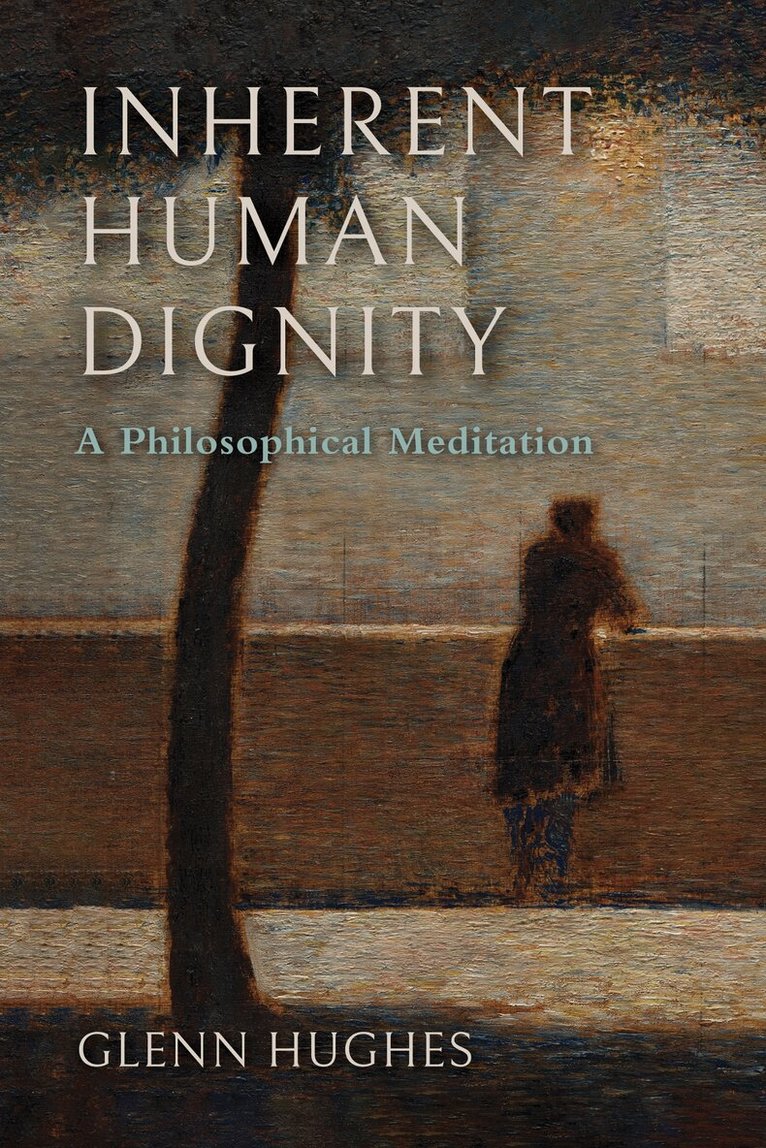
Inherent Human Dignity explores the philosophical and existential foundations of what it means to be human.Inherent Human Dignity is a philosophical meditation and defense of the value of being human. Glenn Hughes explores the existential foundations of these concepts in this structured and accessible study about the experience of being human.Hughes locates human dignity within the philosophical, political, and historical horizons of human culture. Guided by Eric Voegelin and Bernard Lonergan, literary and artistic examples, key moments of our modern era, and his own scholarship on the religions of the world, Hughes unfolds and accounts for human dignity's place in our world. He additionally utilizes key moments of our modern era to frame our understanding of human dignity, paying close attention to the Universal Declaration of Human Rights that was created by the United Nations following World War II. Ultimately, Hughes's meditation is concerned both with exploring the maximally differentiated set of insights into the meaning of being human and with articulating why the discovery of the inherent equal dignity of every person—without exception—is a profound and unique achievement.
809 kr
Skickas inom 10-15 vardagar
Inherent Human Dignity explores the philosophical and existential foundations of what it means to be human.Inherent Human Dignity is a philosophical meditation and defense of the value of being human. Glenn Hughes explores the existential foundations of these concepts in this structured and accessible study about the experience of being human.Hughes locates human dignity within the philosophical, political, and historical horizons of human culture. Guided by Eric Voegelin and Bernard Lonergan, literary and artistic examples, key moments of our modern era, and his own scholarship on the religions of the world, Hughes unfolds and accounts for human dignity's place in our world. He additionally utilizes key moments of our modern era to frame our understanding of human dignity, paying close attention to the Universal Declaration of Human Rights that was created by the United Nations following World War II. Ultimately, Hughes's meditation is concerned both with exploring the maximally differentiated set of insights into the meaning of being human and with articulating why the discovery of the inherent equal dignity of every person—without exception—is a profound and unique achievement.
1 238 kr
Skickas inom 10-15 vardagar
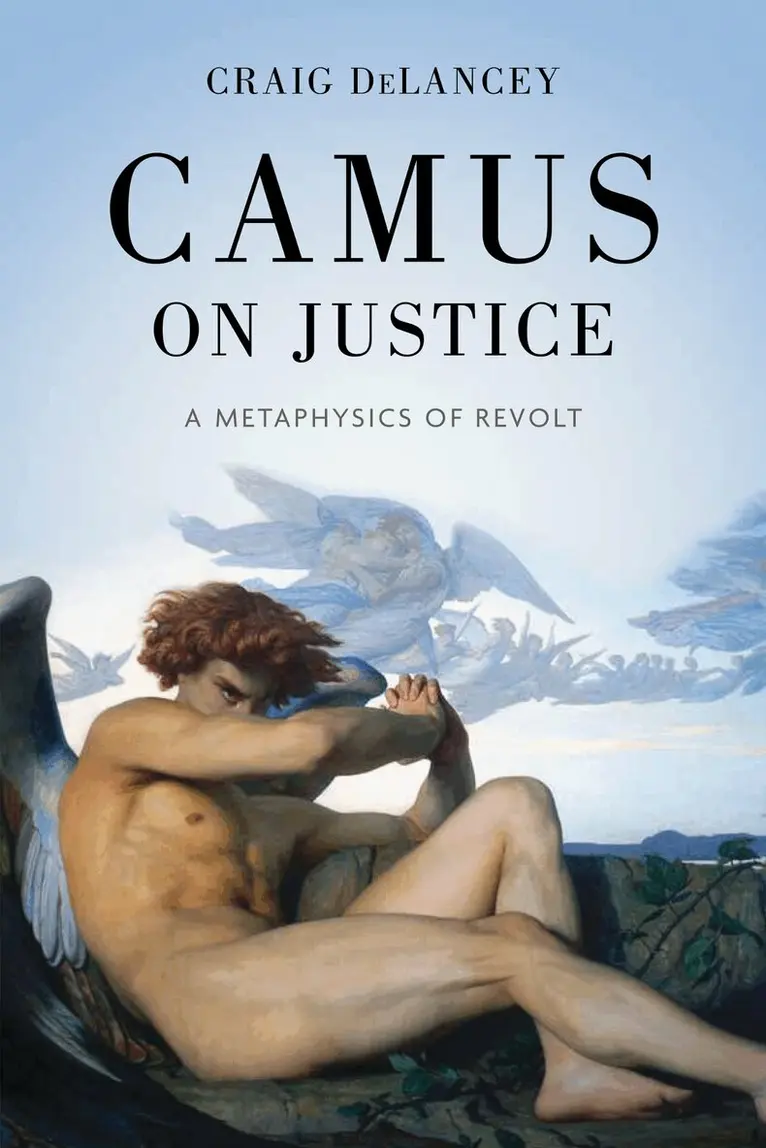
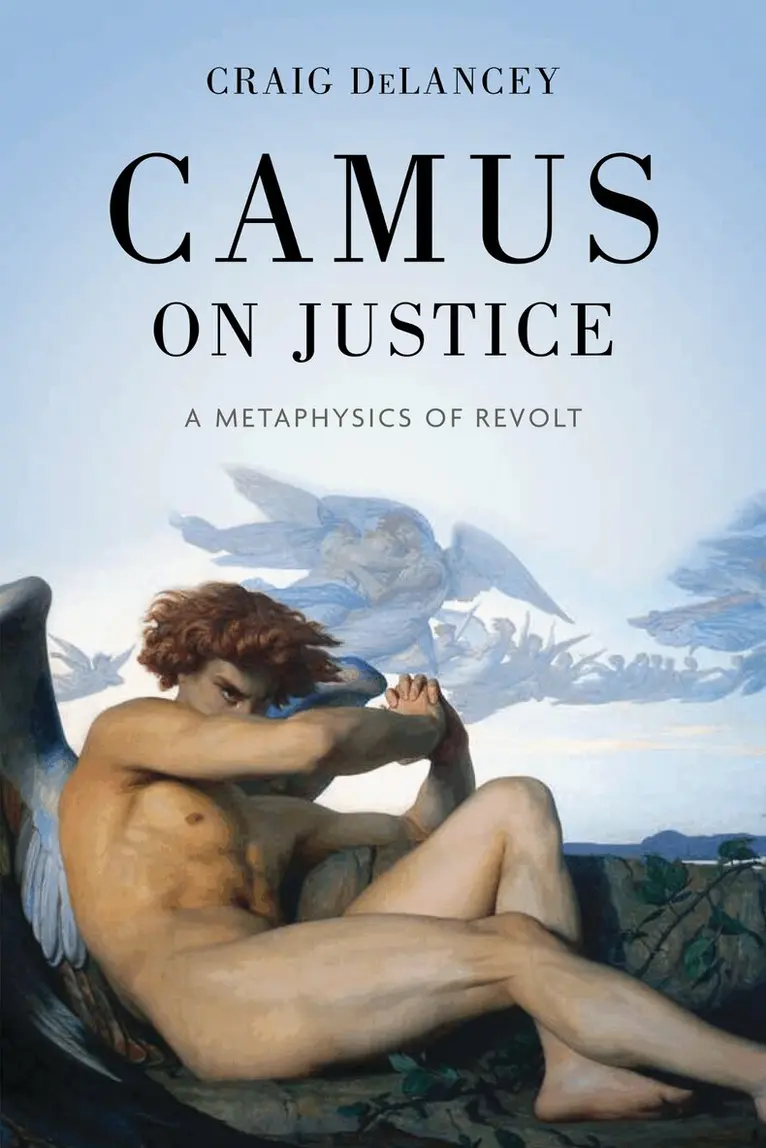
Camus on Justice investigates Albert Camus's rich and overlooked theory about the relationship between the absurd, politics, and revolution.What is the purpose of our lives? Camus on Justice grapples with this complex question through a unique look at the work of Albert Camus. Craig DeLancey argues that Camus sees the question of purpose as essentially related to questions of justice: our need for purpose is a revolt against a purposeless universe, and our need to foster a just society where all can pursue purpose is a revolt against human injustice. DeLancey deepens the conversation by juxtaposing Camus's arguments with Sartre's and de Beauvoir's, two contemporaries who profoundly disagreed with Camus. Ultimately, DeLancey offers a new reading of Camus's understanding of the absurd, which in turn develops a fuller understanding of his political and social theories.This book applies rigorous analytic philosophy to Camus's work and includes a unique interpretation of The Fall, showing how Camus predicted much of the turmoil of our current day and age. Camus on Justice reveals how Albert Camus's philosophy offers wisdom not only for his time but also our own.
428 kr
Skickas
Camus on Justice investigates Albert Camus's rich and overlooked theory about the relationship between the absurd, politics, and revolution.What is the purpose of our lives? Camus on Justice grapples with this complex question through a unique look at the work of Albert Camus. Craig DeLancey argues that Camus sees the question of purpose as essentially related to questions of justice: our need for purpose is a revolt against a purposeless universe, and our need to foster a just society where all can pursue purpose is a revolt against human injustice. DeLancey deepens the conversation by juxtaposing Camus's arguments with Sartre's and de Beauvoir's, two contemporaries who profoundly disagreed with Camus. Ultimately, DeLancey offers a new reading of Camus's understanding of the absurd, which in turn develops a fuller understanding of his political and social theories.This book applies rigorous analytic philosophy to Camus's work and includes a unique interpretation of The Fall, showing how Camus predicted much of the turmoil of our current day and age. Camus on Justice reveals how Albert Camus's philosophy offers wisdom not only for his time but also our own.
1 344 kr
Skickas inom 10-15 vardagar
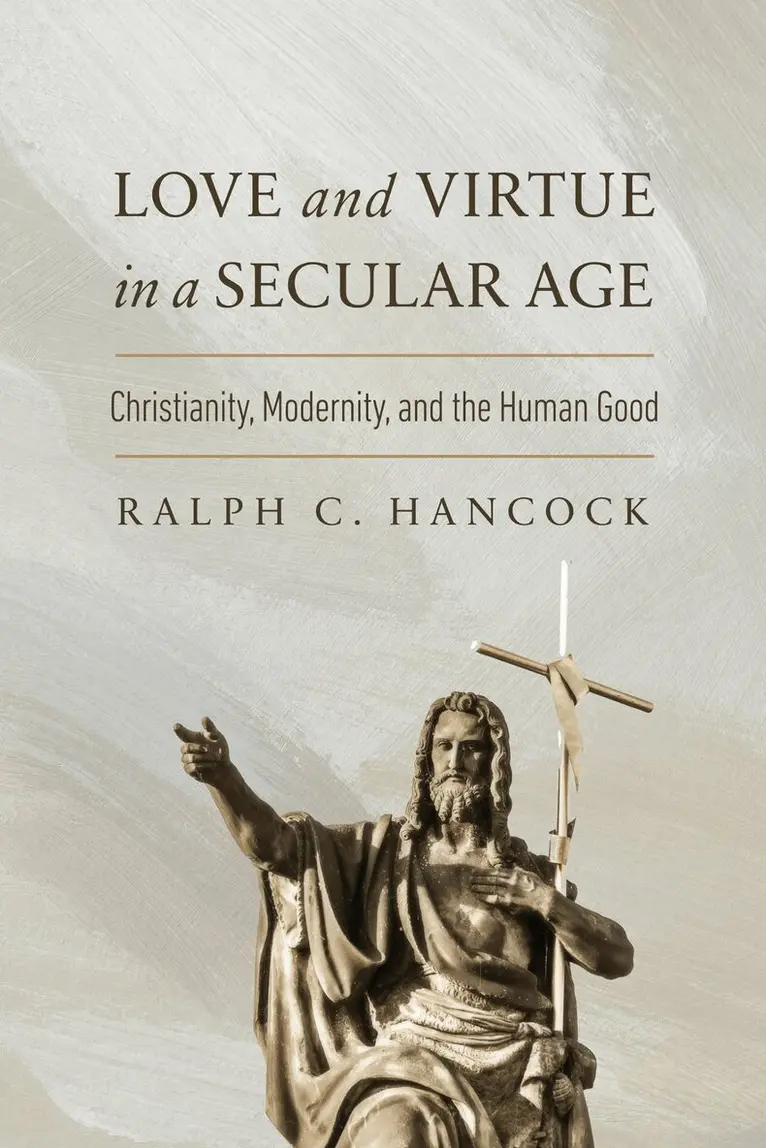
In a comprehensive meditation on freedom and reason, Ralph Hancock reveals the pressing need for renewed confidence in virtue and agency.With an emphasis on reclaiming the moral preconditions of Christian love, Love and Virtue in a Secular Age offers a thought-provoking study on the effects of secularism on Christian morality. Ralph C. Hancock brings eminent scholars of the Christian Aristotelian tradition, such as Thomas Aquinas and Pierre Manent, into conversation with insights from Leo Strauss's critique of Christianity. Love and Virtue in a Secular Age sheds light on the various ways in which the increasing prevalence of secular humanitarian sensibility has voided the idea of humanity of its natural substance.In a probing reflection poised at the intersection of the theological and the political, Hancock outlines a new theological ethic according to which faith must redeem a certain pride and particularism on behalf of real Christian communities and the virtues they enact.
397 kr
Skickas
In a comprehensive meditation on freedom and reason, Ralph Hancock reveals the pressing need for renewed confidence in virtue and agency.With an emphasis on reclaiming the moral preconditions of Christian love, Love and Virtue in a Secular Age offers a thought-provoking study on the effects of secularism on Christian morality. Ralph C. Hancock brings eminent scholars of the Christian Aristotelian tradition, such as Thomas Aquinas and Pierre Manent, into conversation with insights from Leo Strauss's critique of Christianity. Love and Virtue in a Secular Age sheds light on the various ways in which the increasing prevalence of secular humanitarian sensibility has voided the idea of humanity of its natural substance.In a probing reflection poised at the intersection of the theological and the political, Hancock outlines a new theological ethic according to which faith must redeem a certain pride and particularism on behalf of real Christian communities and the virtues they enact.