Bioethics and the Humanities – serie
Visar alla böcker i serien Bioethics and the Humanities. Handla med fri frakt och snabb leverans.
4 produkter
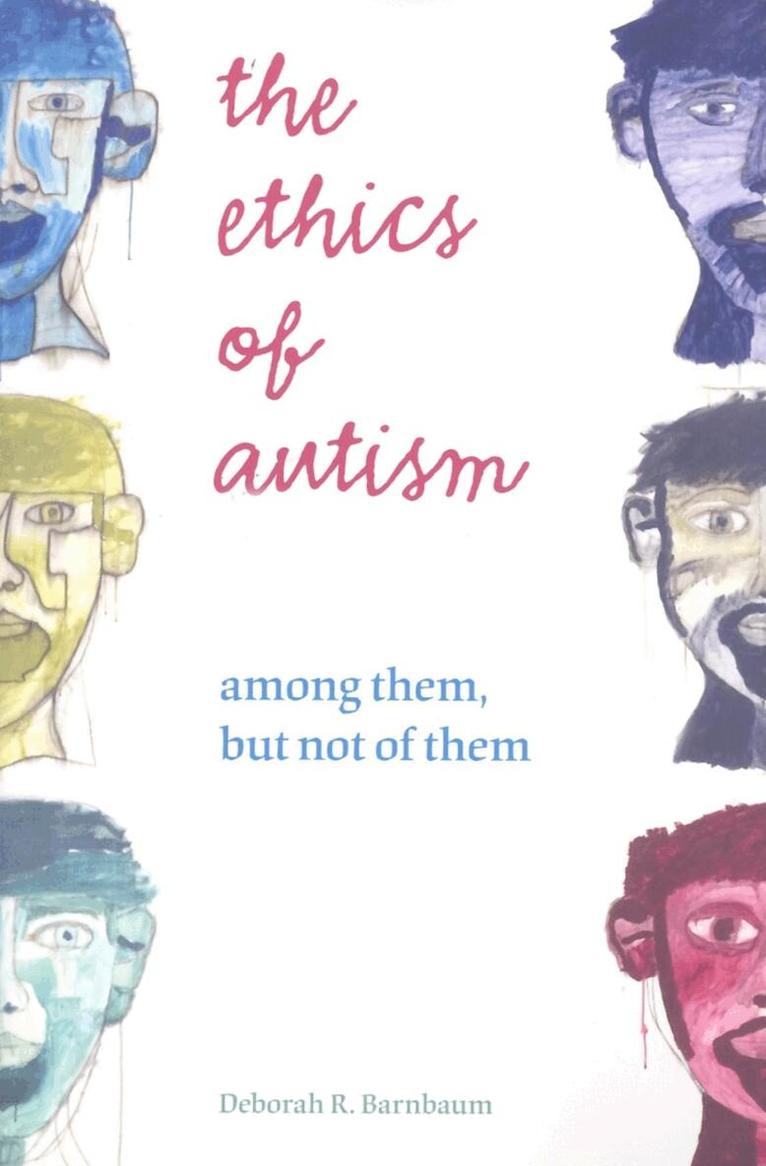
Ethics of Autism
Among Them, but not of Them
Häftad, 2008
252 kr
Lägg i varukorg
Autism is one of the most compelling, controversial, and heartbreaking cognitive disorders. It presents unique philosophical challenges as well, raising intriguing questions in philosophy of mind, cognitive science, and philosophy of language that need to be explored if the autistic population is …
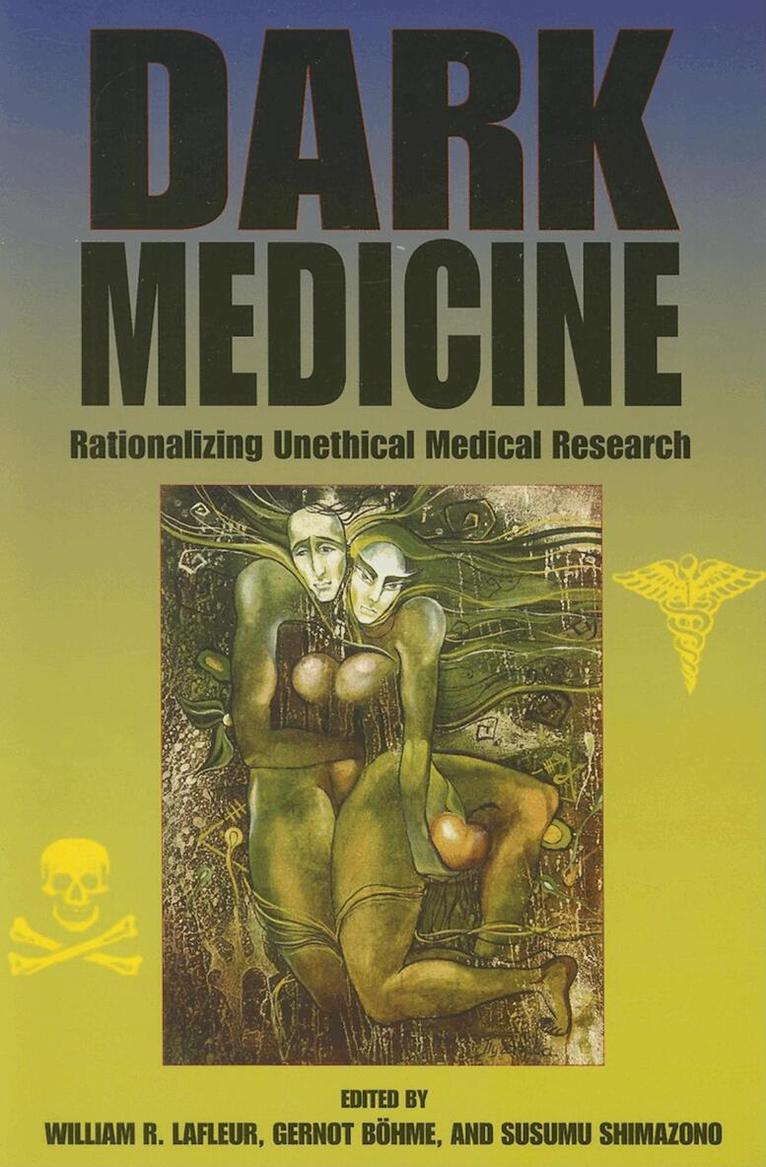
Dark Medicine
Rationalizing Unethical Medical Research
Av William R. LaFleur, Gernot Böhme m. fl.
Häftad, 2008
267 kr
Lägg i varukorg
The trial of the "German doctors" exposed atrocities of Nazi medical science and led to the Nuremberg Code governing human experimentation. In Japan, Unit 731 carried out hideous experiments on captured Chinese and downed American pilots. In the United States, stories linger of biological …
Century of Eugenics in America
From the Indiana Experiment to the Human Genome Era
Häftad, 2011
287 kr
Lägg i varukorg
In 1907, Indiana passed the world's first involuntary sterilization law based on the theory of eugenics. In time, more than 30 states and a dozen foreign countries followed suit. Although the Indiana statute was later declared unconstitutional, other laws restricting immigration and regulating …
Dark Medicine
Rationalizing Unethical Medical Research
Av William R. LaFleur, Gernot Böhme m. fl.
Inbunden, 2007
324 kr
Tillfälligt slut
The trial of the "German doctors" exposed atrocities of Nazi medical science and led to the Nuremberg Code governing human experimentation. In Japan, Unit 731 carried out hideous experiments on captured Chinese and downed American pilots. In the United States, stories linger of biological …