Biographies in American Foreign Policy - Böcker
Visar alla böcker i serien Biographies in American Foreign Policy. Handla med fri frakt och snabb leverans.
16 produkter
16 produkter
995 kr
Skickas inom 11-20 vardagar
David M. Shoup was a heroic and decorated military hero. After having served stateside and in China during the 1920s and 1930s, Shoup quickly moved up the ranks upon the outset of the Second World War. For his bravery and leadership in the victory at Tarawa in the Pacific, Shoup was awarded the Medal of Honor. Following the war, Shoup continued his service, eventually being named Commandant of the Marine Corps. Yet, despite this clear dedication to his life-long career in the armed services, Shoup became a fervent and outspoken critic of the Vietnam War. His very public opinions won him the respect of protesters and the loathing of many fellow officers and friends. In this fascinating new biography, historian Howard Jablon chronicles the career of this soldier turned war protester.
920 kr
Skickas inom 5-8 vardagar
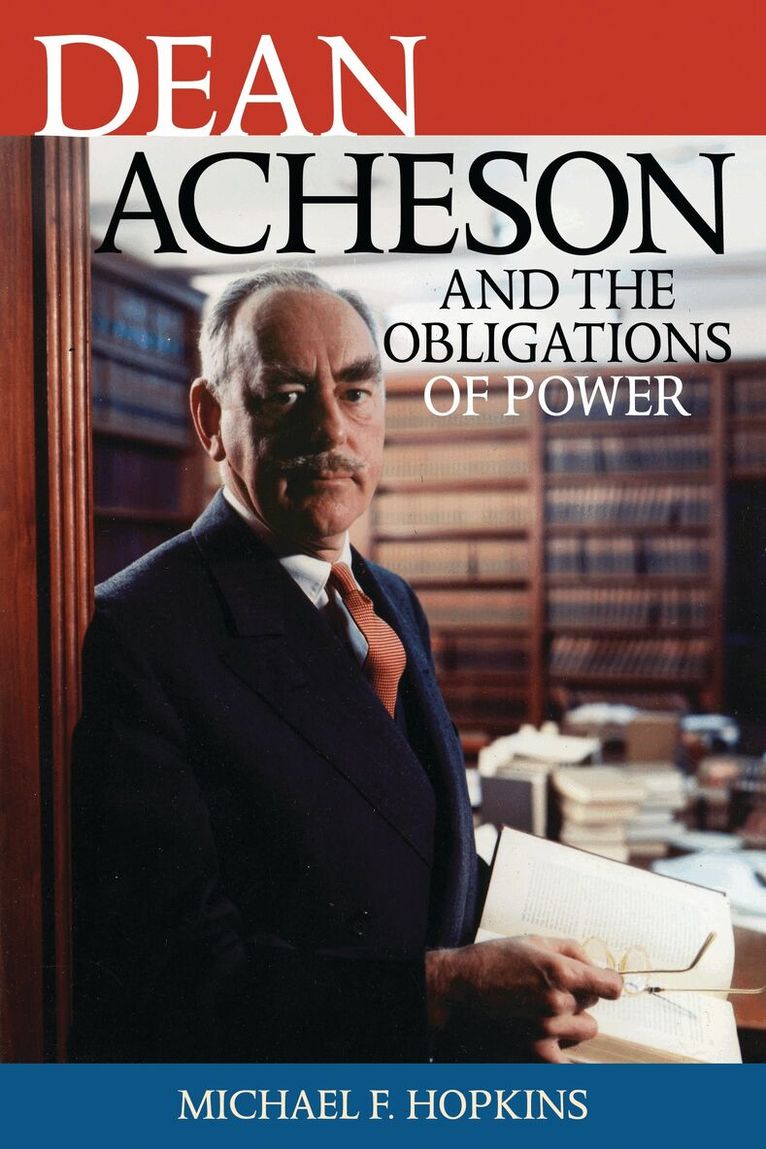
Dean Acheson was the most influential American diplomat of the twentieth century. He shaped the pivotal shift in American foreign policy from isolation to engagement in global affairs, This critical re-evaluation of Acheson’s public career analyzes his advocacy of intervention against Germany and Japan in 1939-1941, work on sanctions against Japan in 1941, contribution to the creation of new international institutions, and campaigns to secure the support of Congress and the American public. It scrutinizes his crucial role in the Truman Doctrine, the Marshall Plan, NATO, the formation of democratic governments in Germany and Japan, and involvement in the Korean War. It examines his advice on Europe and Vietnam to presidents Kennedy, Johnson and Nixon. Acheson was the architect of the policy of containing the Soviet Union that endured to the end of the Cold War. The book argues that Acheson was slower to abandon the prospect of understandings with the Soviets and the communists in China than his memoirs claim; his focus on the North Atlantic did not exclude his deep concern for Asian; and the policy of containment was part of his wider belief that American power brought the obligation to promote a stable international order.
716 kr
Skickas inom 10-15 vardagar
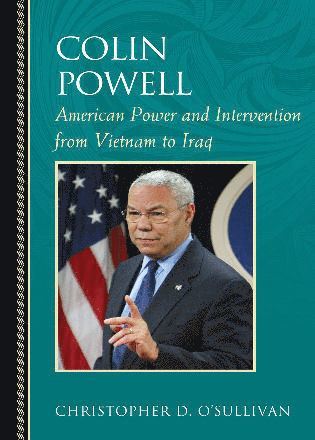
Few figures in the past quarter-century have played a more significant role in American foreign policy than Colin Powell. He wielded power at the highest levels of the most important foreign policy bureaucracies: the Pentagon, the White House, the joint chiefs, and the state department. As national security advisor in the Ronald Reagan administration, chairman of the joint chiefs of staff under George H.W. Bush and Bill Clinton, and secretary of state during George W. Bush's first term, he played a prominent role in four administrations, Republican and Democrat, spanning more than twenty years.Powell has been engaged in the most important debates over foreign and defense policy during the past two decades, such as the uses of American power in the wake of the Vietnam war, the winding down of the Cold War and the quest for new paths for American foreign policy, and the interventions in Panama (1989) and the Persian Gulf (1990–1991). During the Clinton era, he was involved in the controversies over interventions in Bosnia and Somalia. As America's top diplomat from 2001 to 2004, he helped shape the aims and goals of U.S. diplomacy after September 11, 2001, and in the run-up to the Iraq War.In this exploration of Powell's career and character, Christopher D. O'Sullivan reveals several broad themes crucial to American foreign policy and yields insights into the evolution of American foreign and defense policy in the post-Vietnam, post-Cold War eras. In addition, O'Sullivan explores the conflicts and debates between different foreign policy ideologies such as neo-conservatism and realism.O'Sullivan's book not only explains Powell's diplomatic style, it provides crucial insights into the American foreign policy tradition in the modern era.
206 kr
Skickas inom 10-15 vardagar
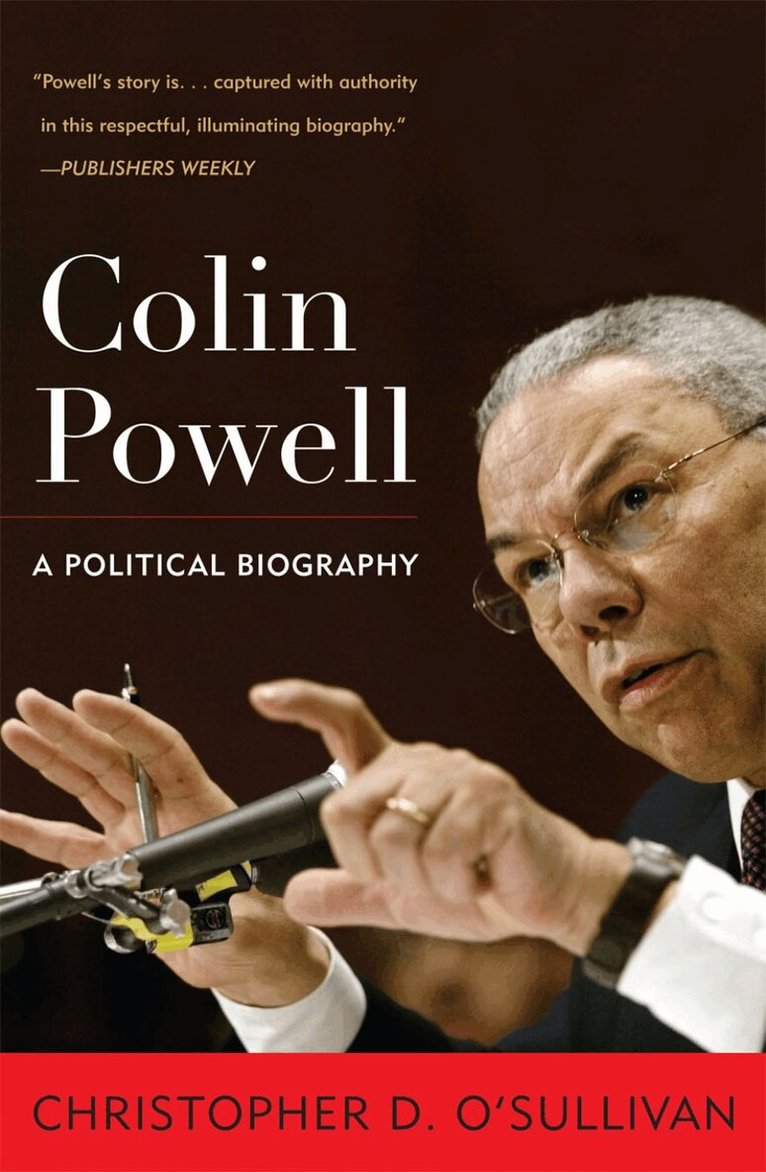
Few figures in the past quarter-century have played a more significant role in American foreign policy than Colin Powell. He wielded power at the highest levels of the most important foreign policy bureaucracies: the Pentagon, the White House, the joint chiefs, and the state department. As national security advisor in the Ronald Reagan administration, chairman of the joint chiefs of staff under George H.W. Bush and Bill Clinton, and secretary of state during George W. Bush's first term, he played a prominent role in four administrations, Republican and Democrat, spanning more than twenty years.Powell has been engaged in the most important debates over foreign and defense policy during the past two decades, such as the uses of American power in the wake of the Vietnam war, the winding down of the Cold War and the quest for new paths for American foreign policy, and the interventions in Panama (1989) and the Persian Gulf (1990–1991). During the Clinton era, he was involved in the controversies over interventions in Bosnia and Somalia. As America's top diplomat from 2001 to 2004, he helped shape the aims and goals of U.S. diplomacy after September 11, 2001, and in the run-up to the Iraq War.In this exploration of Powell's career and character, Christopher D. O'Sullivan reveals several broad themes crucial to American foreign policy and yields insights into the evolution of American foreign and defense policy in the post-Vietnam, post-Cold War eras. In addition, O'Sullivan explores the conflicts and debates between different foreign policy ideologies such as neo-conservatism and realism.O'Sullivan's book not only explains Powell's diplomatic style, it provides crucial insights into the American foreign policy tradition in the modern era.
560 kr
Skickas inom 10-15 vardagar
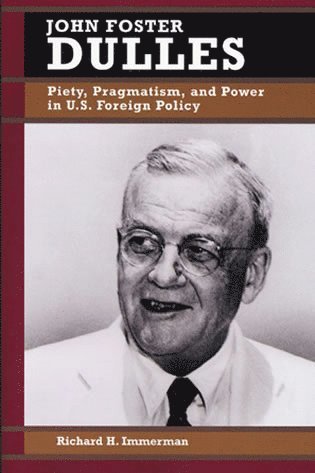
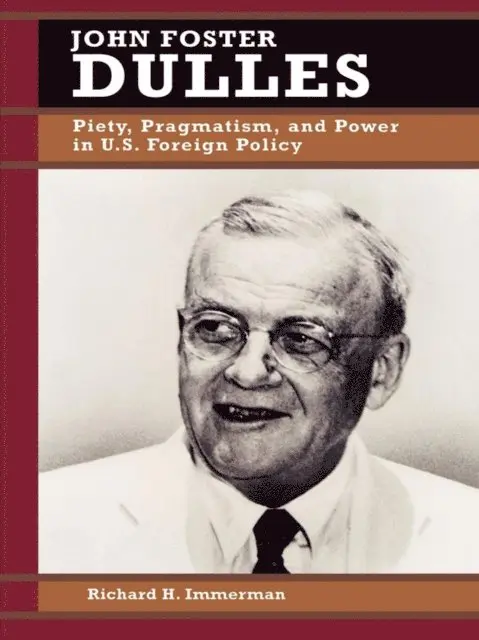
John Foster Dulles was one of the most influential and controversial figures in the history of twentieth-century U.S. foreign relations. Active in the field for decades, Dulles reflected and was a reflection of the tension that pervaded U.S. international conduct from its evolution as a global power in the early twentieth century through its emergence as the 'leader of the Free World' during the Cold War. His life and career embody the best and most troubling aspects of American foreign policy as it progressed toward international supremacy while swaying between altruism and self-interest. In this biography, Richard Immerman traces Dulles's path from his early days growing up in the parsonage of the First Presbyterian Church of Watertown, N.Y., through his years of amassing influence and power as an international business lawyer and adviser, to his service as President Eisenhower's secretary of state. This volume illuminates not only the history of modern U.S. foreign policy, but its search for a twentieth-century identity. Sophisticated yet accessible, John Foster Dulles: Piety, Pragmatism, and Power in U.S. Foreign Policy is an important resource for graduate and undergraduate courses in U.S. history and U.S. foreign relations.
603 kr
Skickas inom 10-15 vardagar
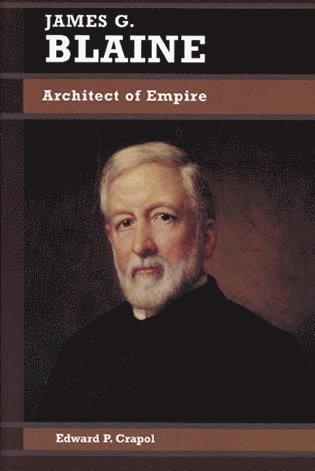
In James G. Blaine: Architect of Empire, author Edward P. Crapol assesses Blaine's role as an architect of empire and revisits the ambitious imperialistic goals of this two-time secretary of state. Crapol examines Blaine's pivotal role in shaping American foreign relations and looks at some of the underlying reasons why the U.S. acquired an overseas empire at the turn of the century. This text will acquaint readers with how Blaine sought to win global economic supremacy and intended to transform the U.S. into the world's number one power. The book also lends insight into Blaine's efforts to spark energetic governmental action in revitalizing the merchant marine, building a first-class navy, using the coercive tactic of reciprocity, achieving unilateral control of an isthmian canal, and creating U.S. political and economic hegemony in the hemisphere. In addition, James G. Blaine: Architect of Empire takes a serious look at Blaine the Anglophobe and anti-British nationalist who defined Great Britain as the U.S.'s primary global rival and the chief obstacle to American economic and political dominance in Latin America and the Pacific. Finally, Crapol looks at Blaine as the transitional figure who helped forge the economic expansionist mentality that underpinned the late nineteenth-century burst of imperialism. James G. Blaine is an excellent resource for scholars and students interested in America's imperial past and the figures who played key roles in America's global economic development.
603 kr
Skickas inom 10-15 vardagar
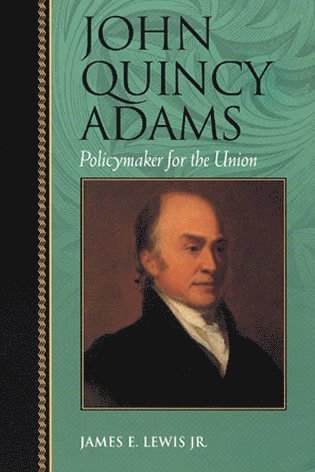
This new book focuses on John Quincy Adams's extensive role in foreign policy, including his years as secretary of state and as president. Brief but thorough, John Quincy Adams: Policymaker for the Union analyzes Adams's foreign policy accomplishments during key moments in American history, including the Rush-Bagot Agreement, the Transcontinental Treaty, the recognition of the Spanish-American republics, and the Monroe Doctrine. At the same time, the book shows that Adams was far less successful than many historians suggest. John Quincy Adams: Policymaker for the Union focuses on Adams's ideals of the centrality of the union to American happiness, the necessity of federal action to protect the union, and the indivisibility of foreign and domestic concerns. This book's examination of these three points casts new light on the logic behind many of Adams's accomplishments and also exposes the sources of some of his failures. This is the first study to examine how Adams's views ultimately led to his failure as a policymaker. This book is ideal for courses in diplomatic history, American history, and American political history.
603 kr
Skickas inom 10-15 vardagar
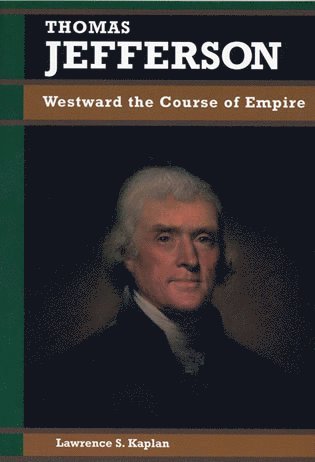
This biography of one of America's greatest political figures focuses on Thomas Jefferson's role as a maker of foreign policy. Although he was not the sole formulator of American diplomacy, Jefferson's voice was the most pervasive in the first generation of the republic's history. This text explores how the concept of the United States' westward expansion worked as the moving force in forming Jefferson's judgments and actions in foreign relations. Although much has been written about Jefferson, this volume is one of the few that explores the full range of his positions on foreign relations. Readable and authoritative, Thomas Jefferson: Westward the Course of Empire offers new insight into the man who shaped American foreign policy.
1 567 kr
Skickas inom 10-15 vardagar
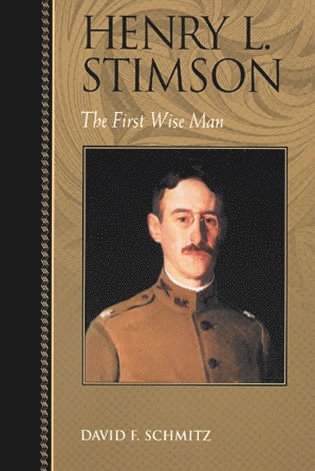
The twentieth century witnessed the rise of the United States as the preeminent player on the world stage. While many individuals were responsible for the American ascension, few have left a larger legacy in the arena of foreign policy than Henry L. Stimson. Serving nearly every American president from Theodore Roosevelt to Harry S. Truman, Stimson shaped America's worldview and influenced America's foreign affairs decisions for over 40 years. A Republican, Stimson served as Secretary of War under William H. Taft (1911-13), Secretary of State under Herbert Hoover (1929-33), and Secretary of War for Franklin D. Roosevelt and Harry S. Truman (1940-45); in addition, he fought in World War I, initiated the Good Neighbor Policy in Central America, and served as Governor General of the Philippines (1927-29). In this new book, David Schmitz reveals how the life of Stimson provides a unique framework for analyzing America's foreign policy development from the imperialism of the 1890s to the origins of the Cold War and the emergence of the United States as the world's leading power after World War II. The author also explains the continuities in foreign policy over this period and the emergence of the internationalist perspective over isolation-ism, showing how Stimson was able to pass along his perspec-tives to the next generation of American policymakers who after World War II established the internationalist mindset of the Cold War years. Stimson's crucial role in the development and use of the atomic bomb is also examined. Henry L. Stimson: The First Wise Man is useful for courses in United States foreign policy, World War II, American history from 1900-1945, and survey courses in U.S. history.
1 520 kr
Skickas inom 10-15 vardagar
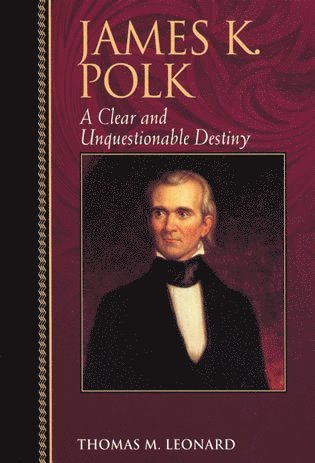
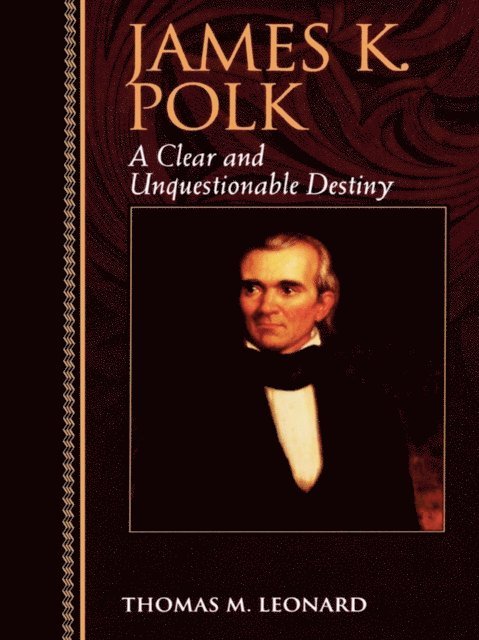
When he was elected President in 1845, James K. Polk was only 49 years old-at that time the youngest president ever to be elected. He faced a conflicted nation on the verge of tremendous territorial expansion. James K. Polk's four years in office marked the greatest period of territorial acquisition in the history of the country-what New York journalist John O'Sullivan termed as the 'Manifest Destiny' of the United States to expand across the continent. By the end of Polk's presidency in 1849, U.S. possessions included the California, Oregon, and New Mexico territories. In addition, Texas had become part of the Union. This book analyzes Polk's political career and his role in each of these territorial expansions. James K. Polk: A Clear and Unquestionable Destiny shows that they were far more complex than the moral crusade that had been labeled 'Manifest Destiny.' Southern planters wanted to protect their 'peculiar institution' of slavery by adding new territories from which slave states would be carved. Commercial interests feared that war with England over any of these territories would adversely impact upon the nation's trade. Although the Oregon boundary dispute was settled with little friction, the Mexican War erupted after the annexation of Texas. This fascinating biography of our eleventh president and his successful efforts for expansion of U.S. territory will be of interest to students studying United States history, foreign policy, and the massive territorial expansion in the 1840s known as Manifest Destiny.
544 kr
Skickas inom 10-15 vardagar
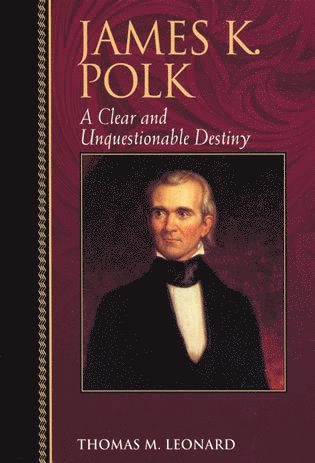
When he was elected President in 1845, James K. Polk was only 49 years old-at that time the youngest president ever to be elected. He faced a conflicted nation on the verge of tremendous territorial expansion. James K. Polk's four years in office marked the greatest period of territorial acquisition in the history of the country-what New York journalist John O'Sullivan termed as the 'Manifest Destiny' of the United States to expand across the continent. By the end of Polk's presidency in 1849, U.S. possessions included the California, Oregon, and New Mexico territories. In addition, Texas had become part of the Union. This book analyzes Polk's political career and his role in each of these territorial expansions. James K. Polk: A Clear and Unquestionable Destiny shows that they were far more complex than the moral crusade that had been labeled 'Manifest Destiny.' Southern planters wanted to protect their 'peculiar institution' of slavery by adding new territories from which slave states would be carved. Commercial interests feared that war with England over any of these territories would adversely impact upon the nation's trade. Although the Oregon boundary dispute was settled with little friction, the Mexican War erupted after the annexation of Texas. This fascinating biography of our eleventh president and his successful efforts for expansion of U.S. territory will be of interest to students studying United States history, foreign policy, and the massive territorial expansion in the 1840s known as Manifest Destiny.
706 kr
Skickas inom 11-20 vardagar
Andrew Young: Civil Rights Ambassador explores the rising influence of race in foreign relations as it examines the contributions of this African American activist, politician, and diplomat to U.S. foreign policy. Young used his positions as a member of the United States House of Representatives (1973D77), U.S. permanent representative to the United Nations (1977D79), and mayor of Atlanta during the 1980s to further the cause of race in diplomatic affairs and to bring an emphasis to United States relations with Africa. Author Andrew DeRoche begins his study of Young by looking at his formative years as a top assistant to Martin Luther King in the 1960s. It was during this period that Young developed his philosophy and his tactics. Young was committed to working for racial justice around the globe and he was willing to meet with all sides in any conflict. One of the few books that focuses on the influence of race in U.S. foreign policy, Andrew Young: Civil Rights Ambassador is informative reading for those interested in diplomatic history and African American history.
716 kr
Skickas inom 10-15 vardagar
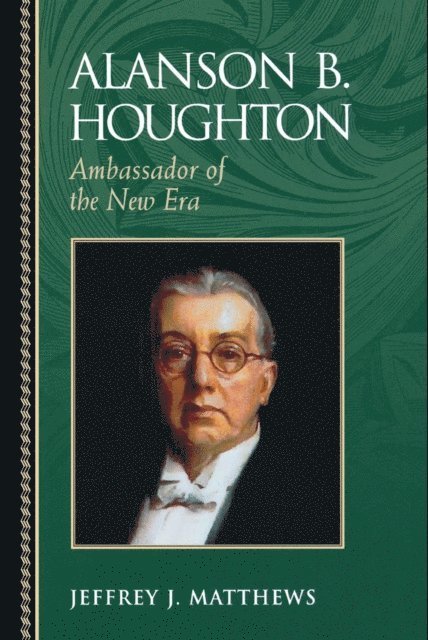
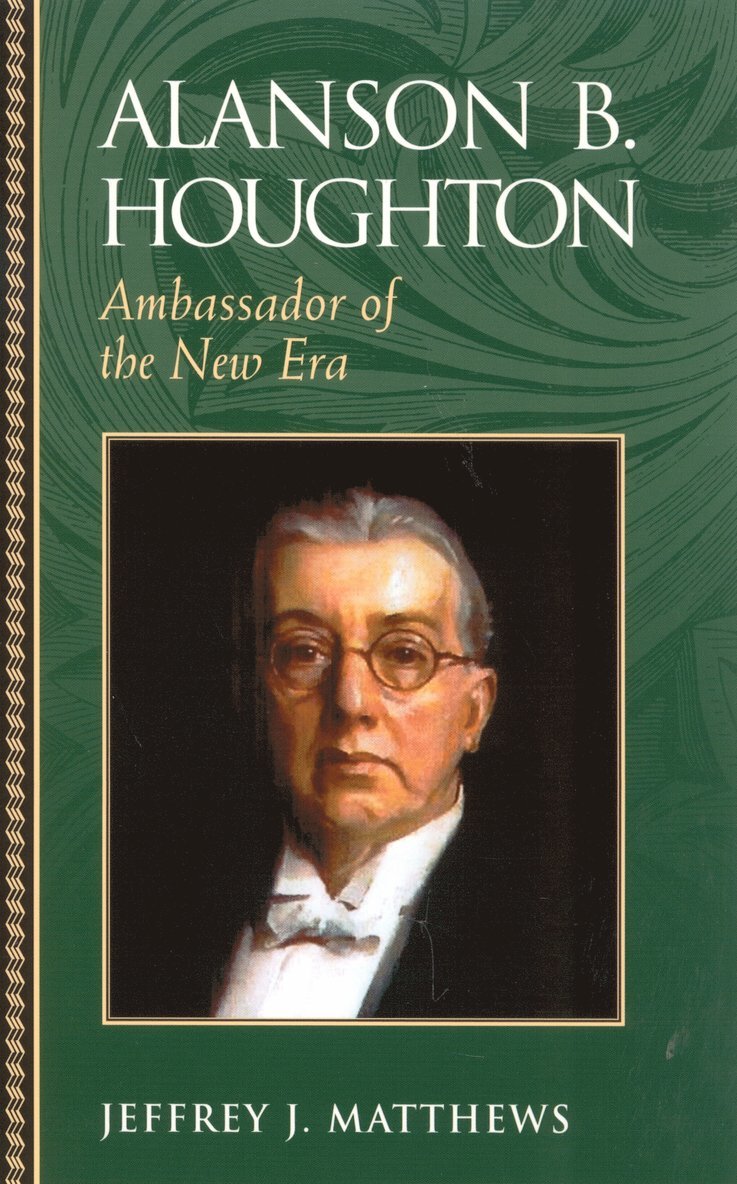
Alanson B. Houghton—American industrialist, politician, and diplomat—was the world's most influential diplomat during the "New Era" of the 1920s. Houghton, who served as ambassador to both Germany (1922–1925) and Great Britain (1925–1929), offers a unique window into the formation and implementation of American foreign policy. This fascinating new text by Jeffrey J. Matthews provides a clear and concise account of Houghton's diplomatic experience and consequently a fresh assessment of U.S. foreign policy during a pivotal decade in world history.As the leading ambassador in Europe, Houghton played a key role in the major diplomatic achievements of the era, including the Dawes Plan for reparations, the Locarno security treaties, and the Kellogg-Briand peace pact. While Hougton's significant contributions to these international accords is fully explored, the major theme of this book is his emergence as chief critic of U.S. foreign policy within the Harding and Coolidge administrations.Alanson B. Houhgton: Ambassador of the New Era offers students a concise historical narrative and a substantive reevaluation of 1920s American foreign policy. This text will help students understand why the United States failed to establish a stable world order during the New Era and additionally sheds light on the key historiographical themes of isolationism, new-imperialism, and corporations. For students taking courses on the Gilded Age, the interwar years, and U.S. foreign policy, this new volume will be an invaluable resource.
590 kr
Skickas inom 7-10 vardagar
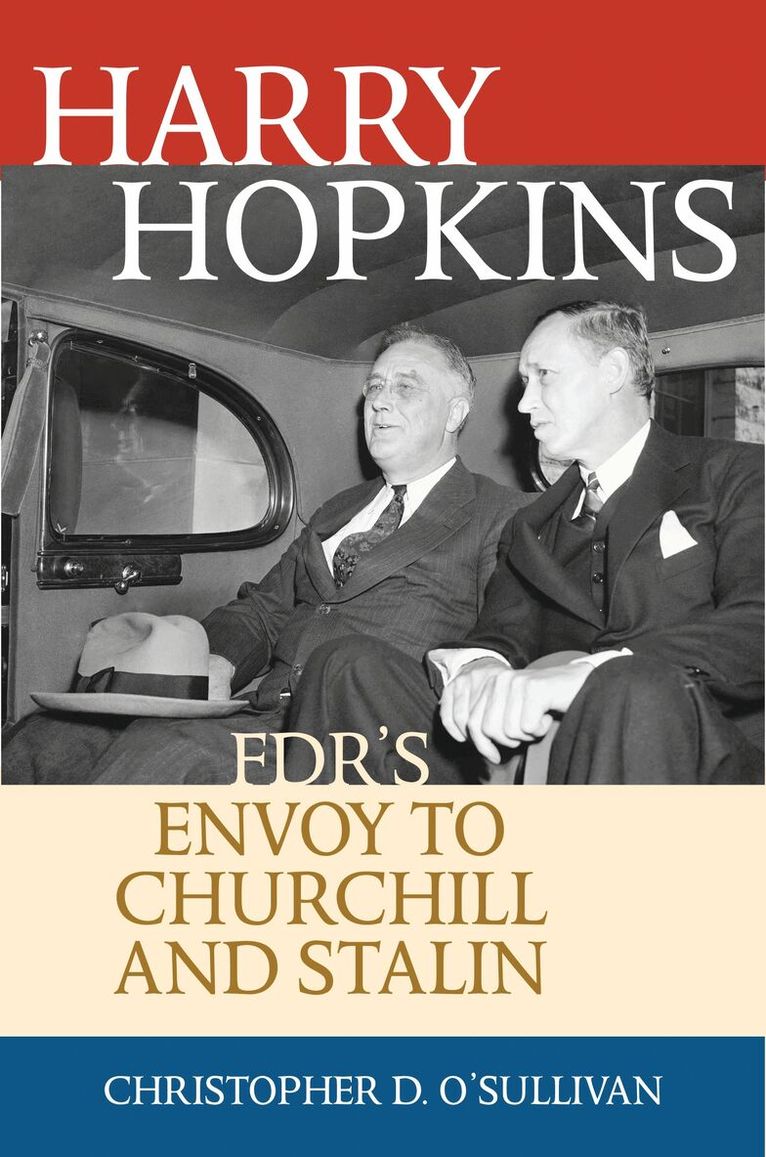
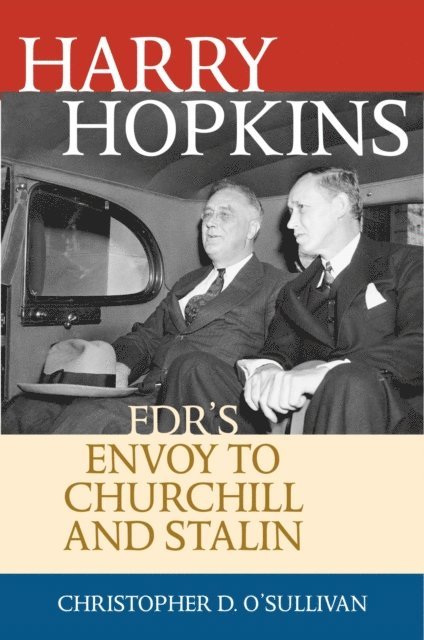
One of the most controversial figures of the New Deal Era, Harry Hopkins elicited few neutral responses from his contemporaries. Millions admired him and believed the New Deal agencies he headed had rescued them from despair, but many of President Roosevelt’s enemies passionately hated him and derisively called him the “world’s greatest spender” or FDR’s “left-wing Rasputin.” Hopkins was a paradoxical man: a trained social worker who enjoyed the company of the “swells,” attending cocktail parties, and gambling at the track. Once the quintessential New Dealer, during World War II he single-mindedly devoted himself to aiding the allies, downplaying his previous commitment to social reform and rupturing his friendship with Eleanor Roosevelt, among others. He was sickly and underweight, yet a profane and blunt-spoken man, lacking in any outward affectations of charisma. Still, FDR curiously saw Hopkins, who moved into the White House on the very day that Germany invaded France in May 1940, as his most suitable successor, the New Deal’s legatee, a possible Democratic nominee for president. Much of what FDR accomplished would never have been possible without Hopkins—whom the press described as not only FDR’s most trusted official, but also his most intimate personal friend. Analyzing Hopkins’ role in wartime diplomacy and his personal relationships with the twentieth-century’s most indispensable leaders, historian Christopher O’Sullivan offers enormous insight into the most controversial aspects of FDR’s foreign policy, the New Deal Era, and the beginning of modern American history.
1 425 kr
Skickas inom 10-15 vardagar
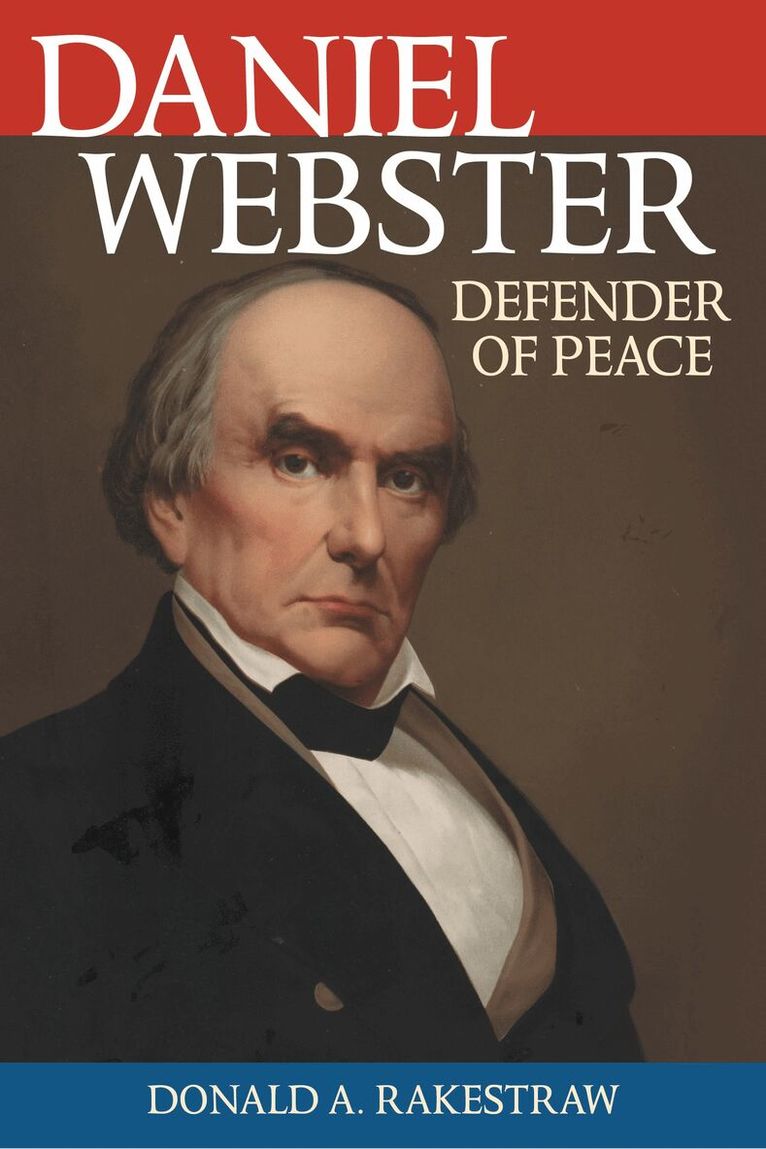
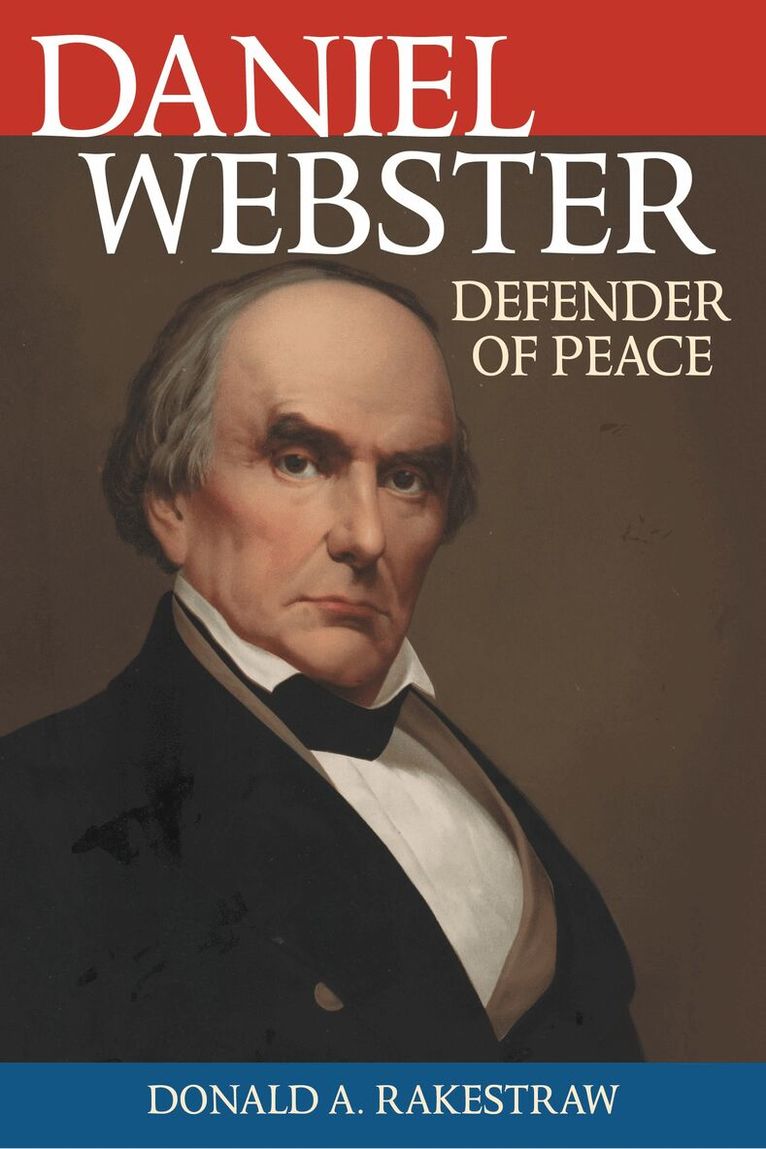
Few names in American history are more recognizable than that of Daniel Webster. No one would deny that Webster’s substantive domestic achievements assured his prominent place in American history and that his virtual embodiment of nation and union guaranteed his rank among the most significant personalities of the Jacksonian era. It can, however, be argued that his domestic resumé that garnered him the title “Defender of the Constitution” is rivaled by an impressive international one that yielded far-reaching results for a nation still struggling to find a respectable position among the Atlantic powers. In fact, his adroit handling of his signature accomplishment with Lord Ashburton earned him the additional title of “Defender of Peace.” Webster’s foreign policy achievements are too often given short shrift, falling victim to the textbook author’s inclination to hold Webster to the dominant domestic narrative that would ultimately see the nation fractured. Donald A. Rakestraw focuses on Webster’s critical diplomatic efforts--efforts that produced a legacy that ranges from the delineation of America’s northeastern boundary with Canada to the prevention of a serious rupture with Britain; from the advancement of national commercial expansion in the Pacific and East Asia to the establishment of a long-lived model for U.S. extradition policy; from his successful intervention on behalf of the so-called “Santa Fe prisoners” in Mexico to his role in promoting a crucial Anglo-American rapprochement.
546 kr
Skickas inom 10-15 vardagar
Few names in American history are more recognizable than that of Daniel Webster. No one would deny that Webster’s substantive domestic achievements assured his prominent place in American history and that his virtual embodiment of nation and union guaranteed his rank among the most significant personalities of the Jacksonian era. It can, however, be argued that his domestic resumé that garnered him the title “Defender of the Constitution” is rivaled by an impressive international one that yielded far-reaching results for a nation still struggling to find a respectable position among the Atlantic powers. In fact, his adroit handling of his signature accomplishment with Lord Ashburton earned him the additional title of “Defender of Peace.” Webster’s foreign policy achievements are too often given short shrift, falling victim to the textbook author’s inclination to hold Webster to the dominant domestic narrative that would ultimately see the nation fractured. Donald A. Rakestraw focuses on Webster’s critical diplomatic efforts--efforts that produced a legacy that ranges from the delineation of America’s northeastern boundary with Canada to the prevention of a serious rupture with Britain; from the advancement of national commercial expansion in the Pacific and East Asia to the establishment of a long-lived model for U.S. extradition policy; from his successful intervention on behalf of the so-called “Santa Fe prisoners” in Mexico to his role in promoting a crucial Anglo-American rapprochement.