Biography Monographs - Böcker
Visar alla böcker i serien Biography Monographs. Handla med fri frakt och snabb leverans.
2 produkter
2 produkter
301 kr
Skickas inom 3-6 vardagar
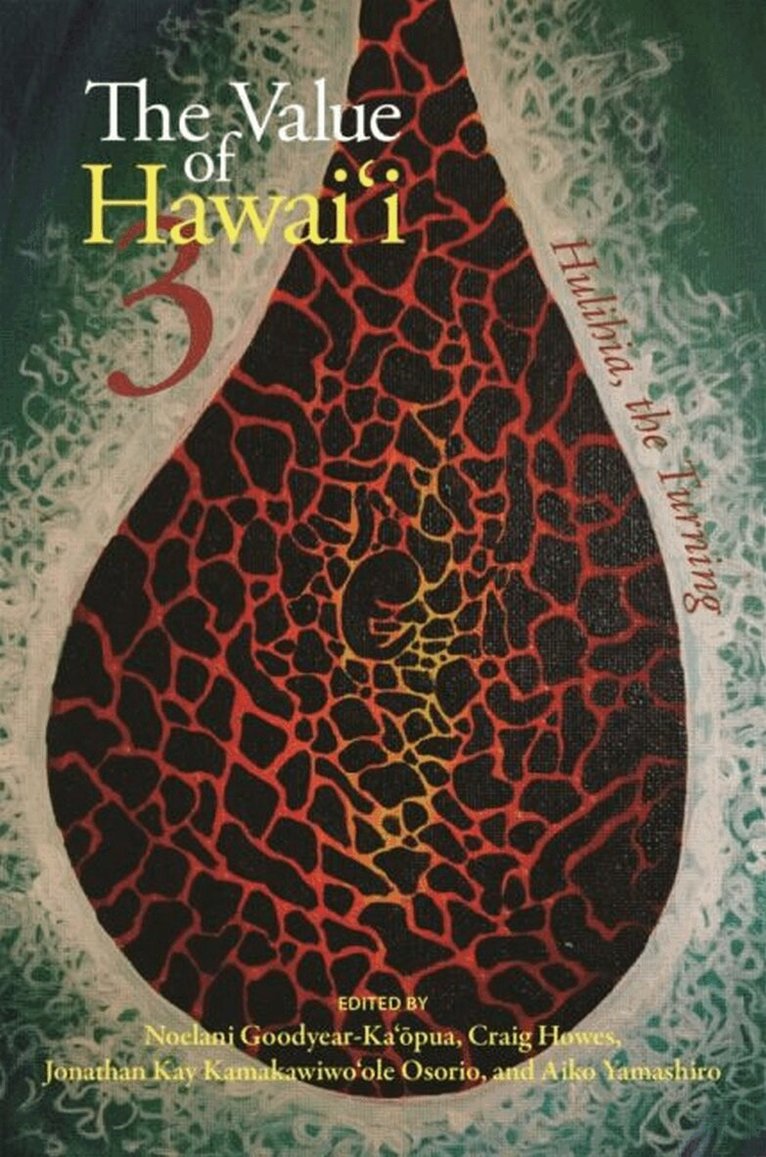
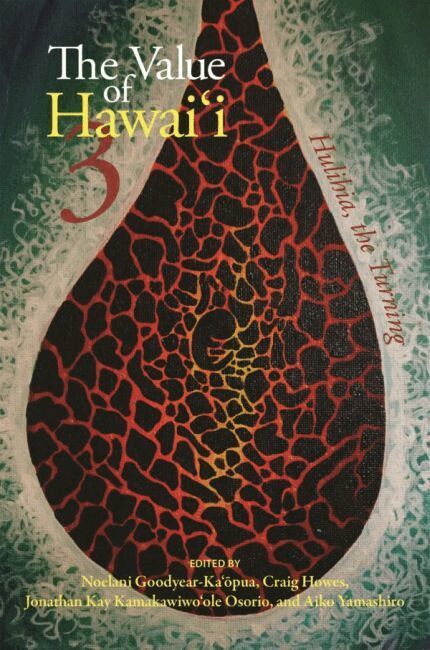
Hulihia" refers to massive upheavals that change the landscape, overturn the normal, reverse the flow, and sweep away the prevailing or assumed. We live in such days. Pandemics. Threats to Ê»Äina. Political dysfunction, cultural appropriation, and disrespect. But also powerful surges toward sustainability, autonomy, and sovereignty.The first two volumes of The Value of Hawai'i (Knowing the Past, Facing the Future and Ancestral Roots, Oceanic Visions) ignited public conversations, testimony, advocacy, and art for political and social change. These books argued for the value of connecting across our different expertise and experiences, to talk about who we are and where we are going.In a world in crisis, what does Hawai'i's experience tell us about how to build a society that sees opportunities in the turning and changing times? As islanders, we continue to grapple with experiences of racism, colonialism, environmental damage, and the costs of modernization, and bring to this our own striking creativity and histories for how to live peacefully and productively together. Steered by the four scholars who edited the previous volumes, The Value of Hawai'i 3: Hulihia, the Turning offers multigenerational visions of a HawaiÊ»i not defined by the United States. Community leaders, cultural practitioners, artists, educators, and activists share exciting paths forward for the future of Hawai'i, on topics such as education, tourism and other economies, elder care, agriculture and food, energy and urban development, the environment, sports, arts and culture, technology, and community life.These visions ask us to recognize what we truly value about our home, and offer a wealth of starting points for critical and productive conversations together in this time of profound and permanent change.
280 kr
Skickas inom 7-10 vardagar
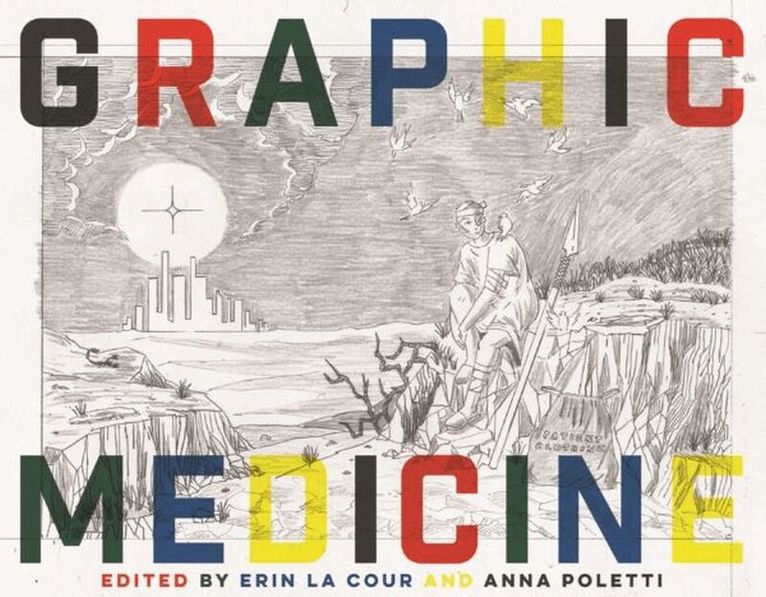
In Graphic Medicine, comics artists and scholars of life writing, literature, and comics explore the lived experience of illness and disability through original texts, images, and the dynamic interplay between the two. The essays and autobiographical comics in this collection respond to the medical humanities’ call for different perceptions and representations of illness and disability than those found in conventional medical discourse.The collection expands and troubles our understanding of the relationships between patients and doctors, nurses, social workers, caregivers, and family members, considering such encounters in terms of cultural context, language, gender, class, and ethnicity. By treating illness and disability as an experience of fundamentally changed living, rather than a separate narrative episode organized by treatment, recovery, and a return to "normal life," Graphic Medicine asks what it means to give and receive care.Comics by Safdar Ahmed, John Miers, and Suzy Becker, and illustrated essays by Nancy K. Miller and Jared Gardner show how life writing about illness and disability in comics offers new ways of perceiving the temporality of caring and living. Crystal Yin Lie and Julia Watson demonstrate how use of the page through panels, collages, and borderless images can draw the reader, as a "mute witness," into contact with the body as a site where intergenerational trauma is registered and expressed. Kiene Brillenburg Wurth examines how microscripts productively extend graphic medicine beyond comics to "outsider art." JoAnn Purcell and Susan Squier display how comics artists respond to and reflect upon their caring relationship with those diagnosed with an intellectual disability. And Erin La Cour interrogates especially difficult representations of relationality and care.During the past decade, graphic medicine comics have proliferated—an outpouring accelerated recently by the greatest health crisis in a century. Edited by Erin La Cour and Anna Poletti, Graphic Medicine helps us recognize that however unpleasant or complicated it may be, interacting with such stories offers fresh insights, suggests new forms of acceptance, and enhances our abilities to speak to others about the experience of illness and disability.