Brookings FOCUS Book – serie
Visar alla böcker i serien Brookings FOCUS Book. Handla med fri frakt och snabb leverans.
14 produkter
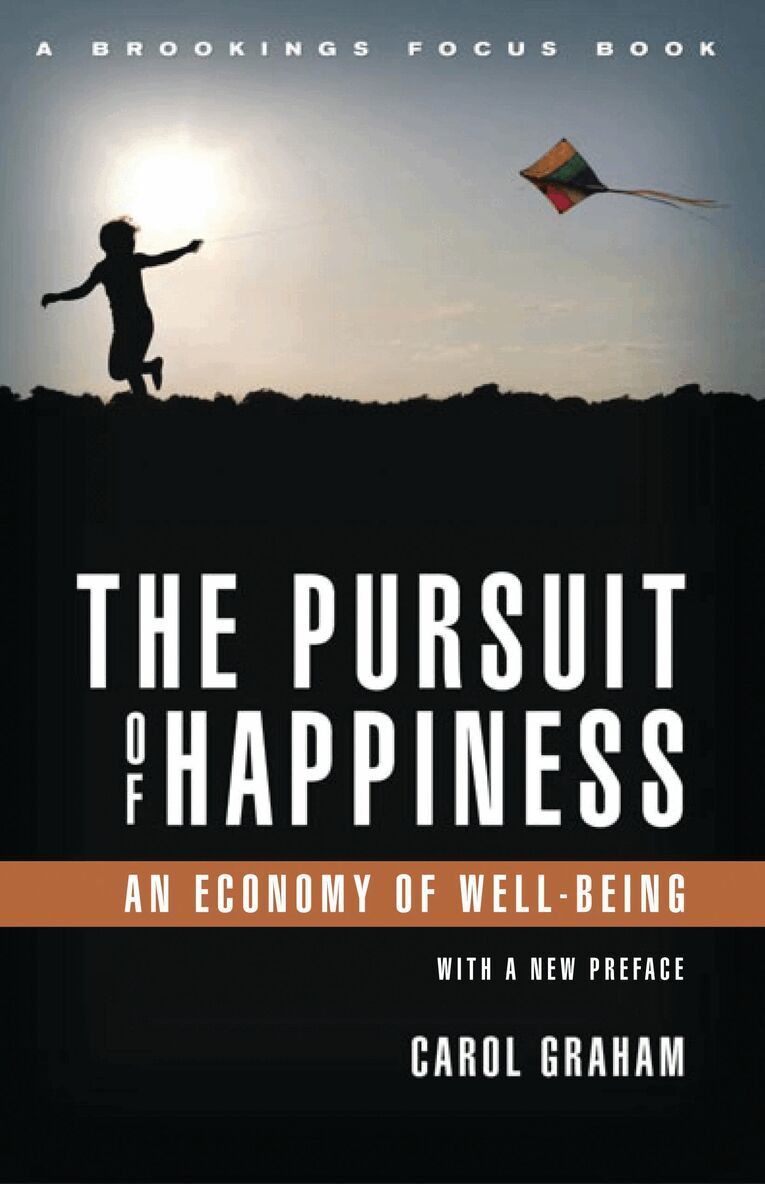
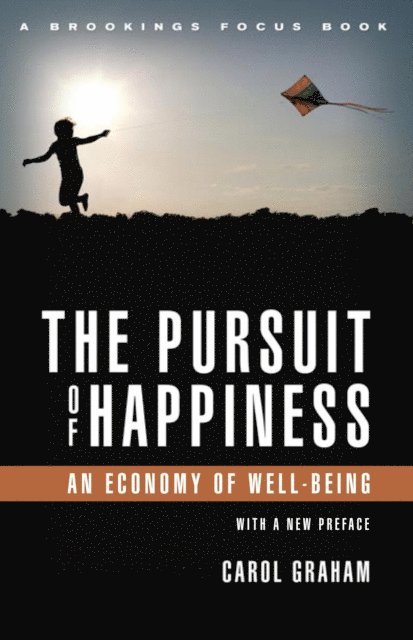
Pursuit of Happiness
An Economy of Well-Being
Häftad, 2012
289 kr
Lägg i varukorg
In The Pursuit of Happiness, renowned economist Carol Graham explores what we know about the determinants of happiness and clearly presents both the promise and the potential pitfalls of injecting the ""economics of happiness"" into public policymaking. While the book spotlights the innovative …
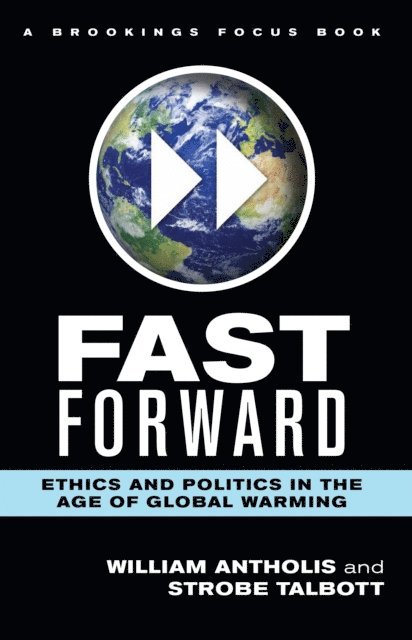
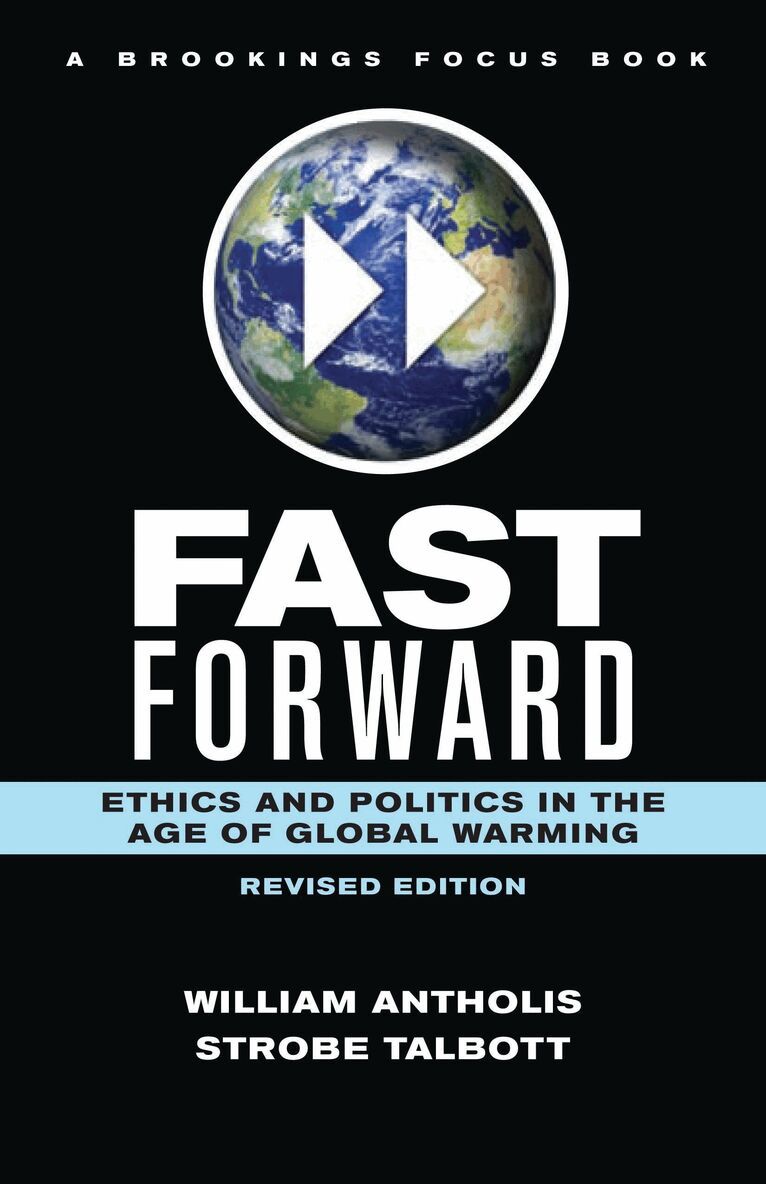
Fast Forward
Ethics and Politics in the Age of Global Warming
Av William Antholis, Strobe Talbott
E-bok, 2010
343 kr
Lägg i varukorg
""Those of us alive today are the first generation to know that we live in the Age of Global Warming. We may also be the last generation to have any chance of doing something about it. Our forebears had the excuse of ignorance. Our descendants will have the excuse of helplessness. We have no …
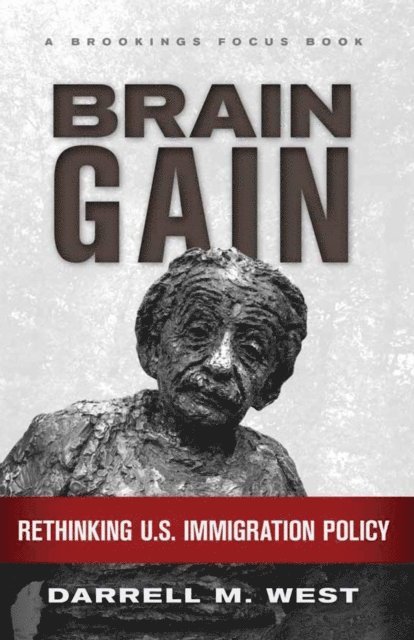
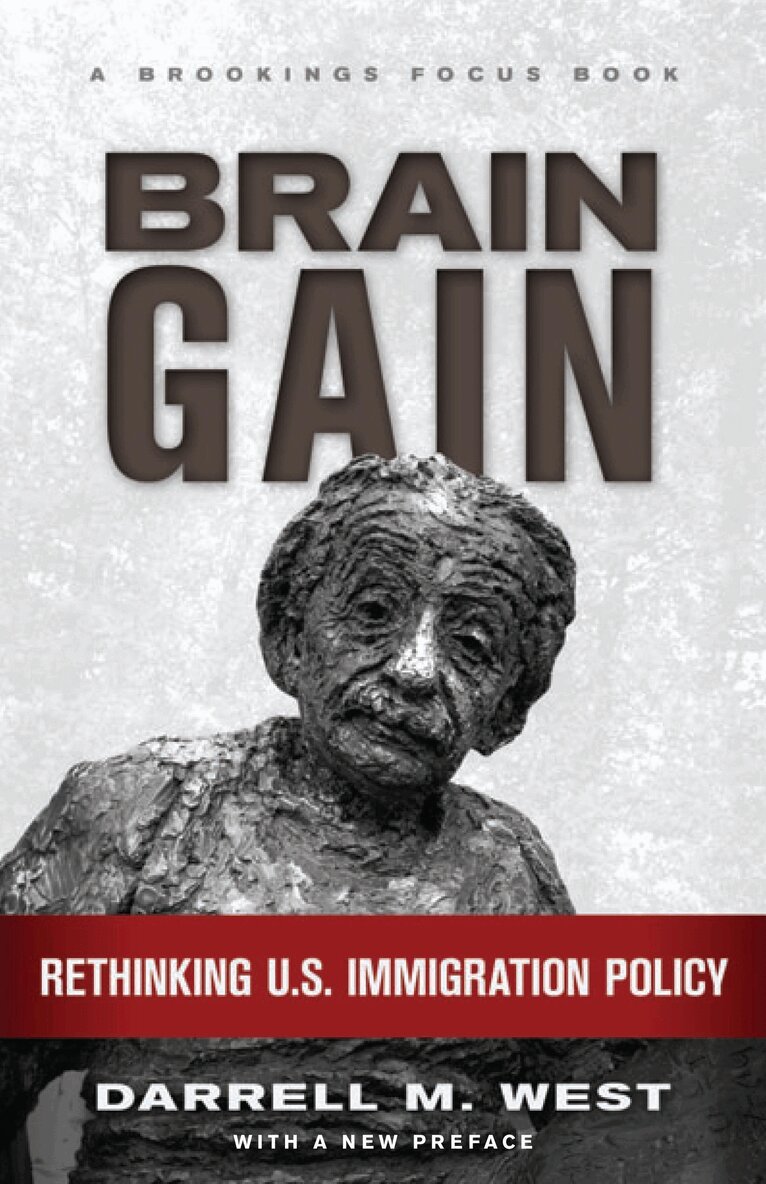
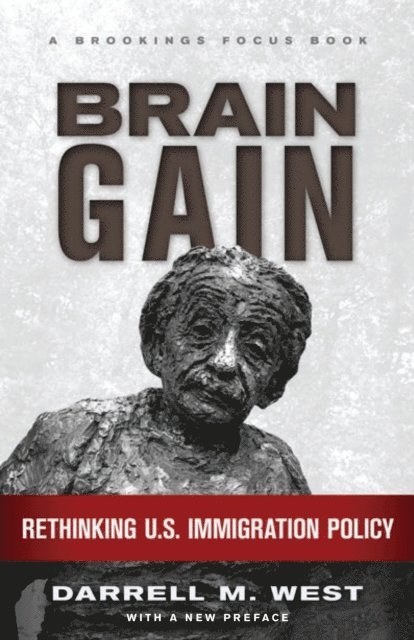
Brain Gain
Rethinking U.S. Immigration Policy
E-bok, 2010
320 kr
Lägg i varukorg
Many of America's greatest artists, scientists, investors, educators, and entrepreneurs have come from abroad. Rather than suffering from the "brain drain" of talented and educated individuals emigrating, the United States has benefited greatly over the years from the "brain gain" of immigration. …
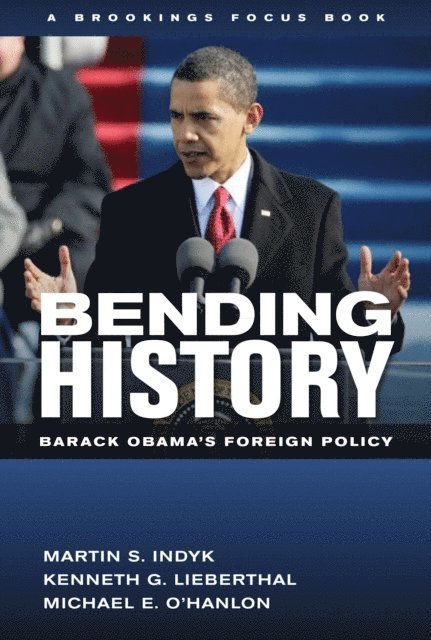
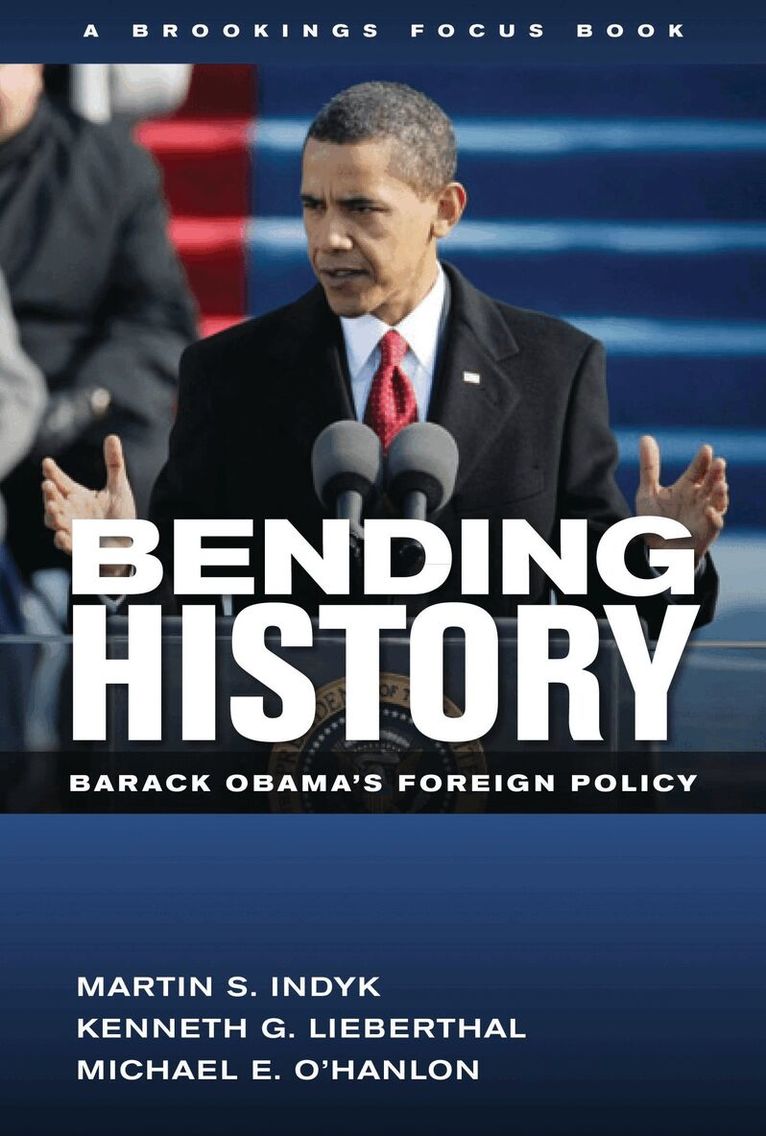
Bending History
Barack Obama's Foreign Policy
Av Martin S. Indyk, Kenneth G. Lieberthal m. fl.
E-bok, 2012
343 kr
Lägg i varukorg
By the time of Barack Obama's inauguration as the 44th president of the United States, he had already developed an ambitious foreign policy vision. By his own account, he sought to bend the arc of history toward greater justice, freedom, and peace; within a year he was awarded the Nobel Peace …
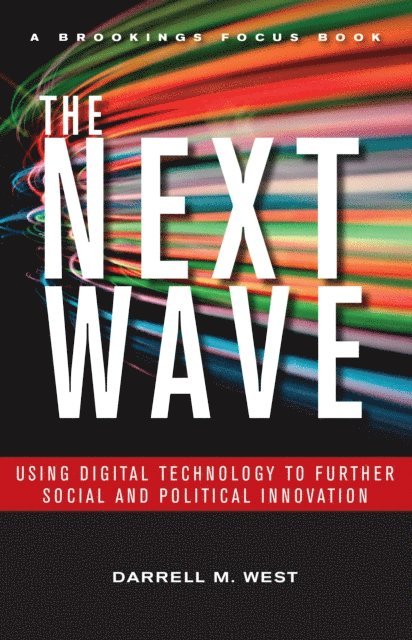
Next Wave
Using Digital Technology to Further Social and Political Innovation
E-bok, 2012
405 kr
Lägg i varukorg
The digital revolution is in full force but many public and private sector leaders are stymied: How can they maximize the full potential of digital technology? This hesitancy puts a brake on the transformational power of digital technology and means private companies and governmental bodies fall …
Fast Forward
Ethics and Politics in the Age of Global Warming
Av William Antholis, Strobe Talbott
Häftad, 2011
289 kr
Lägg i varukorg
Fast Forward is equal parts science primer, history lesson, policy prescription, and ethical treatise. This pithy and compelling book makes clear what we know and don't know about global warming; why the threat demands prudent and urgent action; why the transition to a low-carbon economy will be …
Brain Gain
Rethinking U.S. Immigration Policy
Häftad, 2011
303 kr
Lägg i varukorg
Many of America's greatest artists, scientists, investors, educators, and entrepreneurs have come from abroad. Rather than suffering from the ""brain drain"" of talented and educated individuals emigrating, the United States has benefited greatly over the years from the ""brain gain"" of …
Fast Forward
Ethics and Politics in the Age of Global Warming
Av William Antholis, Strobe Talbott
E-bok, 2011
312 kr
Lägg i varukorg
Fast Forward is equal parts science primer, history lesson, policy prescription, and ethical treatise. This pithy and compelling book makes clear what we know and don't know about global warming; why the threat demands prudent and urgent action; why the transition to a low-carbon economy will be …
Brain Gain
Rethinking U.S. Immigration Policy
E-bok, 2010
328 kr
Lägg i varukorg
Many of America's greatest artists, scientists, investors, educators, and entrepreneurs have come from abroad. Rather than suffering from the ""brain drain"" of talented and educated individuals emigrating, the United States has benefited greatly over the years from the ""brain gain"" of …
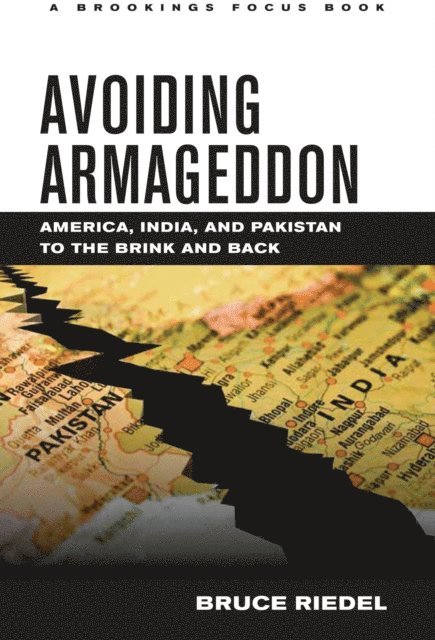
Avoiding Armageddon
America, India, and Pakistan to the Brink and Back
Av Bruce Riedel
E-bok, 2013
321 kr
Lägg i varukorg
India and Pakistan will be among the most important countries in the twenty-first century. In Avoiding Armageddon , Bruce Riedel clearly explains the challenge and the importance of successfully managing America's affairs with these two emerging powers and their toxic relationship. Born from the …
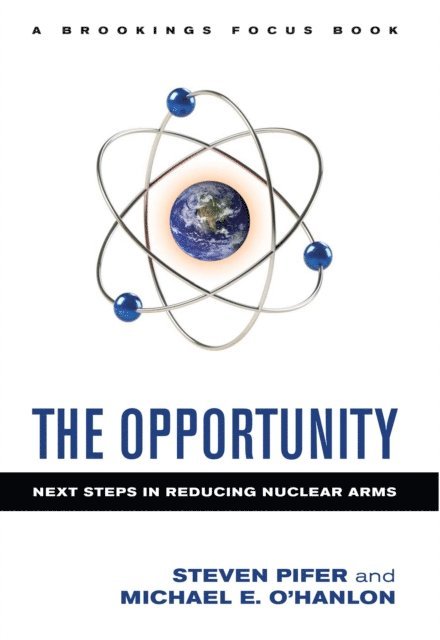
Opportunity
Next Steps in Reducing Nuclear Arms
Av Steven Pifer, Michael E. O'Hanlon
E-bok, 2012
311 kr
Lägg i varukorg
For some observers, nuclear arms control is either a relic of the cold war, or a utopian dream about a denuclearized planet decades in the future. But, as Brookings scholars Steven Pifer and Michael O'Hanlon argue in The Opportunity , arms control can address some key security challenges facing …
Pursuit of Happiness
An Economy of Well-Being
Av Carol Graham
E-bok, 2012
312 kr
Lägg i varukorg
In The Pursuit of Happiness , renowned economist Carol Graham explores what we know about the determinants of happiness and clearly presents both the promise and the potential pitfalls of injecting the ""economics of happiness"" into public policymaking. While the book spotlights the innovative …
Bending History
Barack Obama's Foreign Policy
Av Martin S. Indyk, Kenneth G. Lieberthal m. fl.
Häftad, 2013
326 kr
Lägg i varukorg
By the time of Barack Obama's inauguration as the 44th president of the United States, he had already developed an ambitious foreign policy vision. By his own account, he sought to bend the arc of history toward greater justice, freedom, and peace; within a year he was awarded the Nobel Peace …
Next Wave
Using Digital Technology to Further Social and Political Innovation
Häftad, 2011
373 kr
Lägg i varukorg
The digital revolution is in full force but many public and private sector leaders are stymied: How can they maximize the full potential of digital technology? This hesitancy puts a brake on the transformational power of digital technology and means private companies and governmental bodies fall …