Central Eurasia in Context - Böcker
Visar alla böcker i serien Central Eurasia in Context. Handla med fri frakt och snabb leverans.
18 produkter
18 produkter
1 120 kr
Skickas inom 7-10 vardagar
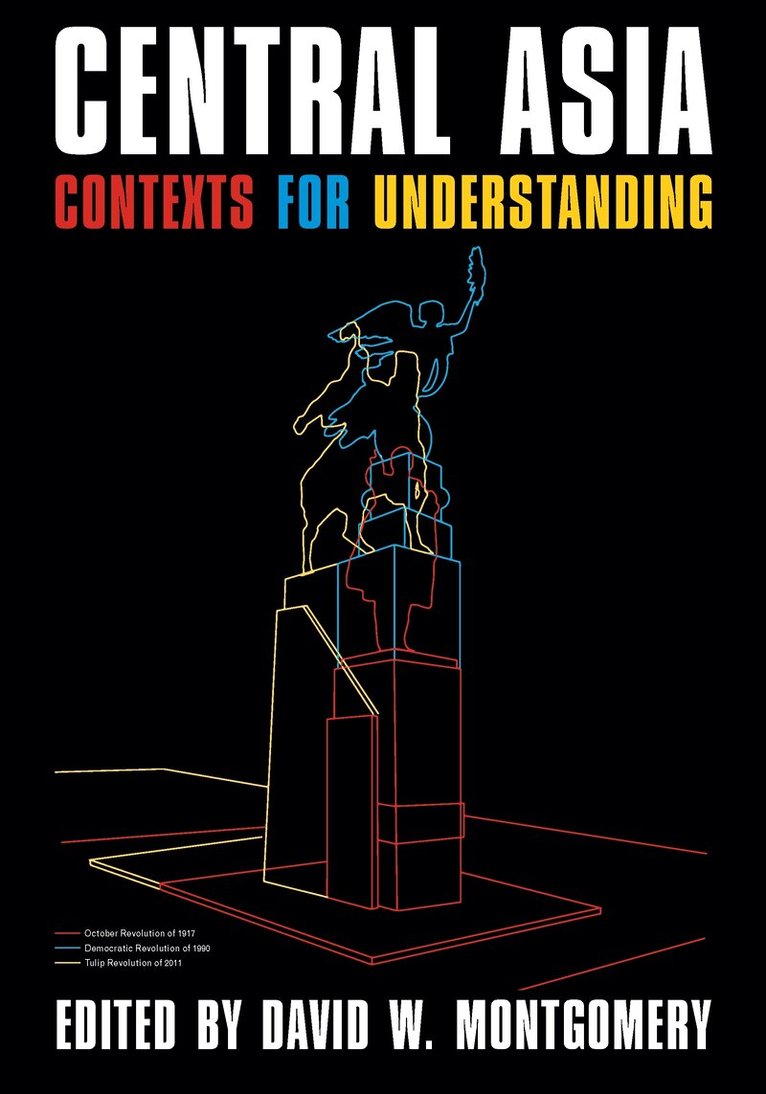
Honorable Mention, 2023 CESS Outreach AwardCentral Asia is a diverse and complex region of the world often characterized in the West as exotic, remote, and difficult to understand. Central Asia: Contexts for Understanding offers the most comprehensive introduction to the region available for students and general readers alike. Combining thematic chapters with detailed case studies, readers will learn to appreciate the richly interconnected aspects of life in Central Asia. These wide-ranging, easy-to-understand contributions from many of the leading scholars in the field provide the context needed to understand Central Asia and presents a launching point for further reading and research.
821 kr
Skickas inom 7-10 vardagar
During Soviet rule, the state all but imposed atheism on the primarily Islamic people of Kyrgyzstan and limited the tradition of polygyny—a form of polygamy in which one man has multiple wives. Polygyny did continue under communism, though chiefly under concealment. In the decades since the fall of the Soviet Union, the practice has reemerged. Based on extensive fieldwork, Polygynous Marriages among the Kyrgyz argues that this marriage practice has become socially acceptable and widely dispersed not only because it is rooted in customary law and Islamic practice, but because it can also enable men and women to meet societal expectations and solve practical economic problems that resulted from the fall of the Soviet Union. Michele E. Commercio’s analysis suggests the normalization of polygyny among the Kyrgyz in contemporary Kyrgyzstan is due both to institutional change in the form of altered governmental rules and expectations and to institutional endurance in the form of persistent hegemonic constructions of gender.
720 kr
Skickas inom 7-10 vardagar
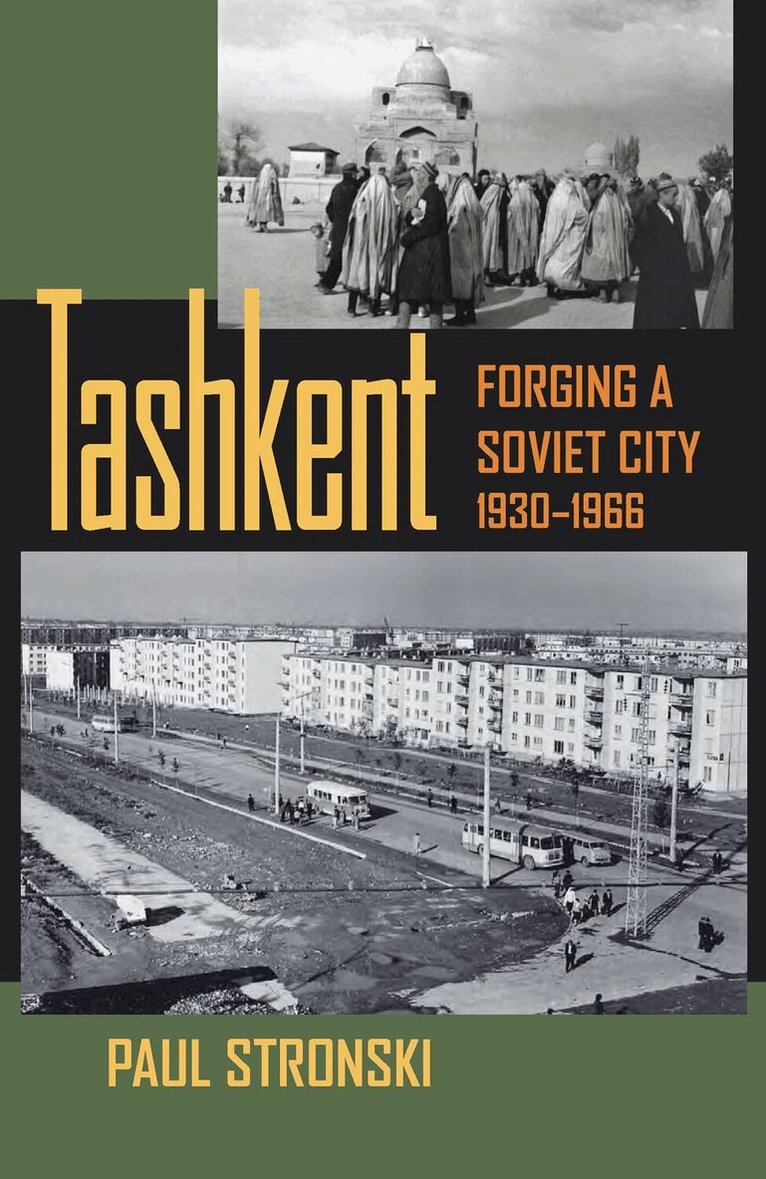
Paul Stronski tells the fascinating story of Tashkent, an ethnically diverse, primarily Muslim city that became the prototype for the Soviet-era reimagining of urban centers in Central Asia. Based on extensive research in Russian and Uzbek archives, Stronski shows us how Soviet officials, planners, and architects strived to integrate local ethnic traditions and socialist ideology into a newly constructed urban space and propaganda showcase. The Soviets planned to transform Tashkent from a \u201cfeudal city\u201d of the tsarist era into a \u201cflourishing garden,\u201d replete with fountains, a lakeside resort, modern roadways, schools, hospitals, apartment buildings, and of course, factories. The city was intended to be a shining example to the world of the successful assimilation of a distinctly non-Russian city and its citizens through the catalyst of socialism. As Stronski reveals, the physical building of this Soviet city was not an end in itself, but rather a means to change the people and their society. Stronski analyzes how the local population of Tashkent reacted to, resisted, and eventually acquiesced to the cityÆs socialist transformation. He records their experiences of the Great Terror, World War II, StalinÆs death, and the developments of the Krushchev and Brezhnev eras up until the earthquake of 1966, which leveled large parts of the city. Stronski finds that the Soviets established a legitimacy that transformed Tashkent and its people into one of the more stalwart supporters of the regime through years of political and cultural changes and finally during the upheavals of glasnost.
642 kr
Skickas inom 7-10 vardagar
In the post-Soviet era, democracy has made little progress in Central Asia. In Chaos, Violence, Dynasty, Eric McGlinchey presents a compelling comparative study of the divergent political courses taken by Kyrgyzstan, Uzbekistan, and Kazakhstan in the wake of Soviet rule. McGlinchey examines economics, religion, political legacies, foreign investment, and the ethnicity of these countries to evaluate the relative success of political structures in each nation. McGlinchey explains the impact of Soviet policy on the region, from Lenin to Gorbachev. Ruling from a distance, a minimally invasive system of patronage proved the most successful over time, but planted the seeds for current \u201cneo-patrimonial\u201d governments. The level of direct Soviet involvement during perestroika was the major determinant in the stability of ensuing governments. Soviet manipulations of the politics of Uzbekistan and Kazakhstan in the late 1980s solidified the role of elites, while in Kyrgyzstan the Soviets looked away as leadership crumbled during the ethnic riots of 1990. Today, Kyrgyzstan is the poorest and most politically unstable country in the region, thanks to a small, corrupt, and fractured political elite. In Uzbekistan, Islam Karimov maintains power through the brutal suppression of disaffected Muslims, who are nevertheless rising in numbers and influence. In Kazakhstan, a political machine fueled by oil wealth and patronage underlies the greatest economic equity in the region, and far less political violence. McGlincheyÆs timely study calls for a more realistic and flexible view of the successful aspects of authoritarian systems in the region that will be needed if there is to be any potential benefit from foreign engagement with the nations of Central Asia, and similar political systems globally.
720 kr
Skickas inom 7-10 vardagar
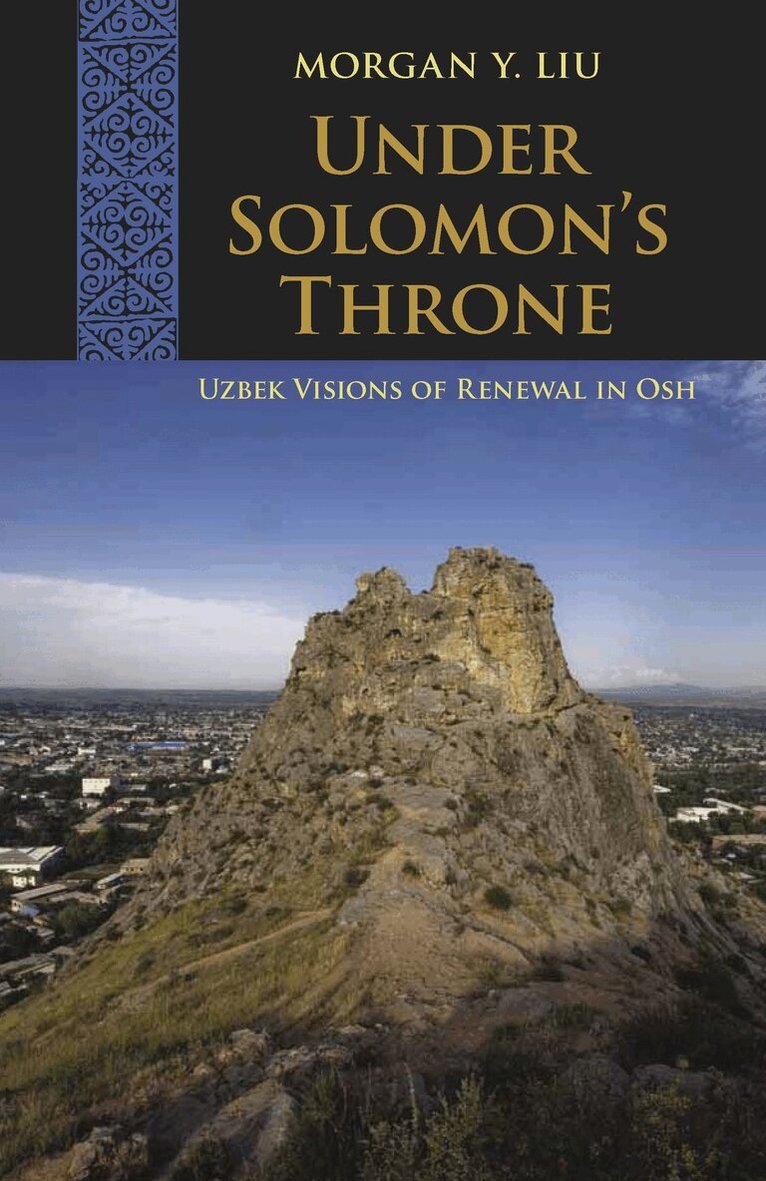
Winner of the 2014 Central Eurasian Studies Society Book Award in the Social Sciences.Under Solomon's Throne provides a rare ground-level analysis of post-Soviet Central Asia's social and political paradoxes by focusing on an urban ethnic community: the Uzbeks in Osh, Kyrgyzstan, who have maintained visions of societal renewal throughout economic upheaval, political discrimination, and massive violence.Morgan Liu illuminates many of the challenges facing Central Asia today by unpacking the predicament of Osh, a city whose experience captures key political and cultural issues of the region as a whole. Situated on the border of Uzbekistan and Kyrgyzstan—newly independent republics that have followed increasingly divergent paths to reform their states and economies—the city is subject to a Kyrgyz government, but the majority of its population are ethnic Uzbeks. Conflict between the two groups led to riots in 1990, and again in 2010, when thousands, mostly ethnic Uzbeks, were killed and nearly half a million more fled across the border into Uzbekistan. While these tragic outbreaks of violence highlight communal tensions amid long-term uncertainty, a close examination of community life in the two decades between reveals the way Osh Uzbeks have created a sense of stability and belonging for themselves while occupying a postcolonial no-man's-land, tied to two nation-states but not fully accepted by either one.The first ethnographic monograph based on extensive local-language fieldwork in a Central Asian city, this study examines the culturally specific ways that Osh Uzbeks are making sense of their post-Soviet dilemmas. These practices reveal deep connections with Soviet and Islamic sensibilities and with everyday acts of dwelling in urban neighborhoods. Osh Uzbeks engage the spaces of their city to shape their orientations relative to the wider world, postsocialist transformations, Islamic piety, moral personhood, and effective leadership. Living in the shadow of Solomon's Throne, the city's central mountain, they envision and attempt to build a just social order.
661 kr
Skickas inom 7-10 vardagar
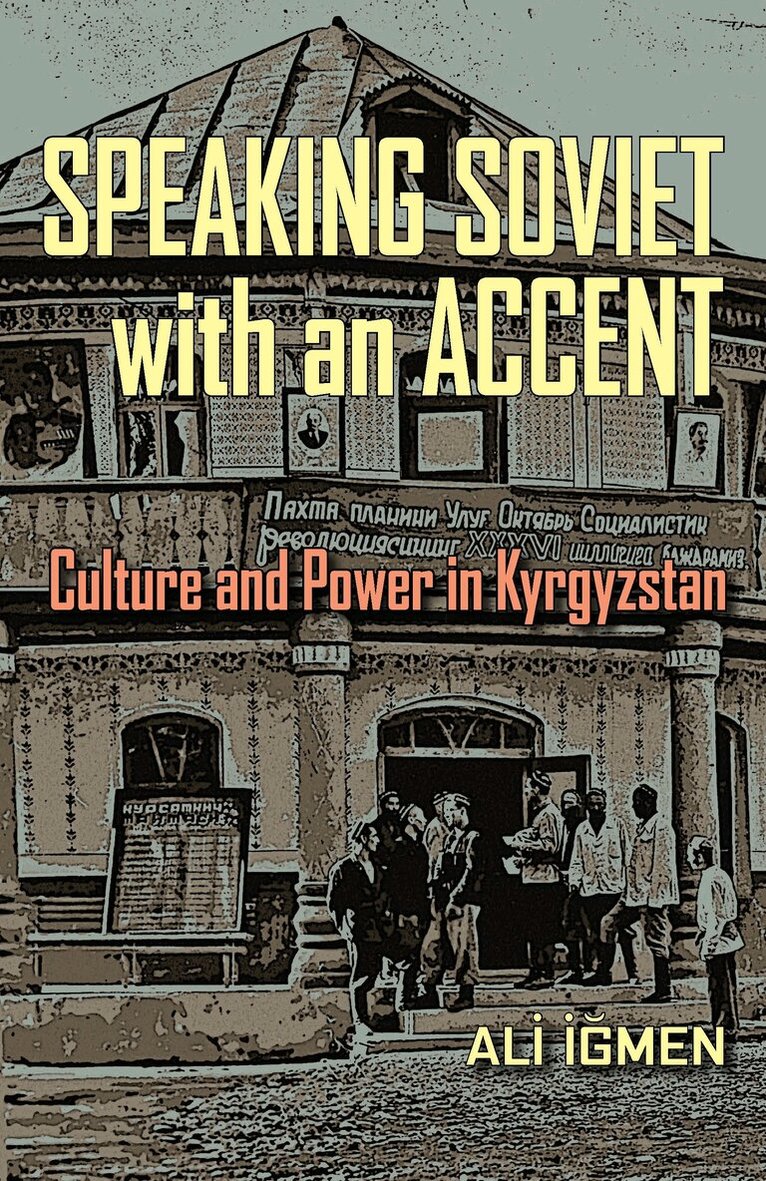
Speaking Soviet with an Accent presents the first English-language study of Soviet culture clubs in Kyrgyzstan. These clubs profoundly influenced the future of Kyrgyz cultural identity and fostered the work of many artists, such as famed novelist Chingiz Aitmatov.Based on extensive oral history and archival research, Ali Igmen follows the rise of culture clubs beginning in the 1920s, when they were established to inculcate Soviet ideology and create a sedentary lifestyle among the historically nomadic Kyrgyz people. These \u201cRed clubs\u201d are fondly remembered by locals as one of the few places where lively activities and socialization with other members of their ail (village or tribal unit) could be found.Through lectures, readings, books, plays, concerts, operas, visual arts, and cultural Olympiads, locals were exposed to Soviet notions of modernization. But these programs also encouraged the creation of a newfound \u201cKyrgyzness\u201d that preserved aspects of local traditions and celebrated the achievements of Kyrgyz citizens in the building of a new state. These ideals proved appealing to many Kyrgyz, who, for centuries, had seen riches and power in the hands of a few tribal chieftains and Russian imperialists.This book offers new insights into the formation of modern cultural identity in Central Asia. Here, like their imperial predecessors, the Soviets sought to extend their physical borders and political influence. But Igmen also reveals the remarkable agency of the Kyrgyz people, who employed available resources to meld their own heritage with Soviet and Russian ideologies and form artistic expressions that continue to influence Kyrgyzstan today.
642 kr
Skickas inom 7-10 vardagar
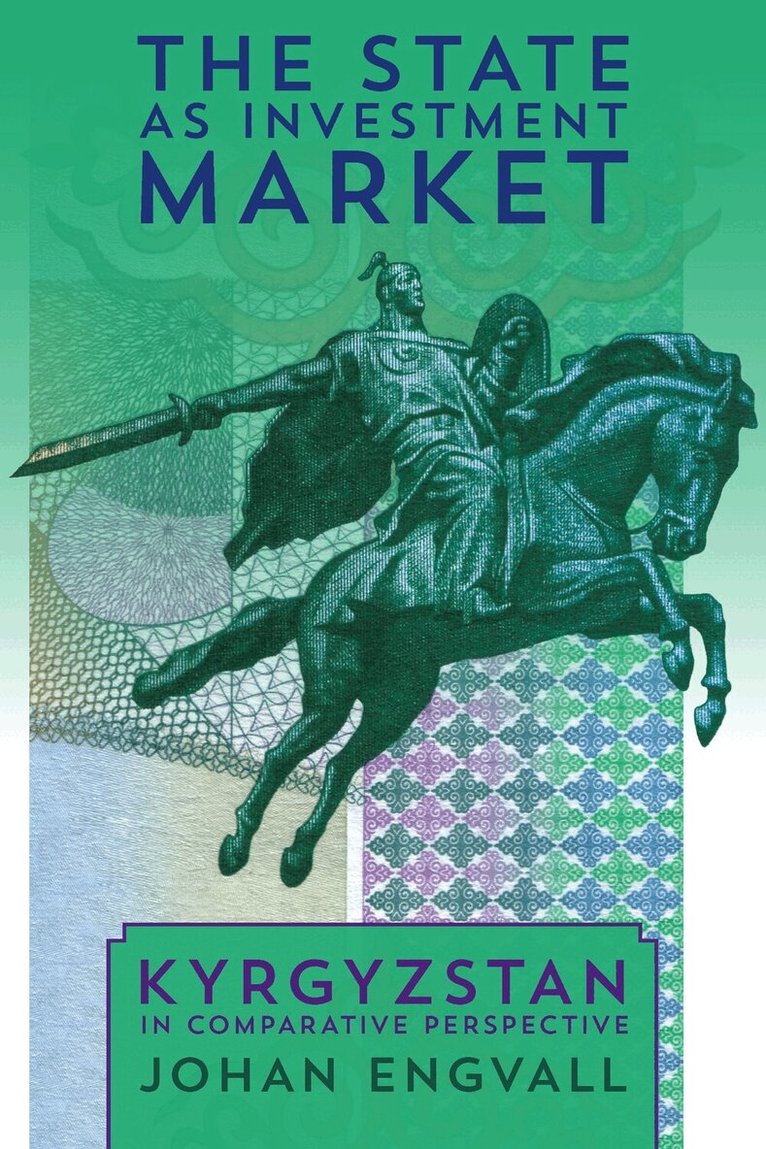
Based on the case of Kyrgyzstan, while going well beyond it to elaborate a theory of the developing state that comprehends corruption as not merely criminal, but a type of market based on highly rational decisions made by the powerful individuals within, or connected to, the state.
661 kr
Skickas inom 7-10 vardagar
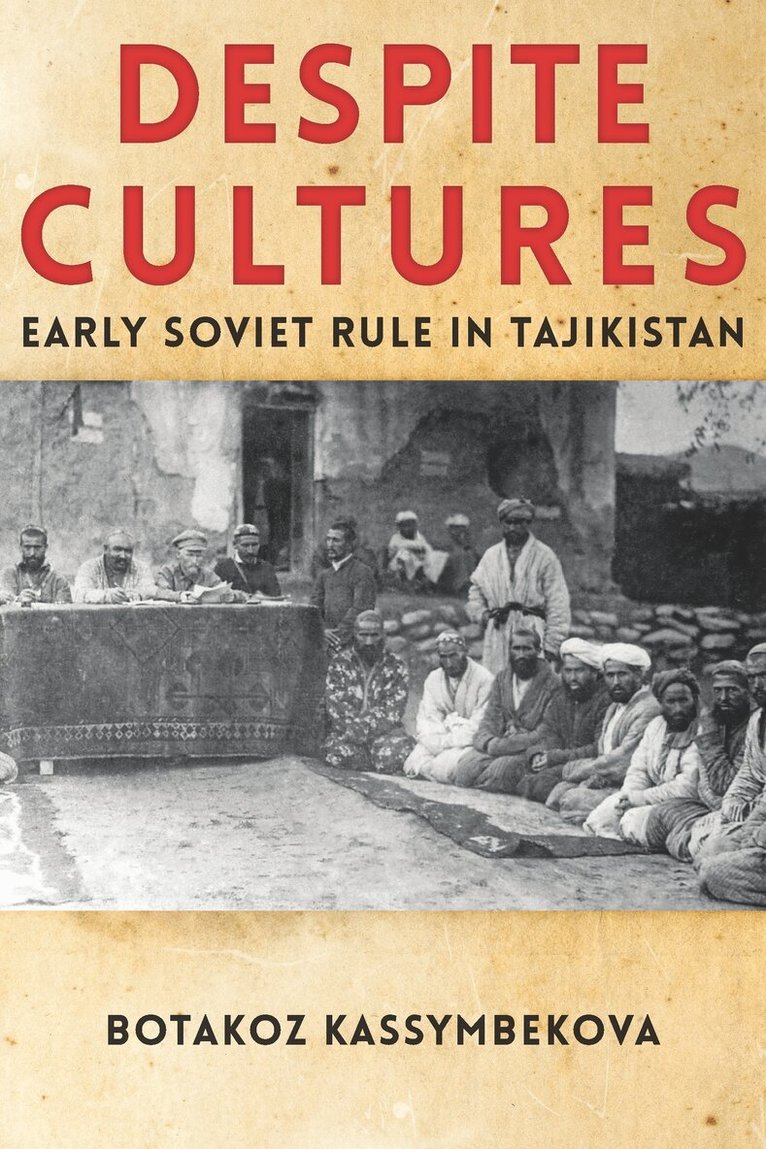
Despite Cultures examines the strategies and realities of the Soviet state-building project in Tajikistan during the 1920s and 1930s. Based on extensive archival research, Botakoz Kassymbekova analyzes the tactics of Soviet officials at the center and periphery that produced, imitated, and improvised governance in this Soviet southern borderland and in Central Asia more generally. She shows how the tools of violence, intimidation, and coercion were employed by Muslim and European Soviet officials alike to implement Soviet versions of modernization and industrialization. In a region marked by ethnic, linguistic, and cultural diversity, the Soviet plan was to recognize these differences while subsuming them within the conglomerate of official Soviet culture. As Kassymbekova reveals, the local ruling system was built upon an intricate network of individuals, whose stated loyalty to communism was monitored through a chain of command that stretched from Moscow through Tashkent to Dushanbe/Stalinabad. The system was tenuously based on individual leaders who struggled to decipher the language of Bolshevism and maintain power through violent repression.
642 kr
Skickas inom 7-10 vardagar
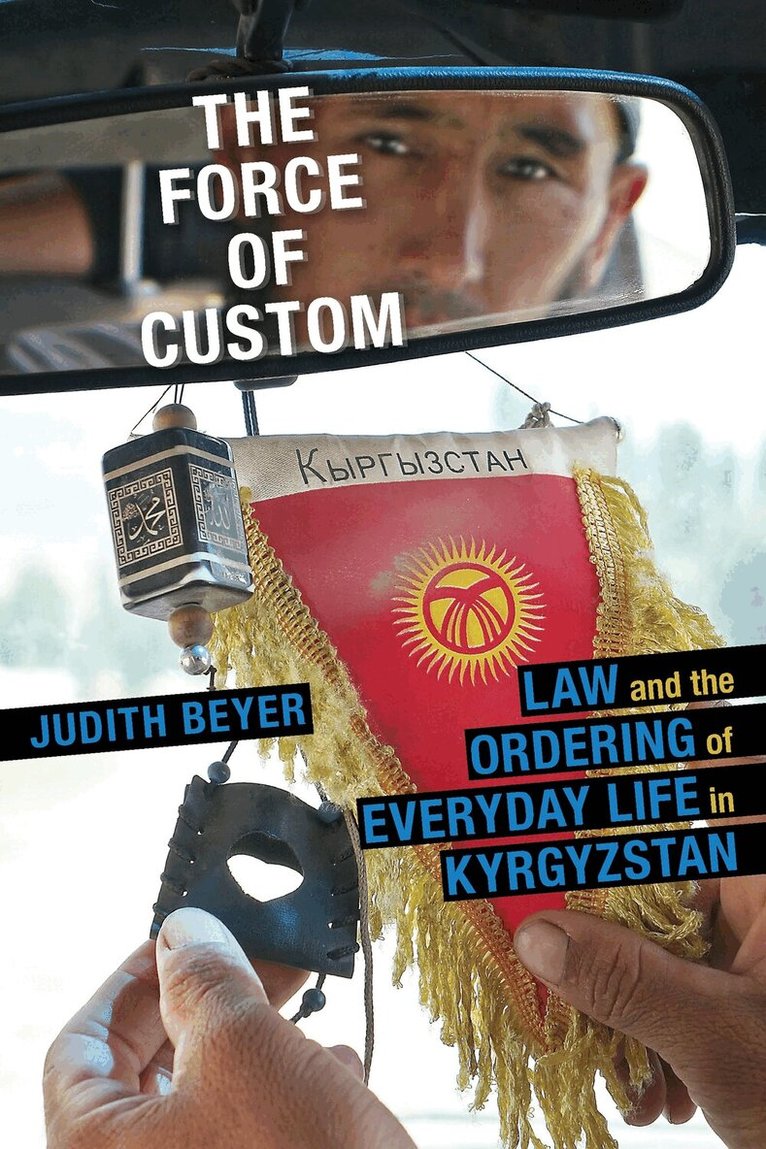
The Force of Custom presents a finely textured ethnographic study that sheds new light on the legal and moral ordering of everyday life in northwestern Kyrgyzstan. Through her extensive fieldwork and firsthand experience, Judith Beyer reveals how Kyrgyz in Talas province negotiate proper behavior and regulate disputes by invoking custom, known to the locals as salt. While salt is presented as age-old tradition, its invocation is shown to be a highly developed and flexible rhetorical strategy that people adapt in order to meet the challenges of contemporary political, legal, economic, and religious environments. Officially, codified state law should take precedence when it comes to dispute resolution, yet the unwritten laws of salt and the increasing importance of Islamic law provide the standards for ordering everyday life. As Beyer further demonstrates, interpretations of both Islamic and state law are also intrinsically linked to salt. By interweaving case studies on kinship, legal negotiations, festive events, mourning rituals, and political and business dealings, Beyer shows how salt is the binding element in rural Kyrgyz social life and how it is used to explain and negotiate moral behavior and to postulate communal identity. In this way, salt provides a time-tested, sustainable source of authentication that defies changes in government and the shifting tides of religious movements.
699 kr
Skickas inom 7-10 vardagar
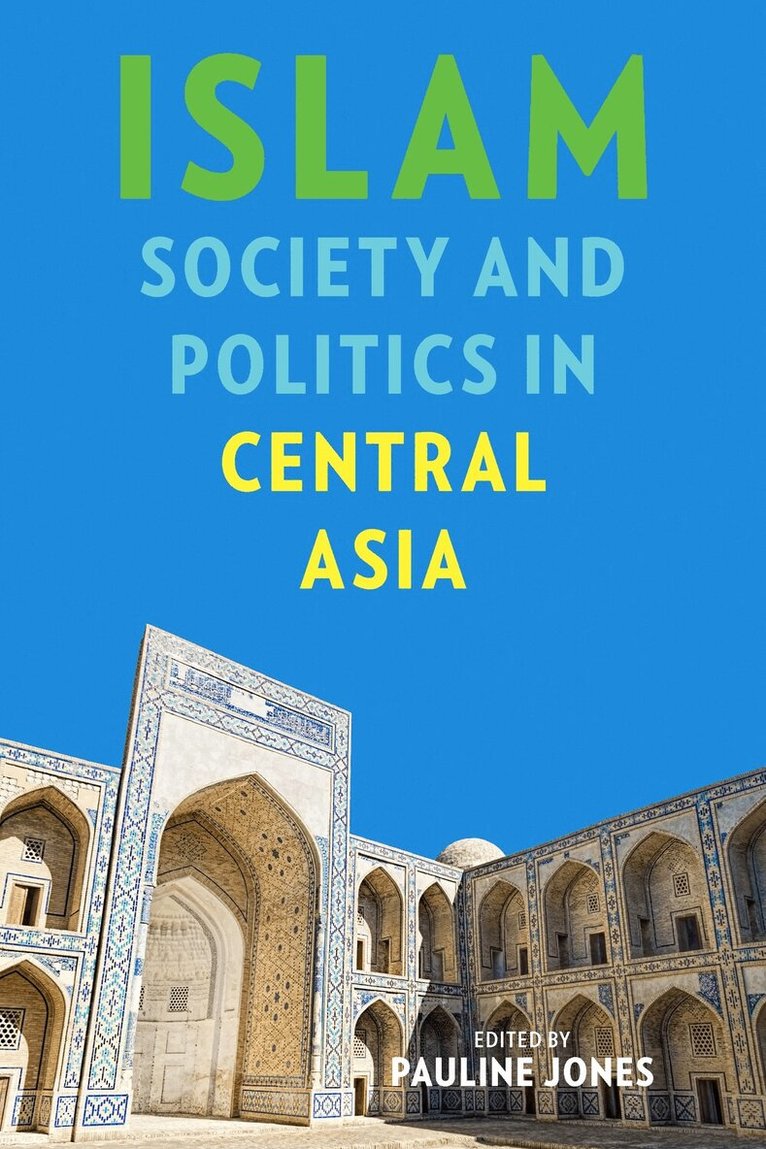
During the 1990s, there was a general consensus that Central Asia was witnessing an Islamic revival after independence, and that this occurrence would follow similar events throughout the Islamic world in the prior two decades, which had negative effects on both social and political development. Twenty years later, we are still struggling to fully understand the transformation of Islam in a region that's evolved through a complex and dynamic process, involving diversity in belief and practice, religious authority, and political intervention. This volume seeks to shed light on these crucial questions by bringing together an international group of scholars to offer a new perspective on Central Asian states and societies. The chapters provide analysis through four distinct categories: the everyday practice of Islam across local communities; state policies toward Islam, focusing on attempts to regulate public and private practice through cultural, legal, and political institutions and how these differ from Soviet policies; how religious actors influence communities in the practice of Islam, state policies towards the religion, and subsequent communal responses to state regulations; and how knowledge of and interaction with the larger Islamic world is shaping Central Asia's current Islamic revival and state responses. The contributors, a multidisciplinary and international group of leading scholars, develop fresh insights that both corroborate and contradict findings from previous research, while also highlighting the problem of making any generalizations about Islam in individual states or the region. As such, this volume provides new and impactful analysis for scholars, students, and policy makers concerned with Central Asia.
699 kr
Skickas inom 7-10 vardagar
"State weakness" is seen to be a widespread problem throughout Central Asia and other parts of post-socialist space, and more broadly in areas of the developing world. Challenging the widespread assumption that these "weak states" inevitably slide toward failure, Paradox of Power takes careful stock of the varied experiences of Eurasian states to reveal a wide array of surprising outcomes. The case studies show how states teeter but do not collapse, provide public goods against all odds, interact with societies in creative ways, utilize coercion effectively against internal opponents, and establish practices that are far more durable than the language of "weakness" would allow. While deepening our understanding of the phenomenon in Eurasia in particular, the essays also contribute to more general theories of state weakness.
699 kr
Skickas inom 7-10 vardagar
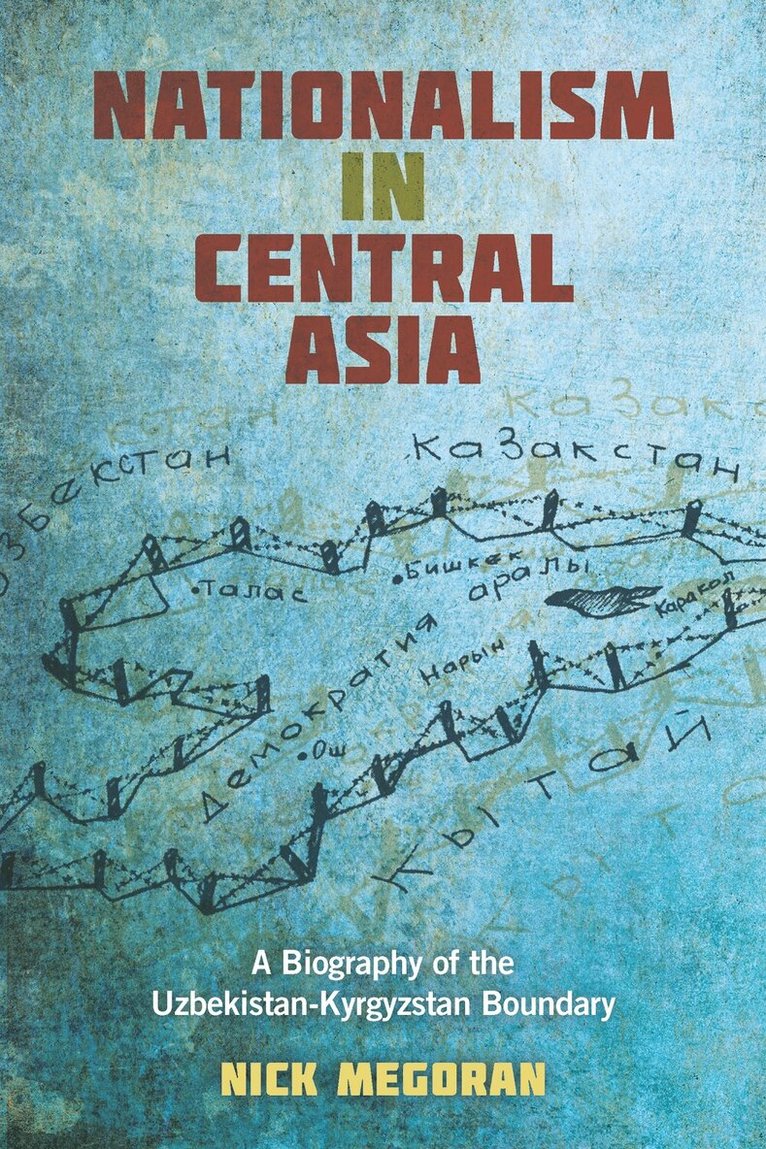
Nick Megoran explores the process of building independent nation-states in post-Soviet Central Asia through the lens of the disputed border territory between Uzbekistan and Kyrgyzstan. In his rich "biography" of the boundary, he employs a combination of political, cultural, historical, ethnographic, and geographic frames to shed new light on nation-building process in this volatile and geopolitically significant region. Megoran draws on twenty years of extensive research in the borderlands via interviews, observations, participation, and newspaper analysis. He considers the problems of nationalist discourse versus local vernacular, elite struggles versus borderland solidarities, boundary delimitation versus everyday experience, border control versus resistance, and mass violence in 2010, all of which have exacerbated territorial anxieties. Megoran also revisits theories of causation, such as the loss of Soviet control, poorly defined boundaries, natural resource disputes, and historic ethnic clashes, to show that while these all contribute to heightened tensions, political actors and their agendas have clearly driven territorial aspirations and are the overriding source of conflict. As this compelling case study shows, the boundaries of the The Ferghana Valley put in succinct focus larger global and moral questions of what defines a good border.
661 kr
Skickas inom 7-10 vardagar
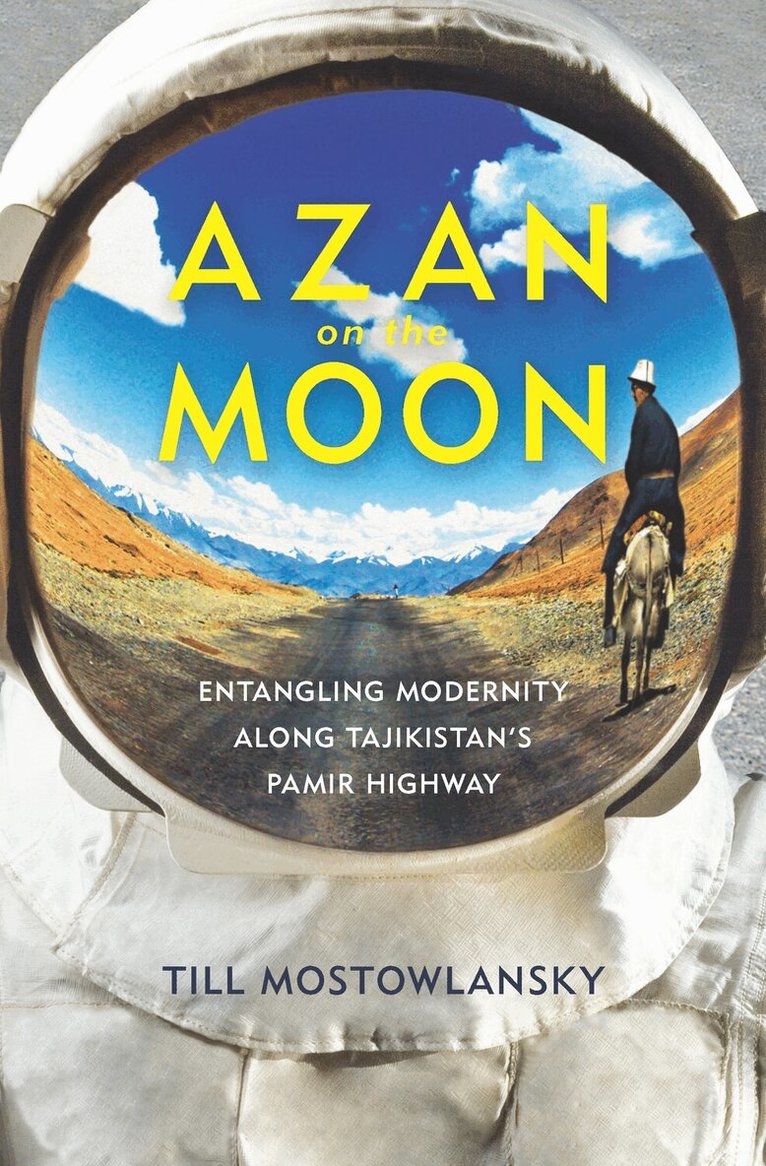
Azan on the Moon is an in-depth anthropological study of people's lives along the Pamir Highway in eastern Tajikistan. Constructed in the 1930s in rugged high-altitude terrain, the road fundamentally altered the material and social fabric of this former Soviet outpost on the border with Afghanistan and China. The highway initially brought sentiments of disconnection and hardship, followed by Soviet modernization and development, and ultimately a sense of distinction from bordering countries and urban centers that continues to this day. Based on extensive fieldwork and through an analysis of construction, mobility, technology, media, development, Islam, and the state, Till Mostowlansky shows how ideas of modernity are both challenged and reinforced in contemporary Tajikistan. In the wake of China's rise in Central Asia, people along the Pamir Highway strive to reconcile a modern future with a modern past. Weaving together the road, a population, and a region, Azan on the Moon presents a rich ethnography of global connections.
642 kr
Skickas inom 7-10 vardagar
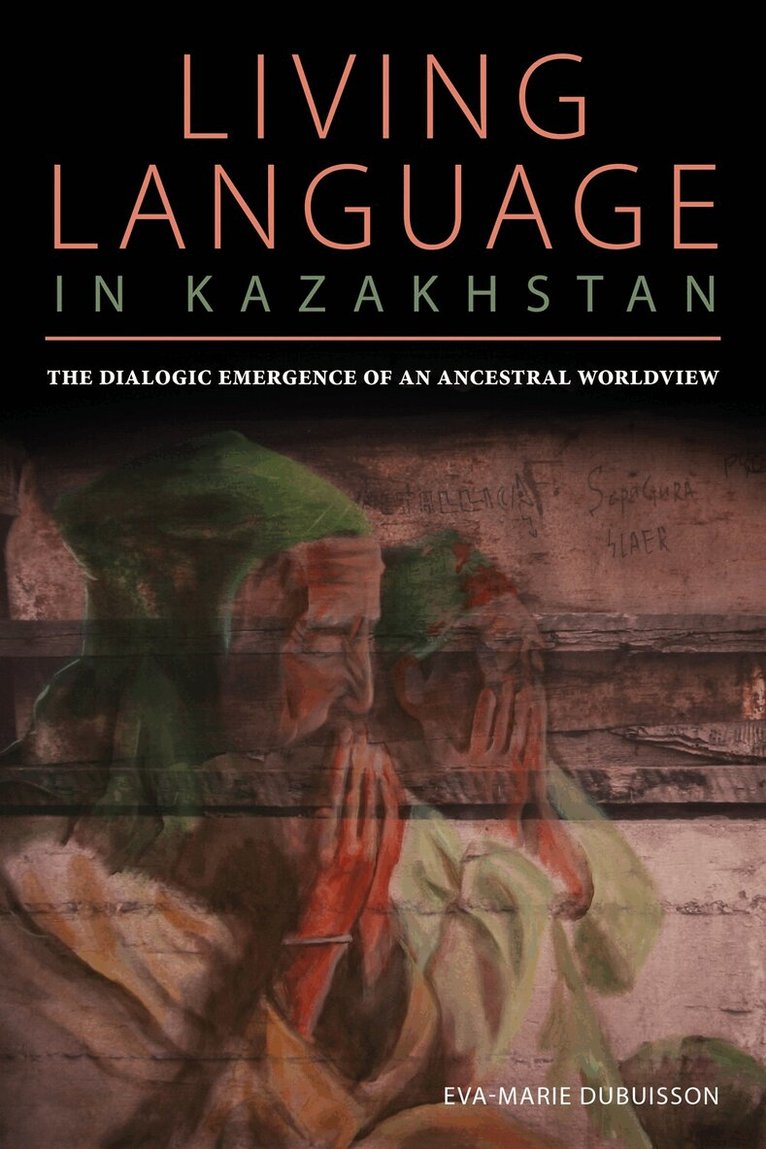
Eva-Marie Dubuisson provides a fascinating anthropological inquiry into the deeply ingrained presence of ancestors within the cultural, political, and spiritual discourse of Kazakhs. In a climate of authoritarianism and economic uncertainty, many people in this region turn to their forebearers for care, guidance, and advice, invoking them on a daily basis. This "living language" creates a powerful link to the past and a stable foundation for the present. Through Dubuisson's participatory, observational, and lived experience among Kazakhs, we witness firsthand the public performances and private rituals that show how memory and identity are sustained through an oral tradition of invoking ancestors. This ancestral dialogue sustains a unifying worldview by mediating questions of faith and morality, providing role models, and offering a mechanism for socio-political critique, change, and meaning-making. Looking beyond studies of Islam or heritage alone, Dubuisson provides fresh insights into understanding the Kazakh worldview that will serve students, researchers, GMOs, and policymakers in the region.
720 kr
Skickas inom 7-10 vardagar
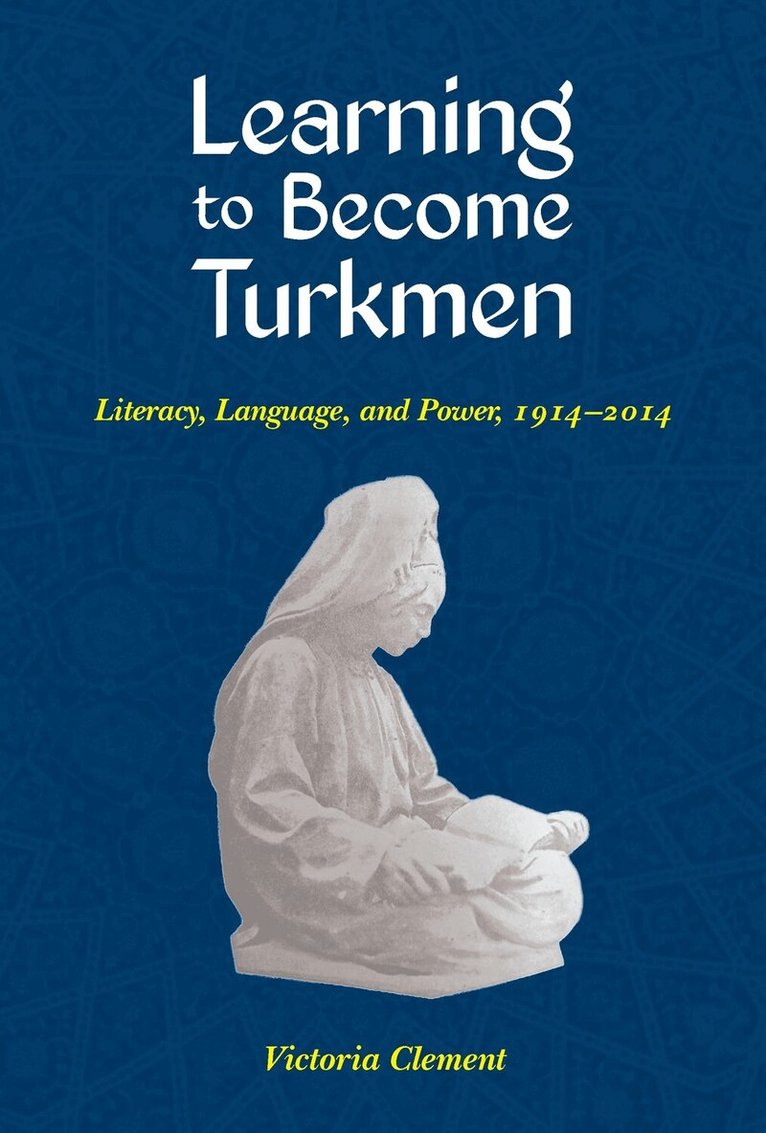
Learning to Become Turkmen examines the ways in which the iconography of everyday life—in dramatically different alphabets, multiple languages, and shifting education policies—reflects the evolution of Turkmen society in Central Asia over the past century. As Victoria Clement shows, the formal structures of the Russian imperial state did not affect Turkmen cultural formations nearly as much as Russian language and Cyrillic script. Their departure was also as transformative to Turkmen politics and society as their arrival.Complemented by extensive fieldwork, Learning to Become Turkmen is the first book in a Western language to draw on Turkmen archives, as it explores how Eurasia has been shaped historically. Revealing particular ways that Central Asians relate to the rest of the world, this study traces how Turkmen consciously used language and pedagogy to position themselves within global communities such as the Russian/Soviet Empire, the Turkic cultural continuum, and the greater Muslim world.
661 kr
Skickas inom 7-10 vardagar
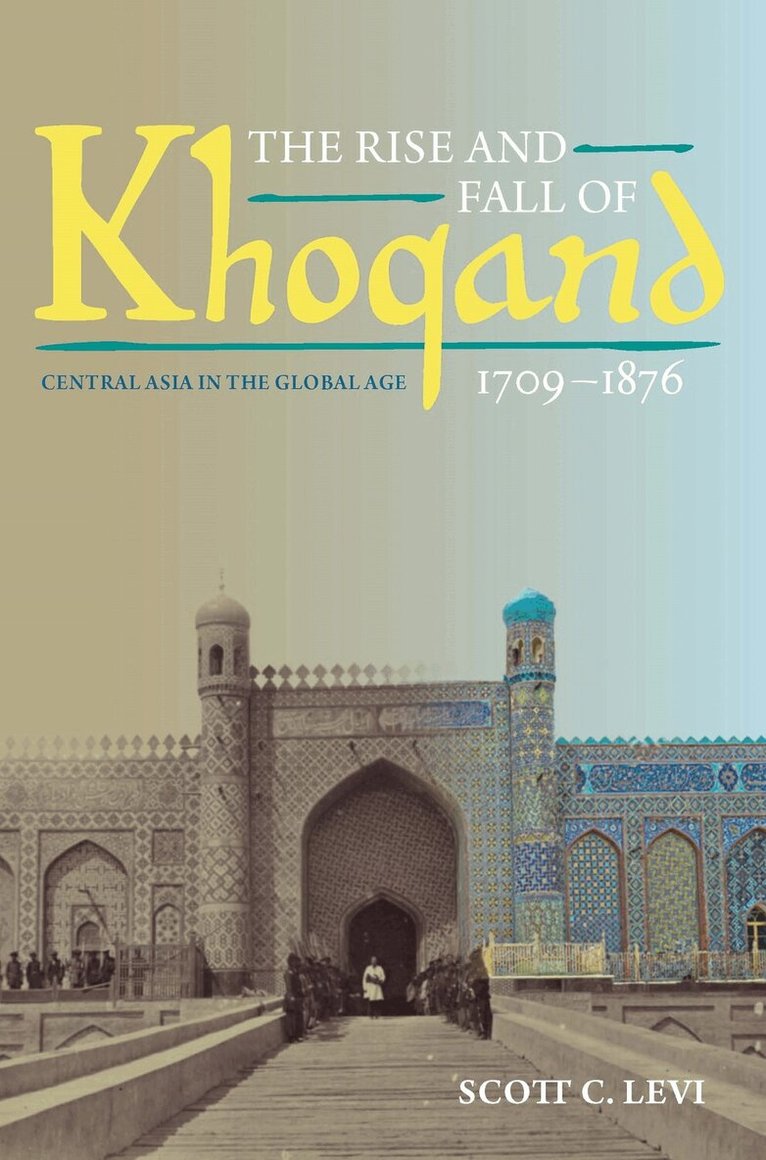
This book analyzes how Central Asians actively engaged with the rapidly globalizing world of the eighteenth and nineteenth centuries. In presenting the first English-language history of the Khanate of Khoqand (1709–1876), Scott C. Levi examines the rise of that extraordinarily dynamic state in the Ferghana Valley. Levi reveals the many ways in which the Khanate’s integration with globalizing forces shaped political, economic, demographic, and environmental developments in the region, and he illustrates how these same forces contributed to the downfall of Khoqand.To demonstrate the major historical significance of this vibrant state and region, too often relegated to the periphery of early modern Eurasian history, Levi applies a “connected history” methodology showing in great detail how Central Asians actively influenced policies among their larger imperial neighbors—notably tsarist Russia and Qing China. This original study will appeal to a wide interdisciplinary audience, including scholars and students of Central Asian, Russian, Middle Eastern, Chinese, and world history, as well as the study of comparative empire and the history of globalization.
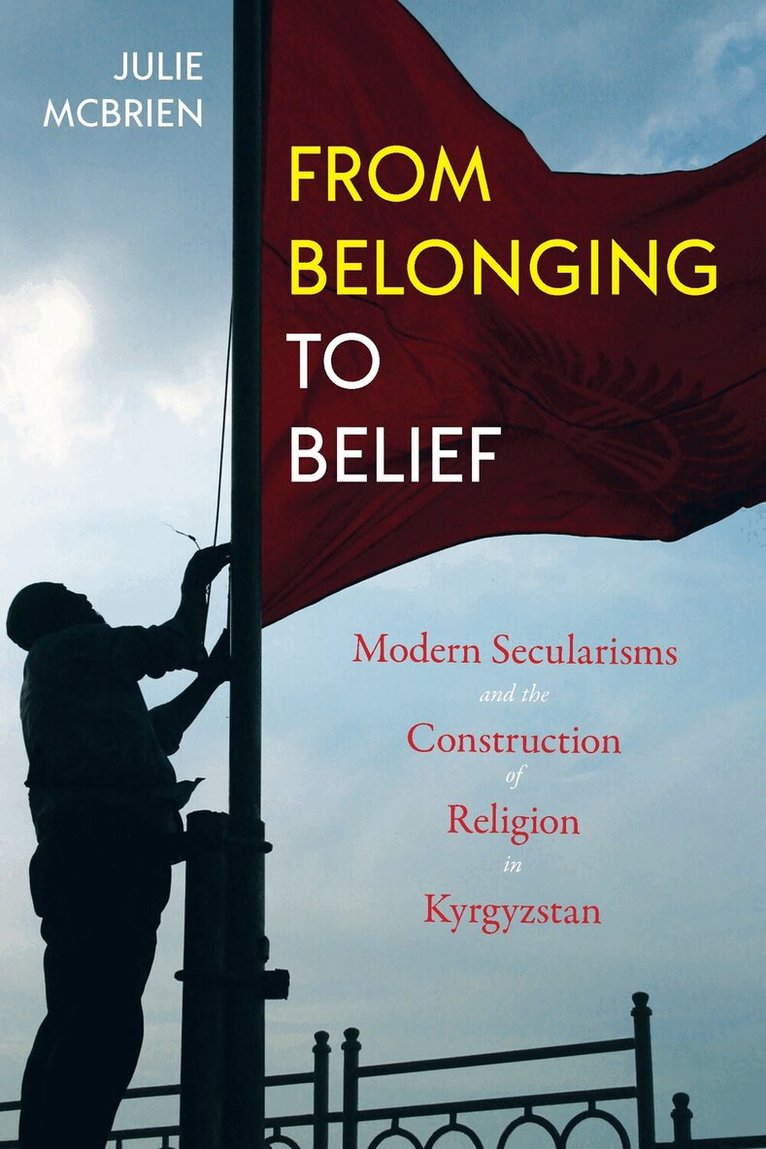
From Belonging to Belief
Modern Secularisms and the Construction of Religion in Kyrgyzstan
Häftad, Engelska, 2017
642 kr
Skickas inom 7-10 vardagar
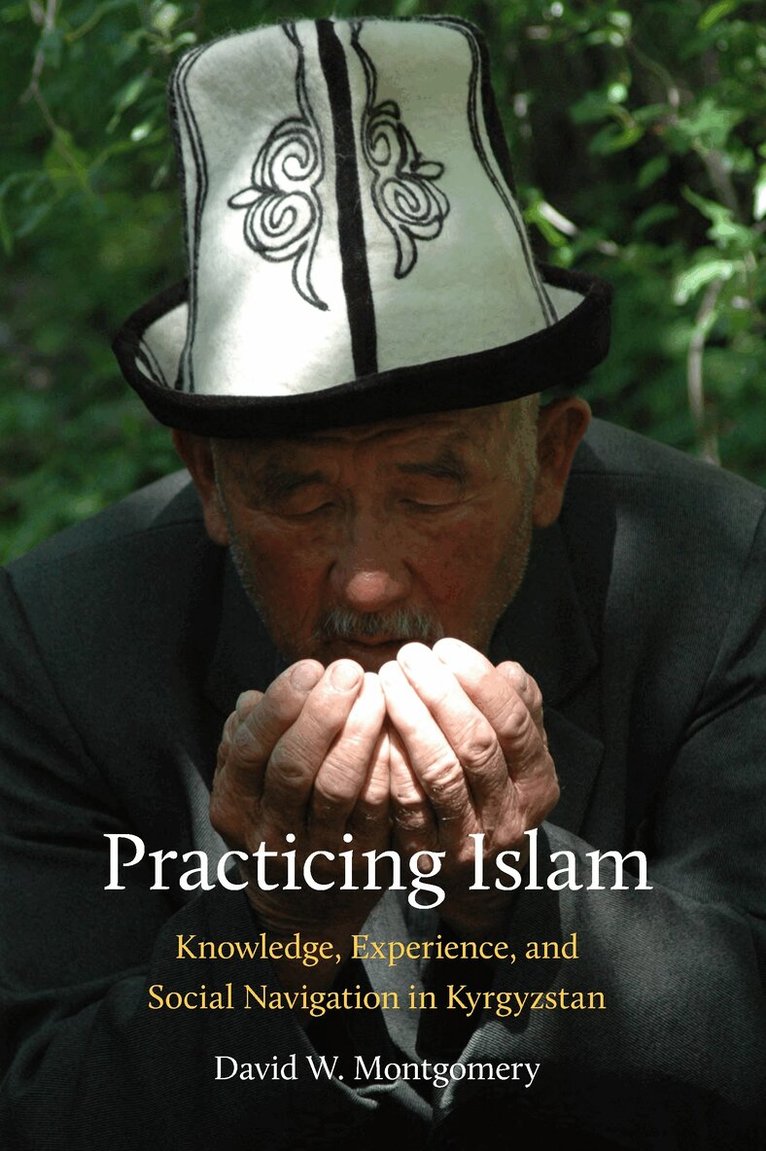
From Belonging to Belief presents a nuanced ethnographic study of Islam and secularism in post-Soviet Central Asia, as seen from the small town of Bazaar-Korgon in southern Kyrgyzstan. Opening with the juxtaposition of a statue of Lenin and a mosque in the town square, Julie McBrien proceeds to peel away the multiple layers that have shaped the return of public Islam in the region. She explores belief and nonbelief, varying practices of Islam, discourses of extremism, and the role of the state, to elucidate the everyday experiences of Bazaar-Korgonians. McBrien shows how Islam is explored, lived, and debated in both conventional and novel sites: a Soviet-era cleric who continues to hold great influence; popular television programs; religious instruction at wedding parties; clothing; celebrations; and others. Through ethnographic research, McBrien reveals how moving toward Islam is not a simple step but rather a deliberate and personal journey of experimentation, testing, and knowledge acquisition. Moreover she argues that religion is not always a matter of belief - sometimes it is essentially about belonging.From Belonging to Belief offers an important corrective to studies that focus only on the pious turns among Muslims in Central Asia, and instead shows the complex process of evolving religion in a region that has experienced both Soviet atheism and post-Soviet secularism, each of which has profoundly formed the way Muslims interpret and live Islam.
720 kr
Skickas inom 7-10 vardagar
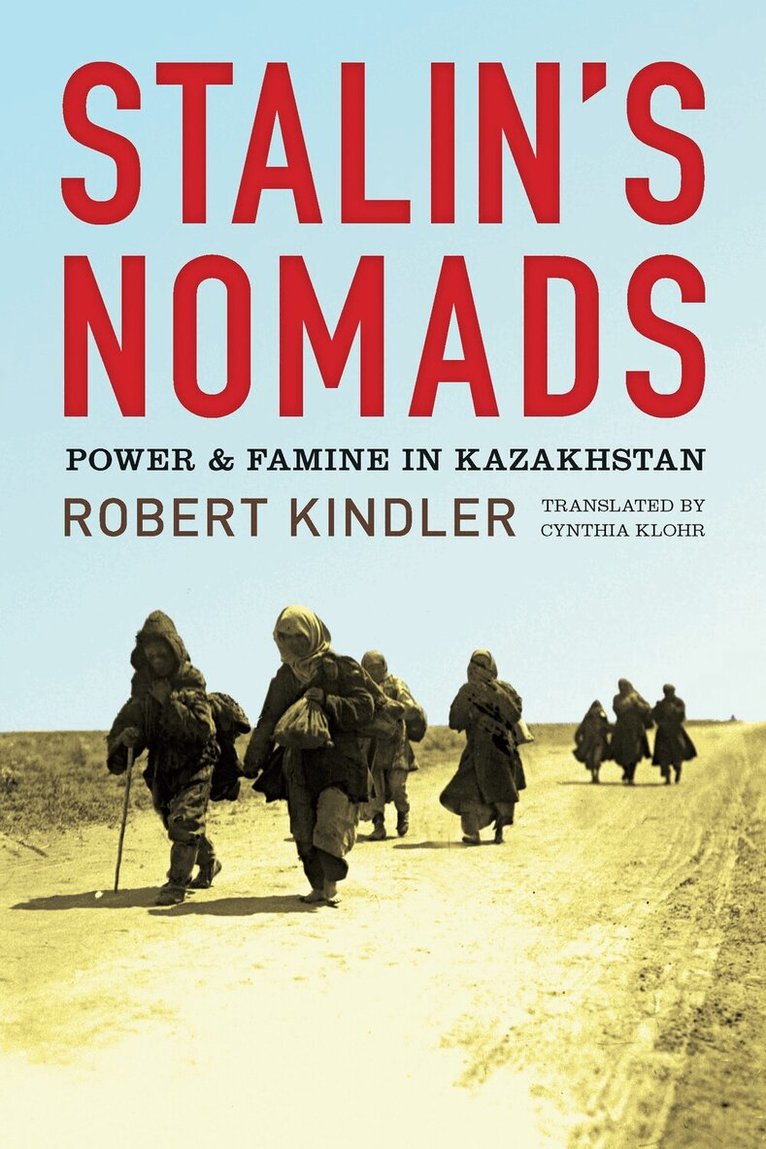
Robert Kindler's seminal work is a comprehensive and unsettling account of the Soviet campaign to forcefully sedentarize and collectivize the Kazakh clans. Viewing the nomadic life as unproductive, and their lands unused and untilled, Stalin and his inner circle pursued a campaign of violence and subjugation, rather than attempting any dialog or cultural assimilation. The results were catastrophic, as the conflict and an ensuing famine (1931-1933) caused the death of nearly one-third of the Kazakh population. Hundreds of thousands of nomads became refugees and a nomadic culture and social order were essentially destroyed in less than five years.Kindler provides an in-depth analysis of Soviet rule, economic and political motivations, and the role of remote and local Soviet officials and Kazakhs during the crisis. This is the first English-language translation of an important and harrowing history, largely unknown to Western audiences prior to Kindler’s study.The translation of this work was funded by Geisteswissenschaften International – Translation Funding for Work in the Humanities and Social Sciences from Germany, a joint initiative of the Fritz Thyssen Foundation, the German Federal Foreign Office, the collecting society VG WORT and the Börsenverein des Deutschen Buchhandels (German Publishers & Booksellers Association).