Chancellor Porter L. Fortune Symposium in Southern History Series – serie
Visar alla böcker i serien Chancellor Porter L. Fortune Symposium in Southern History Series. Handla med fri frakt och snabb leverans.
13 produkter
13 produkter
1 219 kr
Skickas inom 10-15 vardagar
European Empires in the American South examines the process of European expansion into a region that has come to be known as the American South. After Europeans began to cross the Atlantic with confidence, they interacted for three hundred years with one another, with the native people of the region, and with enslaved Africans in ways that made the South a significant arena of imperial ambition. As such, it was one of several similarly contested regions around the Atlantic basin. Without claiming that the South was unique during the colonial era, these essays make clear the region’s integral importance for anyone seeking to shed new light on the long-termprocess of global social, cultural, and economic integration. For those who are curious about how the broad processes of historical change influenced particular people and places, the contributors offer key examples of colonial encounter. This volume includes essays on all three imperial powers, Spain, Britain, and France, and their imperial projects in the American South. Engaging profitably – from the European perspective at least – with Native Americans proved key to these colonial schemes. While the consequences of Indian encounters with European invaders have long remained a principal feature of historical research, this volume advances and expands knowledge of Native Americans in the South amid the Atlantic World.
1 219 kr
Skickas inom 10-15 vardagar
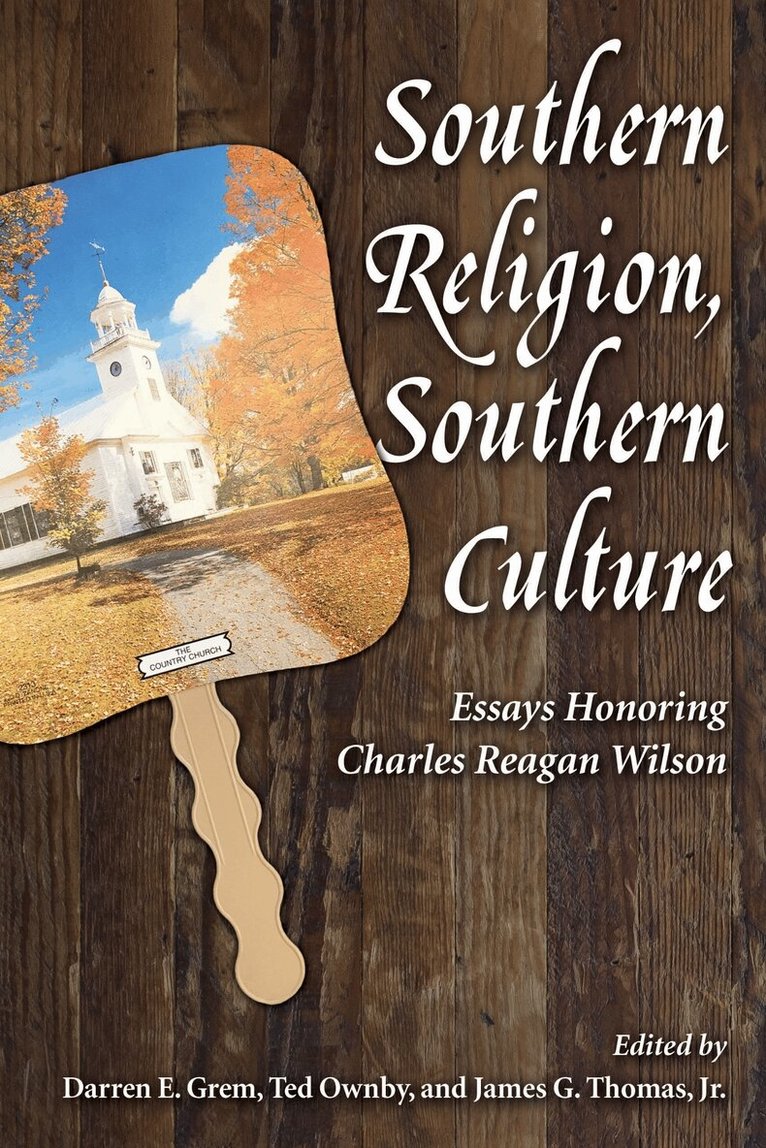
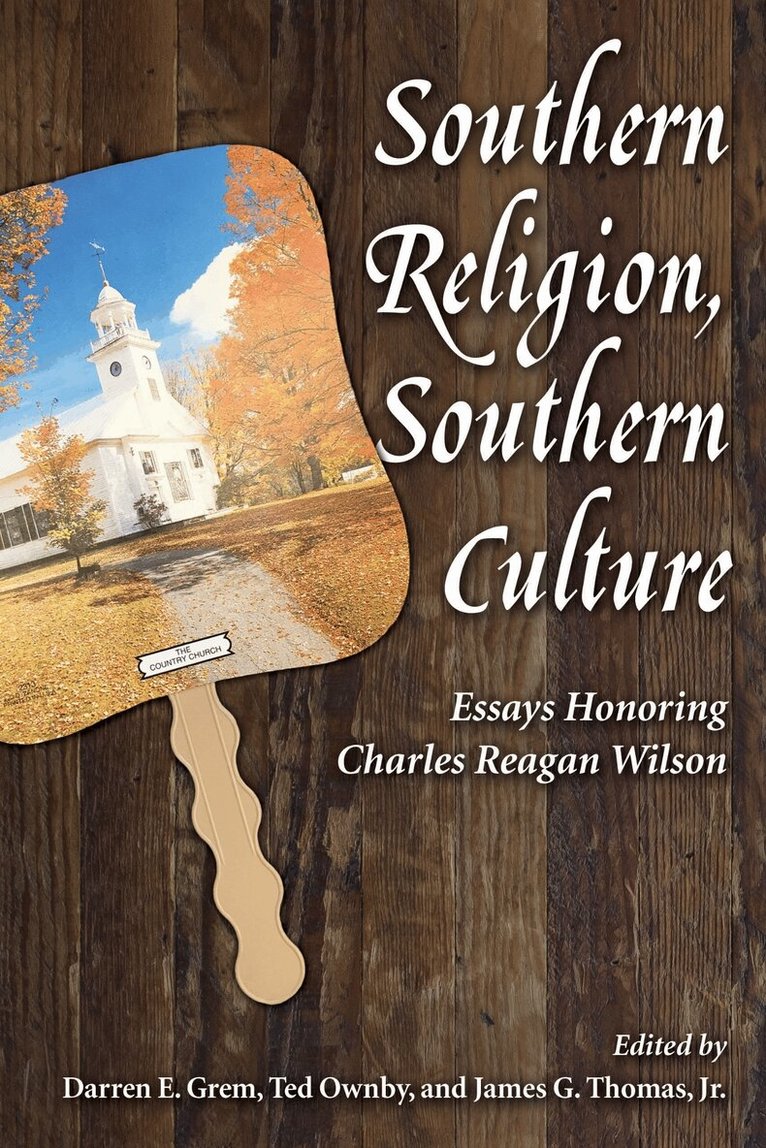
Contributions by Ryan L. Fletcher, Darren E. Grem, Paul Harvey, Alicia Jackson, Ted Ownby, Otis W. Pickett, Arthur Remillard, Chad Seales, and Randall J. StephensOver more than three decades of teaching at the University of Mississippi, Charles Reagan Wilson's research and writing transformed southern studies in key ways. This volume pays tribute to and extends Wilson's seminal work on southern religion and culture. Using certain episodes and moments in southern religious history, the essays examine the place and power of religion in southern communities and society. It emulates Wilson's model, featuring both majority and minority voices from archives and applying a variety of methods to explain the South's religious diversity and how religion mattered in many arenas of private and public life, often with life-or-death stakes.The volume first concentrates on churches and ministers, and then considers religious and cultural constructions outside formal religious bodies and institutions. It examines the faiths expressed via the region's fields, streets, homes, public squares, recreational venues, roadsides, and stages. In doing so, this book shows that Wilson's groundbreaking work on religion is an essential part of southern studies and crucial for fostering deeper understanding of the South's complicated history and culture.
379 kr
Skickas inom 10-15 vardagar
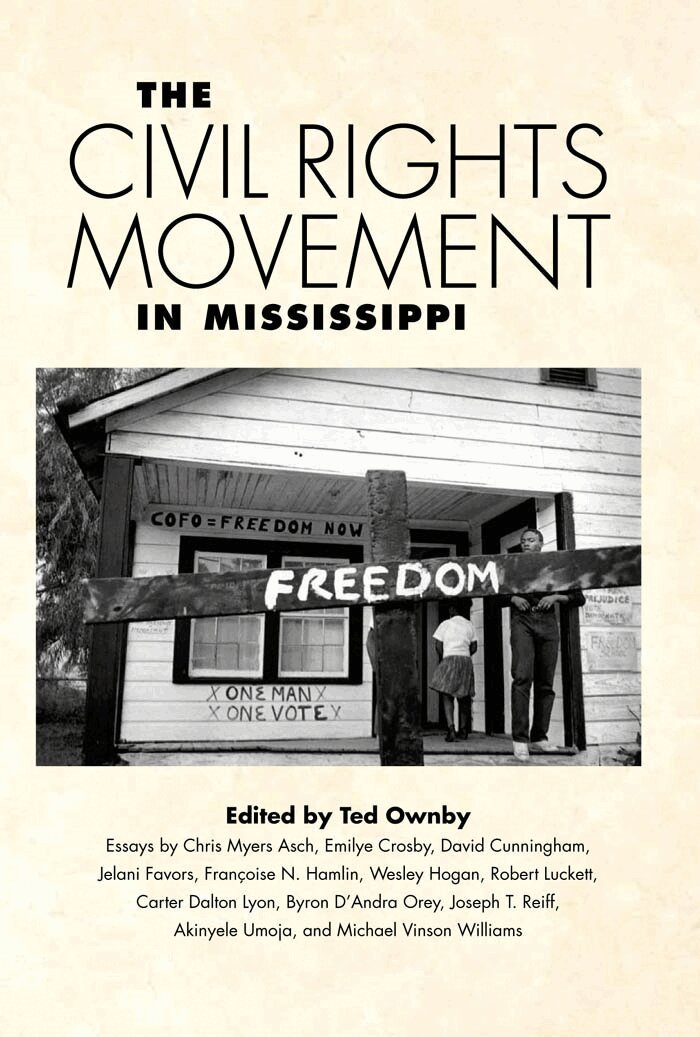
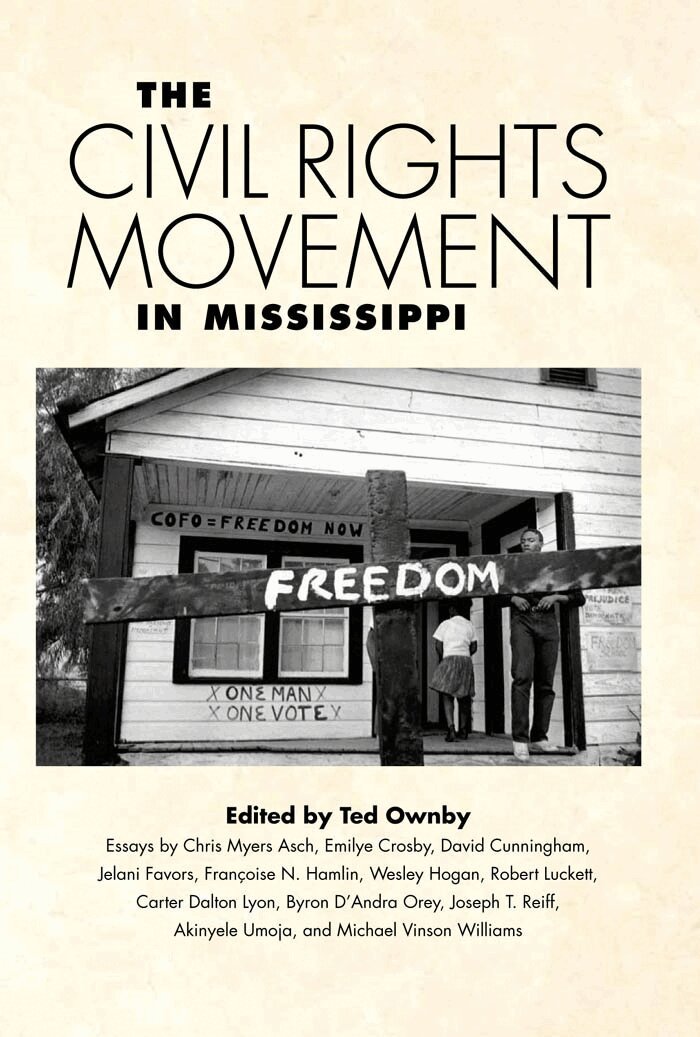
Contributions by Chris Myers Asch, Emilye Crosby, David Cunningham, Jelani Favors, Françoise N. Hamlin, Wesley Hogan, Robert Luckett, Carter Dalton Lyon, Byron D'Andra Orey, Ted Ownby, Joseph T. Reiff, Akinyele Umoja, and Michael Vinson WilliamsBased on new research and combining multiple scholarly approaches, these twelve essays tell new stories about the civil rights movement in the state most resistant to change. Wesley Hogan, Françoise N. Hamlin, and Michael Vinson Williams raise questions about how civil rights organizing took place. Three pairs of essays address African Americans' and whites' stories on education, religion, and the issues of violence. Jelani Favors and Robert Luckett analyze civil rights issues on the campuses of Jackson State University and the University of Mississippi. Carter Dalton Lyon and Joseph T. Reiff study people who confronted the question of how their religion related to their possible involvement in civil rights activism. By studying the Ku Klux Klan and the Deacons for Defense in Mississippi, David Cunningham and Akinyele Umoja ask who chose to use violence or to raise its possibility.The final three chapters describe some of the consequences and continuing questions raised by the civil rights movement. Byron D'Andra Orey analyzes the degree to which voting rights translated into political power for African American legislators. Chris Myers Asch studies a Freedom School that started in recent years in the Mississippi Delta. Emilye Crosby details the conflicting memories of Claiborne County residents and the parts of the civil rights movement they recall or ignore.As a group, the essays introduce numerous new characters and conundrums into civil rights scholarship, advance efforts to study African Americans and whites as interactive agents in the complex stories, and encourage historians to pull civil rights scholarship closer toward the present.
379 kr
Skickas inom 10-15 vardagar
Contributions by Ryan L. Fletcher, Darren E. Grem, Paul Harvey, Alicia Jackson, Ted Ownby, Otis W. Pickett, Arthur Remillard, Chad Seales, and Randall J. StephensOver more than three decades of teaching at the University of Mississippi, Charles Reagan Wilson's research and writing transformed southern studies in key ways. This volume pays tribute to and extends Wilson's seminal work on southern religion and culture. Using certain episodes and moments in southern religious history, the essays examine the place and power of religion in southern communities and society. It emulates Wilson's model, featuring both majority and minority voices from archives and applying a variety of methods to explain the South's religious diversity and how religion mattered in many arenas of private and public life, often with life-or-death stakes.The volume first concentrates on churches and ministers, and then considers religious and cultural constructions outside formal religious bodies and institutions. It examines the faiths expressed via the region's fields, streets, homes, public squares, recreational venues, roadsides, and stages. In doing so, this book shows that Wilson's groundbreaking work on religion is an essential part of southern studies and crucial for fostering deeper understanding of the South's complicated history and culture.
379 kr
Skickas inom 10-15 vardagar
Contributions by Allison Margaret Bigelow, Denise I. Bossy, Alejandra Dubcovsky, Alexandre Dubé, Kathleen DuVal, Jonathan Eacott, Travis Glasson, Christopher Morris, Robert Olwell, Joshua Piker, and Joseph P. WardEuropean Empires in the American South examines the process of European expansion into a region that has come to be known as the American South. After Europeans began to cross the Atlantic with confidence, they interacted for three hundred years with one another, with the native people of the region, and with enslaved Africans in ways that made the South a significant arena of imperial ambition. As such, it was one of several similarly contested regions around the Atlantic basin. Without claiming that the South was unique during the colonial era, these essays make clear the region's integral importance for anyone seeking to shed new light on the long-term process of global social, cultural, and economic integration.This volume includes essays on all three imperial powers, Spain, Britain, and France, and their imperial projects in the American South. While the consequences of Indian encounters with European invaders have long remained a principal feature of historical research, this volume advances and expands knowledge of Native Americans in the South amid the Atlantic World.
379 kr
Skickas inom 10-15 vardagar
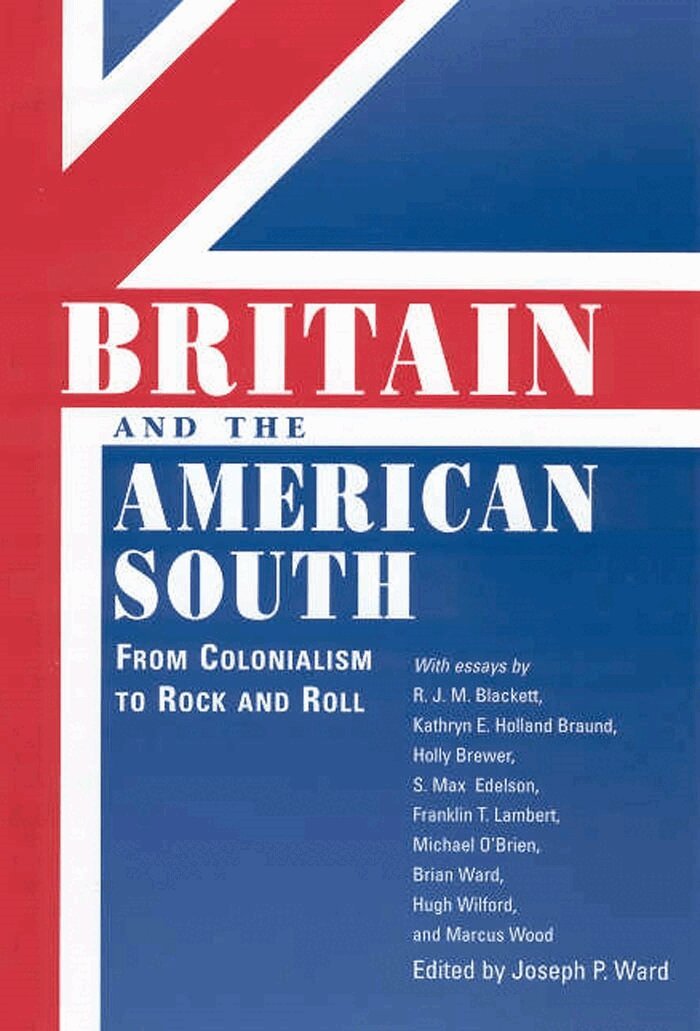
In Britain and the American South: From Colonialism to Rock and Roll, historians analyze central aspects of the cultural exchanges between Britain and the American South. Along with the Spanish and the French, the British were among the first Europeans to have contact with the native peoples in what would come to be known as the American South. During the seventeenth and eighteenth centuries, the British were intensively engaged in colonizing much of the region and developing its economy. The American Revolution severed the governmental links between Britain and its Southern colonies, but economic, social, religious, and cultural ties persevered during the nineteenth and twentieth centuries. Britain and the American South: From Colonialism to Rock and Roll illuminates Britain's evolving relationship with the South over a period of four centuries, an era that witnessed Britain's rise to imperial dominance and then the gradual erosion of its influence on the wider world. It considers the British influence upon-and often critical responses to-Southern institutions and cultural formations such as religion, gentility, slavery, and music. Two chapters focus on Britain's response to the Confederacy, while other essays look even further into the past, concentrating on the English legacy in colonial times, its influence on Southern religion, and Britain's relationship with the Creek Indians. Moving into the twentieth century, the book features analysis of the South's relationship to the British Left from 1930 to 1960, and an investigation of the South's role in 1950s British popular music. With an engaging afterword that explores the difficulties in comprehending both Britain and the American South in the present day as well as in the past, this book shows that the relationship between the two has always been-and continues to be-complex, subtle, and meaningful. Joseph P. Ward, an associate professor of history at the University of Mississippi, is the author of Metropolitan Communities: Trade Guilds, Identity, and Change in Early Modern London and the co-editor of Protestant Identities: Religion, Society, and Self-Fashioning in Post-Reformation England and The Country and the City Revisited: England and the Politics of Culture, 1550-1850.
379 kr
Skickas inom 10-15 vardagar
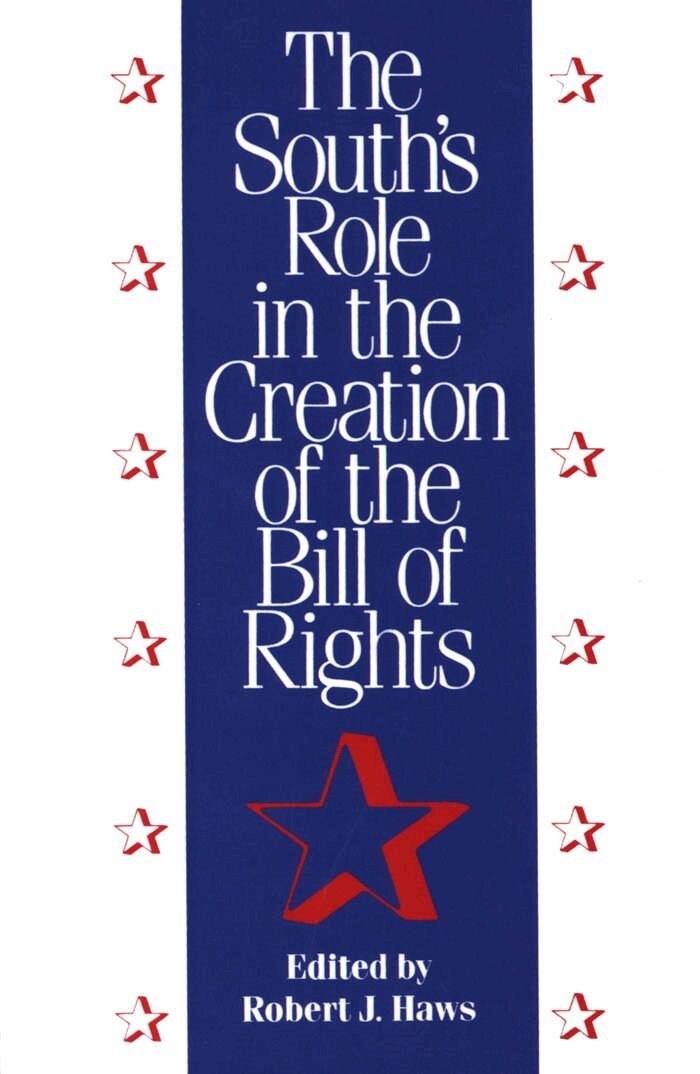
The adoption of the Bill of Rights was the last step in defining the essential elements of American constitutionalism. The process began with the writing of the Constitution, continued through its ratification by the states, and culminated with the adoption of the Bill of Rights. In 1991 the bicentennial of the adoption of the Bill of Rights provided an occasion for examining the origins of this most important statement of individual rights in American history.Published on this anniversary, The South's Role in the Creation of the Bill of Rights sheds light on the paradoxical part the South played in the process of drafting and adopting this document. In cogent essays from the Chancellor's Symposium on Southern History held at the University of Mississippi in 1988, six noted experts in legal, constitutional, and southern history fill a gap in the literature of southern legal history for the period 1787-1791.The southern role is particularly important because political leaders in the South took the lead in promoting a bill of rights and at the same time vociferously defended the right to hold slaves. The essays in this book comprise a complete discussion of the writing and ratification of the Constitution and the adoption of the Bill of Rights in five southern seaboard states. They reveal the interplay of a desire to protect states' rights, a concern for the preservation of individual liberty, and a defensive attitude toward slavery that governed southern attitudes.These concerns dominated constitutional discourse until the Civil War. The South's peculiar ""cultural constitutionalism"" was first given definition in this period of American history, and as this book reveals, it initiated the process of setting the region apart from the rest of the United States. The events of these years were a necessary first step in establishing a southern regional identity.
423 kr
Skickas inom 10-15 vardagar
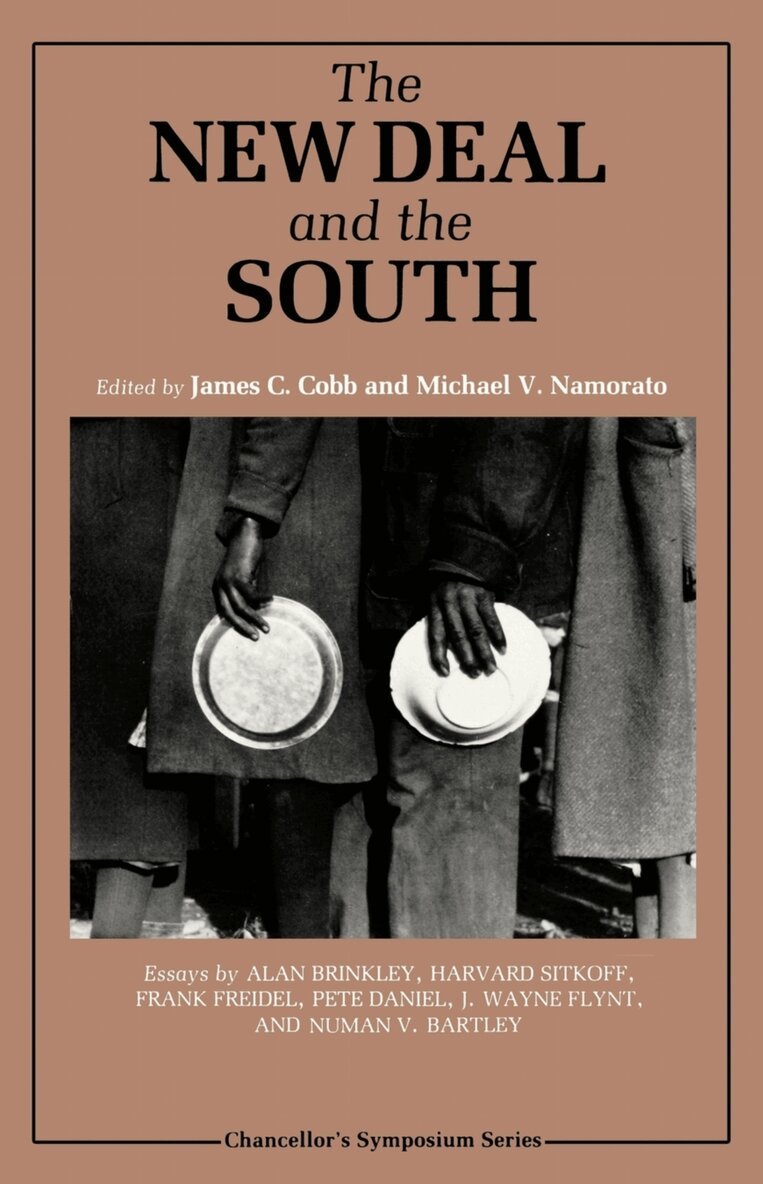
With essays by Alan Brinkley, Harvard Sitkoff, Frank Freidel, Pete Daniel, J. Wayne Flynt, and Numan V. BartleyThe New Deal and the South represents the first comprehensive treatment of the impact of the Roosevelt recovery program on the South. In essays dealing with the New Deal's overall effect on the South, its influence on southern agriculture, labor, blacks, and politics, and its significance as a turning point in the region's history, the contributors provide readers with an opportunity to develop a more complete understanding of an era which a number of historians now mark as the period in which the New South actually began to become new.Each of the essays in this collection was presented at the Ninth Annual Chancellor's Symposium on Southern History, held in October 1983, at the University of Mississippi. In the introductory essay, Frank Freidel identifies the New Deal period as one of the most important phases in the modernization of the South, one which linked the wishful thinking of the New South era to the much-publicized contemporary Sunbelt South. Pete Daniel describes the New Deal's role in the mechanization, consolidation, and corporatization of southern agriculture, a phenomenon that swept thousands of southerners from the land and paved the way for an all-out crusade to industrialize the region. In his analysis of the New Deal's impact on southern labor, Wayne Flynt assesses what the New Deal did and did not mean for southern industrial workers. Alan Brinkley stresses the tensions induced in southern politics during the New Deal era, particularly those caused by the Democratic Party's increased responsiveness to blacks and organized labor. Harvard Sitkoff, in surveying the New Deal's impact on black southerners, cites the limited nature of that impact but points to the seeds of future progress sown by the Roosevelt Administration and its policies. In the concluding essay Numan V. Bartley emphasizes the collapse of a paternalistic labor system and the shift of power from small town to urban elites and suggests that the years 1935–1945 may soon be seen as the ""crucial decade"" in southern history.The New Deal and the South provides both the serious student and the general reader with an up-to-date assessment of one of the most critical transitional periods in southern history.
324 kr
Skickas inom 10-15 vardagar
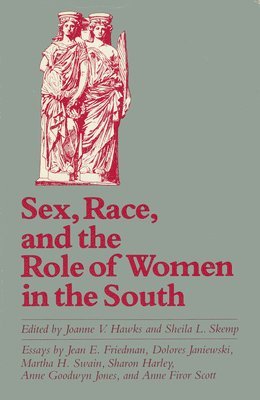
This collection of six conference papers from the Eighth Annual Chancellor's Symposium in Southern History, held in 1982 at the University of Mississippi, seeks to assess the relationship of southern women in a world complicated by racial and class antagonisms.Modernization and urbanization in the north made women's culture more nearly autonomous in that region. This led to the development of a greater sense of self-worth and a heightened militancy in northern women. Southern sisters, both black and white, have existed in far more restrictive roles than their northern counterparts.
379 kr
Skickas inom 10-15 vardagar
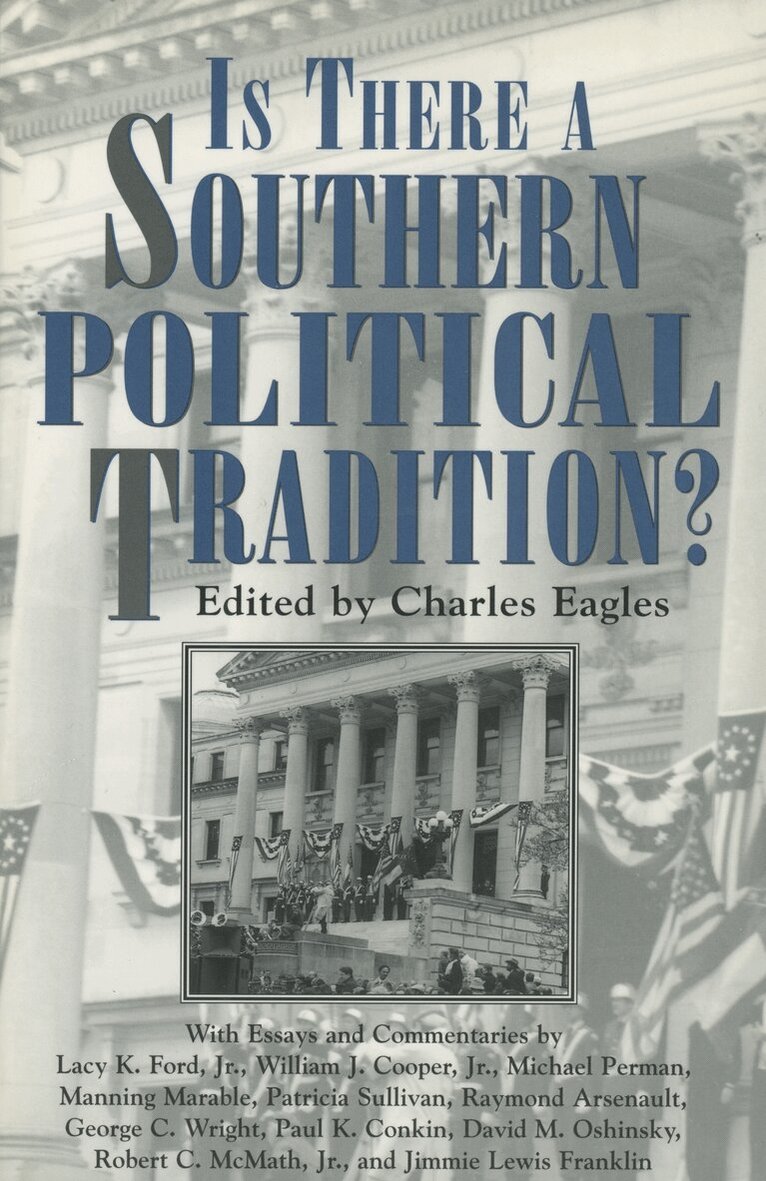
Politics has remained at the core of most southern issues---slavery, morality, roles of state and federal governments, women's rights, regulation of business, and racial desegregation. The southern politician has come to be identified with crucial events in southern history, and southerners, especially those of recent prominence, have maintained their strong identity in national politics. But is there a southern political tradition?In 1994 at the Chancellor's Symposium in Southern History held at the University of Mississippi, scholars weighed the facts and attempted to deliver a satisfying answer. Their responses were not unanimously yes or no, but through their differing conclusions and through their points of convergence, they explored many persisting characteristics that delineate southern politics and affect the national political scene.
423 kr
Skickas inom 10-15 vardagar
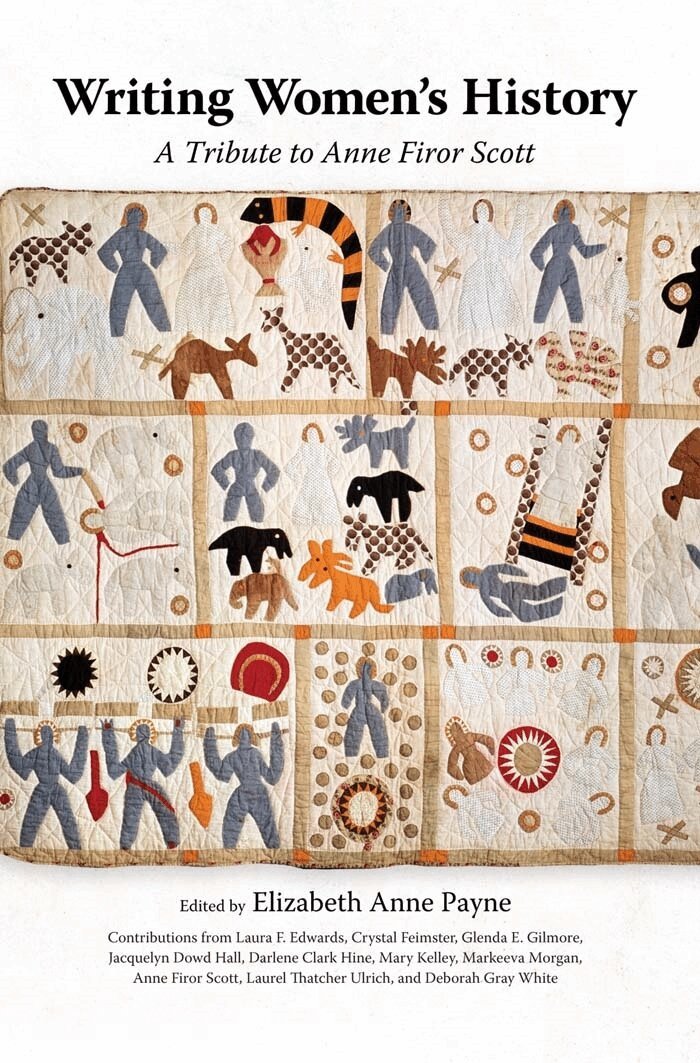
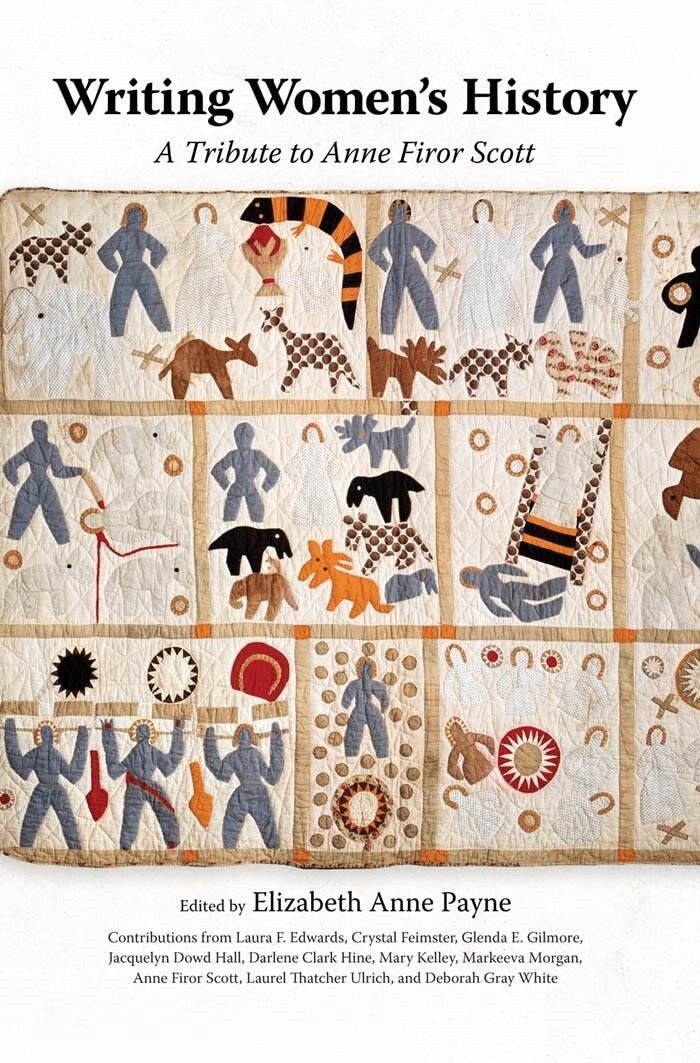
Anne Firor Scott's The Southern Lady: From Pedestal to Politics, 1830-1930 stirred a keen interest among historians in both the approach and message of her book. Using women's diaries, letters, and other personal documents, Scott brought to life southern women as wives and mothers, as members of their communities and churches, and as sometimes sassy but rarely passive agents. She brilliantly demonstrated that the familiar dichotomies of the personal versus the public, the private versus the civic, which had dominated traditional scholarship about men, could not be made to fit women's lives. In doing so, she helped to open up vast terrains of women's experiences for historical scholarship.This volume, based on papers presented at the University of Mississippi's annual Chancellor Porter L. Fortune Symposium in Southern History, brings together essays by scholars at the forefront of contemporary scholarship on American women's history. Each regards The Southern Lady as having shaped her historical perspective and inspired her choice of topics in important ways. These essays together demonstrate that the power of imagination and scholarly courage manifested in Scott's and other early American women historians' work has blossomed into a gracious plentitude.
1 219 kr
Skickas inom 10-15 vardagar
Based on new research and combining multiple scholarly approaches, these twelve essays tell new stories about the civil rights movement in the state most resistant to change. Wesley Hogan, Françoise N. Hamlin, and Michael Vinson Williams raise questions about how civil rights organizing took place. Three pairs of essays address African Americans' and whites' stories on education, religion, and the issues of violence. Jelani Favors and Robert Luckett analyze civil rights issues on the campuses of Jackson State University and the University of Mississippi. Carter Dalton Lyon and Joseph T. Reiff study people who confronted the question of how their religion related to their possible involvement in civil rights activism. By studying the Ku Klux Klan and the Deacons for Defense in Mississippi, David Cunningham and Akinyele Umoja ask who chose to use violence or to raise its possibility.The final three chapters describe some of the consequences and continuing questions raised by the civil rights movement. Byron D'Andra Orey analyzes the degree to which voting rights translated into political power for African American legislators. Chris Myers Asch studies a Freedom School that started in recent years in the Mississippi Delta. Emilye Crosby details the conflicting memories of Claiborne County residents and the parts of the civil rights movement they recall or ignore.As a group, the essays introduce numerous new characters and conundrums into civil rights scholarship, advance efforts to study African Americans and whites as interactive agents in the complex stories, and encourage historians to pull civil rights scholarship closer toward the present.
379 kr
Skickas inom 10-15 vardagar
This probing collection of essays assesses the wide influence of W. J. Cash and the profound effect of his classic dissection of southern history.Perhaps more than any other historian, W. J. Cash revolutionized the interpretation of southern identity. In 1941, when he published The Mind of the South, he exploded the correlated myths of the Cavalier South and the New South and gave historiography a new gauge for examining Dixie.In the half century since its publication, Cash's book has lain in the path of every historian of the South. Not all, however, have expressed unified opinions about him and his influence, though few can deny how in the past fifty years his indelible and authoritative work has shaped the writing of southern history.In The Mind of the South: Fifty Years Later eleven scholars examine this classic study and assess its enduring importance. Bruce Clayton begins by discussing the biography of Cash and tracing his sources. In the subsequent five essays Cash is praised, evaluated, criticized, defended, classified, and acknowledged to be the lion in the crossroads of southern historiography.