Christianities Before Modernity – serie
Visar alla böcker i serien Christianities Before Modernity. Handla med fri frakt och snabb leverans.
3 produkter
3 produkter
1 775 kr
Skickas inom 3-6 vardagar
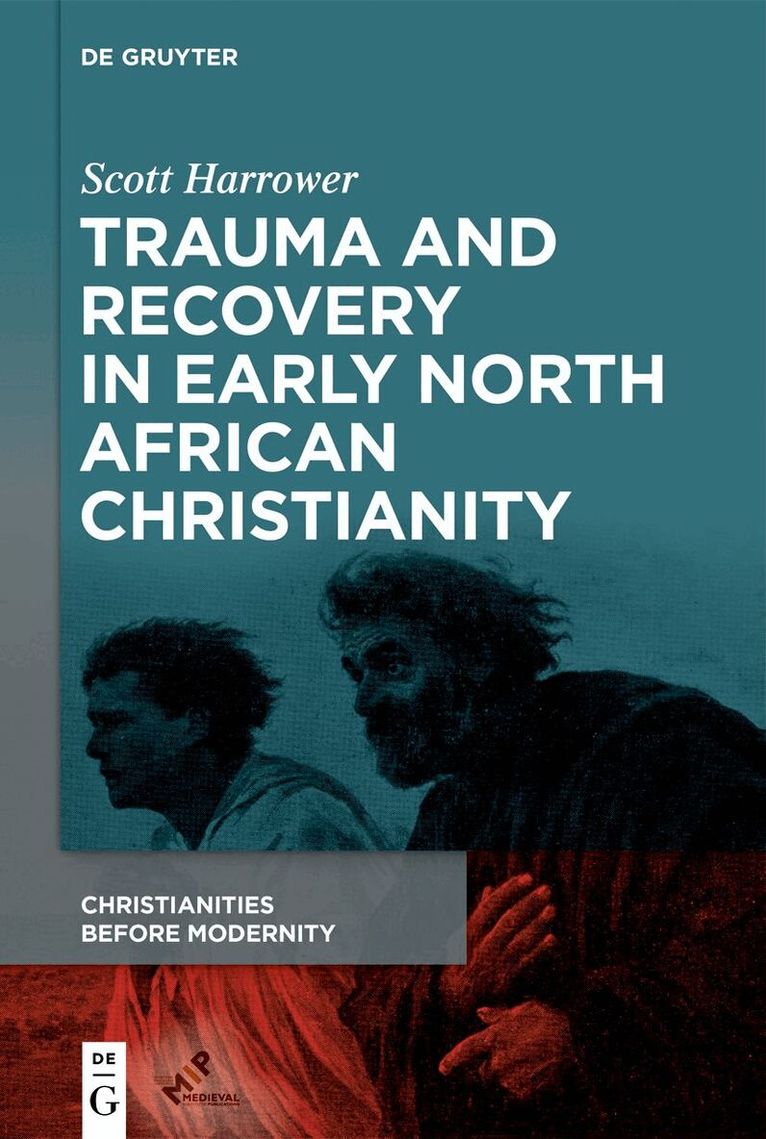
Powerful religious elements for living in the aftermath of trauma are embedded within North African Christian hagiographies. The texts of (1) The Passion of Perpetua and Felicity, (2) The Account of Montanus, Lucius, and their Companions, and (3) The Life of Cyprian of Carthage are stories that offered post traumatic pathways to recovery for its historical readership. These recovery-oriented beliefs and behaviors promoted positive religious coping strategies that revolved around a sense of safety, re-establishing community relationships, an integrated sense of self, and a hopeful story beyond trauma. This book vividly demonstrates that hagiographies played a vital therapeutic role in helping early Christian trauma survivors recover and flourish in the aftermath of disastrous persecutions.
2 153 kr
Skickas inom 3-6 vardagar
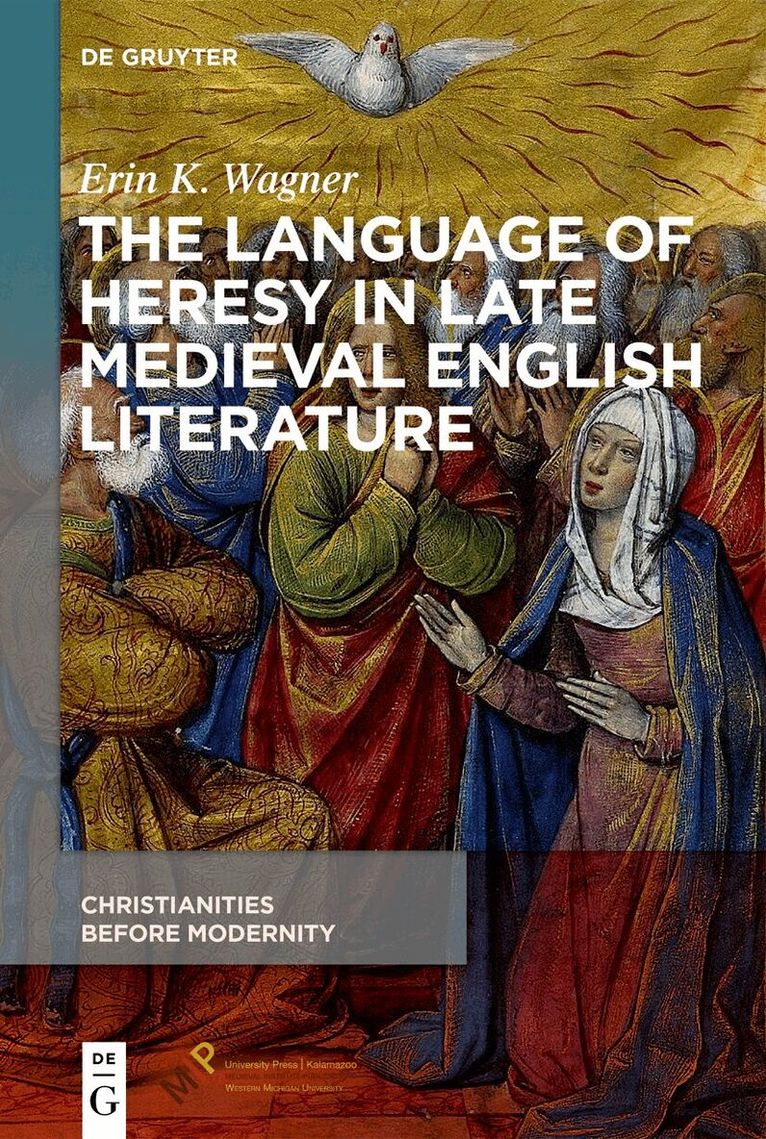
Vernacular writers of late medieval England were engaged in global conversations about orthodoxy and heresy. Entering these conversations with a developing vernacular required lexical innovation. The Language of Heresy in Late Medieval English Literature examines the way in which these writers complemented seemingly straightforward terms, like heretic, with a range of synonyms that complicated the definitions of both those words and orthodoxy itself. This text proposes four specific terms that become collated with heretic in the parlance of medieval English writers of the 14th and 15th centuries: jangler, Jew, Saracen, and witch. These four labels are especially important insofar as they represent the way in which medieval Christianity appropriated and subverted marginalized or vulnerable identities to promote a false image of unassailable authority.
1 828 kr
Kommande
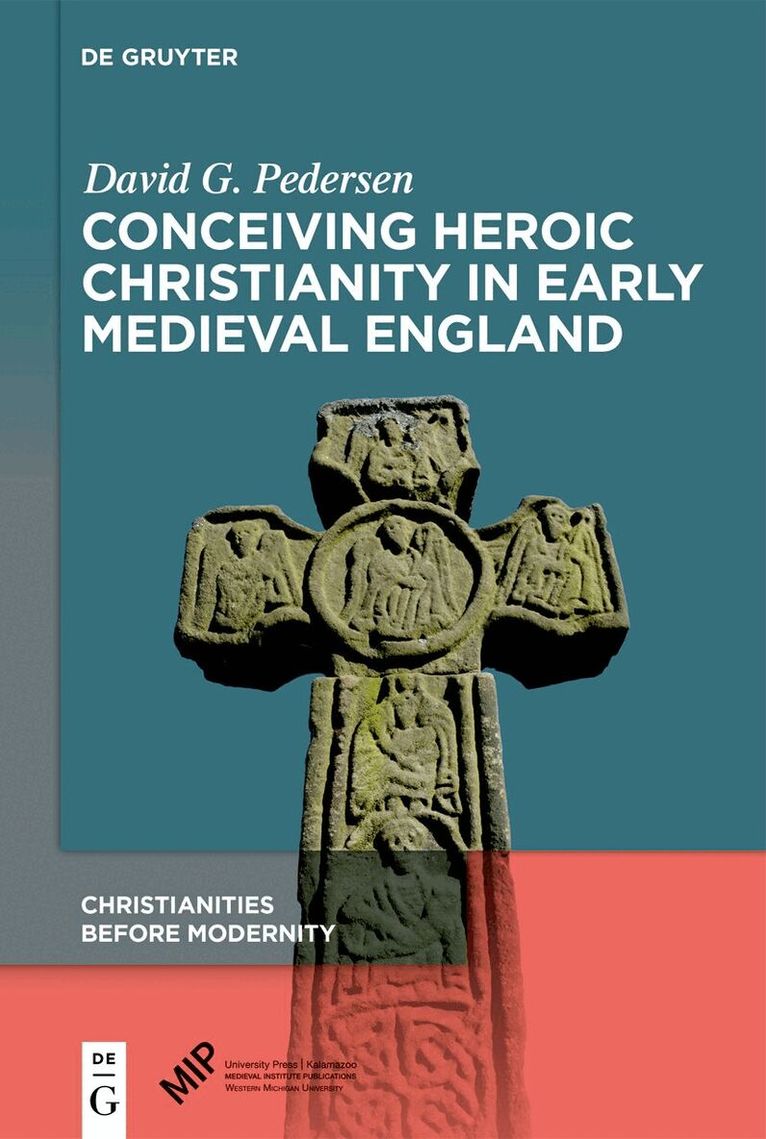
Unlike much of early medieval Europe, the early English converted to Christianity through missional efforts, not martial conquest. Thus early English converts had freedom to construct their Christian identity, producing a religious subjectivity that differed from the Latinate perspective of the missionaries who converted them. This book investigates lay texts to undermine monolithic conceptions of medieval Christianity by revealing a uniquely English religious subjectivity evident in Old English wisdom literature.