Churches of ... - Böcker
Visar alla böcker i serien Churches of .... Handla med fri frakt och snabb leverans.
35 produkter
35 produkter
167 kr
Skickas
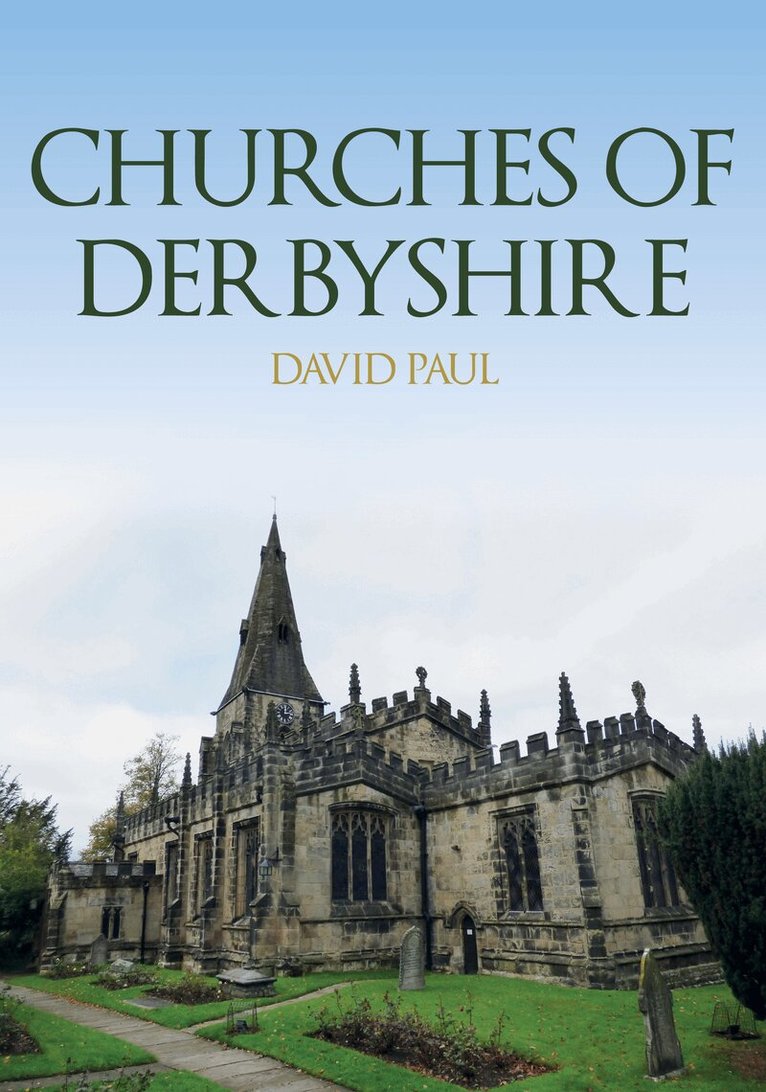
Within the stunning landscape of Derbyshire lies a wealth of historic churches. These buildings have borne witness to the changes that have taken place in the county through the centuries. Towns, villages and cities all have their church buildings, many dating from the Middle Ages.In this book author David Paul surveys the historic churches of Derbyshire. They range from the plague village church of St Lawrence in Eyam, the famous crooked spire of St Mary and All Saints at Chesterfield, Bakewell’s medieval church of All Saints with its Saxon crosses and carved stones, and many more. The text is accompanied throughout by attractive photographs of these captivating places of worship.This fascinating picture of an important part of the history of Derbyshire over the centuries will be of interest to all those who live in or are visiting this county in England.
173 kr
Skickas
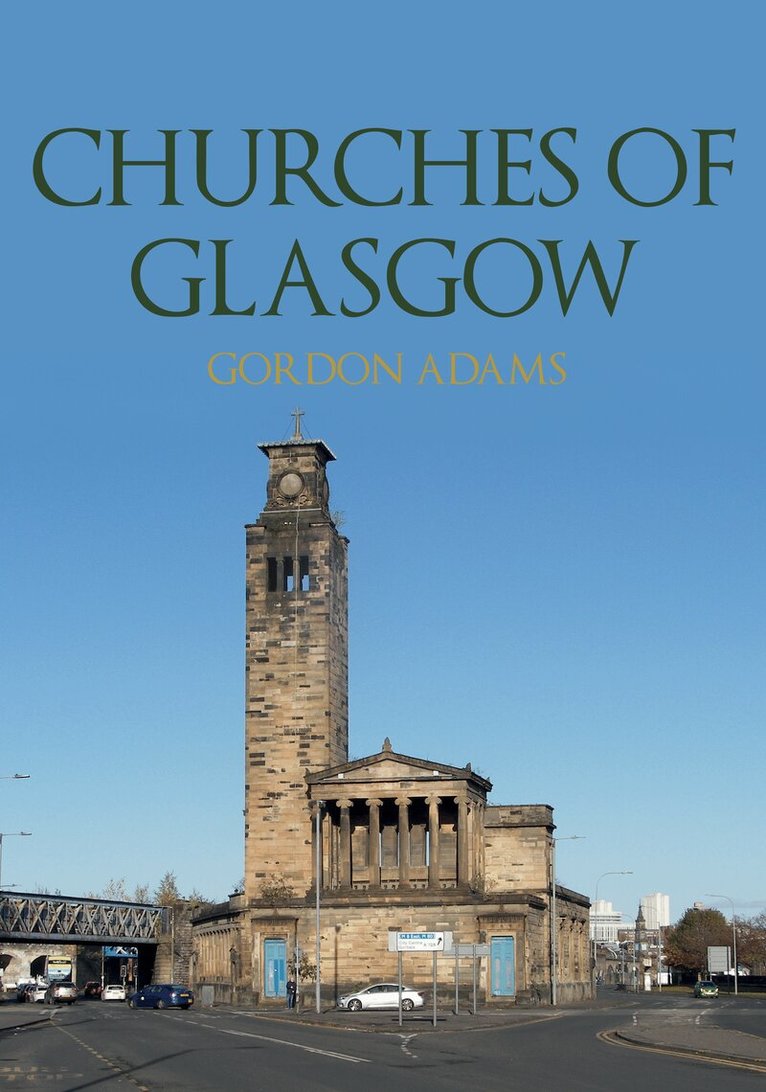
Glasgow has long been an important settlement on the River Clyde but it grew rapidly in the eighteenth and nineteenth centuries to become one of the largest cities in the world in that period. The largest seaport in Scotland, it was a major city in the Scottish enlightenment and the transatlantic trade brought wealth to the city. At the same time Glasgow was becoming an important industrial city, particularly in shipbuilding, engineering, chemicals and textiles, bringing in large numbers of people. Although many were relocated outside the city in the latter decades of the twentieth century, Glasgow’s dynamic history is reflected in its diverse architecture and the heritage of its church buildings.In this book author Gordon Adams surveys the historic churches of Glasgow, outlining their story through the ages and picking out interesting features of each. The churches range from the elegant eighteenth-century St Vincent Street Church, to the intimate Govan Old Parish Church with its unsurpassed collection of medieval monument stones, the unique Queen’s Cross, the only church built by Charles Rennie Mackintosh, and many more gems.This fascinating picture of an important part of the history of Glasgow over the centuries will be of interest to all those who live in or are visiting this fascinating city in Scotland.
173 kr
Skickas
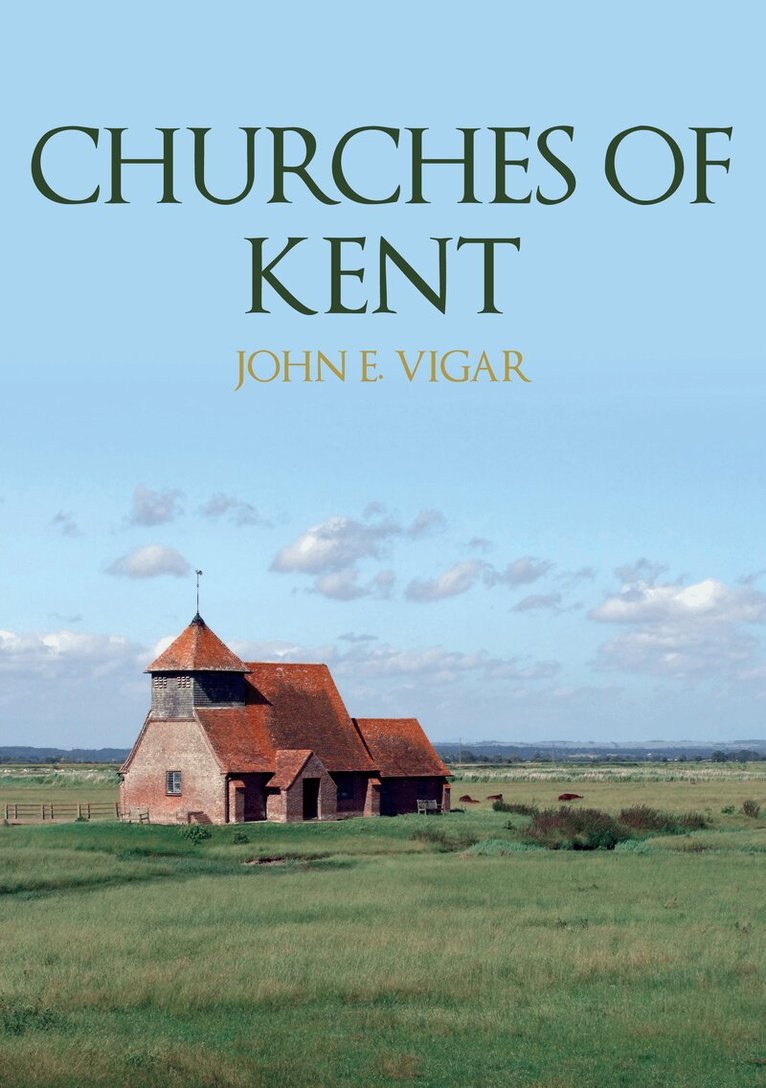
Kent is often referred to as ‘the cradle of English Christianity’. Canterbury is not only home to the Anglican Communion but also the location of St Martin’s Church, the oldest church in England in continuous use. Kent’s religious heritage has benefitted from this, as has its proximity to both the Continent and London. Architecturally, the churches of Kent range from premier Norman churches to tiny manorial churches that still sit in sequestered churchyards having, apparently, been forgotten for centuries. These churches are distinguished by a greater than usual diversity of building material, from the poor-quality but distinctive Kentish ragstone or flint nodules from nearby fields to excellent-quality limestone imported from Normandy and locally produced bricks. Kent’s churches also display glimpses into national history with links to early saints like St Mildred and St Sexburga through to Archbishop Thomas Becket, Anne Boleyn, Charles Dickens and Winston Churchill.In this book author John E. Vigar examines not only examples of the great church building campaigns of the medieval period but also later churches. Many have furnishings and memorials where individuals showed their importance in society by beautifying churches to their own glory, including Lullingstone, which was brought up to date in the early eighteenth century by its rich patron, Sir Percival Hart, and examples where new money from industry influenced the county’s churches in the Victorian period, outstanding among which is Kilndown.This fascinating picture of an important part of the history of Kent over the centuries will be of interest to all those who live in or are visiting this attractive county in England.
173 kr
Skickas
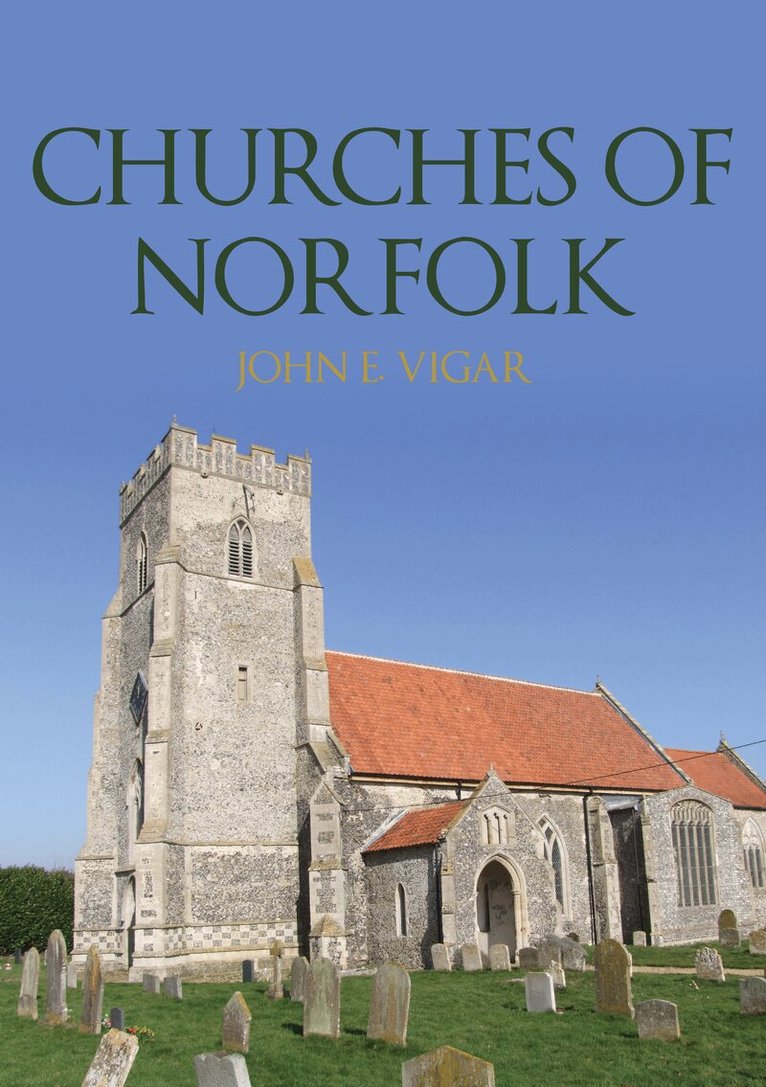
Norfolk has long been recognised as one of the best counties in which to study parish churches. It has one of the highest densities of medieval churches in northern Europe reflecting its greater population and wealth in earlier times. It is also home to the largest number of round-towered churches in England and to more surviving medieval glass than most counties put together. Its towers and spires punctuate the open landscape and there are some churches from which you can see six or seven others. The building materials range from the local flint and carstone to imported limestones and brick. This diversity of material has led to a huge range of different styles of church – from tiny farmyard churches to those which feel as if they should be a cathedral even though they have probably never served more than a hundred people. This book will cover a cross section of churches throughout the county, both well-known and those waiting to be discovered by a wider audience.This fascinating picture of an important part of the history of Norfolk over the centuries will be of interest to all those who live in or are visiting this attractive county in England.
173 kr
Skickas
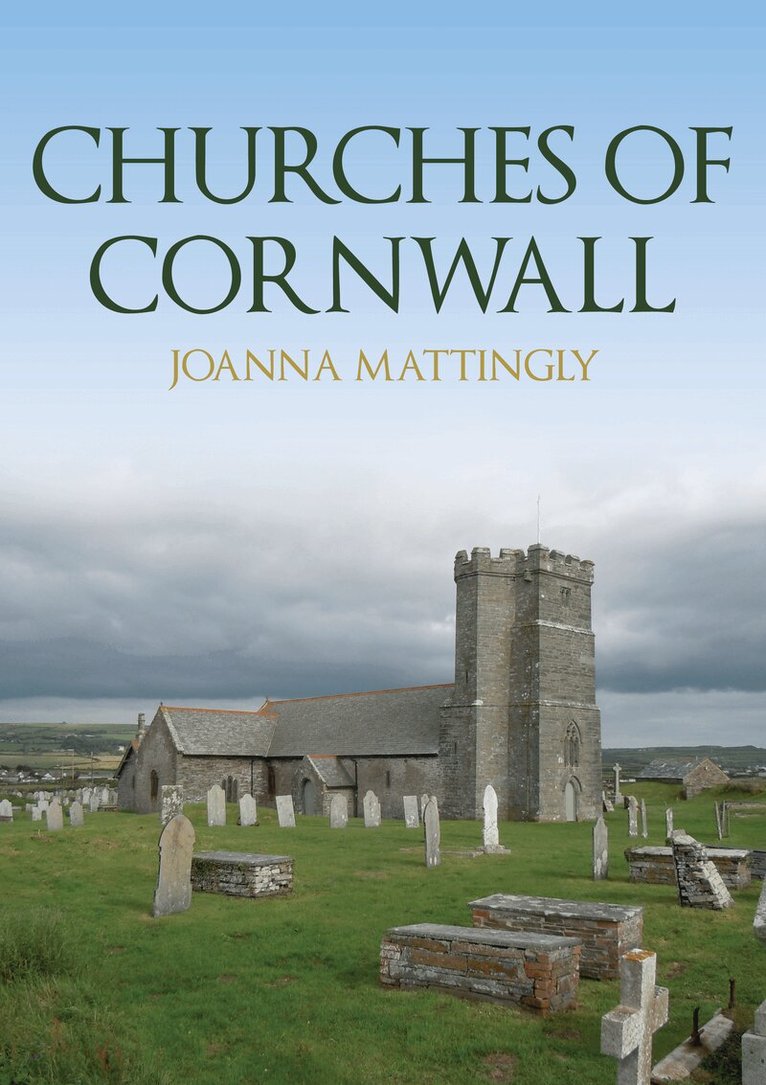
Cornish churches are not simple structures that nestle into the landscape, but complex and little-understood buildings, with many never being completed. The recurrent picture, from some of the best church building accounts to survive in Britain, is that most Cornish churches were building yards when Henry VIII became head of the Church of England and set the Reformation in motion. This makes it hard to find perfect examples for particular architectural periods. Pevsner notes that the vast majority of church fabric is Perpendicular Gothic, with granite the material of choice by the sixteenth century. Tin, trade and farming fuelled this great rebuilding, with 140 of the 209 medieval Cornish parish churches still having Norman architectural features. Earlier Christian memorial stones and churchyard crosses were recycled as foundations. Georgian vandalism of church fabric, especially window tracery, is well documented, though Victorian restorations often went too far in trying to put things right.In this book author Joanna Mattingly explores a fascinating selection of churches from right across Cornwall in both urban and rural locations. Those featured include all Cornish dendro-dated churches and examples from each of the ten deaneries. From St Allen and St Austell to Tintagel and Truro, the author chronicles many engaging and insightful aspects of the county’s ecclesiastical, architectural and social history. Illustrated throughout, Churches of Cornwall will be of immense interest to local historians, residents and visitors to the county.
173 kr
Skickas
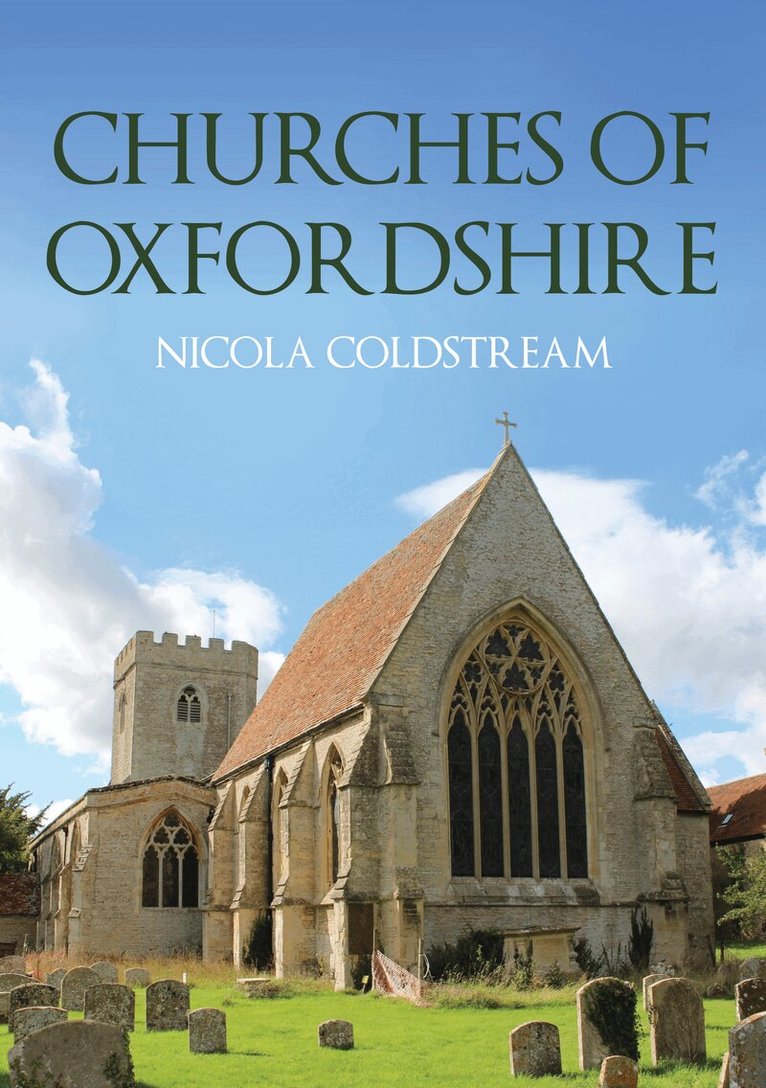
Oxfordshire, once part of the Anglo-Saxon kingdom of Mercia, has always been a wealthy county. Its landscapes vary from the chalk and beechwood Chiltern Hills in the south to the limestone uplands of the Cotswolds in the north-west, which give very fine building stone. The land supports arable and sheep farming, and is watered by the River Thames and its many tributaries. All this is reflected in the variety of its church buildings, architecture that is not necessarily grand but is exceptionally beautiful and atmospheric.This book looks at a small, representative selection of buildings and their contents, some proudly in towns, others settled into their rural landscapes. Since church buildings were almost always modified over the centuries, any that date from the Middle Ages are apt to contain features from several periods. Some have been chosen because they still show their Anglo-Saxon origins. Some are here for their surviving wall paintings, some for remarkable tombs. Work of exceptional Gothic Revival architects is included, as are one or two twentieth-century buildings. Nonconformists are represented by the eighteenth-century Baptist Chapel at Cote and the contemporary Quaker Meeting House at Burford.Illustrated throughout, Churches of Oxfordshire will be of interest to local historians, residents and visitors to the county.
173 kr
Skickas
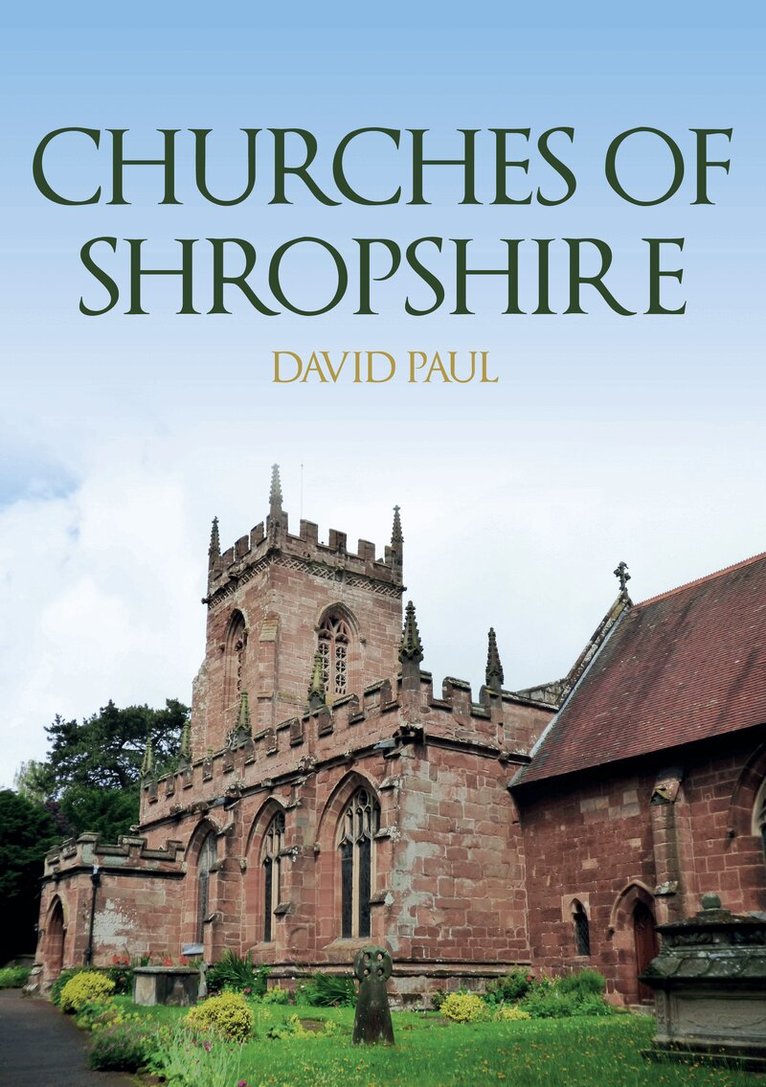
The first churches in Shropshire were built in Saxon times and the county has a proud heritage of church building through the centuries. Although the county town of Shrewsbury and the other major towns contain many of the larger churches, villages and smaller rural settlements are also home to many historical churches of interest. This book will cover a cross section of churches throughout the county, both well-known and those waiting to be discovered by a wider audience, covering a wide range of styles through the centuries.This fascinating picture of an important part of the history of Shropshire over the centuries will be of interest to all those who live in or are visiting this attractive county in England.
167 kr
Skickas
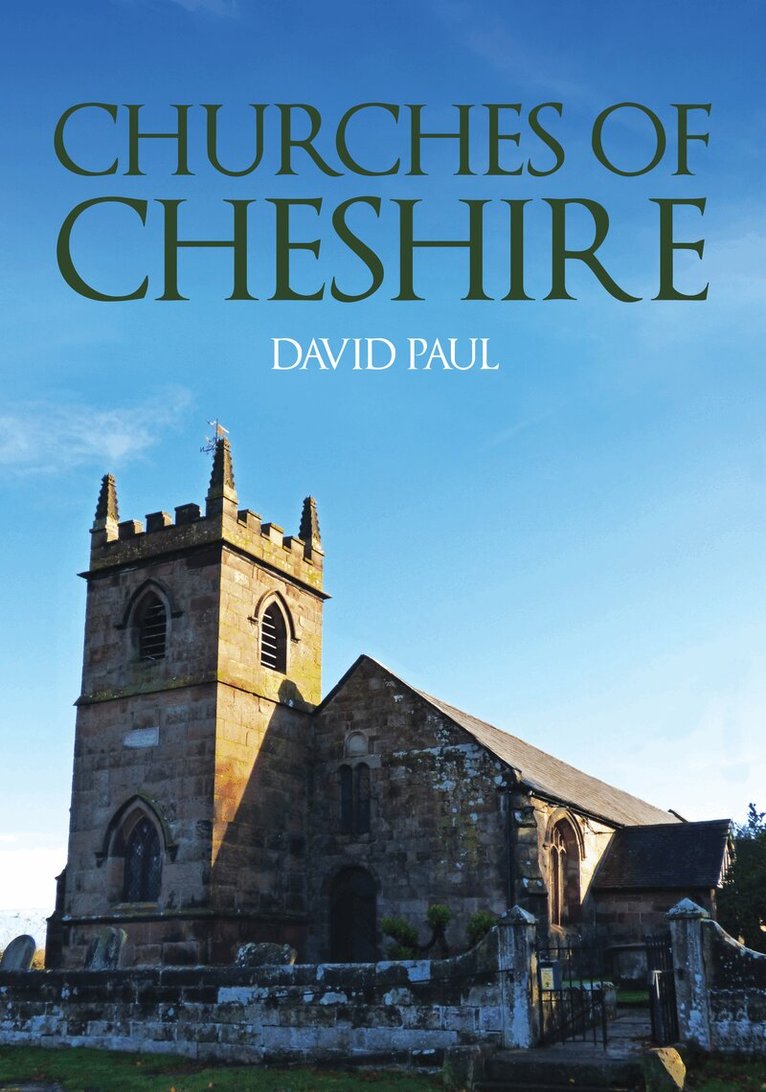
The county of Cheshire has a rich and varied past which is reflected in its historic churches. In Churches of Cheshire , author David Paul explores a selection of the most interesting churches across the whole of the county. The buildings range from a church located in the heart of the city of Chester to market towns, villages and remote locations, and represent the many different architectural eras and styles to be found in Cheshire’s churches. The book covers a cross-section of churches throughout the county, both well-known and those waiting to be discovered by a wider audience.This fascinating picture of an important part of the history of Cheshire over the centuries will be of interest to all those who live in or are visiting this attractive county in England.
173 kr
Skickas
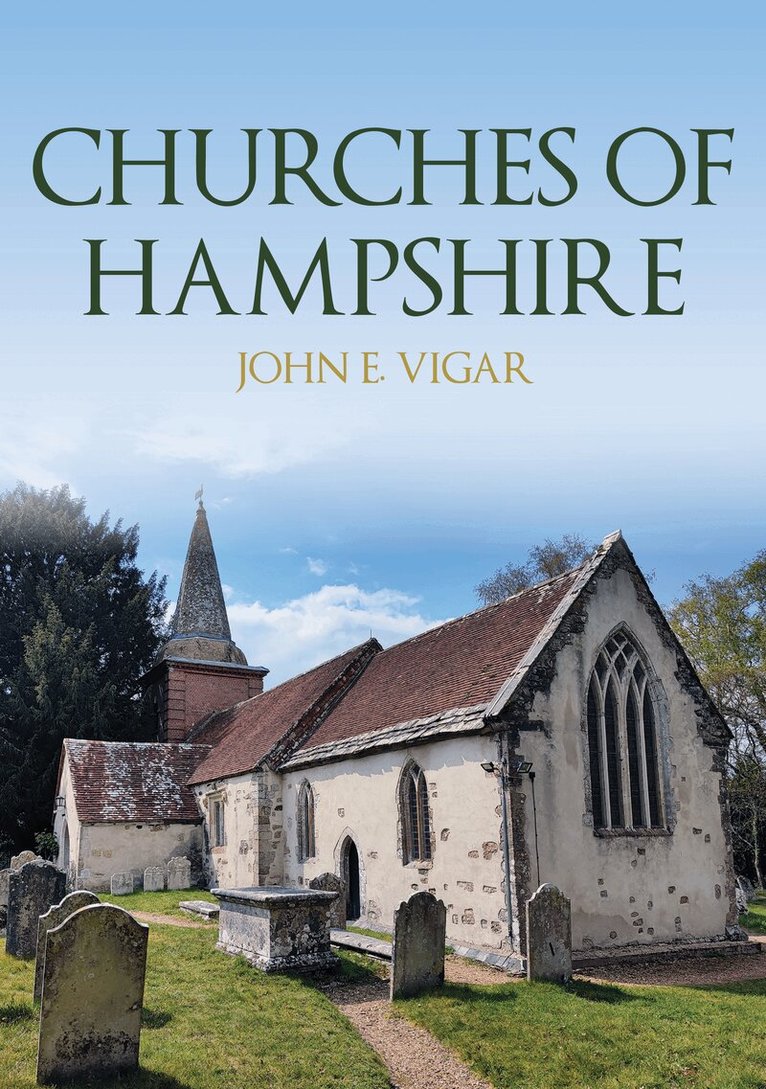
The churches of Hampshire are as varied as the landscapes they occupy. Remote rural churches that have changed little in 900 years are so far removed from those found in medieval market towns or bustling seaports that one might imagine that they have little in common. Yet the building materials of natural flint, imported stone from Normandy or the Isle of Wight and, later, local brick hold these diverse buildings together.As an early regional capital Winchester attracted powerful individuals whose influence spread through the county. Monastic houses flourished and have left us grand churches. Courtiers and courtesans have left their marks across the county, as have eighteenth- and nineteenth-century industrialists, many of whom rebuilt or restored churches.This book looks at fifty Hampshire churches from the Saxon gems of Breamore and Titchfield through Romsey Abbey to isolated churches in the folds of the Downs at Idsworth and Wield to nineteenth- and twentieth-century churches that rank amongst England’s finest. Together with their rich memorials and furnishings there is something for everyone, and Churches of Hampshire will encourage all those who live in the county or are visiting to discover the history on their doorsteps.
173 kr
Skickas
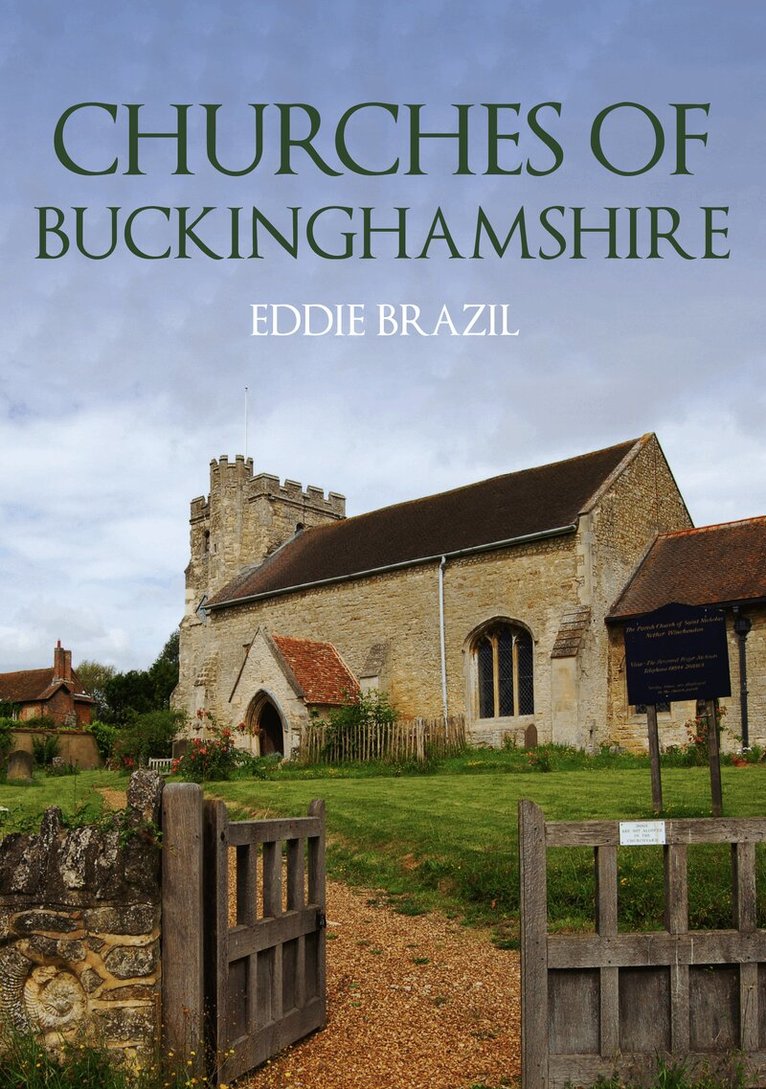
The county of Buckinghamshire has a rich and varied past which is reflected in its historic churches. In Churches of Buckinghamshire, author Eddie Brazil explores the architecture, history and beauty of a selection of the most interesting churches from all over the county, both the well-known and those waiting to be discovered by a wider audience. The buildings range from Anglo-Saxon, at Wing, and Norman/Romanesque, at Stewkley, through the many Gothic stages to the bare, box pew interiors of Protestantism, the plain simplicity of Jordan’s Meeting House, Victorian reimaginings of the past and the glass and concrete functionalism of the modern day.The book examines how the architecture and history of Buckinghamshire’s churches was not only fashioned and changed by developments in building and architectural innovation, but also the religious, political and social demands of the time, and how they have become integral to the cultural identity of England.This fascinating picture of an important part of the history of Buckinghamshire over the centuries will be of interest to all those who live in or are visiting this attractive county in England.
173 kr
Skickas
The county of Gloucestershire has a rich and varied past which is reflected in its historic churches. The landscape is dominated by two principal features – the River Severn and the Cotswold hills – and Gloucestershire’s churches help demonstrate the changing face of the county, from the Forest of Dean to the Cotswold escarpment, the Severn Vale to the watery southern boundary by the River Thames. In Churches of Gloucestershire, author Nicola Coldstream explores a selection of the most interesting churches across the whole of the county, both well known and those waiting to be discovered by a wider audience. The buildings range from rural and urban churches, dating from the Anglo-Saxons to the modern age, some displaying Gloucestershire’s wealth from the medieval wool trade, others its industrial past. Selected for their architectural interest or their contents such as tombs, fonts and wall paintings, interesting Roman Catholic and Nonconformist buildings are also included.This fascinating picture of an important part of the history of Gloucestershire over the centuries will be of interest to all those who live in or are visiting this attractive county in England.
173 kr
Skickas
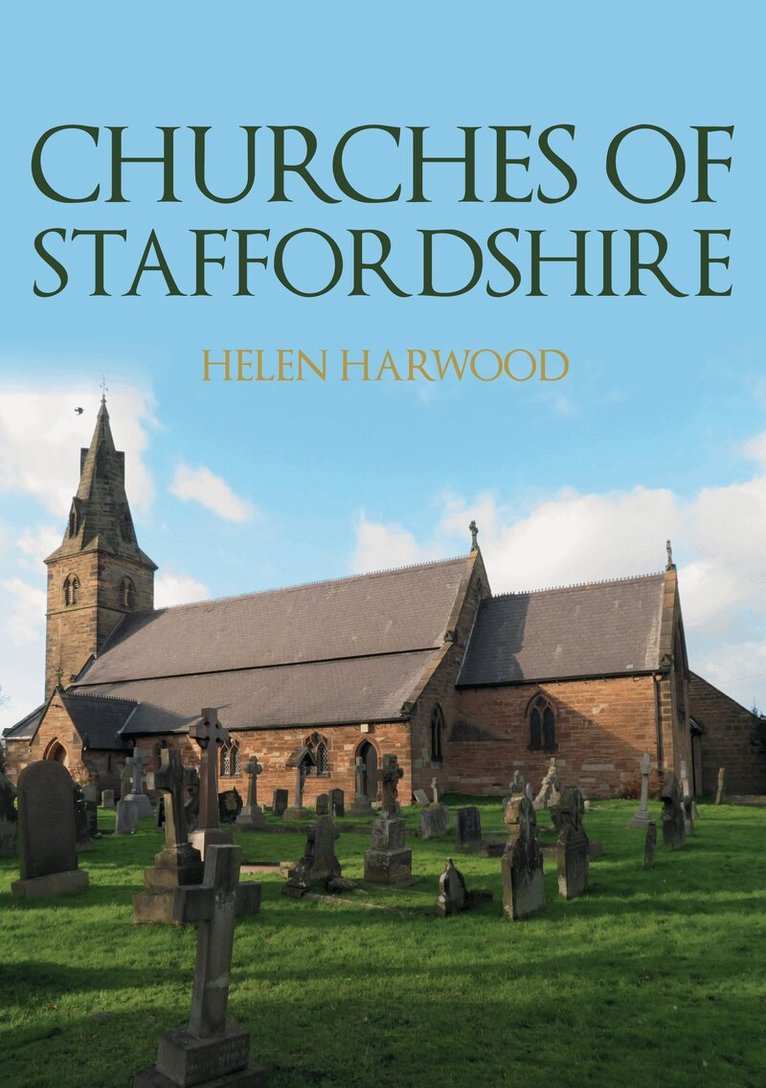
The county of Staffordshire has a rich and diverse past which is reflected in its historic churches. It has a varied landscape, from the conurbation of Stoke-on-Trent, the county town of Stafford and the cathedral city of Lichfield, to industrial towns such as Burton-upon-Trent, smaller market towns, agricultural land and the more sparsely populated areas of Cannock Chase and the Peak District. In Churches of Staffordshire, author Helen Harwood explores a selection of the most interesting churches across the whole of the county, both well known and those waiting to be discovered by a wider audience. The buildings range from rural and urban churches, dating from the medieval period to the modern age, covering various denominations, including the parish church of St Margaret’s, Wolstanton, whose tower is the oldest building in the area; Pugin’s Catholic churches, including his ‘masterpiece’ at Cheadle and Coven Methodist chapel, built in the 1830s, which is one of the oldest Wesleyan chapels in the county. Each has their own interesting story to tell. This fascinating picture of an important part of the history of Staffordshire over the centuries will be of interest to all those who live in or are visiting this attractive county in England.
173 kr
Skickas
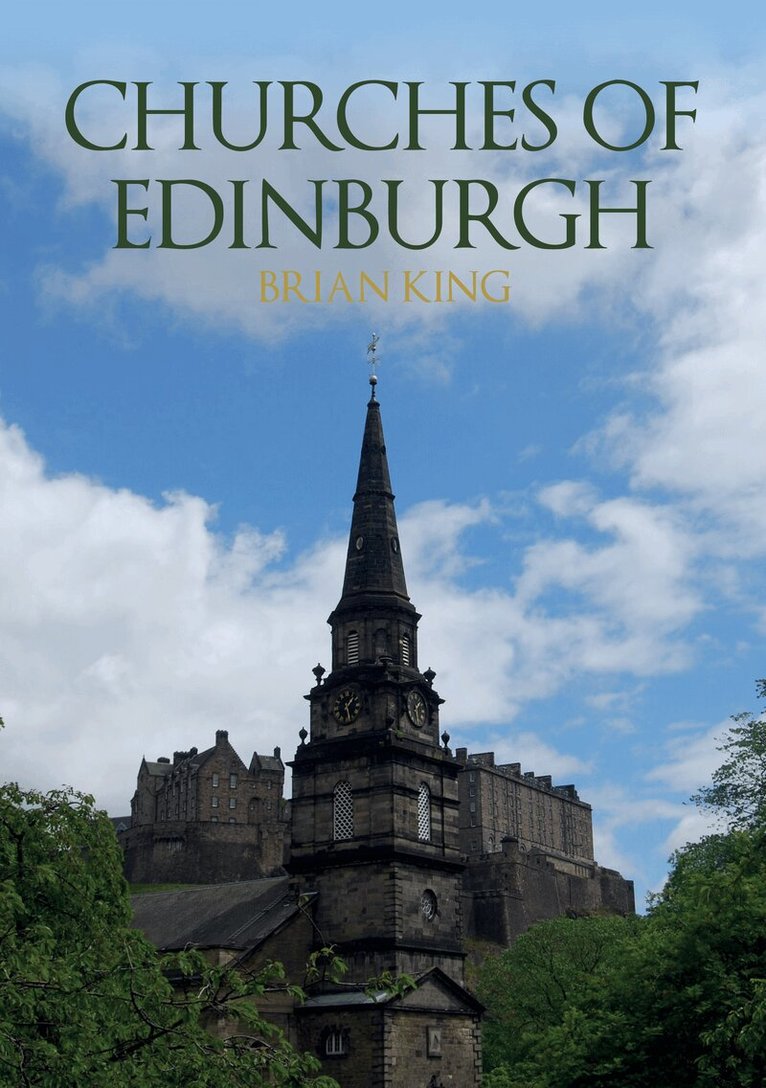
Edinburgh was founded as a royal burgh by David I in the early twelfth century, though there had been a settlement on what became Castle Rock for centuries before that. King David is also thought to be responsible for the city’s oldest building, a chapel built in honour of his mother, Queen Margaret, who was later declared a saint.Churches of Edinburgh looks at the city’s churches, from this earliest surviving example to the award-winning Chapel of Saint Albert the Great, which opened some 900 years later. It tells their stories, discusses their architecture and points out their notable features, as well as outlining the important part that some of Edinburgh’s churches have played in major events in Scottish history such as the Reformation or the National Covenant.The churches featured include, among many others, the ruined thirteenth-century abbey that was once a meeting place for the Scottish Parliament, the church that retains a seat for Queen Victoria and the one that has its own canal boat. There is also the story of the fifteenth-century church that was demolished in 1848 but was later partially rebuilt elsewhere, and that of the important artworks that lie hidden beneath the paintwork of another city church.This fascinating picture of an important part of the history of Edinburgh over the centuries will be of interest to all those who live in or are visiting Scotland’s capital city.
173 kr
Skickas
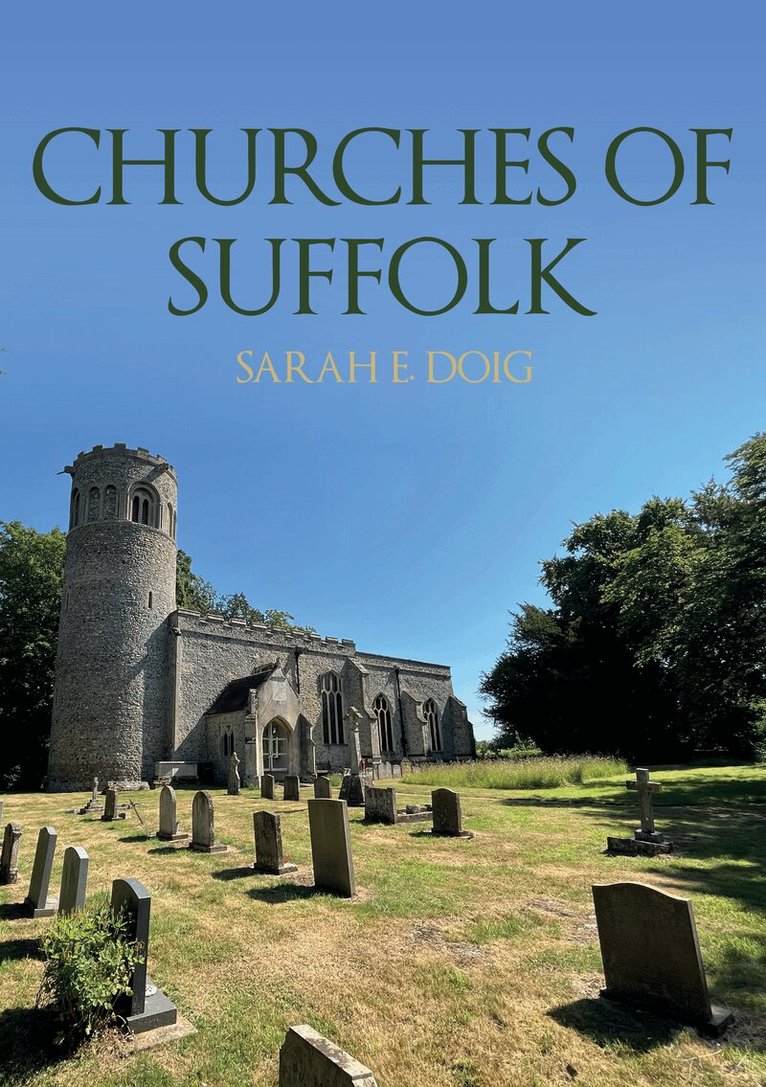
Suffolk boasts by far the greatest number of Domesday churches of any county surveyed by William the Conqueror in 1086. Over the centuries, many of these buildings have been renewed, enlarged and altered, whilst others have sadly disappeared either completely or partially from the landscape. Some of Suffolk’s churches are more recent additions. The present-day churches of Suffolk, therefore, offer a diversity of styles of architecture and of construction, both inside and out. They range from flint round towers to whole buildings built using prefabricated cement blocks, from meticulously carved pew ends to flamboyant ceilings bursting with colour, and from angelic musicians to demonic wall paintings. For this book, the author presents a selection of not only the best of Suffolk churches but also the curious and intriguing, all of which tell the rich history of Suffolk and its people at prayer.This fascinating picture of an important part of the history of Suffolk over the centuries will be of interest to all those who live in or are visiting this attractive county in England.
173 kr
Skickas
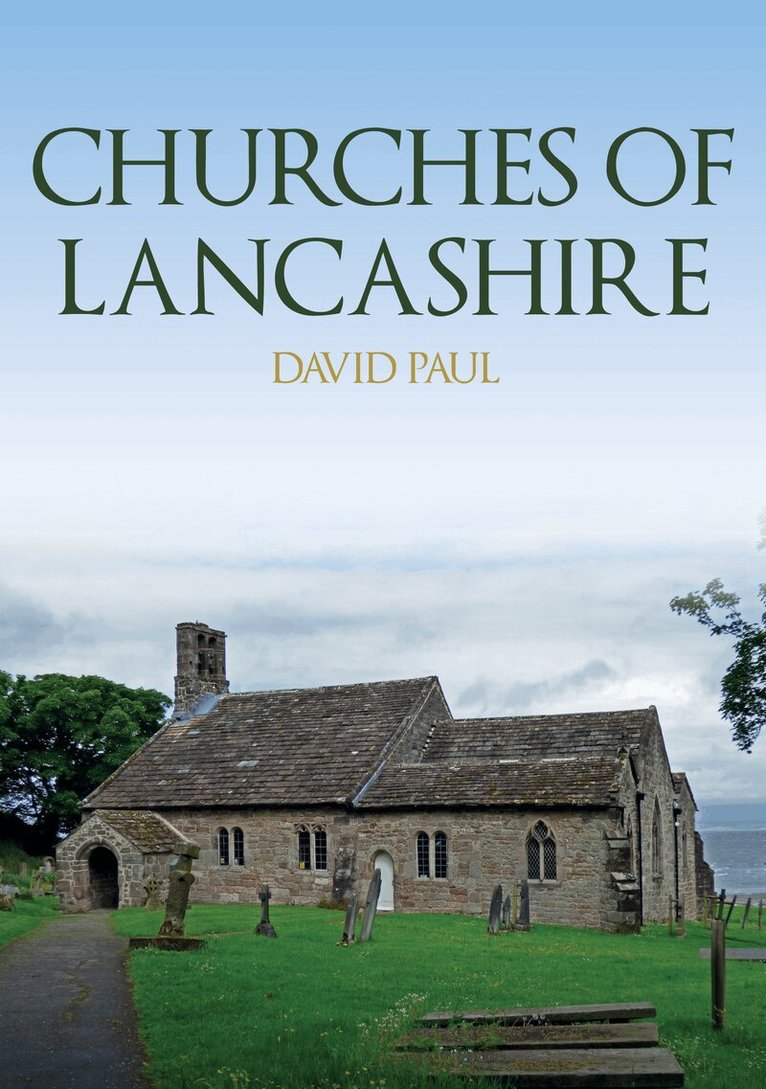
Lancashire is a county of contrasts, with heavily industrialised and urbanised areas, remote mountain and moorland and an extensive coastline. These contrasts are reflected in its churches, from buildings that have stood from the Middle Ages in historic towns and villages including the county town of Lancaster, Nonconformist chapels and Georgian structures, to the churches built during the industrial and Victorian age where the wealth and population of Lancashire grew massively and people flocked to popular new leisure destinations such as Blackpool, into the modern era of the last century.In Churches of Lancashire, author David Paul explores a cross-section of historical churches throughout the county, both the well known and those waiting to be discovered by a wider audience. This fascinating picture of an important part of the history of Lancashire over the centuries will be of interest to all those who live in or are visiting this attractive county in England.
167 kr
Skickas
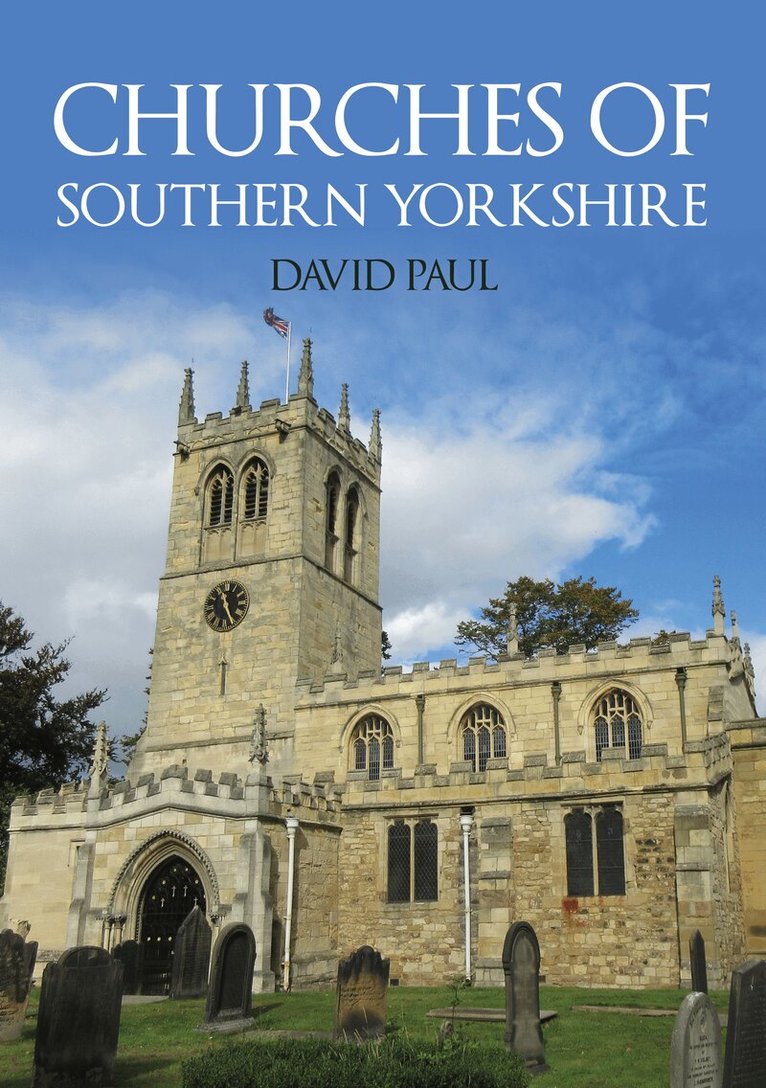
The historic county of Yorkshire is the largest county in England, with 157 Grade I listed churches alone in the whole region. This book will cover a selection of churches throughout the southern half of Yorkshire, both well-known and those waiting to be discovered by a wider audience, showing a wide range of styles through the centuries. It covers a huge range of places and landscapes, and its churches reflect this variety, as well as representing the history of this section of Yorkshire. Some of the medieval churches reflect the wealth of their local area at the time, often from trade or monasteries nearby, or the importance of the local town or city, but others served more remote communities and still stand out in the landscape today. Later centuries also made their mark on Yorkshire churches, both in their structures and furnishings, from Georgian simplicity to often spectacular Victorian and twentieth-century architecture in the county’s industrialised towns and cities.In Churches of Southern Yorkshire, author David Paul explores a cross-section of historical churches throughout the county, both the well known and those waiting to be discovered by a wider audience. This fascinating picture of an important part of southern Yorkshire’s history will be of interest to all those who live in or are visiting this splendid county in England.
173 kr
Skickas
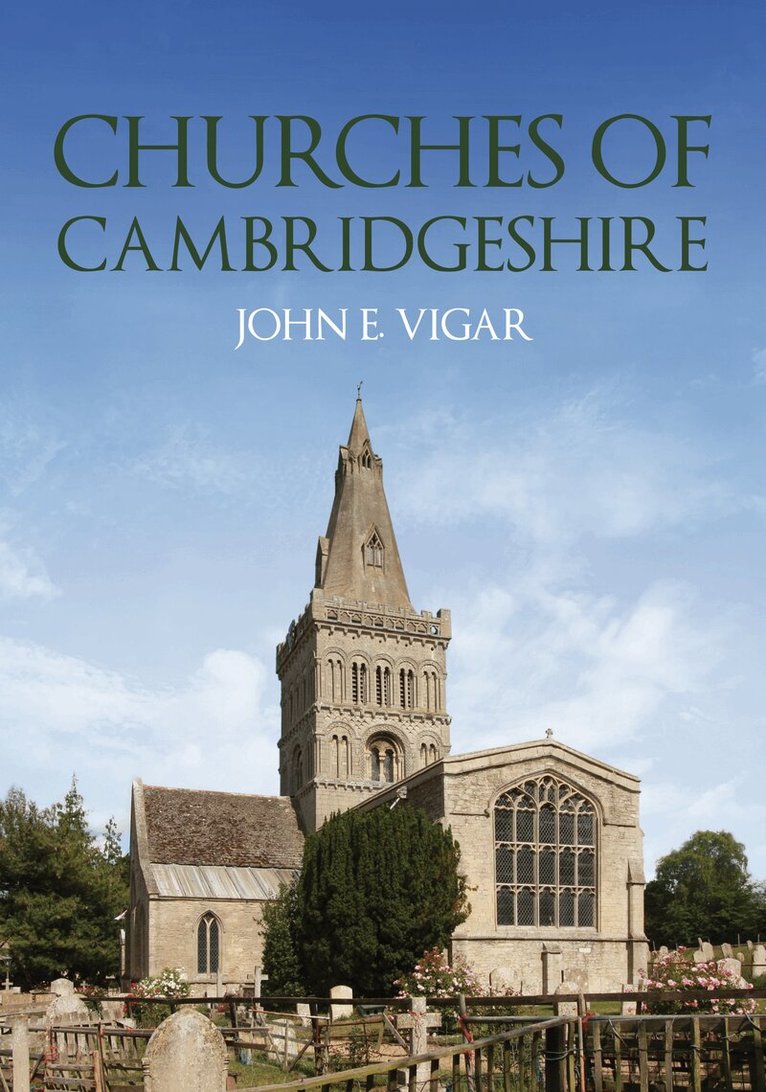
Cambridgeshire is a large and diverse county, and this is reflected in its churches. In the south, chalk provided flints for even the grandest of churches. The Fens in the north and east had no building materials of their own, so limestone was transported from further north and may best be seen in those churches that were owned or established by monastic houses. In the former county of Huntingdonshire limestone dominates, and bricks made from the local clays make an early appearance. In this book author John E. Vigar presents a selection of the most interesting churches from across the county, including the former counties of the Isle of Ely, Huntingdonshire and Peterborough, covering every period and type of church, from simple Saxo-Norman churches such as Hauxton, to late medieval churches where money was plentiful such as Whittlesey. Former monastic houses are represented by March and Ramsey, a rare seventeenth-century church at Guyhirn and one of the most important nineteenth-century churches in England at Cambridge All Saints, as well as many other ecclesiastical gems in the county.This fascinating picture of an important part of the history of Cambridgeshire over the centuries will be of interest to all those who live in or are visiting this attractive county in England.
173 kr
Skickas
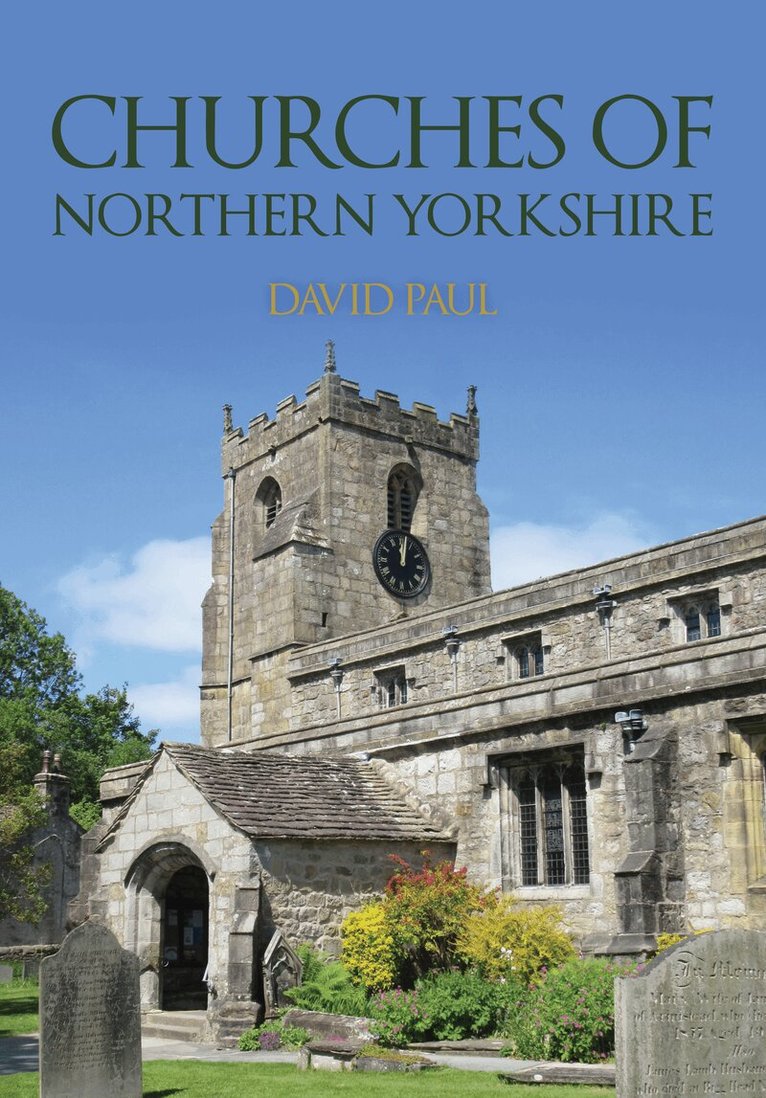
The historic county of Yorkshire is the largest in England, home to 157 Grade I listed churches. It’s huge diversity of places and landscapes is reflected in the churches found here, which nicely represent the history of this section of Yorkshire. Some of the medieval churches demonstrate the wealth of their local area at the time, often from trade or monasteries nearby, or the importance of the local town or city, but others served more remote communities and still stand out in the landscape today.In Churches of Northern Yorkshire author David Paul explores a cross-section of historical churches throughout the county, both the well known and those waiting to be discovered by a wider audience. This fascinating picture of an important part of the history of the northern half of Yorkshire over the centuries will be of interest to all those who live in or are visiting this splendid county in England.
173 kr
Skickas
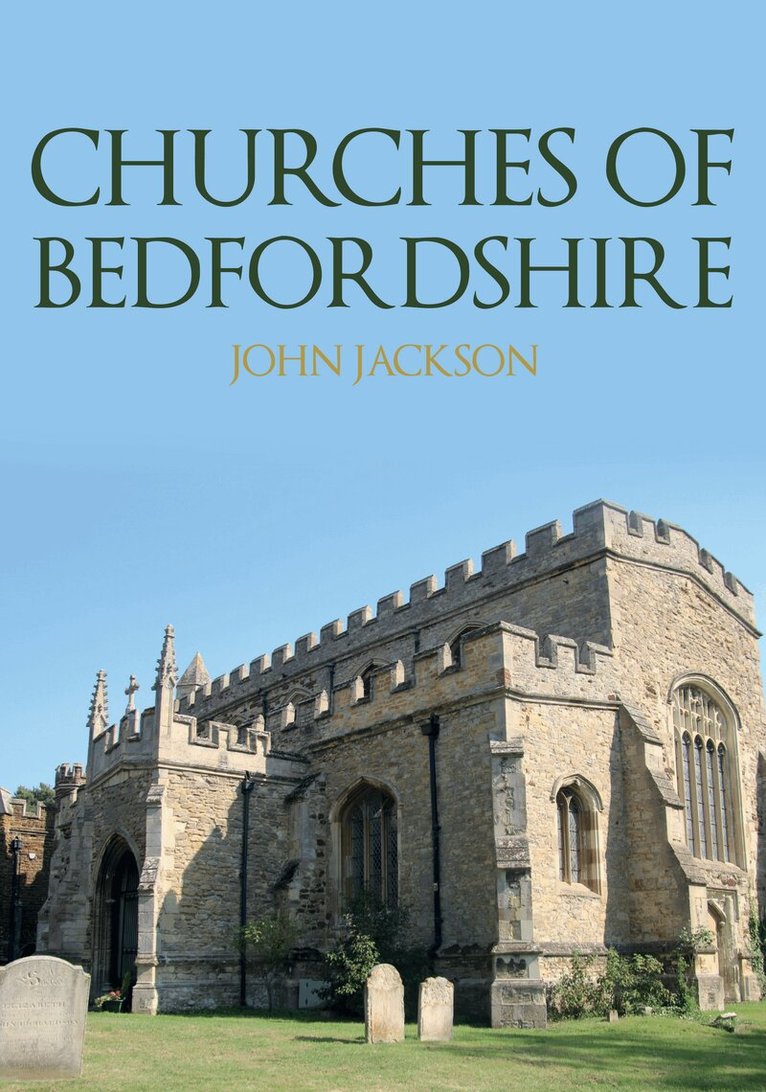
The Saxons put the county of Bedfordshire on the map, and signs of the earliest churches from this period remain today. Church building continued after the Norman Conquest, not least the foundation of the Abbey at Elstow by William the Conqueror’s niece, Judith of Lens, towards the end of the eleventh century. One of Bedfordshire’s most famous sons, John Bunyan, was baptised in the church of St Mary and St Helena, at Elstow, over 500 years later, just one of approximately fifty places of worship featured in this selection of Bedfordshire churches following John and Jenny Jackson’s extensive travels around their home county’s places of worship.With around 100 supporting photos, their selection is not just about the best in the county. It is a cross-section that reflects different styles, periods and locations within one of the country’s smallest counties. Many of these more remotely located churches are in little-known villages, but nevertheless offer a charm of their own alongside the more sizeable communities of Bedford and Luton. This book aims to show the wide diversity on offer within the Bedfordshire area of the diocese of St Albans. This fascinating picture of an important part of the history of Bedfordshire over the centuries will be of interest to all those who live in or are visiting this attractive county in England.
173 kr
Skickas
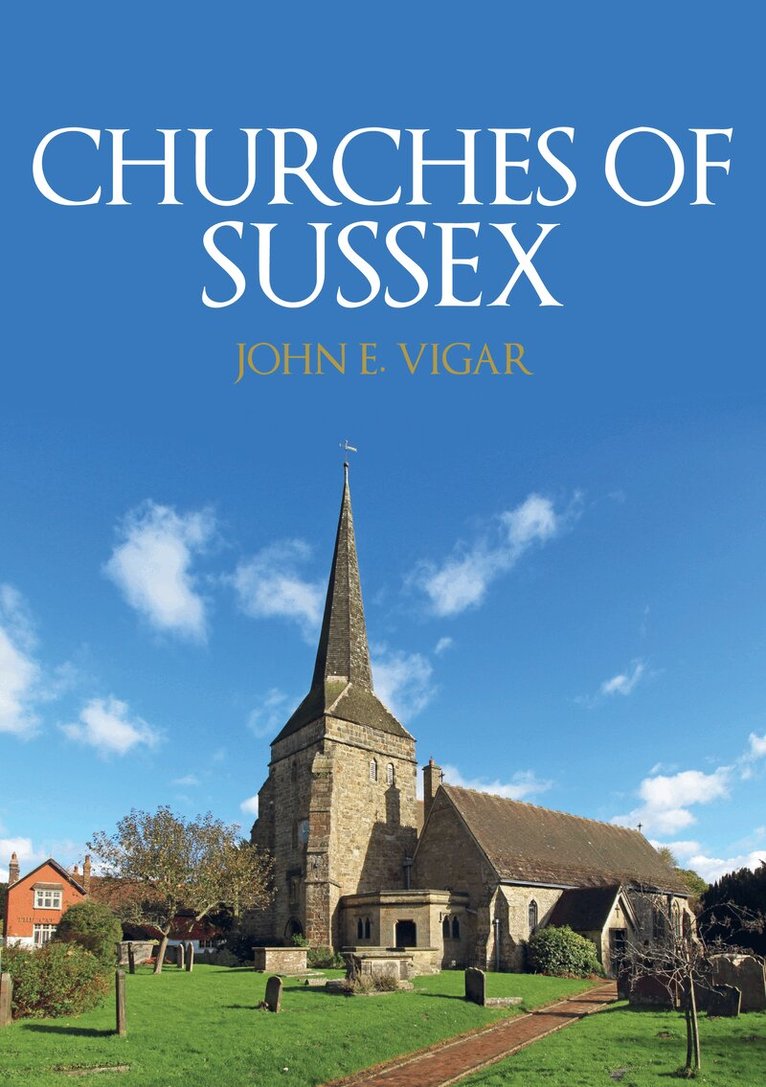
Sussex runs in an arc along the south coast of England. Inland from the coastal towns, the South Downs cross East and West Sussex. Although built up in places, much of the county is still rural, with a wide variety of churches dating back to Anglo-Saxon times. In Churches of Sussex author John E. Vigar presents a selection of the most interesting churches from across the county, covering every period and type of church, from late Anglo-Saxon churches such as Bosham, which appears on the Bayeux Tapestry, to Victorian churches such as the imposing St Bartholomew’s in Brighton. Alongside Sussex’s most well-known churches, unusual and lesser-known churches are also included among the many ecclesiastical gems in the county. This fascinating picture of an important part of the history of Sussex over the centuries will be of interest to all those who live in or are visiting this attractive county in England.
173 kr
Kommande
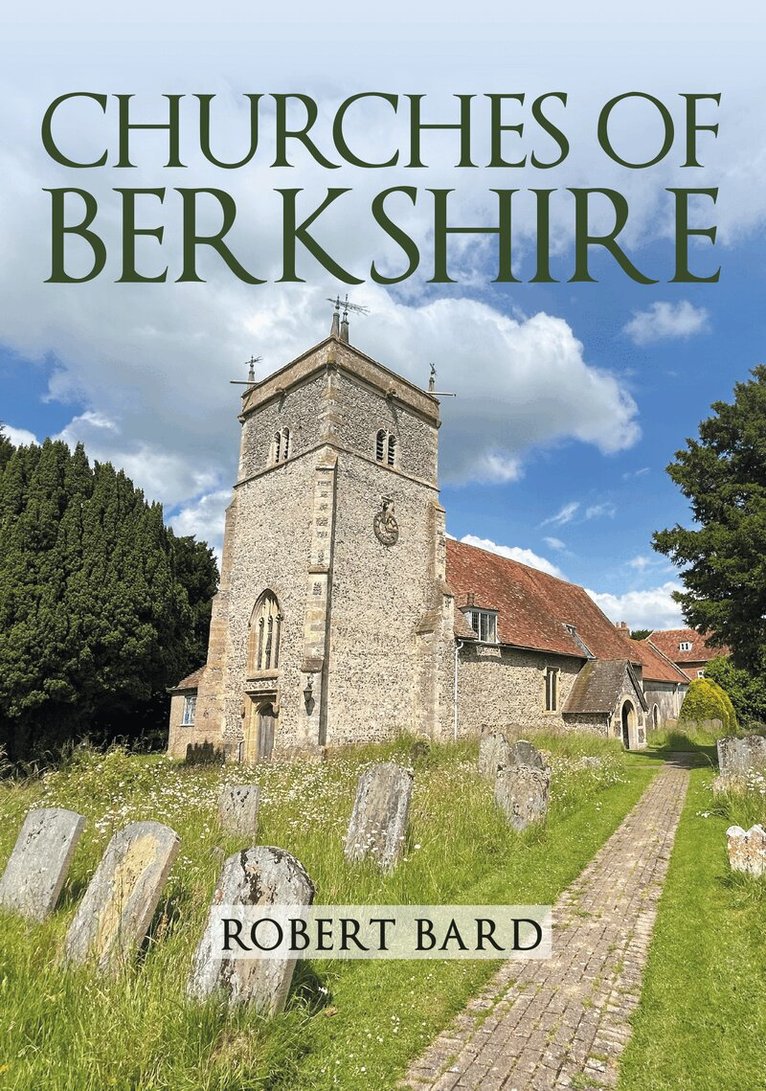
The county of Berkshire has a rich and varied past which is reflected in its historic churches. In Churches of Berkshire, author Robert Bard explores a selection of the most interesting churches across the whole of the county. The buildings range from churches in the county town of Reading and Windsor with its historical connections to royalty, to market towns, villages and remote locations, and represent the many different architectural eras and styles to be found in Berkshire’s churches. The book covers a cross section of churches throughout the county, both well-known and those waiting to be discovered by a wider audience.This fascinating picture of an important part of the history of Berkshire over the centuries will be of interest to all those who live in or are visiting this attractive county in England.
173 kr
Skickas
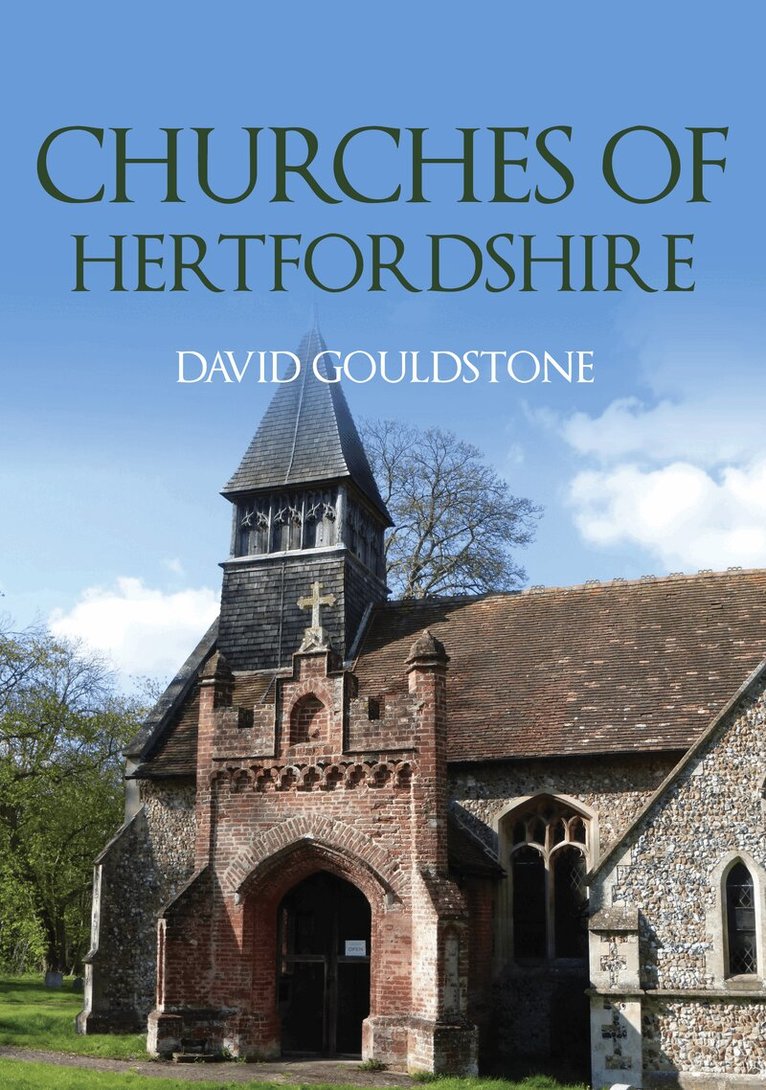
Although Hertfordshire is one of the smaller English counties, there are numerous attractive historic towns, villages and hamlets. The influence of St Albans Abbey, one of the most powerful monasteries in the country, spread throughout the county, and there is a wealth of other fascinating medieval churches, including St Michael’s, St Albans (with Saxon origins), the Norman Hemel Hempstead, and the fourteenth-century Ashwell with its famous plague graffiti. Later periods are also well represented, including two often overlooked seventeenth-century Gothic Survival churches at Buntingford and Oxhey, the important Greek Revival church at Ayot St Lawrence, others from the Victorian period (including Ayot St Peter, which was influential on the Arts and Crafts movement), and St Martin’s, Knebworth, by Sir Edwin Lutyens, from just before the First World War. The monuments, stained glass, screens and other furnishings found within the churches are just as rewarding, ranging from a Saxon crucifix to a window from 2013. The county’s churches are also particularly rich in corbels and other similar carvings, which often go unnoticed by the casual visitor but when seen close up are revealed as fine examples of folk art, ranging from handsome to humorous to hideous and all the way back again.
173 kr
Skickas
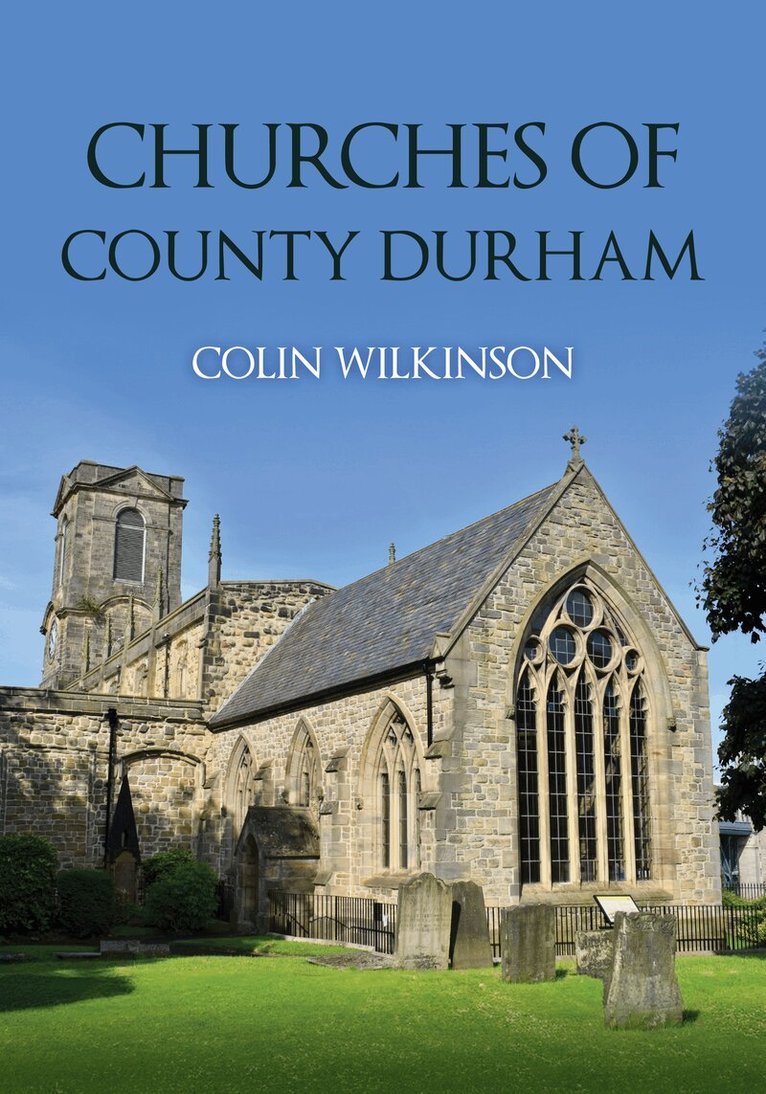
Pennine hills, unspoilt moorland, dramatic dales, picturesque villages, market towns and a magnificent coastline are all part of the scenery of County Durham. The history is equally rich, from early farming settlement, conquests, rebellion and mining to industrial development, and always present through these times have been the churches. The earliest churches in the county date from the Anglo-Saxon era and the Norman Prince Bishops of Durham instituted a new building programme, including several churches dedicated to the local saint, Cuthbert. Later events all left their mark on the county’s churches, from the Reformation and Civil War to the rise of dissenting groups such as Quakers and Methodists. Industrial development and the growth of densely populated urban areas required a new church building programme by the Victorians and in the last century the story of County Durham’s churches has continued.In Churches of County Durham, author Colin Wilkinson explores a cross-section of historical churches throughout the county, both the well known and those waiting to be discovered by a wider audience. This fascinating picture of an important part of the history of the county over the centuries will be of interest to all those who live in or are visiting this splendid area of England.
173 kr
Skickas
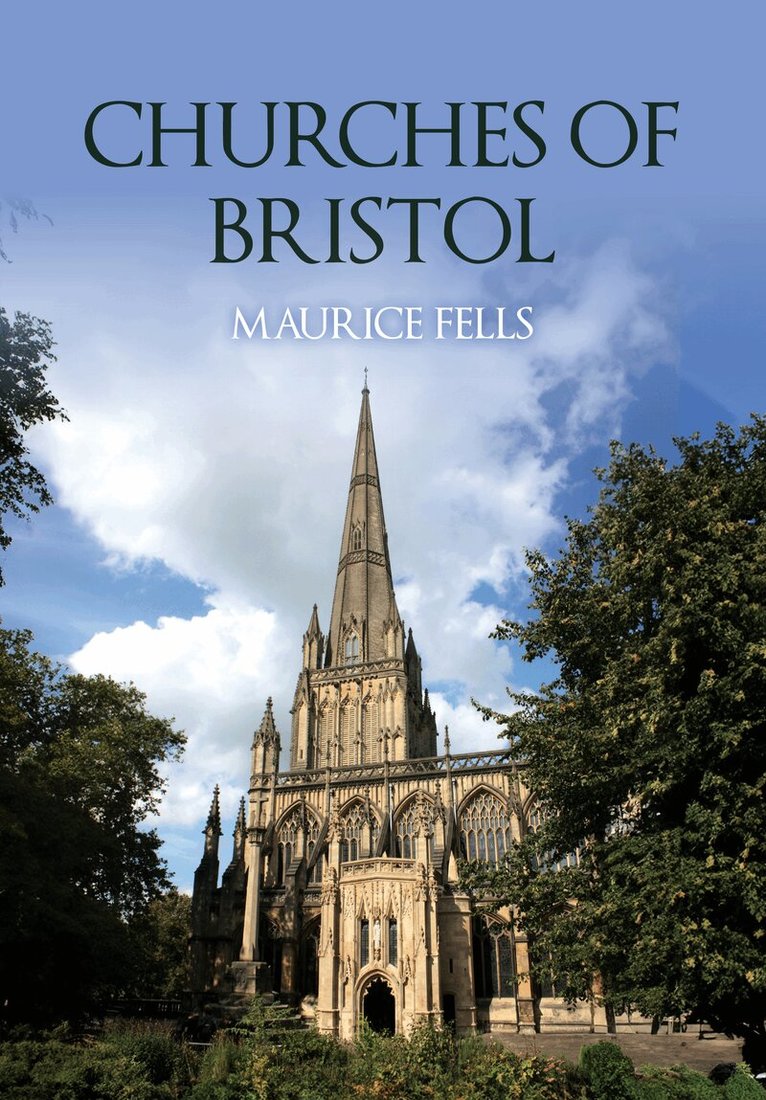
Bristol’s importance in medieval England was demonstrated when it became the first borough in the country outside of London to be given county status in 1373. It has been one of the largest settlements in the kingdom since this time and the wealth brought through its port and industries spurred the building of numerous churches that has continued through the centuries. Churches of Bristol looks at a range of the city’s churches, from early examples to recent years, telling the fascinating story of how they were built alongside some of the colourful history of the city, for both are intertwined. Included are those still standing in the original part of the city and more modern examples built in the suburbs for Bristol’s growing population. Fully illustrated throughout, this captivating look at ‘the City of Churches’ will be of interest to all those who live in Bristol or are visiting the city.
173 kr
Skickas
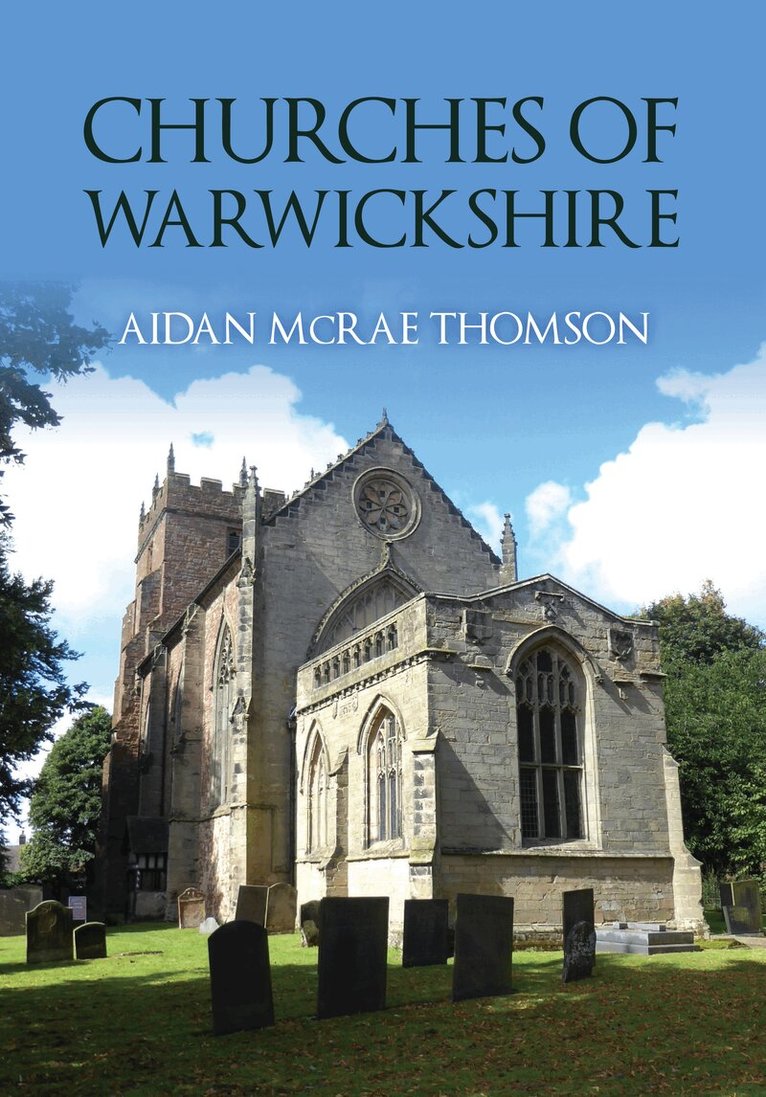
The county of Warwickshire has a rich and varied past that is reflected in its historic churches. In Churches of Warwickshire, author and stained-glass artist Aidan McRae Thomson explores a selection of the most interesting churches across the whole of the county. Coventry has been included as it was part of the historic county and the buildings featured range from churches in the county town of Warwick and major settlements such as Nuneaton, Rugby and Leamington Spa to market towns, not least Stratford-upon-Avon, and villages, representing the many different architectural eras and styles to be found in Warwickshire’s churches. The book covers a cross section of churches throughout the county, both well-known and those waiting to be discovered by a wider audience. This fascinating picture of an important part of the history of Warwickshire over the centuries will be of interest to all those who live in or are visiting this attractive county in England.
162 kr
Skickas
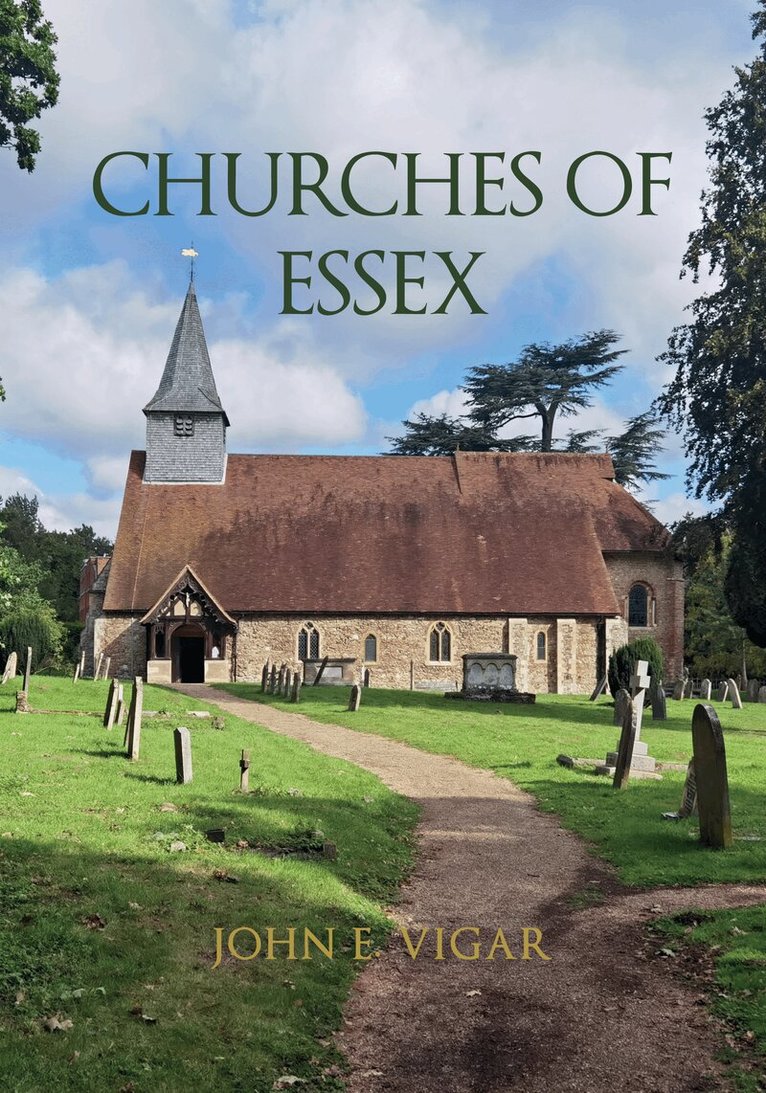
Essex boasts a large number of important religious buildings, yet many are little known despite the county containing churches of Saxon origin, the oldest timber-framed church in the country and one of the best Arts and Crafts churches in Europe. In Churches of Essex historian John E. Vigar shares the wealth of religious architecture to be found in the county, from the plain and simple to huge, impressive buildings displaying medieval wealth. Several parish churches were originally home to a monastic community, and Waltham Abbey can boast of the tomb of a king of England. Flint and timber are the usual building materials encountered, together with brick. The furnishings of Essex churches can be in a league of their own, with a huge range of monumental brasses and magnificent monuments to families with London connections. In the nineteenth century few Essex churches escaped wholesale improvements by the Victorians, and in the twentieth century many churches were beautified by the gift of stained-glass windows. Here, readers will find churches both small and large, simple and quirky, each one representing the tastes, finances and lives of generations of Essex residents. This fascinating picture of an important part of the history of Essex over the centuries will be of interest to all those who live in or are visiting this attractive county in England.
173 kr
Skickas
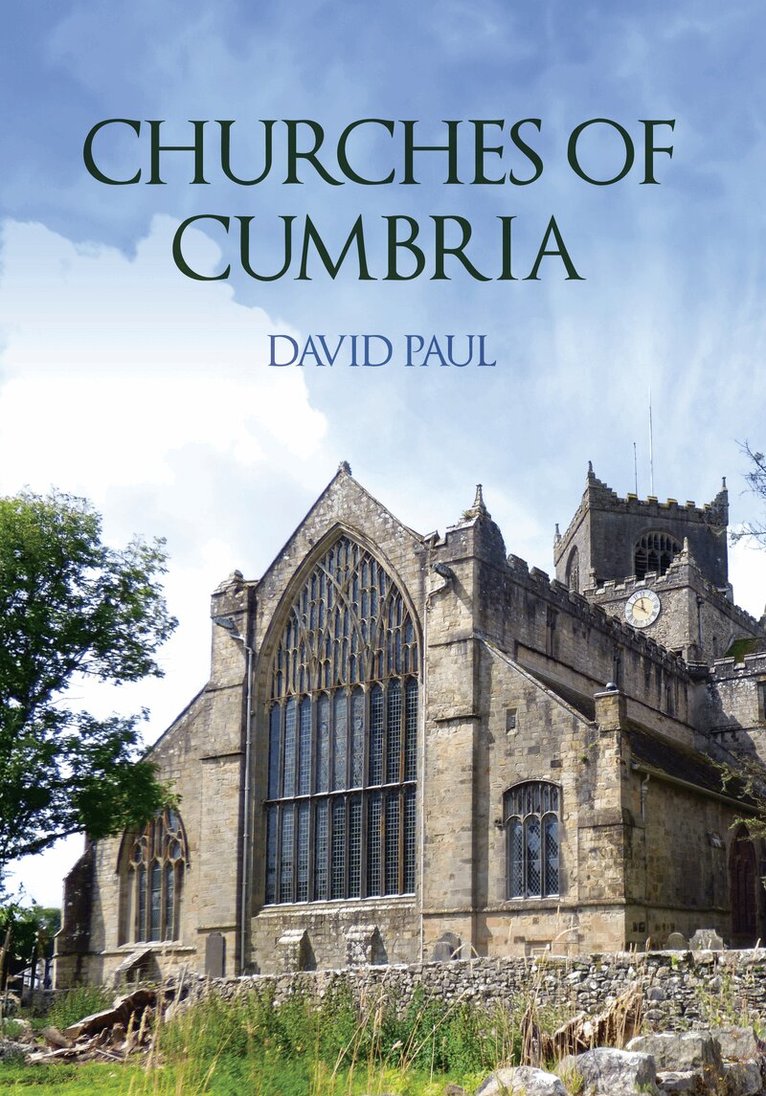
Cumbria is the third largest county in England, formed in 1974 from the historic counties of Cumberland and Westmorland. It is justly famous for the beauty of its landscape but spread throughout the county in its only city, Carlisle, and smaller towns and villages are many fascinating and historic churches, such as Grasmere and Hawkshead with their associations with William Wordsworth and Beatrix Potter. For much of its history Cumbria was the site of border raids between Scotland and England and its medieval churches often had a defensive role. Later churches from the Georgian and Victorian era illustrate the changing identity of the area as industry and manufacturing became established and tourism developed, particularly in the Lake District and along the coast. These later examples include the eighteenth-century St James’s, Whitehaven, and the nineteenth-century St Martin’s, Brampton.In Churches of Cumbria, author David Paul explores a cross-section of historical churches throughout the county, both the well known and those waiting to be discovered by a wider audience. This fascinating picture of an important part of the history of Cumbria over the centuries will be of interest to all those who live in or are visiting this splendid county in England.
173 kr
Skickas
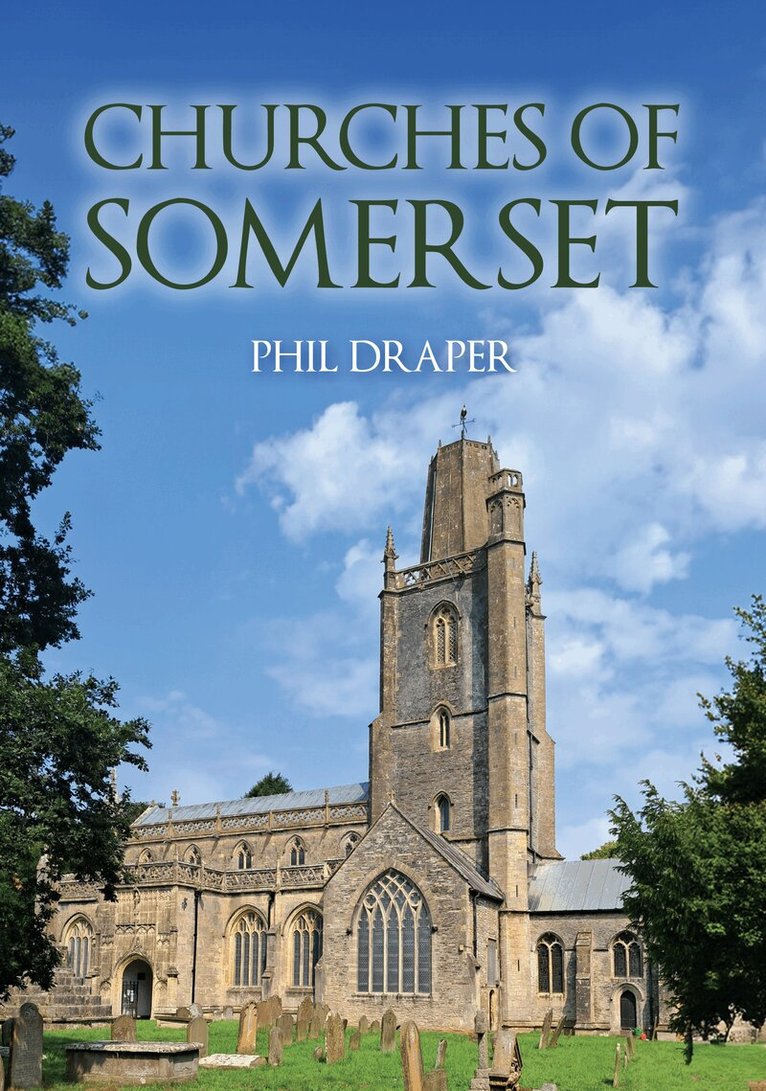
Somerset is renowned for its churches, many of which were built on the wealth of the wool industry in this area in the Middle Ages. Bath, Glastonbury and Wells were powerful ecclesiastical centres in this period, but there are many fascinating and beautiful churches to be found throughout the county’s towns and villages, whether small and humble, grand or unusual. They are found in a wide variety of landscapes, from the Mendip and Quantock hills, Exmoor, the Bristol Channel coastline and the edge of Bristol to the flat, marshy areas of the Levels and agricultural river valleys. The distinctive Somerset church towers can be seen throughout the county and often a wealth of medieval carving welcomes the visitor. Later buildings from the Georgian and Victorian era show the changing identity of areas where industry developed and population grew into today’s many faces of Somerset.In Churches of Somerset, author Phil Draper explores a cross-section of historical churches throughout the county, both the well known and those waiting to be discovered by a wider audience. This fascinating picture of an important part of the history of Somerset over the centuries will be of interest to all those who live in or are visiting this splendid county in England.
173 kr
Kommande
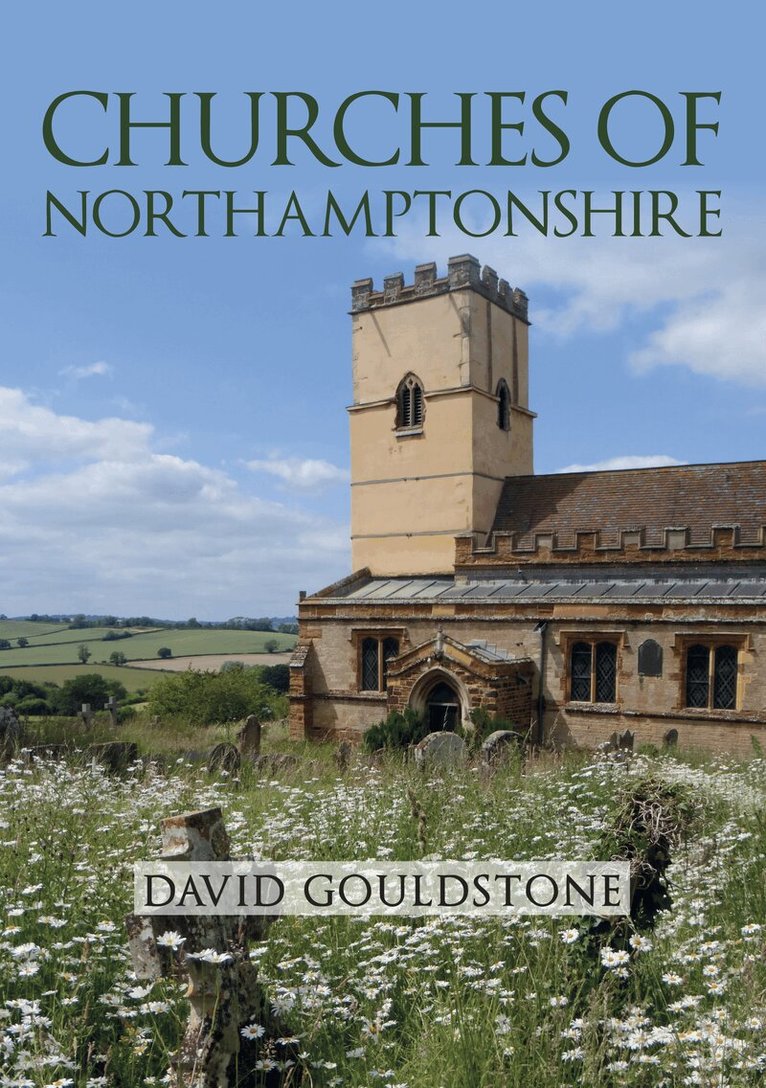
Northamptonshire is a happy hunting ground for church crawlers, being particularly famous for its numerous wonderful spires. There are dozens of major churches, ranging from the internationally important work at Brixworth and Earls Barton through to Sir Ninian Comper’s early twentieth-century masterpiece in Wellingborough, with all periods and styles in between well represented. Church monuments and stained glass also make a strong contribution to the pleasures awaiting visitors. The county’s geology is crucial to the appearance of its buildings: there are at least three main different local stones, and many varieties within these categories, all with their different shades and individual characters. In this book church historian David Gouldstone presents a selection of the county’s best churches, pointing out special features and capturing what it is that makes them special, as well as relating them to their historical periods and highlighting the stories of the people associated with the buildings.This fascinating picture of an important part of the history of Northamptonshire over the centuries will be of interest to all those who live in or are visiting this attractive and varied English county.
173 kr
Skickas
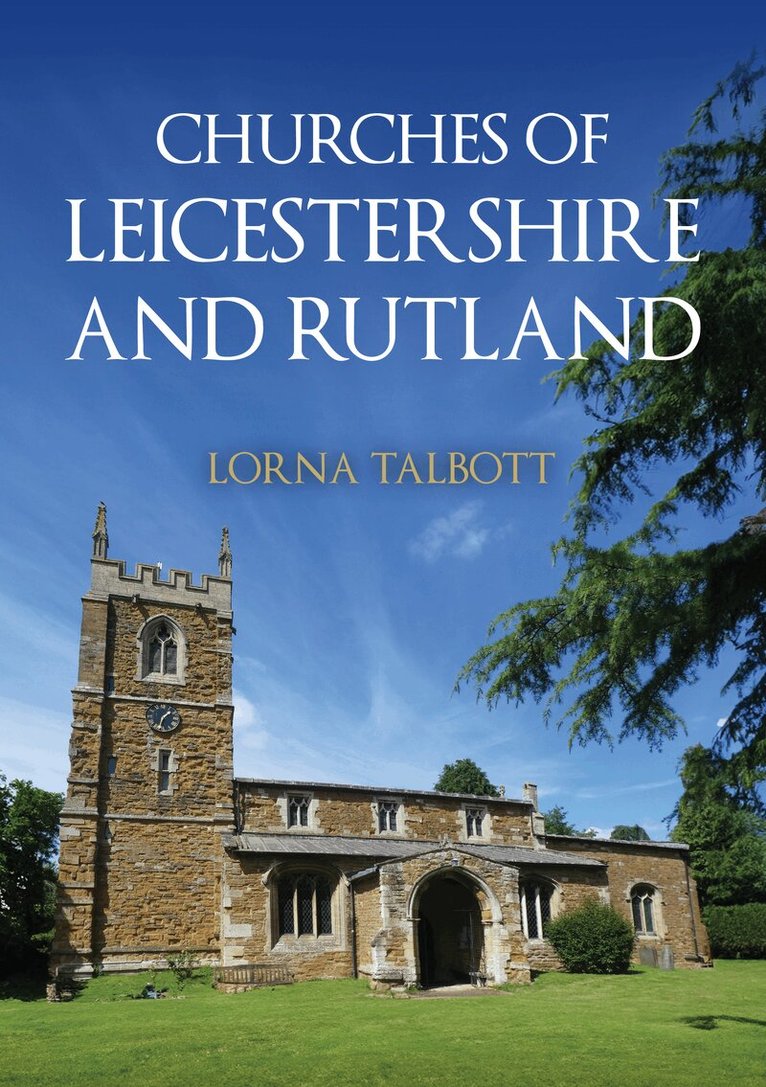
The churches of Leicestershire and Rutland represent the history of this area of the East Midlands. Largely rural, their wealth in the Middle Ages came mostly through farming and the wool trade, as well as the largest settlement in the area – Leicester. Later industrialisation also shaped Leicestershire, as Leicester and Loughborough also became known for manufacturing and coal mining, although adjoining Rutland, much smaller, developed less.Churches of Leicestershire and Rutland travels through a selection of the most interesting churches in these counties, from those with Norman and sometimes Saxon and Roman fragments, through to those of the nineteenth and twentieth centuries when burgeoning populations in the towns needed new places to worship in many denominations. Examples include Leicester Cathedral’s acquisition of a long-lost English king, the rescue of Normanton Church from Rutland Water, and many more. This fascinating picture of an important part of the history of Leicestershire and Rutland over the centuries will be of interest to all those who live in or are visiting these attractive counties in England.