Class Locomotives - Böcker
Visar alla böcker i serien Class Locomotives. Handla med fri frakt och snabb leverans.
6 produkter
6 produkter
178 kr
Skickas
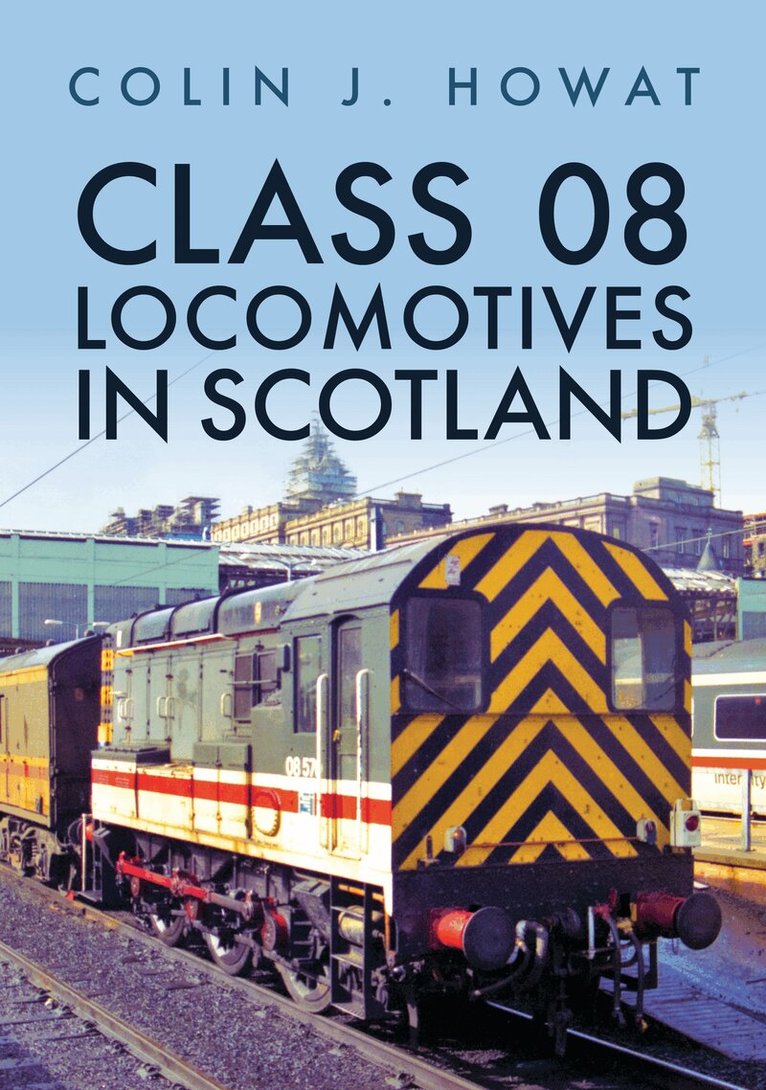
Since their introduction in the 1950s, the Class 08, the most common type of British Rail shunter, has been found in almost every area of the UK. These machines carried out the shuntings and movements around stations and yards, with most depots carrying an allocation. A number have survived into preservation, but at one time more than 200 could be found in Scotland. This book covers 08s from the BR era through privatisation and beyond, and features a range of different locations around Scotland.With a wealth of previously unpublished images, this book will delight Scottish rail enthusiasts both young and old.
178 kr
Skickas
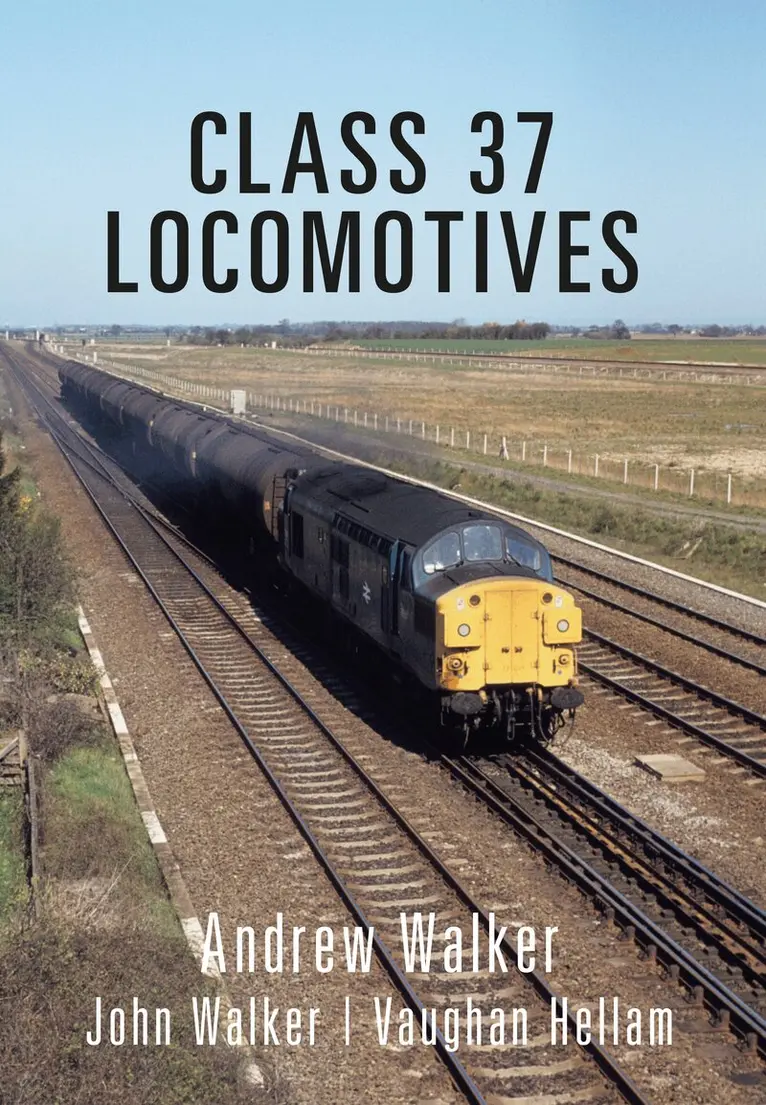
Well-proportioned, versatile, aesthetic, durable – the English Electric Class 37, the great survivor of the modernisation-plan diesel fleet, deserves all of these accolades and more. Never as celebrated as the Deltics, never as idolised as the Westerns, always intended to be a workhorse; this is the locomotive that has, in many ways, surpassed its more illustrious peers as an example of all that is best in motive power design and engineering.This pictorial collection contains nearly 200 photographs of one of the best loved of diesel types, compiled by Andrew Walker with contributions from other photographers who, like him, have always been drawn to these great British locomotives. The Class 37s always roamed far and wide over the national network, and this book covers locations ranging from the Scottish Highlands to South Wales, showing the 37s on freight and passenger duties, at depots and in works.Showcasing images from the 1970s through to the present day, the book provides detailed captions with in-depth technical specifications and information on the individual locos, their history and operation in traffic, and features many of the class variants and their liveries over the decades.
178 kr
Skickas
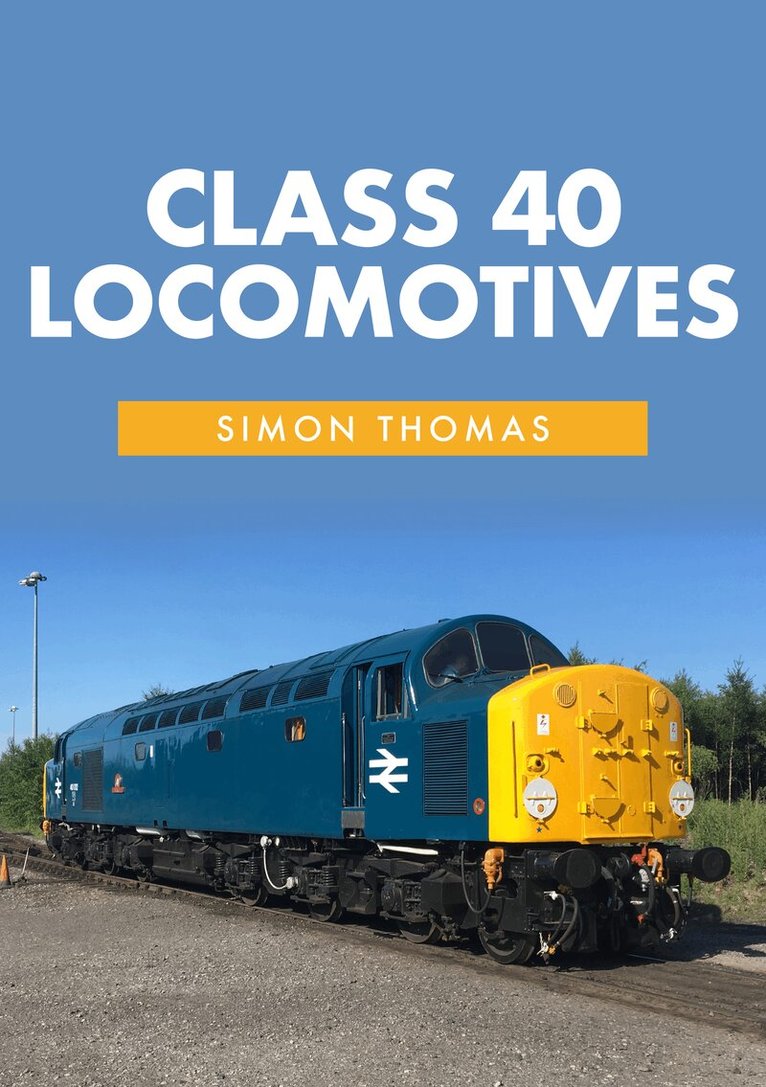
Mainly covering the mid-1960s to the mid-1980s, this collection of images offers a fascinating survey of one of the iconic locomotives of twentieth-century Britain: the Class 40. A common sight in Scotland and the north of England in the latter part of the century, the Class 40 continues to capture the imagination of railway enthusiasts everywhere. Used to haul both heavy freight and passenger trains, this book captures a locomotive at the peak of its powers, with previously unpublished images showing Class 40s both at work and rest.The vast majority of the photographs in this book were taken by the late Keith Holt. He was brought up in West Yorkshire and, like many youngsters at that time, developed an interest in railways as he cycled around the West Riding to visit places of interest. He always took photographs, including many of the iconic Class 40 locomotives. This book serves as a fitting tribute to his longstanding interest in the railways, and reflects the varied work carried out by the Class 40.
168 kr
Skickas inom 11-20 vardagar
This class of AC electric locomotive comprised 100 members, built from 1965 onwards. The first forty locos were built by British Rail at their Doncaster Works, and the other sixty were built by English Electric at their Vulcan Works.They were built for West Coast services, which had been electrified from London, and would eventually run all the way to Glasgow. They were delivered in Electric Blue livery, complete with cast lion and wheel. They were originally known as the AL6 Class but, under TOPS, became the Class 86s. They were originally numbered in the Class 86/0 series and the Class 86/2 number series, with the 86/2s used on passenger workings due to them being fitted with improved suspension, allowing them to run at 100 mph. Three of the Class 86/2s were used as test beds for the Class 87 development, being fitted with different bogies and becoming the Class 86/1 series. The class has also found passenger workings on the Great Eastern route from London to Norwich, eventually being replaced by Class 90s. They have also been useful engines on freight workings, with quite a few still in use with Freightliner.Compiled with attention to detail and enthusiasm, Class 86 Locomotives tells the story of these locos in a comprehensive collection of photographs and annotation.
168 kr
Skickas
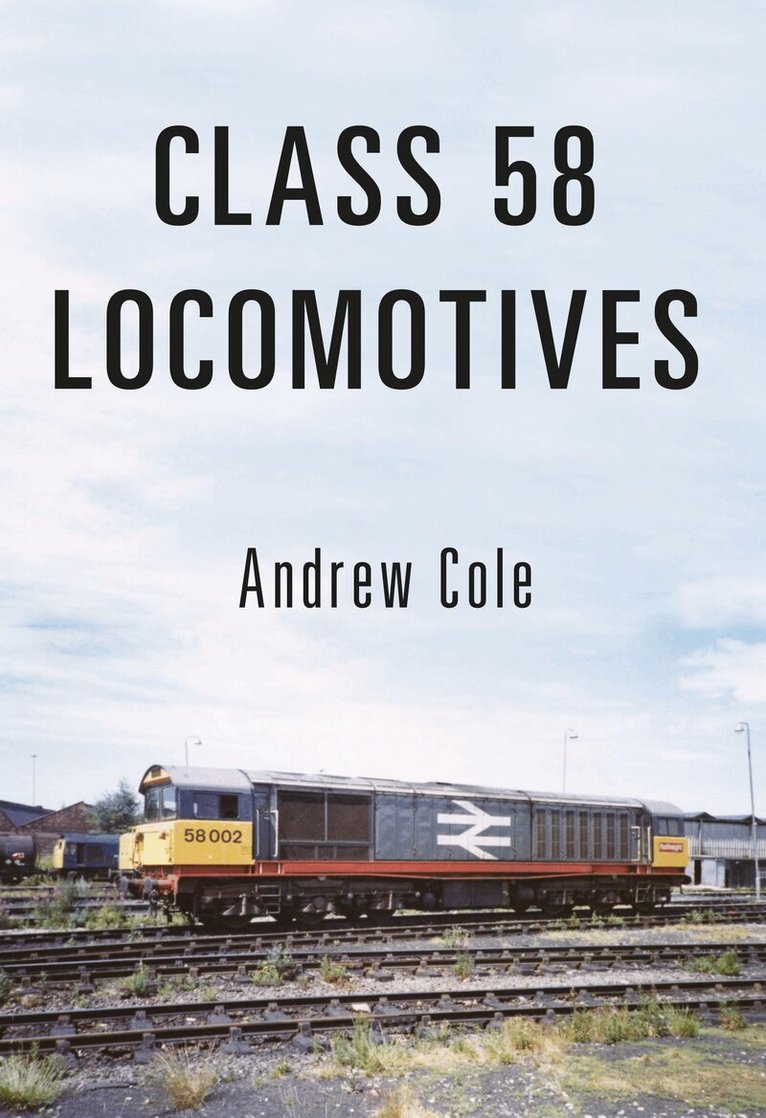
The Class 58s were introduced in 1983, and were a significant departure from normal build standards. The fifty members were built by BREL at Doncaster Works, and were built to a modular design: BR had one eye on the export market with this class of loco.They were fitted with a Ruston Paxman 12RK3ACT prime mover, which proved very suitable for their main use on merry-go-round coal traffic. The only problem the class encountered was with wheelslip. No. 58050 was to become the last locomotive to be built at Doncaster, as no export orders were received for the class. All fifty of the class passed to mainline, and a few members received the blue livery before passing to EWS.This was a class of loco that was withdrawn from service in the UK far too early, as the Canadian-built Class 66s replaced them. Only one member has been physically preserved, but in this book Andrew Cole pays tribute to the whole class with an array of period photographs and technically detailed captions.
168 kr
Skickas inom 11-20 vardagar
When British Rail decided to electrify the West Coast Main Line north of Crewe towards Scotland, a new class of electric locomotive was needed to work these services. Thirty-six members of Class 87 were built at Crewe Works from 1973 onwards and were an instant success. The first thirty-five members were standard locomotives; however, the final member was fitted with an experimental thyristor control system and was reclassified as Class 87/1. All thirty-six members of the class received names and were a regular sight on the West Coast for decades.All were initially used on passenger work, but they could also be found on freight workings, being fitted with multiple working equipment from new. The whole class stayed on West Coast workings throughout the BR era and into privatisation, with all members, except for No. 87101, passing to Virgin Trains. The sole Class 87/1 passed to the Railfreight sector of BR and would eventually find its way into EWS ownership; it was scrapped in 2002.When their work on the West Coast was at an end, twenty-one members of the class found further use in Bulgaria and three would be preserved, with the remainder being scrapped.