Classics in Southeastern Archaeology – serie
Visar alla böcker i serien Classics in Southeastern Archaeology. Handla med fri frakt och snabb leverans.
20 produkter
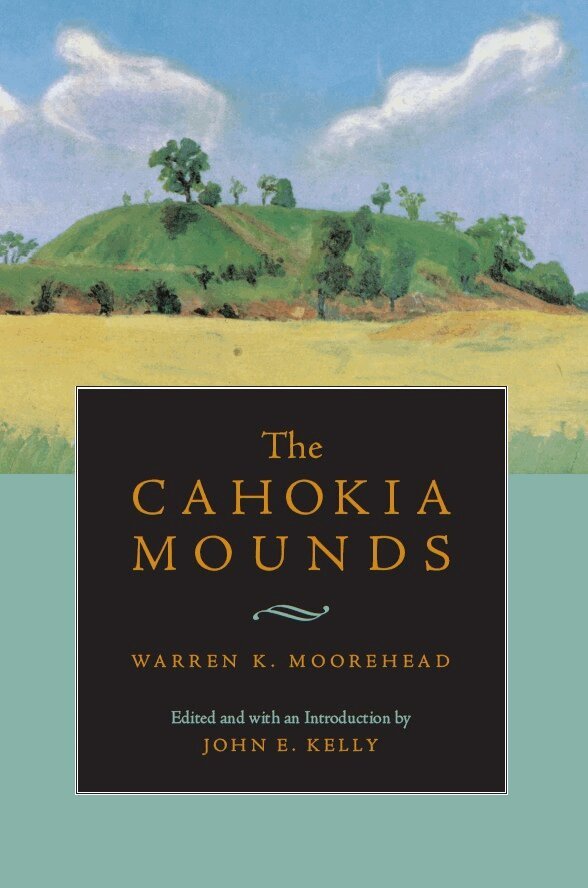
Cahokia Mounds
Av Warren King Moorehead, John E. Kelly m. fl.
Häftad, 2000
455 kr
Lägg i varukorg
This is a report of archaeological investigations conducted at Cahokia from 1921 to 1927 by Warren Moorehead, who confirmed that the mounds were built by indigenous people and who worked to assure preservation of the site. It includes his 1929 report along with portions of two preliminary reports.
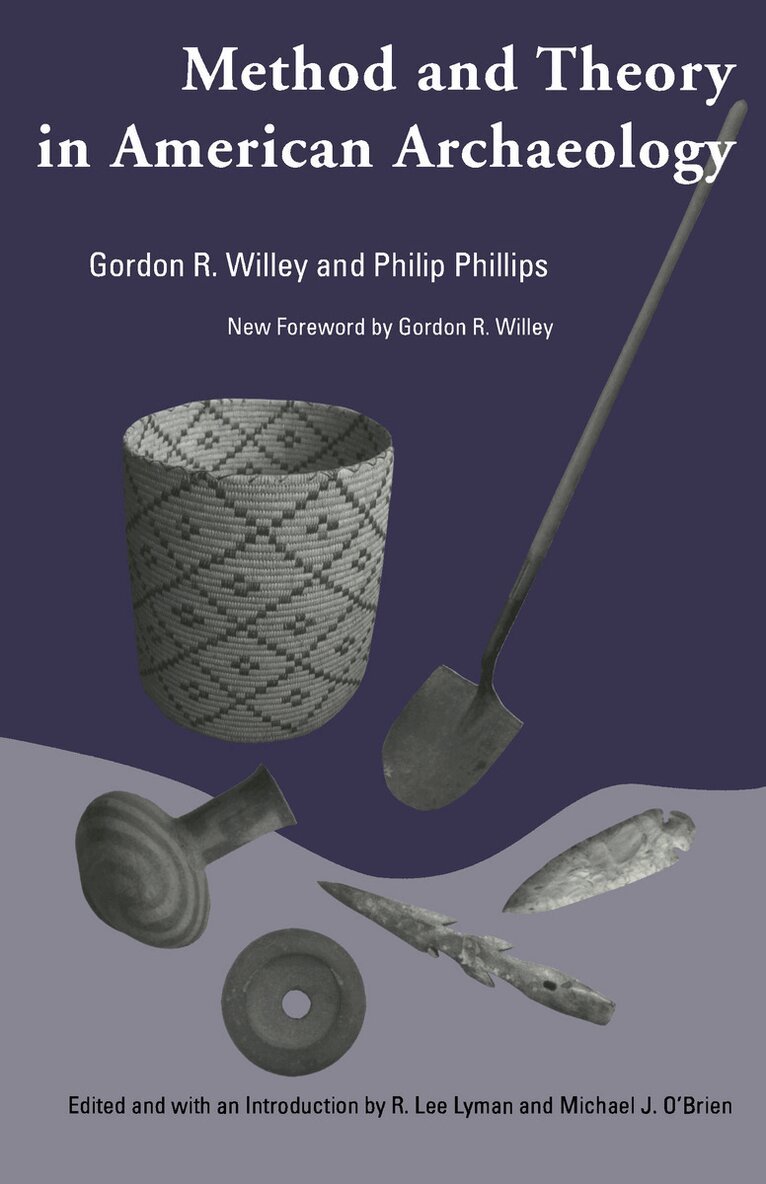
Method and Theory in American Archaeology
Av Gordon R. Willey, Philip Phillips m. fl.
Häftad, 2001
455 kr
Lägg i varukorg
In 1958 Gordon R. Willey and Philip Phillips first published Method and Theory in American Archaeology - a volume that went through five printings, the last in 1967 at the height of what became known as the new, or processual, archaeology. The advent of processual archaeology, according to Willey …
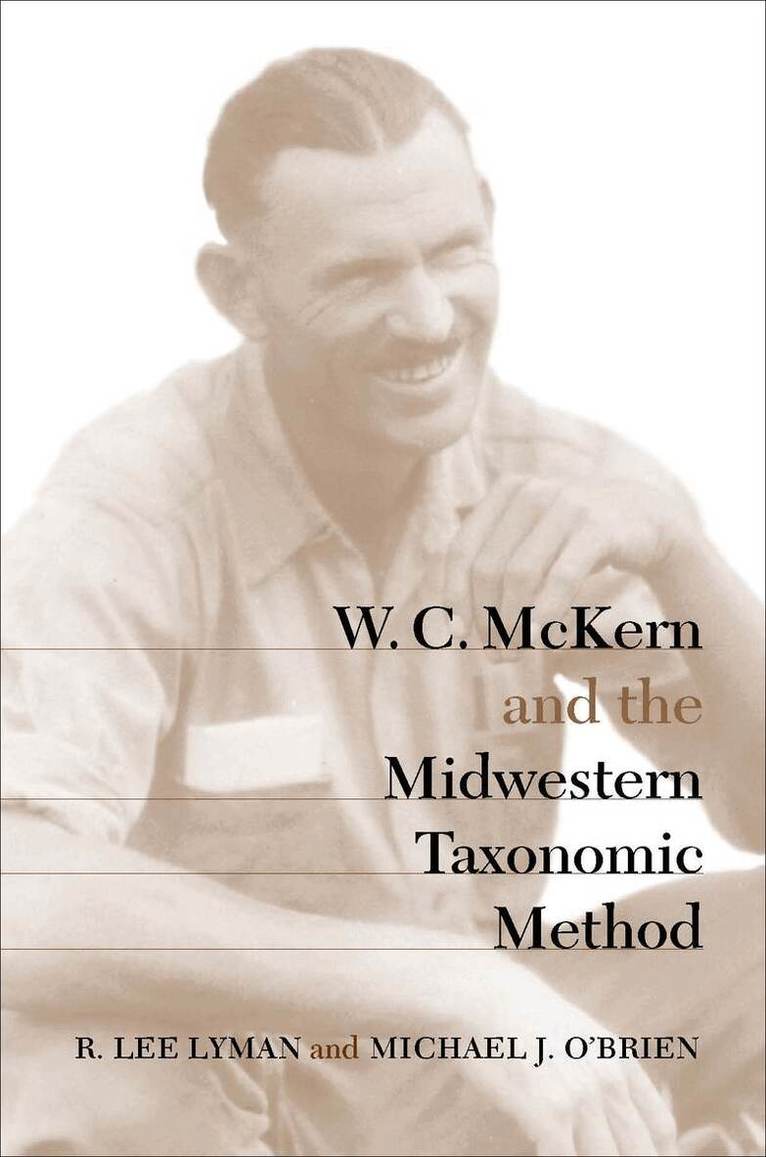
W.C.McKern and the Midwestern Taxonomic Method
Av R. Lee Lyman, Michael J. O'Brien m. fl.
Häftad, 2002
455 kr
Lägg i varukorg
This volume explains the deep influence of biological methods and theories on the practice of Americanist archaeology by exploring W.C. McKern's use of Linnaean taxonomy as the model for development of a pottery classification system.
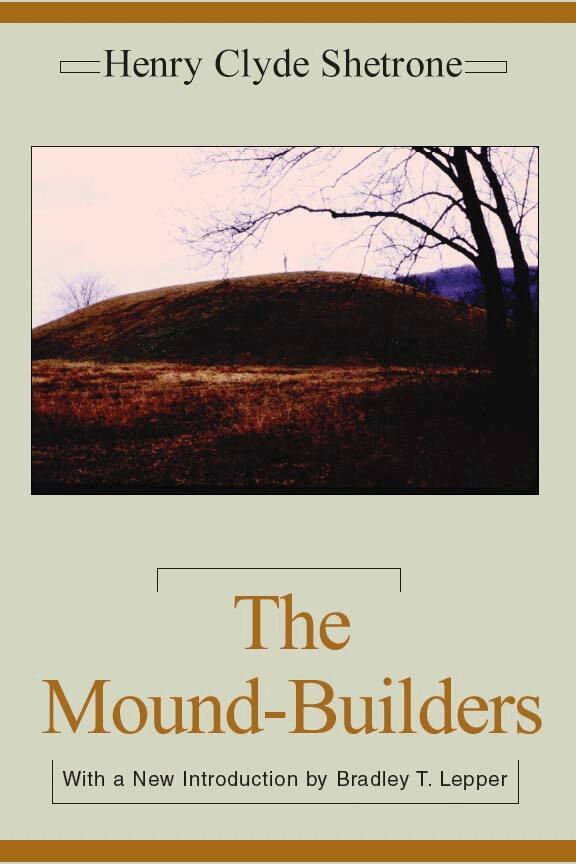
Mound-Builders
Häftad, 2004
513 kr
Lägg i varukorg
With this accessible volume, Henry Clyde Shetrone made available to general readers the archaeological research data and conclusions concerning the ancient mounds and earthworks that dot the landscape of eastern North America. Dismissing popularly held theories of mysterious giants who built these …
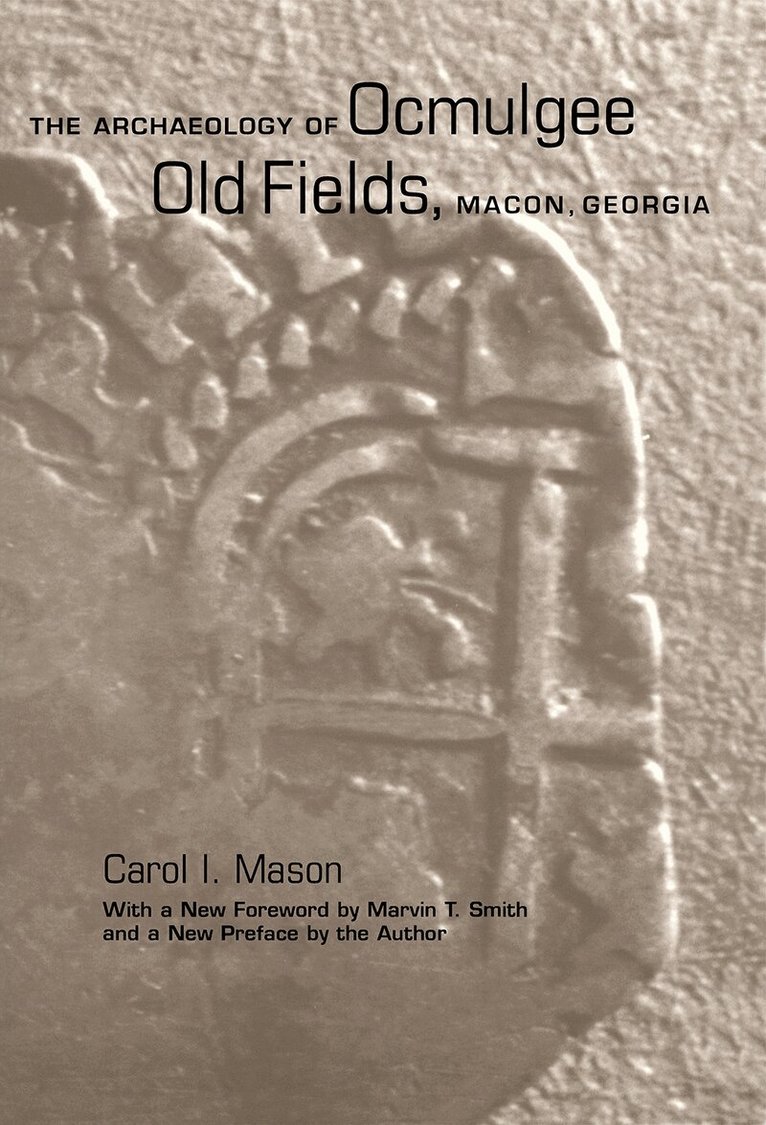
Archaeology of Ocmulgee Old Fields, Macon, Georgia
Häftad, 2005
340 kr
Lägg i varukorg
Ocmulgee Old Fields near Macon, Georgia, is the site of a Lower Creek village and associated English trading house dating from the late 17th and early 18th centuries. It was excavated in the early 1930s as part of a WPA project directed by A. R. Kelly, which focused primarily on the major …
Moundville Expeditions
Häftad, 1996
455 kr
Tillfälligt slut
The two works included in this volume represent the pinacle of the career of Clarence Bloomfield Moore. It includes ""Certain Aboriginal Remains of the Black Warrior River"" (1905) and ""Moundville Revisited"" (1907), which brought the Moundville site in Alabama to the attention of the scholarly …
Georgia and South Carolina Expeditions of Clarence Bloomfield Moore
Av Clarence Bloomfield Moore, Lewis Larson
Häftad, 1998
513 kr
Tillfälligt slut
This is a collection of Clarence Bloomfield Moore's investigations along the coastal and river drainages of Georgia and South Carolina. Also included is a discussion of Moore's investigations within the framework of the current understanding of the area's coastal archaeological chronology.
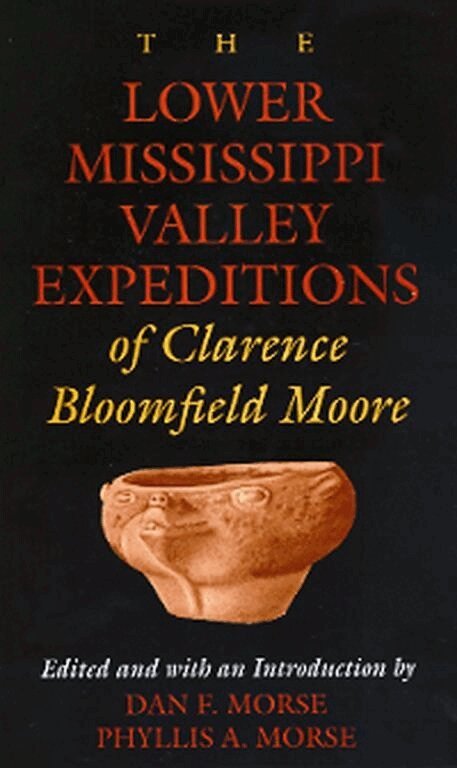
Lower Mississippi Valley Expeditions of Clarence Bloomfield Moore
Av Clarence Bloomfield Moore, Dan F. Morse m. fl.
Häftad, 1998
672 kr
Tillfälligt slut
Clarence Bloomfield Moore, a Victorian natural scientist and adventurer, spent 25 years documenting archaeological sites along the waterways in the southeastern United States. This volume is a collection of works that describe data from Moore's investigations of the Lower Mississippi Valley.
East Florida Expeditions of Clarence Bloomfield Moore
Av Clarence Bloomfield Moore, Jeffrey M. Mitchem
Häftad, 1999
556 kr
Tillfälligt slut
This compilation of Clarence Bloomfield Moore's publications on East Florida provides all of his archaeological data on the region's mounds and prehistoric canals in a single volume. The author describes and analyzes Moore's work in East Florida, summarizing the sites Moore investigated.
West and Central Florida Expeditions of Clarence Bloomfield Moore
Av Clarence Bloomfield Moore, Jeffrey M. Mitchem
Häftad, 1999
556 kr
Tillfälligt slut
This compilation of Clarence Bloomfield Moore's publications on western and central Florida provides all of his archaeological data on the region's mounds and prehistoric canals in a single volume.
Measuring the Flow of Time
The Works of James a.Ford, 1935-41
Av James A. Ford, R Lee Lyman m. fl.
Häftad, 1999
513 kr
Tillfälligt slut
James Ford devoted his life to establishing a chronology for prehistory based on ceramic types. This volume traces the development of culture history in American archaeology by providing a single reference for all Ford's writing on chronology.
Northwest Florida Expeditions of Clarence Bloomfield Moore
Av Nancy Marie White, David S. Brose m. fl.
Häftad, 1999
750 kr
Tillfälligt slut
This compilation of Moore's archaeological reports on northwest Florida and southern Alabama and Georgia. His expeditions from 1901 to 1918 shed light on 2000 years of indigenous peoples. The editors' introduction contextualizes the investigations in the science and natural history of his day.
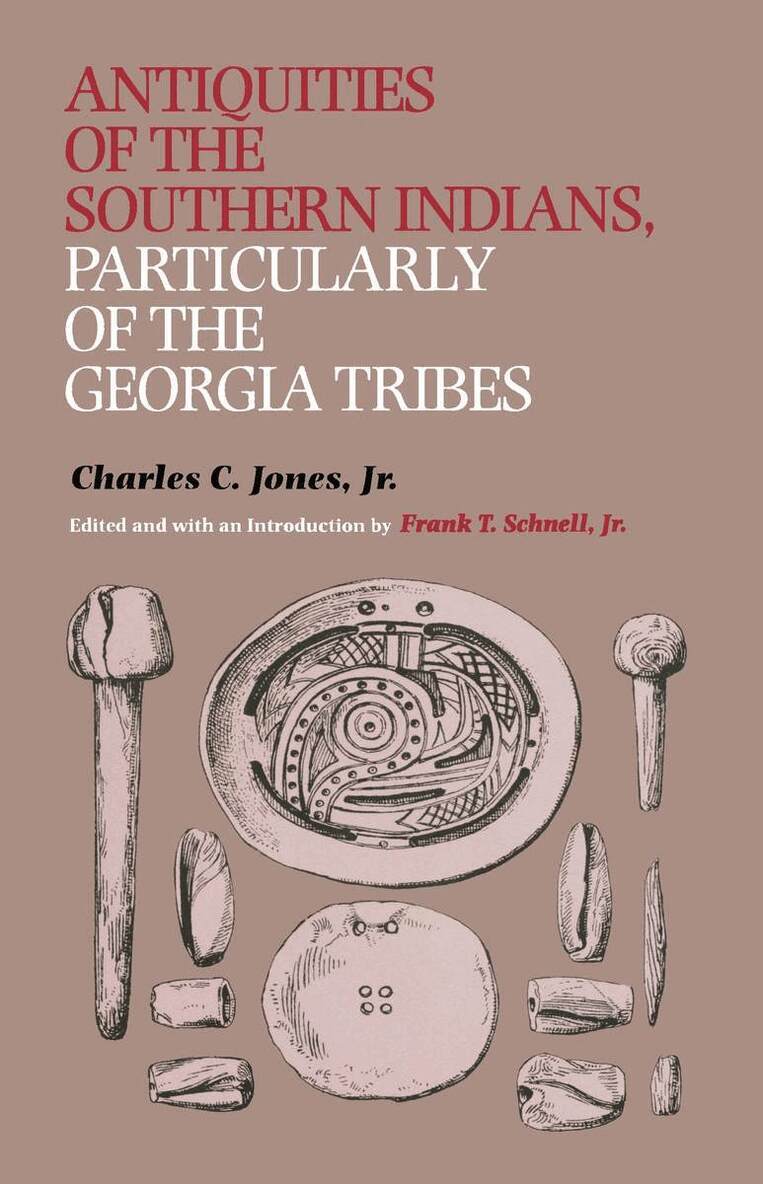
Antiquities of the Southern Indians, Particularly of the Georgia Tribes
Av Charles C. Jones, Frank T. Schnell m. fl.
Häftad, 1999
513 kr
Tillfälligt slut
First published in 1873, this work proposed a link between the Native Americans of the 1800s and the prehistoric peoples who had created the Southeast's large earthen mounds. For this reissue a new introduction places Jones's work in the context of its time, and relates it to current research.
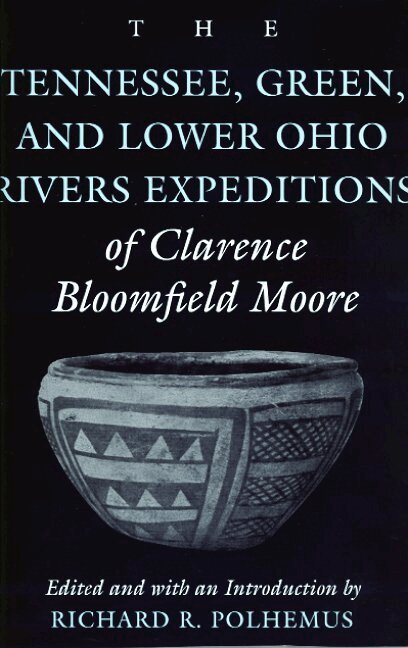
Tennessee, Green and Lower Ohio Rivers Expeditions of Clarence Bloomfield Moore
Av Clarence Bloomfield Moore, Richard R. Polhemus
Häftad, 2002
672 kr
Tillfälligt slut
This oversized reprint volume presents original materials from Moore's northernmost expeditions conducted in the early 1900s as he surveyed areas of potential archaeological interest in the southeastern United States. Some of the sites he found were later targeted for major excavations during the …
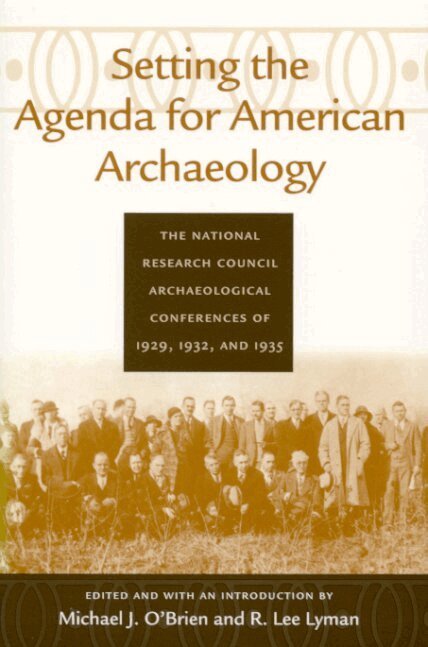
Setting the Agenda for American Archaeology
The National Research Council Archaeological Conferences of 1929, 1932 and 1935
Av Michael J. O'Brien, R. Lee Lyman m. fl.
Häftad, 2001
513 kr
Tillfälligt slut
In the 1920s and 1930s, the fascination that Americans had for the continent's prehistoric past was leading to a widespread and general destruction of archaeological evidence. In a drive toward the commercialization of antiquities, amateur collectors and ""pot hunters"" pillaged premier and …
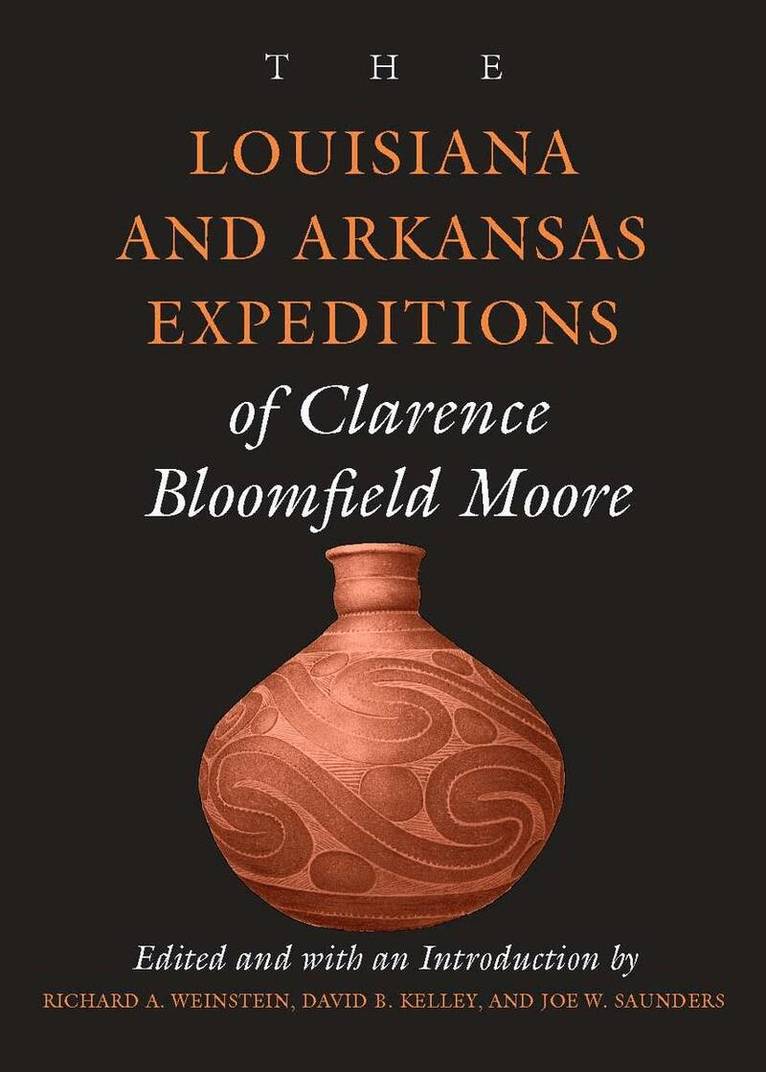
Louisiana and Arkansas Expeditions of Clarence Bloomfield Moore
Av Joe W. Saunders, Richard A. Weinstein m. fl.
2004
1099 kr
Tillfälligt slut
Clarence B. Moore (1852-1936) made the archaeology of the Southeast his passion. This volume includes Moore's investigations along waterways of Arkansas and Louisiana - the Ouachita, Red, Saline, Black, Tensas, and Atchafalaya Rivers - in three complete field sessions ending in 1909, 1912, and 1913
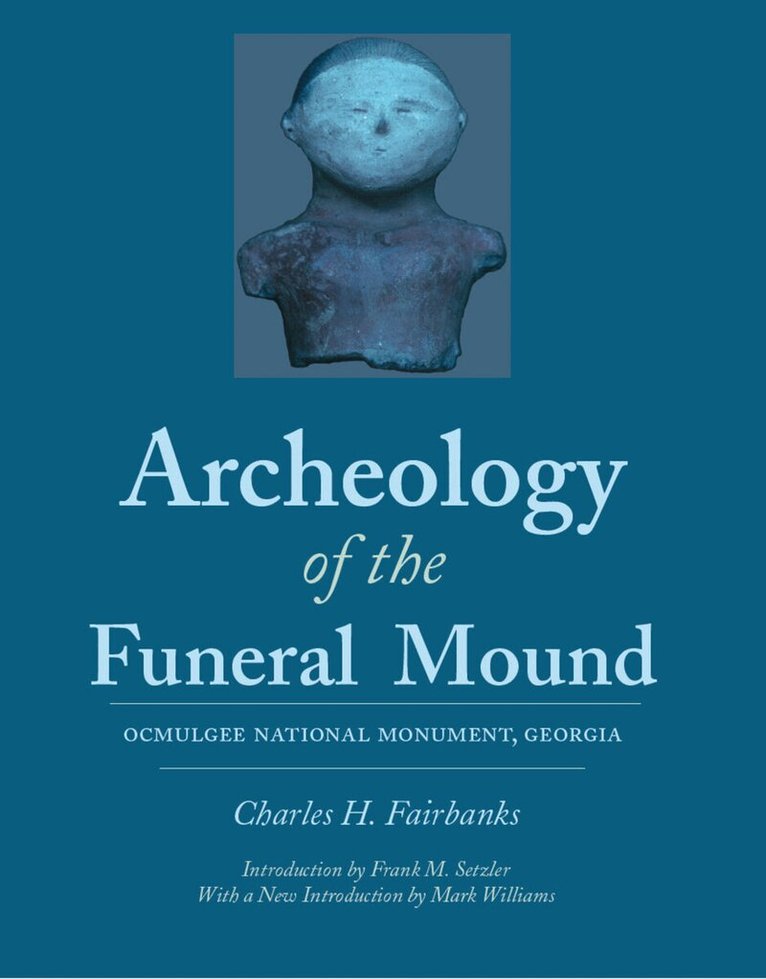
Archeology of the Funeral Mound
Ocmulgee National Monument, Georgia
Inbunden, 2003
556 kr
Tillfälligt slut
The largest prehistoric mound site in Georgia is located in modern-day Macon and is known as Ocmulgee. It was first recorded in August 1739 by General James Oglethorpe's rangers during an expedition to the territory of the Lower Creeks. The botanist William Bartram wrote extensively of the ecology …
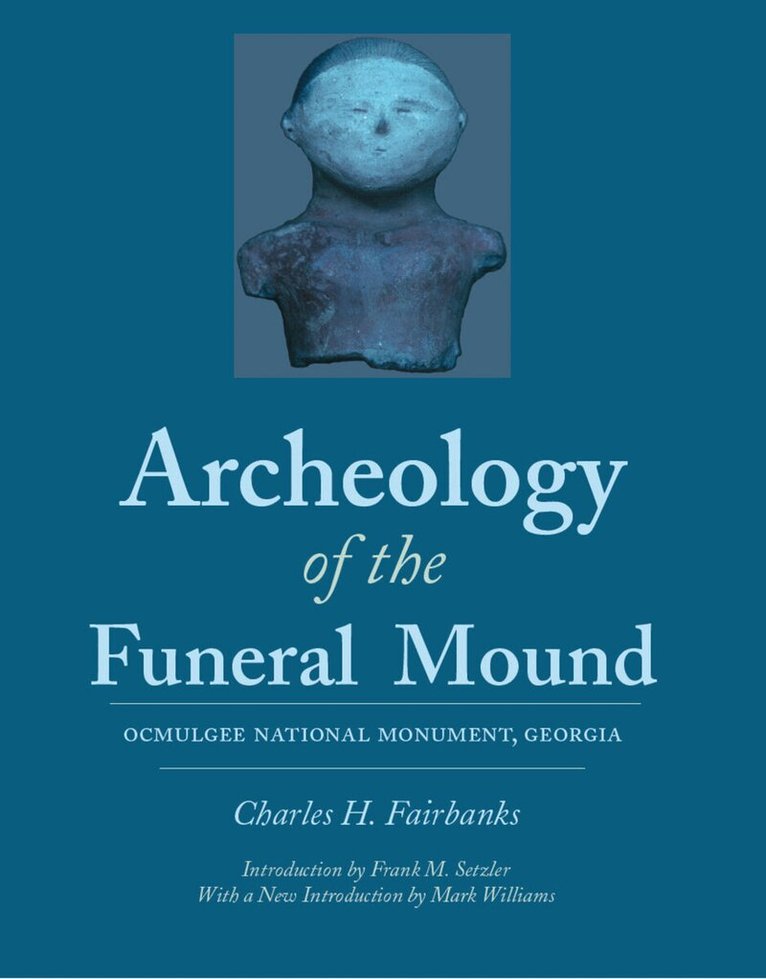
Archeology of the Funeral Mound
Ocmulgee National Monument, Georgia
Häftad, 2003
224 kr
Tillfälligt slut
The largest prehistoric mound site in Georgia is located in modern-day Macon and is known as Ocmulgee. It was first recorded in August 1739 by General James Oglethorpe's rangers during an expedition to the territory of the Lower Creeks. The botanist William Bartram wrote extensively of the ecology …
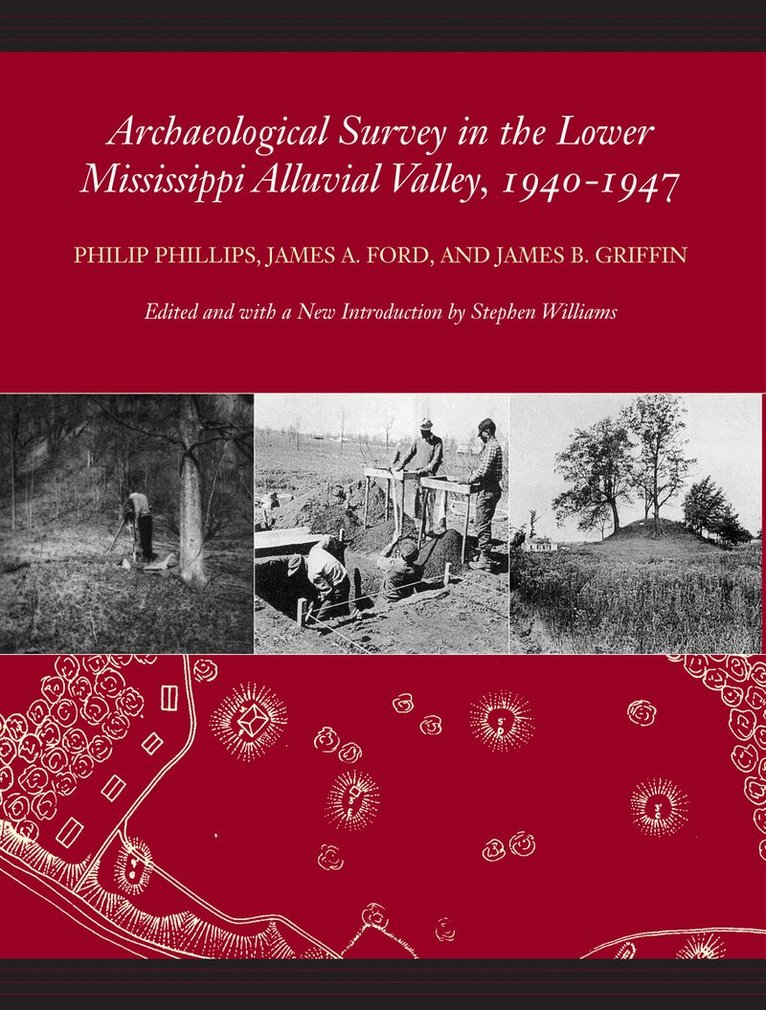
Archaeological Survey in the Lower Mississippi Alluvial Valley, 1940-1947
Av Philip Phillips, James A. Ford m. fl.
2003
690 kr
Tillfälligt slut
The Lower Mississippi Survey was initiated in 1939 as a joint undertaking of three institutions: the School of Geology at Louisiana State University, the Museum of Anthropology at the University of Michigan, and the Peabody Museum at Harvard. Fieldwork began in 1940 but was halted during the war …
Anthropology of Florida
Häftad, 2007
397 kr
Tillfälligt slut
This volume, originally published in 1922, constitutes the most complete summary of anthropological information on Florida up until that point. Not only does it consider all previous research on Florida archaeology, physical anthropology, and aboriginal history, it also contains Hrdlicka's analysis …