Climate Change – serie
Visar alla böcker i serien Climate Change. Handla med fri frakt och snabb leverans.
95 produkter
95 produkter
Häftad, Engelska, 2022
660 kr
Skickas
As of 2021, atmospheric carbon dioxide levels have reached historically unprecedented levels, higher than at any time in the past 800,000 years. Worldwide efforts to reduce emissions by creating a more efficient, carbon-free energy system may not be enough to stabilize the climate and avoid the worst impacts of climate change. Carbon dioxide removal (CDR) strategies, which remove and sequester carbon from the atmosphere, likely will be needed to meet global climate goals. The ocean, covering 70% of the Earth's surface, includes much of the global capacity for natural carbon sequestration; the ocean also holds great potential for uptake and longerterm sequestration of human-produced CO2.This report builds on previous work from the National Academies to assess what is currently known about the benefits, risks, and potential for responsible scale-up of six specific ocean-based CDR strategies as identified by the sponsor, ClimateWorks Foundation. It describes the research needed to advance understanding of those approaches and address knowledge gaps. The resulting research agenda is meant to provide an improved and unbiased knowledge base for the public, stakeholders, and policymakers to make informed decisions on the next steps for ocean CDR, as part of a larger climate mitigation strategy; it is not meant to lock in or advocate for any particular approach.
Häftad, Engelska, 2010
580 kr
Skickas
The world's nations are moving toward agreements that will bind us together in an effort to limit future greenhouse gas emissions. With such agreements will come the need for all nations to make accurate estimates of greenhouse gas emissions and to monitor changes over time. In this context, the present book focuses on the greenhouse gases that result from human activities, have long lifetimes in the atmosphere and thus will change global climate for decades to millennia or more, and are currently included in international agreements. The book devotes considerably more space to CO2 than to the other gases because CO2 is the largest single contributor to global climate change and is thus the focus of many mitigation efforts. Only data in the public domain were considered because public access and transparency are necessary to build trust in a climate treaty. The book concludes that each country could estimate fossil-fuel CO2 emissions accurately enough to support monitoring of a climate treaty. However, current methods are not sufficiently accurate to check these self-reported estimates against independent data or to estimate other greenhouse gas emissions.Strategic investments would, within 5 years, improve reporting of emissions by countries and yield a useful capability for independent verification of greenhouse gas emissions reported by countries.
Häftad, Engelska, 2010
568 kr
Skickas
The stresses associated with climate change are expected to be felt keenly as human population grows to a projected 9 billion by the middle of this century, increasing the demand for resources and supporting infrastructure. Therefore, information to assess vulnerabilities to climate change is needed to support policies and investments designed to increase resilience in human and Earth systems. There are currently many observing systems that capture elements of how climate is changing, for example, direct measurements of atmospheric and ocean temperature. Although those measurements are essential for understanding the scale and nature of climate change, they do not necessarily provide information about the impacts of climate change on humans that are especially relevant for political and economic planning and decision making. Monitoring Climate Change Impacts tackles the challenge of developing an illustrative suite of indicators, measurements (and the locations around the globe where the measurements can be applied), and metrics that are important for understanding global climate change and providing insight into environmental sustainability.Eight panels provided input on: cryosphere, land-surface and terrestrial ecosystems, hydrology and water resources, atmosphere, human health and other dimensions, oceans (both physical and biological/chemical), and natural disasters. The book also provides an illustrative set of metrics that are likely to be affected by climate change over the next 20-25 years and, when taken together, can potentially give advance warning of climate-related changes to the human and environment systems.
Häftad, Engelska, 2014
424 kr
Skickas
Understanding the Connections Between Coastal Waters and Ocean Ecosystem Services and Human Health discusses the connection of ecosystem services and human health. This report looks at the state of the science of the role of oceans in ensuring human health and identifies gaps and opportunities for future research. The report summarizes a workshop convened by the Institute of Medicine's Roundtable on Environmental Health Sciences, Research, and Medicine. Participants discussed coastal waters and ocean ecosystem services in the United States in an effort to understand impacts on human health. Understanding the Connections Between Coastal Waters and Ocean Ecosystem Services and Human Health focuses on key linkages by discussing the ecosystem services provided by coastal waterways and oceans that are essential for human health and well-being; examining the major stressors that affect the ability of coastal waterways and ocean systems to provide essential services; and considering key factors that can enhance the resiliency of these systems.
Häftad, Engelska, 2014
579 kr
Skickas inom 3-6 vardagar
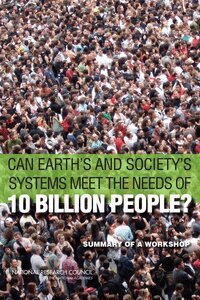
The Earth's population, currently 7.2 billion, is expected to rise at a rapid rate over the next 40 years. Current projections state that the Earth will need to support 9.6 billion people by the year 2050, a figure that climbs to nearly 11 billion by the year 2100. At the same time, most people envision a future Earth with a greater average standard of living than we currently have - and, as a result, greater consumption of our planetary resources. How do we prepare our planet for a future population of 10 billion? How can this population growth be achieved in a manner that is sustainable from an economic, social, and environmental perspective? Can Earth's and Society's Systems Meet the Needs of 10 Billion People? is the summary of a multi-disciplinary workshop convened by the National Academies in October 2013 to explore how to increase the world's population to 10 billion in a sustainable way while simultaneously increasing the well-being and standard of living for that population.This report examines key issues in the science of sustainability that are related to overall human population size, population growth, aging populations, migration toward cities, differential consumption, and land use change, by different subpopulations, as viewed through the lenses of both social and natural science.
Häftad, Engelska, 2015
703 kr
Skickas
How we produce and consume food has a bigger impact on Americans' well-being than any other human activity. The food industry is the largest sector of our economy; food touches everything from our health to the environment, climate change, economic inequality, and the federal budget. From the earliest developments of agriculture, a major goal has been to attain sufficient foods that provide the energy and the nutrients needed for a healthy, active life. Over time, food production, processing, marketing, and consumption have evolved and become highly complex. The challenges of improving the food system in the 21st century will require systemic approaches that take full account of social, economic, ecological, and evolutionary factors. Policy or business interventions involving a segment of the food system often have consequences beyond the original issue the intervention was meant to address. A Framework for Assessing Effects of the Food System develops an analytical framework for assessing effects associated with the ways in which food is grown, processed, distributed, marketed, retailed, and consumed in the United States.The framework will allow users to recognize effects across the full food system, consider all domains and dimensions of effects, account for systems dynamics and complexities, and choose appropriate methods for analysis. This report provides example applications of the framework based on complex questions that are currently under debate: consumption of a healthy and safe diet, food security, animal welfare, and preserving the environment and its resources. A Framework for Assessing Effects of the Food System describes the U.S. food system and provides a brief history of its evolution into the current system. This report identifies some of the real and potential implications of the current system in terms of its health, environmental, and socioeconomic effects along with a sense for the complexities of the system, potential metrics, and some of the data needs that are required to assess the effects. The overview of the food system and the framework described in this report will be an essential resource for decision makers, researchers, and others to examine the possible impacts of alternative policies or agricultural or food processing practices.
Häftad, Engelska, 2015
522 kr
Skickas
In the past few years, interest in plug-in electric vehicles (PEVs) has grown. Advances in battery and other technologies, new federal standards for carbon-dioxide emissions and fuel economy, state zero-emission-vehicle requirements, and the current administration's goal of putting millions of alternative-fuel vehicles on the road have all highlighted PEVs as a transportation alternative. Consumers are also beginning to recognize the advantages of PEVs over conventional vehicles, such as lower operating costs, smoother operation, and better acceleration; the ability to fuel up at home; and zero tailpipe emissions when the vehicle operates solely on its battery. There are, however, barriers to PEV deployment, including the vehicle cost, the short all-electric driving range, the long battery charging time, uncertainties about battery life, the few choices of vehicle models, and the need for a charging infrastructure to support PEVs. What should industry do to improve the performance of PEVs and make them more attractive to consumers?At the request of Congress, Overcoming Barriers to Deployment of Plug-in Electric Vehicles identifies barriers to the introduction of electric vehicles and recommends ways to mitigate these barriers. This report examines the characteristics and capabilities of electric vehicle technologies, such as cost, performance, range, safety, and durability, and assesses how these factors might create barriers to widespread deployment. Overcoming Barriers to Deployment of Plug-in Electric Vehicles provides an overview of the current status of PEVs and makes recommendations to spur the industry and increase the attractiveness of this promising technology for consumers. Through consideration of consumer behaviors, tax incentives, business models, incentive programs, and infrastructure needs, this book studies the state of the industry and makes recommendations to further its development and acceptance.
Häftad, Engelska, 2015
1 083 kr
Skickas
The light-duty vehicle fleet is expected to undergo substantial technological changes over the next several decades. New powertrain designs, alternative fuels, advanced materials and significant changes to the vehicle body are being driven by increasingly stringent fuel economy and greenhouse gas emission standards. By the end of the next decade, cars and light-duty trucks will be more fuel efficient, weigh less, emit less air pollutants, have more safety features, and will be more expensive to purchase relative to current vehicles. Though the gasoline-powered spark ignition engine will continue to be the dominant powertrain configuration even through 2030, such vehicles will be equipped with advanced technologies, materials, electronics and controls, and aerodynamics. And by 2030, the deployment of alternative methods to propel and fuel vehicles and alternative modes of transportation, including autonomous vehicles, will be well underway. What are these new technologies - how will they work, and will some technologies be more effective than others?Written to inform The United States Department of Transportation's National Highway Traffic Safety Administration (NHTSA) and Environmental Protection Agency (EPA) Corporate Average Fuel Economy (CAFE) and greenhouse gas (GHG) emission standards, this new report from the National Research Council is a technical evaluation of costs, benefits, and implementation issues of fuel reduction technologies for next-generation light-duty vehicles. Cost, Effectiveness, and Deployment of Fuel Economy Technologies for Light-Duty Vehicles estimates the cost, potential efficiency improvements, and barriers to commercial deployment of technologies that might be employed from 2020 to 2030. This report describes these promising technologies and makes recommendations for their inclusion on the list of technologies applicable for the 2017-2025 CAFE standards.
Häftad, Engelska, 2016
618 kr
Skickas inom 3-6 vardagar
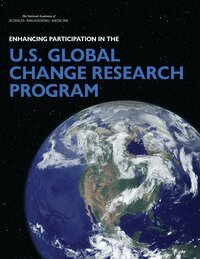
The Update to the Strategic Plan (USP) is a supplement to the Ten-Year Strategic Plan of the U.S. Global Change Research Program (USGCRP) completed in 2012. The Strategic Plan sets out a research program guiding thirteen federal agencies in accord with the Global Change Research Act of 1990. This report reviews whether USGCRPa (TM)s efforts to achieve its goals and objectives, as documented in the USP, are adequate and responsive to the Nationa (TM)s needs, whether the priorities for continued or increased emphasis are appropriate, and if the written document communicates effectively, all within a context of the history and trajectory of the Program.
Häftad, Engelska, 2016
694 kr
Skickas inom 3-6 vardagar
In 1999 the National Academies of Sciences, Engineering, and Medicine released a landmark report, Our Common Journey: A Transition toward Sustainability, which attempted to a /reinvigorate the essential strategic connections between scientific research, technological development, and societiesa (TM) efforts to achieve environmentally sustainable improvements in human well-being.a 1 The report emphasized the need for place-based and systems approaches to sustainability, proposed a research strategy for using scientific and technical knowledge to better inform the field, and highlighted a number of priorities for actions that could contribute to a sustainable future. The past 15 years have brought significant advances in observational and predictive capabilities for a range of natural and social systems, as well as development of other tools and approaches useful for sustainability planning. In addition, other frameworks for environmental decision making, such as those that focus on climate adaptation or resilience, have become increasingly prominent.A careful consideration of how these other approaches might intersect with sustainability is warranted, particularly in that they may affect similar resources or rely on similar underlying scientific data and models. a .. To further the discussion on these outstanding issues, the National Academies of Sciences, Engineering, and Medicine convened a workshop on January 14a "15, 2016. Participants discussed progress in sustainability science during the last 15 years, potential opportunities for advancing the research and use of scientific knowledge to support a transition toward sustainability, and challenges specifically related to establishing indicators and observations to support sustainability research and practice. This report summarizes the presentations and discussions from the workshop.
Häftad, Engelska, 2016
682 kr
Skickas inom 3-6 vardagar
The U.S. Global Change Research Program (USGCRP) was established in 1990 to a /assist the Nation and the world to understand, assess, predict, and respond to human-induced and natural processes of global change.a 1 A key responsibility for the program is to conduct National Climate Assessments (NCAs) every 4 years.2 These assessments are intended to inform the nation about a /observed changes in climate, the current status of the climate, and anticipated trends for the future.a The USGCRP hopes that government entities from federal agencies to small municipalities, citizens, communities, and businesses will rely on these assessments of climate- related risks for planning and decision-making. The third NCA (NCA3) was published in 2014 and work on the fourth is beginning. The USGCRP asked the Board on Environmental Change and Society of the National Academies of Sciences, Engineering, and Medicine to conduct a workshop to explore ways to frame the NCA4 and subsequent NCA reports in terms of risks to society.The workshop was intended to collect experienced views on how to characterize and communicate information about climate-related hazards, risks, and opportunities that will support decision makers in their efforts to reduce greenhouse gas emissions, reduce vulnerability to likely changes in climate, and increase resilience to those changes. Characterizing Risk in Climate Change Assessments summarizes the presentations and discussions from the workshop.
Häftad, Engelska, 2017
720 kr
Skickas inom 3-6 vardagar
The U.S. Global Change Research Program (USGCRP) is an interagency program, established by the Global Change Research Act (GCRA) of 1990, mandated by Congress to a /assist the Nation and the world to understand, assess, predict, and respond to human-induced and natural processes of global changea . Since the USGCRP began, scientific understanding of global change has increased and the information needs of the nation have changed dramatically. A better understanding of what is changing and why can help decision makers in the public and private sectors cope with ongoing change. Accomplishments of the U.S. Global Change Research Program highlights the growth of global change science in the quarter century that the USGCRP has been in existence, and documents some of its contributions to that growth through its primary functions of interagency planning and coordination, and of synthesis of research and practice to inform decision making.
Häftad, Engelska, 2022
316 kr
Skickas
An estimated 8 million metric tons (MMT) of plastic waste enters the world's ocean each year - the equivalent of dumping a garbage truck of plastic waste into the ocean every minute. Plastic waste is now found in almost every marine habitat, from the ocean surface to deep sea sediments to the ocean's vast mid-water region, as well as the Great Lakes. This report responds to a request in the bipartisan Save Our Seas 2.0 Act for a scientific synthesis of the role of the United States both in contributing to and responding to global ocean plastic waste.The United States is a major producer of plastics and in 2016, generated more plastic waste by weight and per capita than any other nation. Although the U.S. solid waste management system is advanced, it is not sufficient to deter leakage into the environment. Reckoning with the U.S. Role in Global Ocean Plastic Waste calls for a national strategy by the end of 2022 to reduce the nation's contribution to global ocean plastic waste at every step - from production to its entry into the environment - including by substantially reducing U.S. solid waste generation. This report also recommends a nationally-coordinated and expanded monitoring system to track plastic pollution in order to understand the scales and sources of U.S. plastic waste, set reduction and management priorities, and measure progress.
Häftad, Engelska, 2018
1 530 kr
Skickas
We live on a dynamic Earth shaped by both natural processes and the impacts of humans on their environment. It is in our collective interest to observe and understand our planet, and to predict future behavior to the extent possible, in order to effectively manage resources, successfully respond to threats from natural and human-induced environmental change, and capitalize on the opportunities – social, economic, security, and more – that such knowledge can bring.By continuously monitoring and exploring Earth, developing a deep understanding of its evolving behavior, and characterizing the processes that shape and reshape the environment in which we live, we not only advance knowledge and basic discovery about our planet, but we further develop the foundation upon which benefits to society are built. Thriving on Our Changing Planet presents prioritized science, applications, and observations, along with related strategic and programmatic guidance, to support the U.S. civil space Earth observation program over the coming decade.
Future of Atmospheric Boundary Layer Observing, Understanding, and Modeling
Proceedings of a Workshop
Häftad, Engelska, 2018
592 kr
Skickas inom 3-6 vardagar
Improved observations of the atmospheric boundary layer (BL) and its interactions with the ocean, land, and ice surfaces have great potential to advance science on a number of fronts, from improving forecasts of severe storms and air quality to constraining estimates of trace gas emissions and transport. Understanding the BL is a crucial component of model advancements, and increased societal demands for extended weather impact forecasts (from hours to months and beyond) highlight the need to advance Earth system modeling and prediction. New observing technologies and approaches (including in situ and ground-based, airborne, and satellite remote sensing) have the potential to radically increase the density of observations and allow new types of variables to be measured within the BL, which will have broad scientific and societal benefits.In October 2017, the National Academies of Sciences, Engineering, and Medicine convened a workshop to explore the future of BL observations and their role in improving modeling and forecasting capabilities. Workshop participants discussed the science and applications drivers for BL observation, emerging technology to improve observation capabilities, and strategies for the future. This publication summarizes presentations and discussions from the workshop.
Häftad, Engelska, 2024
351 kr
Skickas
For more than 75 years, high-hazard structures in the U.S., including dams and nuclear power plants, have been engineered to withstand floods resulting from the most unlikely but possible precipitation, termed Probable Maximum Precipitation (PMP). Failure of any one of the more than 16,000 high-hazard dams and 50 nuclear power plants in the United States could result in the loss of life and impose significant economic losses and widespread environmental damage, especially under the pressures of climate change. While PMP estimates have provided useful guidance for designing critical infrastructure, weaknesses in the scientific foundations of PMP, combined with advances in understanding, observing, and modeling extreme storms, call for fundamental changes to the definition of PMP and the methods used to estimate it.Modernizing Probable Maximum Precipitation Estimation recommends a new definition of PMP and presents a vision for a methodology relevant for design, operation, and regulation of critical infrastructure. The new definition targets precipitation depths with an extremely low exceedance probability instead of assuming rainfall is bounded, and considers specified climate periods so that PMP estimates can change as the climate changes. Near-term enhancements to PMP include improved data collection, model-based storm reconstructions, and strengthened scientific grounding for PMP methods. Long-term model-based PMP estimation will employ kilometer-scale climate models capable of resolving PMP storms and producing PMP-magnitude precipitation. A Model Evaluation Project will provide scientific grounding for model-based PMP estimation and determine when transition to a model-based PMP estimation should occur. Scientific and modeling advances along this front will contribute to addressing the societal challenges linked to the changes in extreme storms and precipitation in a warming climate, which are critical steps to ensuring the safety of our infrastructure and society.
Inbunden, Engelska, 2017
216 kr
Skickas
Inbunden, Engelska, 2017
162 kr
Skickas
Häftad, Engelska, 2020
118 kr
Skickas
Häftad, Engelska, 2009
856 kr
Tillfälligt slut
For multi-user PDF licensing, please contact customer service. Energy touches our lives in countless ways and its costs are felt when we fill up at the gas pump, pay our home heating bills, and keep businesses both large and small running. There are long-term costs as well: to the environment, as natural resources are depleted and pollution contributes to global climate change, and to national security and independence, as many of the world's current energy sources are increasingly concentrated in geopolitically unstable regions. The country's challenge is to develop an energy portfolio that addresses these concerns while still providing sufficient, affordable energy reserves for the nation. The United States has enormous resources to put behind solutions to this energy challenge; the dilemma is to identify which solutions are the right ones. Before deciding which energy technologies to develop, and on what timeline, we need to understand them better. America's Energy Future analyzes the potential of a wide range of technologies for generation, distribution, and conservation of energy.This book considers technologies to increase energy efficiency, coal-fired power generation, nuclear power, renewable energy, oil and natural gas, and alternative transportation fuels. It offers a detailed assessment of the associated impacts and projected costs of implementing each technology and categorizes them into three time frames for implementation.
Häftad, Engelska, 2008
904 kr
Tillfälligt slut
Long before the "germ theory" of disease was described, late in the nineteenth century, humans knew that climatic conditions influence the appearance and spread of epidemic diseases. Ancient notions about the effects of weather and climate on disease remain embedded in our collective consciousness-through expressions such as "cold" for rhinovirus infections; "malaria," derived from the Latin for "bad air;" and the common complaint of feeling "under the weather." Today, evidence is mounting that earth's climate is changing at a faster rate than previously appreciated, leading researchers to view the longstanding relationships between climate and disease with new urgency and from a global perspective. On December 4 and 5, 2007, the Forum on Microbial Threats hosted a public workshop in Washington, DC to consider the possible infectious disease impacts of global climate change and extreme weather events on human, animal, and plant health, as well as their expected implications for global and national security.
Häftad, Engelska, 2011
271 kr
Tillfälligt slut
Climate change is occurring. It is very likely caused by the emission of greenhouse gases from human activities, and poses significant risks for a range of human and natural systems. And these emissions continue to increase, which will result in further change and greater risks. America's Climate Choices makes the case that the environmental, economic, and humanitarian risks posed by climate change indicate a pressing need for substantial action now to limit the magnitude of climate change and to prepare for adapting to its impacts. Although there is some uncertainty about future risk, acting now will reduce the risks posed by climate change and the pressure to make larger, more rapid, and potentially more expensive reductions later. Most actions taken to reduce vulnerability to climate change impacts are common sense investments that will offer protection against natural climate variations and extreme events. In addition, crucial investment decisions made now about equipment and infrastructure can "lock in" commitments to greenhouse gas emissions for decades to come.Finally, while it may be possible to scale back or reverse many responses to climate change, it is difficult or impossible to "undo" climate change, once manifested. Current efforts of local, state, and private-sector actors are important, but not likely to yield progress comparable to what could be achieved with the addition of strong federal policies that establish coherent national goals and incentives, and that promote strong U.S. engagement in international-level response efforts. The inherent complexities and uncertainties of climate change are best met by applying an iterative risk management framework and making efforts to significantly reduce greenhouse gas emissions; prepare for adapting to impacts; invest in scientific research, technology development, and information systems; and facilitate engagement between scientific and technical experts and the many types of stakeholders making America's climate choices.
Häftad, Engelska, 2010
660 kr
Tillfälligt slut
Climate change is occurring, is caused largely by human activities, and poses significant risks for--and in many cases is already affecting--a broad range of human and natural systems. The compelling case for these conclusions is provided in Advancing the Science of Climate Change, part of a congressionally requested suite of studies known as America's Climate Choices. While noting that there is always more to learn and that the scientific process is never closed, the book shows that hypotheses about climate change are supported by multiple lines of evidence and have stood firm in the face of serious debate and careful evaluation of alternative explanations. As decision makers respond to these risks, the nation's scientific enterprise can contribute through research that improves understanding of the causes and consequences of climate change and also is useful to decision makers at the local, regional, national, and international levels. The book identifies decisions being made in 12 sectors, ranging from agriculture to transportation, to identify decisions being made in response to climate change.Advancing the Science of Climate Change calls for a single federal entity or program to coordinate a national, multidisciplinary research effort aimed at improving both understanding and responses to climate change. Seven cross-cutting research themes are identified to support this scientific enterprise. In addition, leaders of federal climate research should redouble efforts to deploy a comprehensive climate observing system, improve climate models and other analytical tools, invest in human capital, and improve linkages between research and decisions by forming partnerships with action-oriented programs.
Häftad, Engelska, 2010
660 kr
Tillfälligt slut
Across the United States, impacts of climate change are already evident. Heat waves have become more frequent and intense, cold extremes have become less frequent, and patterns of rainfall are likely changing. The proportion of precipitation that falls as rain rather than snow has increased across the western United States and Arctic sea ice has been reduced significantly. Sea level has been rising faster than at any time in recent history, threatening the natural and built environments on the coasts. Even if emissions of greenhouse gases were substantially reduced now, climate change and its resulting impacts would continue for some time to come. To date, decisions related to the management and protection of the nation's people, resources, and infrastructure have been based on records in the recent past, when climate was relatively stable. Adapting to the Impacts of Climate Change, part of the congressionally requested America's Climate Choices suite of studies, calls for a new paradigm-one that considers a range of possible future climate conditions and impacts that may be well outside the realm of past experience.Adaptation requires actions from many decision makers in federal, state, tribal, and local governments; the private sector; non-governmental organizations; and community groups. However, current efforts are hampered by a lack of solid information about the benefits, costs, and effectiveness of various adaptation options; climate information on regional and local scales; and a lack of coordination. Adapting to the Impacts of Climate Change calls for a national adaptation strategy that provides needed technical and scientific resources, incentives to begin adaptation planning, guidance across jurisdictions, shared lessons learned, and support of scientific research to expand knowledge of impacts and adaptation.
Häftad, Engelska, 2010
660 kr
Tillfälligt slut
Global climate change is one of America's most significant long-term policy challenges. Human activity--especially the use of fossil fuels, industrial processes, livestock production, waste disposal, and land use change--is affecting global average temperatures, snow and ice cover, sea-level, ocean acidity, growing seasons and precipitation patterns, ecosystems, and human health. Climate-related decisions are being carried out by almost every agency of the federal government, as well as many state and local government leaders and agencies, businesses and individual citizens. Decision makers must contend with the availability and quality of information, the efficacy of proposed solutions, the unanticipated consequences resulting from decisions, the challenge of implementing chosen actions, and must consider how to sustain the action over time and respond to new information. Informing an Effective Response to Climate Change, a volume in the America's Climate Choices series, describes and assesses different activities, products, strategies, and tools for informing decision makers about climate change and helping them plan and execute effective, integrated responses.It discusses who is making decisions (on the local, state, and national levels), who should be providing information to make decisions, and how that information should be provided. It covers all levels of decision making, including international, state, and individual decision making. While most existing research has focused on the physical aspect of climate change, Informing an Effective Response to Climate Change employs theory and case study to describe the efforts undertaken so far, and to guide the development of future decision-making resources. Informing an Effective Response to Climate Change offers much-needed guidance to those creating public policy and assists in implementing that policy. The information presented in this book will be invaluable to the research community, especially social scientists studying climate change; practitioners of decision-making assistance, including advocacy organizations, non-profits, and government agencies; and college-level teachers and students.
Häftad, Engelska, 2010
660 kr
Tillfälligt slut
Climate change, driven by the increasing concentration of greenhouse gases in the atmosphere, poses serious, wide-ranging threats to human societies and natural ecosystems around the world. The largest overall source of greenhouse gas emissions is the burning of fossil fuels. The global atmospheric concentration of carbon dioxide, the dominant greenhouse gas of concern, is increasing by roughly two parts per million per year, and the United States is currently the second-largest contributor to global emissions behind China. Limiting the Magnitude of Future Climate Change, part of the congressionally requested America's Climate Choices suite of studies, focuses on the role of the United States in the global effort to reduce greenhouse gas emissions. The book concludes that in order to ensure that all levels of government, the private sector, and millions of households and individuals are contributing to shared national goals, the United States should establish a "budget" that sets a limit on total domestic greenhouse emissions from 2010-2050.Meeting such a budget would require a major departure from business as usual in the way the nation produces and uses energy-and that the nation act now to aggressively deploy all available energy efficiencies and less carbon-intensive technologies and to develop new ones. With no financial incentives or regulatory pressure, the nation will continue to rely upon and "lock in" carbon-intensive technologies and systems unless a carbon pricing system is established-either cap-and-trade, a system of taxing emissions, or a combination of the two. Complementary policies are also needed to accelerate progress in key areas: developing more efficient, less carbon-intense energy sources in electricity and transportation; advancing full-scale development of new-generation nuclear power, carbon capture, and storage systems; and amending emissions-intensive energy infrastructure. Research and development of new technologies that could help reduce emissions more cost effectively than current options is also strongly recommended.
Häftad, Engelska, 2011
568 kr
Tillfälligt slut
Emissions of carbon dioxide from the burning of fossil fuels have ushered in a new epoch where human activities will largely determine the evolution of Earth's climate. Because carbon dioxide in the atmosphere is long lived, it can effectively lock the Earth and future generations into a range of impacts, some of which could become very severe. Emissions reductions decisions made today matter in determining impacts experienced not just over the next few decades, but in the coming centuries and millennia. According to Climate Stabilization Targets: Emissions, Concentrations, and Impacts Over Decades to Millennia, important policy decisions can be informed by recent advances in climate science that quantify the relationships between increases in carbon dioxide and global warming, related climate changes, and resulting impacts, such as changes in streamflow, wildfires, crop productivity, extreme hot summers, and sea level rise. One way to inform these choices is to consider the projected climate changes and impacts that would occur if greenhouse gases in the atmosphere were stabilized at a particular concentration level.The book quantifies the outcomes of different stabilization targets for greenhouse gas concentrations using analyses and information drawn from the scientific literature. Although it does not recommend or justify any particular stabilization target, it does provide important scientific insights about the relationships among emissions, greenhouse gas concentrations, temperatures, and impacts. Climate Stabilization Targets emphasizes the importance of 21st century choices regarding long-term climate stabilization. It is a useful resource for scientists, educators and policy makers, among others.
Häftad, Engelska, 2010
740 kr
Tillfälligt slut
More accurate forecasts of climate conditions over time periods of weeks to a few years could help people plan agricultural activities, mitigate drought, and manage energy resources, amongst other activities; however, current forecast systems have limited ability on these time- scales. Models for such climate forecasts must take into account complex interactions among the ocean, atmosphere, and land surface. Such processes can be difficult to represent realistically. To improve the quality of forecasts, this book makes recommendations about the development of the tools used in forecasting and about specific research goals for improving understanding of sources of predictability. To improve the accessibility of these forecasts to decision-makers and researchers, this book also suggests best practices to improve how forecasts are made and disseminated.
Häftad, Engelska, 2010
751 kr
Tillfälligt slut
The ocean has absorbed a significant portion of all human-made carbon dioxide emissions. This benefits human society by moderating the rate of climate change, but also causes unprecedented changes to ocean chemistry. Carbon dioxide taken up by the ocean decreases the pH of the water and leads to a suite of chemical changes collectively known as ocean acidification. The long term consequences of ocean acidification are not known, but are expected to result in changes to many ecosystems and the services they provide to society. Ocean Acidification: A National Strategy to Meet the Challenges of a Changing Ocean reviews the current state of knowledge, explores gaps in understanding, and identifies several key findings. Like climate change, ocean acidification is a growing global problem that will intensify with continued CO2 emissions and has the potential to change marine ecosystems and affect benefits to society. The federal government has taken positive initial steps by developing a national ocean acidification program, but more information is needed to fully understand and address the threat that ocean acidification may pose to marine ecosystems and the services they provide.In addition, a global observation network of chemical and biological sensors is needed to monitor changes in ocean conditions attributable to acidification.
Häftad, Engelska, 2010
671 kr
Tillfälligt slut
The William and Flora Hewlett Foundation, understanding the need for policy makers at the national level to entrain the behavioral and social sciences in addressing the challenges of global climate change, called on the National Research Council to organize two workshops to showcase some of the decision-relevant contributions that these sciences have already made and can advance with future efforts. The workshops focused on two broad areas: (1) mitigation (behavioral elements of a strategy to reduce the net future human influence on climate) and (2) adaptation (behavioral and social determinants of societal capacity to minimize the damage from climate changes that are not avoided). Facilitating Climate Change Responses documents the information presented in the workshop presentations and discussions. This material illustrates some of the ways the behavioral and social sciences can contribute to the new era of climate research.