CMES Modern Middle East Series - Böcker
Visar alla böcker i serien CMES Modern Middle East Series. Handla med fri frakt och snabb leverans.
16 produkter
16 produkter
263 kr
Skickas inom 7-10 vardagar
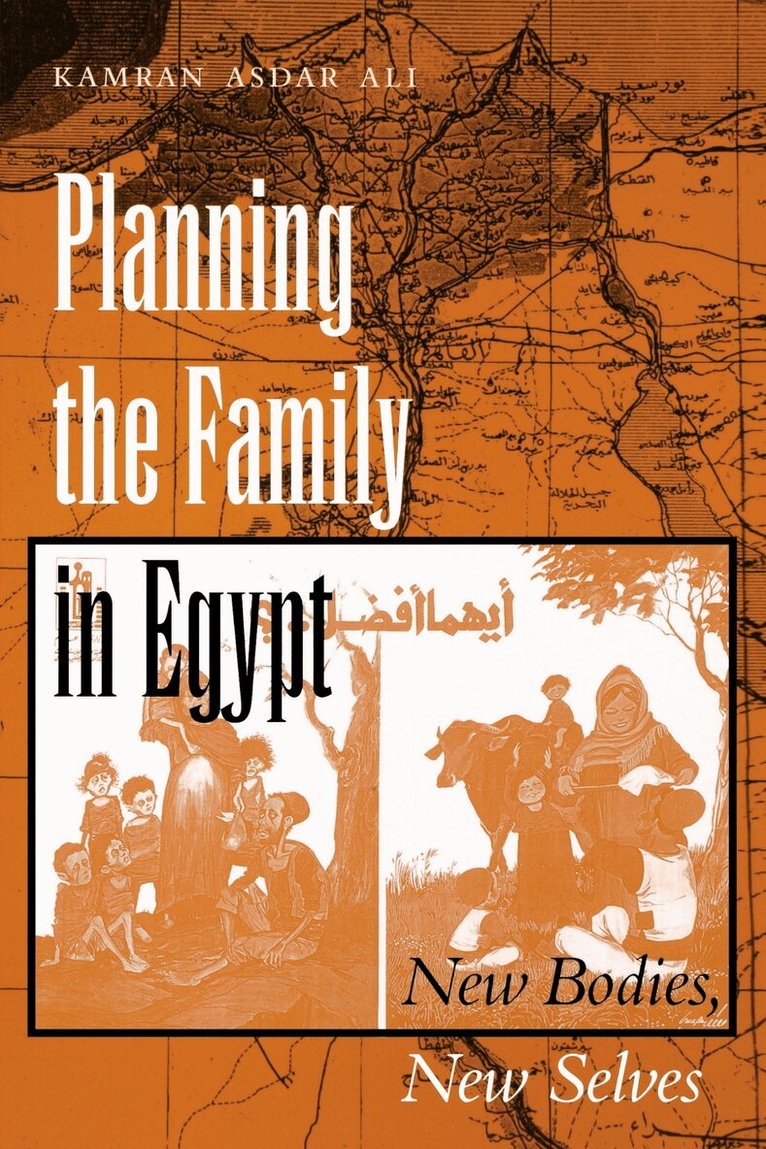
In this ethnographic study, the author examines the policies and practices of family planning programs in Egypt to see how an elitist, Western-informed state attempts to create obliging citizens. The state sees voluntary compliance with the law for the common good as the cornerstone of modernity. Family planning programs are a training ground for the construction of self-disciplined individuals, and thus a rewarding area of study for the fate of social programs in developing countries. Through a careful examination of state-endorsed family planning practices in urban and rural contexts, the author shows us the pervasive, high-pressure persuasion of women, who are encouraged to think as individual decision makers of their immediate families and their national interests. But what of the other forces at work in these women’s lives, binding them to their extended families and to their religious identities? And what of the laws that allow for polygamy and discriminate against women in marriage, inheritance, and as part of the workforce? These forces operate against the received wisdom of the state. Is the Muslim community thought to end at the borders of Egypt? What about local constructions of masculinity when the state appeals to wives to decide for themselves? How does widespread labor migration to foreign countries affect attitudes toward family planning? How is female contraception viewed by the Islamic Brotherhood and other modern Muslim groups? This book questions much that we have taken for granted and gives us grounds for reexamining our assumptions about family planning and the individual and state in developing countries such as Egypt.
267 kr
Skickas inom 10-15 vardagar
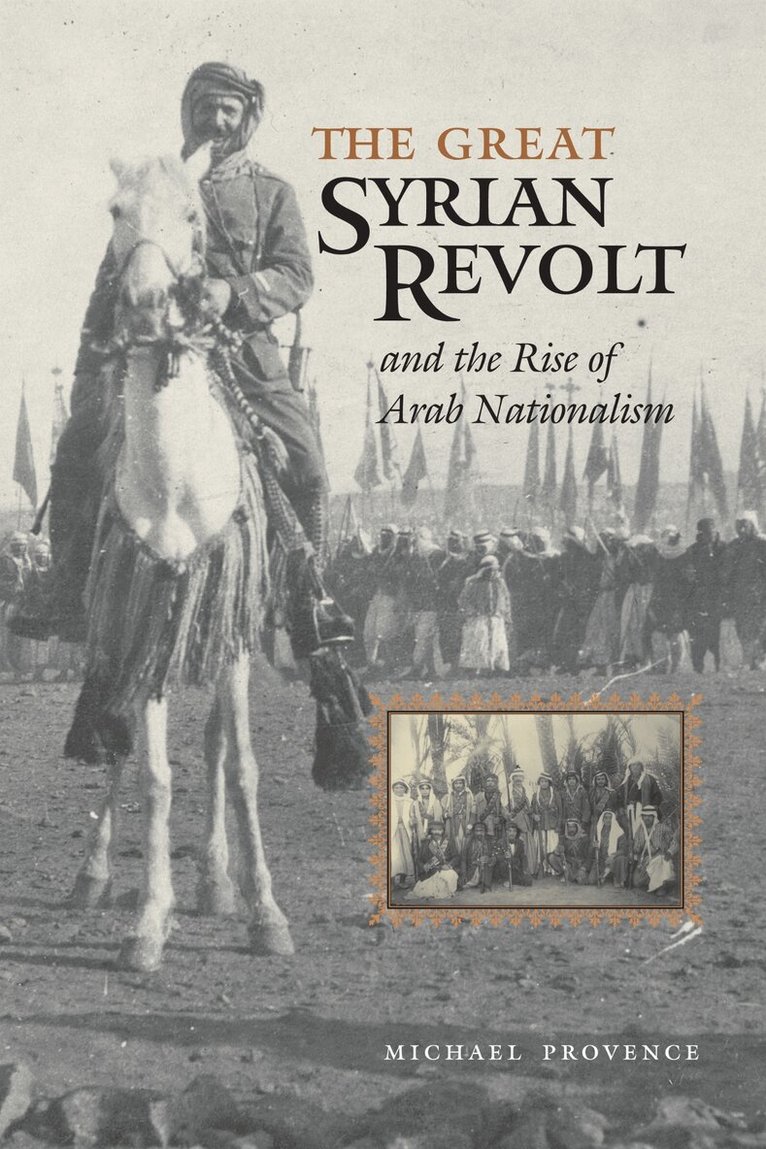
The Great Syrian Revolt of 1925 was the largest and longest-lasting anti-colonial insurgency in the inter-war Arab East. Mobilizing peasants, workers, and army veterans, rather than urban elites and nationalist intellectuals, it was the first mass movement against colonial rule in the Middle East. The revolt failed to liberate Syria from French occupation, but it provided a model of popular nationalism and resistance that remains potent in the Middle East today. Each subsequent Arab uprising against foreign rule has repeated the language and tactics of the Great Syrian Revolt. In this work, Michael Provence uses newly released secret colonial intelligence sources, neglected memoirs, and popular memory to tell the story of the revolt from the perspective of its participants. He shows how Ottoman-subsidized military education created a generation of leaders of modest background who came to rebel against both the French Mandate rulers of Syria and the Syrian intellectuals and landowners who helped the colonial regime to function. This new popular nationalism was unprecedented in the Arab world. Provence shows compellingly that the Great Syrian Revolt was a formative event in shaping the modern Middle East.
255 kr
Skickas inom 7-10 vardagar
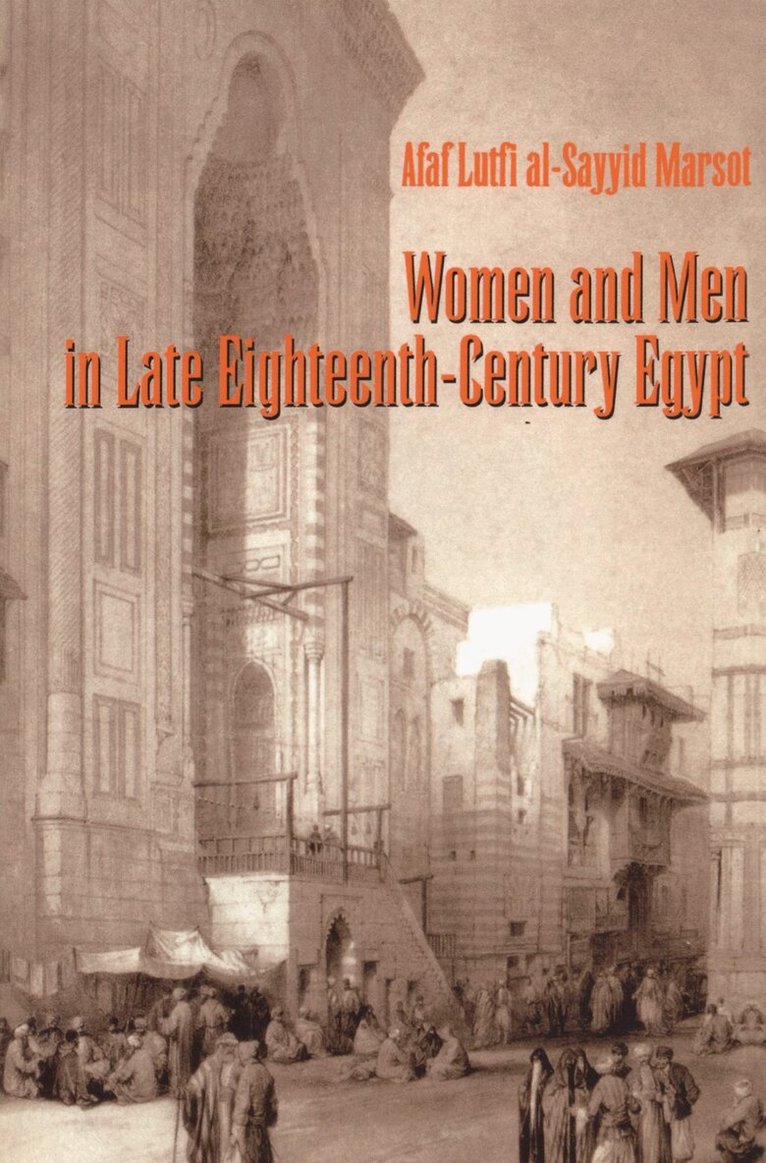
In the late eighteenth century, decentralized and chaotic government in Egypt allowed women a freedom of action that has not been equaled until recent times. Delving extensively into archival sources, Afaf Marsot presents the first comprehensive picture of women's status and opportunities in this period.Marsot makes important connections between forms of government, economic possibilities, and gender relations, showing how political instability allowed women to acquire property, independent of males, as a hedge against political uncertainty. She traces the linkages that women formed among themselves and with the ulama (non-Ottoman native elites) who aided and supported them. The book concludes with a comparison of women's status in the nineteenth century, when the introduction of European institutions that did not recognize their legal existence marginalized women, causing them to have to rely on men as major breadwinners. These important findings about the relationship between forms of government and the status of women will be of interest to a wide audience.
259 kr
Skickas inom 10-15 vardagar
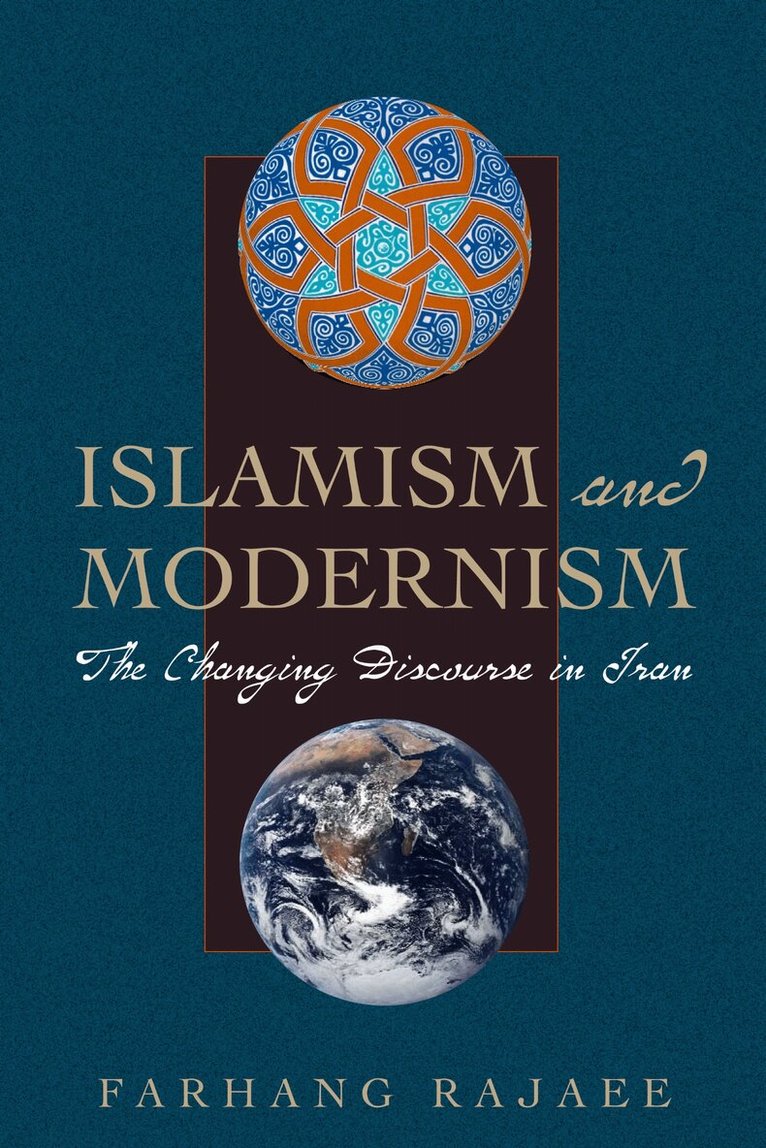
While many previous books have probed the causes of Iran's Islamic Revolution of 1979, few have focused on the power of religion in shaping a national identity over the decades leading up to it. Islamism and Modernism captures the metamorphosis of the Islamic movement in Iran, from encounters with Great Britain and the United States in the 1920s through twenty-first-century struggles between those seeking to reform Islam's role and those who take a hardline defensive stance. Capturing the views of four generations of Muslim activists, Farhang Rajahee describes how the extremism of the 1960s brought more confidence to concerned Islam-minded Iranians and radicalized the Muslim world while Islamic alternatives to modernity were presented. Subsequent ideologies gave rise to the revolution, which in turn has fed a restructuring of Islam as a faith rather than as an ideology. Presenting thought-provoking discussions of religious thinkers such as Ha'eri, Burujerdi, Bazargan, and Shari'ati, along with contemporaries such as Kadivar, Soroush, and Shabestari, the author sheds rare light on the voices fueling contemporary Islamic thinking in Iran. A comprehensive study of these interwoven aspects of politics, religion, society, and identity, Islamism and Modernism offers crucial new insight into the aftermath of the Iranian Constitutional Revolution fought one hundred years ago-and its ramifications for the newest generation to face the crossroads of modernity and Islamic discourse in modern Iran today.
321 kr
Skickas inom 10-15 vardagar
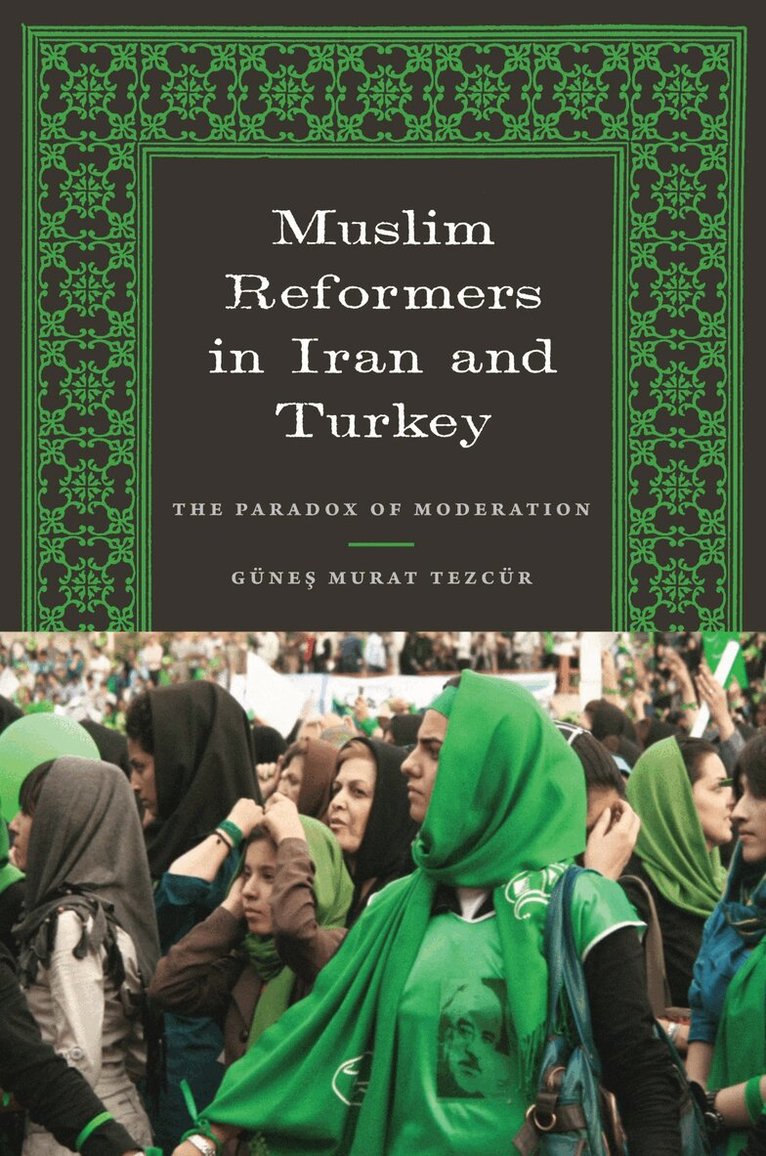
Moderation theory describes the process through which radical political actors develop commitments to electoral competition, political pluralism, human rights, and rule of law and come to prefer negotiation, reconciliation, and electoral politics over provocation, confrontation, and contentious action. Revisiting this theory through an examination of two of the most prominent moderate Islamic political forces in recent history, Muslim Reformers in Iran and Turkey analyzes the gains made and methods implemented by the Reform Front in the Islamic Republic of Iran and the Justice and Development Party in Turkey. Both of these groups represent Muslim reformers who came into continual conflict with unelected adversaries who attempted to block their reformist agendas. Based on extensive field research in both locales, Muslim Reformers in Iran and Turkey argues that behavioral moderation as practiced by these groups may actually inhibit democratic progress. Political scientist GÜneş Murat TezcÜr observes that the ability to implement conciliatory tactics, organize electoral parties, and make political compromises impeded democracy when pursued by the Reform Front and the Justice and Development Party. Challenging conventional wisdom, TezcÜr's findings have broad implications for the dynamics of democratic progress.
376 kr
Skickas inom 10-15 vardagar
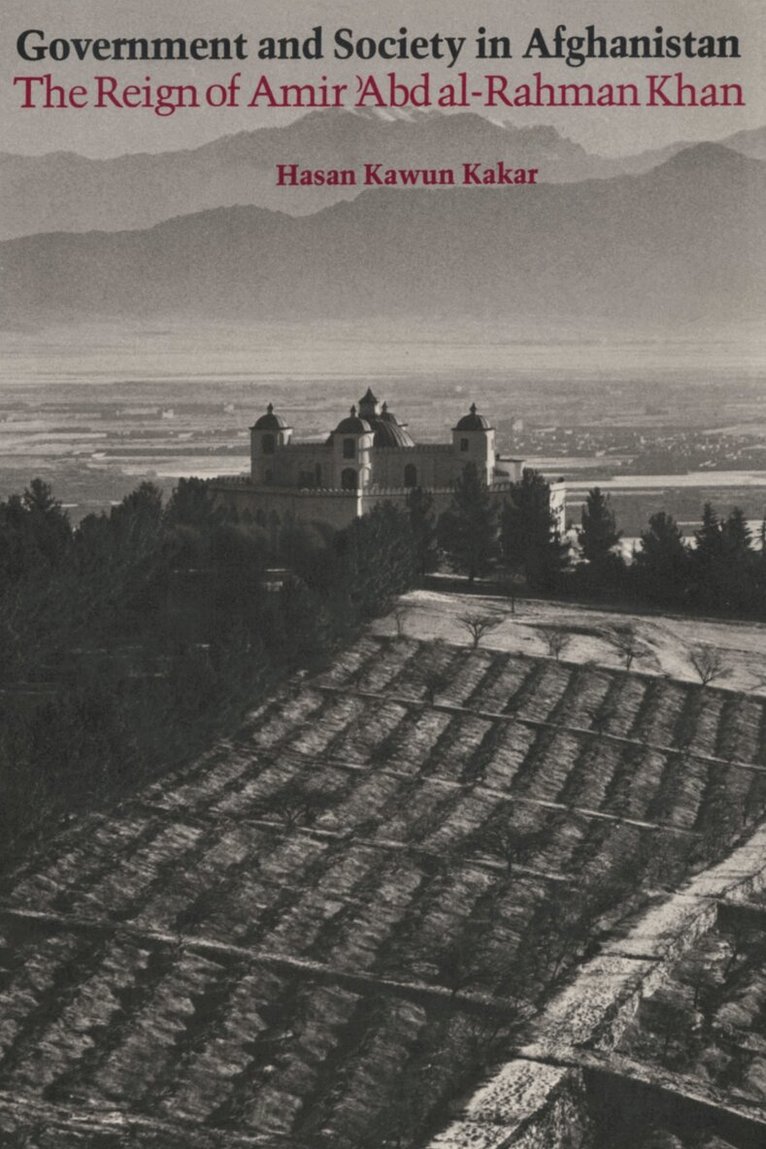
This is an authoritative study of the administrative, social, and economic structure of Afghanistan during a decisive stage in its history. The period covered-the reign of the "Iron" Amir Rahman Khan-was in many ways the beginning of modern Afghanistan as a cohesive nation. Although Afghanistan had emerged as an entity in 1747, it was actually under the Amir that its borders were established, its internal unification completed, and the modern concept of nationhood implanted. Kakar approaches this complex process by taking into consideration both the internal and the external forces that influenced its development. Thus, modernization, centralization, and nationalization are seen as both defensive reactions to European imperialism and necessary preconditions to capital formation and, consequently, industrialization. The first part of the book covers the government of the Amir, from the personality of the ruler down to the operation of his new bureaucrats at the local level. Here Kakar presents a comprehensive treatment of the Afghan system of taxation and local government. The second part views these economic and social institutions from the perspective of the major segments of the populace-nomads, townsmen, tribes, women, slaves, landowners, mullahs, merchants, and so forth.
321 kr
Skickas inom 10-15 vardagar
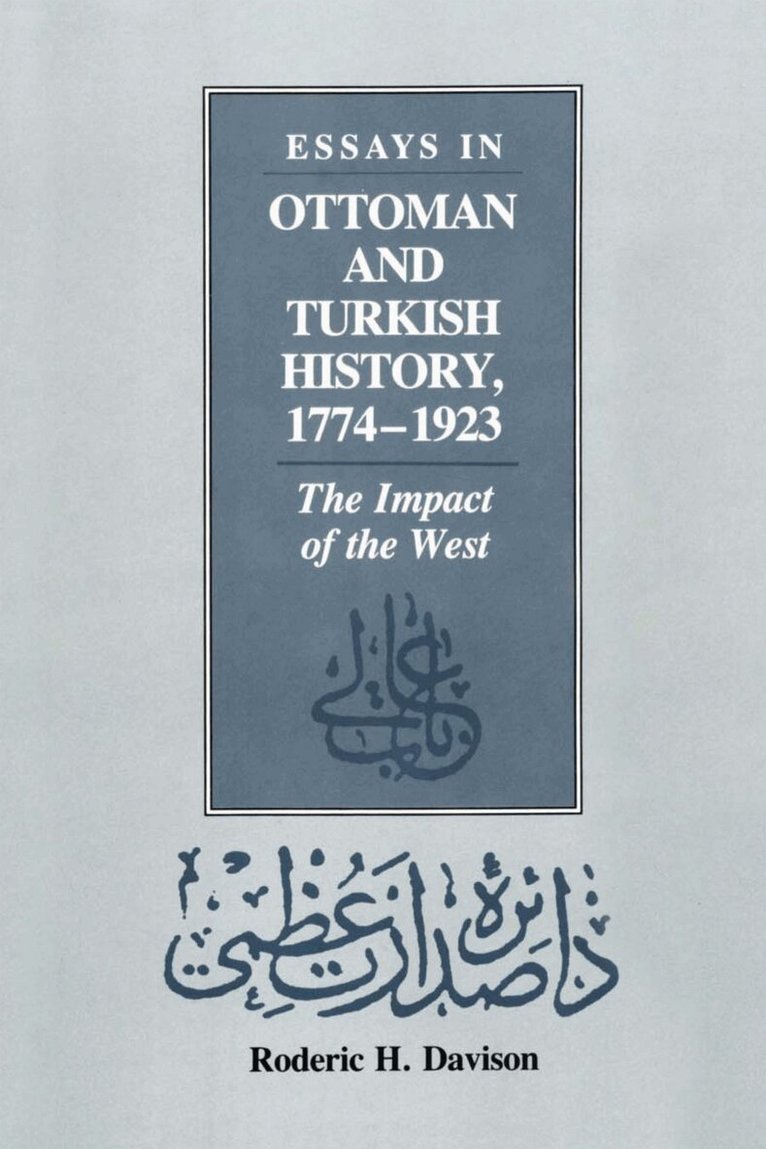
The effect of Western influence on the later Ottoman Empire and on the development of the modern Turkish nation-state links these twelve essays by a prominent American scholar. Roderic Davison draws from his extensive knowledge of Western diplomatic history and Turkish history to describe a period in which the actions of the Great Powers, incipient and rising nationalisms, and Westernizing reforms shaped the destiny of the Ottoman Empire and the creation of the new Turkish Republic.Eleven of the essays were previously published in widely scattered journals and multi-authored volumes. The first of these provides a general survey of Turkish and Ottoman history, from early Turkish times to the end of the Empire. The following essays continue chronologically from 1774, detailing some of the changes in the nineteenth-century Empire. Several themes recur. One is the impact of Western ideas and institutions and the resistance to that influence by some elements in the Empire. Another concerns the diplomatic pressure exerted by the Great Powers of Europe on the Empire, which amounted at times to direct intervention in Ottoman domestic affairs. Taken together, the essays portray a confluence of civilizations as well as a clash of cultures.Professor Davison has written an interpretive introduction that sets out the historical trends running throughout the book. In addition, he includes a previously unpublished article on the advent of the electric telegraph in the Ottoman Empire to show how the adoption of a Western technological advance could affect many areas of life.Of particular interest to students of Ottoman and Middle East history, these essays will also be valuable for everyone concerned with modernization in developing nations. Davison's interpretations and keen methodological sense also shed new light on several aspects of European diplomatic history.
271 kr
Skickas inom 7-10 vardagar
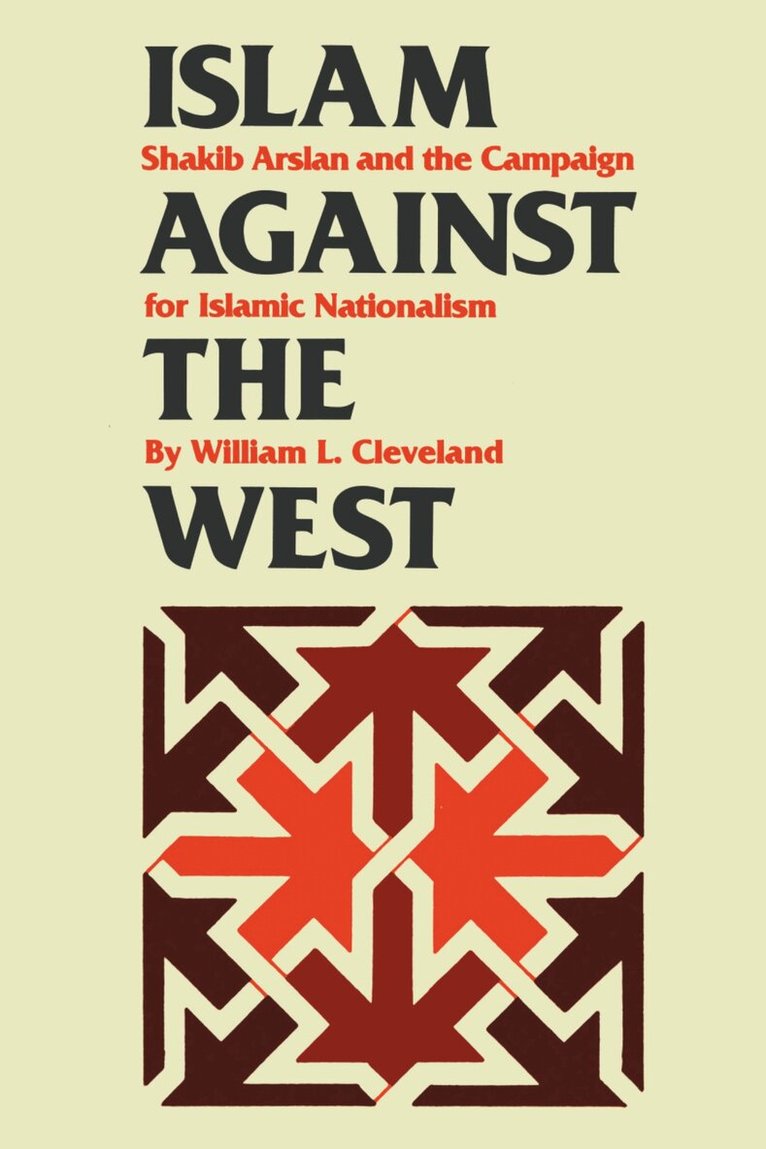
This book gives a unique perspective on the interwar history of the Middle East. By telling the life story of one man, it illuminates the political and cultural struggles of an era. Shakib Arslan (1869–1946) was a leading member of the generation of Ottoman Arabs who came to professional maturity just before the final defeat of the Ottoman Empire. Born to a powerful Lebanese Druze family, Arslan grew up perfectly suited to his time and place in history. He was one of the leading writers of his day and a dexterous, ambitious politician. But, by the end of World War I, Arslan and others of his generation found themselves adrift in a world no longer of their choosing, as the once great Ottoman state lay broken before the West. Rather than retreating from public life in those dark days, however, Arslan emerged militant in his opposition to Western encroachment on Islamic lands and tireless in his crusade to bring the organizing principles of a universalist Islam to the age of emerging nation-states. Organizer, pamphleteer, diplomat, spokesman, and symbol, Arslan became one of the dominant, and most controversial, Muslim political figures in the two decades between the wars. His involvements were so varied and intense that to study his life is to bring into focus all the major political issues and intellectual currents of the era. By the end of his career he was both praised and vilified, but he was arguably the most widely read Arab author of his day. Curiously, Arslan has received relatively little attention in English-language research. This may well be due less to his contemporary importance than to the perspective from which Western scholarship has viewed Middle Eastern intellectual history. Arslan was not one of the winners. For many his evocation of the old imperial ideal and his insistence on the strategic importance of Islamic ideals seemed to be simply archaic protest in a secular age. But this impeccably researched and beautifully written biography demonstrates the power and importance of Arslan’s activist heritage, reinterpreting it for its own time and showing its importance for ours.
263 kr
Skickas inom 7-10 vardagar
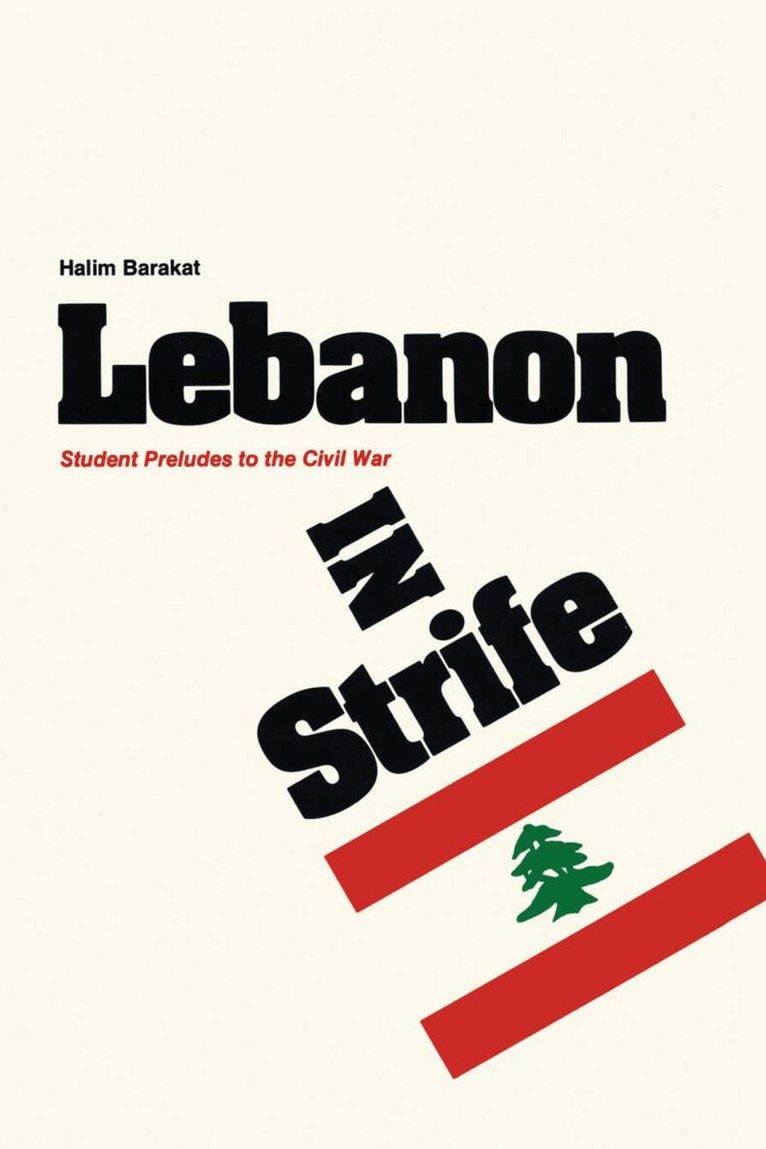
In this study, an eminent sociologist of the Arab world analyzes student politics in Lebanon and their relationship to the civil war. This focus is part of a larger concern with upheaval in Arab society and with political and social integration in mosaic societies in general. Professor Barakat provides a clear, thorough, and comprehensive analysis of late twentieth century Lebanese society and the dominant ideological veins within it. Lebanon in Strife is a comparative study of Lebanese youth with special emphasis on their alienation from society and politics and their place at the vanguard of social change. The study is set in the context of the continual confrontation between forces for change and the established order in Lebanon, viewed from both a local and an international perspective. The author argues that vertical loyalties (based on religious, ethnic, or regional ties) are more significant than horizontal loyalties (based on socioeconomic class) in determining Lebanese student political behavior and attitudes. However, vertical loyalties are explained in socioeconomic terms, for the two forms of cleavages coincide; and the whole society is composed of religious communities arranged in a hierarchy of power and status. The author shows that these ties conflict with and undermine orderly social change and national unity and that they could account for conditions that have led to civil war in Lebanon. In an epilogue, Professor Barakat relates his analysis of student politics to political developments in Lebanon during the civil war of 1975–1976, including an assessment of the role of Syria and the prospects for a negotiated end to armed struggle in the country. This is the first empirical study of Lebanese political life viewed from the standpoint of its central force for change, the students. It is an invaluable resource for students of the modem Middle East as well as for specialists in sociology, politics, and history. Lebanon in Strife has special relevance to problems of political change and development in the Third World countries, providing a sociopolitical model for the analysis of student politics in traditional and transitional societies.
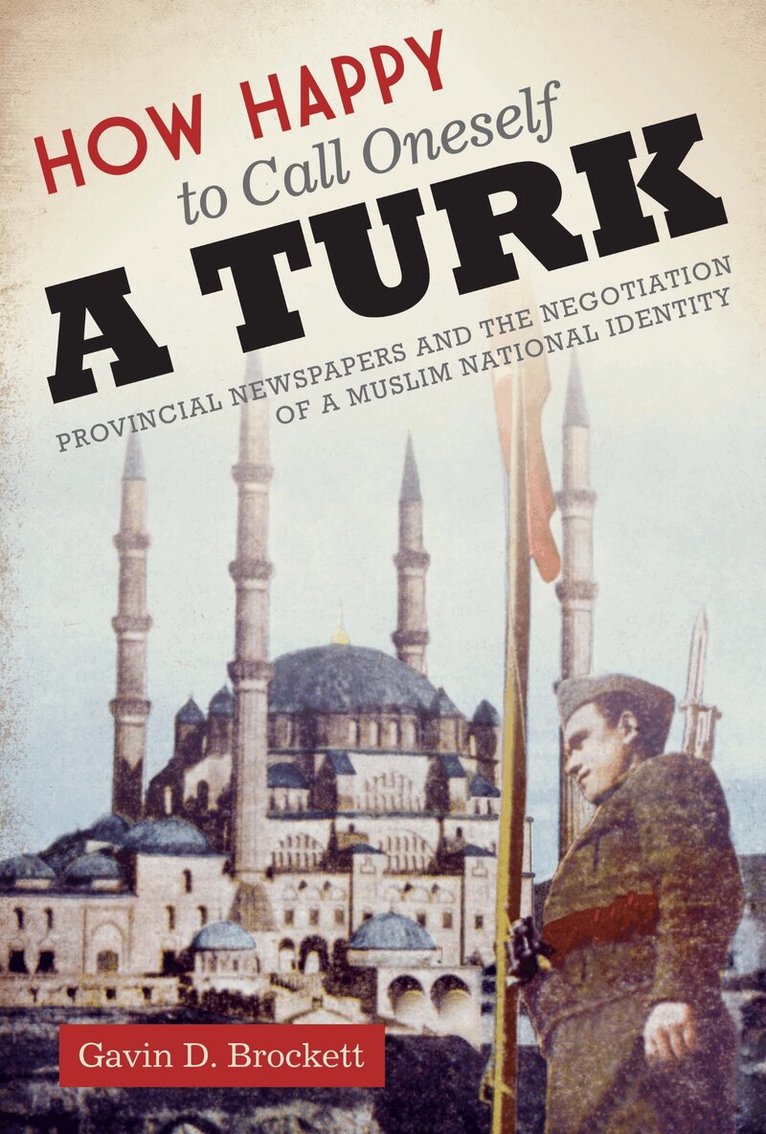
How Happy to Call Oneself a Turk
Provincial Newspapers and the Negotiation of a Muslim National Identity
Häftad, Engelska, 2011
312 kr
Skickas inom 10-15 vardagar
The modern nation-state of Turkey was established in 1923, but when and how did its citizens begin to identify themselves as Turks? Mustafa Kemal AtatÜrk, Turkey's founding president, is almost universally credited with creating a Turkish national identity through his revolutionary program to "secularize" the former heartland of the Ottoman Empire. Yet, despite Turkey's status as the lone secular state in the Muslim Middle East, religion remains a powerful force in Turkish society, and the country today is governed by a democratically elected political party with a distinctly religious (Islamist) orientation. In this history, Gavin D. Brockett takes a fresh look at the formation of Turkish national identity, focusing on the relationship between Islam and nationalism and the process through which a "religious national identity" emerged. Challenging the orthodoxy that AtatÜrk and the political elite imposed a sense of national identity from the top down, Brockett examines the social and political debates in provincial newspapers from around the country. He shows that the unprecedented expansion of print media in Turkey between 1945 and 1954, which followed the end of strict, single-party authoritarian government, created a forum in which ordinary people could inject popular religious identities into the new Turkish nationalism. Brockett makes a convincing case that it was this fruitful negotiation between secular nationalism and Islam-rather than the imposition of secularism alone-that created the modern Turkish national identity.
209 kr
Skickas inom 7-10 vardagar
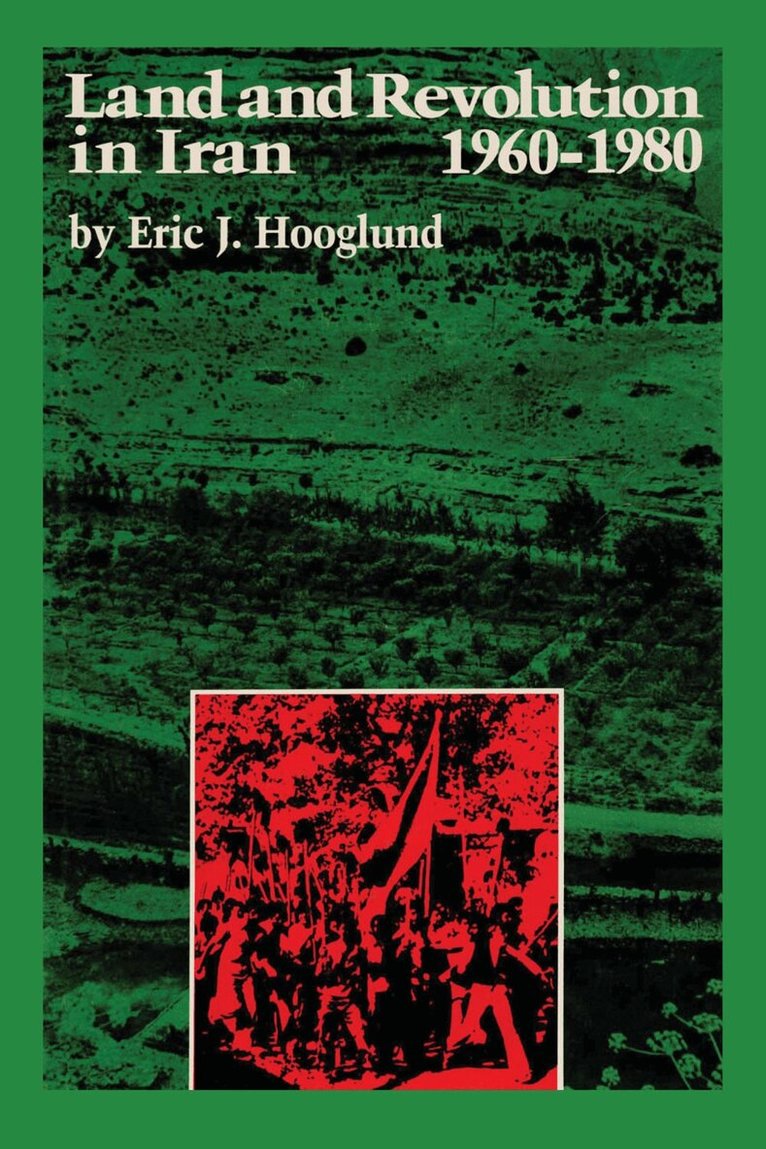
Carried out by the government of the shah between 1962 and 1971, the Iranian land reform was one of the most ambitious such undertakings in modern Middle Eastern history. Yet, beneath apparent statistical success, the actual accomplishments of the program, in terms of positive benefits for the peasantry, were negligible. Later, the resulting widespread discontent of thousands of Iranian villagers would contribute to the shah's downfall. In the first major study of the effects of this widely publicized program, Eric Hooglund's analysis demonstrates that the primary motives behind the land reform were political. Attempting to supplant the near-absolute authority of the landlord class over the countryside, the central government hoped to extend its own authority throughout rural Iran. While the Pahlavi government accomplished this goal, its failure to implement effective structural reform proved to be a long-term liability. Hooglund, who conducted field research in rural Iran throughout the 1970s and who witnessed the unfolding of the revolution from a small village, provides a careful description of the development of the land reform and of its effects on the main groups involved: landlords, peasants, local officials, merchants, and brokers. He shows how the continuing poverty in the countryside forced the migration of thousands of peasants to the cities, resulting in serious shortages of agricultural workers and an oversupply of unskilled urban labor. When the shah's government was faced with mass opposition in the cities in 1978, not only did a disillusioned rural population fail to support the regime, but thousands of villagers participated in the protests that hastened the collapse of the monarchy.
317 kr
Skickas inom 7-10 vardagar
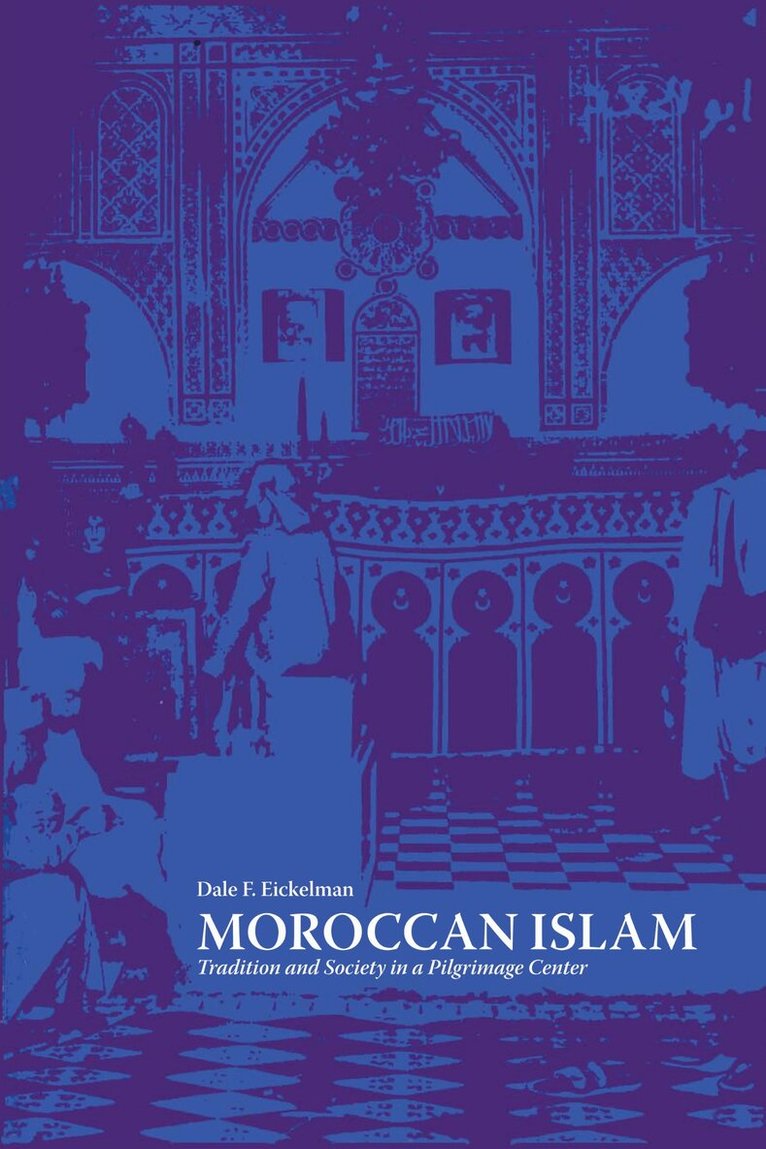
This book is one of the first comprehensive studies of Islam as locally understood in the Middle East. Specifically, it is concerned with the prevalent North African belief that certain men, called marabouts, have a special relation to God that enables them to serve as intermediaries and to influence the well-being of their clients and kin. Dale F. Eickelman examines the Moroccan pilgrimage center of Boujad and unpublished Moroccan and French archival materials related to it to show how popular Islam has been modified by its adherents to accommodate new social and economic realities. In the course of his analysis he demonstrates the necessary interrelationship between social history and the anthropological study of symbolism. Eickelman begins with an outline of the early development of Islam in Morocco, emphasizing the "maraboutic crisis" of the fourteenth through sixteenth centuries. He also examines the history and social characteristics of the Sherqawi religious lodge, on which the study focuses, in preprotectorate Morocco. In the central portion of the book, he analyzes the economic activities and social institutions of Boujad and its rural hinterland, as well as some basic assumptions the townspeople and tribesmen make about the social order. Finally, there is an intensive discussion of maraboutism as a phenomenon and the changing local character of Islam in Morocco. In focusing on the "folk" level of Islam, rather than on "high culture" tradition, the author has made possible a more general interpretation of Moroccan society that is in contrast with earlier accounts that postulated a marked discontinuity between tribe and town, past and present.
317 kr
Skickas inom 7-10 vardagar
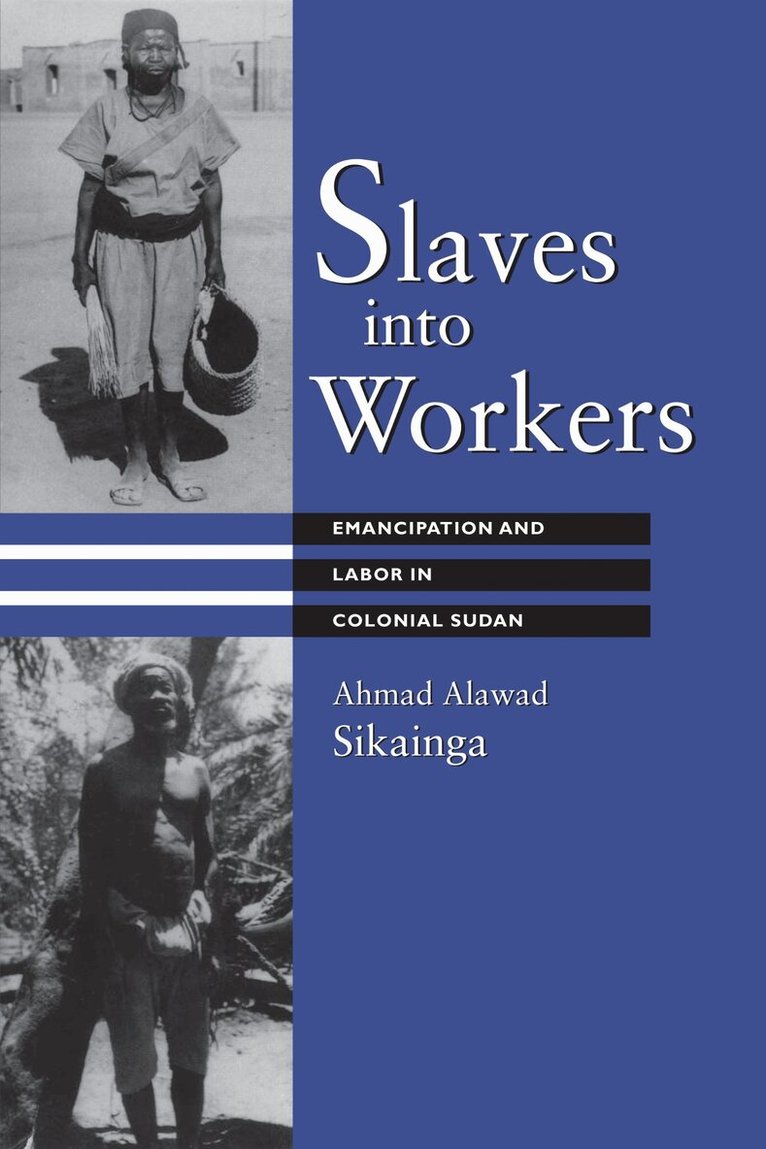
Unlike African slavery in Europe and the Americas, slavery in the Sudan and other parts of Africa persisted well into the twentieth century. Sudanese slaves served Sudanese masters until the region was conquered by the Turks, who practiced slavery on a larger, institutional scale. When the British took over the Sudan in 1898, they officially emancipated the slaves, yet found it impossible to replace their labor in the country’s economy.This pathfinding study explores the process of emancipation and the development of wage labor in the Sudan under British colonial rule. Ahmad Sikainga focuses on the fate of ex-slaves in Khartoum and on the efforts of the colonial government to transform them into wage laborers. He probes into what colonial rule and city life meant for slaves and ex-slaves and what the city and its people meant for colonial officials.This investigation sheds new light on the legacy of slavery and the status of former slaves and their descendants. It also reveals how the legacy of slavery underlies the current ethnic and regional conflicts in the Sudan. It will be vital reading for students of race relations and slavery, colonialism and postcolonialism, urbanization, and labor history in Africa and the Middle East.
267 kr
Skickas inom 10-15 vardagar
In 1947, Arabs made up two-thirds of the population of Palestine, and they owned most of its cultivable land. Why then, did they "lose" their homes and land to a relatively small Jewish community just emerging from the shocks of World War II? Did the Palestinians "lose" their homeland because they were backward, primitive, and reactionary? Or was Israel the product of persistent victimization of Palestinian Arabs by an imperialist power which supported Zionist colonization? Did the Palestinians sell each other out? Or were they helpless sufferers in the face of a sophisticated enemy with endless resources? Too often discussions of Palestine are couched in such rhetorical language, based on the assumption that either Jews or Arabs are morally to blame for historical realities. This study seeks to go beyond attributions of responsibility to investigate the concrete conditions which determined and limited Palestinian Arab actions between 1920 and 1948. It was during that period, while Great Britain governed the area under a League of Nations mandate, that Palestine both emerged and disappeared as a modern political entity. Many studies of Palestinian Arab nationalism have looked to Zionism as the primary agent of change in the region. Miller assumes the impact of Jewish settlement but goes beyond these earlier studies to explore the way in which policies of the Palestine government affected the daily lives of villagers-the majority of the population-and their understanding of the changes occurring around them. In this way, what emerges is a detailed analysis of the influence, for good or ill, that government policy had on village community life. Based largely on archival sources never before used, this work allows the reader to gain a deeper appreciation of the internal life of the rural community, which had previously received relatively little attention. Understanding the experiences of Palestinians before 1948 helps us to comprehend immeasurably better the continuity of movements for Palestinian statehood as well as the continuing tensions and problems on the West Bank today.
267 kr
Skickas inom 10-15 vardagar
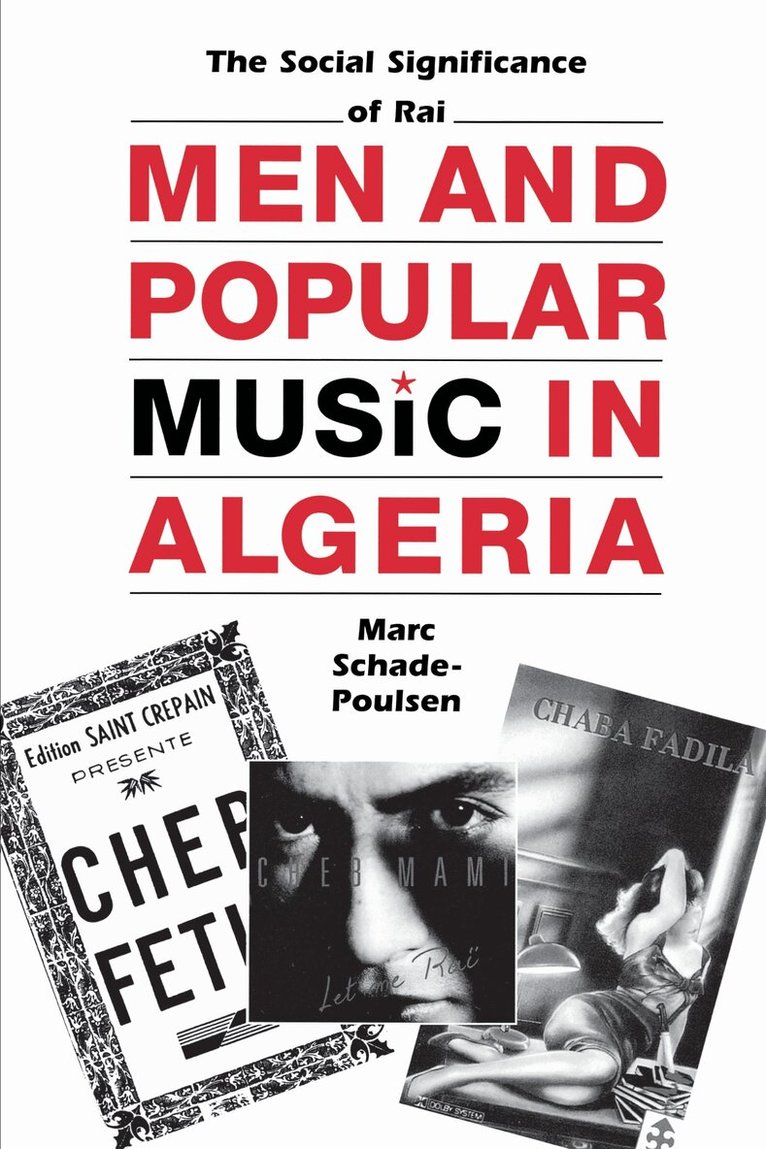
RaÏ music is often called the voice of the voiceless in Algeria, a society currently swept by tragic conflict. RaÏ is the voice of Algerian men, young men caught between generations and classes, in political strife, and in economic inequality. In a ground-breaking study, anthropologist Marc Schade-Poulsen uses this popular music genre as a lens through which he views Algerian society, particularly male society. He situates raÏ within Algerian family life, moral codes, and broader power relations. Schade-Poulsen did his research in the 1990s, in clubs, recording studios, at weddings, and with street musicians. He describes the history of raÏ, which emerged in the late 1970s and spread throughout North Africa at the same time the Islamist movement was growing to become the most potent socio-political movement in Algeria. Outsiders consider raÏ to be Western in origin, but Schade-Poulsen shows its Islamic roots as well. The musicians do use Western instruments, but the music itself mixes Algerian popular songs and rhythms with the beat of American disco, Egyptian modalities, Moroccan wedding tunes, and the songs of Julio Iglesias. The lyrics deal with male-female relationships but also with generational relationships and the problems of youth, as they struggle to find a place in a conflicted society. The study, in its innovative approach to music as a template of society, helps the reader understand the two major movements among today's Algerian youth: one toward the mosque and the other toward the West.
294 kr
Skickas inom 10-15 vardagar
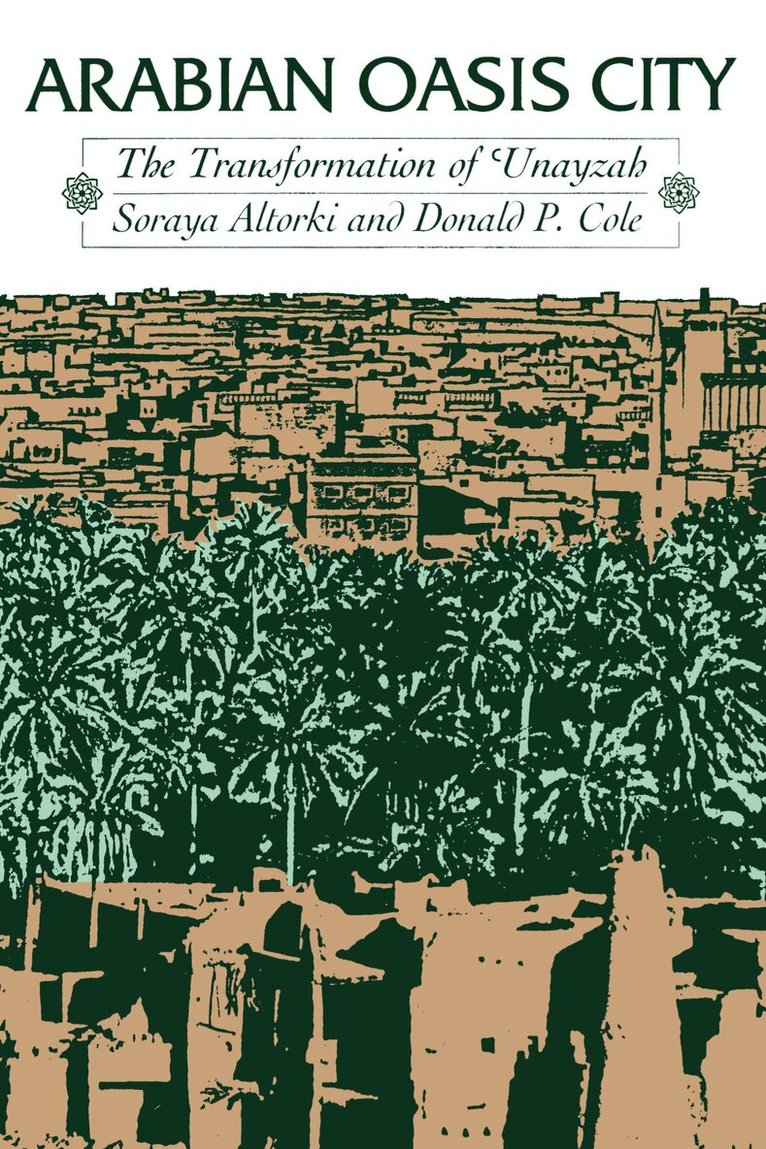
Vast social change has occurred in the Middle East since the oil boom of the mid-1970s. As the first anthropological study of an urban community in Saudi Arabia since that oil boom, Arabian Oasis City is also the first to document those changes. Based on extensive interviews and participant observation with both men and women, the authors record and analyze the transformation that has occurred in this ancient oasis city throughout the twentieth century: the creation of the present Saudi Arabian state and of a new national economy based on the export of oil and the economic boom brought about by the dramatic increases in the price of oil following the October 1973 Arab-Israeli War. In addition, the authors reveal the changes brought about by the fall in the price of oil beginning in 1982 and analyze the problems confronting ‘Unayzah in its aftermath. By demonstrating that the area was not exclusively dominated by tribalism and Bedouin nomads, this empirical case study destroys stereotypical views about Saudi Arabia. Indeed, it proves the existence-prior to the coming of the modern Saudi Arabian state- of surplus agricultural and craft production and the full development of local, regional, and long-distance trade networks. It shows that women, although veiled, played active roles in work outside the household. The social impact of change over the years is, however, profound-especially the gradual replacement of the extended family by the nuclear family, changing patterns of husband-wife relationships, the impact of self-earned income on the status of women, and the emergence of a new middle class of employees and entrepreneurs. Because of the high degree of gender segregation in this area of research, Altorki and Cole give us a fortunate collaboration between a Saudi Arabian female scholar and an American male scholar experienced in research in the Middle East.