Routledge Studies in Neurotheology, Cognitive Science and Religion – serie
Visar alla böcker i serien Routledge Studies in Neurotheology, Cognitive Science and Religion. Handla med fri frakt och snabb leverans.
4 produkter
4 produkter
2 113 kr
Skickas inom 10-15 vardagar
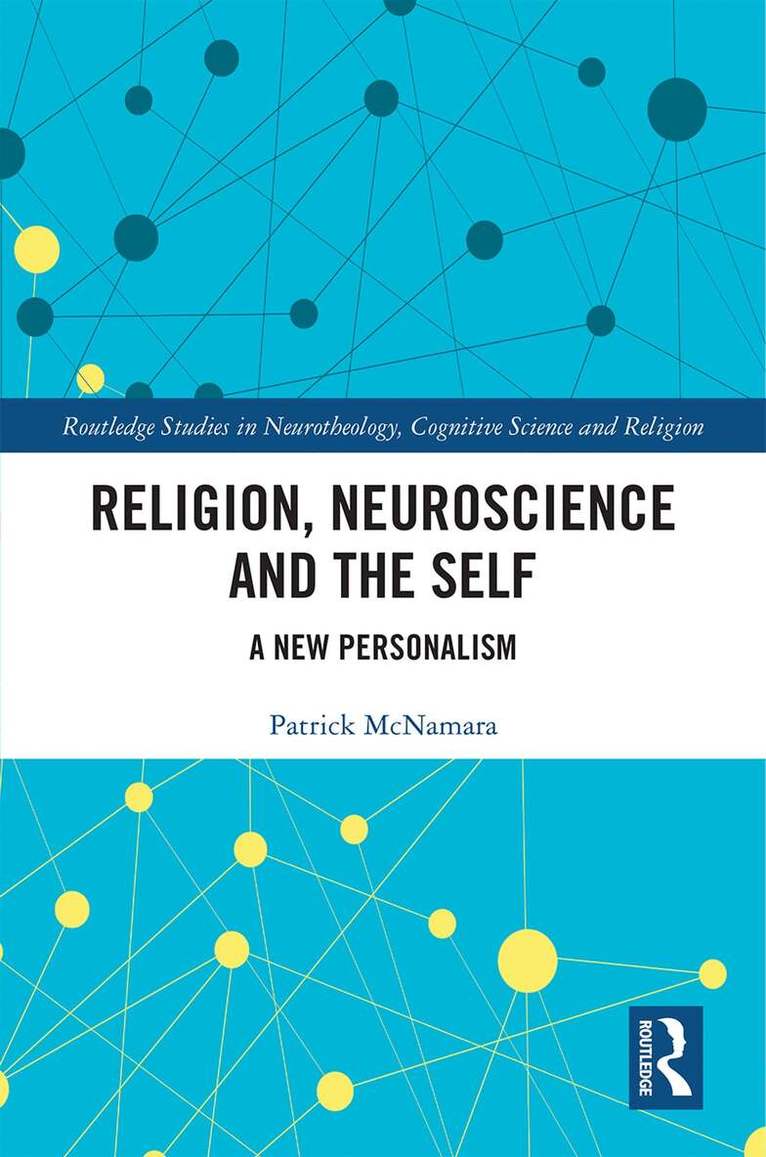
The purpose of this book is to use neuroscience discoveries concerning religious experiences, the Self and personhood to deepen, enhance and interrogate the theological and philosophical set of ideas known as Personalism. McNamara proposes a new eschatological form of personalism that is consistent with current neuroscience models of relevant brain functions concerning the self and personhood and that can meet the catastrophic challenges of the 21st century. Eschatological Personalism, rooted in the philosophical tradition of "Boston Personalism", takes as its starting point the personalist claim that the significance of a self and personality is not fully revealed until it has reached its endpoint, but theologically that end point can only occur within the eschatological realm. That realm is explored in the book along with implications for personalist theory and ethics. Topics covered include the agent intellect, dreams and the imagination, future-orientation and eschatology, phenomenology of Time, social ethics, Love, the challenge of AI, privacy and solitude and the individual ethic of autarchy.This book is an innovative combination of the neuroscientific and theological insights provided by a Personalist viewpoint. As such, it will be of great interest to scholars of Cognitive Science, Theology, Religious Studies and the philosophy of the mind.
1 773 kr
Skickas inom 10-15 vardagar
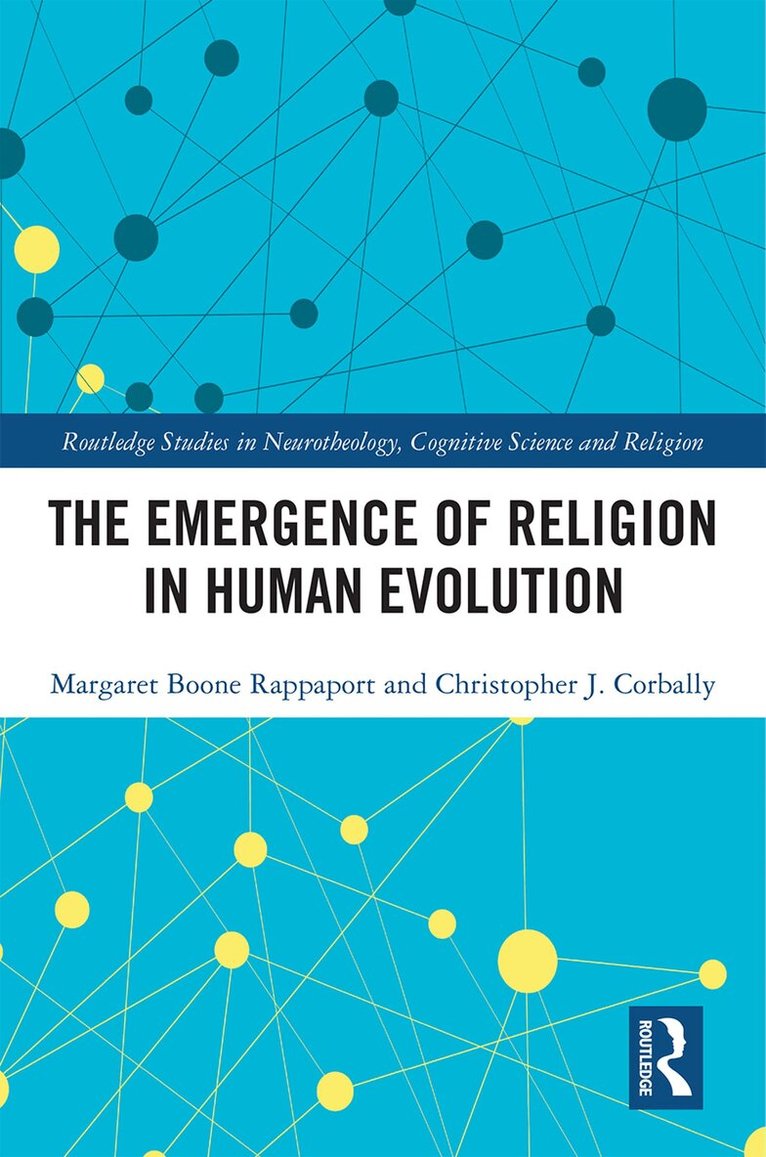
Religious capacity is a highly elaborate, neurocognitive human trait that has a solid evolutionary foundation. This book uses a multidisciplinary approach to describe millions of years of biological innovations that eventually give rise to the modern trait and its varied expression in humanity’s many religions. The authors present a scientific model and a central thesis that the brain organs, networks, and capacities that allowed humans to survive physically also gave our species the ability to create theologies, find sustenance in religious practice, and use religion to support the social group. Yet, the trait of religious capacity remains non-obligatory, like reading and mathematics. The individual can choose not to use it.The approach relies on research findings in nine disciplines, including the work of countless neuroscientists, paleoneurologists, archaeologists, cognitive scientists, and psychologists. This is a cutting-edge examination of the evolutionary origins of humanity’s interaction with the supernatural. It will be of keen interest to academics working in Religious Studies, Neuroscience, Cognitive Science, Anthropology, Evolutionary Biology, and Psychology.
632 kr
Skickas inom 10-15 vardagar
Religious capacity is a highly elaborate, neurocognitive human trait that has a solid evolutionary foundation. This book uses a multidisciplinary approach to describe millions of years of biological innovations that eventually give rise to the modern trait and its varied expression in humanity’s many religions. The authors present a scientific model and a central thesis that the brain organs, networks, and capacities that allowed humans to survive physically also gave our species the ability to create theologies, find sustenance in religious practice, and use religion to support the social group. Yet, the trait of religious capacity remains non-obligatory, like reading and mathematics. The individual can choose not to use it.The approach relies on research findings in nine disciplines, including the work of countless neuroscientists, paleoneurologists, archaeologists, cognitive scientists, and psychologists. This is a cutting-edge examination of the evolutionary origins of humanity’s interaction with the supernatural. It will be of keen interest to academics working in Religious Studies, Neuroscience, Cognitive Science, Anthropology, Evolutionary Biology, and Psychology.
632 kr
Skickas inom 10-15 vardagar
The purpose of this book is to use neuroscience discoveries concerning religious experiences, the Self and personhood to deepen, enhance and interrogate the theological and philosophical set of ideas known as Personalism. McNamara proposes a new eschatological form of personalism that is consistent with current neuroscience models of relevant brain functions concerning the self and personhood and that can meet the catastrophic challenges of the 21st century. Eschatological Personalism, rooted in the philosophical tradition of "Boston Personalism", takes as its starting point the personalist claim that the significance of a self and personality is not fully revealed until it has reached its endpoint, but theologically that end point can only occur within the eschatological realm. That realm is explored in the book along with implications for personalist theory and ethics. Topics covered include the agent intellect, dreams and the imagination, future-orientation and eschatology, phenomenology of Time, social ethics, Love, the challenge of AI, privacy and solitude and the individual ethic of autarchy.This book is an innovative combination of the neuroscientific and theological insights provided by a Personalist viewpoint. As such, it will be of great interest to scholars of Cognitive Science, Theology, Religious Studies and the philosophy of the mind.