Columbia / SSRC Book (Privatization of Risk) – Serie
Visar alla böcker i serien Columbia / SSRC Book (Privatization of Risk). Handla med fri frakt och snabb leverans.
10 produkter
10 produkter
822 kr
Skickas inom 7-10 vardagar
In this volume, the nation's leading advisors on health policy and financing appraise America's ailing healthcare system and suggest reasonable approaches to its rehabilitation. Each chapter confronts a major challenge to the country's health security, from runaway costs and uneven quality of care to declining levels of insurance coverage, medical bankruptcy, and the growing enthusiasm for health plans that put patients in charge of risk and cost. Bringing the latest research to bear on these issues, contributors diagnose the problems of our present system and offer treatments grounded in extensive experience. Free of bias and rhetoric, Health at Risk is an invaluable tool for those who are concerned with the current state of healthcare and are eager to effect change.
219 kr
Skickas inom 7-10 vardagar
In this volume, the nation's leading advisors on health policy and financing appraise America's ailing healthcare system and suggest reasonable approaches to its rehabilitation. Each chapter confronts a major challenge to the country's health security, from runaway costs and uneven quality of care to declining levels of insurance coverage, medical bankruptcy, and the growing enthusiasm for health plans that put patients in charge of risk and cost. Bringing the latest research to bear on these issues, contributors diagnose the problems of our present system and offer treatments grounded in extensive experience. Free of bias and rhetoric, Health at Risk is an invaluable tool for those who are concerned with the current state of healthcare and are eager to effect change.
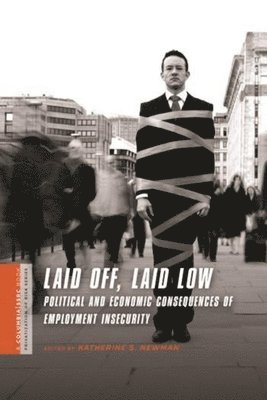
Laid Off, Laid Low
Political and Economic Consequences of Employment Insecurity
Inbunden, Engelska, 2008
1 438 kr
Skickas inom 3-6 vardagar
Laid Off, Laid Low provides a sobering portrait of the ailing American labor system and the social and political consequences of increasing job insecurity. It proves that the health of the labor market is not a transitory issue brought low by the factors of recession, but a serious concern reflecting deep structural problems in American society. In this book, economists, sociologists, and public policy and political scientists reveal how the American labor market has grown particularly problematic for new job-seekers, trends that are not obvious when averaging the entire population. The contributors to this volume focus instead on changing job patterns between generations, which show that the job prospects for young Americans are more short-term than their predecessors, and that white-collar managers, once members of the most privileged sector, are now experiencing a faster negative rate of change. As this book makes clear, Americans will soon face epic job losses, irreversible trends in downward mobility, and long-lasting economic insecurity-politically polarizing outcomes that will cause even more anxiety among families.Encompassing a number of different disciplines, the prominent scholars of Laid Off, Laid Low provide a full analysis of today's most pressing economic issues. Contributors: Sheldon Danziger and Ben Keys: "Unemployment Risk among Low Wage Workers: 1970-2000"; Hank Farber: "Employment Insecurity: The Decline in Worker-Firm Attachment in the United States"; Elizabeth Jacobs and Katherine Newman: "Rising Angst? Change and Stability in Perceptions of Insecurity"; Philipp Rehm: "Partisan Politics and Labor Market Risks"; Ann Huff Stevens: "Holding Firm: The Stability of Long-Term Employment in the US, 1969-2004"
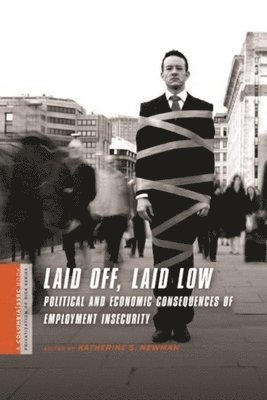
Laid Off, Laid Low
Political and Economic Consequences of Employment Insecurity
Häftad, Engelska, 2008
195 kr
Skickas inom 7-10 vardagar
Laid Off, Laid Low provides a sobering portrait of the ailing American labor system and the social and political consequences of increasing job insecurity. It proves that the health of the labor market is not a transitory issue brought low by the factors of recession, but a serious concern reflecting deep structural problems in American society. In this book, economists, sociologists, and public policy and political scientists reveal how the American labor market has grown particularly problematic for new job-seekers, trends that are not obvious when averaging the entire population. The contributors to this volume focus instead on changing job patterns between generations, which show that the job prospects for young Americans are more short-term than their predecessors, and that white-collar managers, once members of the most privileged sector, are now experiencing a faster negative rate of change. As this book makes clear, Americans will soon face epic job losses, irreversible trends in downward mobility, and long-lasting economic insecurity-politically polarizing outcomes that will cause even more anxiety among families.Encompassing a number of different disciplines, the prominent scholars of Laid Off, Laid Low provide a full analysis of today's most pressing economic issues. Contributors: Sheldon Danziger and Ben Keys: "Unemployment Risk among Low Wage Workers: 1970-2000"; Hank Farber: "Employment Insecurity: The Decline in Worker-Firm Attachment in the United States"; Elizabeth Jacobs and Katherine Newman: "Rising Angst? Change and Stability in Perceptions of Insecurity"; Philipp Rehm: "Partisan Politics and Labor Market Risks"; Ann Huff Stevens: "Holding Firm: The Stability of Long-Term Employment in the US, 1969-2004"
1 062 kr
Skickas inom 3-6 vardagar
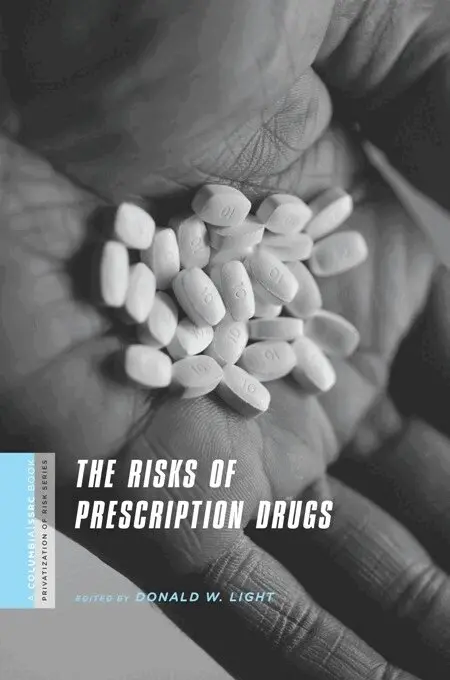
Few people realize that prescription drugs have become a leading cause of death, disease, and disability. Adverse reactions to widely used drugs, such as psychotropics and birth control pills, as well as biologicals, result in FDA warnings against adverse reactions. The Risks of Prescription Drugs describes how most drugs approved by the FDA are under-tested for adverse drug reactions, yet offer few new benefits. Drugs cause more than 2.2 million hospitalizations and 110,000 hospital-based deaths a year. Serious drug reactions at home or in nursing homes would significantly raise the total. Women, older people, and people with disabilities are least used in clinical trials and most affected. Health policy experts Donald Light, Howard Brody, Peter Conrad, Allan Horwitz, and Cheryl Stults describe how current regulations reward drug companies to expand clinical risks and create new diseases so millions of patients are exposed to unnecessary risks, especially women and the elderly. They reward developing marginally better drugs rather than discovering breakthrough, life-saving drugs.The Risks of Prescription Drugs tackles critical questions about the pharmaceutical industry and the privatization of risk. To what extent does the FDA protect the public from serious side effects and disasters? What is the effect of giving the private sector and markets a greater role and reducing public oversight? This volume considers whether current rules and incentives put patients' health at greater risk, the effect of the expansion of disease categories, the industry's justification of high U.S. prices, and the underlying shifts in the burden of risk borne by individuals in the world of pharmaceuticals. Chapters cover risks of statins for high cholesterol, SSRI drugs for depression and anxiety, and hormone replacement therapy for menopause. A final chapter outlines six changes to make drugs safer and more effective. Suitable for courses on health and aging, gender, disability, and minority studies, this book identifies the Risk Proliferation Syndrome that maximizes the number of people exposed to these risks. Additional Columbia / SSRC books on the privatization of risk and its implications for Americans: Bailouts: Public Money, Private ProfitEdited by Robert E.Wright Disaster and the Politics of InterventionEdited by Andrew Lakoff Health at Risk: America's Ailing Health System-and How to Heal ItEdited by Jacob S. Hacker Laid Off, Laid Low: Political and Economic Consequences of Employment InsecurityEdited by Katherine S. Newman Pensions, Social Security, and the Privatization of RiskEdited by Mitchell A. Orenstein
178 kr
Skickas inom 7-10 vardagar
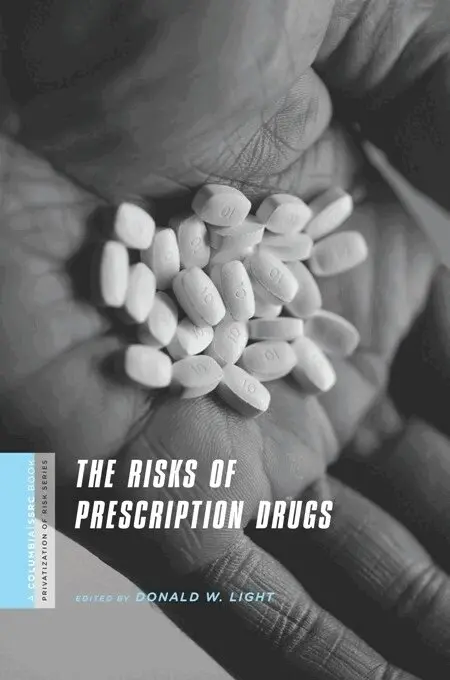
Few people realize that prescription drugs have become a leading cause of death, disease, and disability. Adverse reactions to widely used drugs, such as psychotropics and birth control pills, as well as biologicals, result in FDA warnings against adverse reactions. The Risks of Prescription Drugs describes how most drugs approved by the FDA are under-tested for adverse drug reactions, yet offer few new benefits. Drugs cause more than 2.2 million hospitalizations and 110,000 hospital-based deaths a year. Serious drug reactions at home or in nursing homes would significantly raise the total. Women, older people, and people with disabilities are least used in clinical trials and most affected. Health policy experts Donald Light, Howard Brody, Peter Conrad, Allan Horwitz, and Cheryl Stults describe how current regulations reward drug companies to expand clinical risks and create new diseases so millions of patients are exposed to unnecessary risks, especially women and the elderly. They reward developing marginally better drugs rather than discovering breakthrough, life-saving drugs.The Risks of Prescription Drugs tackles critical questions about the pharmaceutical industry and the privatization of risk. To what extent does the FDA protect the public from serious side effects and disasters? What is the effect of giving the private sector and markets a greater role and reducing public oversight? This volume considers whether current rules and incentives put patients' health at greater risk, the effect of the expansion of disease categories, the industry's justification of high U.S. prices, and the underlying shifts in the burden of risk borne by individuals in the world of pharmaceuticals. Chapters cover risks of statins for high cholesterol, SSRI drugs for depression and anxiety, and hormone replacement therapy for menopause. A final chapter outlines six changes to make drugs safer and more effective. Suitable for courses on health and aging, gender, disability, and minority studies, this book identifies the Risk Proliferation Syndrome that maximizes the number of people exposed to these risks. Additional Columbia / SSRC books on the privatization of risk and its implications for Americans: Bailouts: Public Money, Private ProfitEdited by Robert E.Wright Disaster and the Politics of InterventionEdited by Andrew Lakoff Health at Risk: America's Ailing Health System-and How to Heal ItEdited by Jacob S. Hacker Laid Off, Laid Low: Political and Economic Consequences of Employment InsecurityEdited by Katherine S. Newman Pensions, Social Security, and the Privatization of RiskEdited by Mitchell A. Orenstein
1 323 kr
Skickas inom 3-6 vardagar
As Social Security, workplace pensions, and individual retirement accounts become more insecure, America's pension system is in serious need of rehabilitation. In this timely volume, Mitchell A. Orenstein and his distinguished colleagues Gary Burtless, Teresa Ghilarducci, and Alicia Munnell argue that any reform of the U.S. pension system must address both future imbalances in the Social Security program and weaknesses in the workplace and individual retirement systems on which a growing number of Americans now rely. Weighing what is gained against what is lost as new proposals surface, this book offers a clear account and reasoned analysis of the looming crisis, as well as our collective alternatives both domestically and abroad.
1 323 kr
Skickas inom 3-6 vardagar
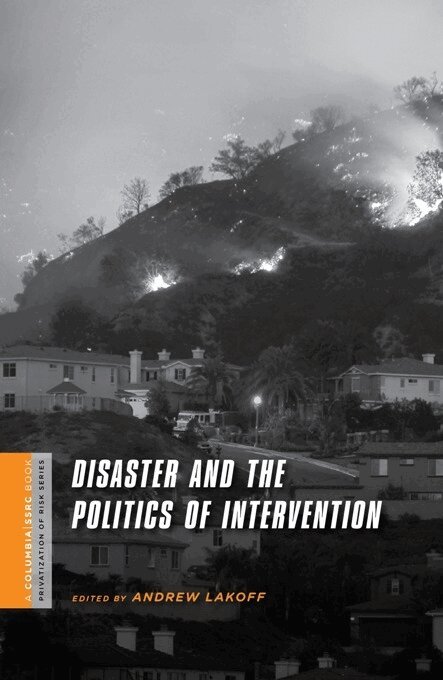
Government plays a critical role in mitigating individual and collective vulnerability to disaster. Through measures such as disaster relief, infrastructure development, and environmental regulation, public policy is central to making societies more resilient. However, the recent drive to replace public institutions with market mechanisms has challenged governmental efforts to manage collective risk. The contributors to this volume analyze the respective roles of the public and private sectors in the management of catastrophic risk, addressing questions such as: How should homeland security officials evaluate the risk posed by terrorist attacks and natural disasters? Are market-based interventions likely to mitigate our vulnerability to the effects of climate change? What is the appropriate relationship between non-governmental organizations and private security firms in responding to humanitarian emergencies? And how can philanthropic efforts to combat the AIDS crisis ensure ongoing access to life-saving drugs in the developing world? More generally, these essays point to the way thoughtful policy intervention can improve our capacity to withstand catastrophic events.Additional Columbia / SSRC books on the Privatization of Risk and its Implications for Americans Bailouts: Public Money, Private ProfitEdited by Robert E. Wright Health at Risk: America's Ailing Health System-and How to Heal ItEdited by Jacob S. Hacker Laid Off, Laid Low: Political and Economic Consequences of Employment InsecurityEdited by Katherine S. Newman Pensions, Social Security, and the Privatization of RiskEdited by Mitchell A. Orenstein
189 kr
Skickas inom 7-10 vardagar
Government plays a critical role in mitigating individual and collective vulnerability to disaster. Through measures such as disaster relief, infrastructure development, and environmental regulation, public policy is central to making societies more resilient. However, the recent drive to replace public institutions with market mechanisms has challenged governmental efforts to manage collective risk. The contributors to this volume analyze the respective roles of the public and private sectors in the management of catastrophic risk, addressing questions such as: How should homeland security officials evaluate the risk posed by terrorist attacks and natural disasters? Are market-based interventions likely to mitigate our vulnerability to the effects of climate change? What is the appropriate relationship between non-governmental organizations and private security firms in responding to humanitarian emergencies? And how can philanthropic efforts to combat the AIDS crisis ensure ongoing access to life-saving drugs in the developing world? More generally, these essays point to the way thoughtful policy intervention can improve our capacity to withstand catastrophic events.Additional Columbia / SSRC books on the Privatization of Risk and its Implications for Americans Bailouts: Public Money, Private ProfitEdited by Robert E. Wright Health at Risk: America's Ailing Health System-and How to Heal ItEdited by Jacob S. Hacker Laid Off, Laid Low: Political and Economic Consequences of Employment InsecurityEdited by Katherine S. Newman Pensions, Social Security, and the Privatization of RiskEdited by Mitchell A. Orenstein
1 287 kr
Skickas inom 3-6 vardagar
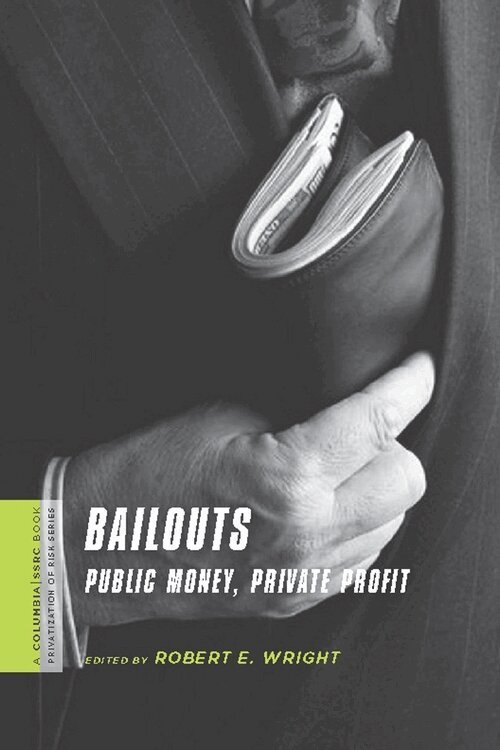
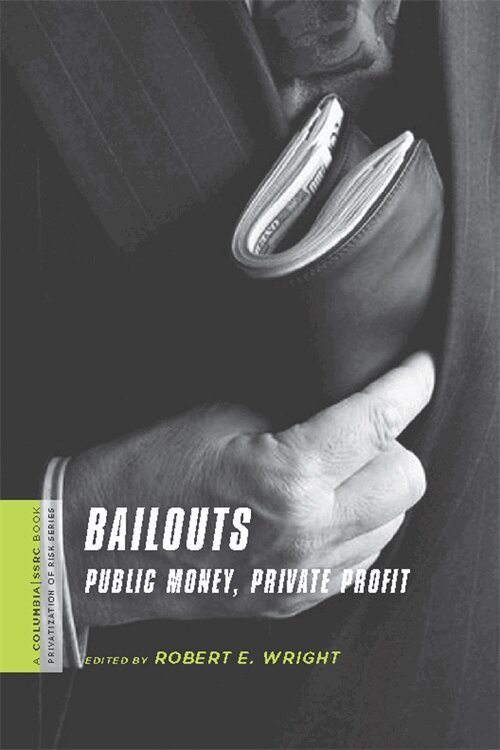
Today's financial crisis is the result of dismal failures on the part of regulators, market analysts, and corporate executives. Yet the response of the American government has been to bail out the very institutions and individuals that have wrought such havoc upon the nation. Are such massive bailouts really called for? Can they succeed? Robert E. Wright and his colleagues provide an unbiased history of government bailouts and a frank assessment of their effectiveness. Their book recounts colonial America's struggle to rectify the first dangerous real estate bubble and the British government's counterproductive response. It explains how Alexander Hamilton allowed central banks and other lenders to bail out distressed but sound businesses without rewarding or encouraging the risky ones. And it shows how, in the second half of the twentieth century, governments began to bail out distressed companies, industries, and even entire economies in ways that subsidized risk takers while failing to reinvigorate the economy. By peering into the historical uses of public money to save private profit, this volume suggests better ways to control risk in the future.Additional Columbia / SSRC books on the privatization of risk and its implications for Americans: Health at Risk: America's Ailing Health System--and How to Heal ItEdited by Jacob S. Hacker Laid Off, Laid Low: Political and Economic Consequences of Employment InsecurityEdited by Katherine S. Newman Pensions, Social Security, and the Privatization of RiskEdited by Mitchell A. Orenstein