Companions to Russian Literature - Böcker
Visar alla böcker i serien Companions to Russian Literature. Handla med fri frakt och snabb leverans.
10 produkter
10 produkter
391 kr
Skickas inom 5-8 vardagar
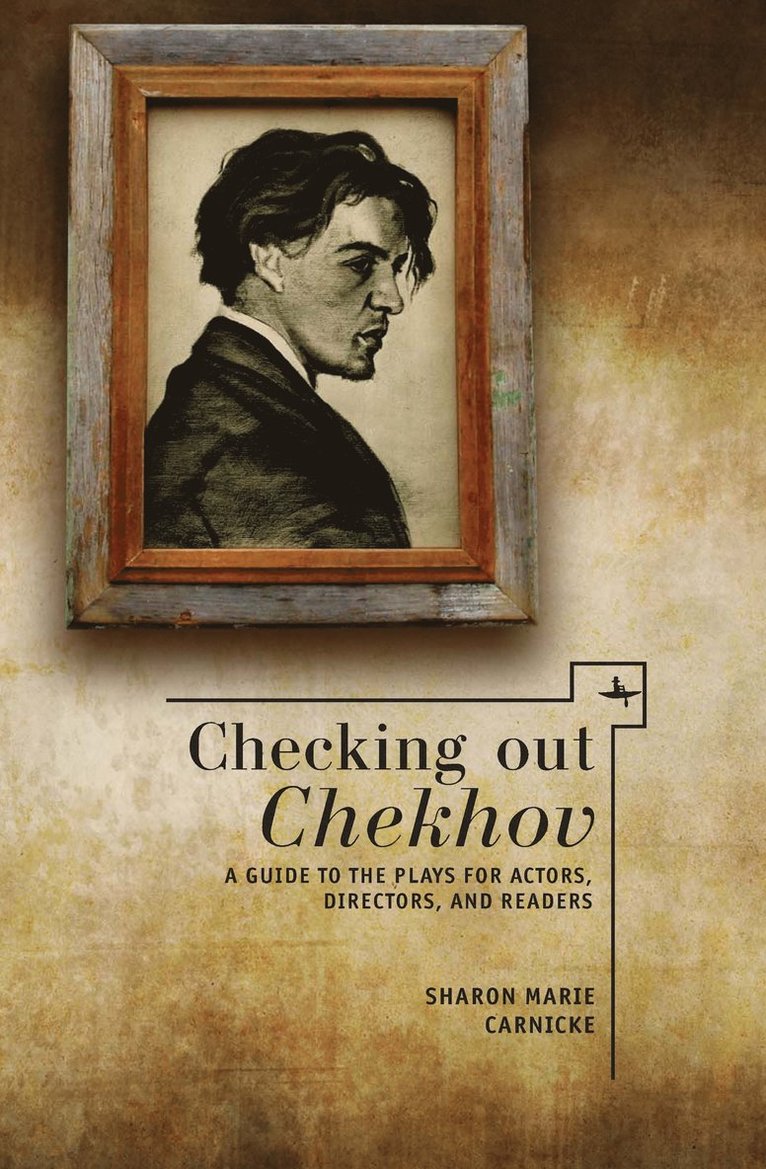
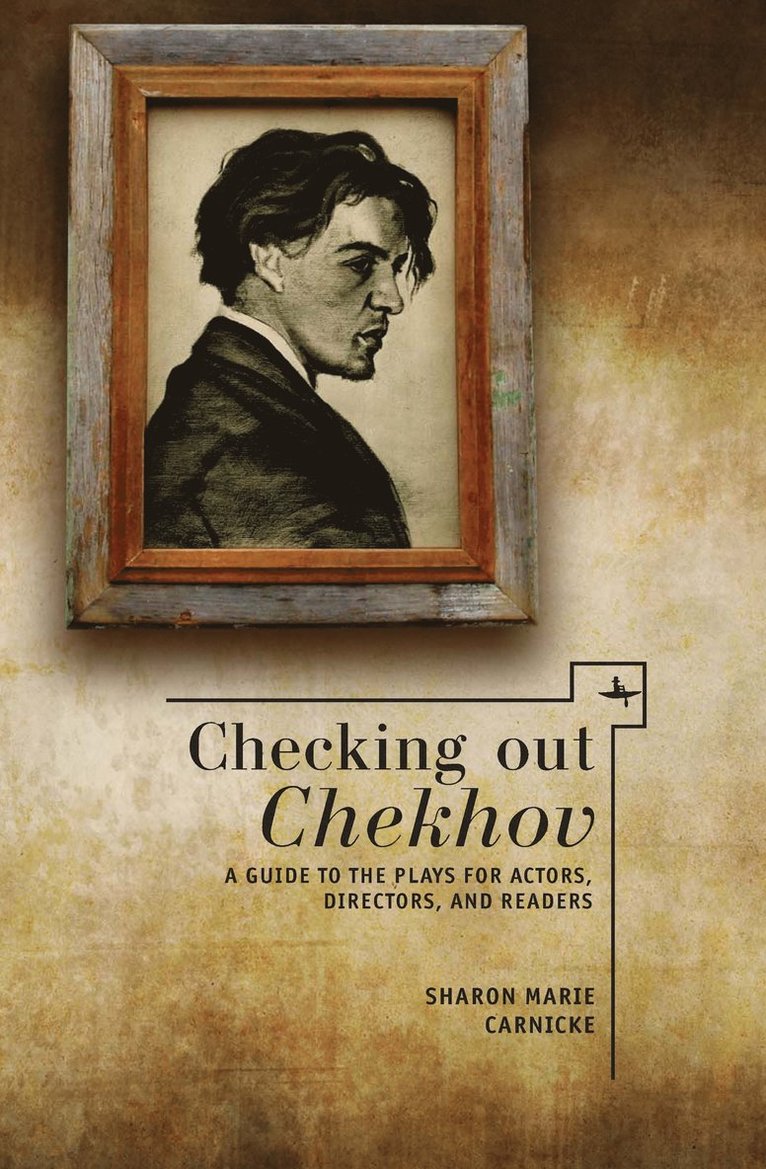
This book paints a vivid portrait of Anton Chekhov - a Russian writer whose elusive personality and richly detailed plays have left an indelible imprint upon the world’s theatre. Every page reveals the joys and difficulties of his short life, his comic sensibility, deep compassion, and often puzzling use of dramatic style and genre. Carnicke demystifies Chekhov’s plays - forged from his literary innovations, avid theatre going, love of vaudeville, and loathing of melodrama. She interweaves biographical and cultural information with insightful case studies and close analysis to leave her reader with a full and fresh perspective on an artist, who is as foundational to theatrical traditions as are Shakespeare and Stanislavsky.
442 kr
Skickas
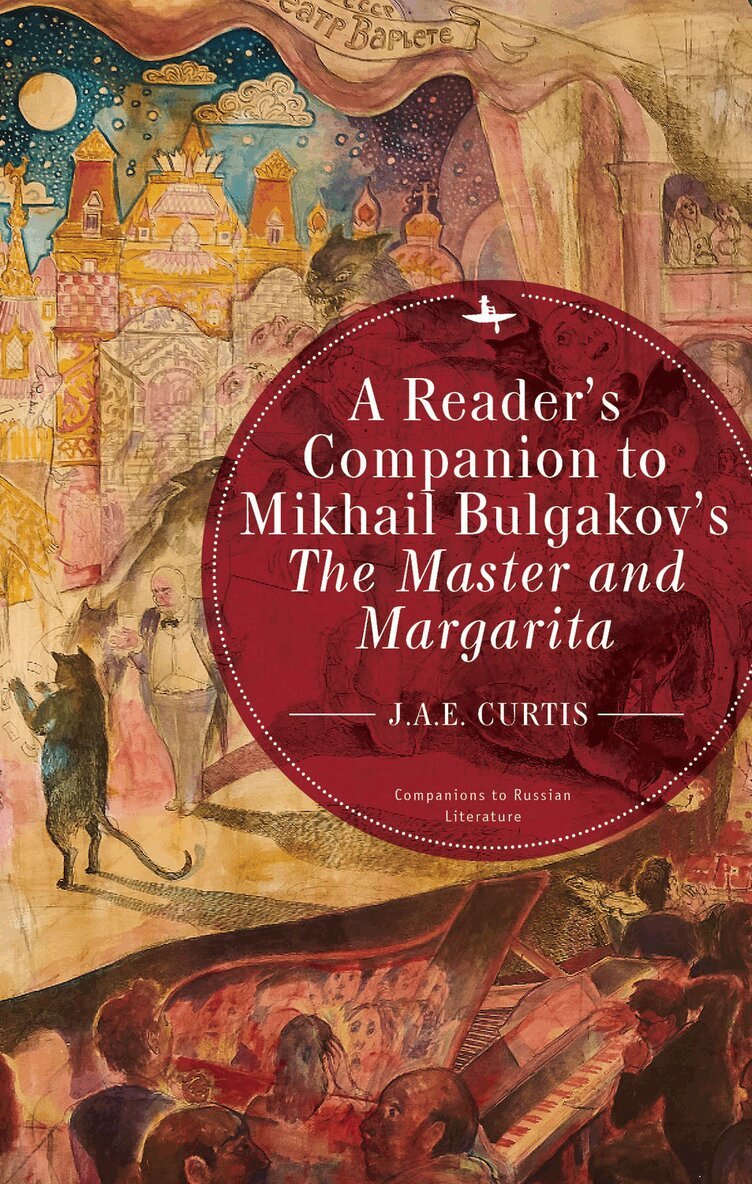
Mikhail Bulgakov’s novel The Master and Margarita, set in Stalin’s Moscow, is an intriguing work with a complex structure, wonderful comic episodes and moments of great beauty. Readers are often left tantalized but uncertain how to understand its rich meanings. To what extent is it political? Or religious? And how should we interpret the Satanic Woland? This reader’s companion offers readers a biographical introduction, and analyses of the structure and the main themes of the novel. More curious readers will also enjoy the accounts of the novel’s writing and publication history, alongside analyses of the work’s astonishing linguistic complexity and a review of available English translations.
1 656 kr
Skickas inom 5-8 vardagar
Mikhail Bulgakov’s novel The Master and Margarita, set in Stalin’s Moscow, is an intriguing work with a complex structure, wonderful comic episodes and moments of great beauty. Readers are often left tantalized but uncertain how to understand its rich meanings. To what extent is it political? Or religious? And how should we interpret the Satanic Woland? This reader’s companion offers readers a biographical introduction, and analyses of the structure and the main themes of the novel. More curious readers will also enjoy the accounts of the novel’s writing and publication history, alongside analyses of the work’s astonishing linguistic complexity and a review of available English translations.
1 599 kr
Skickas inom 5-8 vardagar
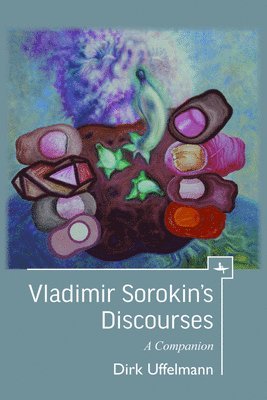
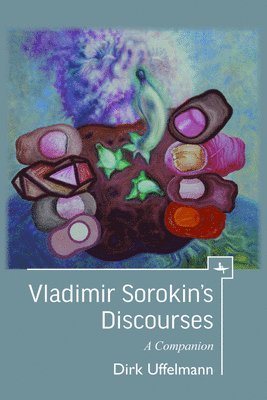
Vladimir Sorokin is the most prominent and the most controversial contemporary Russian writer. Having emerged as a prose writer in Moscow's artistic underground in the late 1970s and early 80s, he became visible to a broader Russian audience only in the mid-1990s, with texts shocking the moralistic expectations of traditionally minded readers by violating not only Soviet ideological taboos, but also injecting vulgar language, sex, and violence into plots that the postmodernist Sorokin borrowed from nineteenth-century literature and Socialist Realism. Sorokin became famous when the Putin youth organization burned his books in 2002 and he picked up neo-nationalist and neo-imperialist discourses in his dystopian novels of the 2000s and 2010s, making him one of the fiercest critics of Russia's "new middle ages," while remaining steadfast in his dismantling of foreign discourses.
409 kr
Skickas inom 5-8 vardagar
Vladimir Sorokin is the most prominent and the most controversial contemporary Russian writer. Having emerged as a prose writer in Moscow’s artistic underground in the late 1970s and early 80s, he became visible to a broader Russian audience only in the mid-1990s, with texts shocking the moralistic expectations of traditionally minded readers by violating not only Soviet ideological taboos, but also injecting vulgar language, sex, and violence into plots that the postmodernist Sorokin borrowed from nineteenth-century literature and Socialist Realism. Sorokin became famous when the Putin youth organization burned his books in 2002 and he picked up neo-nationalist and neo-imperialist discourses in his dystopian novels of the 2000s and 2010s, making him one of the fiercest critics of Russia’s “new middle ages,” while remaining steadfast in his dismantling of foreign discourses.
1 656 kr
Skickas inom 5-8 vardagar
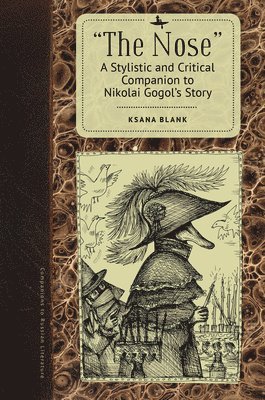
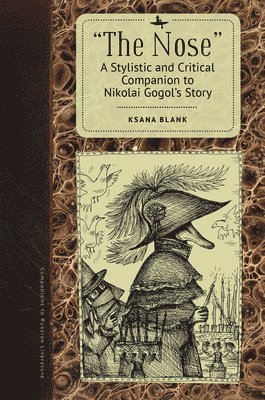
This literary guide leads students with advanced knowledge of Russian as well as experienced scholars through the text of Nikolai Gogol’s absurdist masterpiece “The Nose.” Part I focuses on numerous instances of the writer’s wordplay, which is meant to surprise and delight the reader, but which often is lost in English translations. It traces Gogol’s descriptions of everyday life in St. Petersburg, familiar to the writer’s contemporaries and fellow citizens but hidden from the modern Western reader. Part II presents an overview of major critical interpretations of the story in Gogol scholarship from the time of its publication to the present, as well as its connections to the works of Shostakovich, Kafka, Dalí, and Kharms.
409 kr
Skickas inom 5-8 vardagar
This literary guide leads students with advanced knowledge of Russian as well as experienced scholars through the text of Nikolai Gogol’s absurdist masterpiece “The Nose.” Part I focuses on numerous instances of the writer’s wordplay, which is meant to surprise and delight the reader, but which often is lost in English translations. It traces Gogol’s descriptions of everyday life in St. Petersburg, familiar to the writer’s contemporaries and fellow citizens but hidden from the modern Western reader. Part II presents an overview of major critical interpretations of the story in Gogol scholarship from the time of its publication to the present, as well as its connections to the works of Shostakovich, Kafka, Dalí, and Kharms.
1 656 kr
Skickas inom 5-8 vardagar
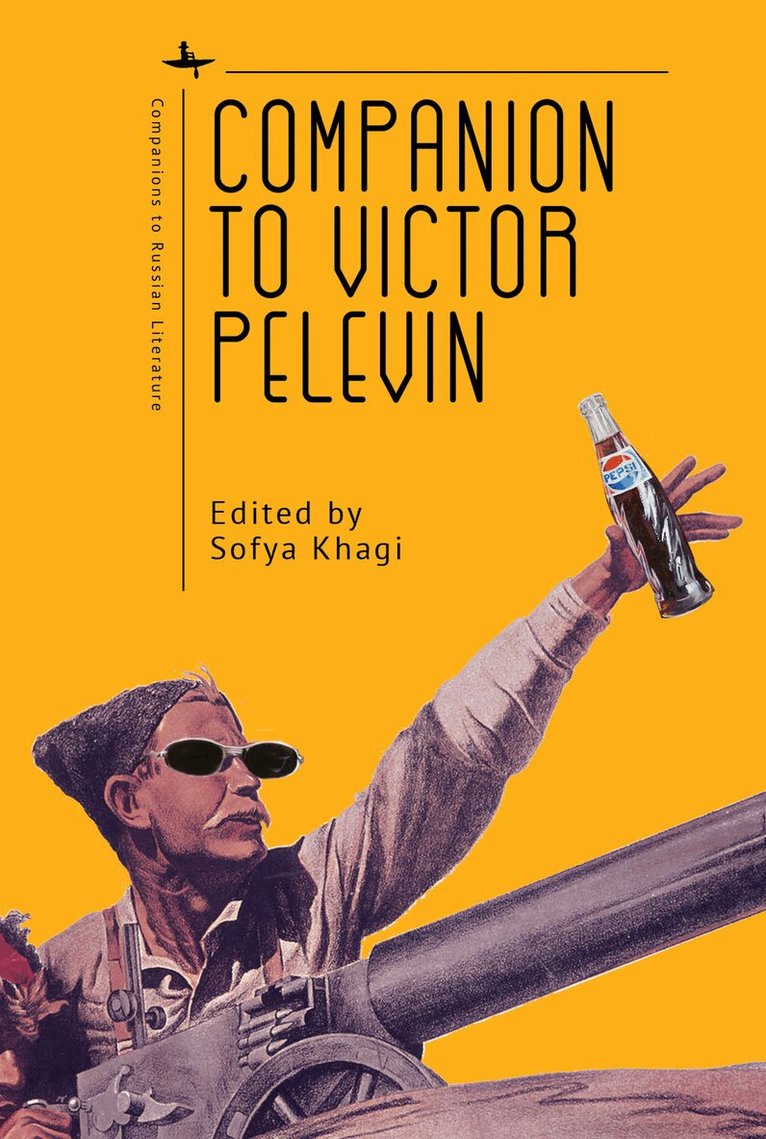
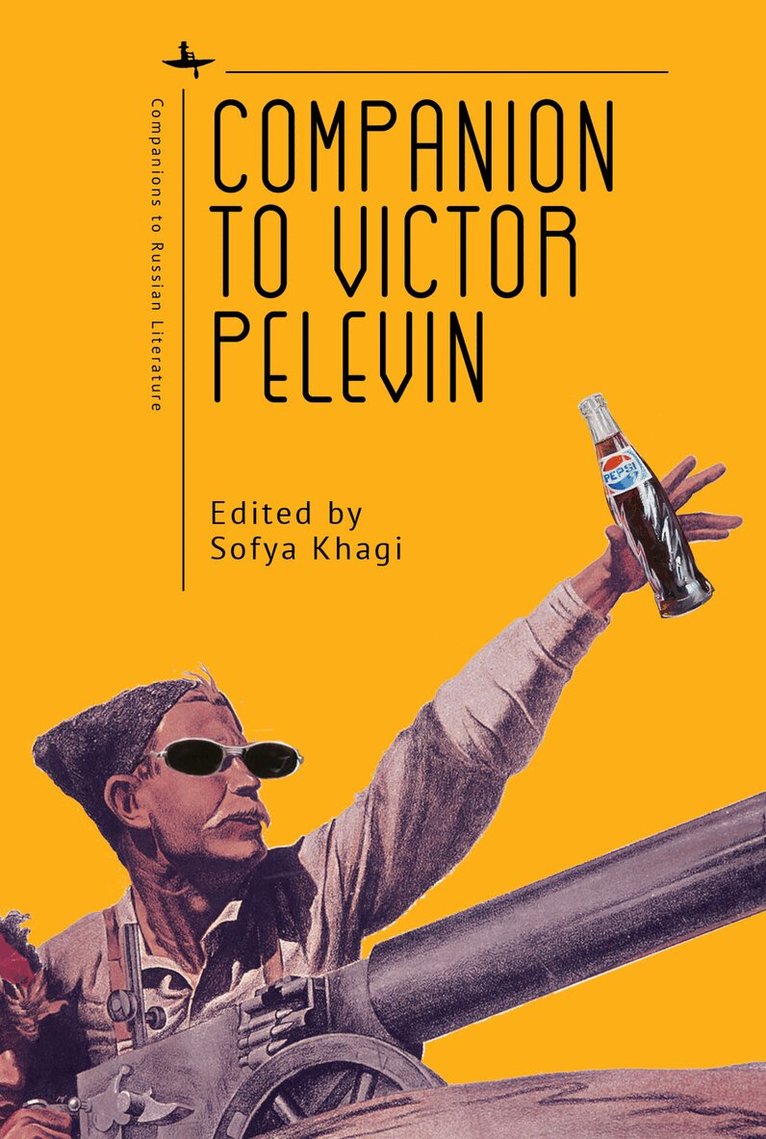
Companion to Victor Pelevin, a collaborative undertaking by a group of emerging Russianist scholars, focuses on the work of one of the most important and hotly debated post-Soviet writers. It provides a valuable resource to scholars, teachers, and students, including how best to teach Pelevin to university-level students, and which critical debates invite further investigation. The contributors offer new readings of Pelevin texts that cover a broad time span and pay due attention to the philosophical and aesthetic complexities of Pelevin’s oeuvre in its development from the early post-Soviet years to the second decade of the present millennium. Examining all of Pelevin’s major works and all Peleviniana currently available in English, the Companion aims to prompt further inquiry into this author’s intellectually stimulating and socially prescient work.
430 kr
Skickas inom 5-8 vardagar
Companion to Victor Pelevin, a collaborative undertaking by a group of emerging Russianist scholars, focuses on the work of one of the most important and hotly debated post-Soviet writers. It provides a valuable resource to scholars, teachers, and students, including how best to teach Pelevin to university-level students, and which critical debates invite further investigation. The contributors offer new readings of Pelevin texts that cover a broad time span and pay due attention to the philosophical and aesthetic complexities of Pelevin’s oeuvre in its development from the early post-Soviet years to the second decade of the present millennium. Examining all of Pelevin’s major works and all Peleviniana currently available in English, the Companion aims to prompt further inquiry into this author’s intellectually stimulating and socially prescient work.
1 375 kr
Skickas inom 3-6 vardagar
Theatres world-wide embrace Chekhov's handful of plays with a fervour second only to Shakespeare's. Whatever their native language or culture, audiences often see themselves in his Russian characters, making Chekhov seem an author who easily transcends his own culture and time. Nonetheless, students, actors, and audiences alike are often initially puzzled by Chekhov's dramatic texts. Are they comic or tragic, ironic or sincere, starkly familiar or willfully elusive? How can his often seemingly irrelevant dialogue create dynamic performances? In his stories and plays alike, Chekhov challenges his readers to diagnose his characters' desires, opinions, heartaches and joys in the same way that doctors diagnose illness by attending closely to apparently trivial details. In the plays where narrative voice is absent and characters speak for themselves reading under a microscope becomes all the more necessary. The expert attention that Carnicke pays to the performative dimensions of Chekhov's plays makes her book unique among the published guides to Chekhov's works.