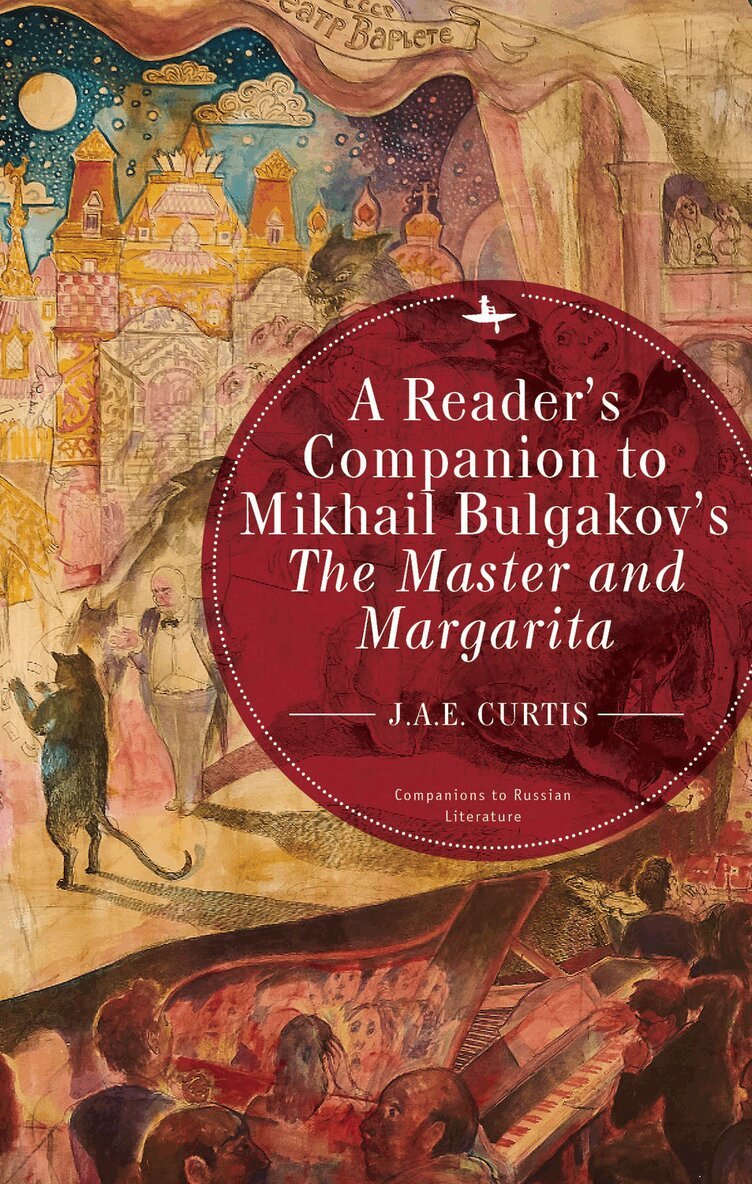
Reader’s Companion to Mikhail Bulgakov’s The Master and Margarita
1 378 kr
Skickas . Fri frakt över 249 kr.
Du är på sajten för privatpersoner.
1 378 kr
Skickas . Fri frakt över 249 kr.
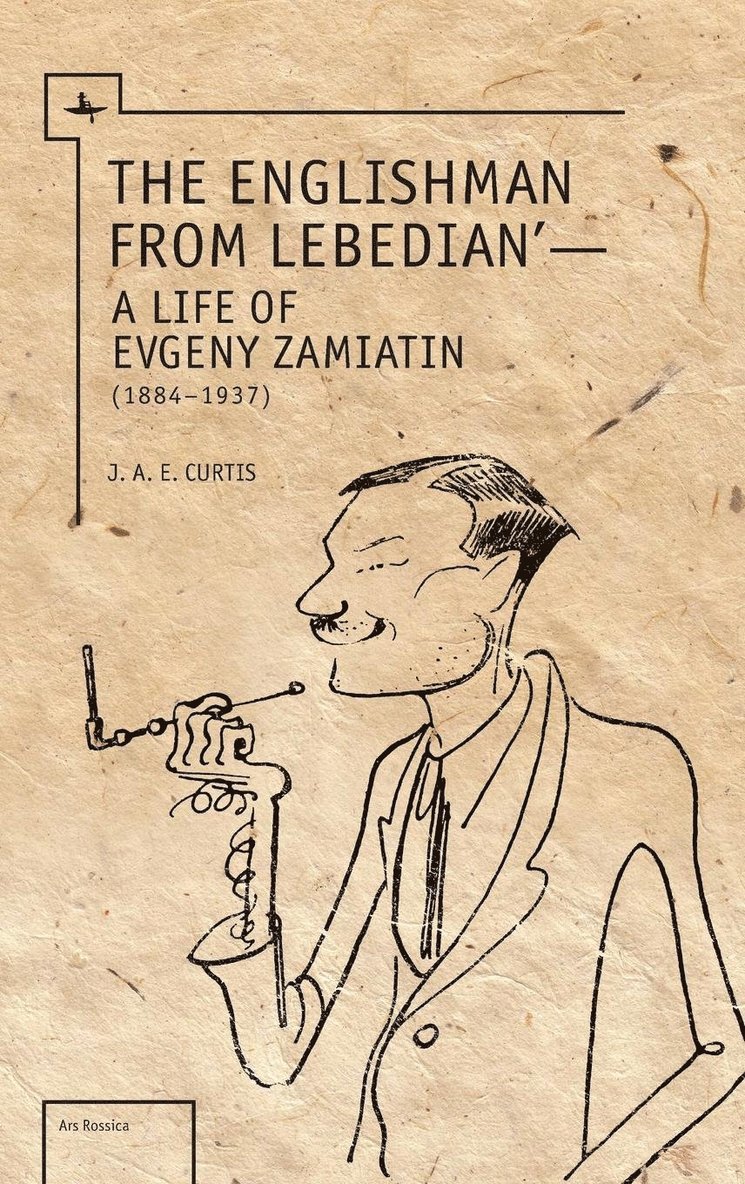
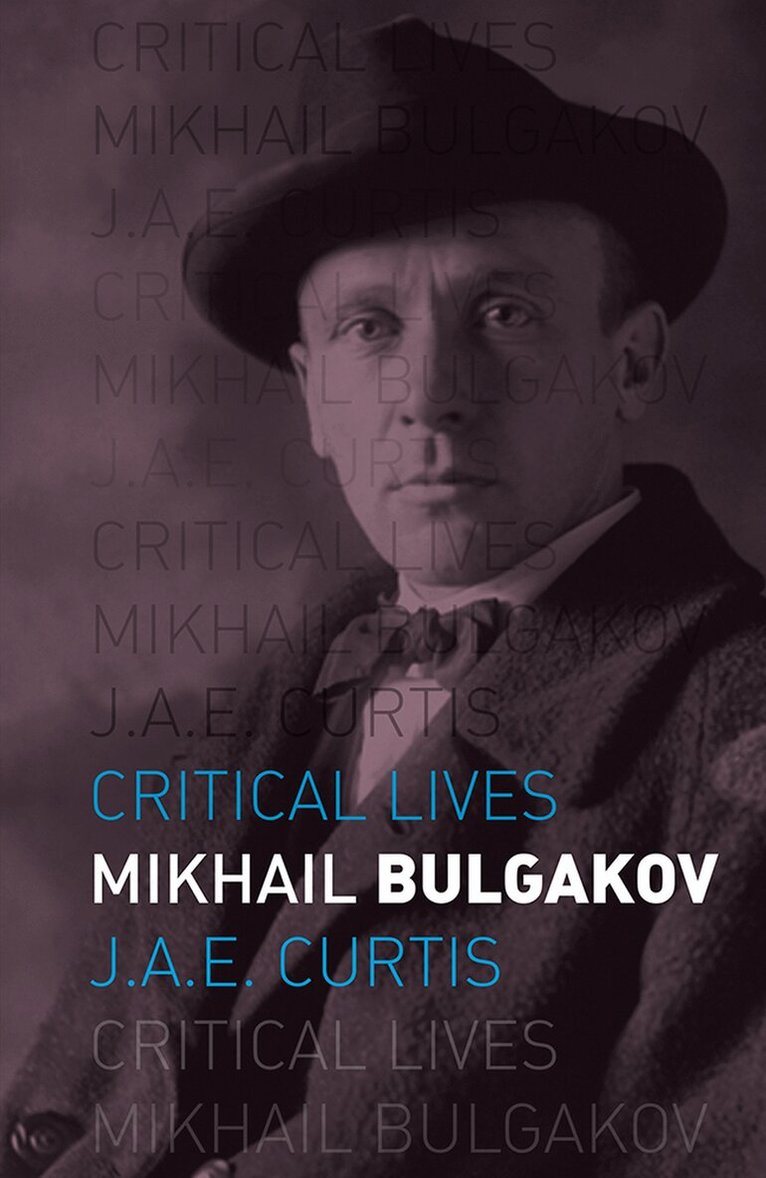
J. A. E. Curtis has been exploring the life and works of Mikhail Bulgakov since the 1970s, when The Master and Margarita sensationally appeared for the first time. She teaches Russian Literature at the University of Oxford, and has also published research on Evgenii Zamiatin, and on 21st-century Russian drama.
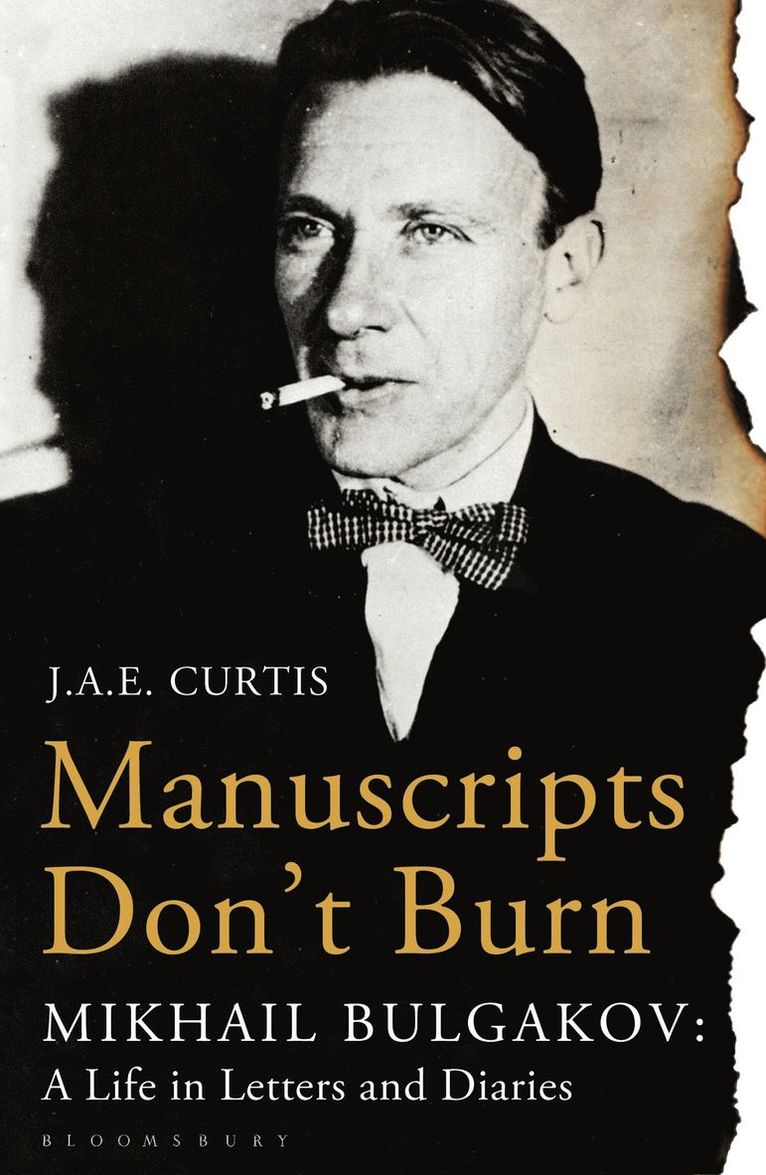
“This new volume is an excellent appreciation of Bulgakov’s second, final and greatest novel The Master and Margarita. Curtis is a brilliant Bulgakov scholar and her 1991 edition of his letters and diaries delivers an incredibly moving and powerful examination of his relationship with his wife and the ways in which writers were oppressed by the Soviet state. These acts of oppression are generally discussed in a circumspect way in The Master and Margarita and Curtis is at pains to dismiss previous critics’ readings of the novel as something which must be ‘“decoded” before it will reveal its secrets.’ … Curtis is an erudite and engaging guide to this wonderful book. It’s a well-known text to me and I still found a huge amount to enjoy here.” —Fortochka, Medium
Du är på sajten för privatpersoner.
1 378 kr
Skickas . Fri frakt över 249 kr.
J. A. E. Curtis has been exploring the life and works of Mikhail Bulgakov since the 1970s, when The Master and Margarita sensationally appeared for the first time. She teaches Russian Literature at the University of Oxford, and has also published research on Evgenii Zamiatin, and on 21st-century Russian drama.
“This new volume is an excellent appreciation of Bulgakov’s second, final and greatest novel The Master and Margarita. Curtis is a brilliant Bulgakov scholar and her 1991 edition of his letters and diaries delivers an incredibly moving and powerful examination of his relationship with his wife and the ways in which writers were oppressed by the Soviet state. These acts of oppression are generally discussed in a circumspect way in The Master and Margarita and Curtis is at pains to dismiss previous critics’ readings of the novel as something which must be ‘“decoded” before it will reveal its secrets.’ … Curtis is an erudite and engaging guide to this wonderful book. It’s a well-known text to me and I still found a huge amount to enjoy here.” —Fortochka, Medium