Computers and Medicine - Böcker
Visar alla böcker i serien Computers and Medicine. Handla med fri frakt och snabb leverans.
17 produkter
17 produkter
878 kr
Skickas inom 10-15 vardagar
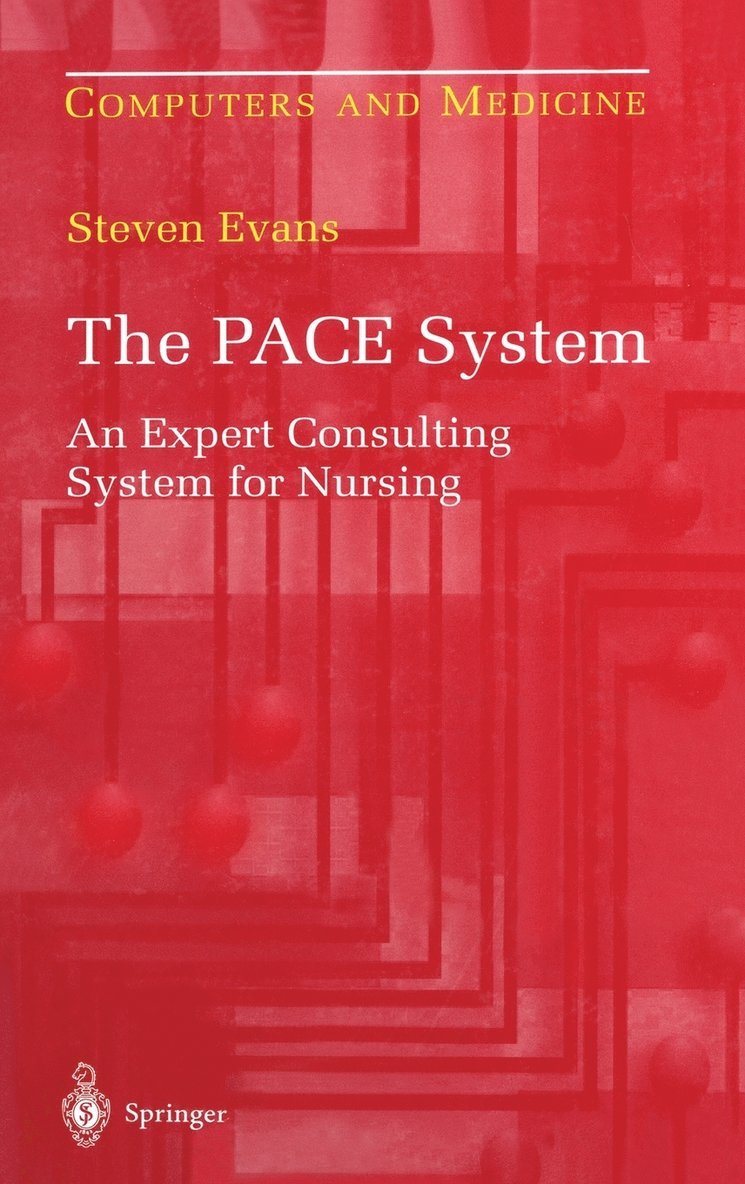
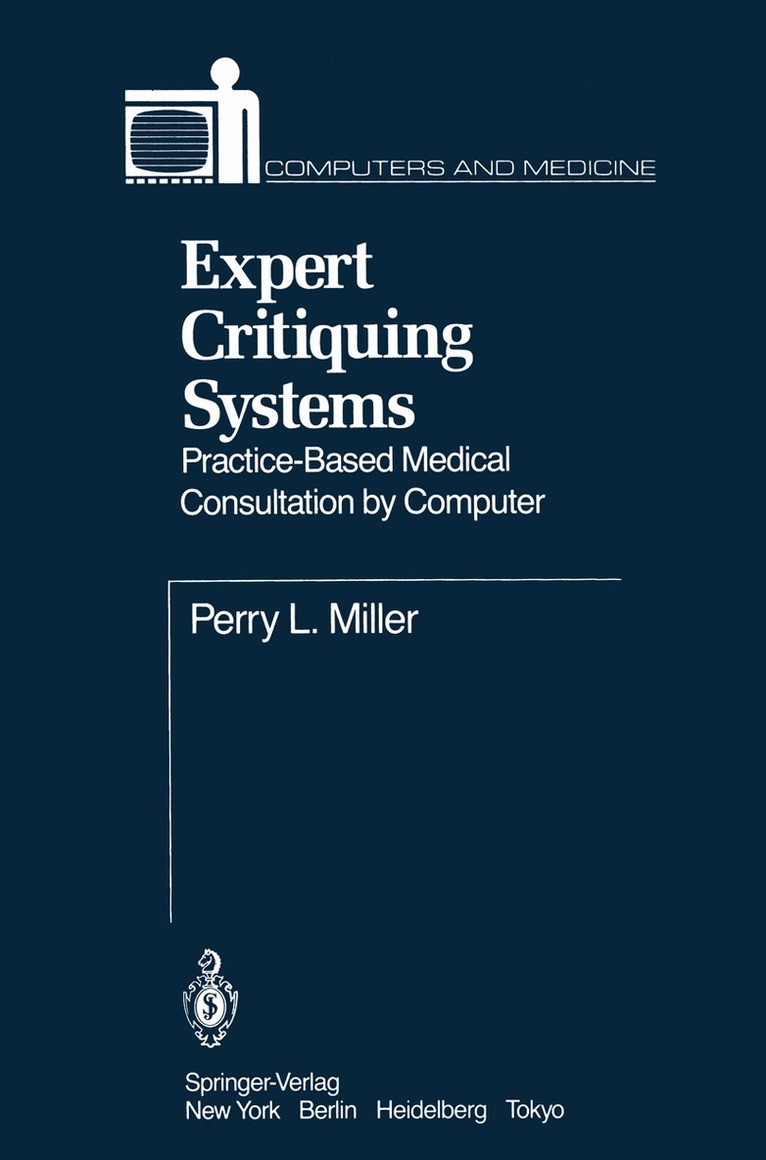
A case study of the research, design, implementation and commercial distribution of PACE, a decision support system, is provided by this work. The original system is contrasted with the current version. The activities needed to acquire, maintain and manage the knowledge base are outlined.
1 640 kr
Skickas inom 10-15 vardagar
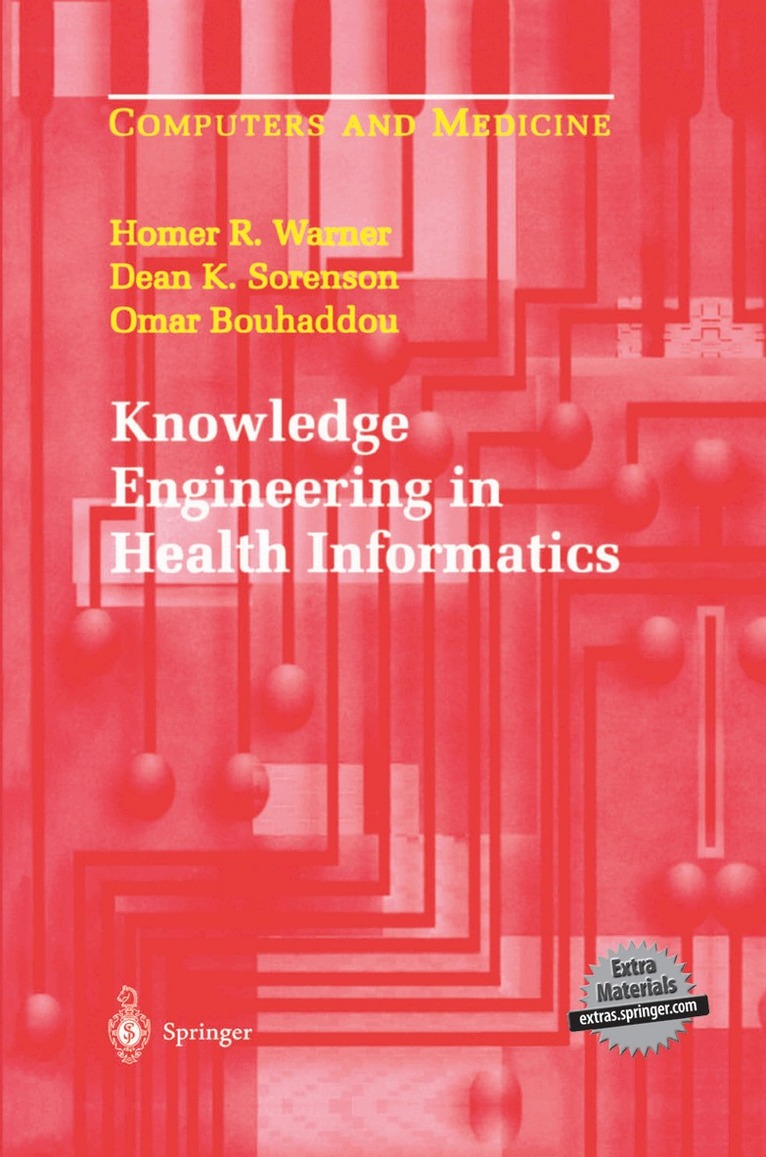
The "information explosion" in recent decades has made it impossible for practicing physicians (even specialists) to keep up with all the information which would be potentially useful in making optimal clinical judgements. As a result, it's not surprising that empirical studies have demonstrated that physicians do not always make optimal decisions. Medical Expert systems are intended to support (not replace) physicians and healthcare providers in their goal to provide consistently optimal healthcare to every patient. Knowledge Engineering in Health Informatics is a guide to the creation of such systems. The core material for courses such as Medical Knowledge Engineering and Expert System Development, it allows non-experts (assisted by computer) to make diagnostic decisions with the precision and accuracy of medical experts.
1 635 kr
Skickas inom 10-15 vardagar
This monograph series is intended to provide medical information scien tists, health care administrators, physicians, nurses, other health care pro viders, and computer science professionals with successful examples and experiences of computer applications in health care settings. Through these computer applications, we attempt to show what is effective and efficient, and hope to provide guidance on the acquisition or design of medical information systems so that costly mistakes can be avoided. Health care provider organizations such as hospitals and clinics are experiencing large demands for clinical information because of a transition from a "fee-for-service" to a "capitation-based" health care economy. This transition changes the way health care services are being paid for. Previ ously, nearly all health care services were paid for by insurance companies after the services were performed. Today, many procedures need to be pre approved and many charges for clinical services must be justified to the insurance plans. Ultimately, in a totally capitated system, the more patient care services are provided per patient, the less profitable the health care provider organization will be. Clearly, the financial risks have shifted from the insurance carriers to the health care provider organizations. For hospitals and clinics to assess these financial risks, management needs to know what services are to be provided and how to reduce them without impacting the quality of care. The balancing act of reducing costs but maintaining health care quality and patient satisfaction requires accurate information about the clinical services.
550 kr
Skickas inom 10-15 vardagar
From this project in nursing informatics, Steven Evans relates both suc cesses and failures, sharing the strategies and techniques to adopt and pitfalls to avoid in a project that followed five years of preliminary theo retical work.
1 092 kr
Skickas inom 10-15 vardagar
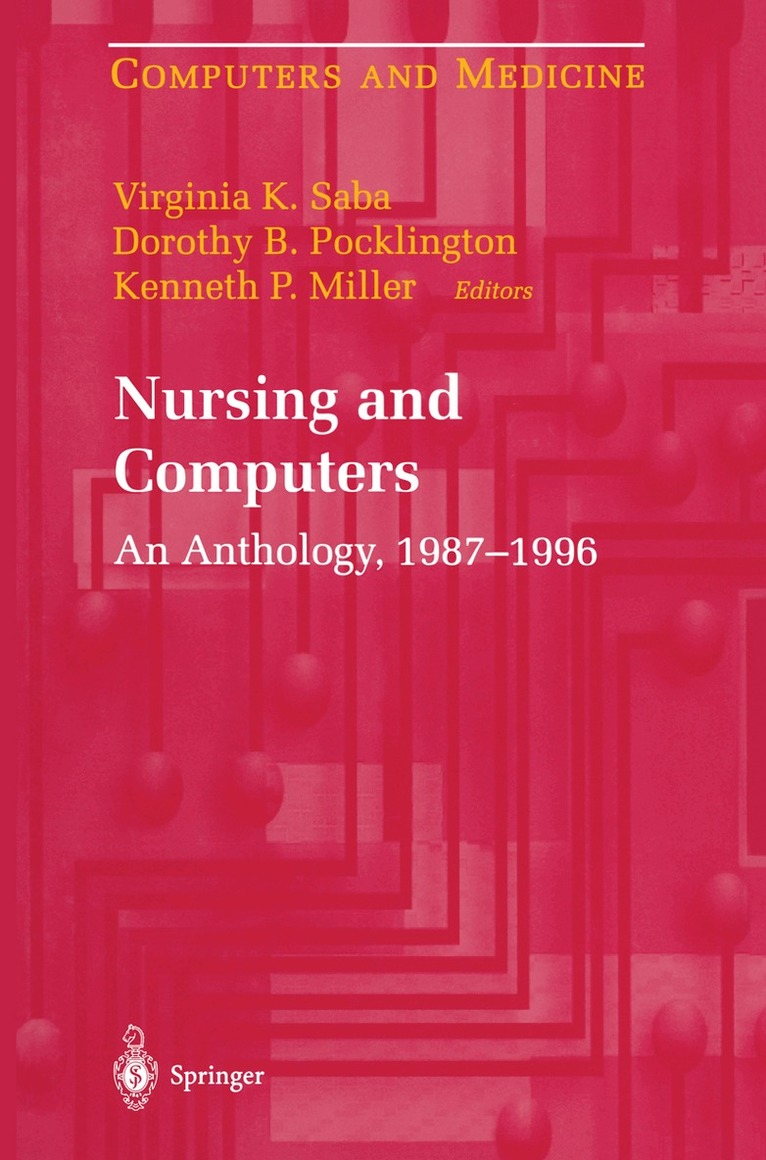
Nursing and Computers: An Anthology 1987-1996 is a compilation of both landmark historic and contemporary papers, illustrating the inception and evolution of nursing informatics. The editors have collected these newly-published independent papers, and assembled them into an invaluable source book providing a framework for future developments in the field of Nursing Informatics. It will be an essential tool for nurses seeking to attain credentials as Nursing Informatics Specialists. The articles demonstrate representative experiences and philosophies in the field, attempting to maintain and expand upon the current knowledge base of computer technology in nursing. Examining the relationship between nursing and information systems, practical applications include: administration, practice, research, education, critical care, and community health.
534 kr
Skickas inom 10-15 vardagar
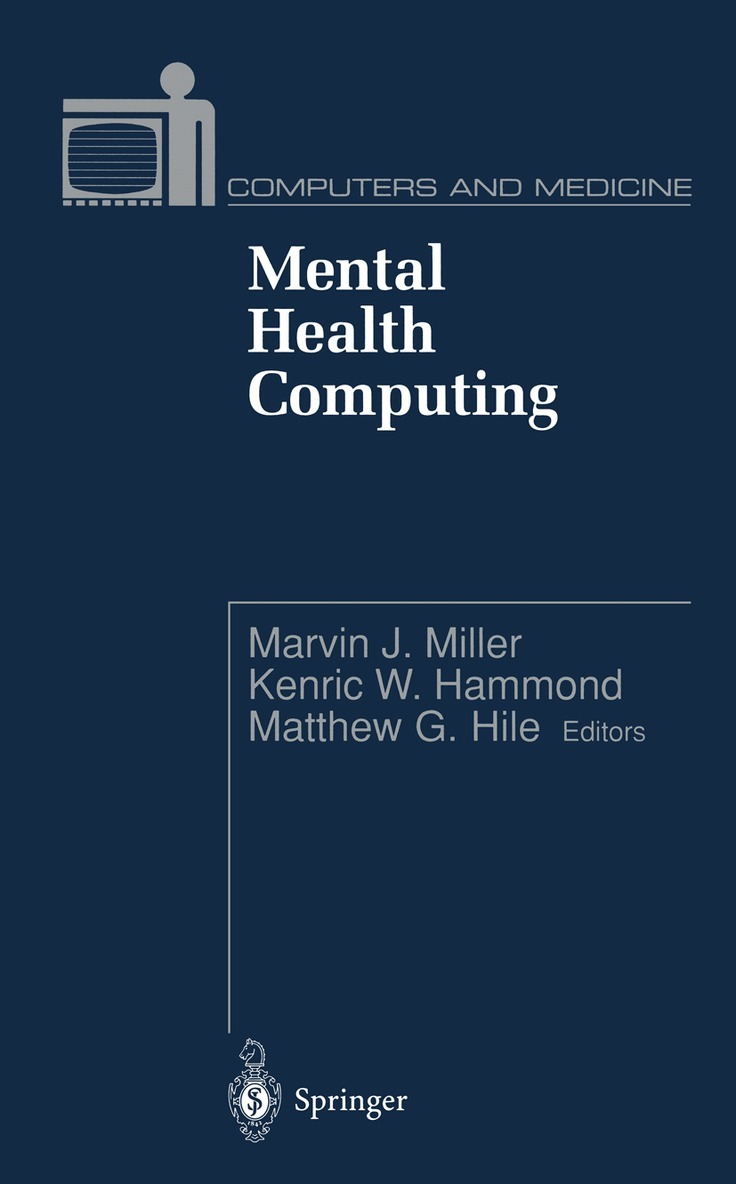
Increasingly more computer applications are becoming available to assist mental health clinicians and administrators in patient evaluation and treatment and mental health management, education, and research. Topics covered include: automated assessment procedures; MR-E (The Mental Retardation Expert); computerized assessment system for psychotherapy evaluation and research; computer assisted therapy of stress related conditions; computerized patient evaluation in a clinical setting; computerized treatment planning; the VA national mental health database; networks; managed care; DSM-IV diagnosis; quality management; cost control; knowledge coupling; telemedicine; the clinical library assistant; and monitoring independent service providers.
550 kr
Skickas inom 10-15 vardagar
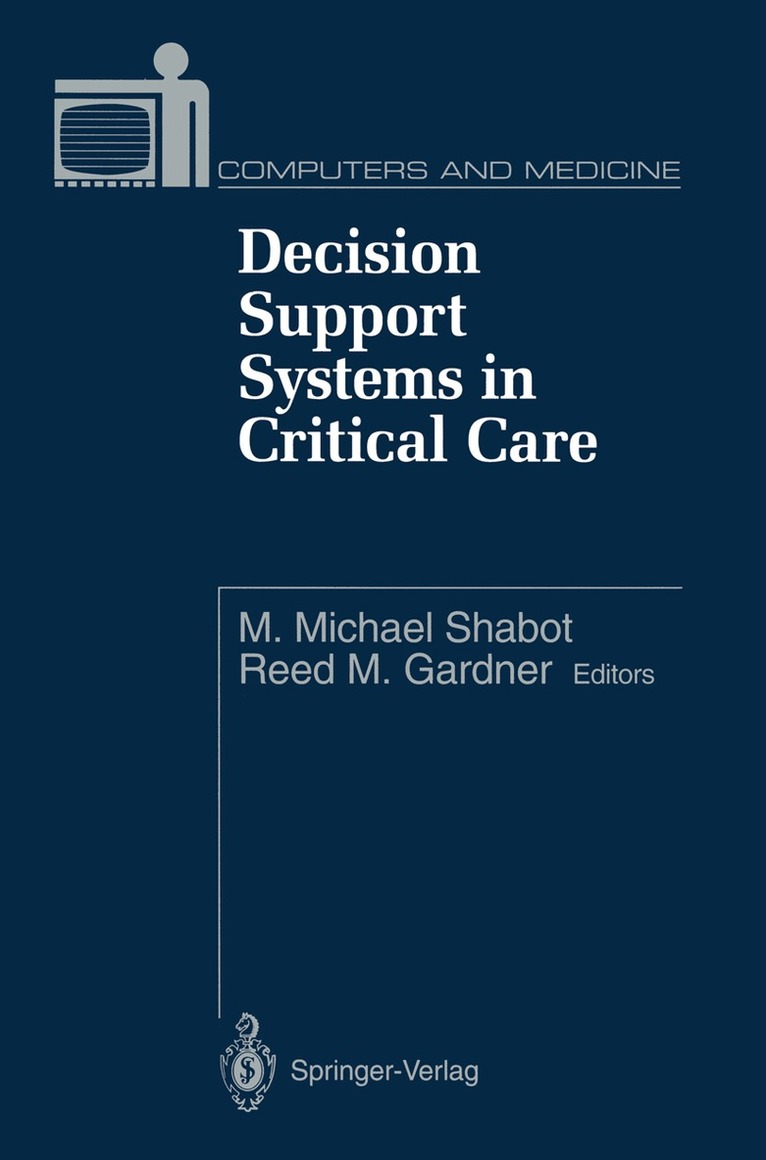
Modern critical care is characterized by the collection of large volumes of data and the making of urgent patient care decisions. The two do not necessarily go together easily. For many years the hope has been that ICU data management systems could play a meaningful role in ICU decision support. These hopes now have a basis in fact, and this book details the history, methodology, current status, and future prospects for critical care decision support systems. By focusing on real and operational systems, the book demonstrates the importance of integrating data from diverse clinical data sources; the keys to implementing clinically usable systems; the pitfalls to avoid in implementation; and the development of effective evaluation methods.
534 kr
Skickas inom 10-15 vardagar
This monograph series is intended to provide medical information scien tists, health care administrators, health care providers, and computer sci ence professionals with successful examples and experiences of computer applications in health care settings. Through the exposition of these com puter applications, we attempt to show what is effective and efficient and hopefully provide some guidance on the acquisition or design of informa tion systems so that costly mistakes can be avoided. The health care industry is currently being pushed and pulled from all directions - from the clinical side to increase quality of care, from the busi ness side to improve financial stability, from the legal and regulatory sides to provide more detailed documentation, and, in a university environment, to provide more data for research and improved opportunities for educa tion. Medical information systems sit in the middle of all these demands. They are not only asked to provide more, better, and more timely informa tion but also to interact with and monitor the process of health care itself by providing clinical reminders, warnings about adverse drug interactions, alerts to questionable treatment, alarms for security breaches, mail mes sages, workload schedules, etc. Clearly, medical information systems are functionally very rich and demand quick response time and a high level of security. They can be classified as very complex systems and, from a devel oper's perspective, as 'risky' systems.
1 061 kr
Skickas inom 10-15 vardagar
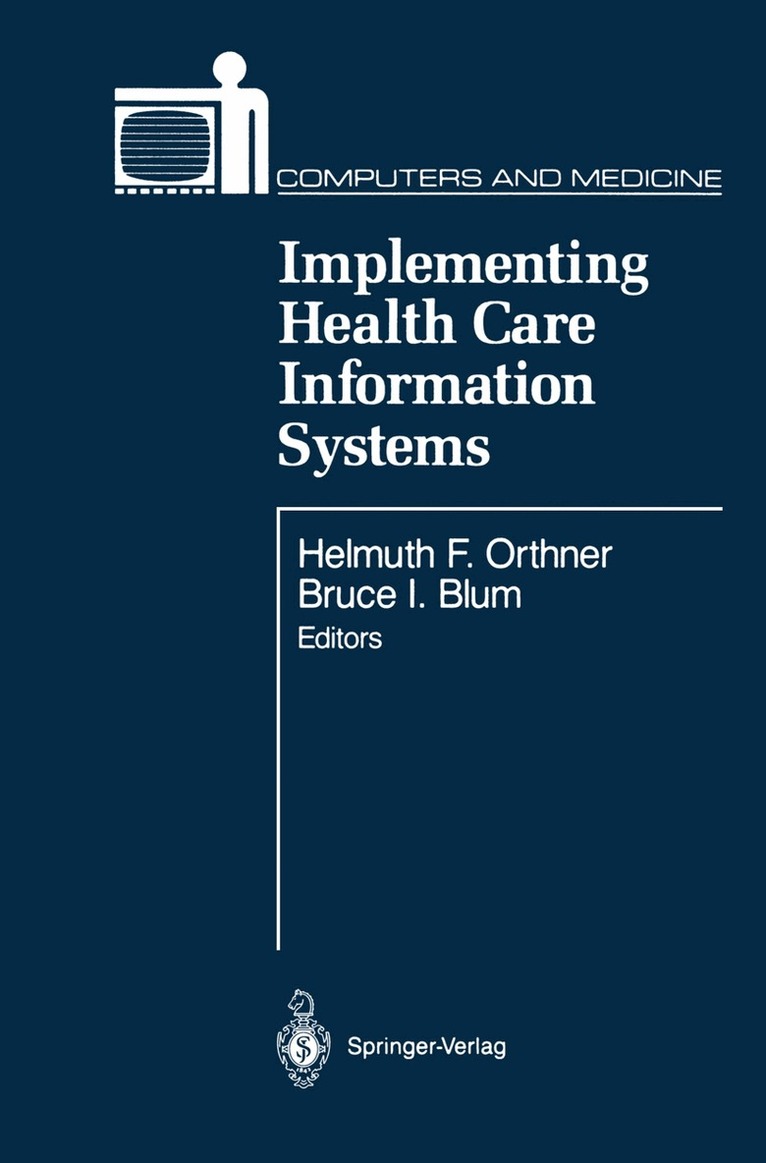
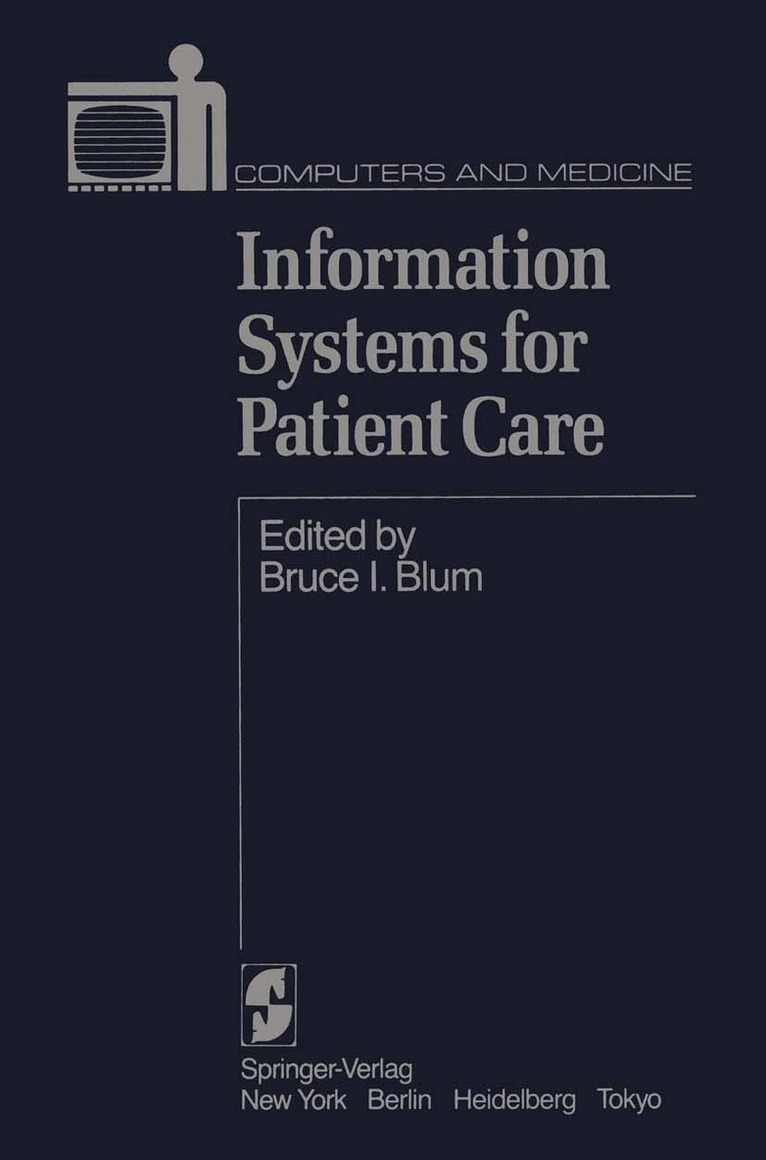
This series in Computers and Medicine had its origins when I met Jerry Stone of Springer-Verlag at a SCAMC meeting in 1982. We determined that there was a need for good collections of papers that would help disseminate the results of research and application in this field. I had already decided to do what is now Information Systems for Patient Care, and Jerry contributed the idea of making it part of a series. In 1984 the first book was published, and-thanks to Jerry's efforts - Computers and Medicine was underway. Since that time, there have been many changes. Sadly, Jerry died at a very early age and cannot share in the success of the series that he helped found. On the bright side, however, many of the early goals of the series have been met. As the result of equipment improvements and the consequent lowering of costs, com puters are being used in a growing number of medical applications, and the health care community is very computer literate. Thus, the focus of concern has turned from learning about the technology to understanding how that technology can be exploited in a medical environment.
550 kr
Skickas inom 10-15 vardagar
Intended for nurses who would like to know more about the development of the computerized information systems on which they have become so dependent, Nursing and Computers: An Anthology is a wide-range introduction to the literature of this field. The editors have selected historical and contemporary papers to show both the systems at their inception and examples of how they have evolved. Of interest to both the generalist and the specialist, these articles examine the partnership between nurses and computers in the areas of administration, practice, research, and education.
550 kr
Skickas inom 10-15 vardagar
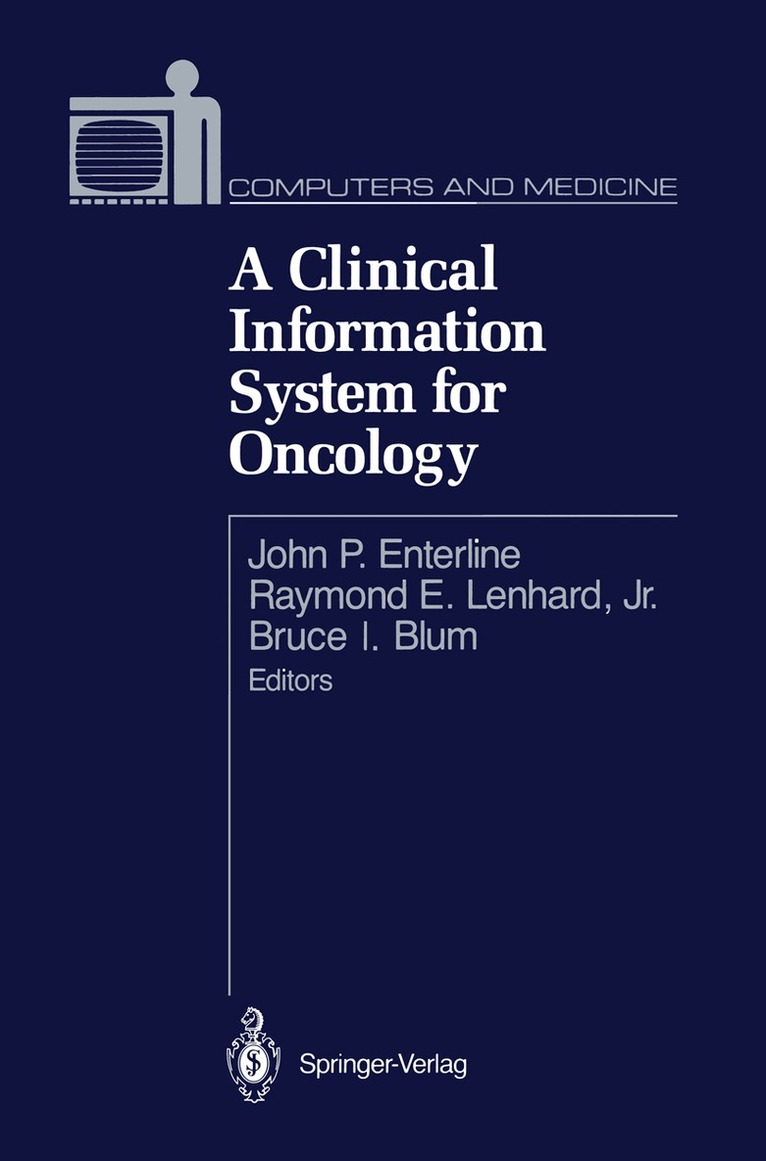
A Clinical Information System for Oncology describes a medical information system designed and implemented in a cancer center but with broad applicability to medical practice beyond the cancer center environment in both inpatient and outpatient settings.
534 kr
Skickas inom 10-15 vardagar
Computer technology has impacted the practice of medicine in dramatic ways. Imaging techniques provide noninvasive tools which alter the diag nostic process. Sophisticated monitoring equipment presents new levels of detail for both patient management and research. In most of these high technology applications, the computer is embedded in the device; its presence is transparent to the user. There is also a growing number of applications in which the health care provider directly interacts with a computer. In many cases, these appli cations are limited to administrative functions, e.g., office practice man agement, location of hospital patients, appointments, and scheduling. Nevertheless, there also are instances of patient care functions such as results reporting, decision support, surveillance, and reminders. This series, Computers and Medicine, will focus upon the direct use of information systems as it relates to the medical community. After twenty-five years of experimentation and experience, there are many tested applications which can be implemented economically using the current generation of computers. Moreover, the falling cost of computers suggests that there will be even more extensive use in the near future. Yet there is a gap between current practice and the state-of-the-art.
1 061 kr
Skickas inom 10-15 vardagar
Computer technology has impacted the practice of medicine in dramatic ways. Imaging techniques provide non-evasive tools which alter the diagnostic pro cess. Sophisticated monitoring equipment presents new levels of detail for both patient management and research. In most of these high technology applica tions, the computer is embedded in the device; its presence is transparent to the user. There is also a growing number of applications in which the health care provider directly interacts with a computer. In many cases, these applications are limited to administrative functions, e.g., office practice management, loca tion of hospital patients, appointments, and scheduling. Nevertheless, there also are instances of patient care functions such as results reporting, decision support, surveillance, and reminders. This series, Computers and Medicine, will focus upon the direct use of infor mation systems as it relates to the medical community. After twenty-five years of experimentation and experience, there are many tested applications which can be implemented economically using the current generation of computers. Moreover, the falling cost of computers suggests that there will be even more extensive use in the near future. Yet there is a gap between current practice and the state-of-the-art.
534 kr
Skickas inom 10-15 vardagar
Computer technology has impacted the practice of medicine in dramatic ways. Imaging techniques provide noninvasive tools which alter the diag nostic process. Sophisticated monitoring equipment presents new levels of detail for both patient management and research. In most of these high technology applications, the computer is embedded in the device; its presence is transparent to the user. There is also a growing number of applications in which the health care provider directly interacts with a computer. In many cases, these appli cations are limited to administrative functions, e.g., office practice man agement, location of hospital patients, appointments, and scheduling. Nevertheless, there also are instances of patient care functions such as results reporting, decision support, surveillance, and reminders. This series, Computers and Medicine, will focus upon the direct use of information systems as it relates to the medical community. After twenty-five years of experimentation and experience, there are many tested applications which can be implemented economically using the current generation of computers. Moreover, the falling cost of computers suggests that there will be even more extensive use in the near future. Yet there is a gap between current practice and the state-of-the-art.
550 kr
Skickas inom 10-15 vardagar
Computer technology has impacted the practice of medicine in dramatic ways. Imaging techniques provide noninvasive tools which alter the diagnostic process. Sophisticated monitoring equipment presents new levels of detail for both patient management and research. In most of these technology applications, the com puter is embedded in the device; its presence is transparent to the user. There is also a growing number of applications in which the health care provider directly interacts with a computer. In many cases, these applications are limited to administrative functions, e.g., office practice management, location of hospital patients, appointments, and scheduling. Nevertheless, there also are instances of patient care functions such as results reporting, decision support, surveillance, and reminders. This series, Computers and Medicine, will focus upon the direct use of infor mation systems as it relates to the medical community. After twenty-five years of experimentation and experience, there are many tested applications which can be implemented economically using the current generation of computers. More over, the falling cost of computers suggests that there will be even more extensive use in the near future. Yet there is a gap between current practice and the state-of the-art.
1 061 kr
Skickas inom 10-15 vardagar
Computer technology has impacted the practice of medicine in dramatic ways. Imaging techniques provide noninvasive tools which alter the diag nostic process. Sophisticated monitoring equipment presents new levels of detail for both patient management and research. In most of these high technology applications, the computer is embedded in the device; its presence is transparent to the user. There is also a growing number of applications in which the health care provider directly interacts with a computer. In many cases, these applica tions are limited to administrative functions, e.g., office practice manage ment, location of hospital patients, appointments, and scheduling. Nev ertheless, there also are instances of patient care functions such as results reporting, decision support, surveillance, and reminders. This series, Computers and Medicine, focuses upon the direct use of information systems as it relates to the medical community. After twenty five years of experimentation and experience, there are many tested ap plications which can be implemented economically using the current gen eration of computers. Moreover, the falling cost of computers suggests that there will be even more extensive use in the near future. Yet there is a gap between current practice and the state-of-the-art.
534 kr
Skickas inom 10-15 vardagar
Computer technology has impacted the practice of medicine in dramatic ways. Imaging techniques provide noninvasive tools which alter the di agnostic process. Sophisticated monitoring equipment presents new levels of detail for both patient management and research. In most of these tech nology applications, the computer is embedded in the device; its presence is transparent to the user. There is also a growing number of applications in which the health care provider directly interacts with a computer. In many cases, these appli cations are limited to administrative functions, e.g., office practice man agement, location of hospital patients, appointments, and scheduling. Nevertheless, there also are instances of patient care functions such as results reporting, decision support, surveillance, and reminders. This series, Computers and Medicine, will focus upon the direct use of information systems as it relates to the medical community. After twenty-five years of experimentation and experience, there are many tested applications which can be implemented economically using the current generation of computers. Moreover, the falling cost of computers suggests that there will be even more extensive use in the near future. Yet there is a gap between current practice and the state-of-the-art.