Cotswold Archaeology Monograph – serie
Visar alla böcker i serien Cotswold Archaeology Monograph. Handla med fri frakt och snabb leverans.
7 produkter
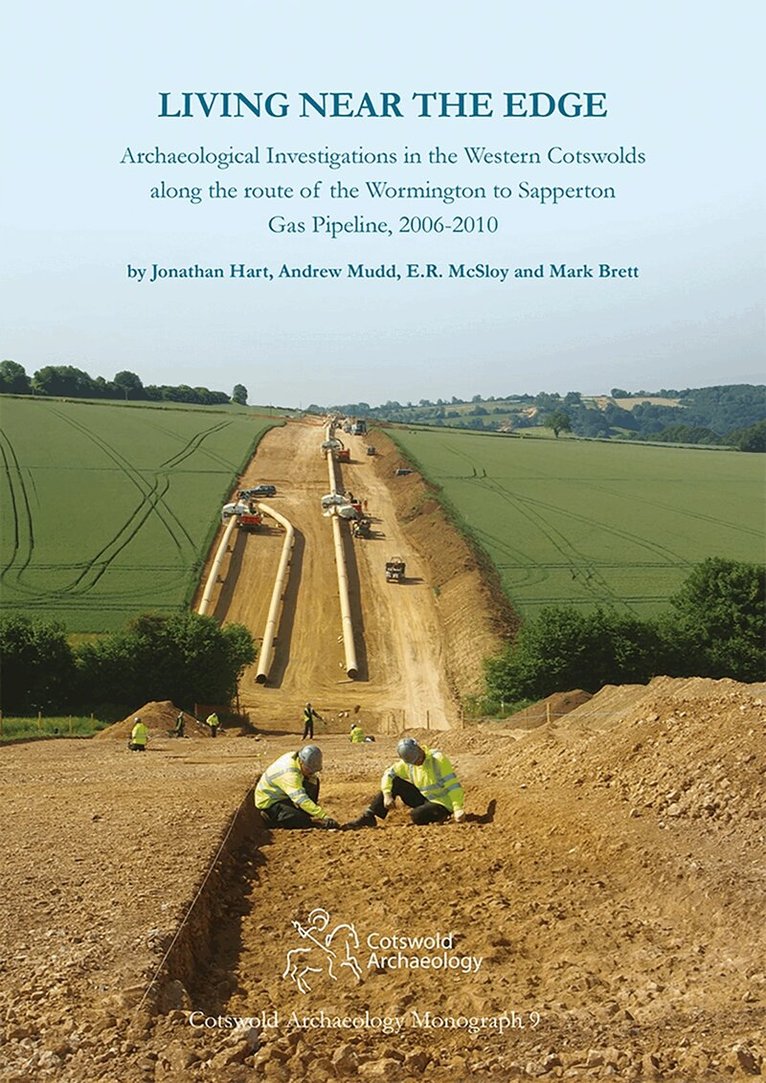
Living Near the Edge
Archaeological Investigations in the Western Cotswolds along the route of the Wormington to Sapperton Gas Pipeline, 2006-2010
Av Andrew Mudd, E.R. McSloy m. fl.
Inbunden, 2016
353 kr
Lägg i varukorg
Archaeological surveys and excavations were carried out between 2006 and 2010 in advance of the construction of a gas pipeline in the Gloucestershire Cotswolds. They resulted in the discovery of many new sites and the investigation of eighteen of them dating from the prehistoric to medieval …
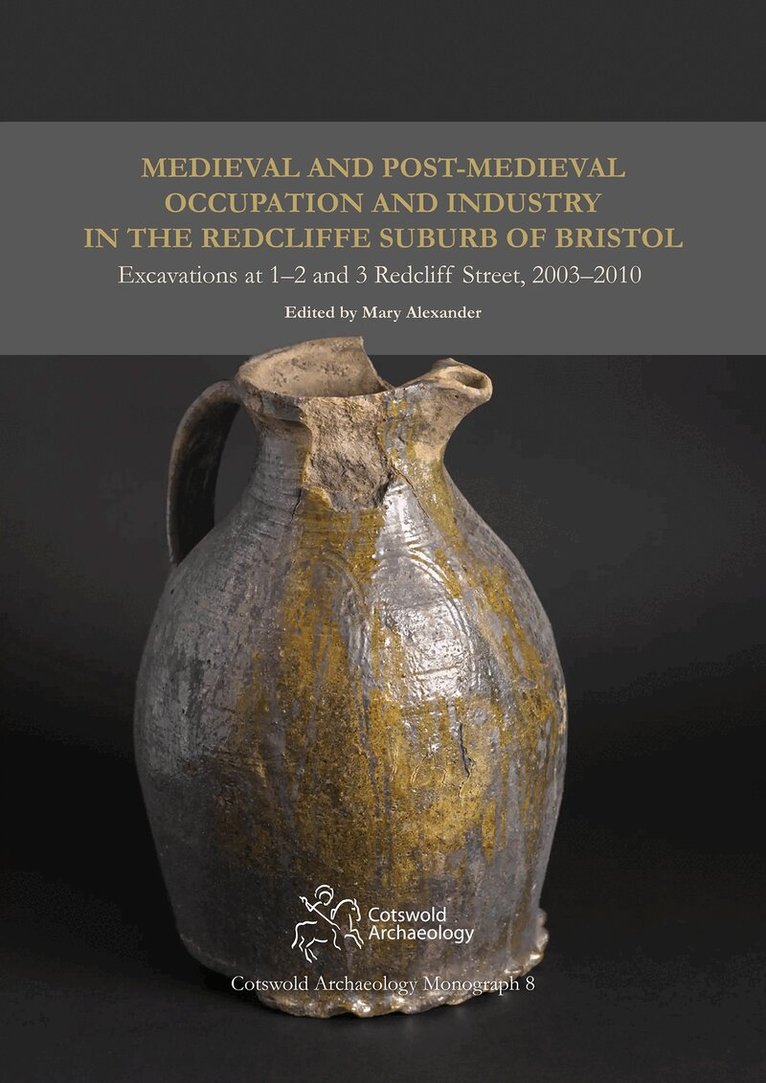
Medieval and Post-Medieval Occupation and Industry in the Redcliffe Suburb of Bristol
Excavations at 1-2 and 3 Redcliff Street, 2003-2010
Inbunden, 2016
321 kr
Lägg i varukorg
Excavations at 1–2 and 3 Redcliff Street, Bristol, crossed a number of historic properties and revealed domestic and industrial remains dating from the establishment of the Redcliffe suburb in the 12th century through to the later post-medieval period.Cloth-dying was the dominant industry in …
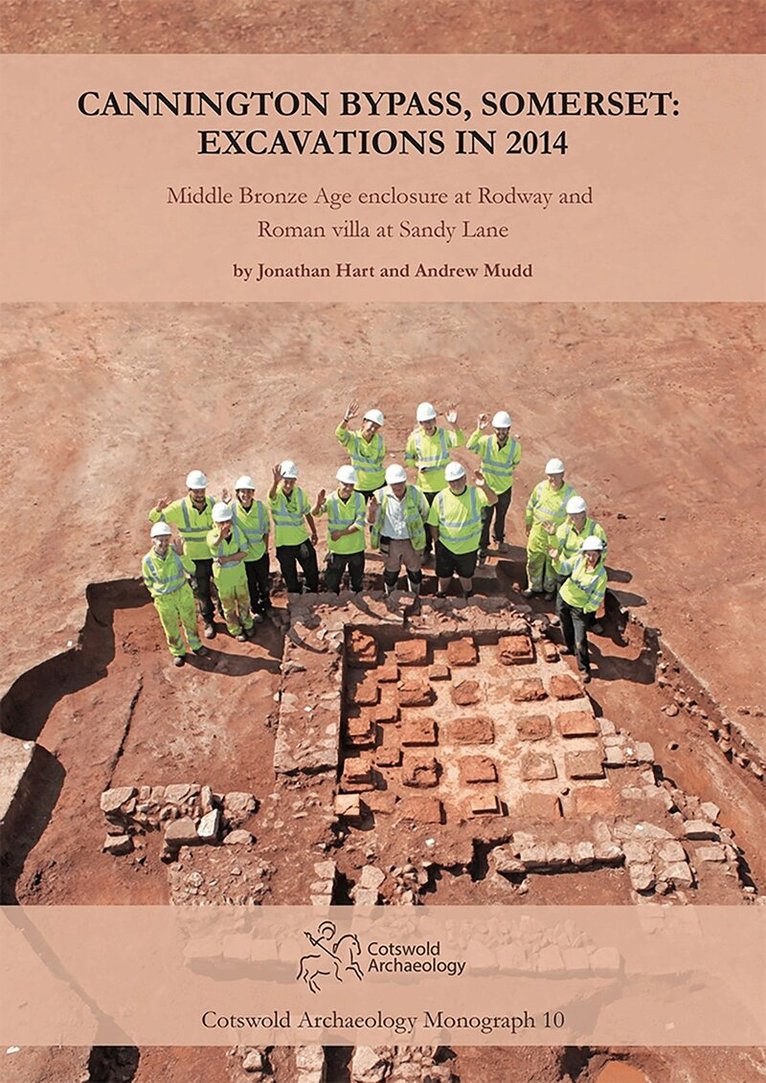
Cannington Bypass, Somerset: Excavations in 2014
Middle Bronze Age Enclosure at Rodway and Roman Villa at Sandy Lane
Inbunden, 2018
314 kr
Lägg i varukorg
Two enclosures were recorded – near Rodway was discovered a small Middle Bronze Age farmstead containing evidence of two roundhouses, with associated pottery and plant remains; and at Sandy Lane a Roman villa was shown to have developed from a Late Iron Age ridge-top settlement.
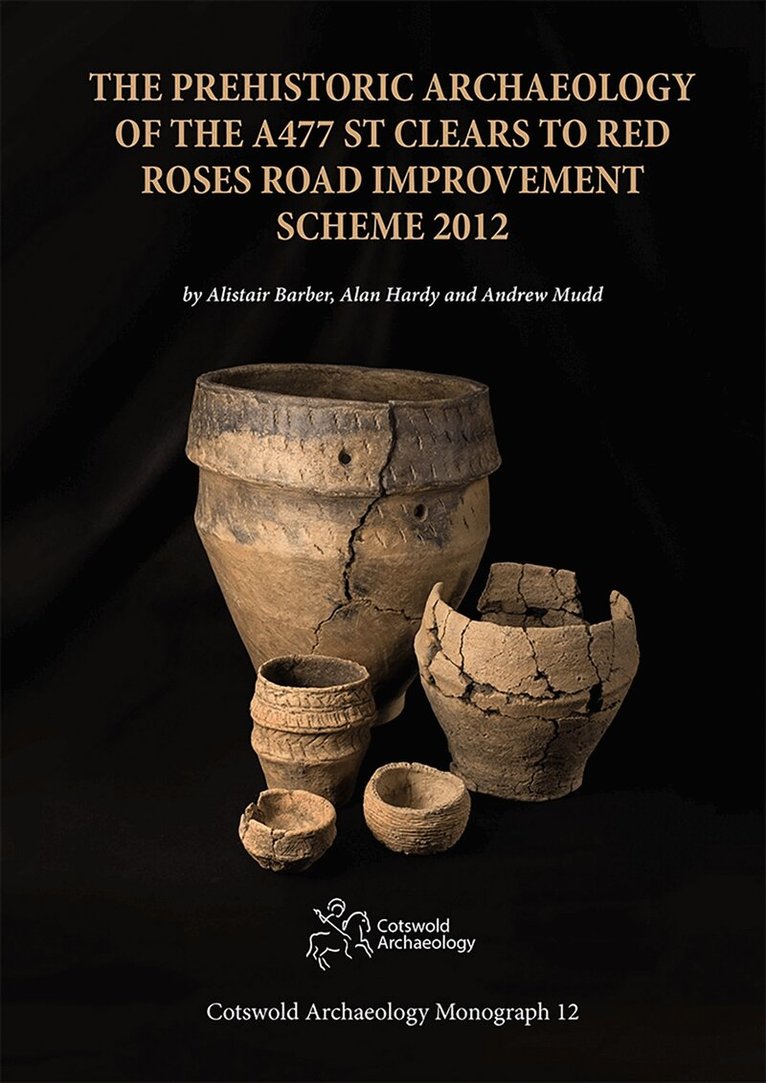
Prehistoric Archaeology of the A477 St Clears to Red Roses Road Improvement Scheme 2012
Av Alistair Barber, Alan Hardy m. fl.
Inbunden, 2019
321 kr
Lägg i varukorg
Details results of excavations along the A477 from St Clears to Red Roses during the Road Improvement Scheme, 2012. Finds include a Mesolithic site in the lower Tâf valley; early Neolithic pits and a post-built structure at Cildywyll; the remains of an Early Bronze Age barrow, 38 burials (some …
Picket Twenty Andover, Hampshire: Excavation of a Bronze Age Barrow Cemetery, 2017–2018
Av Alistair J. Barclay, Andrew Mudd
Häftad, 2026
322 kr
Lägg i varukorg
This book rescribes the results of excavations undertaken between 2017 and 2018 in advance of a housing development at Picket Twenty, Andover, Hampshire. The excavations revealed a barrow cemetery dating to the Early Bronze Age (2150–1500 BC). The barrow cemetery lies within the upper reaches of …
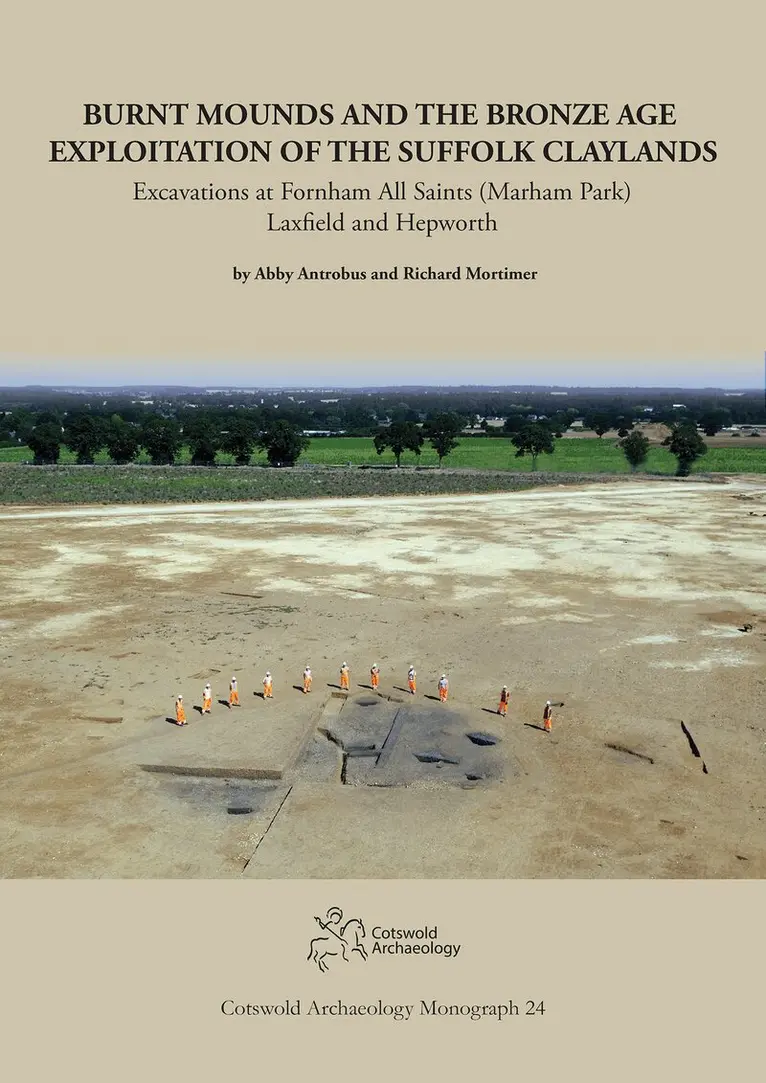
Burnt Mounds and the Bronze Age Exploitation of the Suffolk Claylands
Excavations at Fornham All Saints (Marham Park), Laxfield and Hepworth
Av Abbey Antrobus, Richard Mortimer m. fl.
Häftad, 2026
401 kr
Lägg i varukorg
This volume focuses on remains of the Beaker period to Late Bronze Age/Early Iron Age (c. 2400–350 BC) from three multi-period developer-funded excavations on the clay uplands of Suffolk, within which four burnt mounds were investigated. The sites were excavated by Cotswold Archaeology (CA) and …
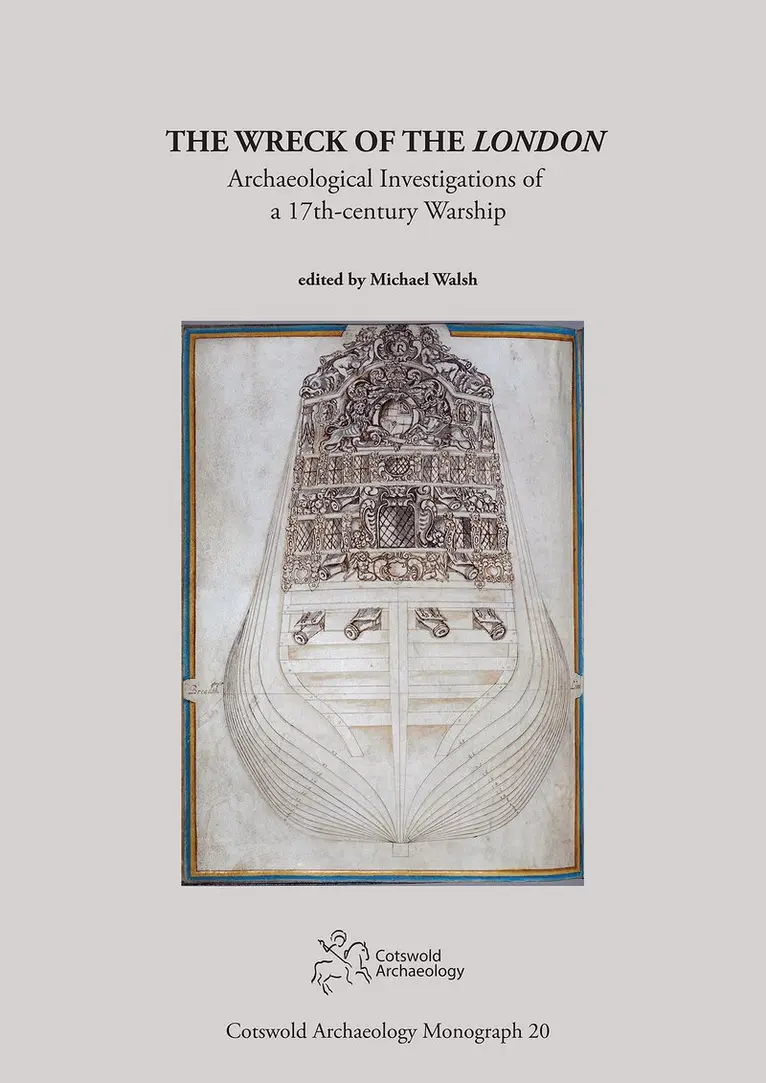
Wreck of the London
Archaeological Investigations of a 17th-century Warship
Inbunden, 2026
546 kr
Lägg i varukorg
Since March 2014 a programme of archaeological excavation, geophysical survey and finds assessments has been undertaken by Cotswold Archaeology (CA) and its specialist sub-contractors on the site of the London wreck. The London was an English second-rate ship-of-the-line built at Chatham in 1656 …