Critical Perspectives on Music and Society - Böcker
Visar alla böcker i serien Critical Perspectives on Music and Society. Handla med fri frakt och snabb leverans.
14 produkter
14 produkter
1 177 kr
Skickas inom 10-15 vardagar
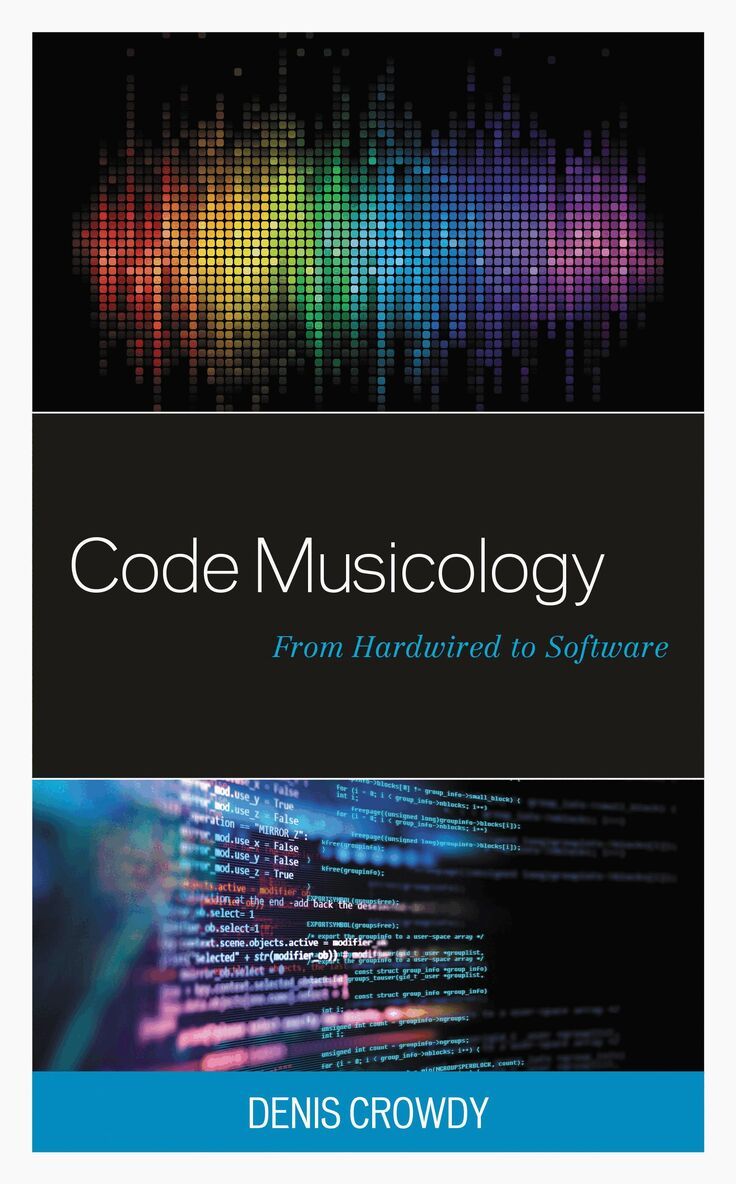
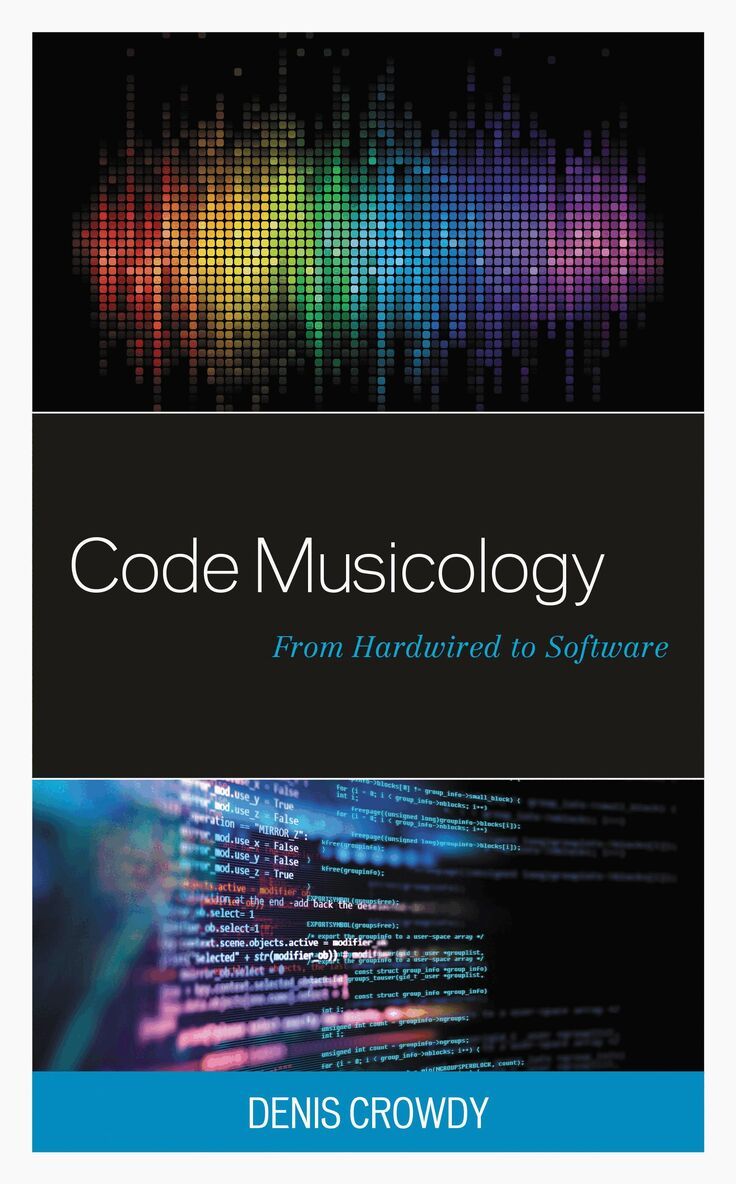
Software mediates a great deal of human musical activity. The writing, running, and maintenance of code lies at the heart of such software. Code Musicology: From Hardwired to Software argues why it is time for a “code musicology,” then outlines what that should entail. A code musicology opens a conduit between musicology and software studies, providing insights into both of these now interlinked fields along the way. It extends an ethnomusicology of technoculture from the world of hardware and the hardwired to software, code, and algorithms. For popular music studies, it helps direct attention to a newly relevant industrial focus—IT and software-centered transnational commerce—as a result of sectorial transformation.Denis Crowdy demonstrates how analysis from software studies, critical code studies, and the digital humanities offers insights into power relations, diversity, and commerce in music. Crowdy weaves readings of code and application programming interfaces (APIs) into the discussion, as well as ethnomusicological fieldwork exploring music and mobile phones from the Global South. Analysis of the author’s own music apps and associated distribution infrastructure provides unique insights into the machinations of music “appification.”
447 kr
Skickas inom 10-15 vardagar
Software mediates a great deal of human musical activity. The writing, running, and maintenance of code lies at the heart of such software. Code Musicology: From Hardwired to Software argues why it is time for a “code musicology,” then outlines what that should entail. A code musicology opens a conduit between musicology and software studies, providing insights into both of these now interlinked fields along the way. It extends an ethnomusicology of technoculture from the world of hardware and the hardwired to software, code, and algorithms. For popular music studies, it helps direct attention to a newly relevant industrial focus—IT and software-centered transnational commerce—as a result of sectorial transformation.Denis Crowdy demonstrates how analysis from software studies, critical code studies, and the digital humanities offers insights into power relations, diversity, and commerce in music. Crowdy weaves readings of code and application programming interfaces (APIs) into the discussion, as well as ethnomusicological fieldwork exploring music and mobile phones from the Global South. Analysis of the author’s own music apps and associated distribution infrastructure provides unique insights into the machinations of music “appification.”
1 177 kr
Skickas inom 10-15 vardagar
Pandemic Playlist: An Exploration of COVID-inspired Popular Music takes readers back to 2020, when the COVID-19 pandemic wreaked havoc on the music industry. Focusing on those artists who responded directly to the pandemic with their music, Kevin Farrell explores a selection of songs written and recorded about COVID-19. These songs range from the hilariously tongue-in-cheek to the painfully earnest to the self-righteously angry, coming from musicians obscure, world famous, and up-and-coming. Farrell argues that these songs, both originals and repurposed covers, are best classified by rhetorical approach, rather than musical style, identifying four basic categories of COVID-inspired popular music: the Coronavirus Anthem (Bono’s “Let Your Love Be Known,” Alicia Keys’ “Good Job”), Pandemic Pop (Cardi B and iMarkkeyz’s “Coronavirus,” Curtis Roach and Tyga’s “Bored in the House”), the COVID Cover (Gal Gadot’s “Imagine,” Juvenile’s “Vax That Thang Up”), and Pandemic Protest (Ian Brown’s “Little Seed Big Tree,” Kid Rock’s “We The People”). Through a study of these songs, and many more, this book seeks to understand what the pandemic and the music it inspired can teach us about the previously unimaginable.
1 177 kr
Skickas inom 10-15 vardagar
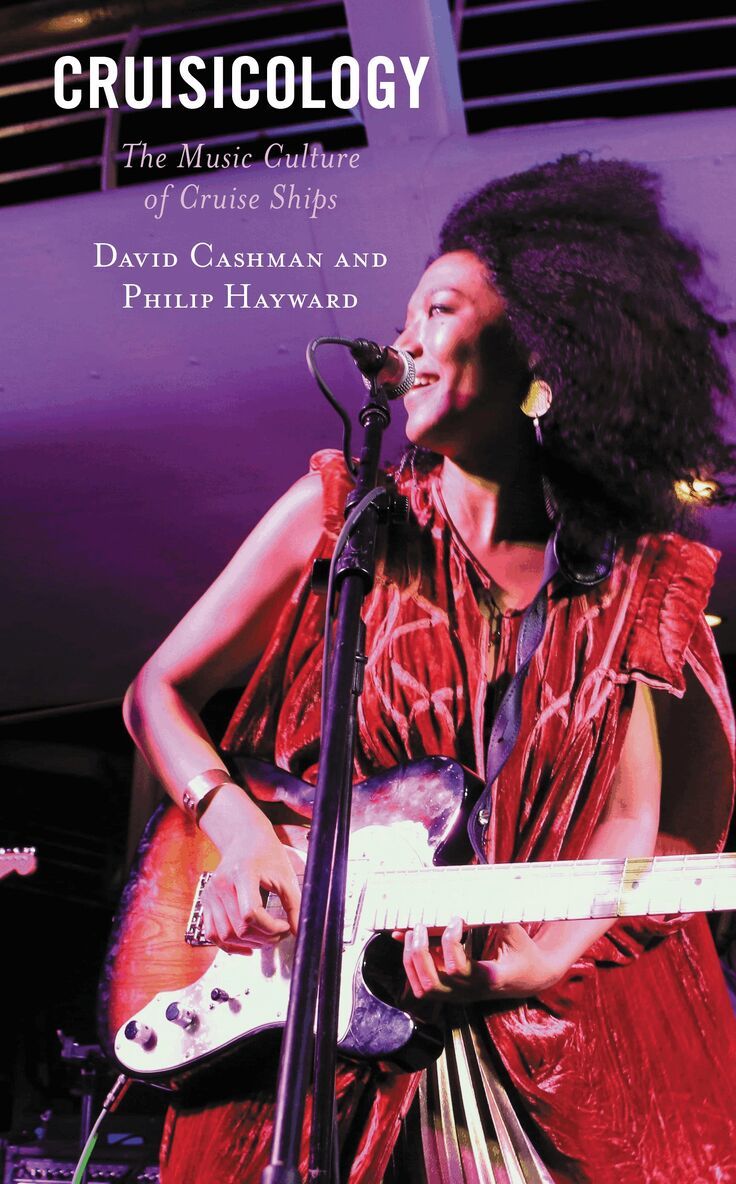
Since the 1990s the cruise industry has become one of the largest employers of musicians in the world. Thousands of professional musicians work on cruise ships daily, entertaining millions of passengers. Cruisicology: The Music Culture of Cruise Ships provides the first in-depth account of the culture and the industrial determinants of cruise ship music. Based on interviews with working musicians and coauthor David Cashman’s experience as a cruise ship musician, this book investigates how music is organized and made onboard a cruise ship. David Cashman and Philip Hayward study the working life of musicians, why and how corporate shipping lines include music onboard their vessels, the history of musicians on passenger shipping, and the likely future directions of musical entertainment within the industry. Cashman and Hayward illustrate the positive and negative experience of artists making music every day in confined spaces with close proximity to their audiences.
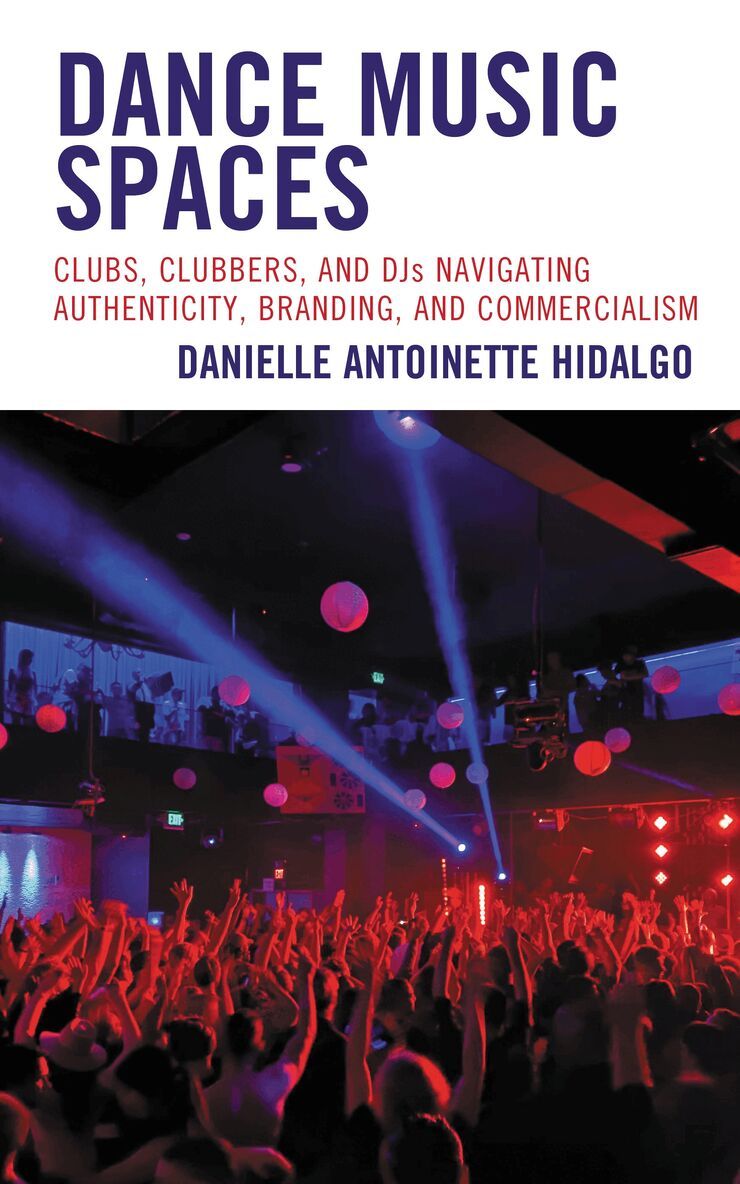
Dance Music Spaces
Clubs, Clubbers, and DJs Navigating Authenticity, Branding, and Commercialism
Inbunden, Engelska, 2022
1 108 kr
Skickas inom 10-15 vardagar
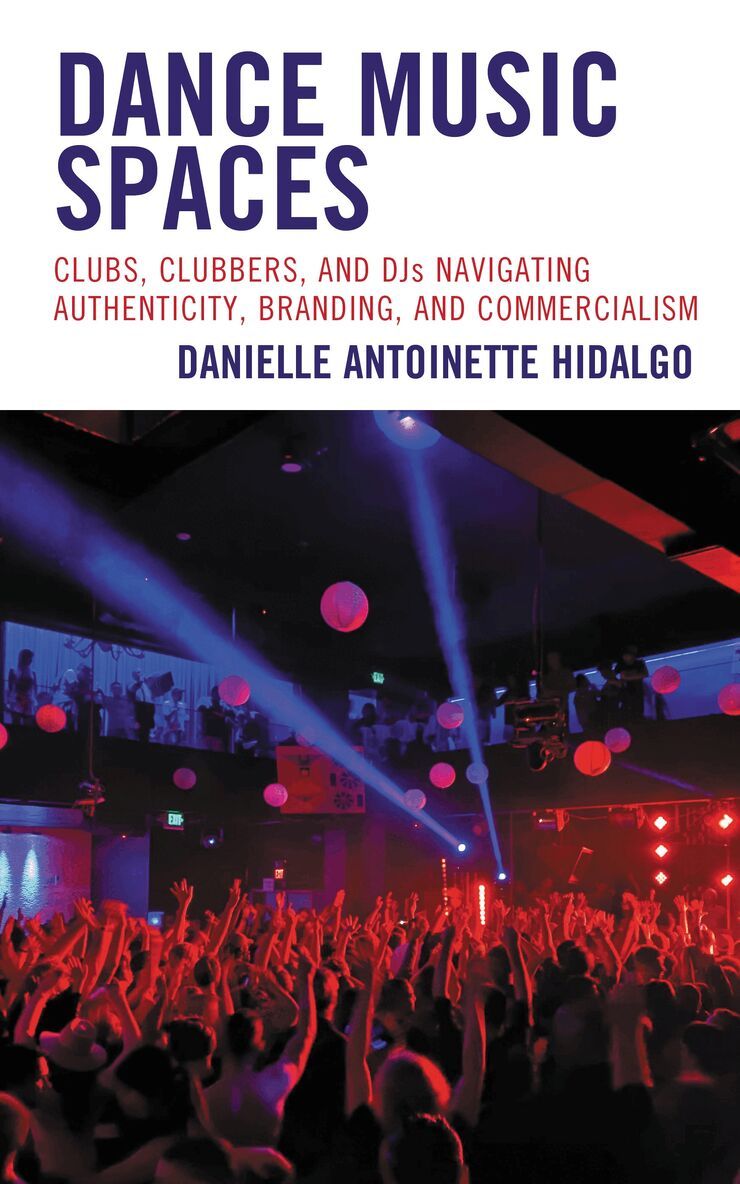
Dance Music Spaces examines the production of physical and digital spaces in dance music, and how the players—clubs, clubbers, and DJs—use authenticity, branding, and commercialism to navigate them. An in-depth study into three women DJs—The Blessed Madonna, Honey Dijon, and Peggy Gou—reveals a new concept, “authenticity maneuvering.” In it Danielle Hidalgo exposes how the strategic use of a rave ethos both bolsters acceptance in dance music spaces and hides often problematic commercial practices. This timely, thoughtful, and deeply personal book presents a compelling analysis of the complicated interplay between dancing bodies, digital practices, and spatial offerings in contemporary dance music.
Dance Music Spaces
Clubs, Clubbers, and DJs Navigating Authenticity, Branding, and Commercialism
Häftad, Engelska, 2023
447 kr
Skickas inom 10-15 vardagar
Dance Music Spaces examines the production of physical and digital spaces in dance music, and how the players—clubs, clubbers, and DJs—use authenticity, branding, and commercialism to navigate them. An in-depth study into three women DJs—The Blessed Madonna, Honey Dijon, and Peggy Gou—reveals a new concept, “authenticity maneuvering.” In it Danielle Hidalgo exposes how the strategic use of a rave ethos both bolsters acceptance in dance music spaces and hides often problematic commercial practices. This timely, thoughtful, and deeply personal book presents a compelling analysis of the complicated interplay between dancing bodies, digital practices, and spatial offerings in contemporary dance music.
1 314 kr
Skickas inom 10-15 vardagar
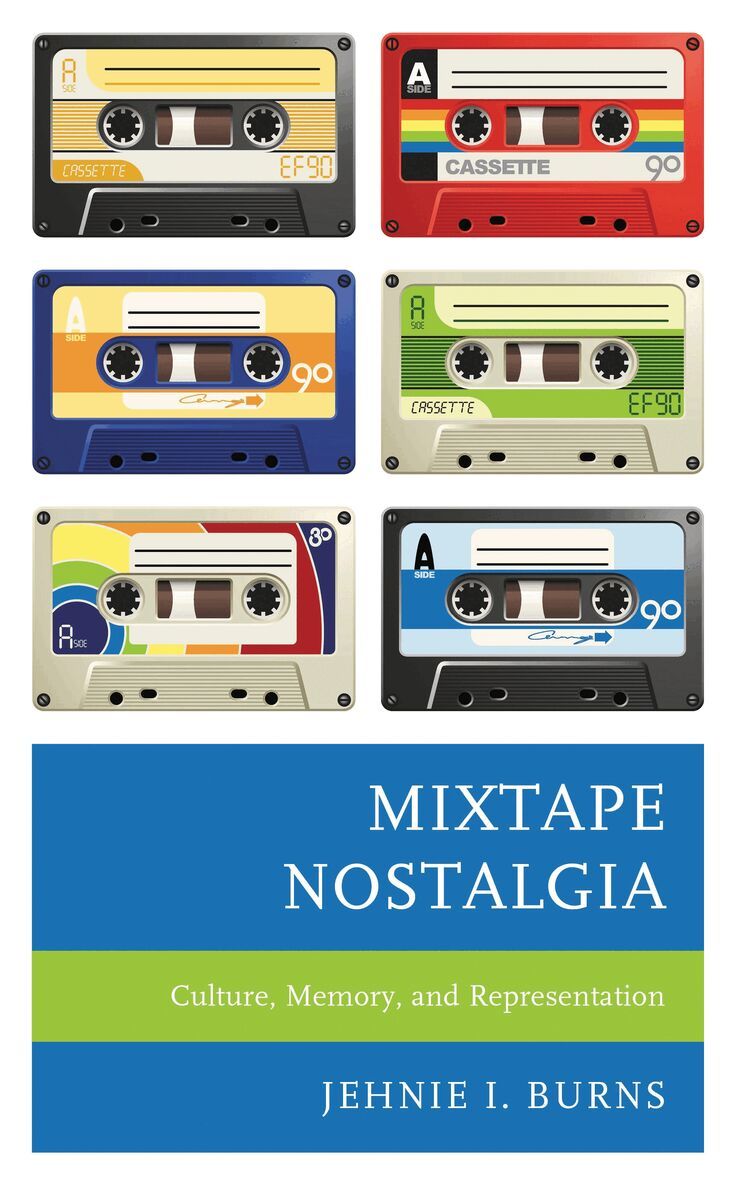
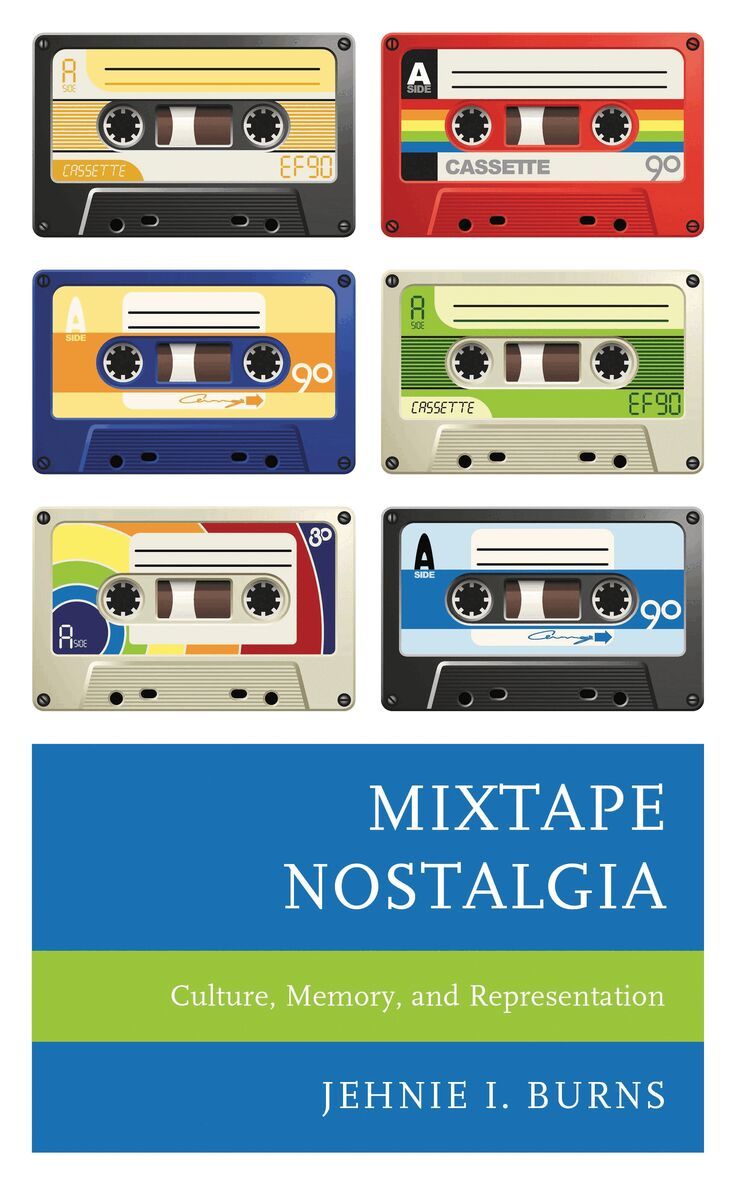
Mixtape Nostalgia: Culture, Memory, and Representation tells the story of the mixtape from its history in 1970s bootlegging to its resurgence as an icon of nostalgic analog technology. Burns looks at the history of the mixtape from the early 1980s and the rise of the cassette as a fundamental aspect of the music industry. Stories from music fans collecting hip hop mixtapes in the Bronx or recording songs off the radio permeate the book. She discusses the continued contemporary appeal of the mixtape as musicians, novelists, memoirists, playwrights, and even podcasters have used it as a metaphor for connection and identity. From Rob Sheffield’s Love is a Mix Tape to Questlove’s Mixtape Potluck Cookbook, Burns analyzes how the mixtape can function as a plot point, a stand-in for emotional connection, or an organizing structure. The book shows how creators use the iconography of the mixtape cassette to create ephemera, from coffee subscriptions to board games, which speaks to the appreciation of the tangible and the analog. The desire to find connection through sharing a physical artifact permeates the various creative uses of the mixtape. From blockbuster films like Guardians of the Galaxy to mixtape throw pillows, Burns highlights the mixtape as a site of collective memory tied to youth culture, community identity, and sharing music.
447 kr
Skickas inom 10-15 vardagar
Mixtape Nostalgia: Culture, Memory, and Representation tells the story of the mixtape from its history in 1970s bootlegging to its resurgence as an icon of nostalgic analog technology. Burns looks at the history of the mixtape from the early 1980s and the rise of the cassette as a fundamental aspect of the music industry. Stories from music fans collecting hip hop mixtapes in the Bronx or recording songs off the radio permeate the book. She discusses the continued contemporary appeal of the mixtape as musicians, novelists, memoirists, playwrights, and even podcasters have used it as a metaphor for connection and identity. From Rob Sheffield’s Love is a Mix Tape to Questlove’s Mixtape Potluck Cookbook, Burns analyzes how the mixtape can function as a plot point, a stand-in for emotional connection, or an organizing structure. The book shows how creators use the iconography of the mixtape cassette to create ephemera, from coffee subscriptions to board games, which speaks to the appreciation of the tangible and the analog. The desire to find connection through sharing a physical artifact permeates the various creative uses of the mixtape. From blockbuster films like Guardians of the Galaxy to mixtape throw pillows, Burns highlights the mixtape as a site of collective memory tied to youth culture, community identity, and sharing music.
1 177 kr
Skickas inom 10-15 vardagar
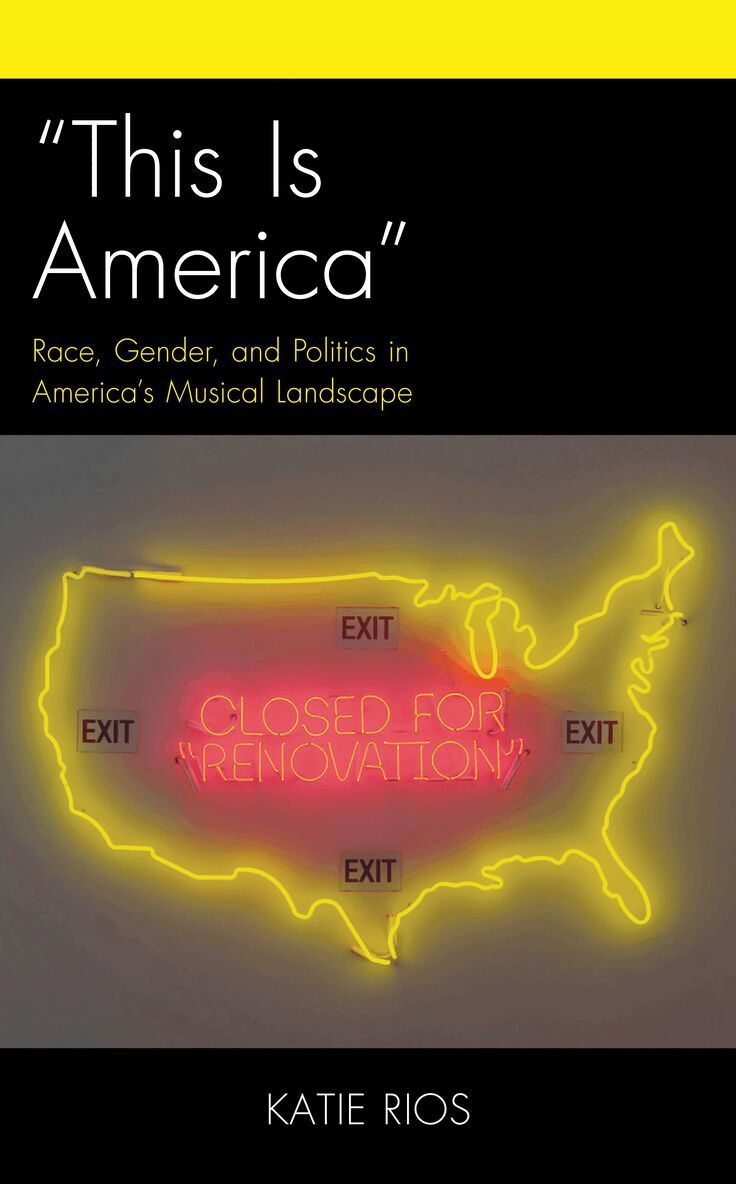
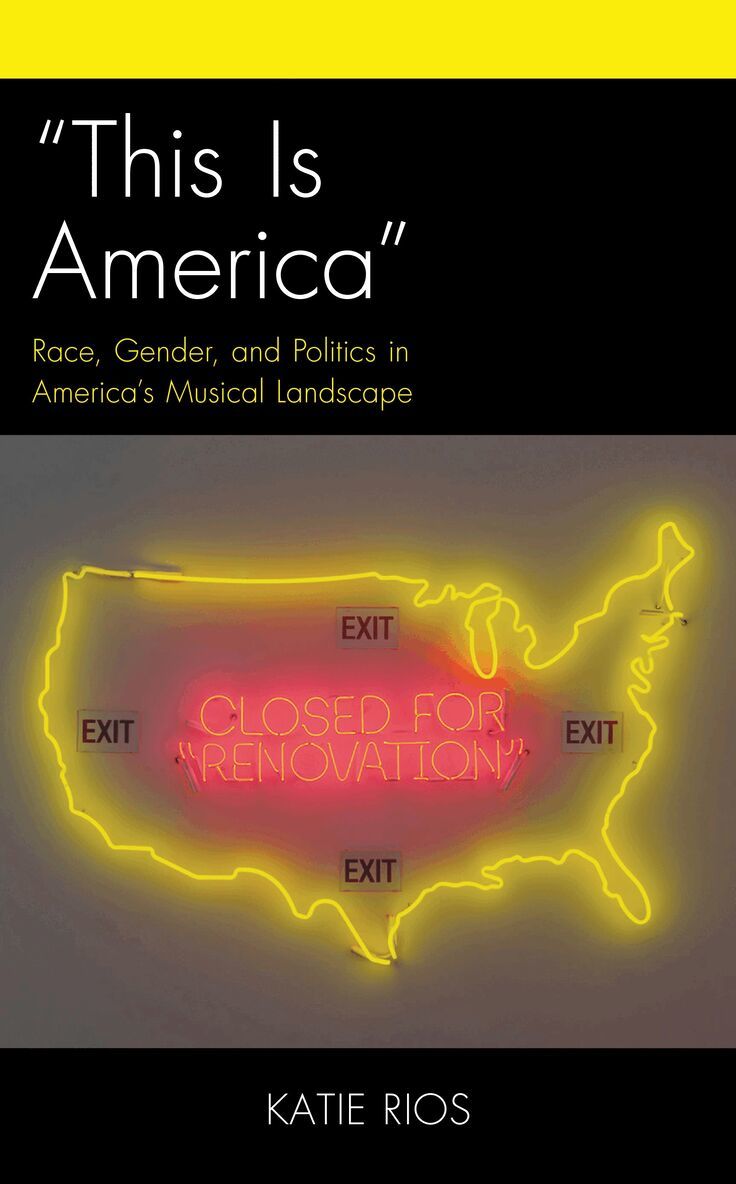
In “This Is America”: Race, Gender, and Politics in America’s Musical Landscape, Katie Rios argues that prominent American artists and musicians build encoded gestures of resistance into their works and challenge the status quo. These artists offer both an interpretation and a critique of what “This Is America” means. Using Childish Gambino’s video for “This Is America” as a starting point, Rios considers how elements including clothing, hairstyles, body movements, gaze, lighting effects, distortion, and word play symbolize American dissonance. From Laurie Anderson’s presence in challenging authority and playing with traditional gender roles in her works, to the Black female feminism and social activism of Beyoncé, Rhiannon Giddens, and Janelle Monáe, to hip hop as resistance in the age of Trump, to sonic and visual variety in the musical Hamilton, the subjects are as powerful as they are topical. Rios explores the ways in which artists relate to and represent underrepresented groups, especially groups that are not traditionally perceived as having a majority voice. The encoded resistances recur across performances and video recordings so that they begin to become recognizable as repeated acts of resistance directed at injustices based on a number of categories, including race, gender, class, religion, and politics.
447 kr
Skickas inom 10-15 vardagar
In “This Is America”: Race, Gender, and Politics in America’s Musical Landscape, Katie Rios argues that prominent American artists and musicians build encoded gestures of resistance into their works and challenge the status quo. These artists offer both an interpretation and a critique of what “This Is America” means. Using Childish Gambino’s video for “This Is America” as a starting point, Rios considers how elements including clothing, hairstyles, body movements, gaze, lighting effects, distortion, and word play symbolize American dissonance. From Laurie Anderson’s presence in challenging authority and playing with traditional gender roles in her works, to the Black female feminism and social activism of Beyoncé, Rhiannon Giddens, and Janelle Monáe, to hip hop as resistance in the age of Trump, to sonic and visual variety in the musical Hamilton, the subjects are as powerful as they are topical. Rios explores the ways in which artists relate to and represent underrepresented groups, especially groups that are not traditionally perceived as having a majority voice. The encoded resistances recur across performances and video recordings so that they begin to become recognizable as repeated acts of resistance directed at injustices based on a number of categories, including race, gender, class, religion, and politics.
1 108 kr
Skickas inom 10-15 vardagar
Electronic Dance Music: From Deviant Subculture to Culture Industry explores the subculture’s emergence as a deviant subculture. This text analyzes how industry professionals, fans, and public officials helped usher in a new age of EDM, arguing that while the defining features of the subculture made it attractive, they also laid the foundations for outsiders to commodify the movement as a culture industry. Conner and Dickens explore the concept of “commodified resistance” as the mechanism by which the movement's politically dissident features were removed and its place as a multi-billion-dollar industry made possible. Ultimately, this text advocates the continued utility of the culture industry thesis through an empirical analysis of the EDM subculture.Check out an interview with the author on the New Books Network podcast here: https://newbooksnetwork.com/electronic-dance-music
420 kr
Skickas inom 10-15 vardagar
Electronic Dance Music: From Deviant Subculture to Culture Industry explores the subculture’s emergence as a deviant subculture. This text analyzes how industry professionals, fans, and public officials helped usher in a new age of EDM, arguing that while the defining features of the subculture made it attractive, they also laid the foundations for outsiders to commodify the movement as a culture industry. Conner and Dickens explore the concept of “commodified resistance” as the mechanism by which the movement's politically dissident features were removed and its place as a multi-billion-dollar industry made possible. Ultimately, this text advocates the continued utility of the culture industry thesis through an empirical analysis of the EDM subculture.Check out an interview with the author on the New Books Network podcast here: https://newbooksnetwork.com/electronic-dance-music
1 177 kr
Skickas inom 10-15 vardagar
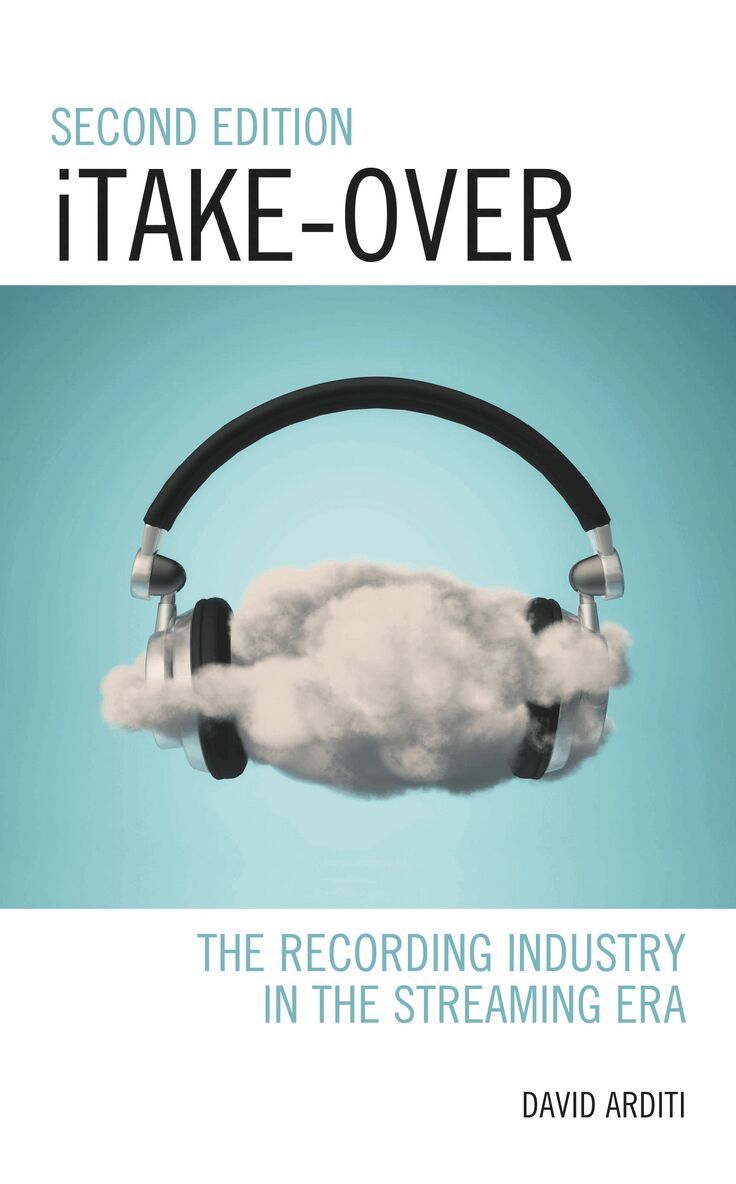
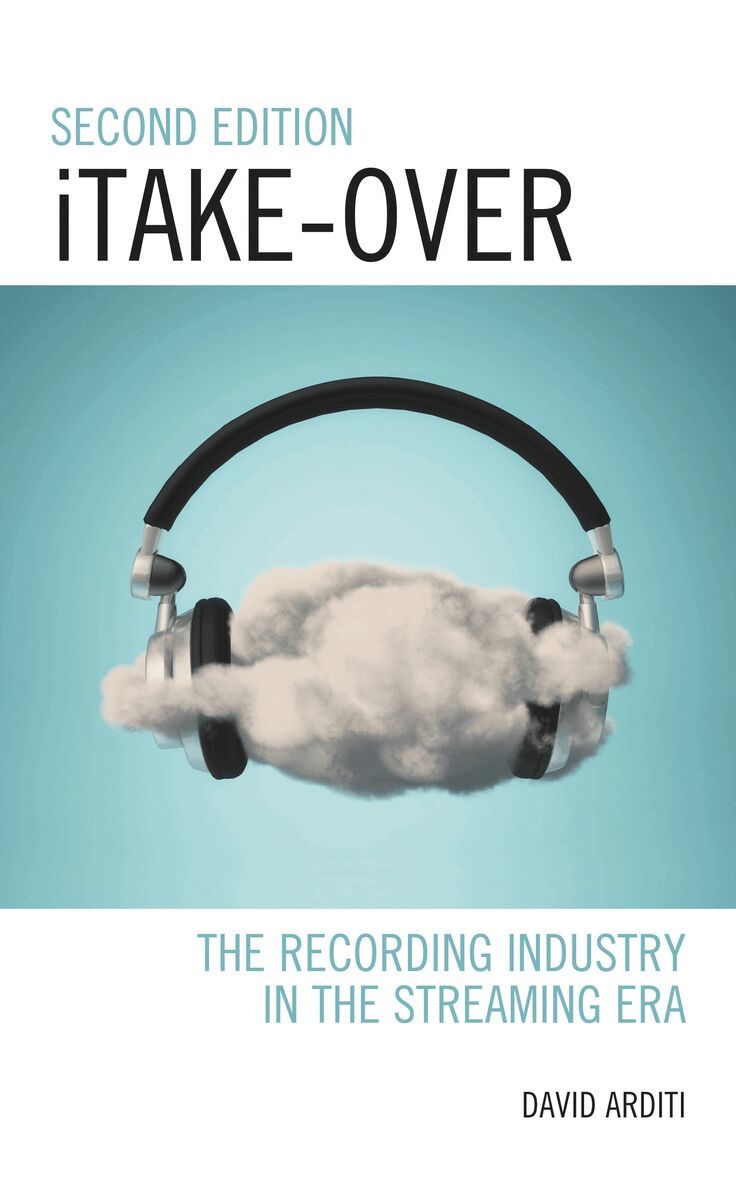
The second edition of iTake-Over: The Recording Industry in the Streaming Era sheds light on the way large corporations appropriate new technology to maintain their market dominance in a capitalist system. To date, scholars have erroneously argued that digital music has diminished the power of major record labels. In iTake-Over, sociologist David Arditi suggests otherwise, adopting a broader perspective on the entire issue by examining how the recording industry strengthened copyright laws for their private ends at the expense of the broader public good. Arditi also challenges the dominant discourse on digital music distribution, which assumes that the recording industry has a legitimate claim to profitability at the expense of a shared culture. Arditi specifically surveys the actual material effects that digital distribution has had on the industry. Most notable among these is how major record labels find themselves in a stronger financial position today in the music industry than they were before the launch of Napster, largely because of reduced production and distribution costs and the steady gain in digital music sales. Moreover, instead of merely trying to counteract the phenomenon of digital distribution, the RIAA and the major record labels embraced and then altered the distribution system.
502 kr
Skickas inom 10-15 vardagar
The second edition of iTake-Over: The Recording Industry in the Streaming Era sheds light on the way large corporations appropriate new technology to maintain their market dominance in a capitalist system. To date, scholars have erroneously argued that digital music has diminished the power of major record labels. In iTake-Over, sociologist David Arditi suggests otherwise, adopting a broader perspective on the entire issue by examining how the recording industry strengthened copyright laws for their private ends at the expense of the broader public good. Arditi also challenges the dominant discourse on digital music distribution, which assumes that the recording industry has a legitimate claim to profitability at the expense of a shared culture. Arditi specifically surveys the actual material effects that digital distribution has had on the industry. Most notable among these is how major record labels find themselves in a stronger financial position today in the music industry than they were before the launch of Napster, largely because of reduced production and distribution costs and the steady gain in digital music sales. Moreover, instead of merely trying to counteract the phenomenon of digital distribution, the RIAA and the major record labels embraced and then altered the distribution system.